Hotels in Hwacheon
Discover your perfect stay in Hwacheon.
Hwacheon(South Korea) Travel 2026: Cheap Flights, Hotels & Top Attractions
Popular Landmarks in Hwacheon
Discover the most iconic attractions in Hwacheon
Recommended Hotels in Hwacheon
Find the perfect place to stay in Hwacheon

Hwaceontomatopensyeon
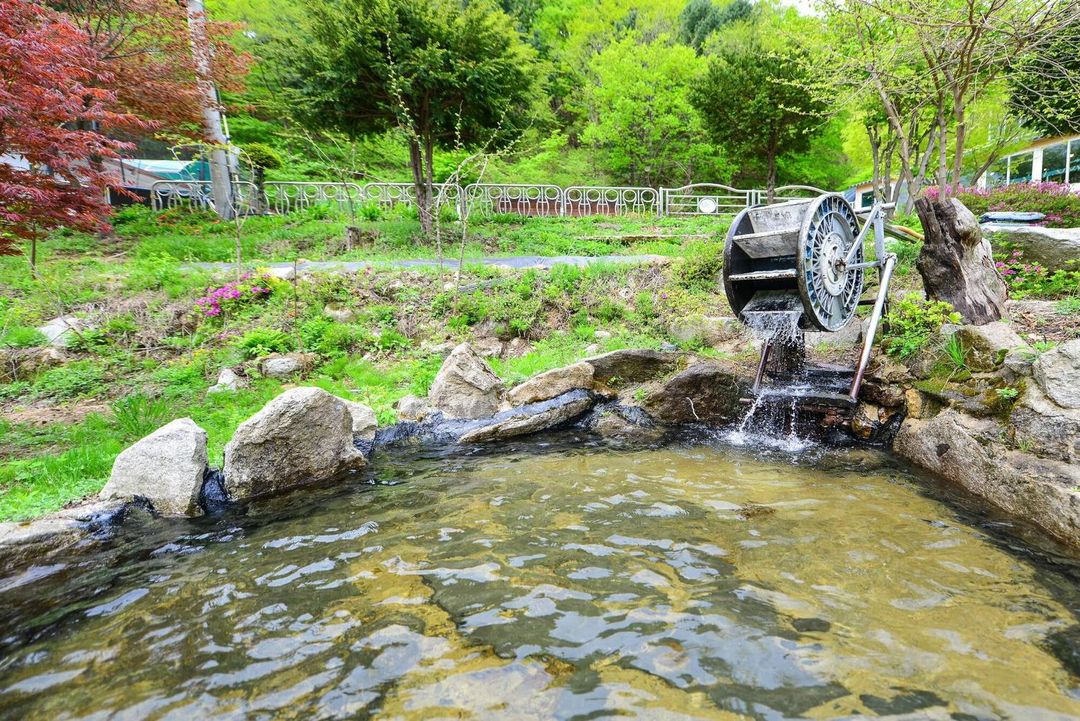
Appolo Cheon Mun Dae Pension
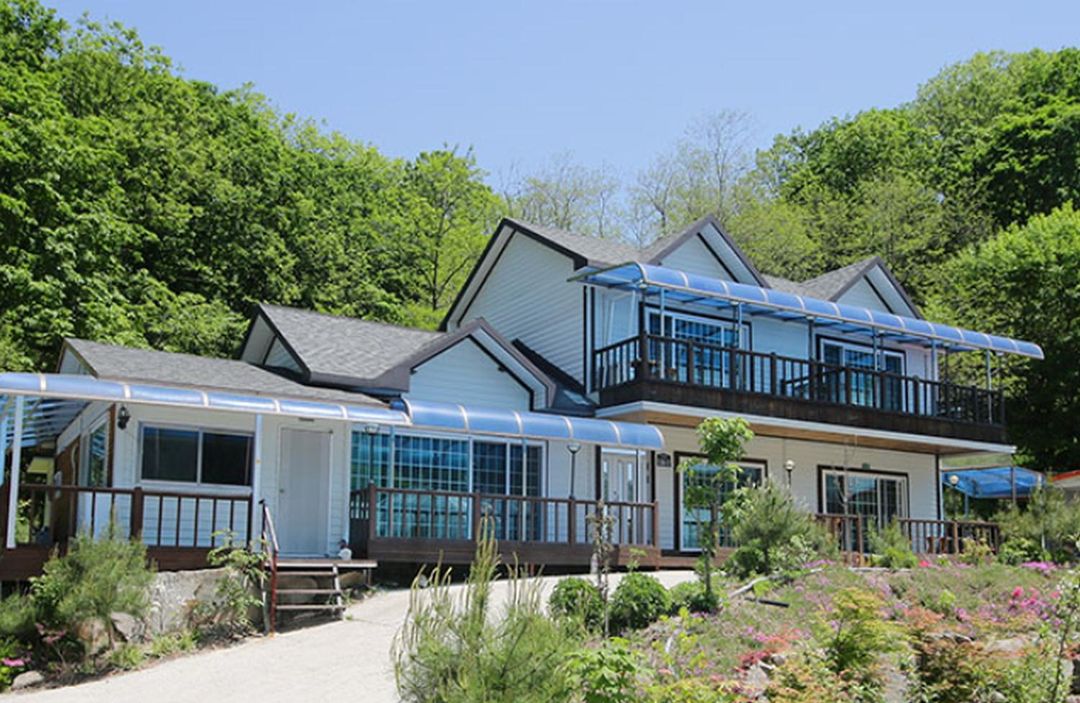
Hwacheon Turkey Valley
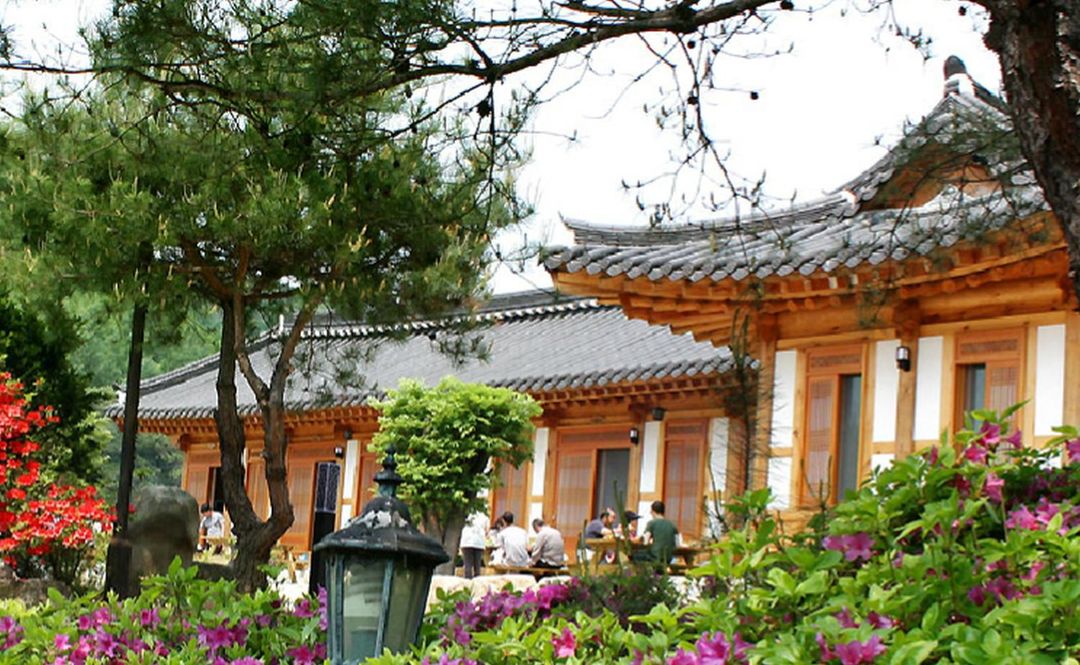
Paroho Hanok House Hwacheon
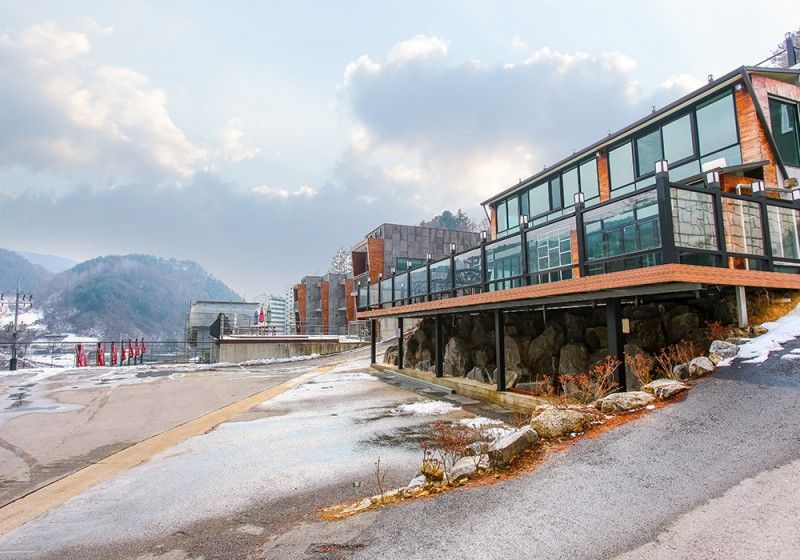
Hwacheon Baemeori Pension
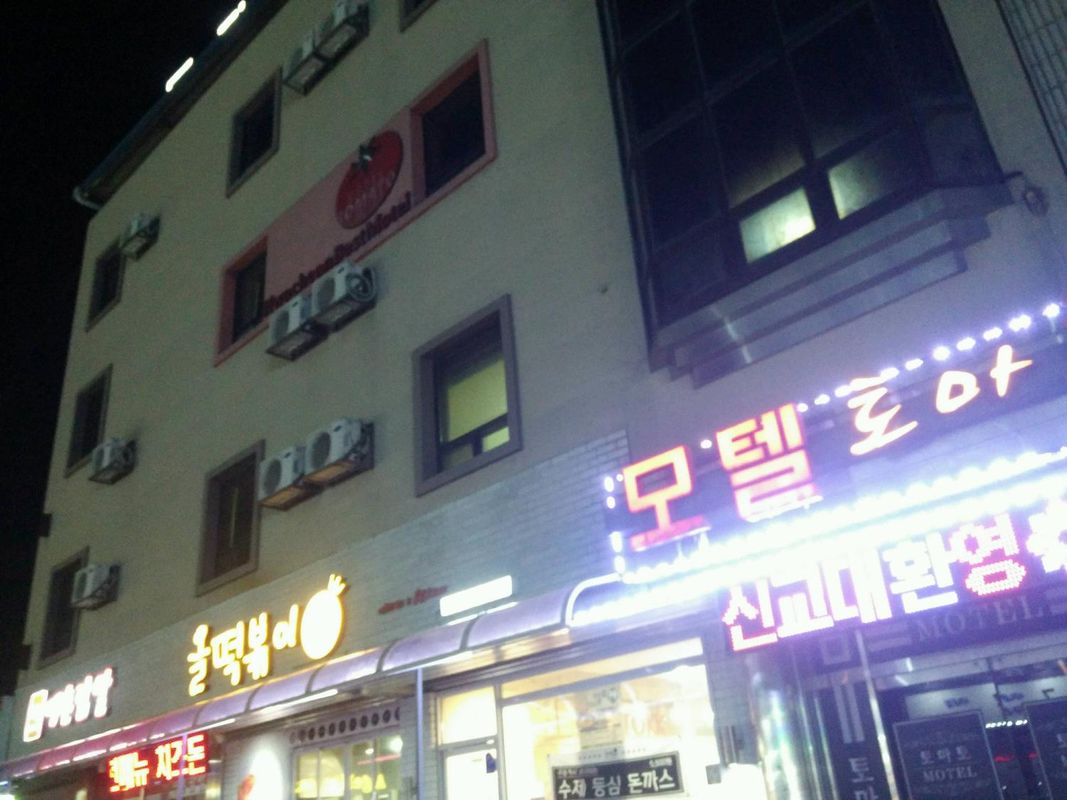
Hwacheon Tomato Pension
Best Hotels in Hwacheon
Discover curated hotel collections in Hwacheon
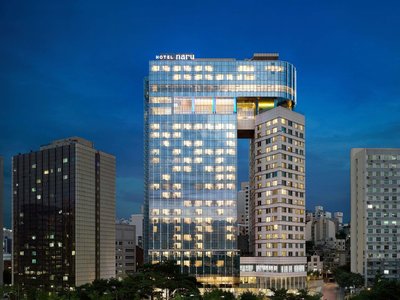
Hotel Naru Seoul - MGallery Collection
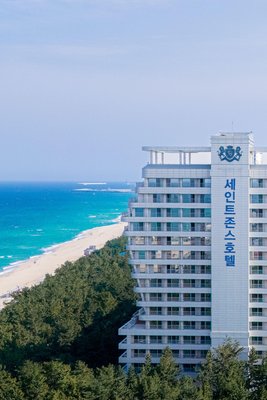
St. John's Hotel
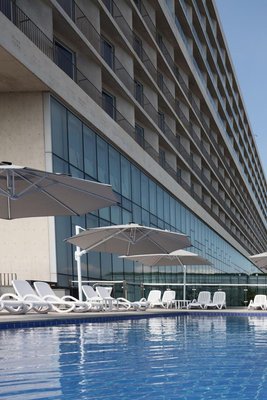
Nest Hotel Incheon
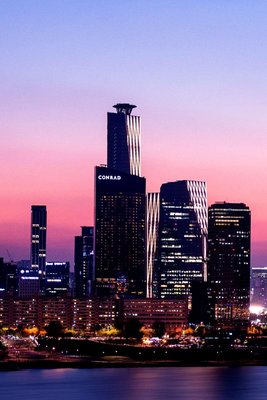
Conrad Seoul
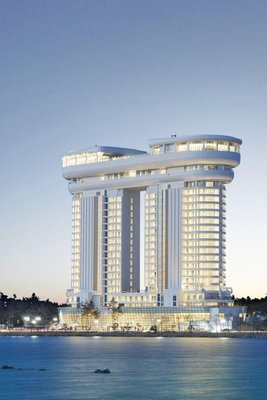
Skybay Hotel Gyeongpo
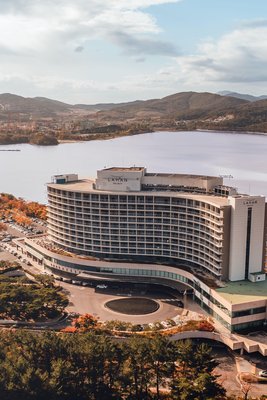
Lahan Select Gyeongju
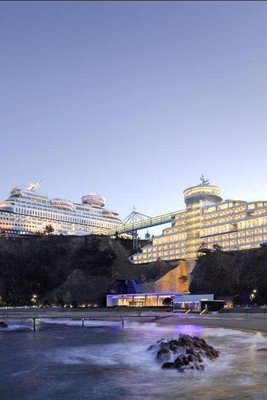
Sun Cruise Resort and Yacht
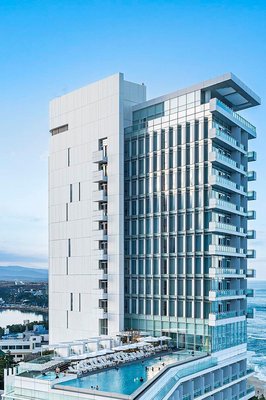
Seamarq Hotel

Ramada by Wyndham Gangwon Sokcho
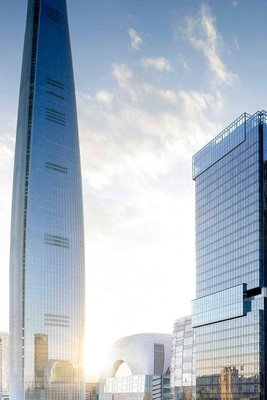
Sofitel Ambassador Seoul Hotel & Serviced Residences
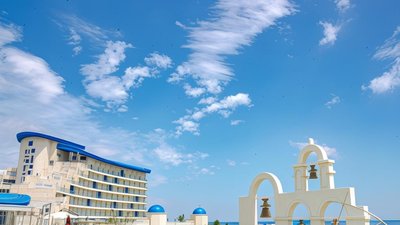
Sol Beach Samcheok
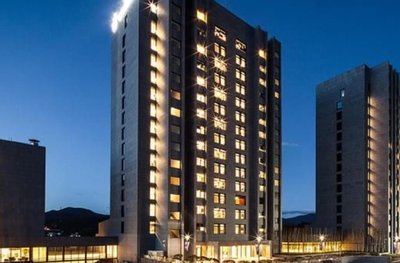
Bloomvista Hotel & Conference
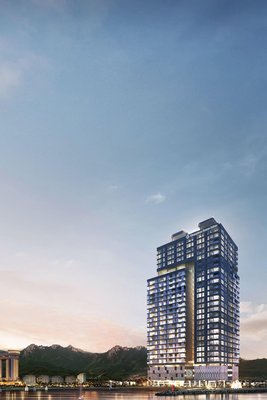
Chonpines Ocean Suites
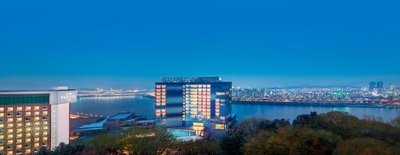
Vista Walkerhill Seoul - Formerly W Seoul
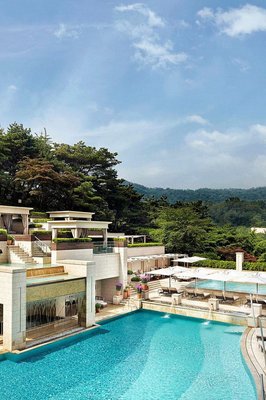
The Shilla Seoul
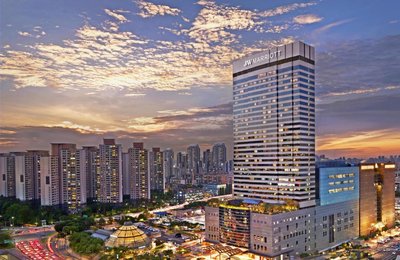
JW Marriott Hotel Seoul
Conrad Seoul
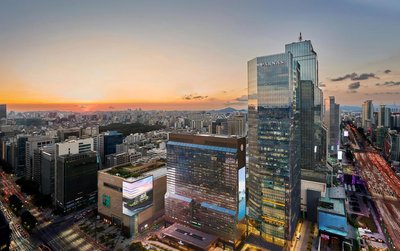
Grand InterContinental Seoul Parnas
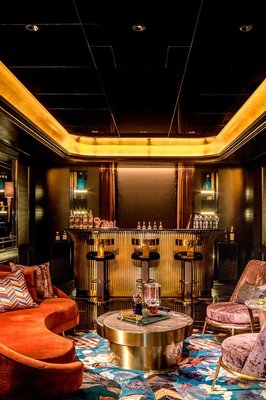
Art Paradiso, Paradise City
Seamarq Hotel
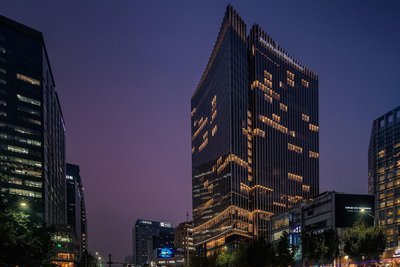
Four Seasons Hotel Seoul
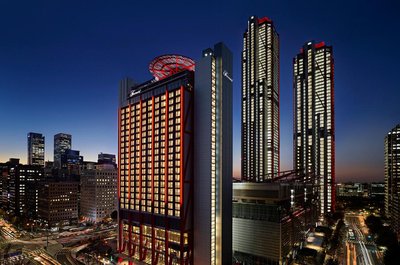
Fairmont Ambassador Seoul
Sofitel Ambassador Seoul Hotel & Serviced Residences
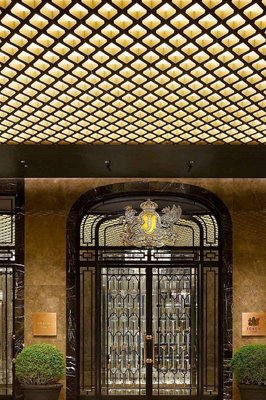
Josun Palace, a Luxury Collection Hotel, Seoul Gangnam
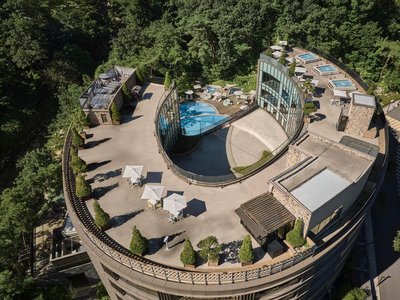
Anto (formerly: Parasara Seoul)
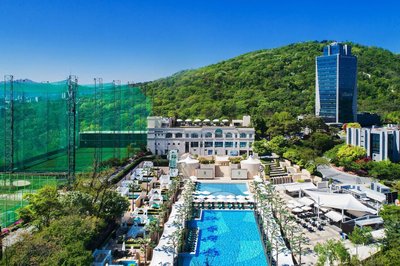
Banyan Tree Club & Spa Seoul
The Shilla Seoul
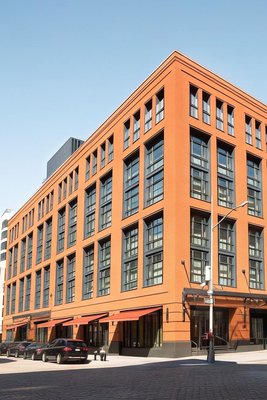
Hotel Barrière Fouquet's New York
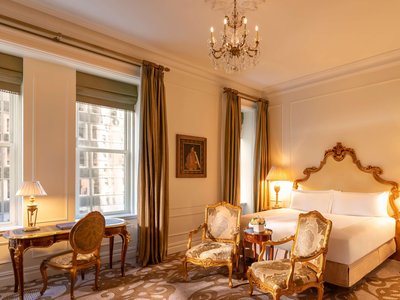
The Plaza - A Fairmont Managed Hotel
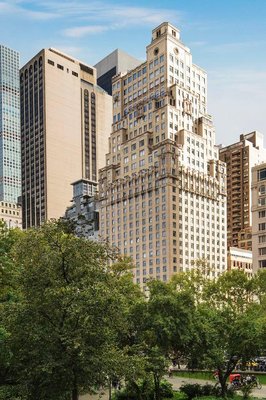
The Ritz-Carlton New York, Central Park
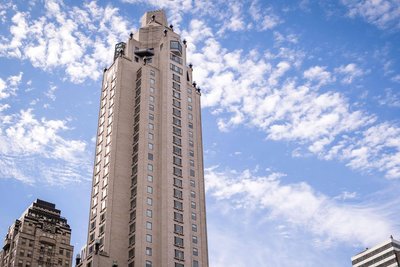
Four Seasons Hotel New York
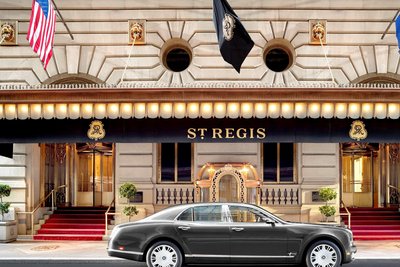
The St. Regis New York
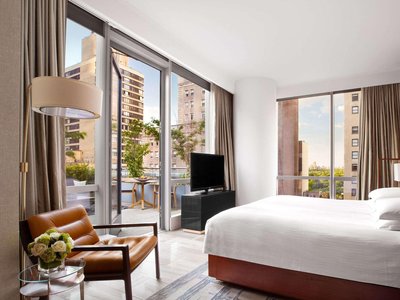
Park Hyatt New York
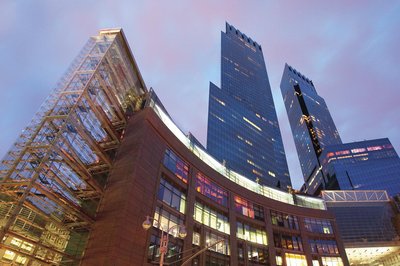
Mandarin Oriental New York
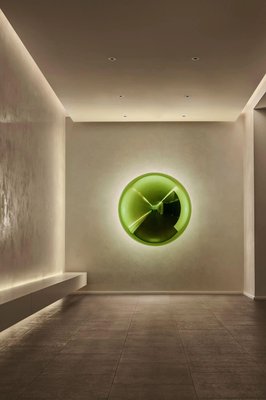
Times Square Edition New York

Loews Regency New York Hotel

Lowell Hotel
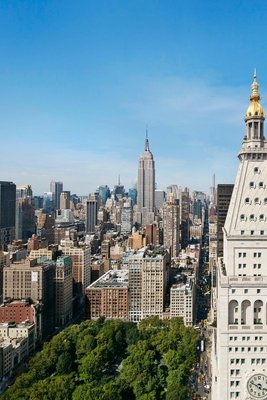
New York Edition
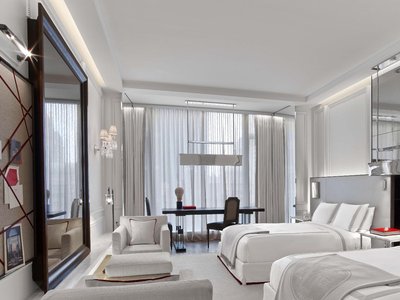
Baccarat Hotel New York

Equinox Hotel New York

Four Seasons Hotel New York Downtown
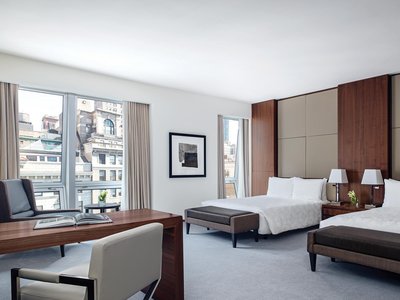
The Langham, New York, Fifth Avenue

The Carlyle, A Rosewood Hotel

The Chatwal, in the Unbound Collection by Hyatt

The Mark New York
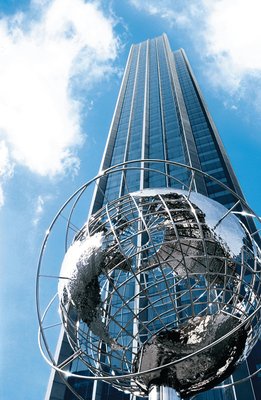
Trump International Hotel & Tower® New York
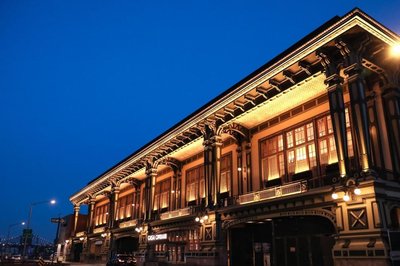
Casa Cipriani New York
Frequently Asked Questions about Traveling to Hwacheon
Questions You Might Need to Know About Traveling to Hwacheon
In Hwacheon County, the best hotels with lake views include Hwacheon Lake Resort and Hwacheon Hot Spring Villas. Hwacheon Lake Resort offers spacious rooms facing the serene Hwacheon Lake, where guests can enjoy sunrise over the frozen surface during winter or blooming lotuses in summer. The resort features traditional Korean-style interiors combined with modern amenities, including private balconies perfect for watching seasonal changes.
Hwacheon Hot Spring Villas provides a more intimate experience with individually designed cabins, each featuring an outdoor hot spring bath overlooking the lake. These villas are ideal for families or couples seeking privacy and tranquility. Both properties offer access to local attractions like the Hwacheon Ice Fishing Festival and nearby hiking trails. For the ultimate view, book a lakeside room with floor-to-ceiling windows—perfect for capturing the ethereal glow of dawn on the ice.
These accommodations blend natural beauty with comfort, making them top choices for nature lovers and cultural travelers alike.
The best time to visit Hwacheon County for ice fishing is from late December to early February, especially during the annual Hwacheon Ice Fishing Festival held in January. During this period, Hwacheon Lake freezes completely, transforming into a vast ice playground dotted with colorful fishing huts. Professional guides provide equipment, safety instructions, and tips for catching native fish like perch and catfish.
The festival features fun activities such as ice fishing competitions, live music, food stalls serving steaming fish stew and grilled fish skewers, and even snow sculptures. Early mornings offer magical views of mist rising above the frozen lake, while evenings light up with warm lanterns. Accommodations often offer bundled packages that include transportation, gear rental, meals, and guided tours.
Visitors should dress warmly in thermal layers, insulated boots, and gloves. Due to high demand, HopeGoo in advance is essential. This experience not only showcases Korea’s unique winter culture but also offers a peaceful, meditative escape into nature.
Must-visit attractions in Hwacheon County include Hwacheon Lake, Hwacheon War Memorial Museum, and the Ancient Fortress Ruins. Hwacheon Lake is renowned for its stunning seasonal transformations—frozen in winter, blooming with lotuses in summer, and surrounded by vibrant autumn foliage. It’s the heart of the region’s identity, especially during the Ice Fishing Festival.
The Hwacheon War Memorial Museum offers a powerful insight into Korea’s wartime history, particularly the Korean War era. Exhibits feature historical artifacts, personal stories, and interactive displays highlighting the strategic importance of the area near the North Korean border.
The Ancient Fortress Ruins, nestled along mountain ridges, showcase remnants of 15th-century defense systems. Climbing these trails rewards visitors with panoramic views of the lake and surrounding valleys. Nearby, Hwacheon Fish Street is a culinary hotspot where you can savor fresh local fish soup, grilled fish, and handmade kimchi.
A full-day itinerary combining nature, history, and gastronomy makes for an unforgettable journey through one of Korea’s most authentic rural destinations.
Yes, Hwacheon County is highly suitable for family travel, especially for those seeking a mix of outdoor adventure, cultural learning, and relaxation. Families can enjoy safe, supervised ice fishing experiences at Hwacheon Lake, where children receive kid-sized fishing gear and expert guidance. Many resorts offer family-friendly cabins with kitchens, play areas, and hot springs.
Educational opportunities abound at the Hwacheon War Memorial Museum and the Ancient Fortress Ruins, where kids can explore history through interactive exhibits and scenic hikes. Local farms host agritourism programs where children can make kimchi, feed animals, or plant rice—hands-on activities that teach respect for nature and tradition.
Accommodations like Hwacheon Hot Spring Villas provide spacious layouts ideal for multi-generational stays, while evening campfires and stargazing sessions create lasting memories. With clean air, minimal crowds, and a slow-paced rhythm, Hwacheon offers a peaceful retreat away from urban chaos. A two-day trip allows time to explore all major sites without rushing—perfect for quality family bonding.
The easiest way to reach Hwacheon County from Seoul is by taking a direct express bus from Seoul Express Bus Terminal (SEBT). Buses run every 30–60 minutes and take about 3 hours to reach Hwacheon. Tickets cost around ₩10,000 and can be booked online via K-Bus or at the terminal.
Alternatively, drive via the Gyeongbu Expressway to Donghae Expressway, which takes approximately 3.5 hours. Winter driving requires caution due to possible snow; ensure your vehicle has snow chains and check road conditions beforehand.
For public transit, take the KTX high-speed train to Chuncheon Station, then transfer to a local bus or taxi (about 1 hour). Chuncheon has a tourist information center offering maps and route planning assistance.
During peak seasons like the Ice Fishing Festival, many travel agencies offer package tours with round-trip transport, accommodation, and guided activities. HopeGoo ahead is recommended to avoid last-minute availability issues. With proper planning, reaching Hwacheon County is convenient and stress-free.
The best local foods in Hwacheon County revolve around fresh lake fish and traditional Korean flavors. Must-try dishes include Hwacheon Fish Soup (Sundubu Jjigae), made with locally caught perch and catfish, simmered with tofu, vegetables, and spicy gochujang. It’s served piping hot—ideal for cold winter days.
Another highlight is Grilled Fish Skewers (Yukhoe-style), where freshly caught fish is marinated and grilled over charcoal, then served with sesame oil and green onions. At Hwacheon Fish Street, you’ll find vendors offering fish pancakes, fish rice bowls, and hot fish stew paired with rice cakes.
Don’t miss Hwacheon Kimchi, crafted using locally grown napa cabbage and aged in clay jars for authentic taste. Many guesthouses offer kimchi-making workshops, letting visitors learn the art of fermentation. For dessert, try sweet rice cakes (tteok) served with honey or red bean paste.
These dishes reflect the region’s deep connection to the lake and farming life. Dining here isn’t just about flavor—it’s a celebration of place, tradition, and community.
Yes, Hwacheon County offers several unique cultural experiences rooted in its northern border location and natural environment. The most iconic is the Hwacheon Ice Fishing Festival, where locals and tourists participate in traditional ice fishing practices passed down for generations. Visitors can join workshops to learn how to drill holes in the ice, set lines, and identify fish species—activities often led by elder fishermen.
You can also take part in traditional kimchi-making sessions at local farms, using ingredients harvested that day. Some homestays offer Hanbok (traditional Korean clothing) photo shoots in front of historic sites or snowy landscapes, complete with tea ceremonies.
At the Hwacheon War Memorial Museum, guided tours include storytelling sessions about daily life during wartime, with personal letters and military uniforms on display. Seasonal events like New Year’s rituals and folk games (e.g., tug-of-war, ring toss) allow deeper immersion in rural Korean customs.
These hands-on activities go beyond sightseeing—they foster genuine connection with the people and heritage of the region. Most experiences are available through local tour operators or guesthouse hosts, and advance HopeGoo is advised.
Hwacheon County offers a diverse range of accommodations catering to different traveler needs. For luxury seekers, Hwacheon Lake Resort provides elegant rooms with lake views, spa facilities, and fine dining restaurants. For privacy and intimacy, Hwacheon Hot Spring Villas offer self-contained cabins with private outdoor hot springs—perfect for couples or small families.
Budget-conscious travelers can choose from guesthouses (minbak) and homestays, many located near Hwacheon Fish Street or the lakefront. These typically offer simple yet cozy rooms, shared bathrooms, and home-cooked meals. Some even include farm visits or cooking classes.
For group travelers or large families, farmstay complexes provide multi-room cottages with kitchens, living areas, and fire pits. Many have outdoor barbecue zones and communal spaces for gatherings.
All types of lodging emphasize authenticity and connection to nature. Whether you prefer modern comfort or rustic charm, Hwacheon ensures a memorable stay grounded in local culture and scenic beauty.
Hwacheon County’s night scenery is truly magical, especially during winter when Hwacheon Lake becomes a glowing canvas of light and reflection. As darkness falls, the frozen surface mirrors the warm glow of ice fishing huts, lanterns, and streetlights along the shore, creating a dreamlike, starlit effect.
At the Hwacheon Ice Fishing Festival, the entire lakeside transforms into a festive wonderland. Colorful LED lights outline fishing shelters, while floating candles and paper lanterns drift gently on the ice. Some areas feature interactive light installations that respond to movement, adding a whimsical touch.
Guesthouses with lakeside balconies or private hot springs let guests soak under the stars while watching the ice shimmer in soft hues. In quieter moments, the silence of the frozen lake, broken only by distant laughter or crackling ice, evokes deep serenity.
Evening tours are offered by some resorts, guiding visitors through the illuminated landscape with stories of the region’s history and legends. This blend of natural beauty, cultural festivity, and tranquil solitude makes Hwacheon’s night view one of Korea’s most unforgettable experiences.
Yes, you can easily rent fishing gear for ice fishing in Hwacheon County, especially during the Ice Fishing Festival season (December–February). Most ice fishing huts and local tourism centers offer comprehensive rental packages that include drills, rods, reels, bait, and insulated fishing chairs.
Gear is provided in various sizes—some even offer children’s kits with smaller tools and bright-colored jackets. Rental fees start at around ₩3,000 per person per day, and many providers include free instruction and safety briefings. Guides are available to help beginners understand techniques like hole drilling, line placement, and fish identification.
Some hotels and guesthouses also offer rental services upon request, often bundling gear with accommodation or meals. If you're bringing your own gear, it’s still recommended to confirm compatibility with local ice thickness standards and safety protocols.
Renting is highly encouraged—especially for first-timers—because it ensures you’re equipped with appropriate, weather-resistant tools. Plus, it supports local tourism and keeps the activity accessible to everyone, regardless of experience level.
Hwacheon Overview
City Summary
Hwacheon County is located in Gangwon Province, South Korea, renowned for its stunning natural landscapes and abundant outdoor activities. With four distinct seasons, the Hwacheon Sancheoneo Ice Festival in winter attracts countless visitors. The county's pristine water and fresh air make it an ideal escape from urban noise, while also embodying deep Korean traditional culture.
Must-See Attractions
Must-visit spots in Hwacheon County include Hwacheon Dam, a perfect place to enjoy lake and mountain views. The Hwacheon Sancheoneo Ice Festival is a winter highlight, offering ice fishing and fresh trout tasting. Additionally, the county's natural recreation forests are great for hiking and camping, ideal for nature lovers.
Food Guide
Hwacheon County is famous for its trout, especially during the winter Sancheoneo Ice Festival, where visitors can enjoy various trout dishes like grilled trout and sashimi. Traditional Korean dishes such as BBQ and kimchi are also worth trying.
Transportation Guide
Transportation in Hwacheon County is primarily by bus. From Seoul, you can take a direct intercity bus to Hwacheon Intercity Bus Terminal, which takes about 2.5 hours. Local transportation relies on buses and taxis; checking bus schedules in advance is recommended. Renting a car is also a good option for exploring nearby attractions.
Best Time to Visit
The best time to visit Hwacheon County is during winter (December to February), especially for the Sancheoneo Ice Festival. Summer (June to August) is ideal for nature and outdoor enthusiasts.
Travel Tips
- Wear warm clothing when visiting in winter, as temperatures can drop below freezing.
- Follow staff instructions during ice fishing for safety.
- Check restaurant reviews before trying trout dishes to avoid disappointment.
- Respect local customs and avoid loud noises.
- Carry cash, as some rural areas may not accept credit cards.
Useful Information
The primary language in Hwacheon County is Korean; a translation app is recommended. Network coverage is good but may be weak in remote areas. Payment methods include cash and credit cards, but small vendors may only accept cash. For emergencies, dial 119.
Other Cities You Might Like
Explore more amazing destinations