Hotels in Hwaseong
Discover your perfect stay in Hwaseong.
Hwaseong(South Korea) Travel 2026: Cheap Flights, Hotels & Top Attractions
Popular Landmarks in Hwaseong
Discover the most iconic attractions in Hwaseong
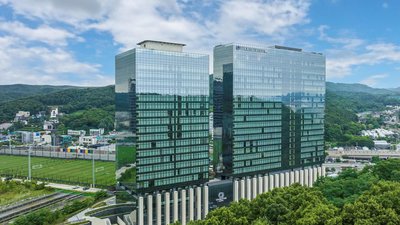
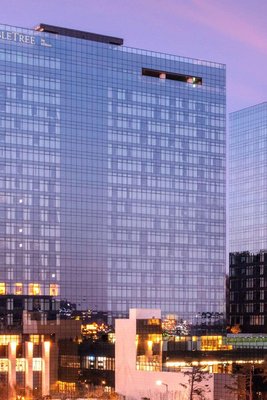
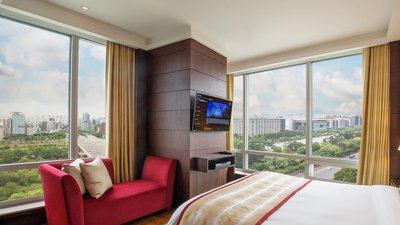
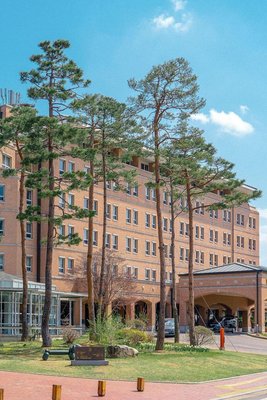
Recommended Hotels in Hwaseong
Find the perfect place to stay in Hwaseong
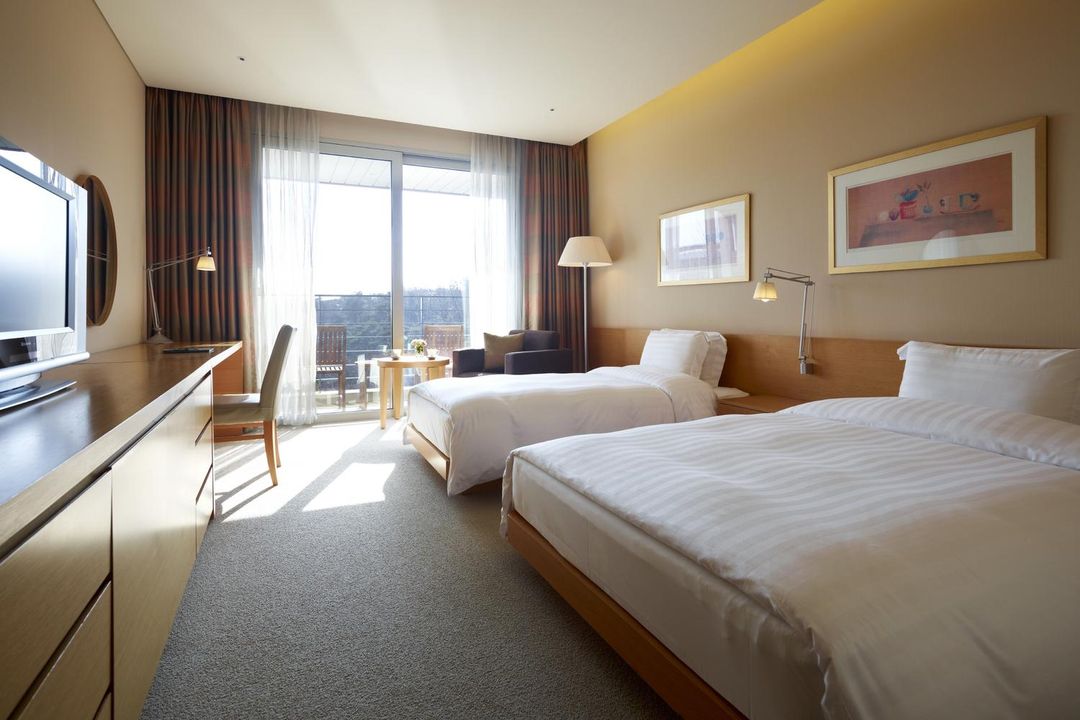
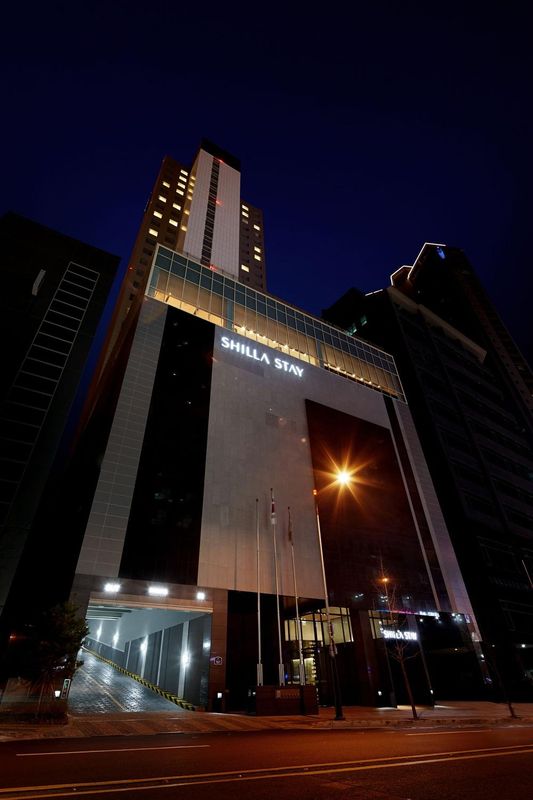
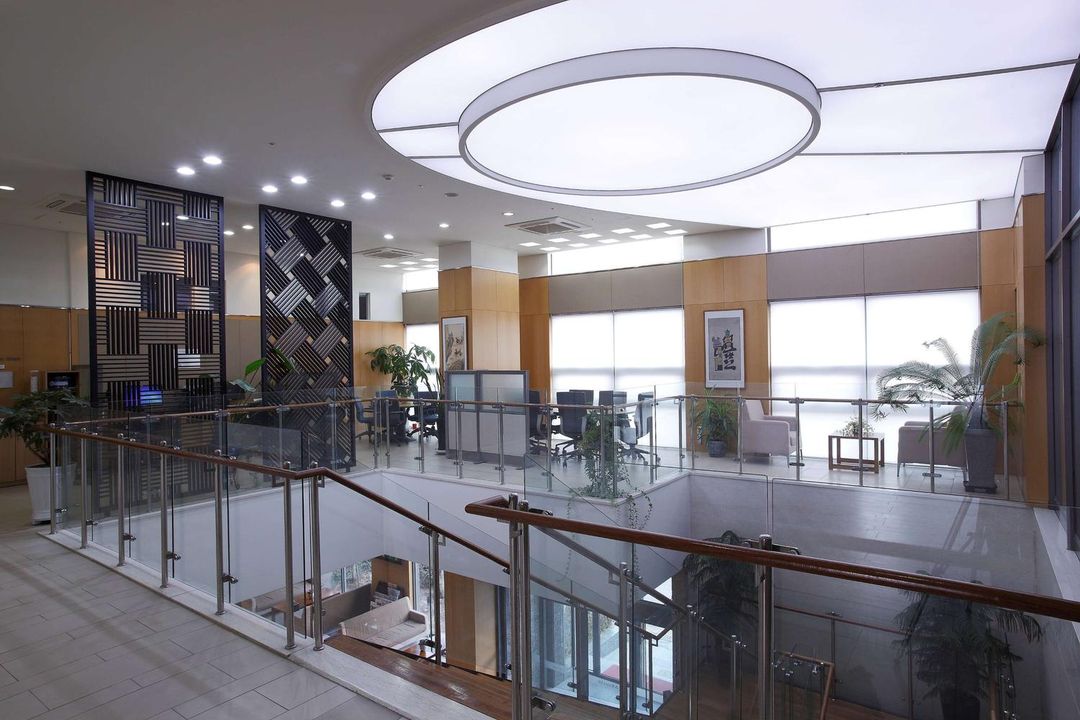
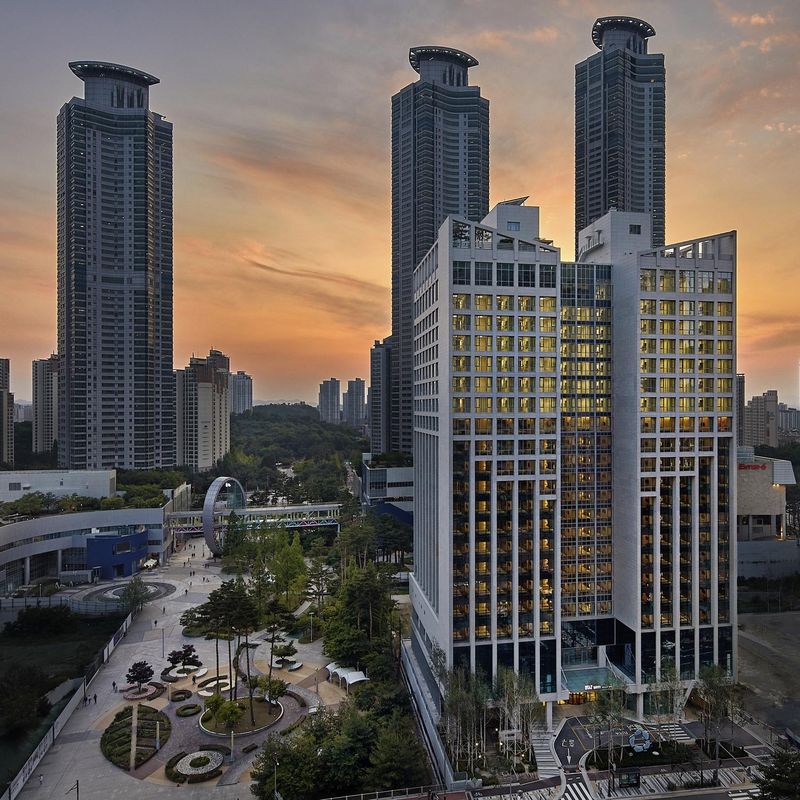
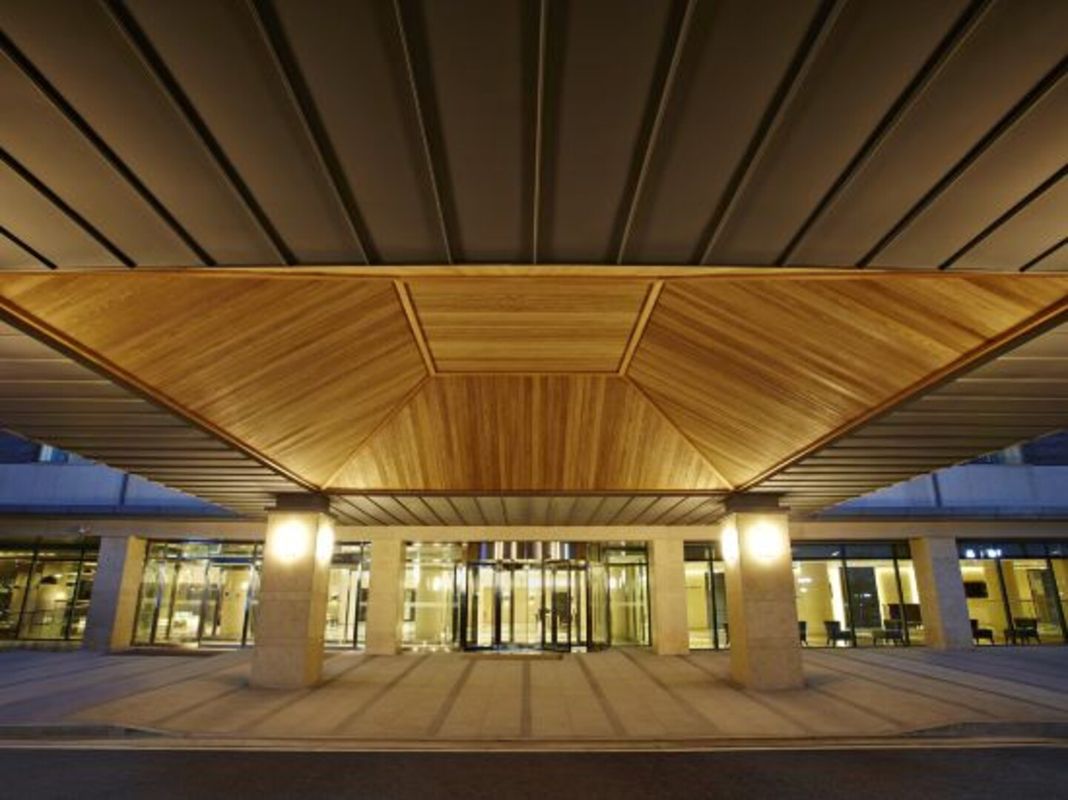
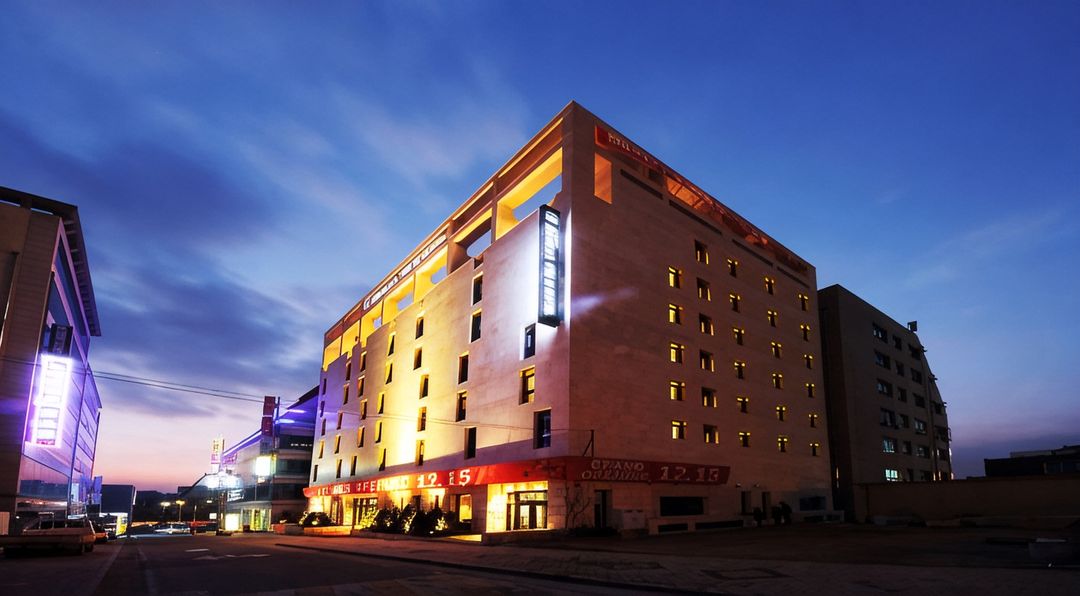
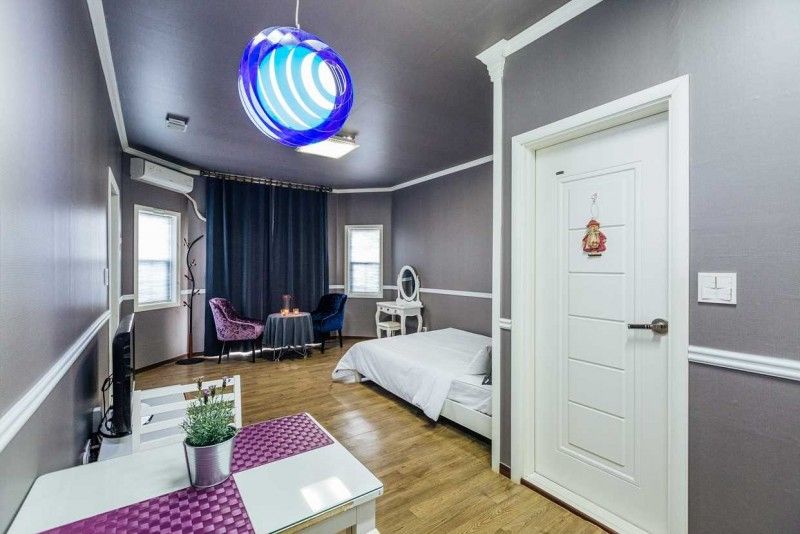
Best Hotels in Hwaseong
Discover curated hotel collections in Hwaseong
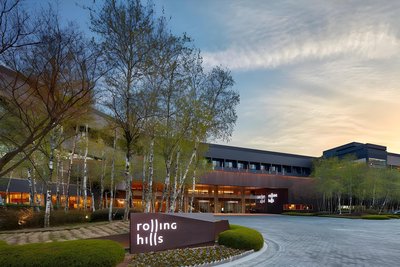


Frequently Asked Questions about Traveling to Hwaseong
Questions You Might Need to Know About Traveling to Hwaseong
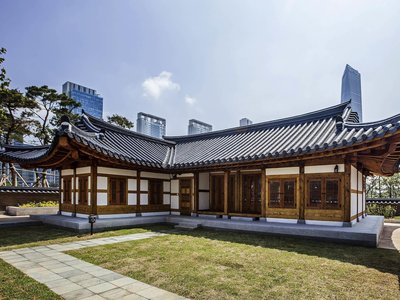
In Hwaseong, the top choice is Hwaseong Hanok Hotel, located just steps from the Hwaseong Fortress Wall. This meticulously restored hanok-style inn features ondol heated floors, paper sliding doors, and handcrafted wooden beams, reflecting 19th-century Joseon Dynasty craftsmanship. Guests can enjoy traditional tea ceremonies, Hanbok rental, and guided night walks along the ancient ramparts. The hotel also hosts seasonal events like Joseon-era ritual reenactments and offers VR storytelling experiences that bring history to life. Its central location near Hwaseong Palace makes it ideal for cultural immersion.
The best area for accommodation is Hwaseong Old Town, nestled directly beside the Hwaseong Fortress and Hwaseong Palace. This district boasts a cluster of heritage hotels and guesthouses, including Namjeong Inn and Sajang Guesthouse, all housed in renovated traditional homes. The area is quiet, walkable, and rich in atmosphere—perfect for exploring at dawn or dusk. Easily accessible by KTX from Seoul (30 minutes), guests can reach Hwaseong Station and transfer via local bus or taxi. It’s the ultimate base for history lovers seeking authenticity and tranquility.
Visitors to Hwaseong can participate in authentic cultural activities such as traditional tea ceremony workshops at Hwaseong Hanok Hotel, night tours of the fortress with illuminated storytelling, and live performances of Hwaseong Grand Ritual Music during the annual Hwaseong Cultural Festival. The festival features period costumes, dance dramas, and historical reenactments tied to King Jeongjo’s reign. Additionally, hands-on experiences like rice planting in local paddies and making kimchi with local farmers offer deep connections to rural Korean life. These immersive programs make Hwaseong a living museum.
Yes, Hwaseong Family Park Resort is a premier family-friendly option featuring a children’s playroom, family craft workshops, outdoor nature trails, and Hanbok photo sessions. Located just 1.2 km from Hwaseong City Museum, it supports educational outings. The resort also has baby cots, safety rails, and multilingual staff. With its own eco wetland park, kids can observe birds and native plants. All rooms include kid-sized bath products and free access to a kids’ menu with local specialties. Perfect for parents seeking both fun and cultural learning.
Traveling from Seoul to Hwaseong is simple via KTX high-speed train to Hwaseong Station, taking only 30 minutes. Trains run frequently throughout the day. From the station, take Bus 801 or a taxi—both under 10 minutes to downtown hotels. Several luxury hotels, like Hwaseong Palace Hotel, provide complimentary shuttle services between the station and property. The Hwaseong Station Plaza also houses a tourist information center with maps and multilingual support. Use a T-money card or mobile payment for seamless transit across the region.
Traditional hanok hotels in Hwaseong, such as Namjeong Inn, preserve original architectural elements like wooden pillars, paper windows, and ondol underfloor heating. Rooms are named after historical figures—like "King Jeongjo's Chamber"—and come with authentic furnishings, handwritten historical notes, and local art displays. Many offer Hanbok dressing experiences and evening courtyard gatherings with storytelling. Some feature starlight skylights and silent meditation spaces, blending comfort with cultural depth. Staying here isn’t just lodging—it’s time travel.
Hidden gems include West Gate Riverside Pavilion and Moonlight Bridge Cottage, converted from old warehouses near the Hwaseong River. These boutique lodges offer serene views of water reflections and gentle lighting at night. Moonlight Bridge Cottage is inspired by traditional fishing boats, with a sky-view window and ambient music systems—ideal for couples or solo travelers. Hosts provide handwritten guidebooks detailing local legends and photogenic spots. These off-the-beaten-path stays deliver intimate, poetic experiences beyond typical tourism routes.
Many hotels in Hwaseong integrate local cuisine into the stay. Hwaseong Palace Hotel serves a historical banquet featuring dishes like Hwaseong Cold Noodles, beef tripe soup, and sticky rice cakes, each accompanied by stories of their royal origins. Namjeong Inn runs a "One Meal, One Story" program where every dish ties to a historical event. Guests can also join private cooking classes to learn how to make Hwaseong-style soy sauce and fermented kimchi. Breakfast includes farm-fresh ingredients—locally grown vegetables and regional honey—enhancing the taste of tradition.
Yes, many top hotels in Hwaseong provide full Chinese language support. Hwaseong Hanok Hotel and Hwaseong Palace Hotel have front desk staff fluent in Mandarin, with Chinese-language brochures, maps, and app-based HopeGoo systems. Tourist centers and major attractions also feature Chinese signage, and guided tours are available in Chinese during peak seasons. Platforms like HopeGoo and HopeGoo list confirmed Chinese support—recommended for planning ahead. This ensures a smooth, stress-free experience for Chinese-speaking travelers.
Hotels in Hwaseong go beyond accommodation by embedding history into every detail. Hwaseong Fortress Hotel names rooms after Joseon officials—like "Chief Minister's Room"—and decorates them with replicas of royal documents and calligraphy. Each room includes a VR headset to virtually walk through the fortress’s construction. The hotel hosts nighttime historical tours where guests wear period attire and follow guides recounting the story of King Jeongjo’s vision. This fusion of narrative, design, and technology transforms staying in Hwaseong into an unforgettable journey through Korea’s past.
Hwaseong Overview
City Summary
Hwaseong is a city in Gyeonggi-do, South Korea, blending history with modernity. Famous for its UNESCO-listed Hwaseong Fortress and traditional Hanok Village, it offers a perfect mix of Joseon Dynasty heritage and contemporary Korean life.
Must-See Attractions
The Hwaseong Fortress, a UNESCO World Heritage site, showcases Joseon-era architecture. The Hanok Village provides immersive traditional experiences. At night, explore Hwaseong Culture Street for local arts and performances.
Food Guide
Hwaseong's street food highlights include tteokbokki (spicy rice cakes) and Korean fried chicken. Don't miss Hwaseong-style grilled meat, featuring premium Hanwoo beef. Traditional markets like Namdaemun Market offer authentic snacks like sundae (blood sausage) and bindaetteok (mung bean pancakes).
Transportation Guide
Public transport relies on buses and subway. The T-money card is recommended for seamless travel. From Seoul, take Subway Line 1 (approx. 1 hour). Taxis are affordable but may face traffic during rush hours.
Best Time to Visit
The best visiting periods are spring (April-May) and autumn (September-October), offering pleasant weather while avoiding summer humidity and winter cold.
Travel Tips
- Remove shoes when entering temples
- Tipping isn't customary in Korea
- No eating on subways
- Bring plug adapters (220V)
- Learn basic Korean greetings
- Practice waste separation
Useful Information
Korean is the main language, but English works in tourist areas. Free WiFi is widely available. Credit cards are accepted, but cash is preferred in markets. Emergency numbers: Police (112), Ambulance (119). Pharmacies ("yakguk") and major hospitals offer English services.
Other Cities You Might Like
Explore more amazing destinations