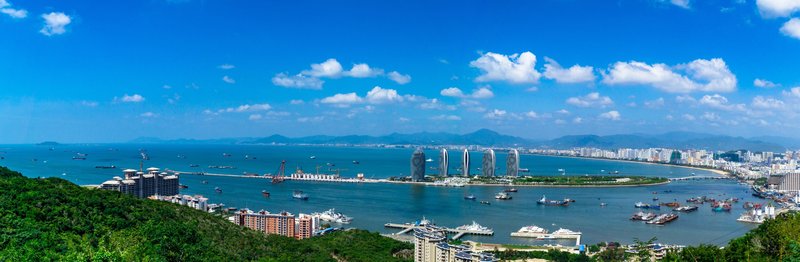
Hotels in Iksan
Discover your perfect stay in Iksan.
Iksan(South Korea) Travel 2026: Cheap Flights, Hotels & Top Attractions
Popular Landmarks in Iksan
Discover the most iconic attractions in Iksan
Recommended Hotels in Iksan
Find the perfect place to stay in Iksan
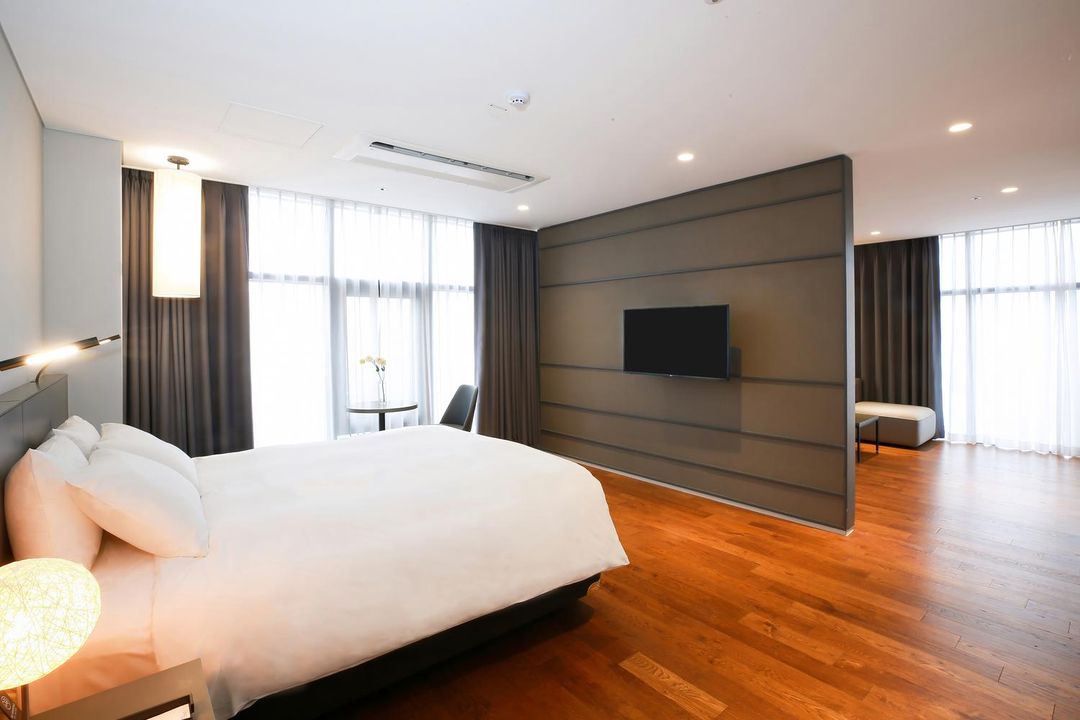
WesternLife Hotel
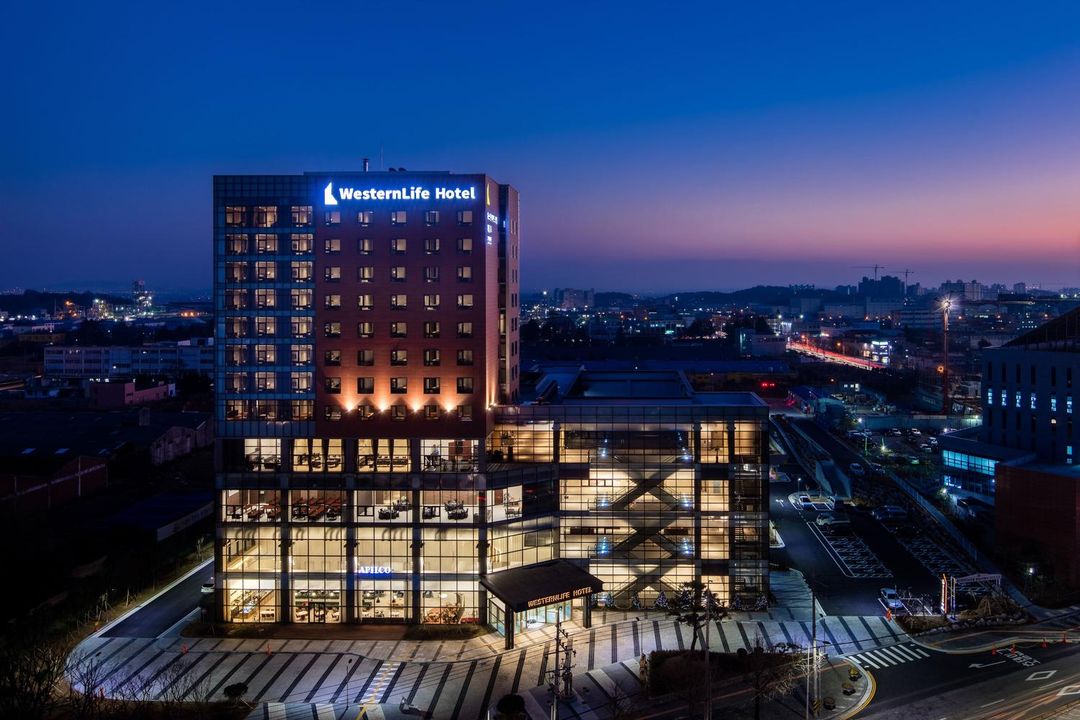
WesternLife Hotel
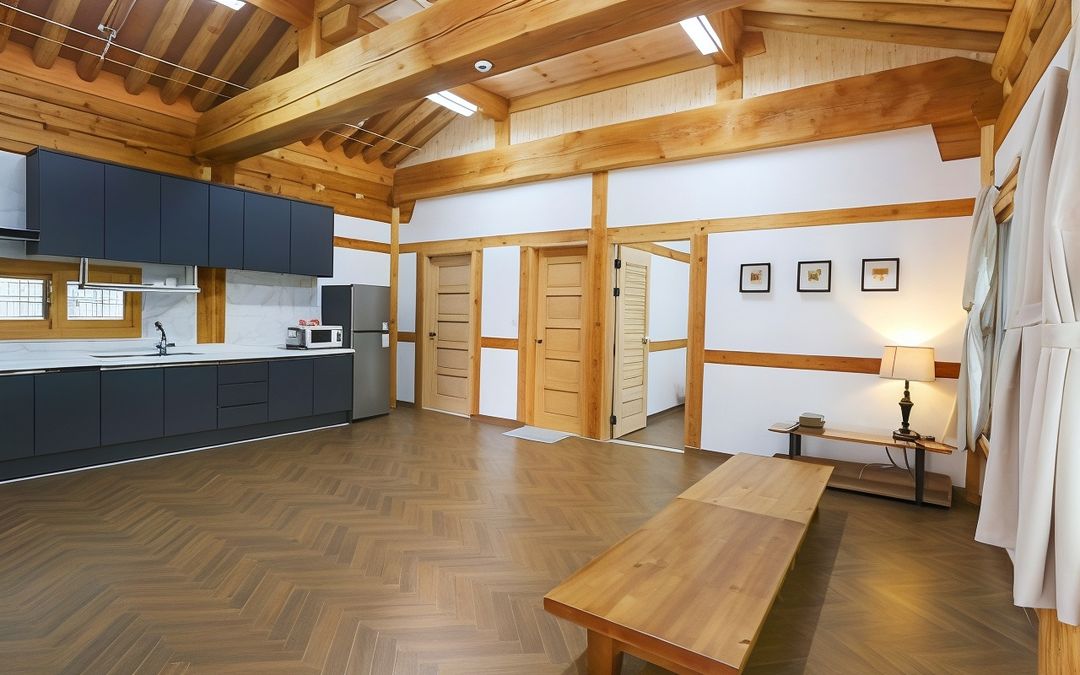
Iksan Geummagwan Pension
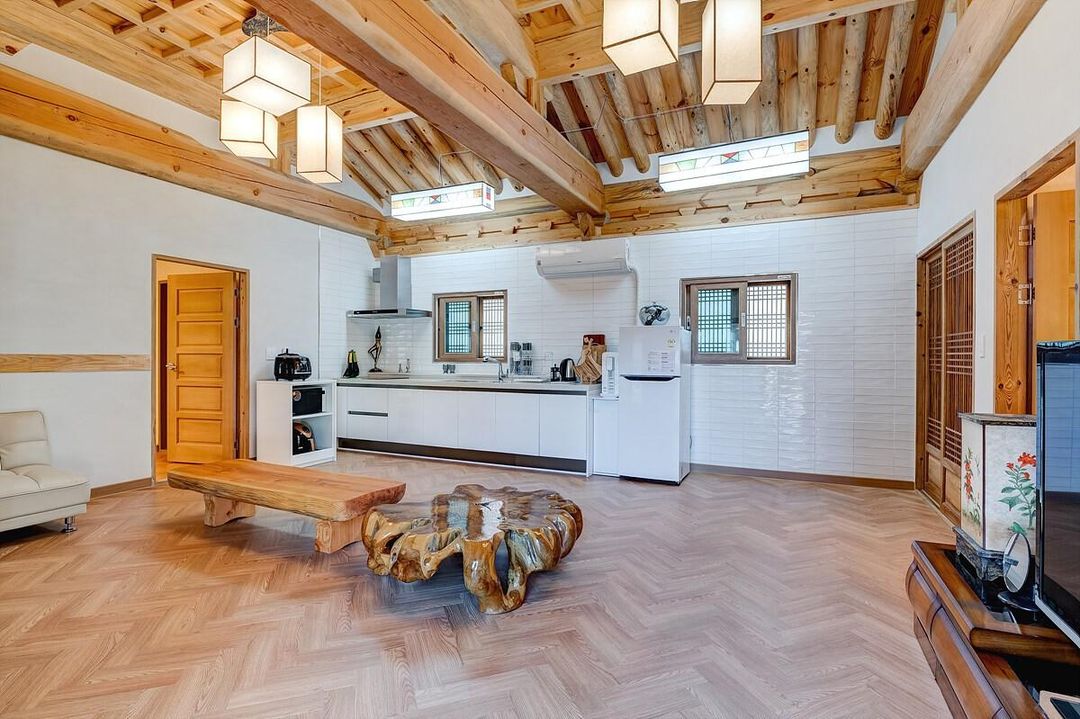
Daego House
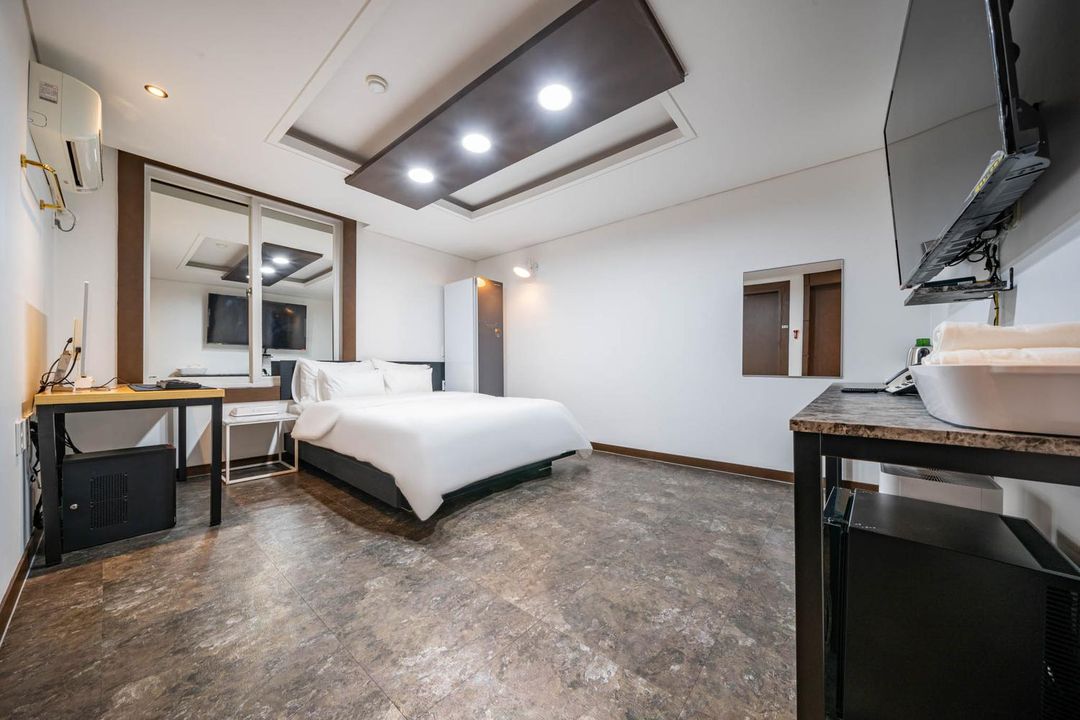
Iksan Twins Hotel
Best Hotels in Iksan
Discover curated hotel collections in Iksan
JW Marriott Hotel Seoul
Conrad Seoul
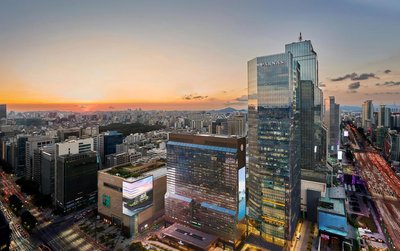
Grand InterContinental Seoul Parnas
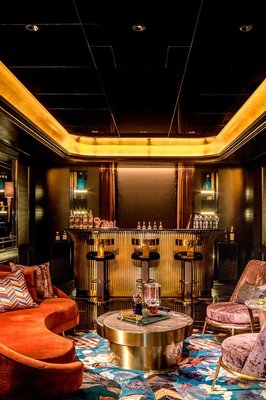
Art Paradiso, Paradise City
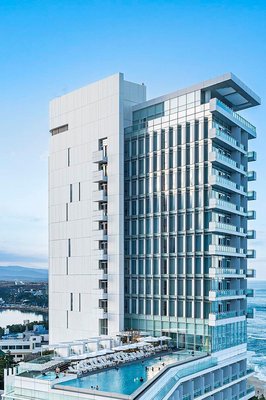
Seamarq Hotel
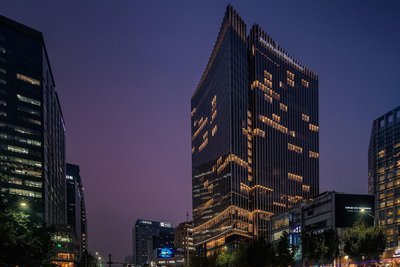
Four Seasons Hotel Seoul
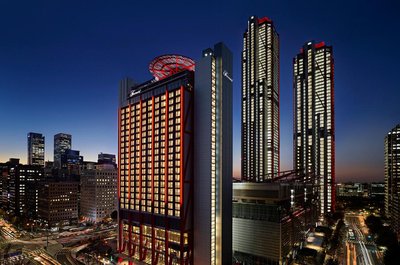
Fairmont Ambassador Seoul
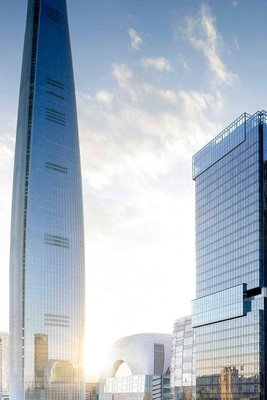
Sofitel Ambassador Seoul Hotel & Serviced Residences
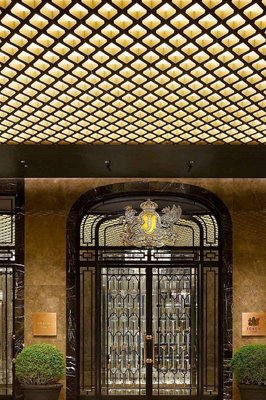
Josun Palace, a Luxury Collection Hotel, Seoul Gangnam
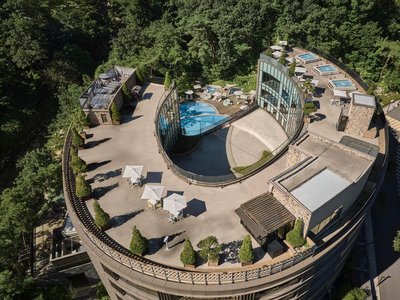
Anto (formerly: Parasara Seoul)
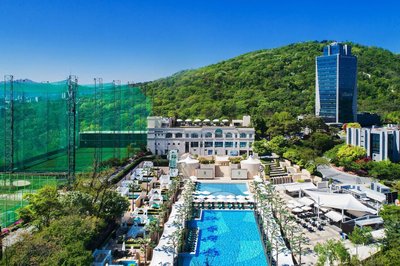
Banyan Tree Club & Spa Seoul
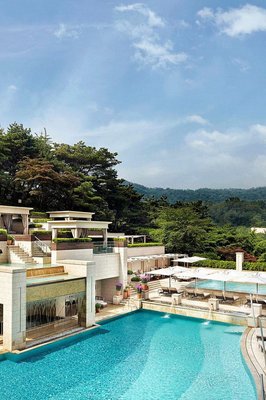
The Shilla Seoul
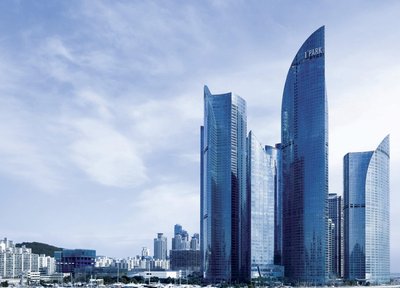
Park Hyatt Busan
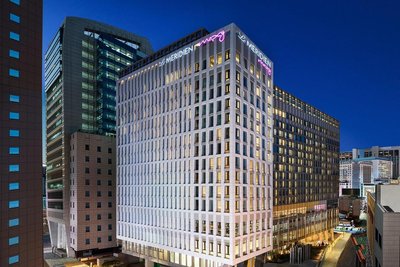
Le Méridien Seoul, Myeongdong
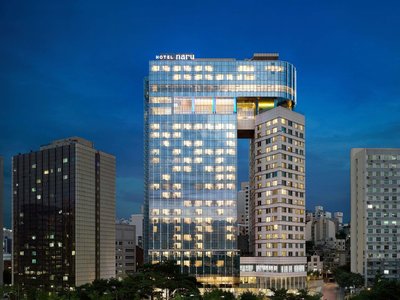
Hotel Naru Seoul - MGallery Collection
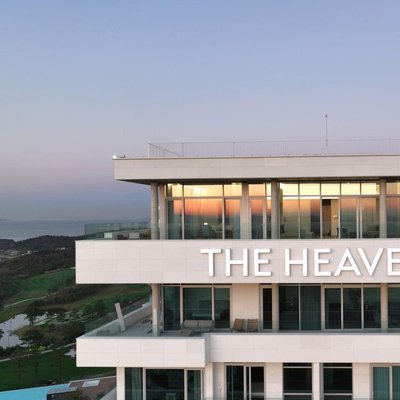
The Heaven Resort
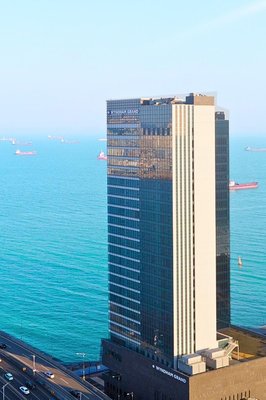
Wyndham Grand Busan Ijin
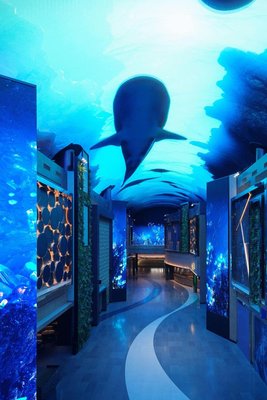
INSPIRE Entertainment Resort
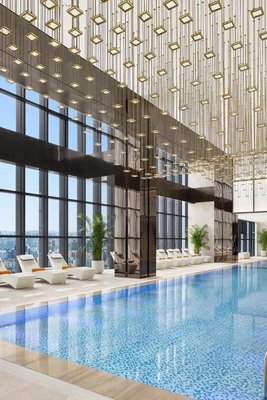
Pullman Ambassador Seoul Eastpole
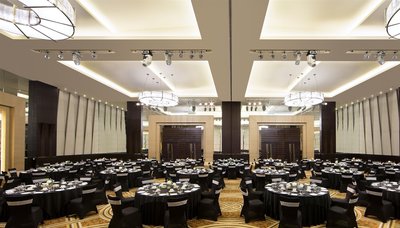
Sheraton Grand Incheon Hotel
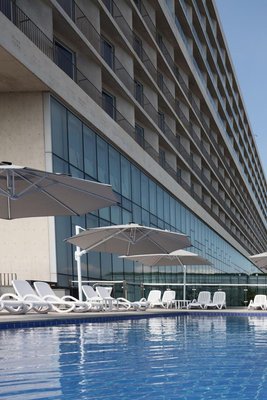
Nest Hotel Incheon
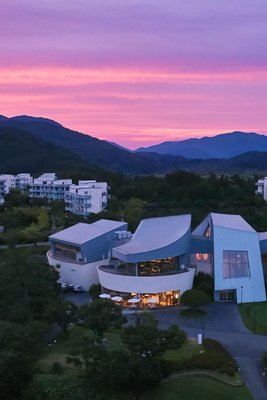
Ananti at Namhae
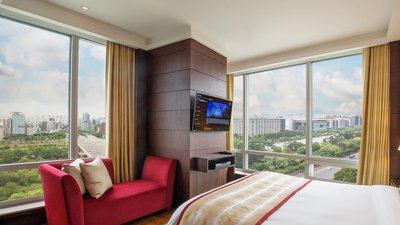
Yeouido Park Centre, Seoul - Marriott Executive Apartments
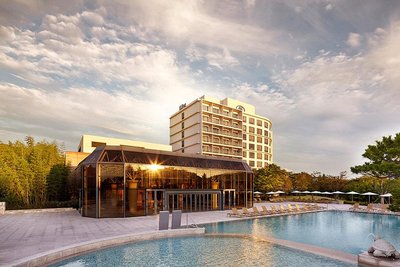
Hilton Gyeongju
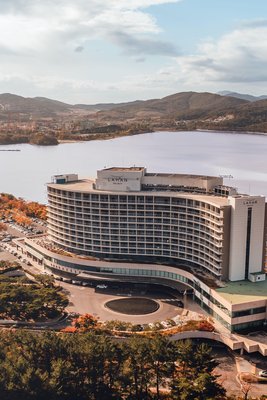
Lahan Select Gyeongju
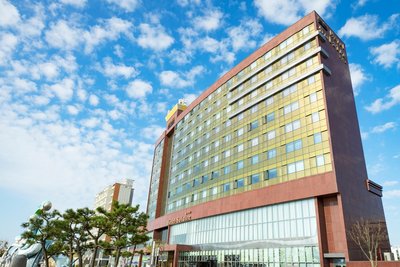
Hotel Solaire
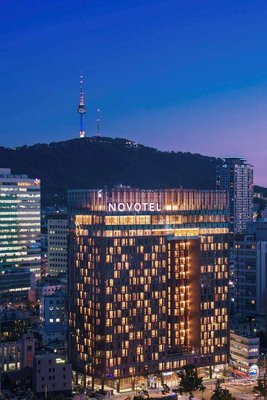
Novotel Ambassador Seoul Dongdaemun Hotels & Residences
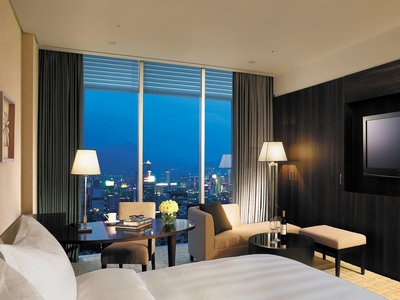
Ramada Plaza by Wyndham Gwangju
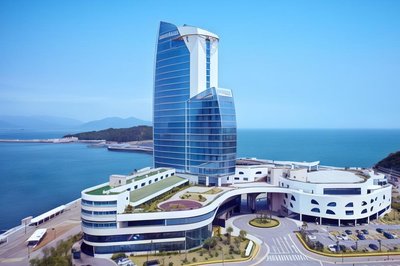
Sono Calm Yeosu
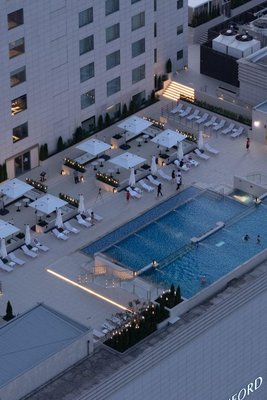
Enford Hotel
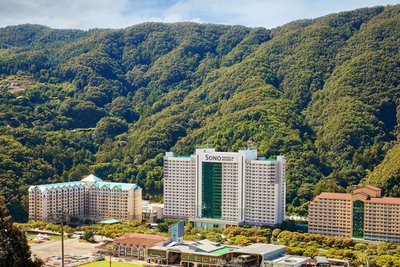
VivaldiPark
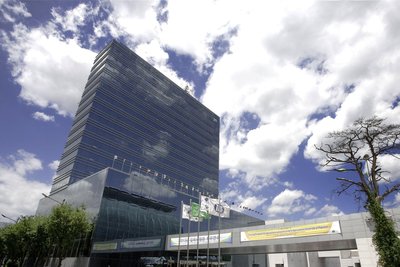
Hotel Interburgo Exco
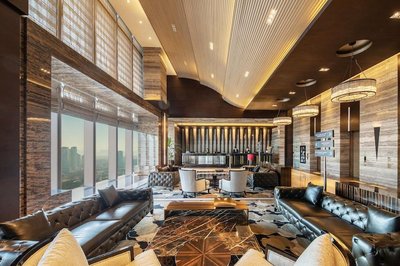
Oakwood Premier Incheon
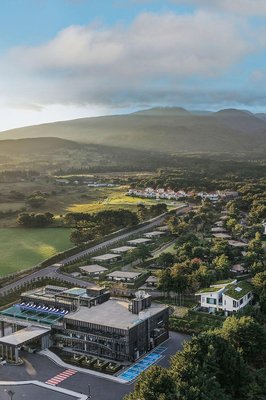
Amber Pure Hill Hotels & Resorts Jeju
Hotel Naru Seoul - MGallery Collection
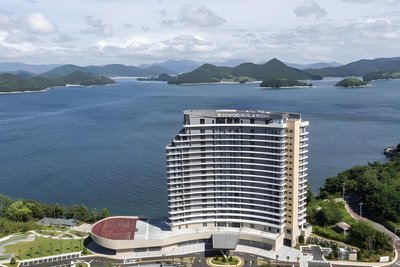
Stanford Hotel&Resort Tongyeong
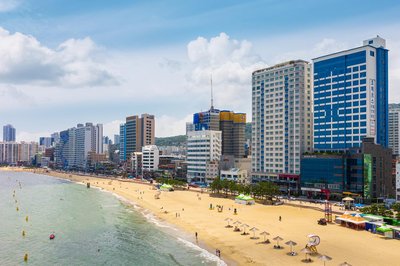
Homers Hotel
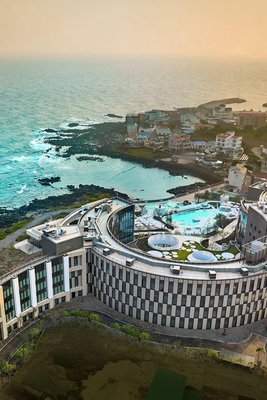
Shilla Stay Plus Iho Tewoo Ocean Front
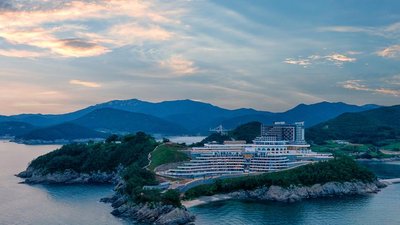
SOL BEACH NAMHAE
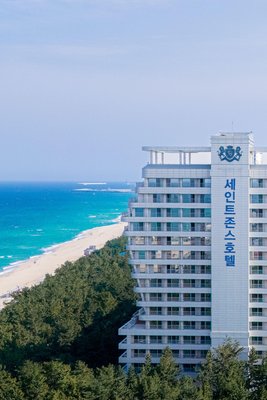
St. John's Hotel
Nest Hotel Incheon
Conrad Seoul
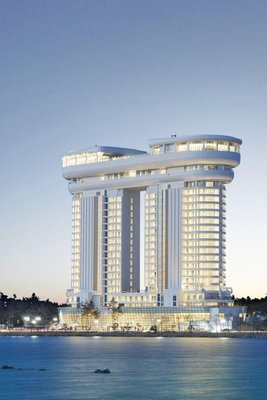
Skybay Hotel Gyeongpo
Lahan Select Gyeongju
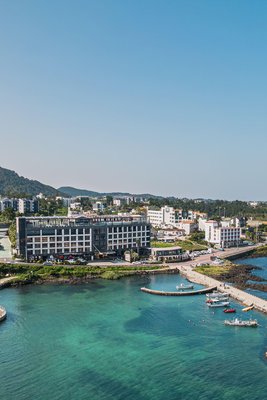
Dyne Ocenano Hotel
Sono Calm Yeosu
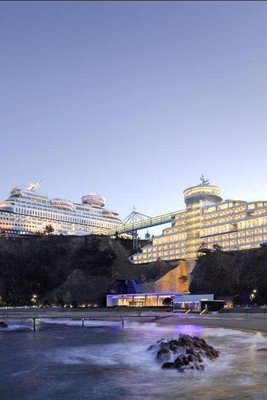
Sun Cruise Resort and Yacht
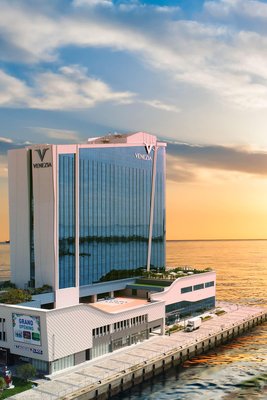
Yeosu Venezia Hotel & Suite
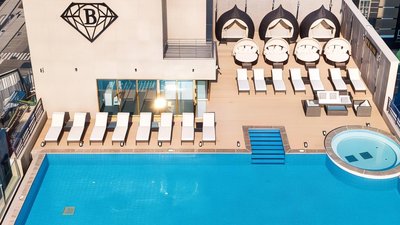
Baymond Hotel
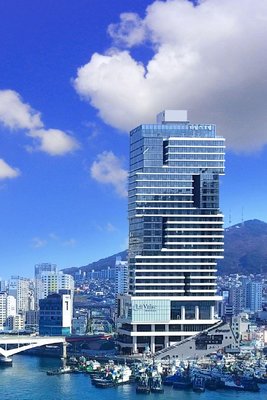
Lavalse Hotel
Seamarq Hotel
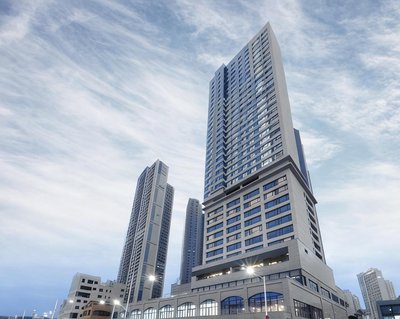
Mercure Ambassador Ulsan
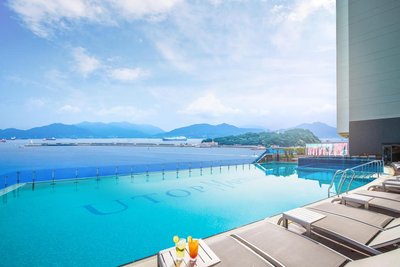
Utop Marina Hotel & Resort
INSPIRE Entertainment Resort
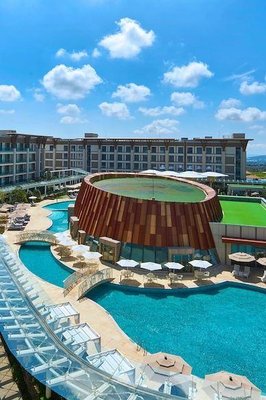
Marriott Jeju Shinhwa World Hotels & Resorts
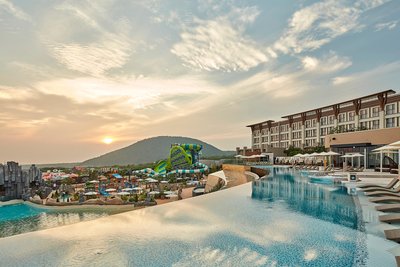
Shinhwa Jeju Shinhwa World Hotels & Resorts
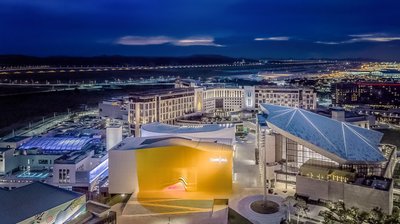
Paradise City
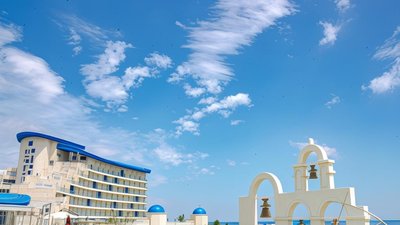
Sol Beach Samcheok
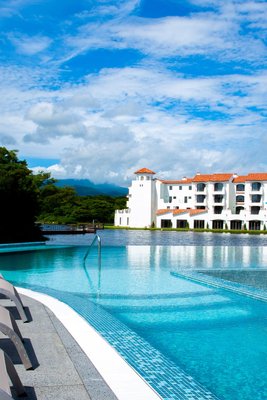
Ecoland Hotel
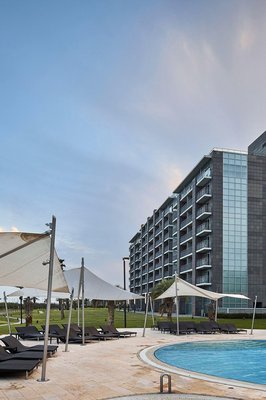
Haevichi Hotel & Resort Jeju
Amber Pure Hill Hotels & Resorts Jeju
INSPIRE Entertainment Resort
Conrad Seoul
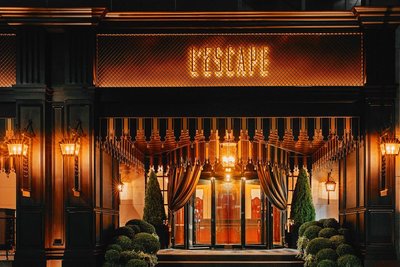
L'Escape Hotel
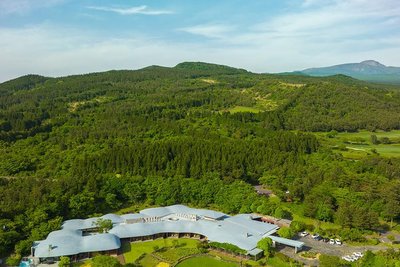
Podo Hotel
Shinhwa Jeju Shinhwa World Hotels & Resorts
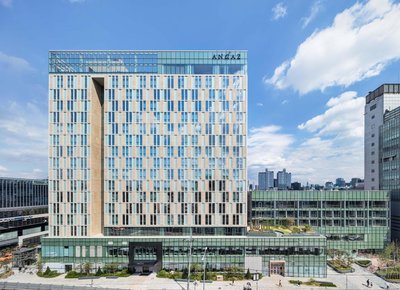
ANDAZ SEOUL GANGNAM, BY HYATT
Fairmont Ambassador Seoul
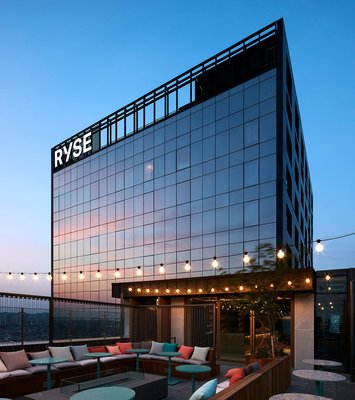
RYSE, Autograph Collection by Marriott
Josun Palace, a Luxury Collection Hotel, Seoul Gangnam
Anto (formerly: Parasara Seoul)
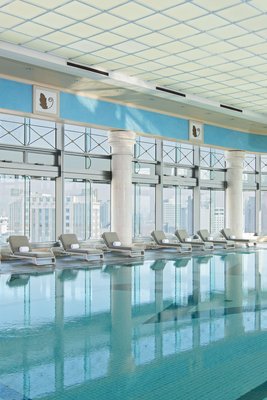
The Plaza Seoul, Autograph Collection
Banyan Tree Club & Spa Seoul
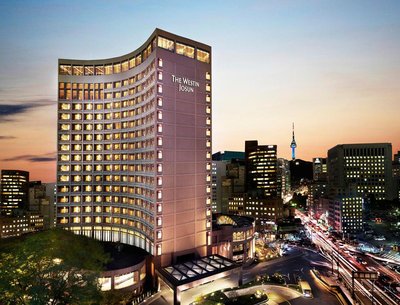
The Westin Josun Seoul
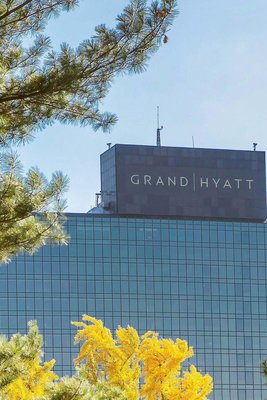
Grand Hyatt Seoul
INSPIRE Entertainment Resort
L'Escape Hotel
Lavalse Hotel
Four Seasons Hotel Seoul
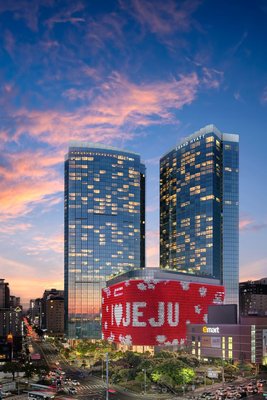
Grand Hyatt Jeju
Paradise City
Josun Palace, a Luxury Collection Hotel, Seoul Gangnam
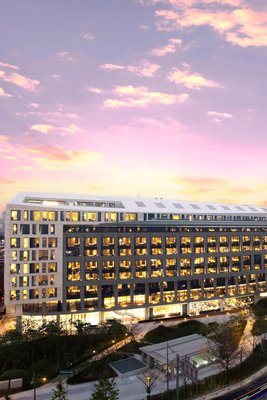
JW Marriott Dongdaemun Square Seoul
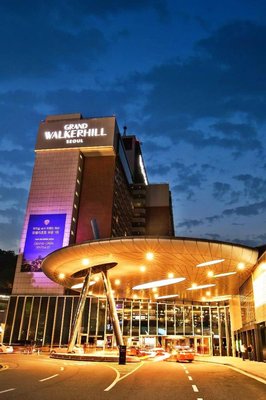
Grand Walkerhill Seoul
The Shilla Seoul
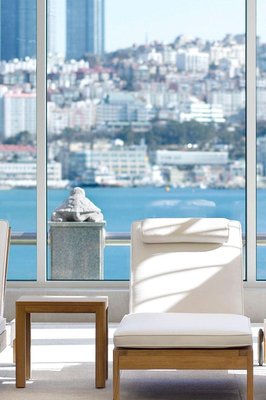
The Westin Josun Busan
Park Hyatt Busan
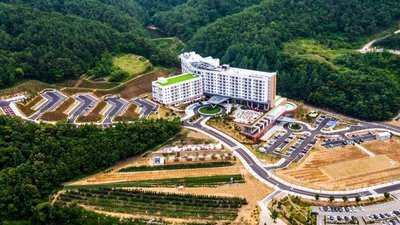
Sono Belle Cheongsong
Podo Hotel
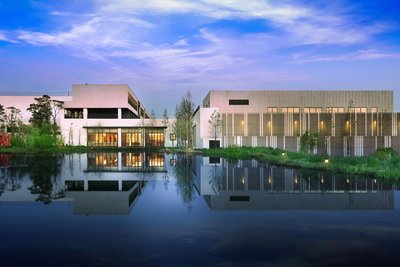
The Annex
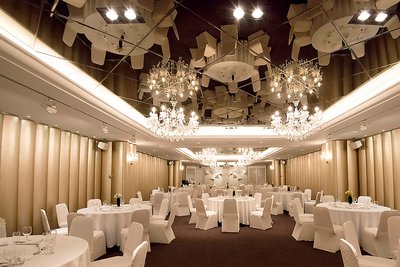
Nongshim Hotel
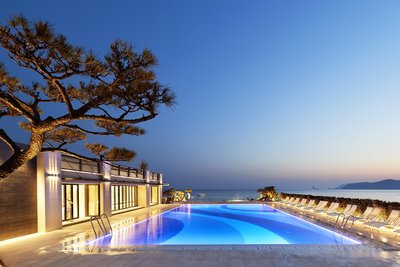
Paradise Hotel Busan
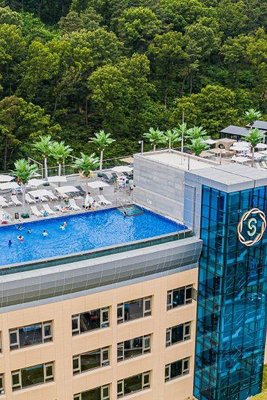
Hotel Susung
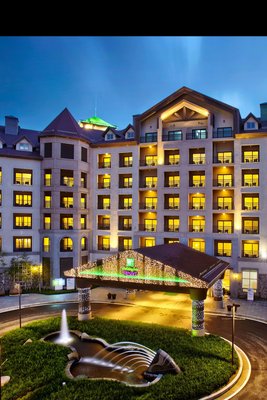
Holiday Inn Resort Alpensia Pyeongchang
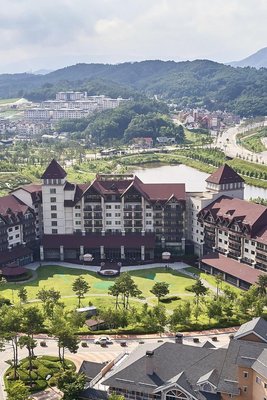
InterContinental Hotels Alpensia Pyeongchang Resort
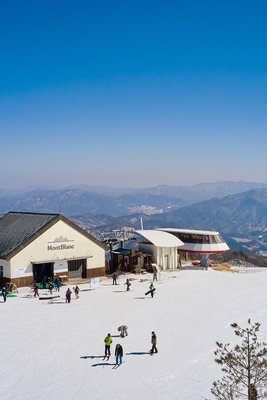
Phoenix Hotel Pyeongchang
VivaldiPark
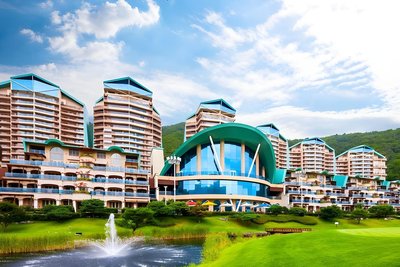
SonoFelice VivaldiPark
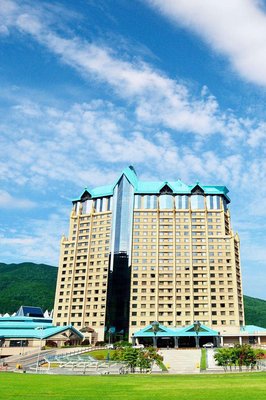
High1 Grand Hotel Main Tower
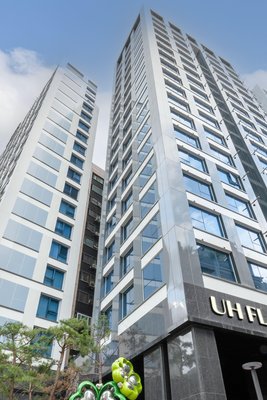
UH FLAT THE SEOCHO
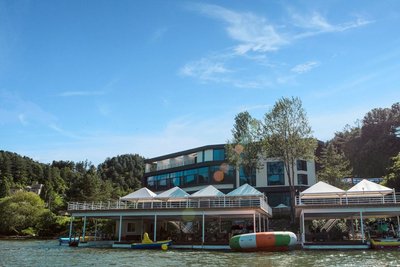
SS Resort
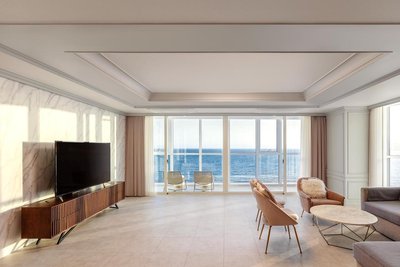
Palede cz Condor Busan
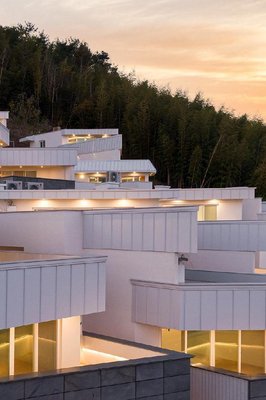
Ocean terra
Le Collective Busan Gijang
Frequently Asked Questions about Traveling to Iksan
Questions You Might Need to Know About Traveling to Iksan
For an authentic cultural stay, Gyeongju Culture Hotel near the Gyeongju Ancient City Ruins offers traditional hanok-style rooms with ondol heated floors and hand-carved wooden beams. Each room features local art, including Jeollabuk-do pottery and hand-painted screens depicting historical scenes. Guests can join daily Korean tea ceremonies, hanbok dressing sessions, and workshops on paper-making and calligraphy. The hotel also hosts seasonal events like the Gyeongju Folk Festival, where visitors participate in traditional rituals and enjoy performances of Namsadang puppet theater. Located steps from the Dongmun Tower and Gyeongju Fortress Wall, it’s ideal for travelers seeking deep immersion in regional heritage.
The city center of Gyeongju is the most convenient base for visitors, offering easy access to major attractions like Gyeongju Station, Namdaemun Market, and Gyeongju Museum. This vibrant district blends modern amenities with historic charm, with restaurants serving local specialties such as spicy rice cakes and ginseng chicken soup. Recommended stays include Gyeongju Urban Hotel, which provides 24-hour shuttle service to nearby sites and features a rooftop garden overlooking the Geum River. Its central location makes it perfect for exploring both ancient ruins and bustling urban life, all within walking distance.
Stay at Gyeongju Rural Stay (Saridong Village), a traditional farmhouse nestled in the countryside just outside the city. This eco-friendly homestay preserves Jeollabuk-do’s rural architecture, with stone walls and thatched roofs. Guests participate in seasonal activities like rice planting festivals, kimchi-making workshops, and traditional lantern crafting. During spring, families host open-air agricultural ceremonies, while autumn brings harvest celebrations featuring local wine tastings and folk music performances. The farm also runs children’s nature programs, teaching kids about indigenous crops and sustainable farming practices, making it a holistic cultural experience.
Yes, Gyeongju Kids Paradise Hotel near Gyeongju Children’s Park is designed for families. It features a dedicated play zone, indoor pool, and themed suites with interactive elements like toy kitchens and storybook walls. Daily programs include kid-friendly pottery classes, Korean folktale storytelling, and mini-farm visits where children feed goats and collect eggs. The hotel offers free shuttles to Gyeongju Zoo and Jeollabuk-do Science Museum, ensuring fun and learning. Parents appreciate the safety features—childproof doors, baby cots, and staff trained in child care—making it a top choice for family travel.
Gyeongju Bonjja Hanok Hotel specializes in authentic Jeollabuk-do cuisine, prepared by a family-run kitchen with generations of culinary tradition. Dishes use locally sourced ingredients like black pork, wild mountain vegetables, and hand-fermented soy sauce. Breakfast includes five-grain rice, kimchi stew, and jeon pancakes. The hotel offers a private dining experience called ‘Chef’s Table: Gyeongju Flavors’, where guests customize menus featuring regional delicacies like spicy stir-fried chicken and bean sprout ribs. Regular events include Korean food culture talks and fermentation workshops, giving guests insight into the region’s rich gastronomic heritage.
Nighttime in Gyeongju comes alive at Yeogwang Mountain Lodge, which overlooks the Geum River and hosts the annual Gyeongju Lantern Festival. The riverbanks glow with hundreds of handmade paper lanterns, creating a dreamlike ambiance. Guests enjoy evening tea ceremonies under candlelight and listen to storytellers narrate local legends. The Gyeongju Night Market, held every Saturday, features stalls serving grilled octopus skewers, fried tofu, and cold buckwheat noodles. Some hotels offer guided night walks along the ancient city walls, allowing visitors to experience the city’s quiet beauty under moonlight and starlit skies.
Gyeongju Light & Shadow House is a photographer’s paradise. Housed in a restored 100-year-old farmhouse, its stone walls, wooden lattice windows, and natural light-filled interiors create striking contrast. Each room has floor-to-ceiling glass panels framing views of the pine forest and ancient well courtyard. The hotel hosts monthly street photography workshops led by local artists, focusing on capturing daily life in Gyeongju’s alleys and traditional architecture details. Guests receive complimentary camera gear rentals and access to exclusive photo spots like the sunrise hill and moonlit temple gate. Perfect for those seeking artistic inspiration amid timeless landscapes.
Gyeongju Solo Traveler Inn is designed for introspective journeys. Located beside the Gyeongju Library, this boutique inn features only 12 rooms, each with a private balcony and ambient reading lamps. Rooms emphasize tranquility with minimal decor and sound-absorbing materials. Guests can join morning yoga sessions, evening meditation circles, and receive a personalized self-discovery journal upon check-in. The hotel organizes silent walks through Gyeongju Forest Trail and hosts a “Strangers’ Mailbox”—a digital letter box where solo travelers anonymously share stories. Ideal for healing, reflection, and meaningful solitude in a serene environment.
Yes, Gyeongju Culture Hotel provides complimentary hanbok rental for guests. Upon check-in, visitors can choose from a variety of traditional outfits, including jeogori tops, chima skirts, and accessories like hairpins and belts. On-site stylists assist with fitting and hairstyling for a complete look. Rental includes 6 hours of usage, perfect for visiting Dongmun Tower, Gyeongju Fortress Wall, or the Geum River promenade. The hotel also hosts monthly Hanbok Parade Days, where guests walk together through historic districts, captured by professional photographers. Premium rooms come with a free hanbok experience voucher for additional cultural activities like paper dyeing or traditional music concerts.
Gyeongju Green Valley Retreat is located right at the entrance of Gyeongju National Park, surrounded by pine forests and clear streams. The hotel’s rooms open directly onto forest-view terraces, and guests can hike to Namwon Peak and White Egret Lake without leaving the property. Free mountain bikes are available for exploring trails, and summer programs include forest bathing sessions, meditation in nature, and wild herb foraging tours. At night, guests enjoy stargazing events under the dark skies of the protected park. With no light pollution, it’s one of the best spots in Korea to witness the Milky Way—perfect for nature lovers and wellness seekers.
Iksan Overview
City Summary
Iksan, located in North Jeolla Province, South Korea, is a city rich in history and culture. It boasts royal relics like the Iksan Pagoda and Mireuksa Temple Site, showcasing the glory of the Baekje period. The city blends tradition with modernity, with the Iksan Treasure Museum housing precious artifacts and the Iksan World Flower Expo Park displaying natural beauty. Its core appeal lies in its unique historical landscapes and serene rural scenery.
Must-See Attractions
Must-see attractions include the Iksan Pagoda, a millennium-old symbol of Baekje culture; the Mireuksa Temple Site, highlighting Buddhist art; the Treasure Museum with historical artifacts; and the Iksan World Flower Expo Park, a paradise for nature lovers with seasonal blooms. Additionally, Jiksan Hot Springs offer relaxation.
Food Guide
Iksan's street food is diverse—try Jeonju Bibimbap, Makgeolli, and Iksan Grilled Pork. The local cuisine blends rustic rural flavors with royal delicacies. Traditional markets like Iksan Central Market are ideal for authentic snacks.
Transportation Guide
Within Iksan, buses and taxis are the main transport. Buses cover major attractions with affordable fares. From Seoul, take the KTX or express bus (2-3 hours). A transport card (e.g., T-money) is convenient. Attractions are close, making walking or cycling viable.
Best Time to Visit
Best seasons are spring (April-May) and autumn (September-October) for mild weather and blooms. Summers are hot/humid, winters cold, with fewer crowds.
Travel Tips
- Respect local culture: stay quiet at temples.
- Carry cash: some shops don’t accept cards.
- Learn basic Korean: e.g., "안녕하세요" (Hello).
- Check weather: sunscreen in summer, warm clothes in winter.
- Try street food, but mind hygiene.
- Book accommodations early during peak seasons.
Useful Information
Language: Korean is primary; younger locals know basic English. Internet: Free Wi-Fi at airports/hotels; local SIMs recommended. Payment: Cards widely accepted, but small vendors may only take cash. Emergency: Dial 119; major hospitals offer English help. Voltage: 220V, two-round-pin plugs.
Other Cities You Might Like
Explore more amazing destinations