Hotels in Imsil
Discover your perfect stay in Imsil.
Imsil(South Korea) Travel 2026: Cheap Flights, Hotels & Top Attractions
Popular Landmarks in Imsil
Discover the most iconic attractions in Imsil
Recommended Hotels in Imsil
Find the perfect place to stay in Imsil

Imsil Haneuljeongweon Pensyeon
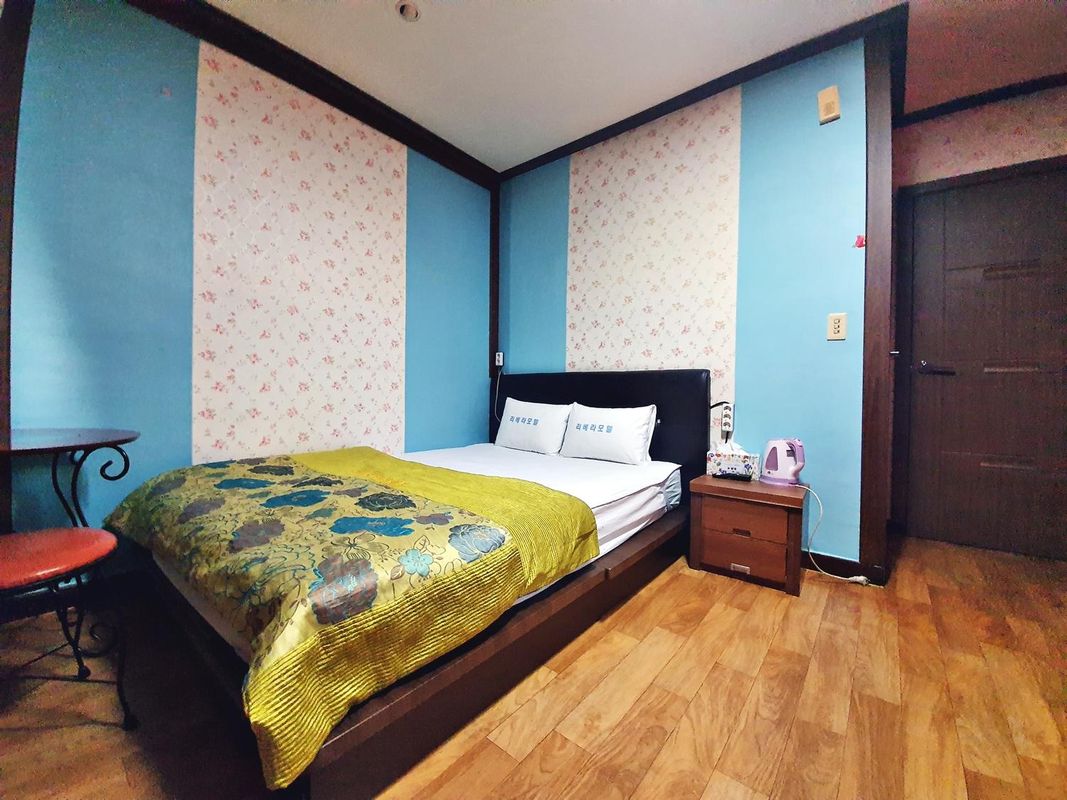
Imsil Libera
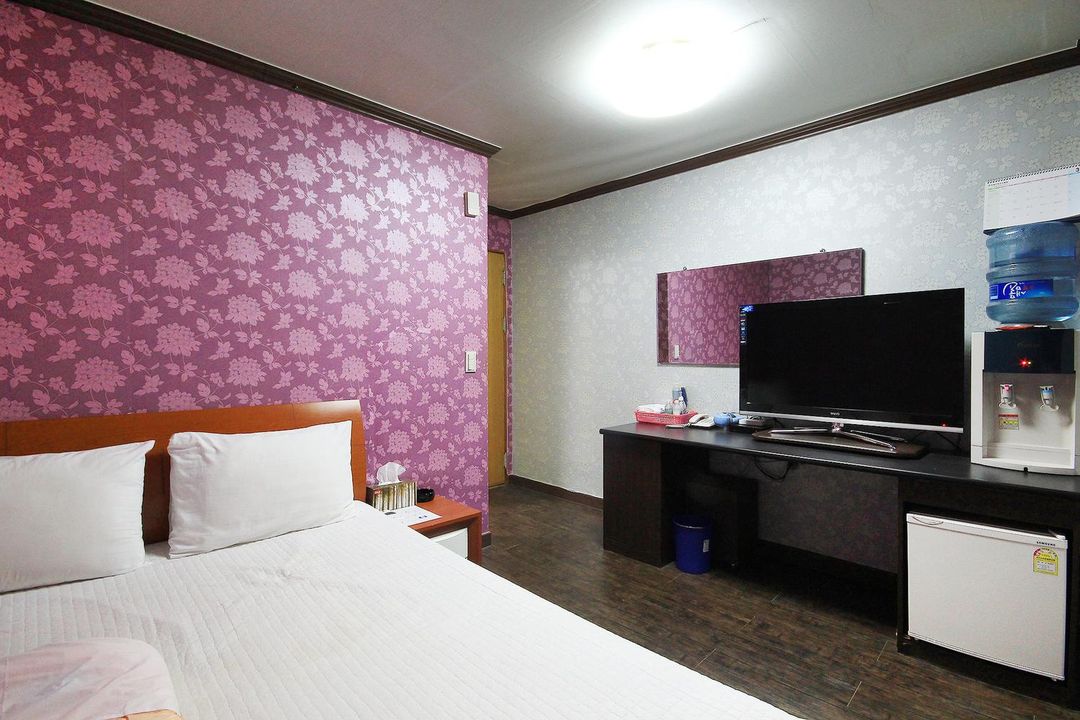
Imsil Honeymoon

Imsil Heidi
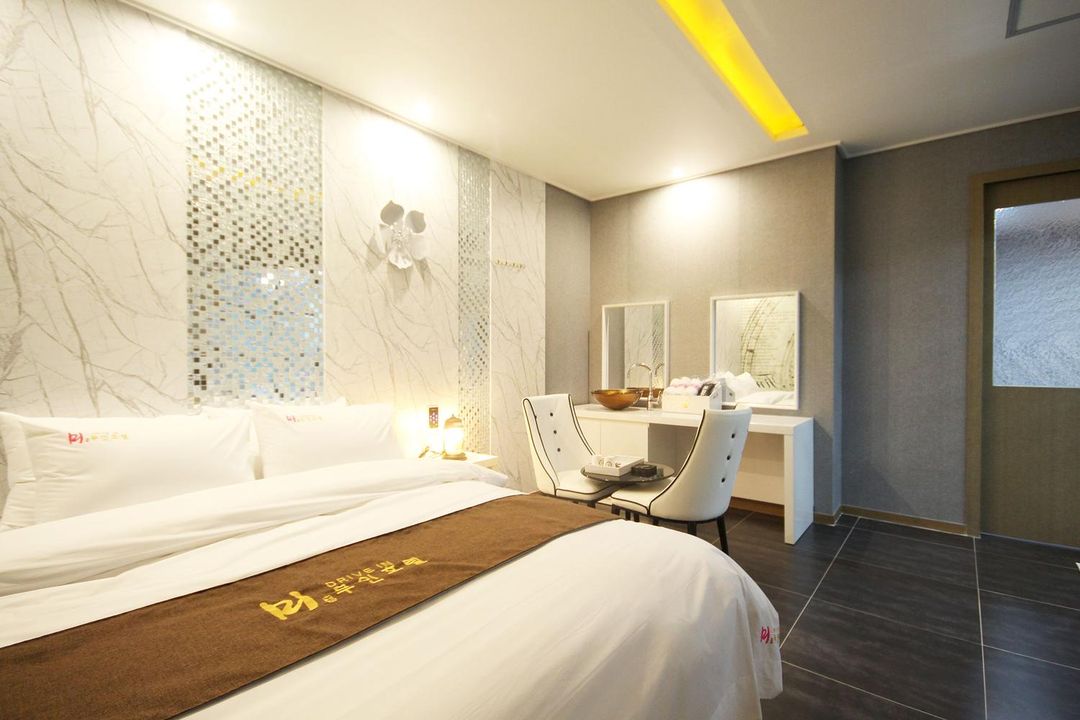
Imsil Mi Self Check-in Motel

Imsil Okjeongho Motel
Best Hotels in Imsil
Discover curated hotel collections in Imsil
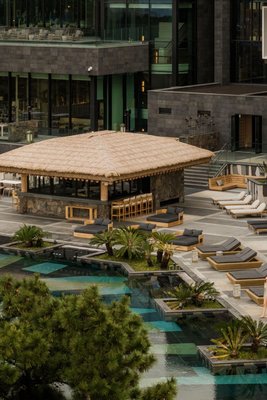
JW Marriott Jeju Resort & Spa
JW Marriott Hotel Seoul

Conrad Seoul
Grand InterContinental Seoul Parnas
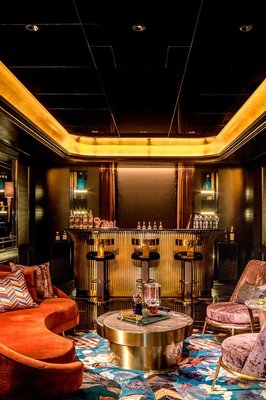
Art Paradiso, Paradise City

Seamarq Hotel
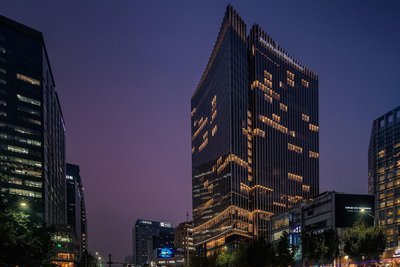
Four Seasons Hotel Seoul

Fairmont Ambassador Seoul

Sofitel Ambassador Seoul Hotel & Serviced Residences
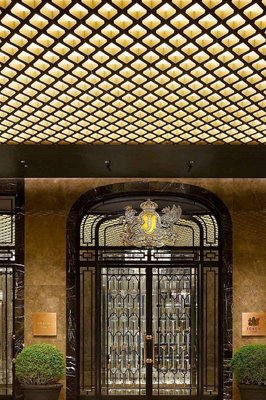
Josun Palace, a Luxury Collection Hotel, Seoul Gangnam
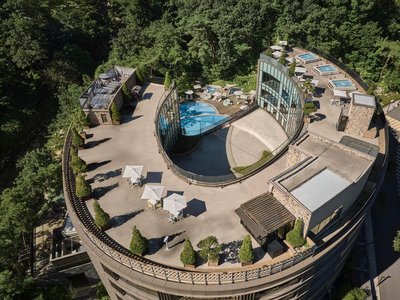
Anto (formerly: Parasara Seoul)
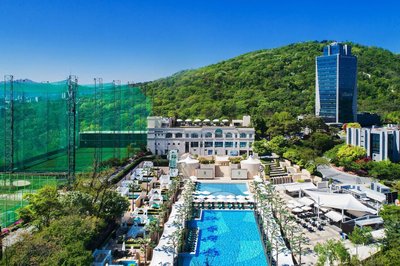
Banyan Tree Club & Spa Seoul
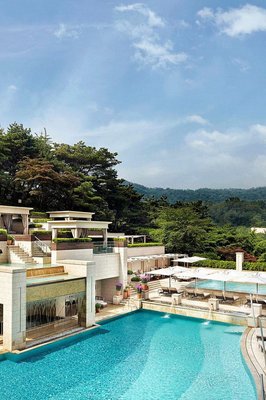
The Shilla Seoul

Park Hyatt Busan
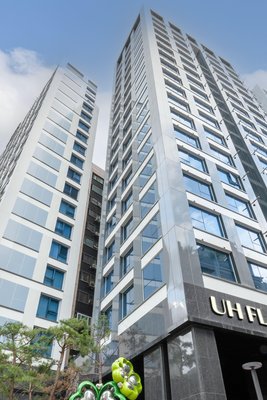
UH FLAT THE SEOCHO
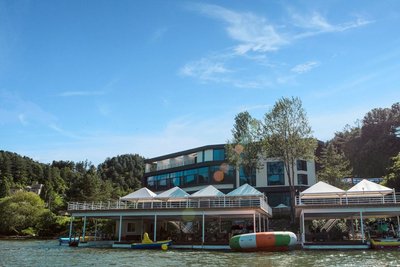
SS Resort

Palede cz Condor Busan

Ocean terra

Le Collective Busan Gijang

Hotel Barrière Fouquet's New York

The Plaza - A Fairmont Managed Hotel
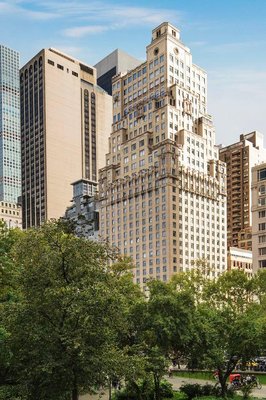
The Ritz-Carlton New York, Central Park
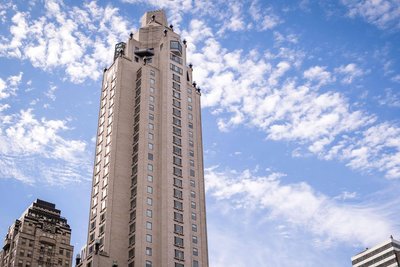
Four Seasons Hotel New York

The St. Regis New York

Park Hyatt New York
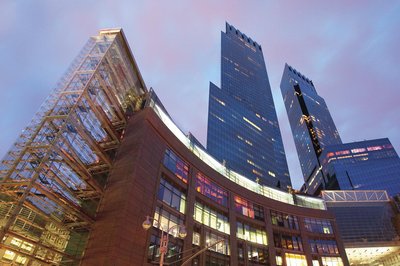
Mandarin Oriental New York

Times Square Edition New York

Loews Regency New York Hotel

Lowell Hotel
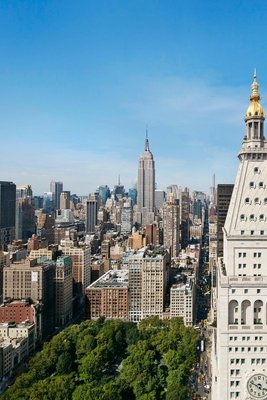
New York Edition

Baccarat Hotel New York

Equinox Hotel New York

Four Seasons Hotel New York Downtown

The Langham, New York, Fifth Avenue

The Carlyle, A Rosewood Hotel

The Chatwal, in the Unbound Collection by Hyatt

The Mark New York

Trump International Hotel & Tower® New York
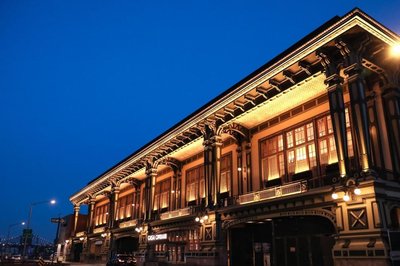
Casa Cipriani New York
Frequently Asked Questions about Traveling to Imsil
Questions You Might Need to Know About Traveling to Imsil
In Jeonsan County, the top choice for families is Jeonsan Hot Spring Resort, a nature-integrated, child-friendly hotel featuring private hot springs, a play area, and hands-on farming workshops. Located just 5 minutes from Jeonsan Lake, it offers panoramic views of Mount Obong across seasons. The resort provides traditional Korean breakfasts and pottery-making classes, turning your stay into an immersive cultural experience. Perfect for travelers seeking rural tranquility and authentic local traditions.
The ideal accommodation zone in Jeonsan County is Jeonsan-eup, nestled beside Jeonsan Lake and Obong Mountain Natural Park. This area features eco-friendly guesthouses and homestays like Pine Grove Stay and Mountain Retreat, built with traditional Korean architecture and modern comforts. Easy access to local markets and ancient trails makes it perfect for hikers, photographers, and those seeking peaceful, off-the-beaten-path experiences. With minimal light pollution, it's also excellent for stargazing.
Stay at Jeonsan Farmstay (Dagok-myeon), a locally run farm homestay offering full immersion in traditional Korean agriculture. Guests participate in rice planting, harvesting, kimchi-making, and homemade rice wine brewing. The rooms are traditional Hanok-style with heated floors (Ondol) and handcrafted furnishings. Monthly events like the "Rice Festival" provide deeper insight into seasonal rituals and agrarian heritage, making it ideal for cultural travelers.
Yes, Love Trail Cottage atop Mount Obong offers a secluded, intimate retreat with panoramic views and private hot spring baths. Designed in minimalist Korean style, each room features wooden furniture and hand-embroidered bedding. The inn offers candlelit dinners, tea ceremonies, and customized photo sessions. Limited to two couples per night, it ensures privacy. Nearby walking paths lead to Jeonsan Lake, perfect for sunrise or misty morning walks together.
Hotels like Jeonsan Heritage Inn transform century-old Hanok homes into cultural lodgings, preserving original beams and carved windows. Rooms display Jeolla North Province folk art and murals depicting local legends. Regular workshops on handmade paper umbrellas and Hanji calligraphy allow guests to engage directly with intangible cultural heritage. Staff, often locals, share stories in dialect, deepening the connection to regional history and tradition.
Mountain Whisper Lodge, tucked into the hills of Jeonsan County, offers a serene escape for solo travelers. With only seven cabins nestled among trees, each room features floor-to-ceiling windows facing Mount Obong’s changing moods. No shared dining areas—guests receive meal boxes and self-serve tea. Guided mindfulness walks and quiet reading nooks help foster introspection. Ideal for recharging amidst nature’s calm.
Absolutely. Lakeflavor House runs immersive culinary programs where guests harvest vegetables, make kimchi, and cook signature dishes like Spicy Chicken Stew (Dakdoritang) and Bitter Gourd Pancakes (Gwachae Jeon) using farm-fresh ingredients. Meals pair with local Jeonsan Soju. Some hotels collaborate with regional sauce makers to offer limited-edition Korean condiment gift sets, perfect as souvenirs.
While rural, Jeonsan County has improved access. Major hotels are in Jeonsan-eup and Dagok-myeon, reachable via direct buses from Chungnam Bus Terminal (1-hour ride). Many upscale guesthouses offer free shuttle services. Electric bike rentals are available near major sites. For drivers, take National Route 28 off the Gyeongbu Expressway, with clear signage. HopeGoo transport in advance is recommended, especially during peak seasons.
Light & Shadow Cabin, located on the eastern slopes of Mount Obong, is designed for visual storytelling. Large glass walls frame ever-changing mountain and lake vistas. Professional photography guides help capture Hanok silhouettes, lake reflections, and seasonal light. An exclusive viewing platform and drone zone are available. The annual Mountain Light Festival attracts international photographers, making it a prime spot for capturing Korea’s natural beauty.
Yes, many hotels embrace eco-practices. Green Source Eco Lodge uses solar panels, rainwater harvesting, and compost toilets. All utensils are biodegradable, and bottled water is replaced with filtered systems. Ingredients come from nearby organic farms, reducing emissions. Guests can join the Forest Guardians Program, planting trees or cleaning trails—earned points can be redeemed for discounts. These efforts protect Mount Obong and Jeonsan Lake, promoting environmental stewardship.
Imsil Overview
City Summary
Yeongam County, located in Jeollabuk-do, South Korea, is a small town known for its natural beauty and traditional culture. It is famous for its clean air, pristine water sources, and high-quality agricultural products, particularly Hanwoo beef and apples. With a long history, Yeongam County preserves the traditional Korean rural landscape, making it an ideal escape from urban noise.
Must-See Attractions
The main attractions in Yeongam County include the Yeongam Hanwoo Theme Park, where visitors can learn about the breeding process of Hanwoo cattle and enjoy delicious Hanwoo dishes. Additionally, the scenic Yeongam Lake is perfect for walking and cycling. Culture enthusiasts can visit local traditional villages to experience the tranquility and simplicity of Korean rural life.
Food Guide
Yeongam County is renowned for its Hanwoo dishes. Recommended dishes include Hanwoo barbecue and Hanwoo soup. The local apples are also famous, and visitors can enjoy fresh apples or apple-based desserts. Street food like Korean pancakes and spicy rice cakes are also worth trying.
Transportation Guide
Public transportation in Yeongam County primarily consists of buses, with several routes connecting major attractions and rural areas. Tourists are advised to check bus schedules in advance for smooth travel. For more flexible transportation, consider renting a car or taking a taxi, although taxi fares are relatively high.
Best Time to Visit
The best time to visit is during spring (April to June) and autumn (September to November), when the weather is mild and the scenery is beautiful. Summers can be hot and humid, while winters are cold but offer snowy landscapes.
Travel Tips
- Respect local culture and maintain quiet when visiting traditional villages.\n2. Hanwoo dishes are expensive, so budget accordingly.\n3. Rural areas have limited public transportation, so plan your itinerary in advance.\n4. Carry cash, as some small shops may not accept credit cards.\n5. Learn basic Korean greetings to facilitate communication with locals.\n6. Be environmentally conscious and avoid littering in natural areas.
Useful Information
The primary language spoken in Yeongam County is Korean, with low English proficiency. It is recommended to download a translation app or carry a basic Korean phrasebook. Network coverage is good, with 4G available in most areas. Payment methods are primarily cash-based, with some larger restaurants and hotels accepting credit cards. For emergencies, Yeongam County has small medical centers, but serious cases should be referred to larger hospitals in Jeonju.
Other Cities You Might Like
Explore more amazing destinations