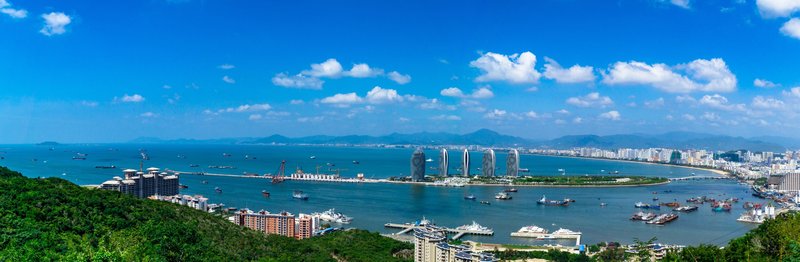
Hotels in Inje
Discover your perfect stay in Inje.
Inje(South Korea) Travel 2026: Cheap Flights, Hotels & Top Attractions
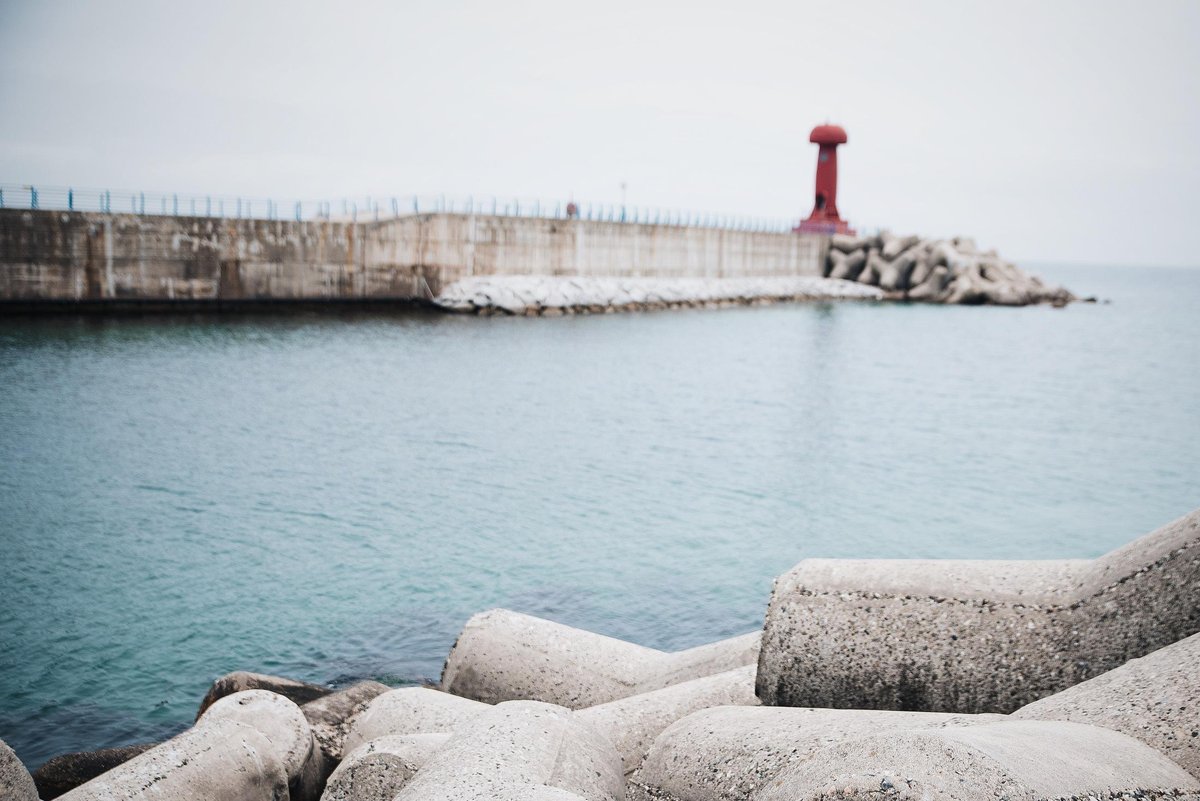
Popular Landmarks in Inje
Discover the most iconic attractions in Inje
Recommended Hotels in Inje
Find the perfect place to stay in Inje
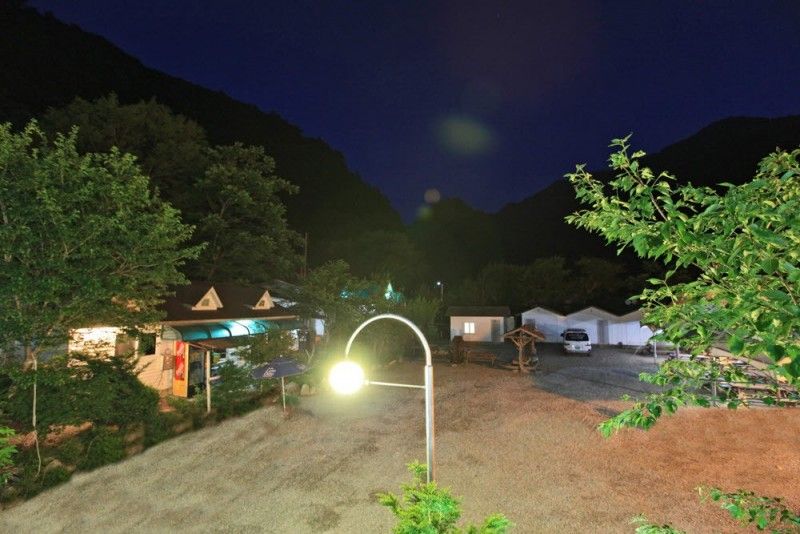
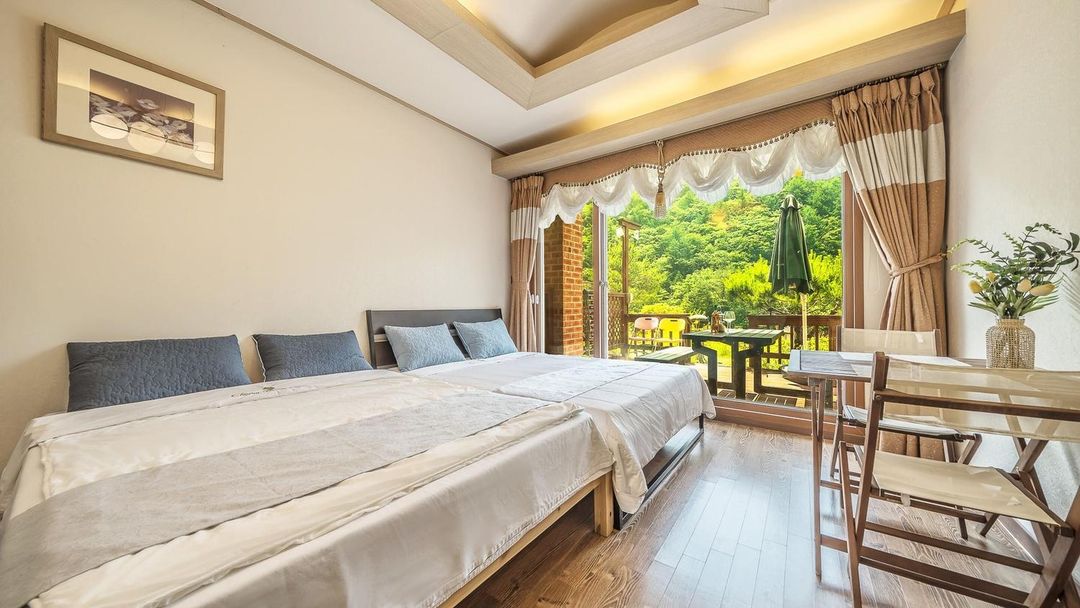
Frequently Asked Questions about Traveling to Inje
Questions You Might Need to Know About Traveling to Inje
Inje Overview
City Summary
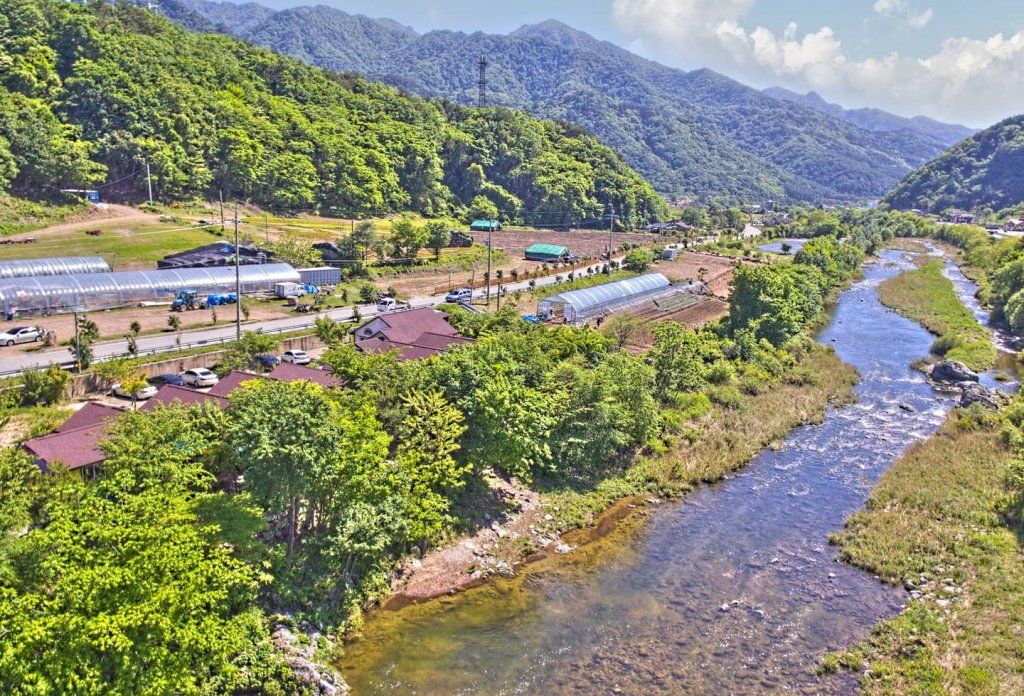
Inje County, located in Gangwon Province, South Korea, is surrounded by majestic mountains and clear rivers, making it a paradise for nature lovers. Famous for attractions like Nami Island and Soyang Lake, the county offers stunning scenery that changes with the seasons, especially in spring and autumn. Inje also boasts rich cultural heritage, including traditional Hanok villages and historic temples, providing a deep dive into Korean traditions.
Must-See Attractions
Nami Island is the iconic attraction of Inje, drawing visitors with its picturesque landscapes and romantic ambiance. Soyang Lake is perfect for boating and fishing, with numerous hiking trails nearby. Additionally, Inje Traditional Market offers a glimpse into local life, where you can buy handicrafts and fresh produce. Cultural enthusiasts can explore Cheonghakdong Temple and Hanok Village to learn about traditional Korean architecture and Buddhist culture.
Food Guide
Inje is known for its wild vegetable dishes and freshwater fish. Don’t miss soup with pine mushrooms and spicy stewed sturgeon. Street food like Korean pancakes and grilled corn are also worth trying. Local restaurants often use regional ingredients, creating unique flavors—especially the fresh fish from Soyang Lake, served as sashimi.
Transportation Guide
Public transport in Inje mainly relies on buses, with regular services connecting major attractions. From Seoul, take an express bus for about 2.5 hours. Self-driving is a great option for scenic routes, though mountain roads can be narrow. Taxis are convenient but expensive in town; HopeGoo or ride-hailing apps are recommended.
Best Time to Visit
The best times to visit are spring (April-May) and autumn (September-October), when the weather is mild and scenery at its peak. Summer is hot but ideal for water activities, while winter offers skiing. Avoid Korean public holidays to escape crowds.
Travel Tips
- Respect local customs: Remove shoes and stay quiet in temples.
- Carry cash: Small vendors and markets may not accept cards.
- Dress appropriately: Layer clothing for mountain temperature swings.
- Waste disposal: Follow strict Korean recycling rules.
- Hiking prep: Trails can be steep; wear sturdy shoes and bring water.
- Language: Learn basic Korean phrases or use a translation app.
Useful Information
Language: Korean is primary; some English in tourist areas. Internet: Free Wi-Fi at airports and major spots; local SIM cards recommended. Payment: Credit cards widely accepted, but cash needed for small shops. Emergency: Hospitals in town; remote areas have limited facilities—travel insurance advised. Voltage: 220V, two-round-pin plugs; bring an adapter.
Other Cities You Might Like
Explore more amazing destinations