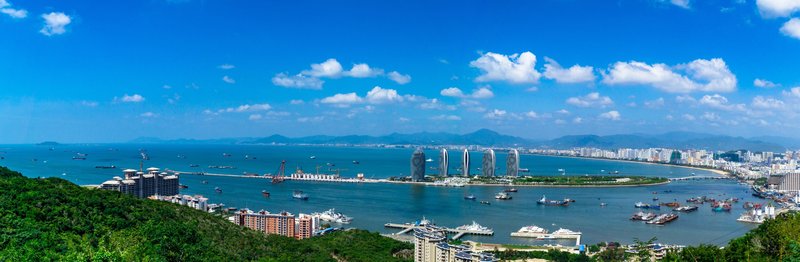
Hotels in Jangseong
Discover your perfect stay in Jangseong.
Jangseong(South Korea) Travel 2026: Cheap Flights, Hotels & Top Attractions
Popular Landmarks in Jangseong
Discover the most iconic attractions in Jangseong
Best Hotels in Jangseong
Discover curated hotel collections in Jangseong
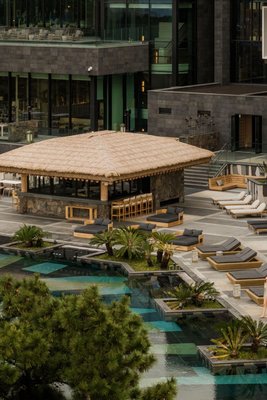
JW Marriott Jeju Resort & Spa
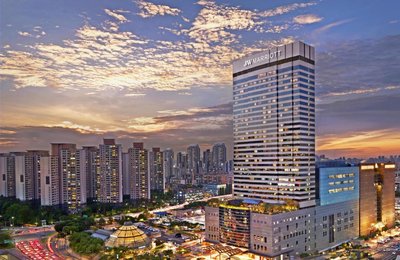
JW Marriott Hotel Seoul
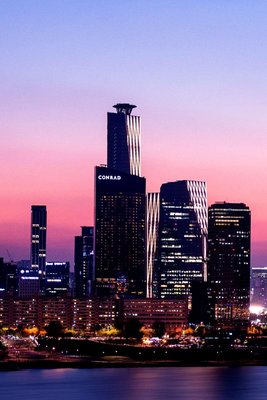
Conrad Seoul
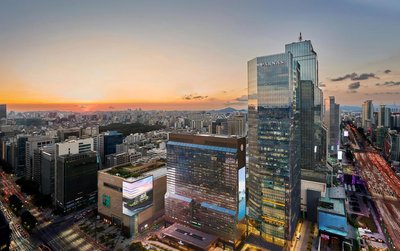
Grand InterContinental Seoul Parnas
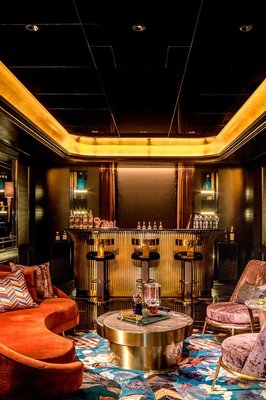
Art Paradiso, Paradise City
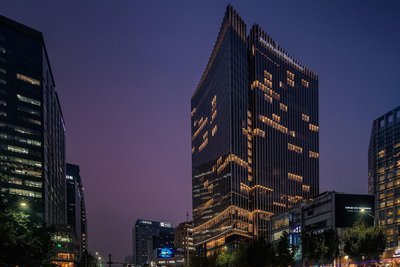
Four Seasons Hotel Seoul
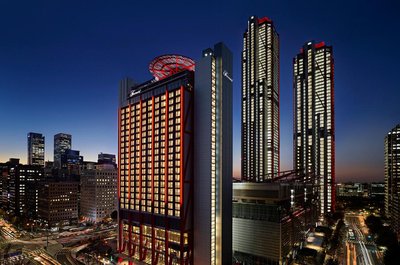
Fairmont Ambassador Seoul
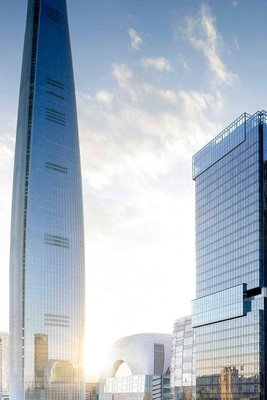
Sofitel Ambassador Seoul Hotel & Serviced Residences
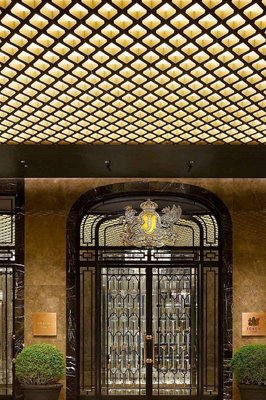
Josun Palace, a Luxury Collection Hotel, Seoul Gangnam
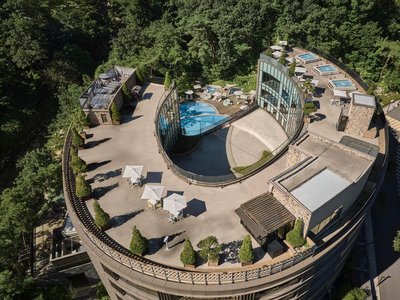
Anto (formerly: Parasara Seoul)
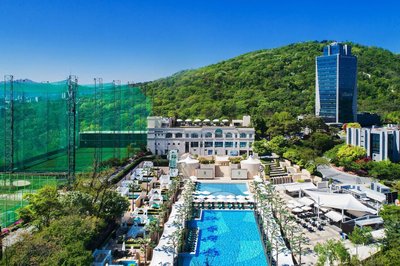
Banyan Tree Club & Spa Seoul
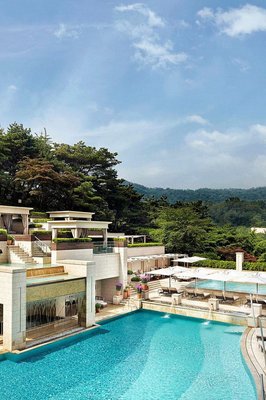
The Shilla Seoul
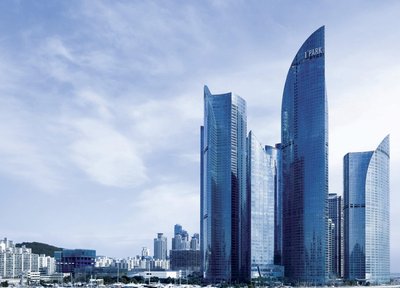
Park Hyatt Busan
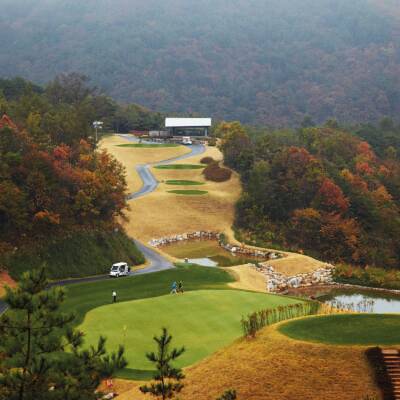
Tops10 Resort Donggang Cistar
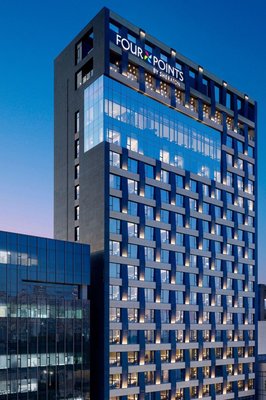
Four Points by Sheraton Suwon
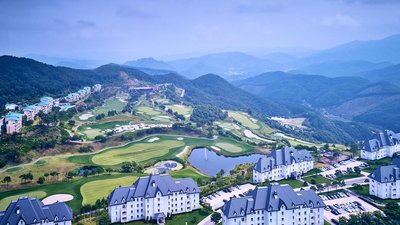
Sonofelice Village Vivaldipark

Arte Resort Spa & Pool Villa
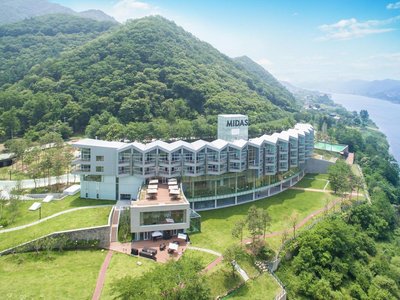
Midas Hotel & Resort
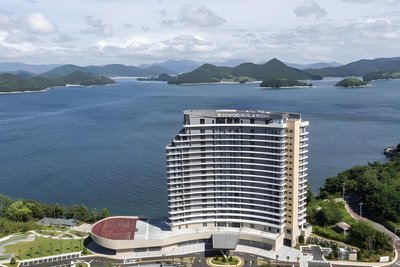
Stanford Hotel&Resort Tongyeong
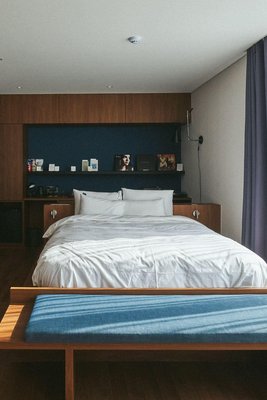
Good Ol' Days Hotel
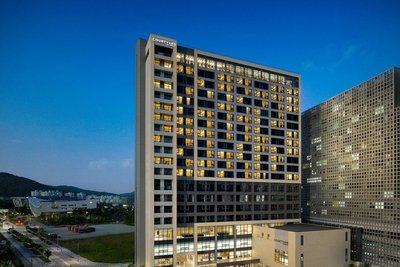
Courtyard Sejong
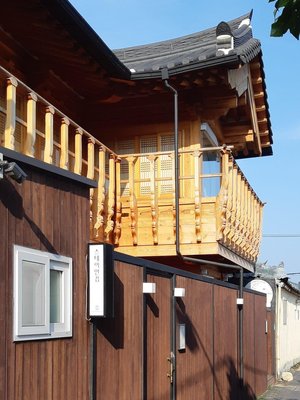
Gyeong-ju Stayangim
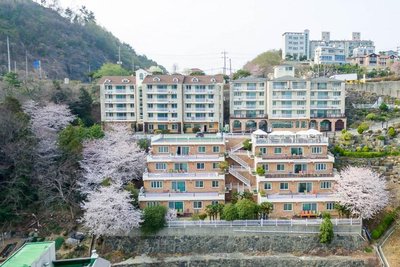
Home Fourest Resort Geoje
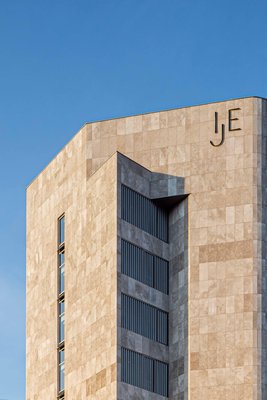
IJE BUSAN
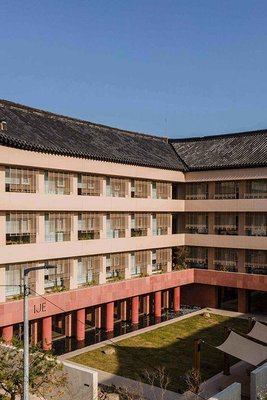
Ije Gyeongju
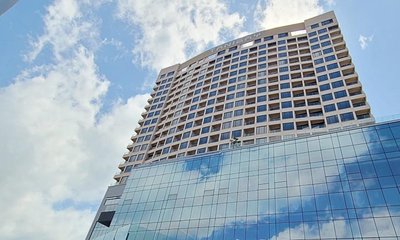
Tanibay Hotel
Sono Calm Vivaldi Park
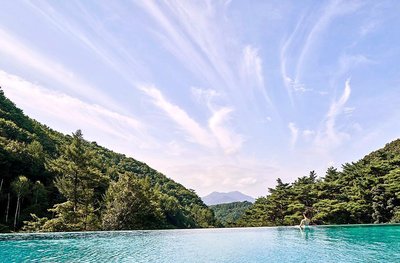
Restree and Forest Resom
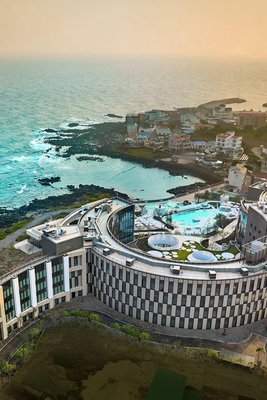
Shilla Stay Plus Iho Tewoo Ocean Front
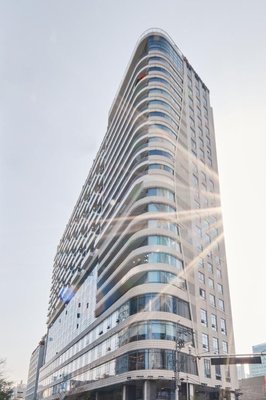
UH Flat Signature Daegu
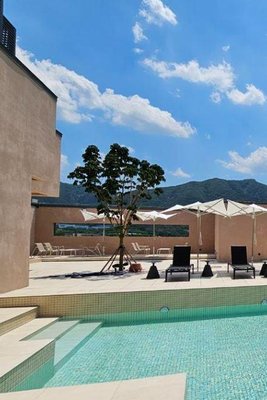
Daegu Suseong the Arco Hotel Lions Park
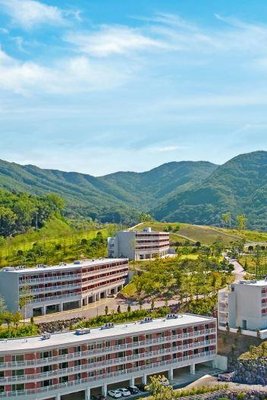
Belle Fore Resort
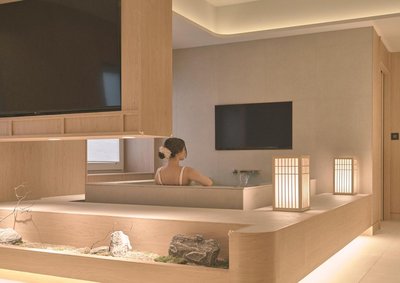
UH Continental CenterPoint
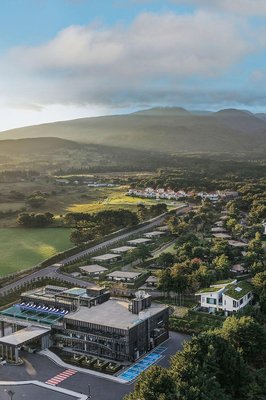
Amber Pure Hill Hotels & Resorts Jeju
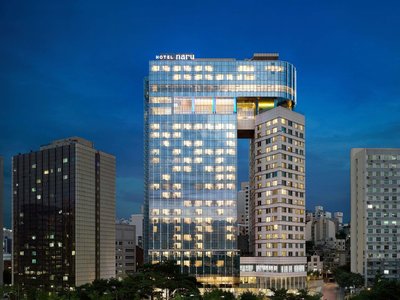
Hotel Naru Seoul - MGallery Collection
Stanford Hotel&Resort Tongyeong
JW Marriott Jeju Resort & Spa
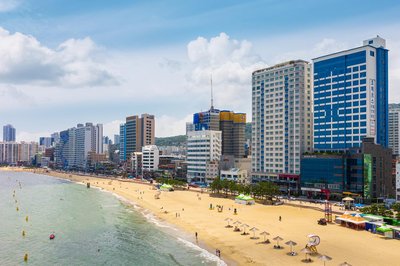
Homers Hotel
Shilla Stay Plus Iho Tewoo Ocean Front
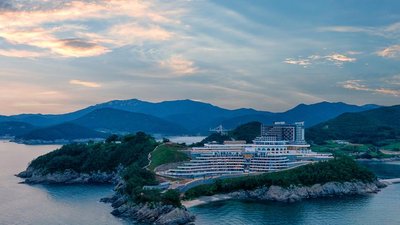
SOL BEACH NAMHAE
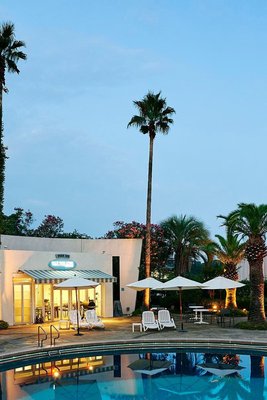
The Suites Hotel Jeju
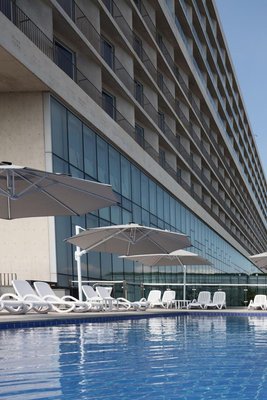
Nest Hotel Incheon
Conrad Seoul
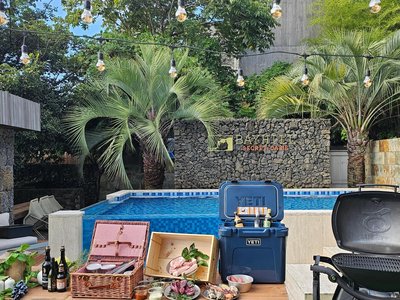
Bayhill Pool & Villa
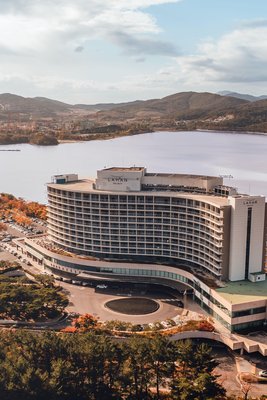
Lahan Select Gyeongju
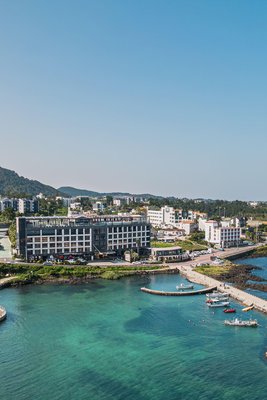
Dyne Ocenano Hotel
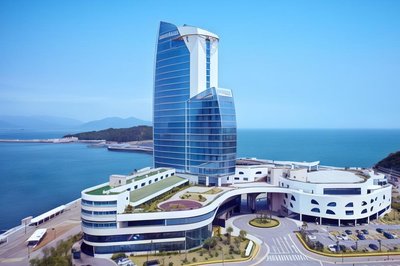
Sono Calm Yeosu
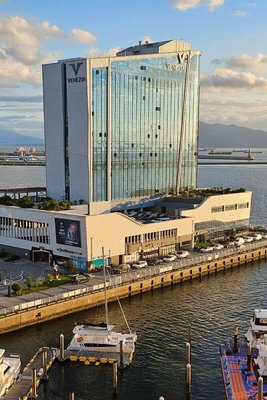
Yeosu Venezia Hotel & Suite
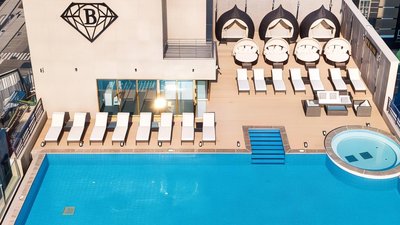
Baymond Hotel
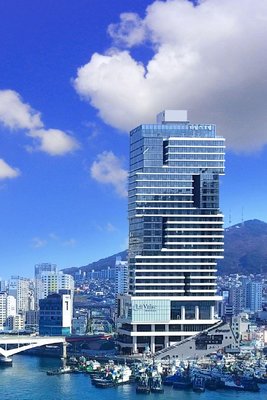
Lavalse Hotel
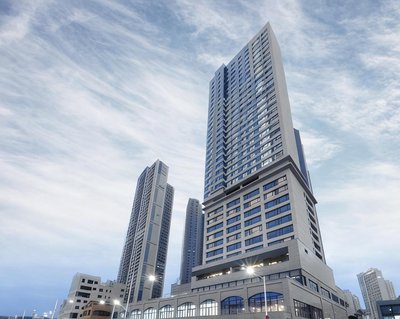
Mercure Ambassador Ulsan
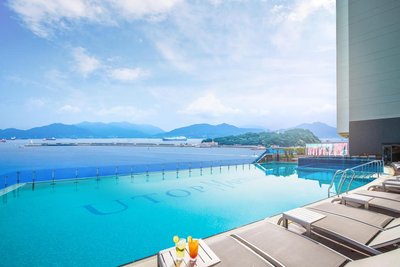
Utop Marina Hotel & Resort
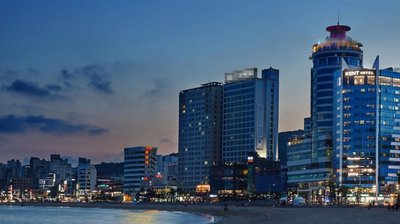
Kent Hotel Gwangalli by Kensington
Amber Pure Hill Hotels & Resorts Jeju
JW Marriott Jeju Resort & Spa
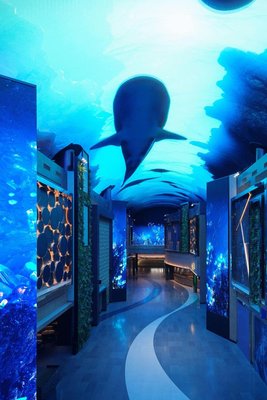
INSPIRE Entertainment Resort
Conrad Seoul
Bayhill Pool & Villa
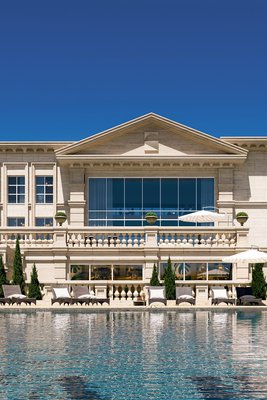
The Siena Primo (Original Tuscany Hotel)
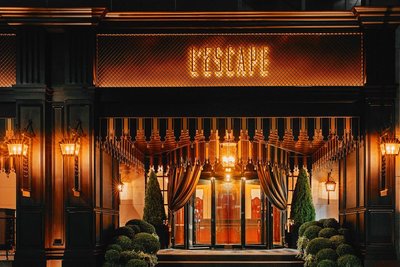
L'Escape Hotel
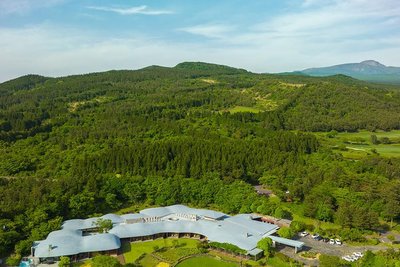
Podo Hotel
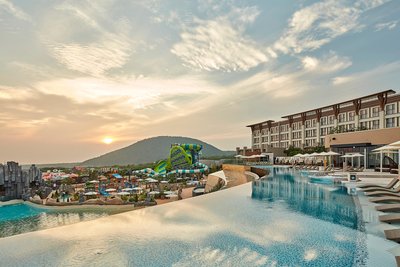
Shinhwa Jeju Shinhwa World Hotels & Resorts
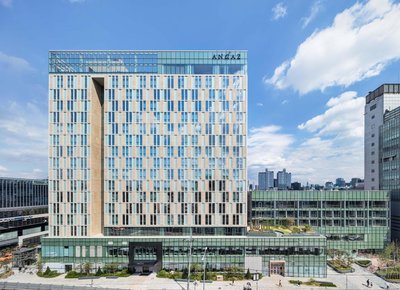
ANDAZ SEOUL GANGNAM, BY HYATT
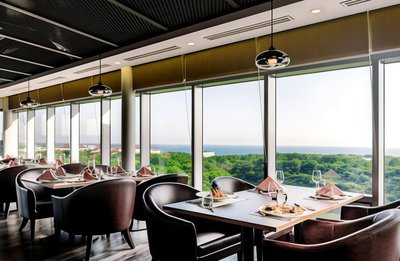
Hidden Cliff Hotel and Nature
Fairmont Ambassador Seoul
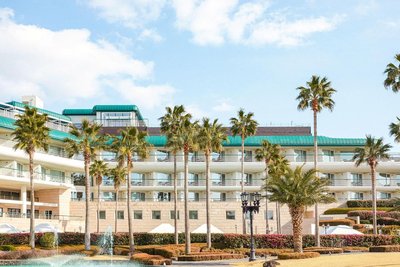
Grand Josun Jeju
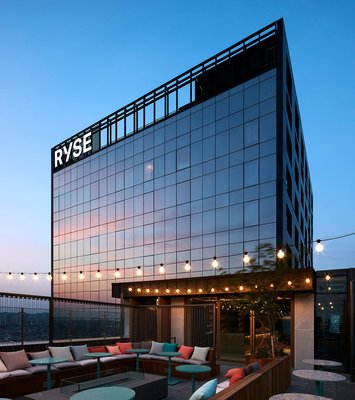
RYSE, Autograph Collection by Marriott
Josun Palace, a Luxury Collection Hotel, Seoul Gangnam
Anto (formerly: Parasara Seoul)
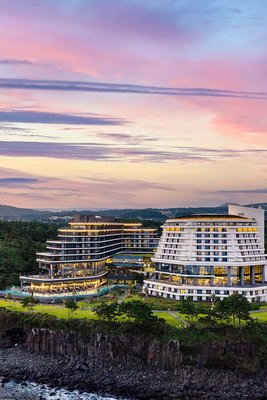
Parnas Hotel Jeju
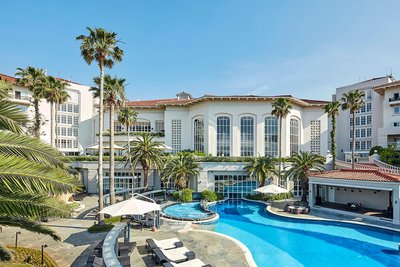
The Shilla Jeju
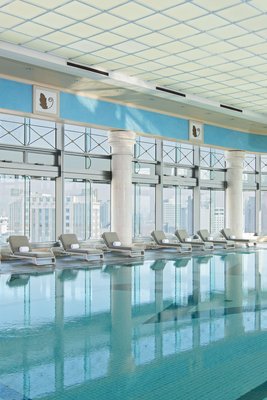
The Plaza Seoul, Autograph Collection
Banyan Tree Club & Spa Seoul
Amber Pure Hill Hotels & Resorts Jeju
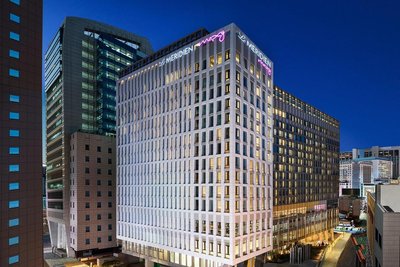
Le Méridien Seoul, Myeongdong
Hotel Naru Seoul - MGallery Collection
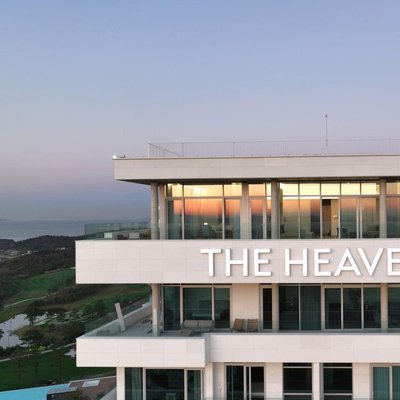
The Heaven Resort
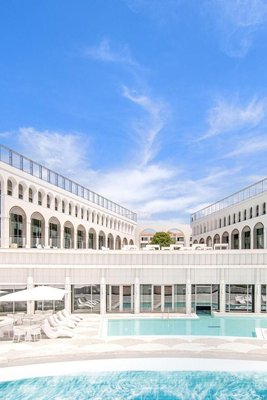
The Siena Resort
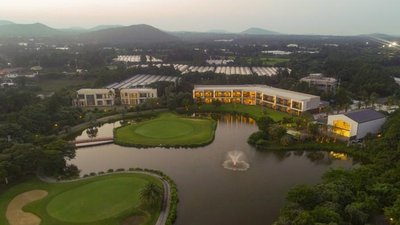
Kase Lodge
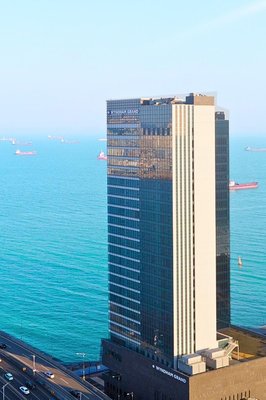
Wyndham Grand Busan Ijin
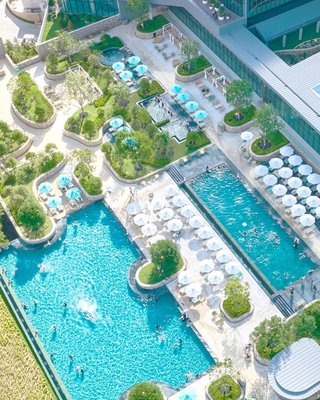
Ananti at Busan Village
INSPIRE Entertainment Resort
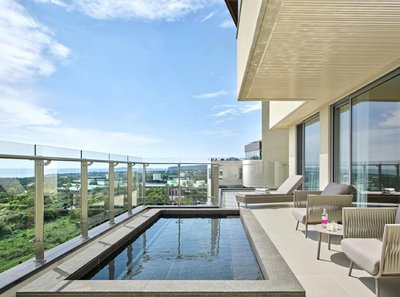
Grand Josun Hill Suite
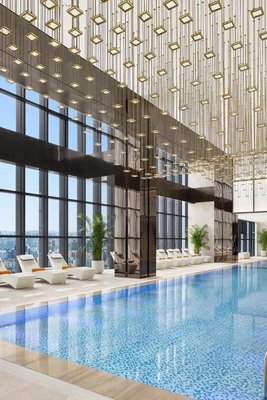
Pullman Ambassador Seoul Eastpole
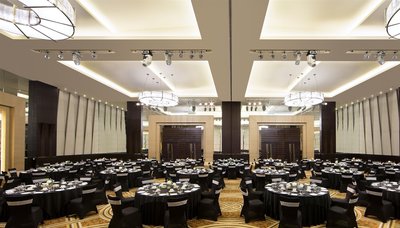
Sheraton Grand Incheon Hotel
Nest Hotel Incheon
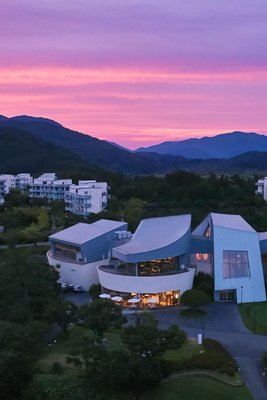
Ananti at Namhae
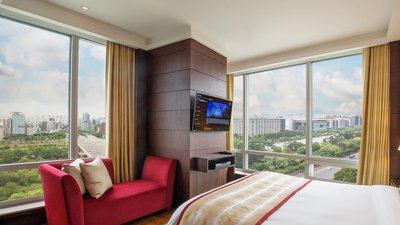
Yeouido Park Centre, Seoul - Marriott Executive Apartments
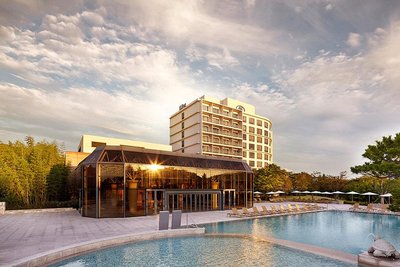
Hilton Gyeongju
Bayhill Pool & Villa
Lahan Select Gyeongju
The Siena Primo (Original Tuscany Hotel)
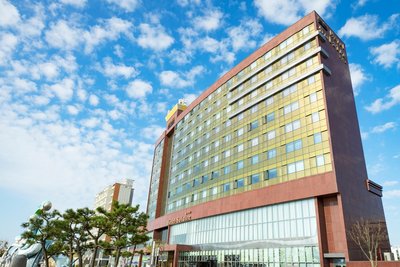
Hotel Solaire
INSPIRE Entertainment Resort
L'Escape Hotel
Lavalse Hotel
Four Seasons Hotel Seoul
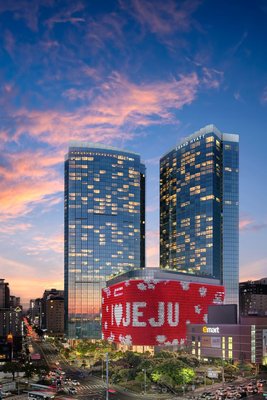
Grand Hyatt Jeju
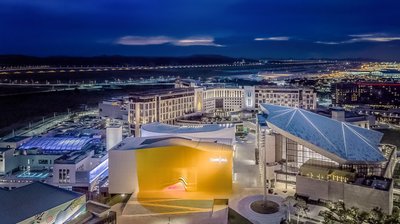
Paradise City
Josun Palace, a Luxury Collection Hotel, Seoul Gangnam
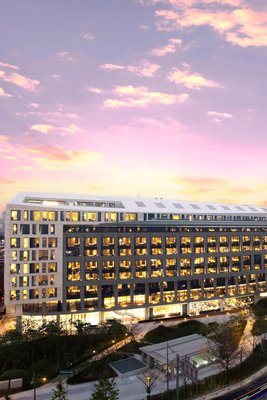
JW Marriott Dongdaemun Square Seoul
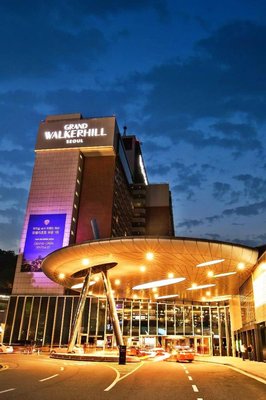
Grand Walkerhill Seoul
The Shilla Seoul
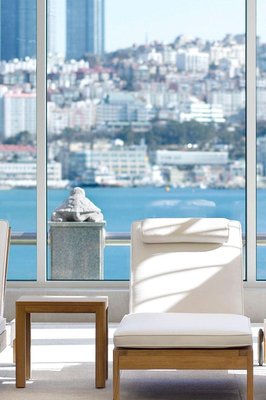
The Westin Josun Busan
Park Hyatt Busan
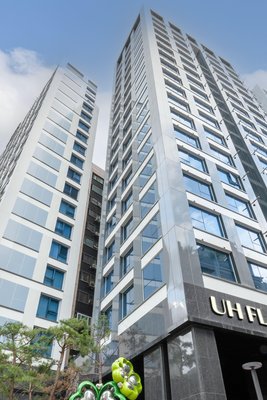
UH FLAT THE SEOCHO
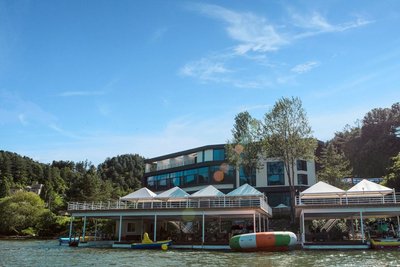
SS Resort
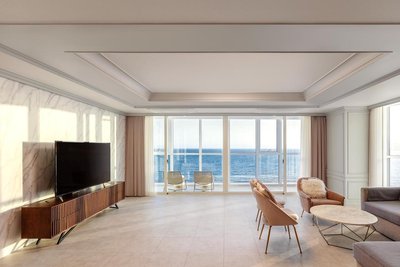
Palede cz Condor Busan
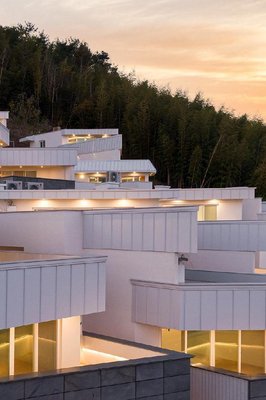
Ocean terra
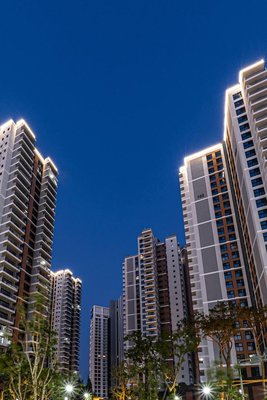
Le Collective Busan Gijang

Hotel Barrière Fouquet's New York

The Plaza - A Fairmont Managed Hotel

The Ritz-Carlton New York, Central Park

Four Seasons Hotel New York

The St. Regis New York

Park Hyatt New York

Mandarin Oriental New York
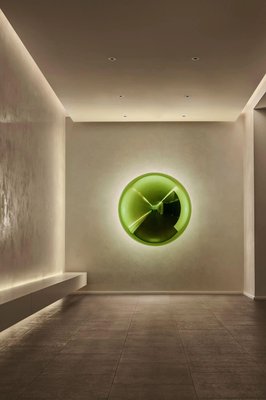
Times Square Edition New York
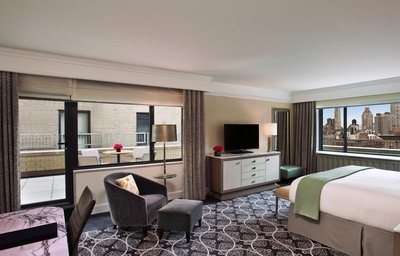
Loews Regency New York Hotel
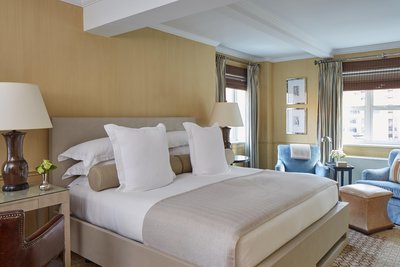
Lowell Hotel
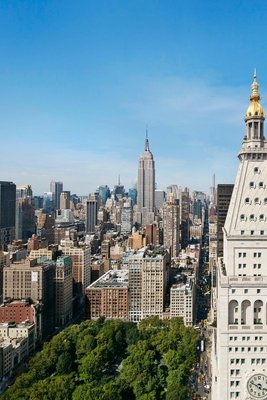
New York Edition
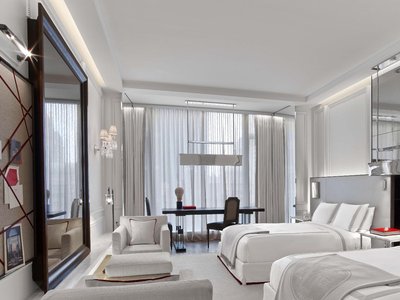
Baccarat Hotel New York
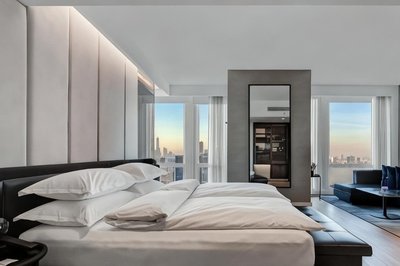
Equinox Hotel New York
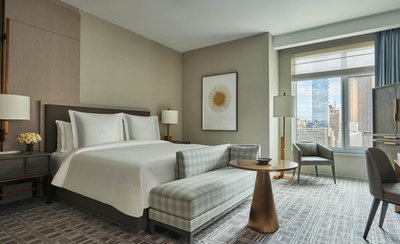
Four Seasons Hotel New York Downtown
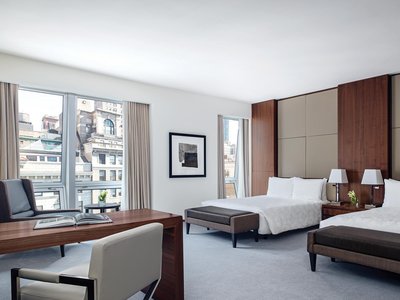
The Langham, New York, Fifth Avenue
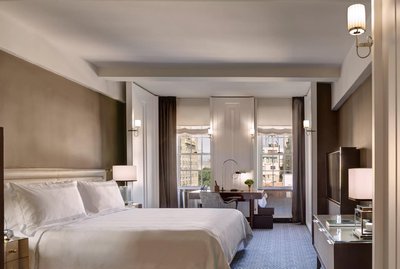
The Carlyle, A Rosewood Hotel

The Chatwal, in the Unbound Collection by Hyatt
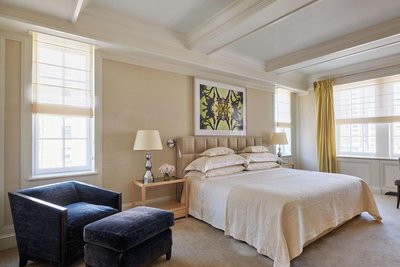
The Mark New York
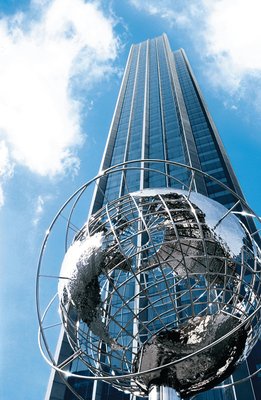
Trump International Hotel & Tower® New York
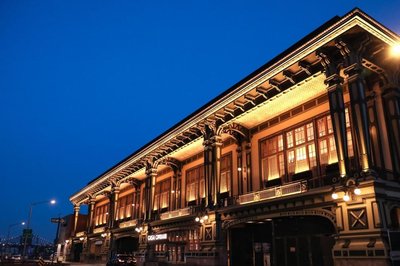
Casa Cipriani New York
Frequently Asked Questions about Traveling to Jangseong
Questions You Might Need to Know About Traveling to Jangseong
In Jeongeum County, stay at Namdo Cultural Village Guesthouse, a restored hanok-style farmhouse that offers authentic Korean rural living experiences. Guests can participate in tea ceremonies, try on hanbok (traditional clothing), and join hands-on workshops in pottery and weaving. Located near the Jeongeum Folk Museum, it provides deep insights into Jeolla Province's farming heritage and seasonal festivals. Morning tea on the veranda with mountain views and evening bonfires under starlit skies create a serene, immersive atmosphere perfect for cultural discovery.
Head to Sinhyang-myeon near the foothills of Jangsan Mountain for excellent hiking access. Stay at Jangsan Trail Inn, a cozy mountain lodge just a 10-minute walk from the Nine Peaks Trailhead and Dakgok Mountain. The region enjoys fresh air and clear night skies, making it ideal for sunrise hikes and stargazing. The inn offers guided trail maps, rental gear, and local route tips. Rooms feature private balconies with panoramic views of terraced fields and misty peaks—perfect for nature lovers seeking tranquility and adventure.
Don’t miss doenjang galbi (soybean paste grilled ribs) and wild greens stir-fried with rice cakes at Longsan Market’s family-run eateries. These dishes use locally grown black soybean paste and mountain vegetables, reflecting the region’s rich agricultural roots. Many guesthouses offer a ‘Farm-to-Table Day’ experience, where visitors harvest ingredients like radishes and beans before cooking them into a full meal. It’s a delicious way to connect with authentic Jeolla cuisine and sustainable rural life.
Spring (March–May) is the optimal season to visit. Cherry blossoms and rhododendrons bloom across Sinhyang Park and Cheongjeong Mountain, creating stunning landscapes. With mild temperatures averaging 15–20°C, it’s ideal for hiking and photography. Spring also hosts the Agricultural Festival, featuring rice planting demonstrations and folk games. Compared to humid summers or cold winters, spring offers fewer crowds and better conditions for exploring historic sites and natural trails.
Stay at Sansu Guesthouse, nestled at the foot of Dakgok Mountain. Built with reclaimed wood and bamboo, its thatched roof blends seamlessly into the forest. Run by a local potter, the lodge features a daily ceramics workshop where guests craft traditional Jeolla-style pottery. Evening programs include stargazing sessions, Korean folk music nights, and organic tea tastings. Each room opens to a private balcony overlooking rolling hills and misty valleys—a true sanctuary of eco-conscious design and cultural authenticity.
Start your day at the Jeongeum Folk Museum to learn about farming traditions, then hike the Nine Peaks Trail (1.5 hours). Lunch at Longsan Market with spicy seafood noodles and pancakes. In the afternoon, visit the Ancient Kiln Ruins Park for pottery-making. Return to your guesthouse for a family BBQ dinner and enjoy a traditional lion dance performance. With well-connected roads and scenic routes, this balanced itinerary allows you to experience culture, nature, and local flavor at a relaxed pace.
Participate in the annual Spring Plowing Ceremony and Autumn Harvest Festival, celebrating Korean agrarian traditions. At the plowing event, join ritual rice planting and drumming rituals to honor the earth. During autumn, take part in harvest challenges and local sake brewing workshops, crafting your own batch of regional rice wine. Every first weekend, the Cultural Plaza hosts a folk arts market showcasing Jeolla paper cutting, basket weaving, and wood carving, with interactive demos available.
Choose Greenfield Family Stay, a spacious farm-based guesthouse in Sinhyang-myeon with a fenced yard and children’s play area. It offers a farm activity kit including feeding goats, planting vegetables, and collecting eggs—ideal for kids to connect with nature. Rooms come with cribs and kid-friendly reading corners. Weekly family cooking classes teach how to make kimchi and pancakes together. Located minutes from the Children’s Nature Education Center, it’s a safe, enriching choice for families seeking an authentic rural escape.
Enjoy nighttime stargazing at Dakgok Mountain Observatory, where you can view the Milky Way and meteor showers—especially spectacular in July. Experience the Lantern Procession Night, held on lunar full moons when villagers carry handmade paper lanterns along riverside paths, symbolizing blessings. Some lodges host evening meditation sessions amid forest sounds. During festivals, witness the traditional fire ritual, where flames illuminate the mountains, creating a magical, spiritual atmosphere unforgettable to all.
Absolutely. National Route 64 runs through the county with smooth, well-marked roads. From Gwangju, it’s just over an hour via the South Expressway. Most attractions and guesthouses offer free parking, and even winding mountain roads have safety signs and speed limits. Use GPS with destinations like Jeongeum Cultural Village or Nine Peaks Trailhead to avoid minor roads. Self-driving allows flexible exploration of hidden villages and wildflower meadows—perfect for travelers who value freedom and spontaneity.
Jangseong Overview
City Summary
Jangseong-gun in South Jeolla Province, South Korea, is a tranquil town blending natural beauty with historical heritage. Famous for Jangseong Lake and Naejangsan National Park, it offers stunning seasonal landscapes, particularly autumn foliage. Traditional hanok villages and Buddhist temples provide authentic glimpses of rural Korean culture.
Must-See Attractions
Top attractions include Naejangsan National Park ("Honam's Little Geumgang") with its cable car offering panoramic views. Baekyangsa and Yeongoksa temples showcase exquisite Buddhist architecture, while Jangseong Lake's trails are perfect for leisurely walks. Don't miss Jangseong Hanok Village for cultural activities like tea ceremonies and hanji paper crafts.
Food Guide
Culinary highlights feature local specialties like grilled "Hwangto Hanwoo" (yellow soil beef) and bibimbap with mountain herbs. Street food favorites include tteokbokki (spicy rice cakes) and bindaetteok (mung bean pancakes). Traditional markets sell handmade omija tea and dried persimmons.
Transportation Guide
Transportation relies mainly on buses - intercity buses from Gwangju/Jeonju take about 1.5 hours. Use the "Jangseong Tour Bus" or taxis (from ₩5,000) between attractions. Self-drivers should note narrow mountain roads that may ice over in winter.
Best Time to Visit
Best seasons are September-November for autumn colors and April-May for cherry blossoms (15-25°C). Summers (June-August) are humid with monsoon rains, while some mountain trails close in winter (December-February).
Travel Tips
- Dress modestly when visiting temples (no shorts/sleeveless)
- Bring layers as mountains have sharp temperature drops
- Many hanok village buildings are private residences
- Carry cash - rural shops rarely accept foreign cards
- Strict recycling rules apply with fines for violations
- Last buses depart early (usually before 8pm)
Useful Information
Essentials:
- Language: Basic English at tourist centers only
- WiFi: KT Olleh hotspots at stations/attractions (Korean SIM required)
- Payments: Visa/Mastercard accepted only at major restaurants
- Emergency: Police 112, Ambulance 119, Tourist Hotline 1330
- Medical: Jangseong Public Health Center (weekend hours limited)
- Voltage: 220V with Type C/F plugs required
Other Cities You Might Like
Explore more amazing destinations