Hotels in Jecheon
Discover your perfect stay in Jecheon.
Jecheon(South Korea) Travel 2026: Cheap Flights, Hotels & Top Attractions
Popular Landmarks in Jecheon
Discover the most iconic attractions in Jecheon
Recommended Hotels in Jecheon
Find the perfect place to stay in Jecheon
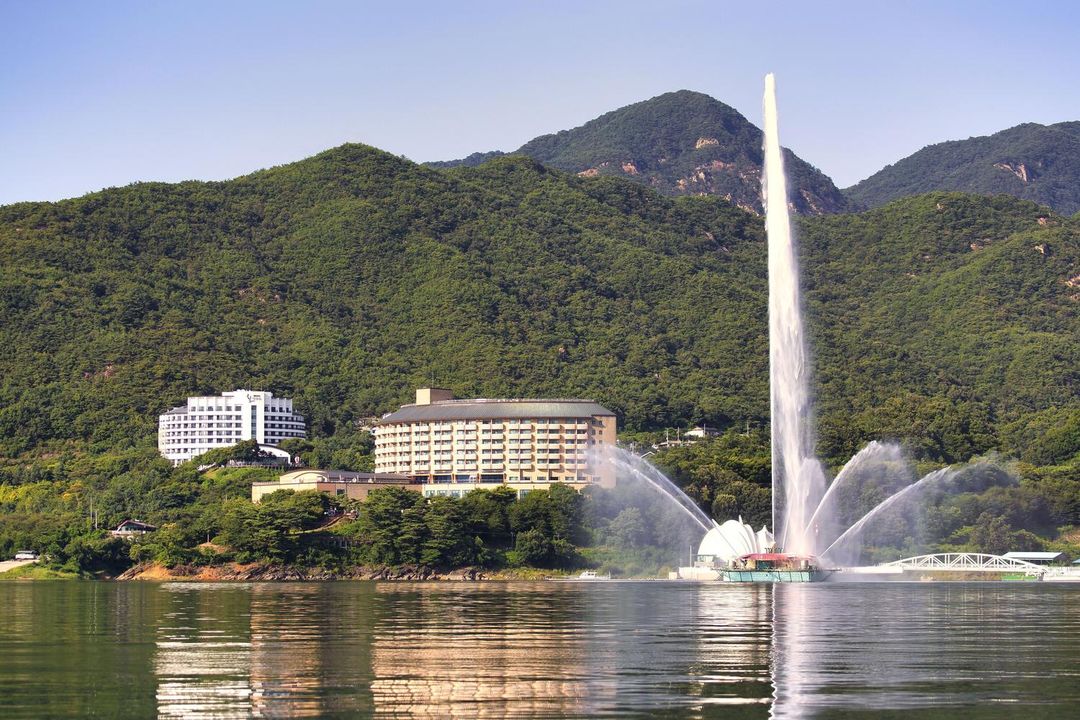
Cheongpung Resort Lake Hotel
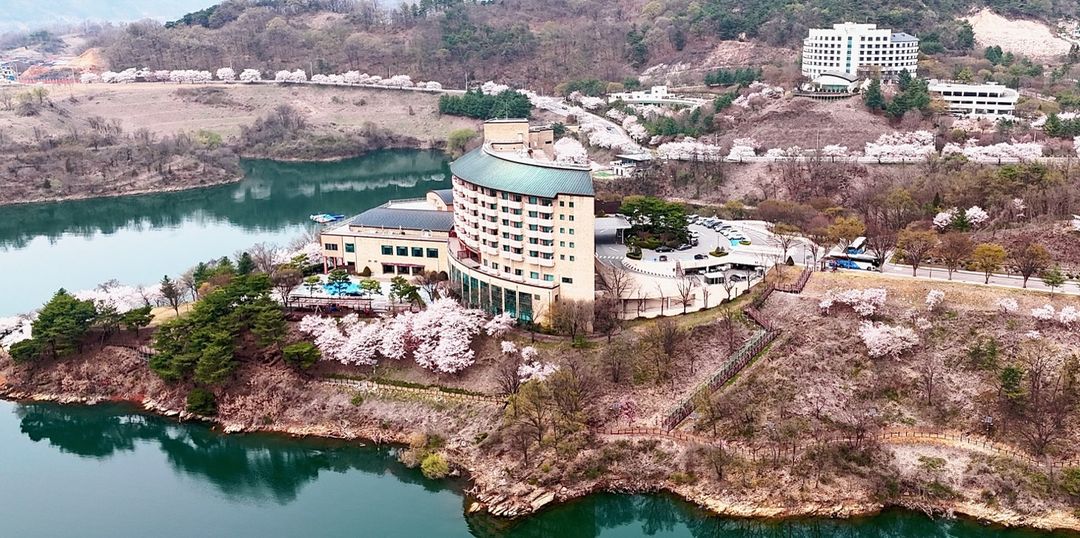
Cheongpung Resort Lake Hotel
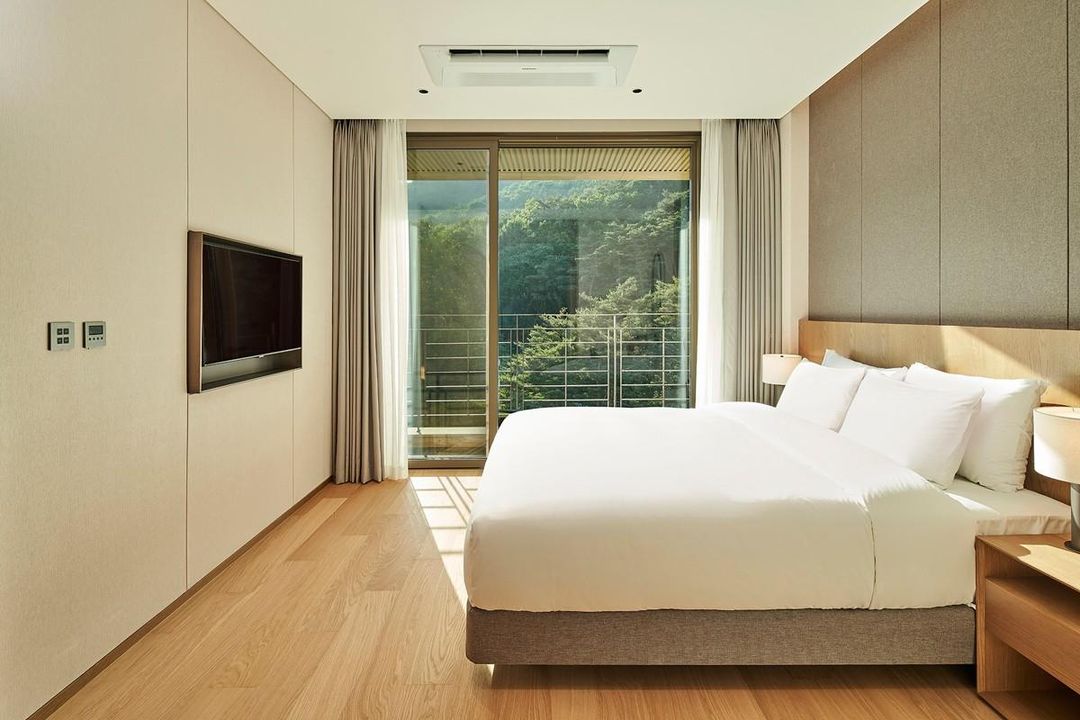
Restree and Forest Resom
Best Hotels in Jecheon
Discover curated hotel collections in Jecheon
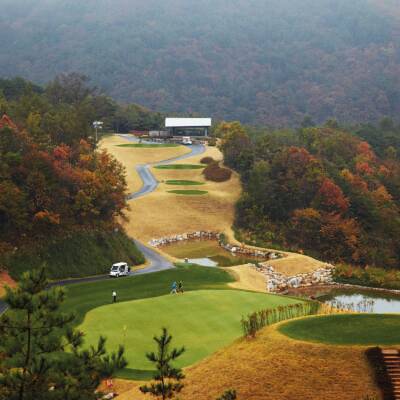
Tops10 Resort Donggang Cistar
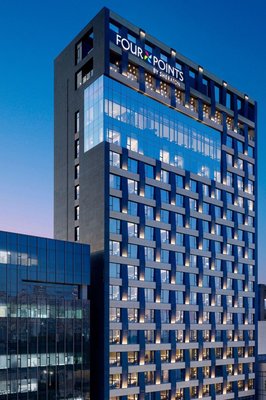
Four Points by Sheraton Suwon
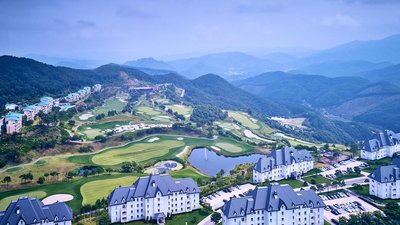
Sonofelice Village Vivaldipark
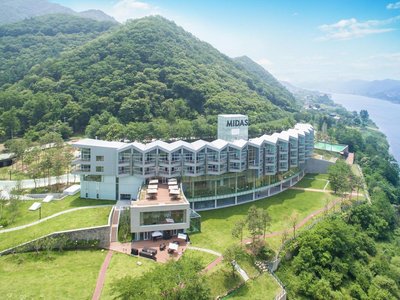
Midas Hotel & Resort
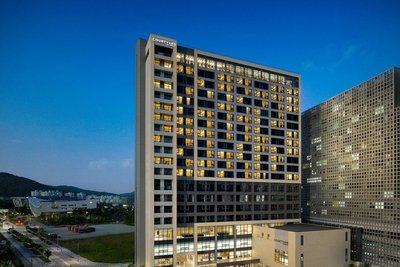
Courtyard Sejong
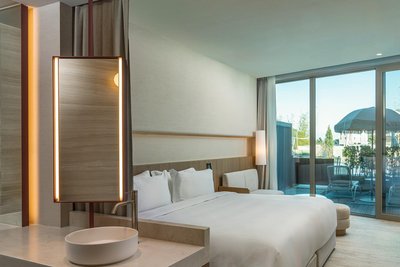
CORALLO
Sono Calm Vivaldi Park
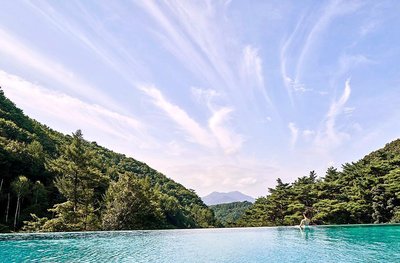
Restree and Forest Resom
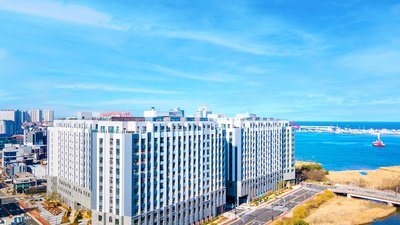
Dominiclava Sokco
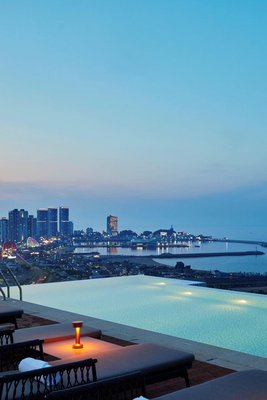
Homm Marina Sokcho
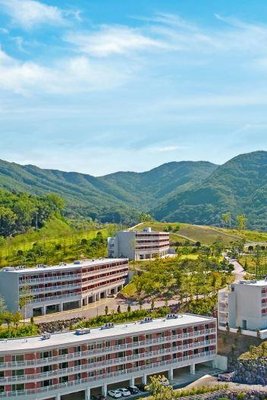
Belle Fore Resort
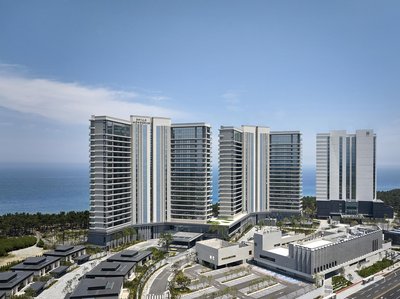
Shillamonogram Gangneung Residence
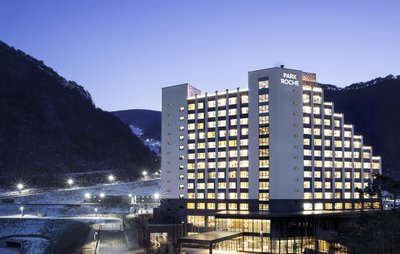
Park Roche Resort & Wellness
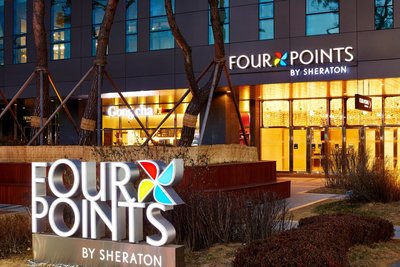
Four Points by Sheraton Josun, Seoul Station
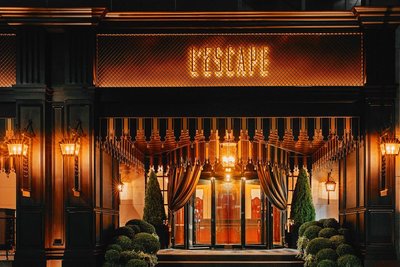
L'Escape Hotel
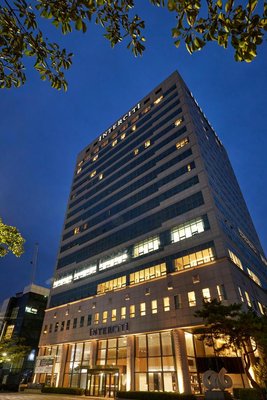
Hotel Interciti
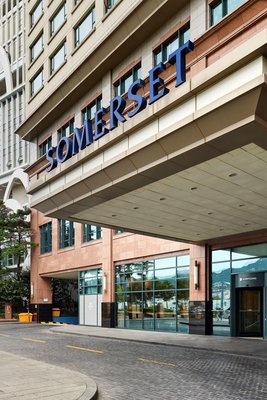
Somerset Palace Seoul
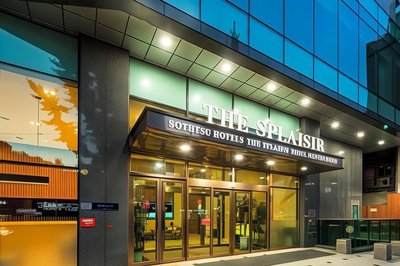
SOTETSU HOTELS THE SPLAISIR SEOUL DONGDAEMUN
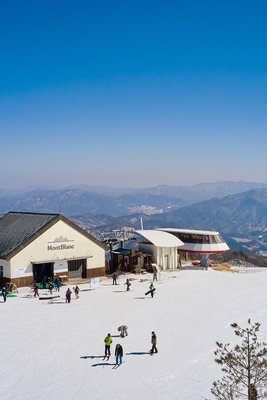
Phoenix Hotel Pyeongchang
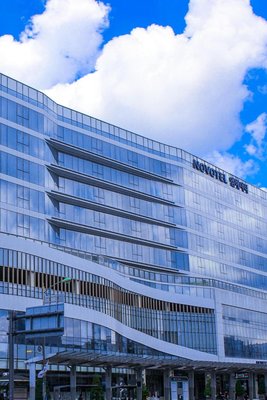
Novotel Ambassador Suwon
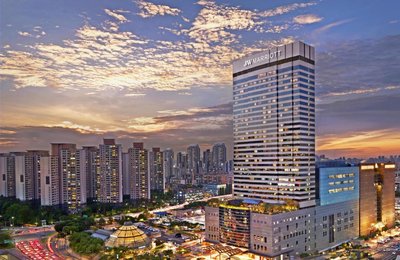
JW Marriott Hotel Seoul
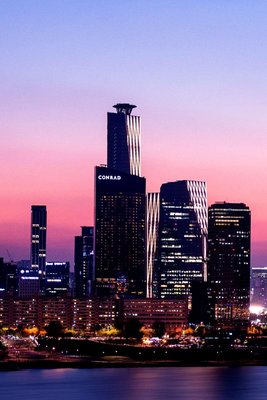
Conrad Seoul
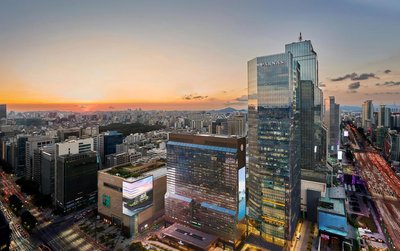
Grand InterContinental Seoul Parnas
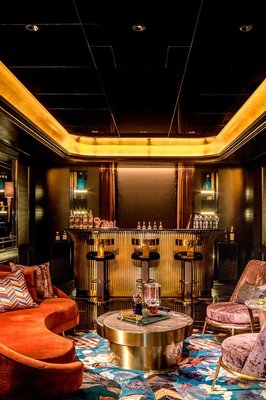
Art Paradiso, Paradise City
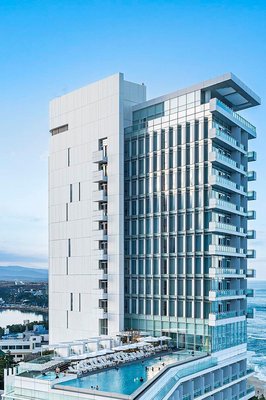
Seamarq Hotel
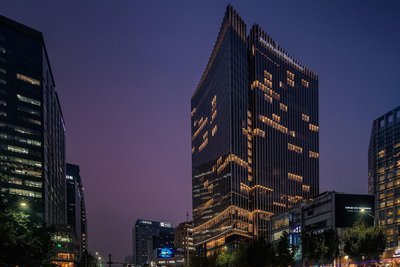
Four Seasons Hotel Seoul
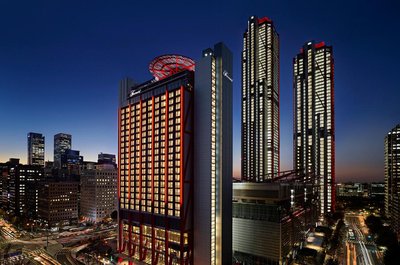
Fairmont Ambassador Seoul
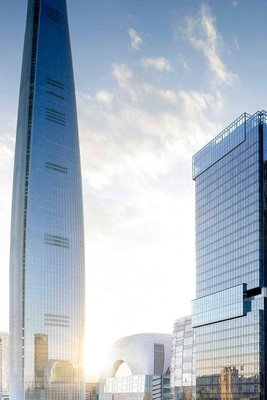
Sofitel Ambassador Seoul Hotel & Serviced Residences
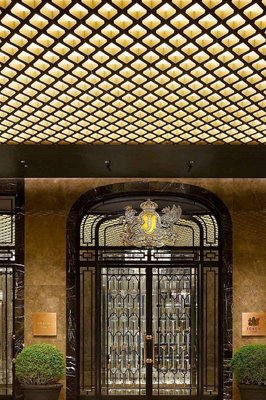
Josun Palace, a Luxury Collection Hotel, Seoul Gangnam
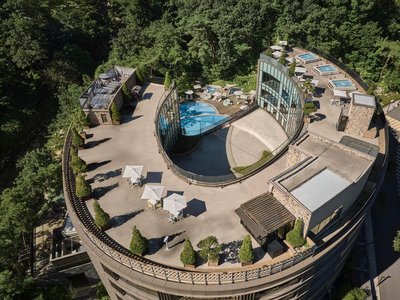
Anto (formerly: Parasara Seoul)
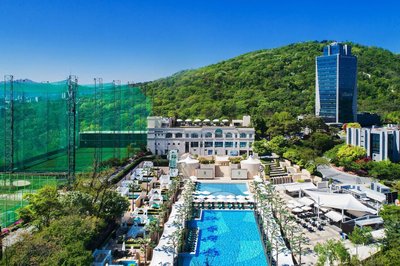
Banyan Tree Club & Spa Seoul
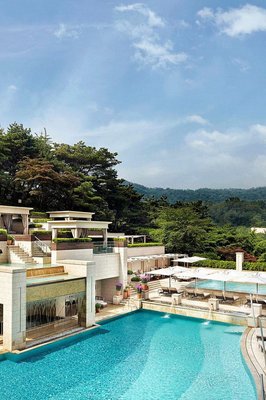
The Shilla Seoul
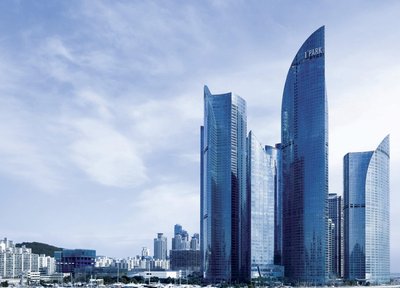
Park Hyatt Busan
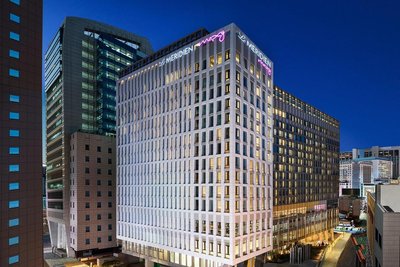
Le Méridien Seoul, Myeongdong
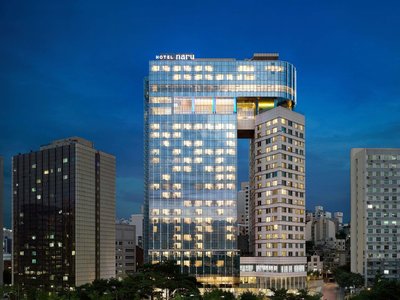
Hotel Naru Seoul - MGallery Collection
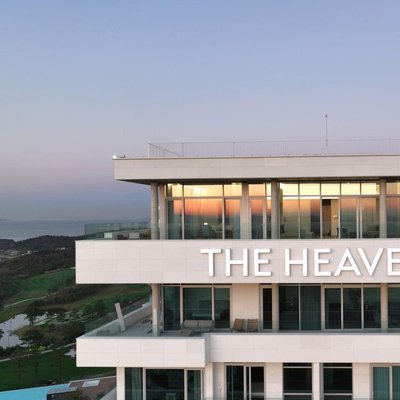
The Heaven Resort
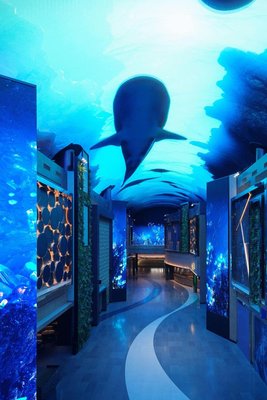
INSPIRE Entertainment Resort
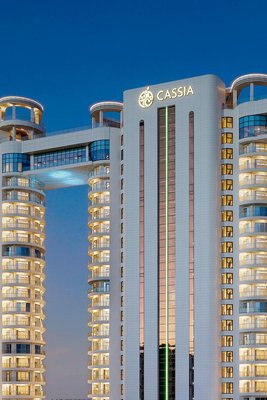
Cassia Sokcho
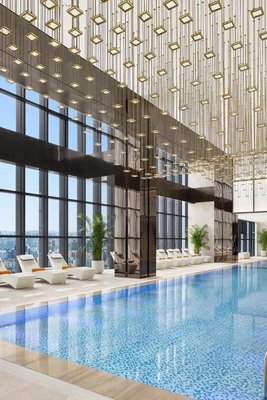
Pullman Ambassador Seoul Eastpole
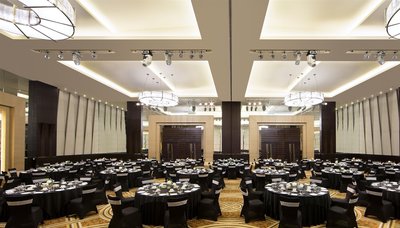
Sheraton Grand Incheon Hotel
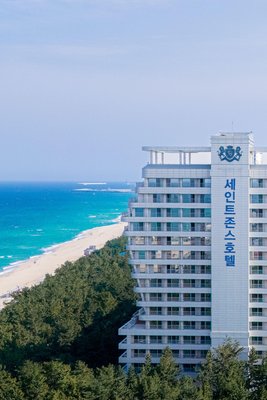
St. John's Hotel
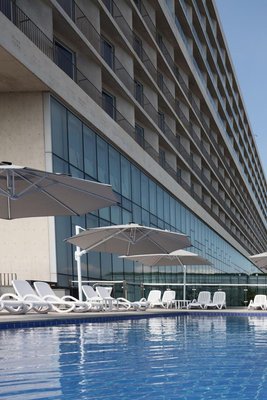
Nest Hotel Incheon
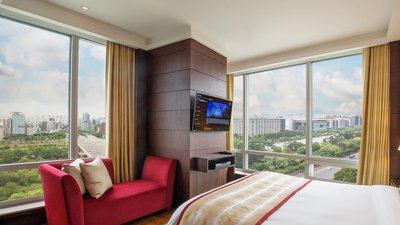
Yeouido Park Centre, Seoul - Marriott Executive Apartments
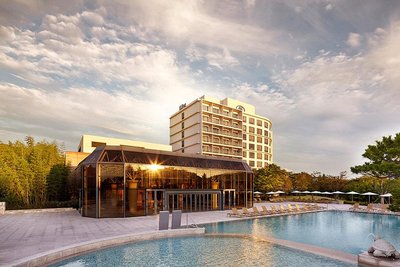
Hilton Gyeongju
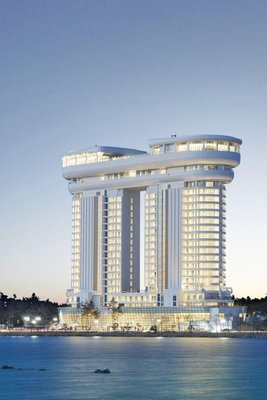
Skybay Hotel Gyeongpo
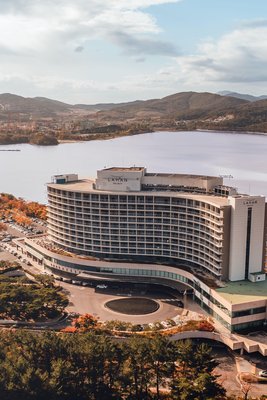
Lahan Select Gyeongju
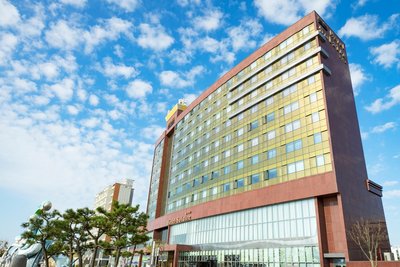
Hotel Solaire
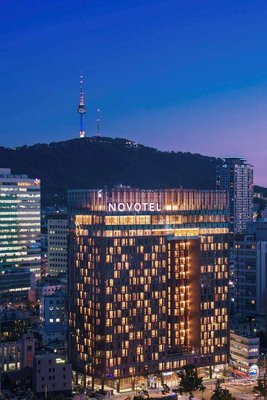
Novotel Ambassador Seoul Dongdaemun Hotels & Residences
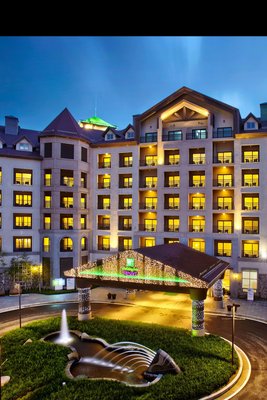
Holiday Inn Resort Alpensia Pyeongchang
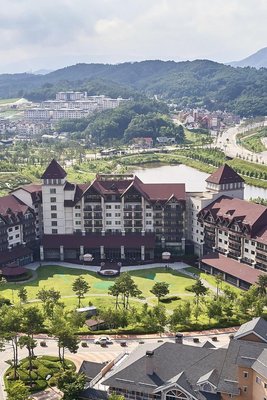
InterContinental Hotels Alpensia Pyeongchang Resort
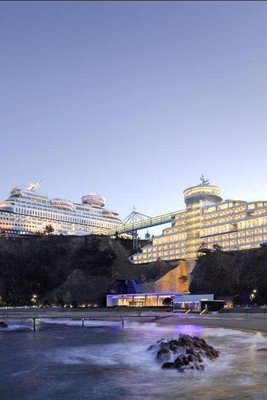
Sun Cruise Resort and Yacht
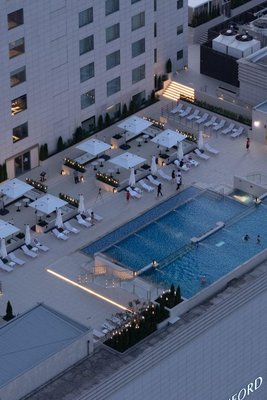
Enford Hotel
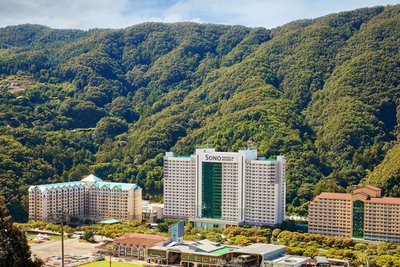
VivaldiPark
Hotel Naru Seoul - MGallery Collection
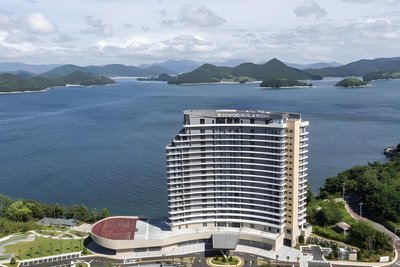
Stanford Hotel&Resort Tongyeong
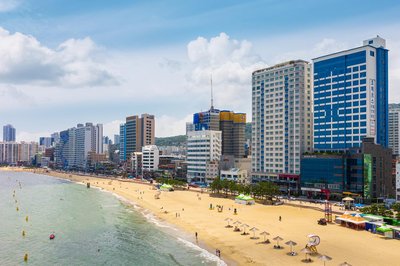
Homers Hotel
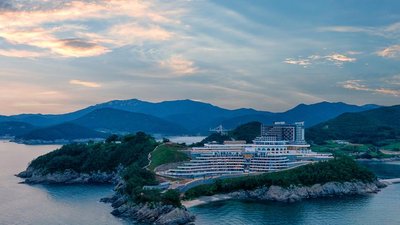
SOL BEACH NAMHAE
St. John's Hotel
Nest Hotel Incheon
Conrad Seoul
Skybay Hotel Gyeongpo
Lahan Select Gyeongju
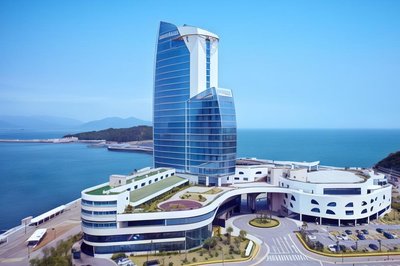
Sono Calm Yeosu
Sun Cruise Resort and Yacht
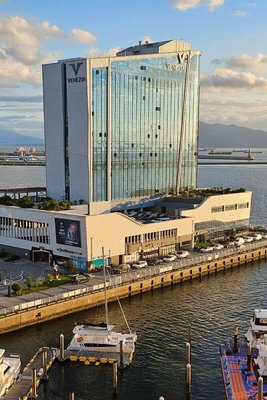
Yeosu Venezia Hotel & Suite
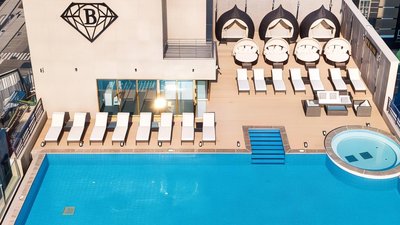
Baymond Hotel
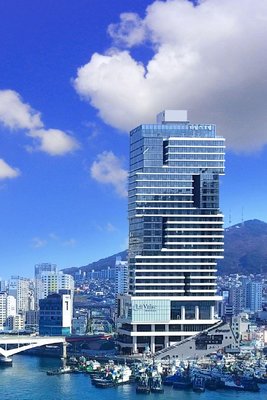
Lavalse Hotel
Seamarq Hotel
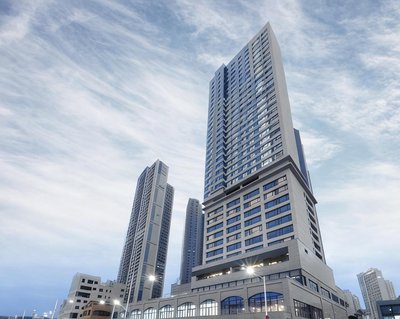
Mercure Ambassador Ulsan
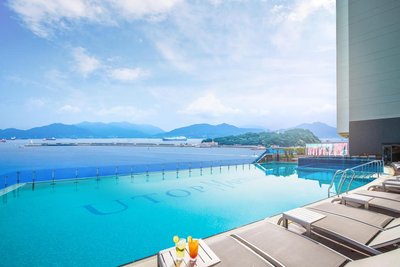
Utop Marina Hotel & Resort
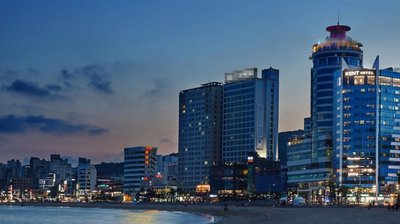
Kent Hotel Gwangalli by Kensington
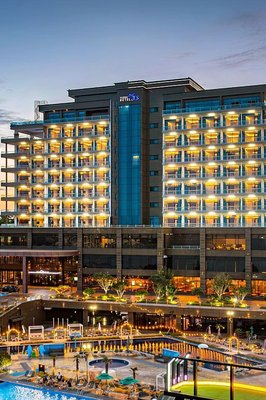
HOTEL JCS YEOSU

Ramada by Wyndham Gangwon Sokcho
INSPIRE Entertainment Resort
Conrad Seoul
L'Escape Hotel
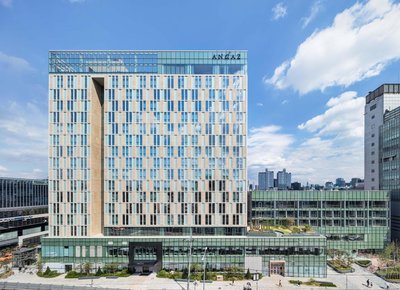
ANDAZ SEOUL GANGNAM, BY HYATT
Fairmont Ambassador Seoul
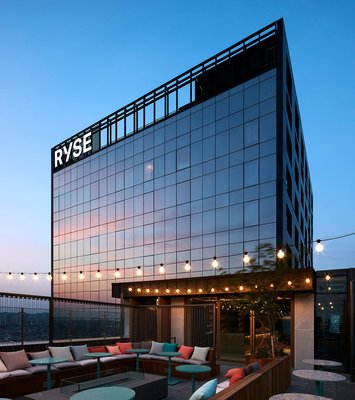
RYSE, Autograph Collection by Marriott
Josun Palace, a Luxury Collection Hotel, Seoul Gangnam
Anto (formerly: Parasara Seoul)
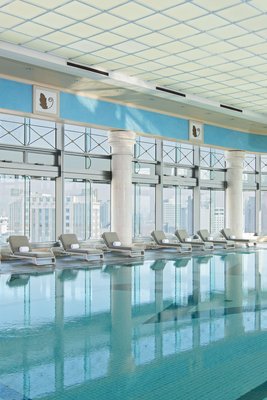
The Plaza Seoul, Autograph Collection
Banyan Tree Club & Spa Seoul
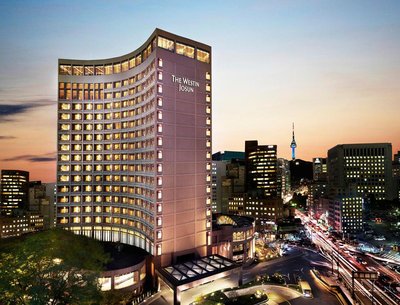
The Westin Josun Seoul
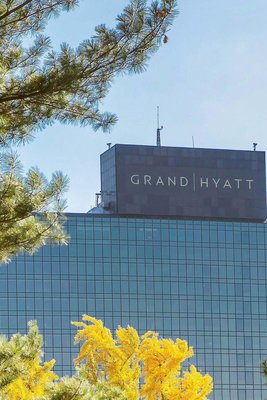
Grand Hyatt Seoul
INSPIRE Entertainment Resort
L'Escape Hotel
Lavalse Hotel
Four Seasons Hotel Seoul
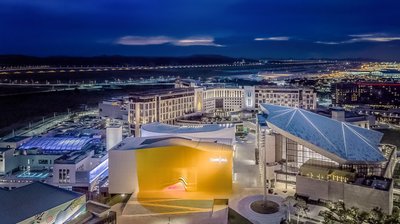
Paradise City
Josun Palace, a Luxury Collection Hotel, Seoul Gangnam
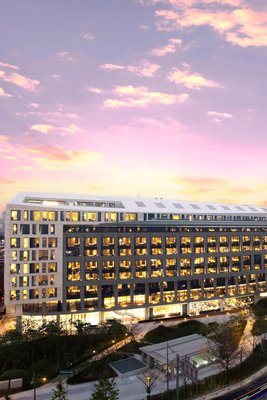
JW Marriott Dongdaemun Square Seoul
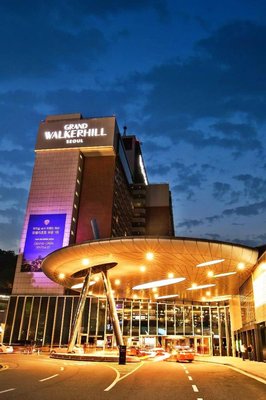
Grand Walkerhill Seoul
The Shilla Seoul
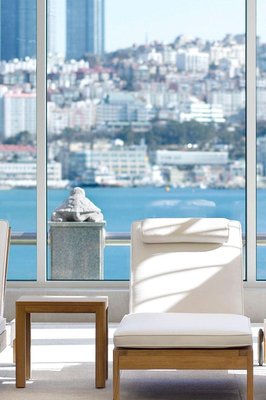
The Westin Josun Busan
Park Hyatt Busan
Holiday Inn Resort Alpensia Pyeongchang
InterContinental Hotels Alpensia Pyeongchang Resort
Phoenix Hotel Pyeongchang
VivaldiPark
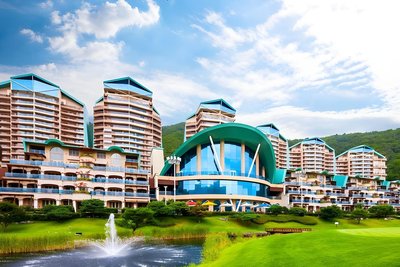
SonoFelice VivaldiPark
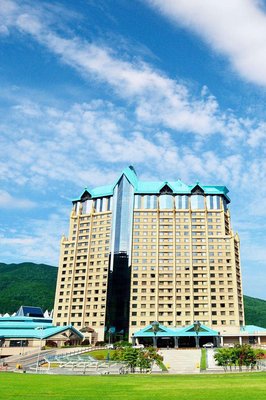
High1 Grand Hotel Main Tower
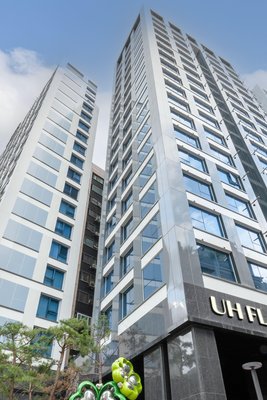
UH FLAT THE SEOCHO
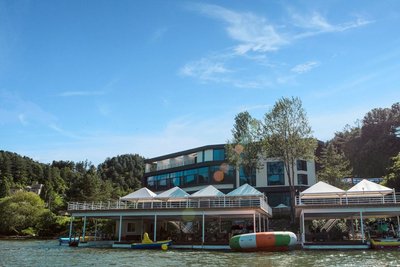
SS Resort
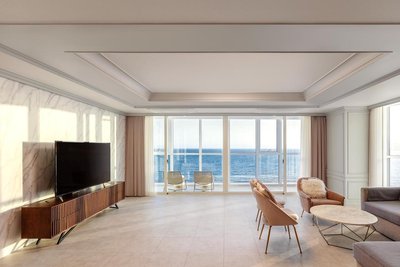
Palede cz Condor Busan
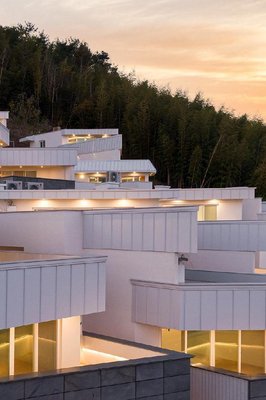
Ocean terra
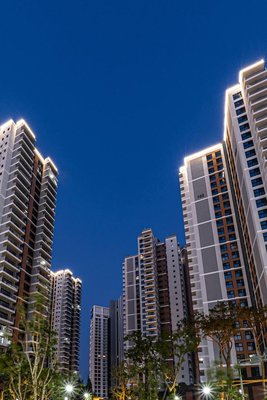
Le Collective Busan Gijang
Frequently Asked Questions about Traveling to Jecheon
Questions You Might Need to Know About Traveling to Jecheon
For cultural immersion, stay at Eungbong Mountain Villa, a unique hanok-style guesthouse nestled near Yeongbong Mountain with views of Longtan Lake. The property features traditional ondol heating, handcrafted wooden interiors, and hosts authentic experiences like tea ceremony workshops, traditional paper-making, and local farming activities. Located just minutes from Dongseongsa Temple and Chungcheongbuk-do Museum, it offers an immersive journey into rural Korean heritage and sustainable living.
The city center is ideal for first-time visitors, located near Cheongju Station and surrounded by key attractions such as Daejeon Park, Chungcheongbuk-do Hall, and Longtan Lake. Major accommodations like Sin Daejeon Hotel and Hokkai Guesthouse are concentrated here, offering easy access to restaurants, shopping, and public transport. Its central location makes it perfect for exploring historical sites, enjoying local cuisine, and experiencing daily life in a relaxed, walkable environment.
Yes, visit Eungbong Mountain Villa, a beautifully restored hanok-style homestay that blends traditional Korean architecture with modern comfort. Set against the backdrop of Yeongbong Mountain, it offers panoramic views of Longtan Lake and features authentic ondol underfloor heating. Guests can participate in hands-on cultural activities like pottery making, sacred rituals, and farm-to-table cooking classes, providing a deep connection to local traditions and nature.
Must-see historical sites include Dongseongsa Temple, a National Treasure No. 27 with ancient stone pagodas and a thousand-year-old Buddha statue. Also visit the Chungcheongbuk-do Museum, which houses artifacts from the Neolithic period through the Joseon Dynasty. Nearby, the Cheongju War Memorial commemorates the region’s role in the Korean War. All are centrally located, making them easily accessible during a day trip from your hotel.
Try Cheongju Tofu Jjigae, a rich stew made with locally crafted soft tofu, pork, and kimchi—known for its creamy texture and bold flavor. Another must-try is Gochujang Chicken Bone Noodles, a spicy, savory noodle dish simmered for hours with chicken bones and gochujang. Enjoy both at Cheongju Central Market or the bustling Old Town Night Market, where locals gather and street vendors serve authentic regional flavors.
Cheongju appeals to travelers seeking serene natural scenery, cultural depth, and authentic Korean experiences. Ideal for those interested in eco-tourism, photography, hiking, and traditional crafts. It's also perfect for families looking for a peaceful getaway or individuals pursuing a digital detox and wellness retreat, thanks to its quiet streets, forest trails, and tranquil countryside ambiance.
While Cheongju isn’t a major hot spring destination, nearby resorts like Hwaseong Spa Resort and Cheongju Spa Village offer therapeutic mineral baths and full-service spas within 30 minutes. Luxury hotels such as Hyatt Regency Cheongju feature indoor thermal pools, Korean herbal steam rooms, and signature treatments using local ingredients. Combine a soak with a traditional massage or mud therapy for a rejuvenating escape.
Cheongju Station is well-connected via KTX high-speed rail to Seoul (approx. 1 hour 20 minutes) and Daejeon. Local buses link major attractions including Daejeon Park and Dongseongsa Temple. For self-drive travelers, the Gyeongbu Expressway provides quick access, with downtown reachable in under 15 minutes. The city center has ample parking, clear signage, and pedestrian-friendly zones—ideal for independent exploration.
Capture stunning shots at Longtan Lake Trail, where reflections of autumn foliage and mountains create a painterly effect. The Yeongbong Mountain Observatory offers sweeping views of the city and surrounding hills—perfect for sunrise and golden hour photography. Don’t miss the stone pagodas at Dongseongsa Temple and the architectural details of Chungcheongbuk-do Museum’s courtyard, all rich in Korean aesthetic charm and serene atmosphere.
Experience the Cheongju International Dance Festival every summer, featuring global dance troupes and vibrant performances in Daejeon Park. During winter, the Cheongju Light Art Festival transforms Longtan Lake and parks into illuminated wonderlands with giant light installations. Additionally, the Chungcheongbuk-do Folk Festival in Lunar New Year includes traditional mask dances, ritual ceremonies, and craft markets—offering a lively glimpse into local heritage and community spirit.
Jecheon Overview
City Summary
Jecheon, located in Chungcheongbuk-do, South Korea, is renowned for its natural beauty and traditional culture. Surrounded by mountains and clear streams, it is an ideal getaway from urban noise. Jecheon is also famous for its apple production, hosting an annual Apple Festival in autumn that attracts many visitors.
Must-See Attractions
Top attractions include Cheongpung Lake, known for its clear waters and surrounding trails. Jecheon Hot Springs offer relaxation with mineral-rich waters. The Jecheon Traditional Culture Center provides insights into local history. Phoenix Mountain is a prime spot for hiking and photography.
Food Guide
Jecheon's cuisine features apple-based dishes and mountain farm food. Try apple-glazed fried chicken for a sweet-savory mix. Jecheon beef soup is another must-try, with rich broth and tender meat. Street snacks like grilled apple slices and Korean pancakes are also popular.
Transportation Guide
Public transport relies on buses, with routes covering major sites. From Seoul or Daejeon, take a bus or train (2-3 hours). Use KakaoMap or Naver Map for real-time info. Renting a car is convenient for exploring nearby nature.
Best Time to Visit
The best time to visit is autumn (September-November), with cool weather and the Apple Festival. Spring (April-May) is also pleasant, with blooming flowers.
Travel Tips
- Wear proper swimwear in hot springs; some ban tattoos.
- Mountain weather changes quickly—bring a light jacket.
- Book accommodations early during the Apple Festival.
- Most restaurants don’t offer takeout; dine in.
- Smoking in public areas may result in fines.
- Carry cash for some attractions.
Useful Information
Korean is the main language; English is limited. Free Wi-Fi is available in the city, but signals weaken in the mountains. Payments are mostly cash or card; some shops accept cash only. For emergencies, dial 112 (police) or 119 (ambulance). Pharmacies and clinics are downtown; bring essential medications.
Other Cities You Might Like
Explore more amazing destinations