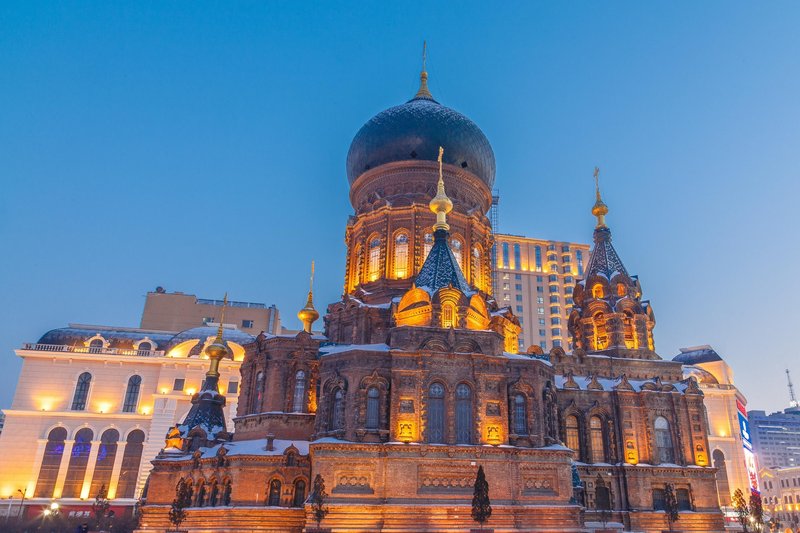
Hotels in Jeju
Discover your perfect stay in Jeju.
Jeju(South Korea) Travel 2026: Cheap Flights, Hotels & Top Attractions
Popular Landmarks in Jeju
Discover the most iconic attractions in Jeju
Recommended Hotels in Jeju
Find the perfect place to stay in Jeju
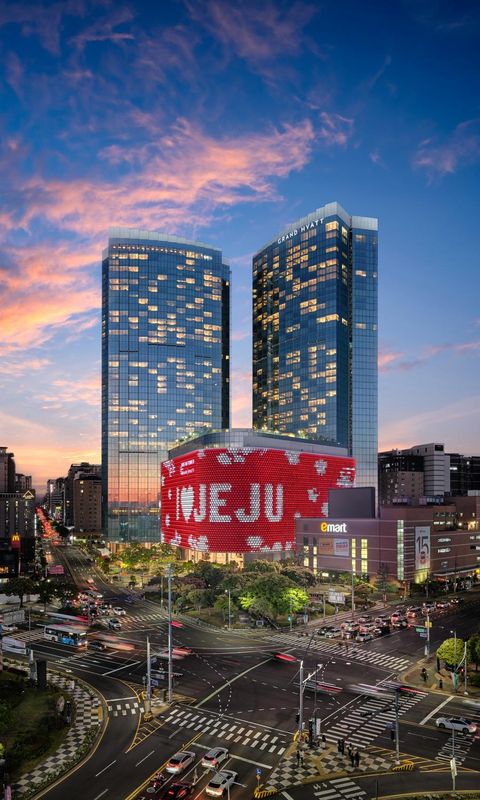
Grand Hyatt Jeju
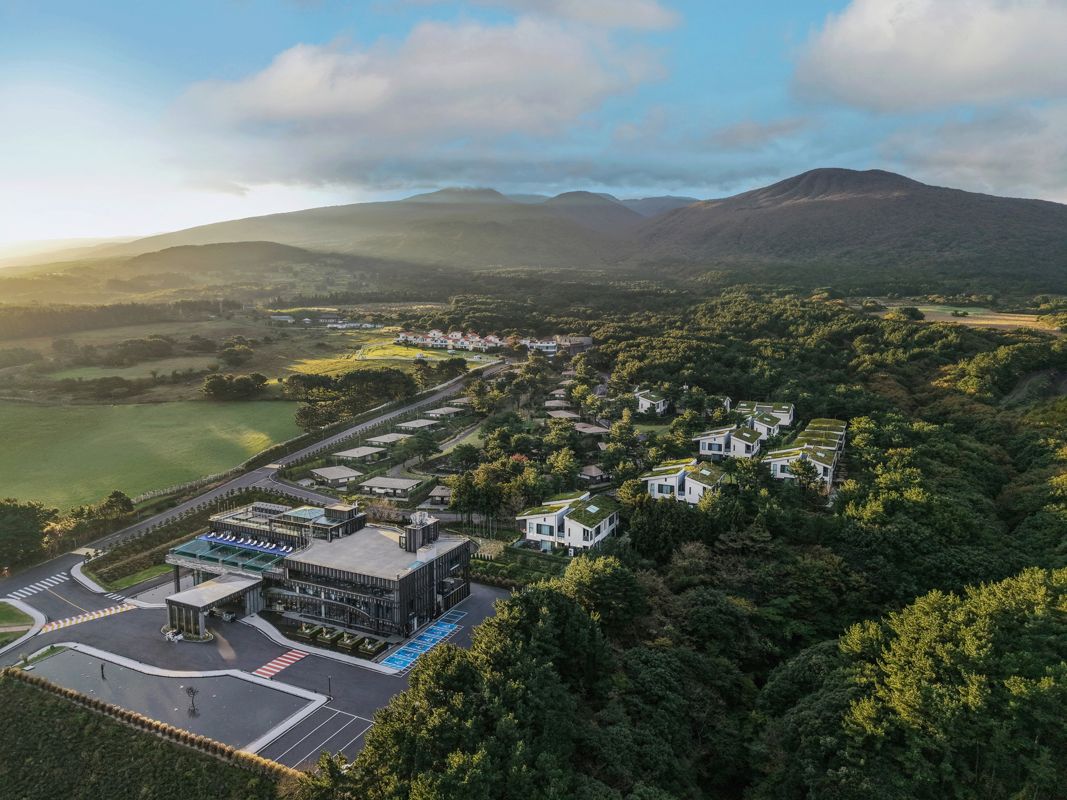
Amber Pure Hill Hotels & Resorts Jeju
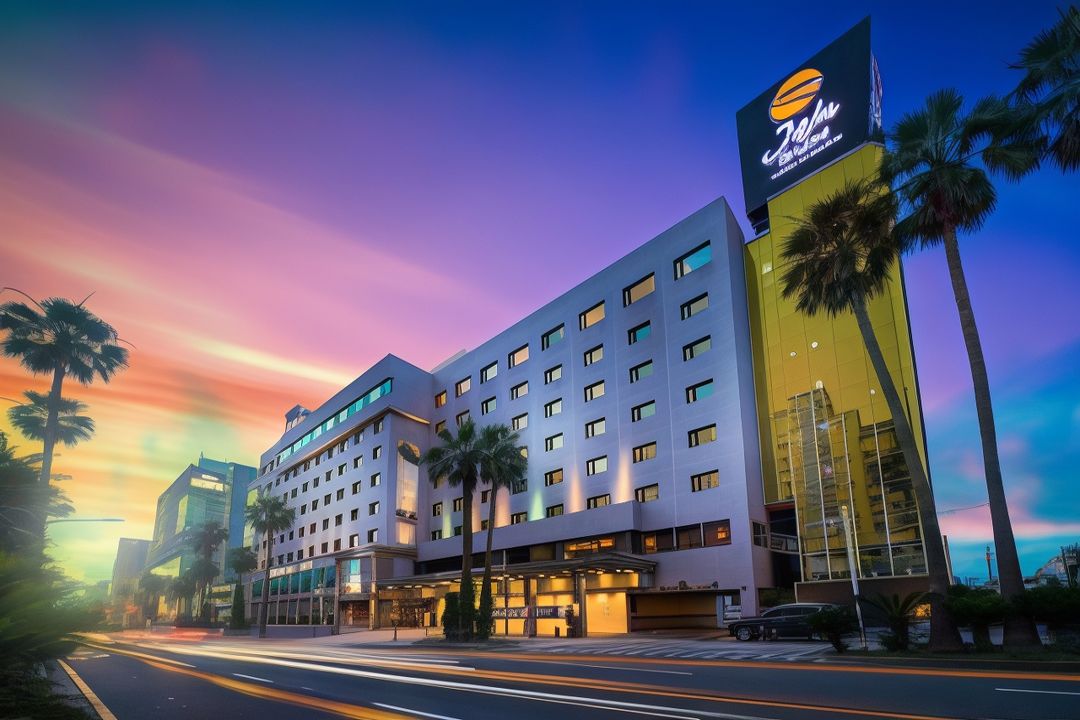
Jeju Sun Hotel & Casino
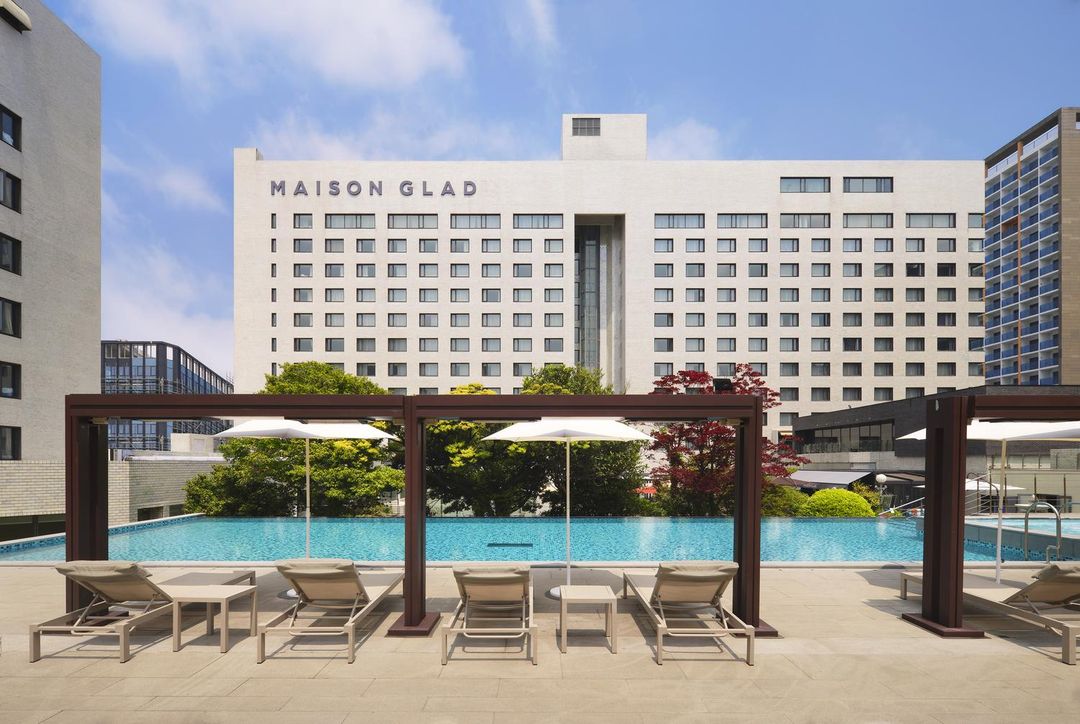
Maison Glad Jeju
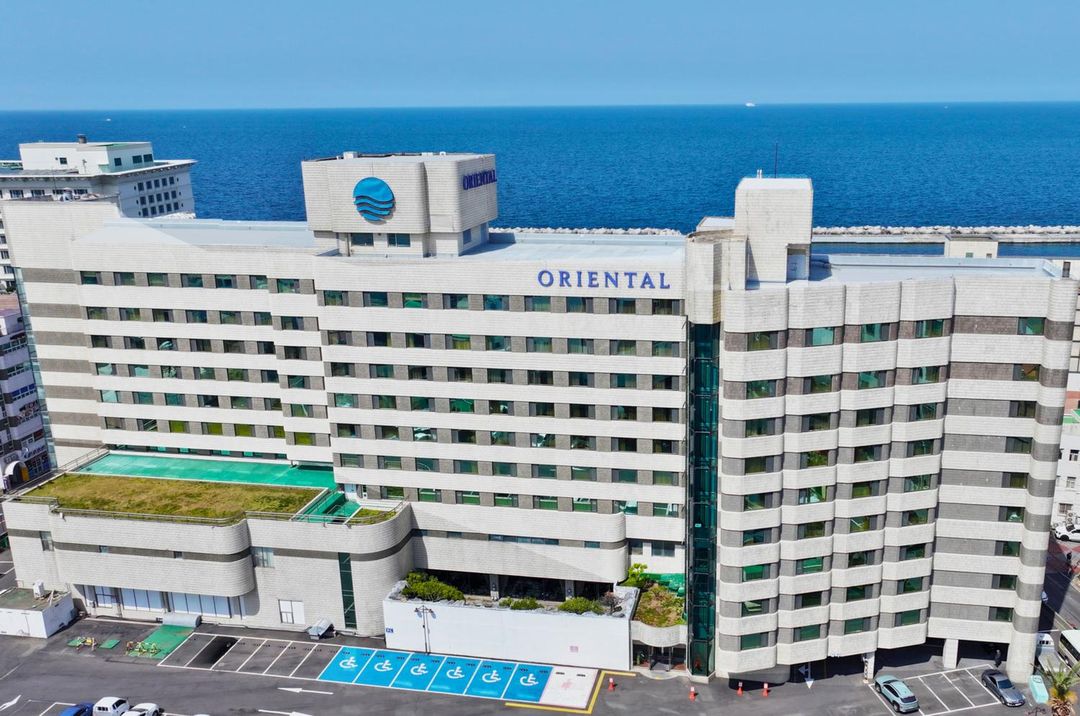
Jeju Oriental Hotel
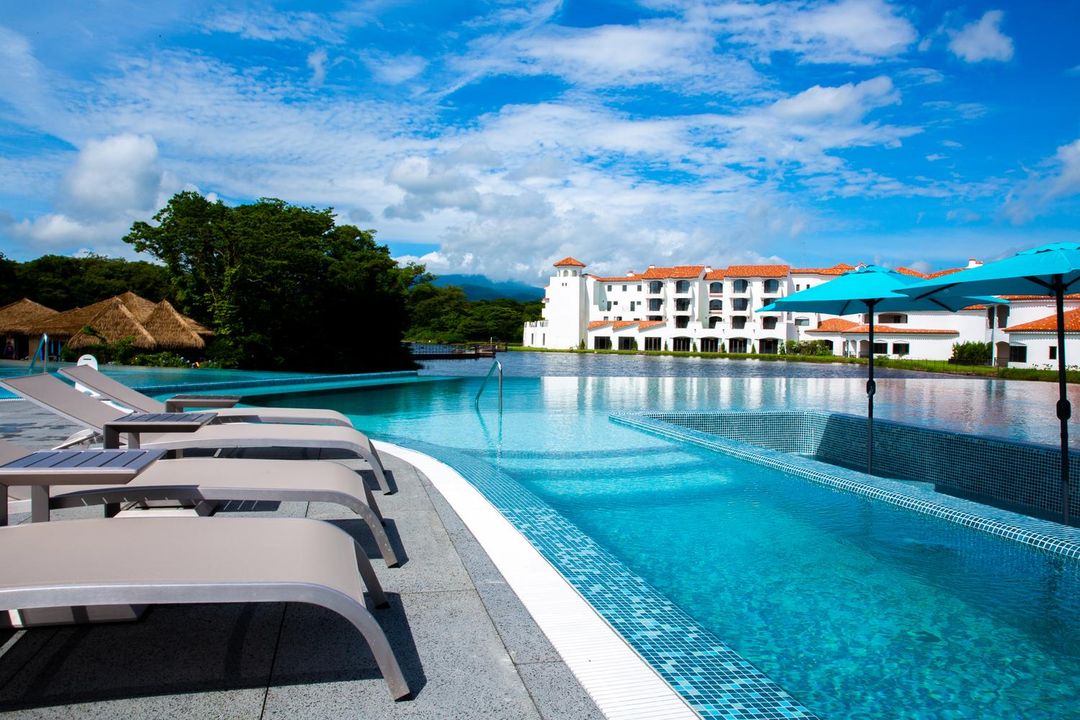
Ecoland Hotel
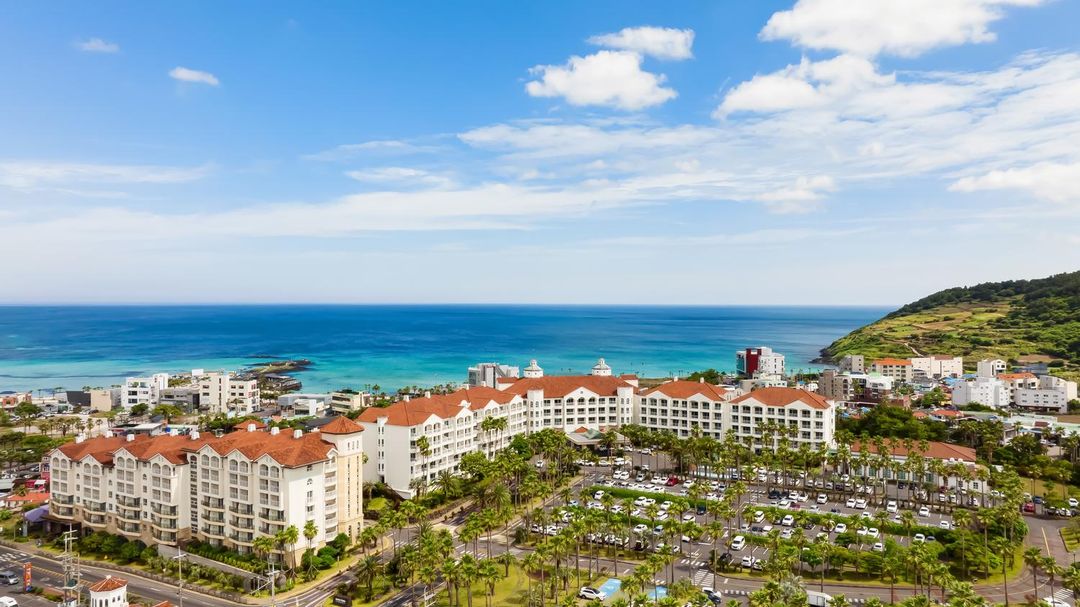
Sono Belle Jeju
Best Hotels in Jeju
Discover curated hotel collections in Jeju
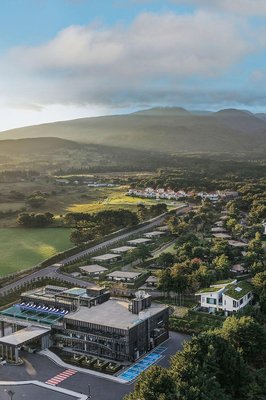
Amber Pure Hill Hotels & Resorts Jeju
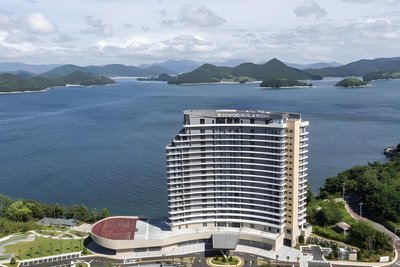
Stanford Hotel&Resort Tongyeong
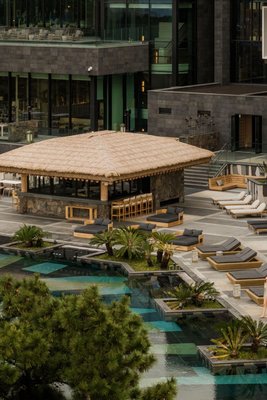
JW Marriott Jeju Resort & Spa
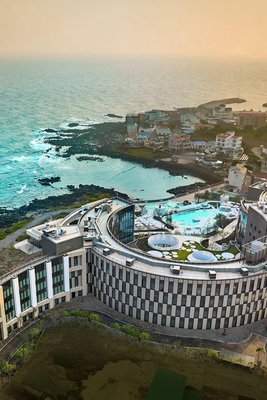
Shilla Stay Plus Iho Tewoo Ocean Front
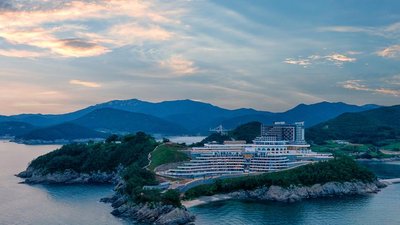
SOL BEACH NAMHAE
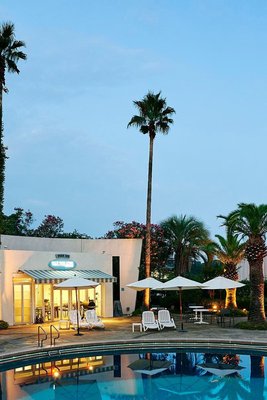
The Suites Hotel Jeju
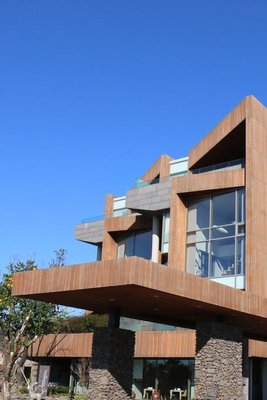
Bayhill Pool & Villa
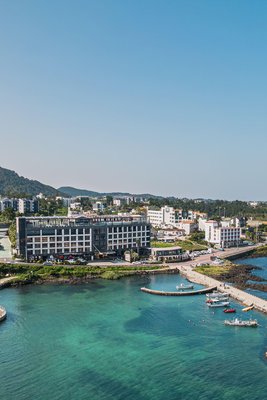
Dyne Ocenano Hotel
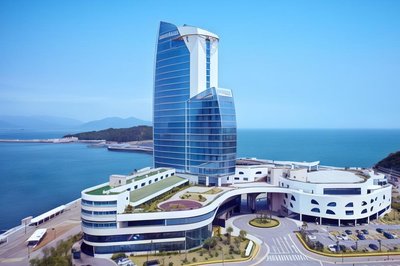
Sono Calm Yeosu
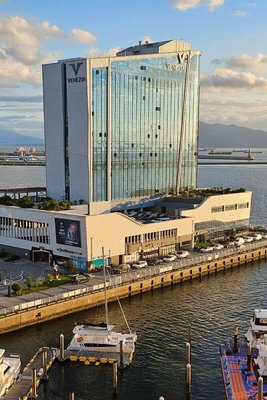
Yeosu Venezia Hotel & Suite
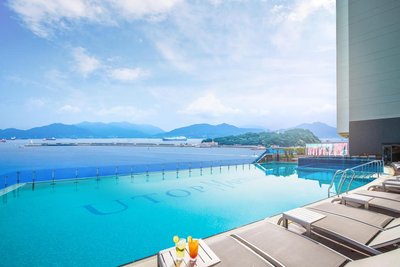
Utop Marina Hotel & Resort
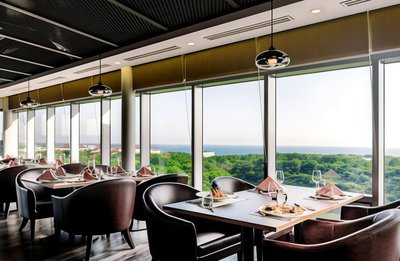
Hidden Cliff Hotel and Nature
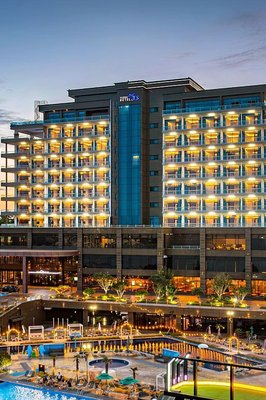
HOTEL JCS YEOSU
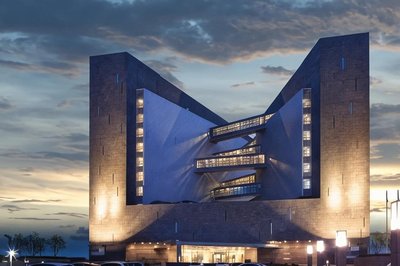
Hidden Bay Hotel

Sun and Moon Resort
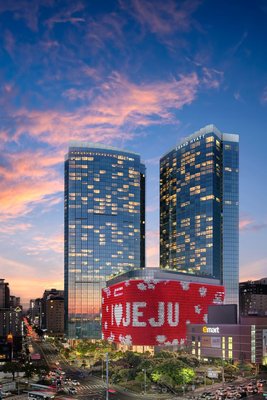
Grand Hyatt Jeju
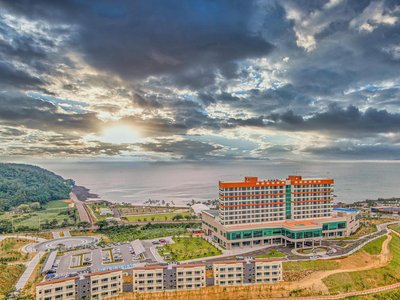
Goheung Sunvalley Resort
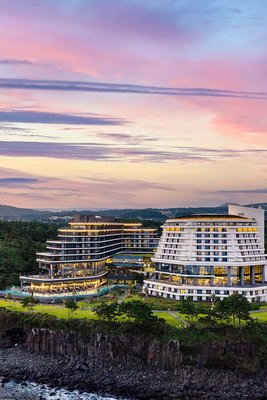
Parnas Hotel Jeju
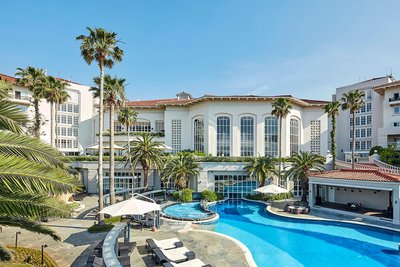
The Shilla Jeju
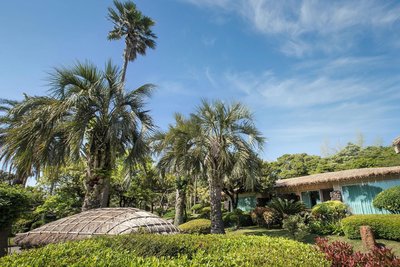
The Seaes Hotel & Resort

Arte Resort Spa & Pool Villa
Stanford Hotel&Resort Tongyeong
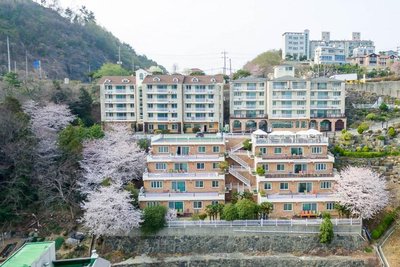
Home Fourest Resort Geoje
Shilla Stay Plus Iho Tewoo Ocean Front
SOL BEACH NAMHAE

Holiday Inn Gwangju, Korea
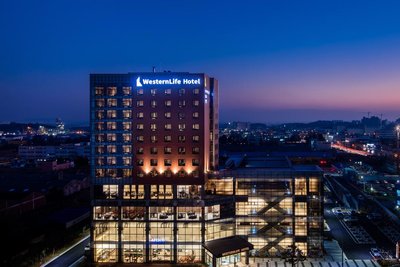
WesternLife Hotel
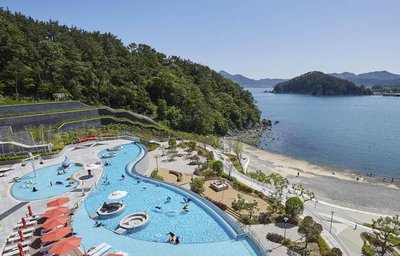
Hanwha Resort Geoje Belvedere
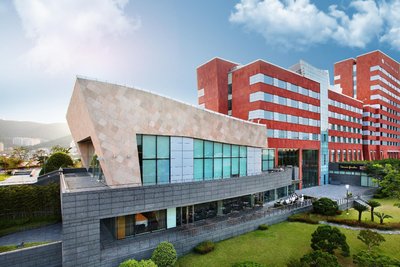
Geoje Samsung Hotel
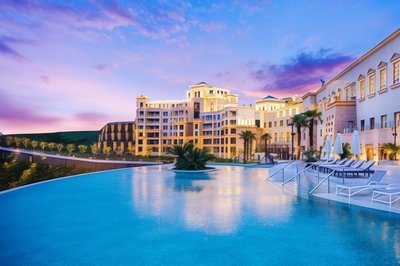
Sol Beach Jindo
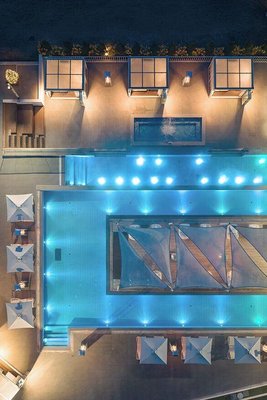
The Suites Hotel Namwon
Hidden Bay Hotel
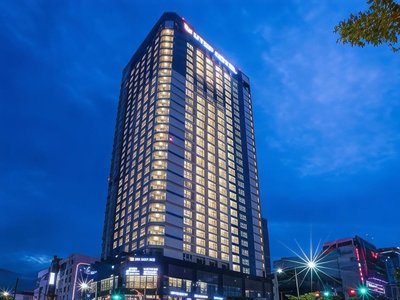
Utop Boutique Hotel&Residence
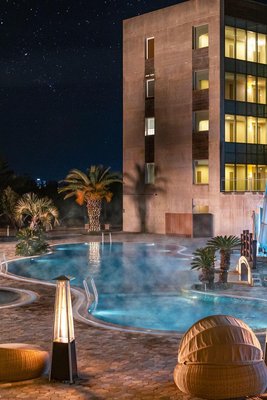
Phoenix Island
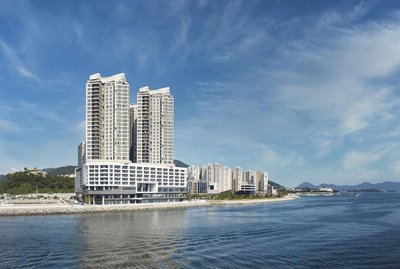
Yeosu Belle Mer
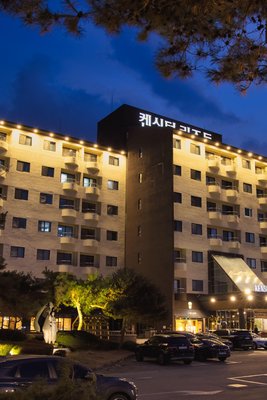
KensingtonResort JirisanNamwon
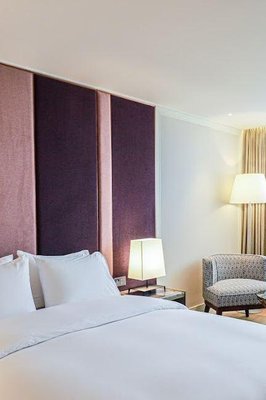
Jeonju the May Hotel
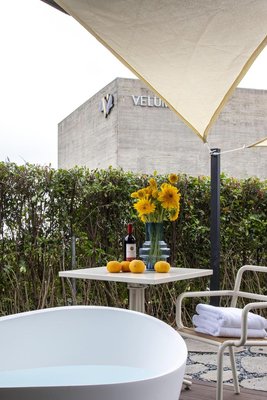
Velum Resort

Lahan Hotel Jeonju
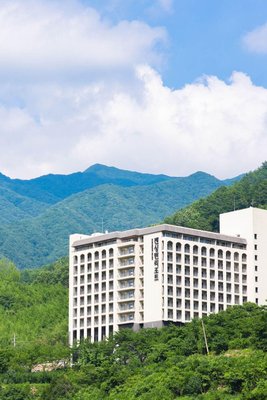
KensingtonResort JirisanHadong
JW Marriott Jeju Resort & Spa
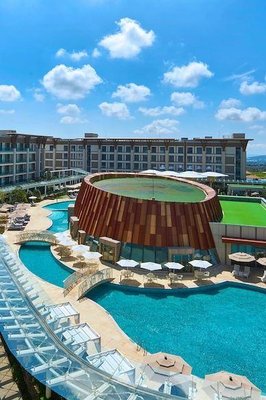
Marriott Jeju Shinhwa World Hotels & Resorts
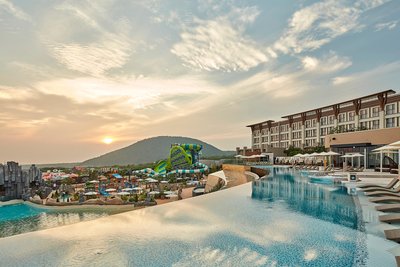
Shinhwa Jeju Shinhwa World Hotels & Resorts
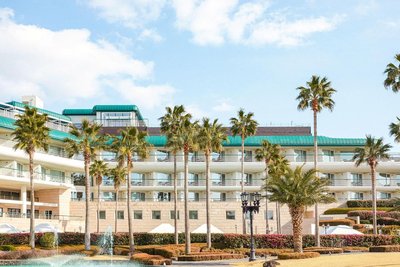
Grand Josun Jeju
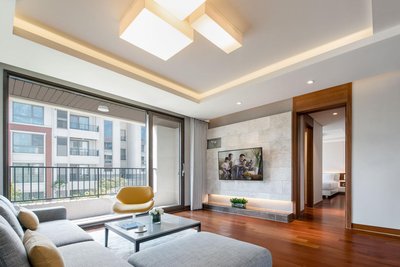
Somerset Jeju Shinhwa World
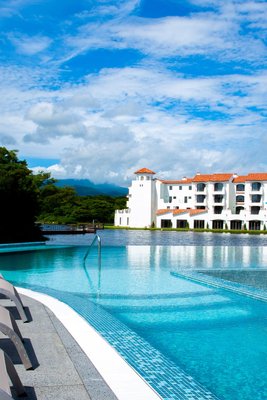
Ecoland Hotel
The Shilla Jeju
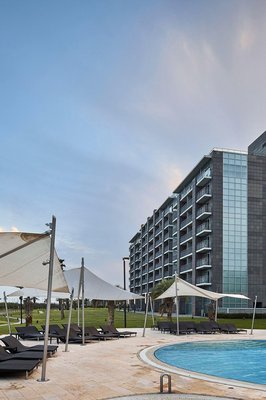
Haevichi Hotel & Resort Jeju
Amber Pure Hill Hotels & Resorts Jeju
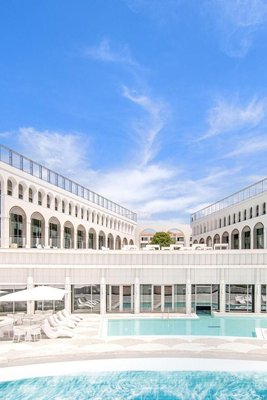
The Siena Resort
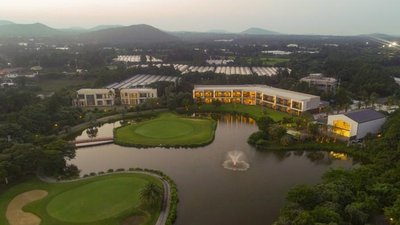
Kase Lodge
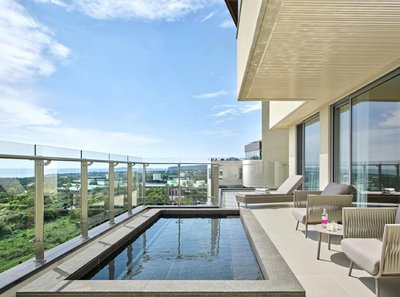
Grand Josun Hill Suite
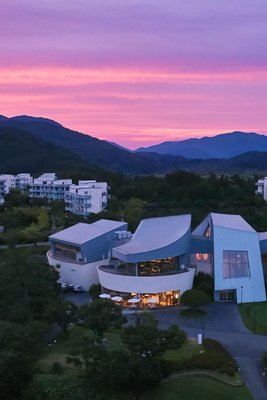
Ananti at Namhae
Bayhill Pool & Villa
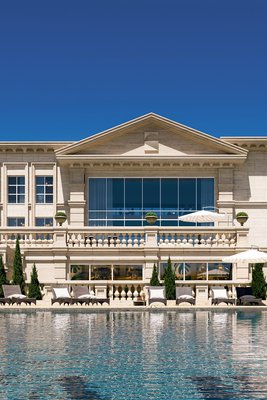
The Siena Primo (Original Tuscany Hotel)
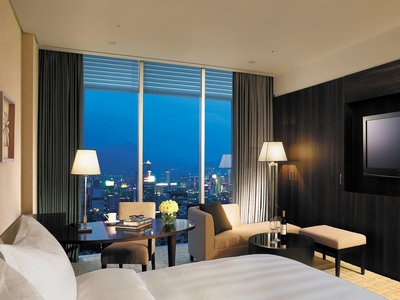
Ramada Plaza by Wyndham Gwangju
Sono Calm Yeosu
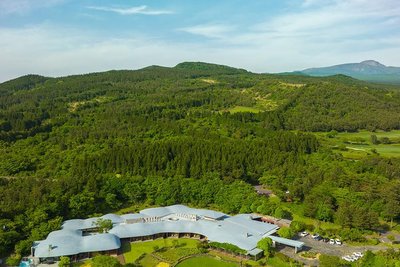
Podo Hotel
Shinhwa Jeju Shinhwa World Hotels & Resorts
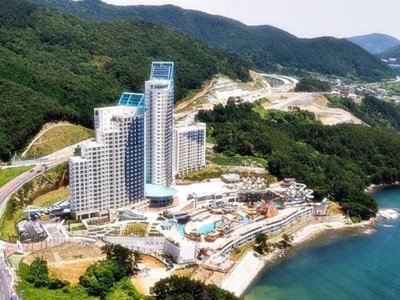
Sono Calm Geoje
HOTEL JCS YEOSU
Grand Hyatt Jeju
Somerset Jeju Shinhwa World
Parnas Hotel Jeju
The Shilla Jeju
The Seaes Hotel & Resort
Haevichi Hotel & Resort Jeju
Frequently Asked Questions about Traveling to Jeju
Questions You Might Need to Know About Traveling to Jeju
Top picks include The Shilla Jeju in Jungmun Resort with infinity pools and direct access to Hyeopjae Beach, offering butler services and Michelin-starred dining. Alternatively, Hyatt Regency Jeju features a secluded cove beach and glass-bottomed spa villas, ideal for honeymooners (rates from ₩450,000/night).
The Jeju Airport area has clusters of budget guesthouses like Blueboat Hostel (₩35,000/bed) with free airport shuttle. For traditional vibes, Gwakji Beach area offers hanok-style guesthouses with ondol heating, just 10mins drive from the airport via Jeju City Bus 100.
Jeju City offers several high-CP value hotels, such as Jeju Airfield Hotel, which is affordable and conveniently located near Jeju International Airport. Another great option is Jeju Ocean Suites Hotel, which provides comfortable accommodations with ocean views, perfect for couples or families. For a cultural experience, consider staying at a traditional Hanok guesthouse, which is budget-friendly and immerses you in Korean heritage.
Jeju City has many family-friendly hotels, such as Lotte Hotel Jeju, which features a kids' play area and family suites, ideal for families with children. Another excellent choice is The Shilla Jeju, offering family-oriented services like baby cribs and kids' menus. For a more budget-friendly option, Ramada Plaza Jeju provides spacious rooms and is close to the Jeju Folklore & Natural History Museum, making it convenient for family outings.
Budget-friendly options with ocean views:
- The Seaes Hotel (from $85/night) features traditional Hanok-style rooms facing Hyeopjae Beach.
- Benikea Jeju Hotel offers west-coast sunset views at $75/night.
Tip: Book 'Deluxe Sea View' rooms 3 months ahead for best rates.
Pet-friendly accommodations near Jungang Underground Shopping Center:
- Maison Glad Jeju (₩15,000 pet fee) provides dog beds & walking areas.
- Tribe Jeju Hostel allows small pets under 7kg for free.
Requirement: Bring vaccination records and use designated pet elevators.
Top luxury resorts in Jeju City featuring private beaches:
- The Shilla Jeju: Located in Jungmun Tourism Complex, offers infinity pools with Hallasan Mountain views and VIP butler service. Beachfront villas start from ₩600,000/night.
- Lotte Resort Jeju Ocean Tower: Exclusive white sand cove with water sports facilities, featuring glass-bottomed pool suites.
Key amenities:
- Private cabana rentals with champagne service
- Marine spa using local volcanic seawater
- Most resorts provide free shuttle to Jeju International Airport (20 mins drive).
For traditional Hanok stays in Jeju City:
- Jeju Mokseowon Hanok: Centrally located near Dongmun Market, features ondol heating and courtyard gardens. Rates from ₩120,000/night including homemade breakfast.
- Sarubong Dahee Hanok: Unique black lava stone walls with modernized interiors, 10 mins walk to Jeju Port.
Cultural highlights:
- Tea ceremonies using local green tea
- Jeju-style bathtubs made of local stone
- Most hanoks offer free bicycle rentals to explore nearby Jeju Folk Village (15 mins ride).
Recommended business hotels with excellent connectivity:
- Grand Josun Jeju: 15-minute drive from airport, provides 24-hour business center and free shuttle buses.
- Jeju Sun Hotel: Situated in Yeon-dong shopping district, 3-minute walk to underground malls, rooms feature multifunctional workstations.
- Stanford Hotel Jeju: Direct access to Metro Line 5, conference rooms for up to 200 people, some suites include executive lounge benefits.
Note: Sunday rates are typically 20% lower than weekdays, avoid Korean public holidays (e.g., Chuseok, Lunar New Year).
Jeju Overview
City Summary
Jeju City, located in Jeju Special Self-Governing Province of South Korea, is a city brimming with natural beauty and cultural heritage. It is home to Hallasan, a UNESCO World Natural Heritage site, offering breathtaking views in every season, especially the autumn foliage and winter snowscapes. The coastline of Jeju City is stunning, with landmarks like Yongduam Rock and Seopjikoji showcasing nature's artistry. Don't miss the local delicacies such as Jeju black pork and seafood stew. The city also preserves traditional elements like Jeju stone walls and haenyeo (female divers) culture, allowing visitors to experience a blend of modernity and rich history.
Must-See Attractions
Jeju City, located in Jeju Special Self-Governing Province, South Korea, is a city brimming with natural beauty and cultural charm. Here, you can explore the UNESCO World Heritage site Hallasan Mountain, a perfect challenge for hiking enthusiasts, and marvel at the unique volcanic rock formations of Yongduam Rock (Dragon Head Rock). Dongmun Market is the ideal spot to savor local delicacies like black pork and seafood stew. Additionally, the Jeju Folklore & Natural History Museum offers insights into the island’s rich history and culture. Whether you’re seeking nature adventures or cultural experiences, Jeju City promises an unforgettable journey.
Food Guide
Jeju City, the capital of Jeju Special Self-Governing Province in South Korea, is renowned for its unique volcanic landscapes and marine resources. The local cuisine blends fresh seafood with traditional Korean flavors. Black pork is the most iconic dish, often grilled to tender perfection. Another must-try is haemultang (seafood stew), featuring freshly caught fish, shellfish, and octopus in a spicy broth. Jeju’s特产 hallabong (a type of citrus) serves as a refreshing dessert. Street snacks like peanut ice cream and Jeju green tea desserts highlight creative uses of local ingredients, offering a delightful culinary experience.
Transportation Guide
Jeju City, the capital of Jeju Special Self-Governing Province, offers convenient transportation with unique local charm. The city primarily relies on buses and taxis for public transit, with an extensive and well-marked bus network ideal for budget travelers. For those seeking flexibility, car rentals are available, but be mindful of local regulations such as speed limits and parking restrictions.
Key attractions in downtown Jeju are within walking distance or accessible by bicycle. To explore outskirts like Hallasan Mountain or Seongsan Ilchulbong, allocate sufficient time and check bus schedules in advance. The international airport is conveniently located near the city center, with frequent domestic flights to Seoul, while ferries connect to mainland Korean ports.
Tip: Use a T-money card for discounted bus transfers, and some attractions offer multilingual audio guides.
Best Time to Visit
Jeju City, located in Jeju Special Self-Governing Province of South Korea, is a tourist destination full of natural beauty and cultural charm. The best time to visit is during spring (March to May) and autumn (September to November). In spring, Jeju City is adorned with cherry blossoms and rapeseed flowers, creating a picturesque scene perfect for photography and flower viewing. Autumn offers cool weather, ideal for hiking and exploring Jeju's volcanic landscapes, such as Hallasan Mountain and Seongsan Ilchulbong Peak. Summer (June to August) can be hot but is great for beach activities, though it tends to be crowded. Winter (December to February) is colder but offers opportunities for skiing and hot springs.
Travel Tips
-
Weather Preparation: Jeju City has distinct seasons, with humid summers and cold, windy winters. Pack accordingly—sunscreen and rain gear for summer, warm coats for winter.
-
Transport Tips: Jeju City has an efficient public transport system. Use buses or taxis, or consider renting a car, but be mindful of local traffic rules.
-
Food Culture: Jeju is famous for seafood and black pork. Try Jeju black pork BBQ and seafood stew. Avoid raw seafood unless it’s properly prepared.
-
Language: While English is common in tourist areas, learning basic Korean phrases (e.g., "Thank you" 감사합니다) can be helpful.
-
Safety: Jeju is generally safe, but keep an eye on your belongings in crowded areas like Dongmun Market.
-
Cultural Etiquette: Koreans value politeness. Remove shoes when entering homes or certain restaurants. Always ask before taking photos in markets or private spaces.
-
Attractions: Don’t miss Hallasan Mountain and Seongsan Ilchulbong Peak. Check opening hours and weather conditions in advance.
-
Shopping: Visit duty-free shops and traditional markets for souvenirs. Compare prices and keep receipts for tax refunds.
Useful Information
Jeju City Travel Essentials
Language: The primary language is Korean, though basic English or Mandarin may be spoken in tourist areas. A translation app (e.g., Papago) is recommended.
Internet & Communication:
- Free Wi-Fi hotspots (e.g., "Jeju Free Wi-Fi") are available at the airport and downtown.
- Local SIM cards (prepaid options from KT/SKT) or portable Wi-Fi devices cost 5,000–10,000 KRW/day.
Currency & Payments:
- Use Korean Won (KRW). Carry cash or international cards (Visa/Mastercard widely accepted).
- Exchange counters at the airport, banks, or downtown offer better rates. Some stores accept Alipay/WeChat Pay.
Transportation:
- Buses are the main option; purchase a T-money card (sold at convenience stores) for discounts.
- Renting a car requires an International Driving Permit. Note Jeju’s hilly and coastal roads.
Emergencies:
- Police: 112; Ambulance: 119.
- Chinese Consulate in Jeju: +82-64-900-8830 (consular protection).
Tips: Don’t miss Dongmun Market for black pork and hallabong oranges. Prepare for strong winds in winter and sun protection in summer.
Traveler Reviews
See what other travelers say about Jeju

Grand Hyatt Jeju
The city-view twin room is impressively spacious—over 65 square meters—with a stunning view that makes the room feel even more luxurious. The hotel offers a fantastic range of amenities: an outdoor swimming pool and hot tub, plus an indoor pool and soaking pools on the 6th floor. While the sauna is an extra fee, it's well worth it for the quality. There’s a shopping mall, convenience store, and multiple dining options right on-site—no need to go far for anything. Staff are friendly and responsive, making the stay seamless. Located in the heart of Jeju City, it’s just a 6-minute taxi ride to the airport, and nearby Bukchon Road is perfect for shopping and eating. Everything you’d want is within easy reach. This place truly delivers exceptional value and comfort—definitely my top choice for any future visit to Jeju Island.

Amber Pure Hill Hotels & Resorts Jeju
Staying at Amber Pure Hill Hotels & Resorts Jeju was an absolute delight. The staff were incredibly warm and welcoming, speaking English, Korean, and Mandarin fluently—making communication effortless throughout our visit. The resort is nestled on a hillside with breathtaking views, offering a peaceful retreat while still being just a 15 to 20-minute drive from downtown Jeju City. Public transport and taxis are convenient for getting around. On-site amenities include room service, a lovely restaurant, and a cozy bar—perfect for relaxing after a day of exploring. The evening lighting is especially stunning, turning the entire property into a magical, serene atmosphere. One minor disappointment: the back courtyard, though featured in photos with seating, wasn’t accessible to guests despite asking directly. Still, this doesn’t take away from the overall experience. The combination of natural beauty, excellent hospitality, and thoughtful touches makes this a truly special getaway. If you’re looking for a quiet, scenic, and well-managed stay in Jeju, this resort is definitely worth considering.

Jeju Sun Hotel & Casino
The Jeju Sun Hotel & Casino is impressively large and offers a fantastic stay experience. I arrived around 2:30 PM and was able to check in early—no waiting, which was a big plus. The hotel provides free shuttle service to the airport, though it’s only available during three morning slots, which is a bit limiting. What really stands out is the location—just a short walk from Lotte Duty-Free, and the nearby Bokjiro shopping district is bustling with activity. There are plenty of 24-hour restaurants, so you never have to worry about being hungry late at night. Overall, great value, excellent convenience, and a memorable stay—highly recommend!

Maison Glad Jeju
Staying at Maison Glad Jeju was an absolute highlight of my trip to Jeju. Located right in the heart of the city, it’s literally across from Lotte Duty Free and just a 10-minute walk from Shilla Duty Free—perfect for shopping lovers. The area is packed with restaurants, cafes, and local shops, making it super convenient to explore on foot. The hotel itself is brand new, with modern, clean rooms that feel fresh and spacious. The beds were incredibly comfortable, and the air conditioning worked perfectly. Even the bathroom felt like it had just been renovated. The staff went above and beyond—friendly, helpful, and always ready to assist with recommendations or transportation. If you're visiting Jeju for shopping, dining, or simply a relaxing getaway, this hotel is absolutely top-tier. I’ll definitely be coming back.

Jeju Oriental Hotel
This was my second stay at Jeju Oriental Hotel, and I’m even more impressed this time around! Right next to the coastline, the hotel offers stunning sea views from the rooms—perfect for relaxing mornings. Just across the street is a huge Emart where you can grab snacks, drinks, daily essentials, and great souvenirs without having to go far. On the ground floor, there’s a convenience store and a Starbucks—ideal for that morning caffeine boost. Everything else you’d want—shopping streets, local markets, amazing food spots—is within walking distance. No need to worry about transportation; everything is so accessible. The location, comfort, and convenience make this hotel an absolute standout. If you’re visiting Jeju, this is definitely one of the best choices.

Ecoland Hotel
We celebrated our 21st wedding anniversary at Ecoland Hotel in Jeju, and it was absolutely perfect. From the moment we arrived, every detail exceeded our expectations. We were already aware from the platform that there were no dining options nearby or within the property, so we ordered a crispy fried chicken delivery to our room—delicious and convenient! The resort’s European-inspired ambiance, lush gardens, and serene swimming pool created a peaceful retreat. We even enjoyed a quiet morning walk along the path surrounded by nature—pure bliss. Although we only stayed one night, we felt so relaxed and refreshed that we couldn’t help but wish we’d extended our visit. Definitely planning to return with the whole family soon. A truly memorable experience with an unbeatable vibe and charm.

Sono Belle Jeju
I was honestly blown away by this hotel—definitely one of the best stays I've had in Jeju. Right next to the beach, it's just a 1-minute walk from the sand, and you can actually see the hotel from the shoreline, which gives such a peaceful vibe. The room was spacious, spotless, and beautifully designed with a generous balcony perfect for morning coffee or sunset views. What stood out most was the staff—friendly, attentive, and genuinely warm. We arrived around 12:30 PM, expecting to wait until 3 PM for check-in, but the front desk staff happily checked us in right away and even let us store our luggage without any extra charge. No deposit required, smooth check-in and check-out—so convenient! Inside the hotel, there’s a small convenience store, quick bites like fried snacks, and even a great option for black pork BBQ—perfect for a late-night snack. The area is super walkable with plenty of dining choices nearby, and taxis are easy to grab. I loved just lounging on the beach all day, soaking in the ocean breeze, and coming back to a clean, relaxing space. Honestly, I’ve never felt so at ease during a trip. This place isn’t overly crowded or heavily promoted online, which made it feel more personal and authentic. If you're looking for a quiet, comfortable beachside escape with genuine hospitality, this is absolutely the one to book. It exceeded every expectation—I’ll definitely be back.

Astar Hotel
Staying at Astar Hotel was a delightful experience overall. The rooms were spotlessly clean and quiet, making it an ideal retreat for relaxation. While there aren’t many shops nearby, it’s just a 20-minute ride to the Shilla Duty-Free area if you’re looking to shop or explore. The hotel is conveniently located near a cozy Korean-style fast food spot—something like Yong... whatever it's called—and their food was surprisingly tasty. I also loved the nearby Ruby Ice Cream shop; their ice cream was creamy and refreshing. Breakfast was a highlight too—the fish dish stood out with its fresh flavor and excellent quality. Overall, the atmosphere of the hotel felt peaceful and well-maintained. And yes, Jeju Island truly lives up to the hype—it’s vibrant, beautiful, and full of charm. If you're looking for a comfortable, quiet base with good food options nearby and easy access to key attractions, this place is definitely worth considering. Great value for money!

Jeju Ollero
We're back in Jeju Island again, and once more we chose this charming hotel — and it didn’t disappoint. The atmosphere is warm and welcoming, and the owners are genuinely kind and helpful. Their banana milk is a standout — creamy, delicious, and perfect for a chilly morning. Even with cold weather and snowfall during our stay, the floor heating kept the room cozy and perfectly adjustable to our comfort. We had planned to hike Hallasan, but it was closed due to weather — no big deal, though, since the hotel’s location is super convenient: just a short subway ride to downtown, great for exploring local shops and restaurants. Overall, an excellent experience with fantastic value and that homey feel. Definitely coming back here on our next trip!

Jeju Gillime Pension
We stayed at Jeju Gillime Pension for our final night during a round-island trip to Jeju, and it was the perfect choice. The location is incredibly convenient—just a 10-minute drive from the airport, which made our early morning departure stress-free. The hosts were warm, welcoming, and attentive, making us feel right at home. We chose to check in a day before our flight so we could relax and unwind without rushing. The room was clean, cozy, and well-maintained, offering a peaceful retreat after days of exploring. If you're wrapping up your Jeju trip and want a comfortable, hassle-free last stop, this place is an excellent option. Highly recommended!

Jeju Bolton Hotel
Staying at Jeju Bolton Hotel was an absolute delight! The room is beautifully designed with a corner-style private living area that really adds to the spacious feel—47 square meters is generous, especially with two 1.5-meter beds that made for comfortable sleeping. Everything was spotless and well-maintained, down to the smallest detail. What stood out most was the location: directly facing the Shilla Duty-Free, so shopping was just steps away. I could grab my purchases, head back to the hotel, then keep exploring without having to carry bags around. The ground floor has both Haidilao hotpot and KFC—perfect for quick meals or late-night snacks. And being right on Bokjeong-ro, it’s super convenient for strolling through local shops and dining options. Public transport access to the airport and city center is also easy. This hotel offers unbeatable value in terms of comfort, cleanliness, and convenience. Highly recommend for travelers who want a hassle-free stay in Jeju!

Grabel Hotel Jeju
Staying at Grabel Hotel Jeju was an absolute delight. The location is fantastic—just a short walk from the beach and surrounded by convenient dining options, including a great grill restaurant right across the street and a 24-hour CU convenience store nearby. Parking can be tricky since the entrance is a bit narrow, so take it slow when entering, but once inside, it’s smooth sailing. The room was huge—definitely spacious enough for a family of four. Both the master and secondary bedrooms have private bathrooms, and the master bathroom even features a relaxing bathtub. Huge floor-to-ceiling windows offer breathtaking sea views from both rooms, making every morning feel like a getaway. The bed was incredibly comfortable—big and plush, perfect for a good night’s sleep. What really stood out was the complimentary snack bar available from 4 PM to 9 PM, featuring fresh bread, ham, cheese, and free beer—ideal for unwinding after a long day. We literally felt like we had the whole place to ourselves. And then there was the surprise: the master bedroom comes with a built-in projector that connects seamlessly to your phone or laptop. We ended up watching movies all evening—perfect for kids and adults alike. Overall, the value for money is outstanding, and the attention to detail makes this stay unforgettable. I’ll definitely be back.