Hotels in Jeongeup
Discover your perfect stay in Jeongeup.
Jeongeup(South Korea) Travel 2026: Cheap Flights, Hotels & Top Attractions
Popular Landmarks in Jeongeup
Discover the most iconic attractions in Jeongeup
Recommended Hotels in Jeongeup
Find the perfect place to stay in Jeongeup
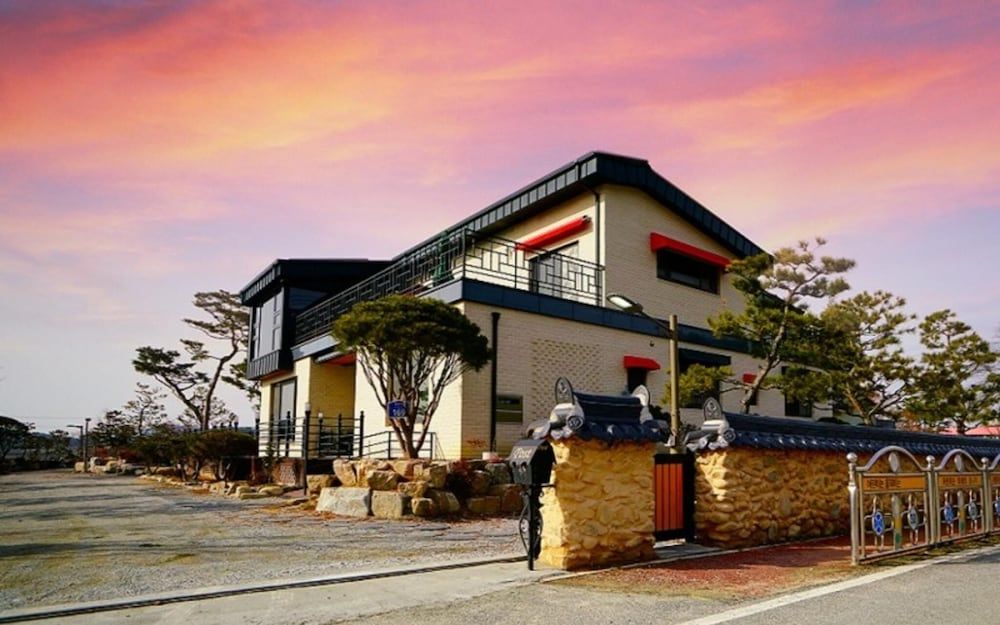
Jeongeup Mimi House Pension
Best Hotels in Jeongeup
Discover curated hotel collections in Jeongeup
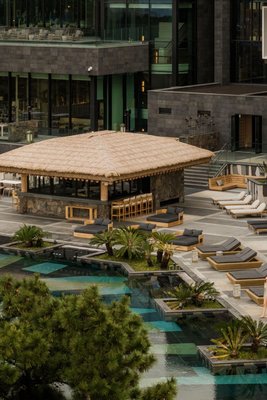
JW Marriott Jeju Resort & Spa
JW Marriott Hotel Seoul
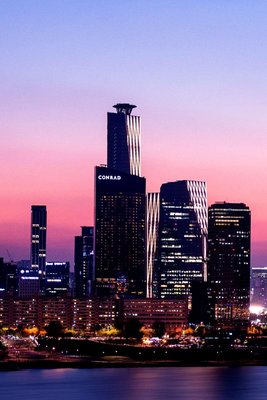
Conrad Seoul
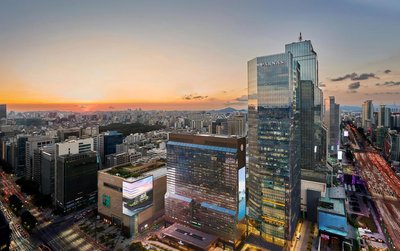
Grand InterContinental Seoul Parnas
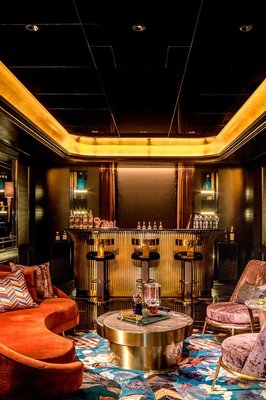
Art Paradiso, Paradise City
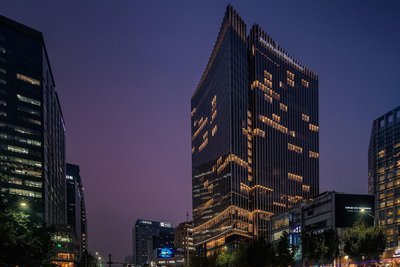
Four Seasons Hotel Seoul
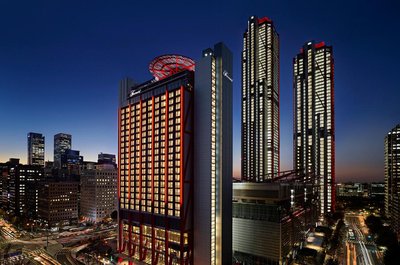
Fairmont Ambassador Seoul
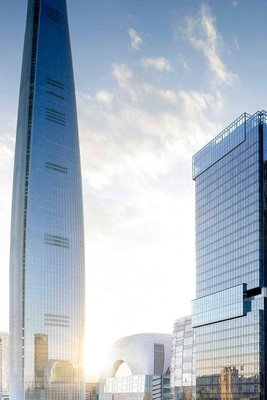
Sofitel Ambassador Seoul Hotel & Serviced Residences
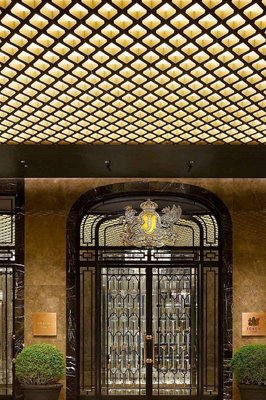
Josun Palace, a Luxury Collection Hotel, Seoul Gangnam
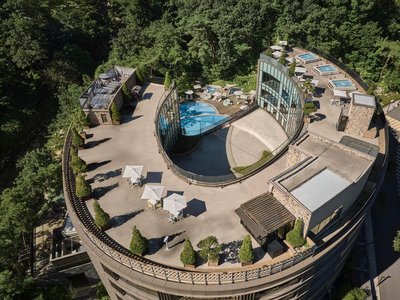
Anto (formerly: Parasara Seoul)
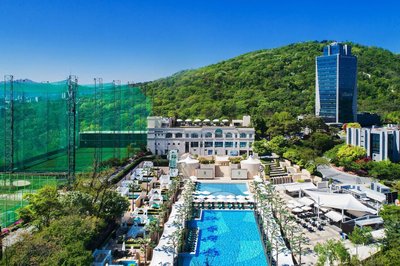
Banyan Tree Club & Spa Seoul
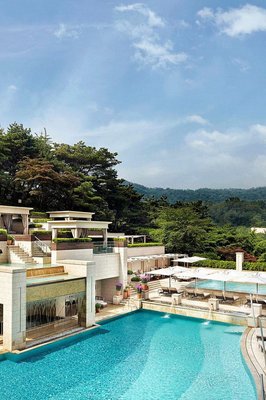
The Shilla Seoul
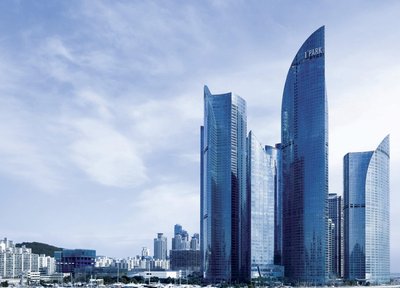
Park Hyatt Busan
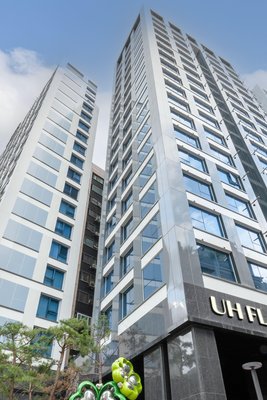
UH FLAT THE SEOCHO
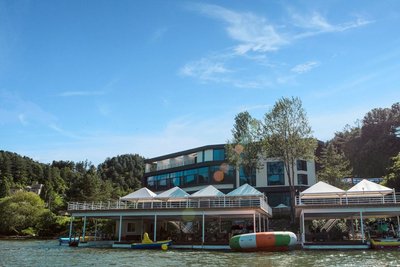
SS Resort
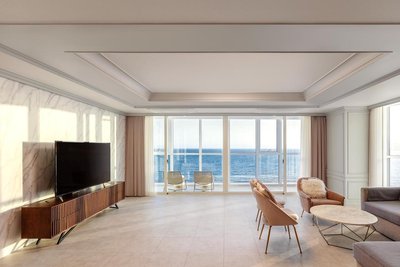
Palede cz Condor Busan
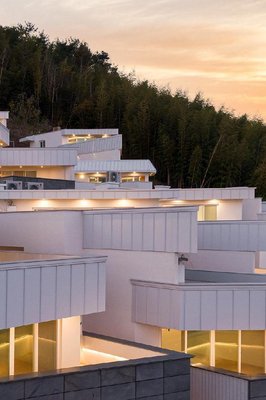
Ocean terra
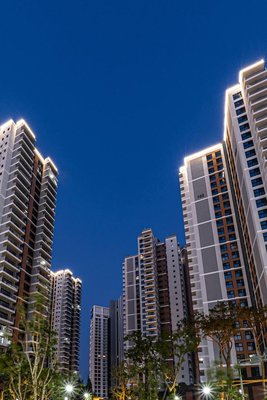
Le Collective Busan Gijang
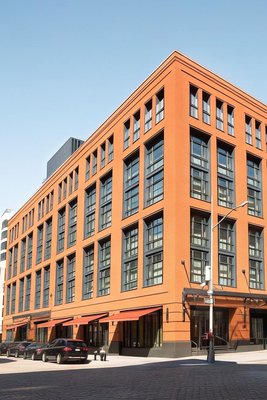
Hotel Barrière Fouquet's New York
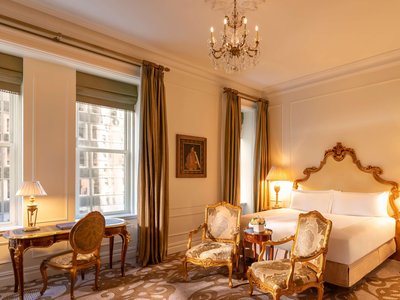
The Plaza - A Fairmont Managed Hotel
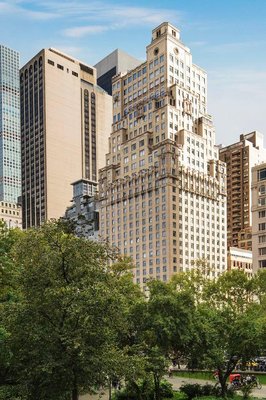
The Ritz-Carlton New York, Central Park
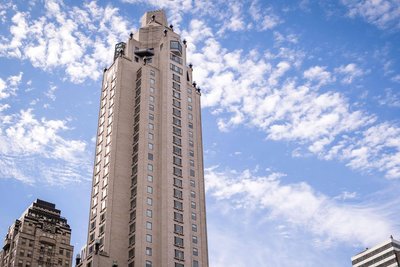
Four Seasons Hotel New York
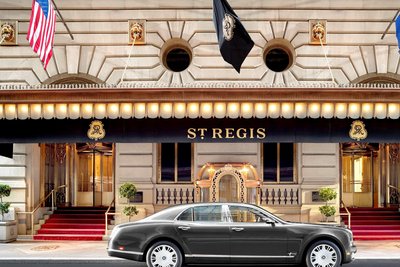
The St. Regis New York
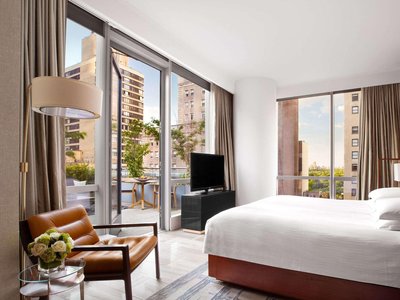
Park Hyatt New York
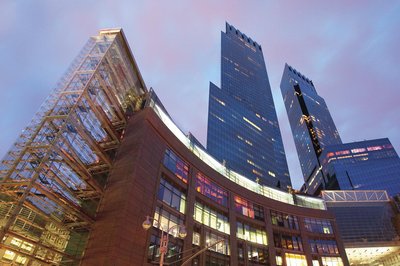
Mandarin Oriental New York
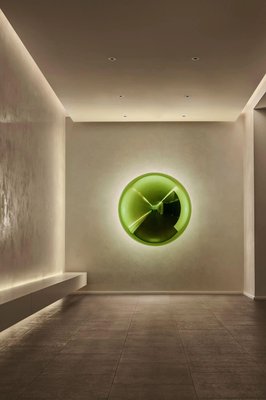
Times Square Edition New York
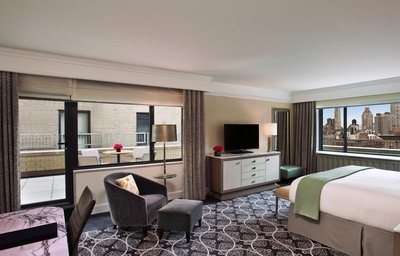
Loews Regency New York Hotel
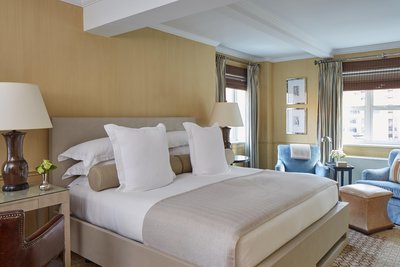
Lowell Hotel
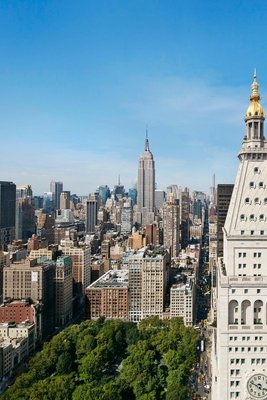
New York Edition
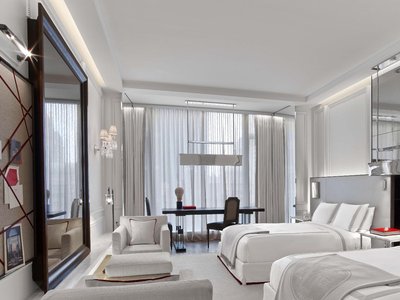
Baccarat Hotel New York

Equinox Hotel New York
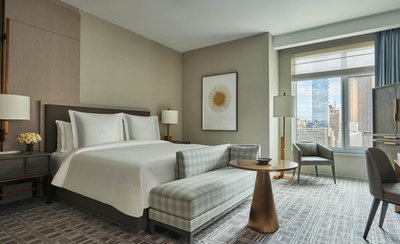
Four Seasons Hotel New York Downtown
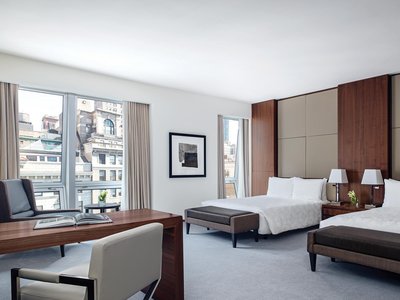
The Langham, New York, Fifth Avenue

The Carlyle, A Rosewood Hotel

The Chatwal, in the Unbound Collection by Hyatt
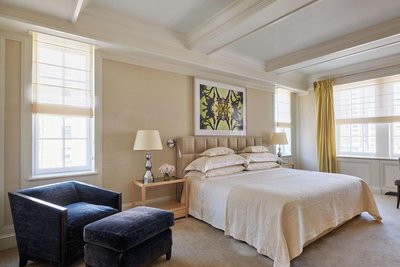
The Mark New York
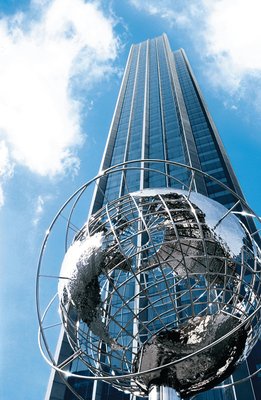
Trump International Hotel & Tower® New York
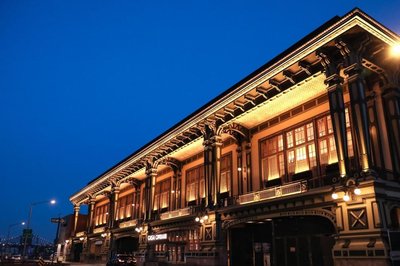
Casa Cipriani New York
Frequently Asked Questions about Traveling to Jeongeup
Questions You Might Need to Know About Traveling to Jeongeup
In Jeonju, the best choice for traditional Korean design is Jeonju Hanok Stay, a restored 19th-century aristocratic residence featuring wooden beams, paper sliding doors, and ondol heated floors. Guests enjoy authentic breakfasts, tea ceremonies, and hands-on experiences like hanji (Korean paper) making. Nearby, Jeonju Cultural Hotel blends modern comfort with heritage aesthetics, offering guided tours to local museums and cultural workshops. Both provide seamless access to Jeonju Folk Village and Namcheon River Park, ideal for immersive cultural stays.
Jeonju City Center is the most convenient area for first-time visitors, located near Jeonju Station and within walking distance of major attractions like Jeonju Museum of History, Hanok Village, and Songpa Mountain Trail. This district hosts a variety of mid-range to luxury hotels such as Jeonju Garden Hotel, offering multilingual staff, free Wi-Fi, and easy access to public transit. Evening strolls along the Namcheon River with illuminated bridges offer a peaceful, scenic experience, perfect for settling into the city’s rhythm.
Tourists in Jeonju should not miss the Jeonju Pottery Workshop in the Jeonju Ceramics Village, where you can create your own ceramic piece using traditional techniques. Participate in a Hanbok Tea Ceremony at a historic residence, learning about Korean etiquette and aesthetics. The annual Jeonju Folk Festival features lion dances, folk music performances, and local food markets, showcasing the region’s rich intangible heritage and vibrant community spirit.
Yes, Jeonju Family Resort offers spacious rooms, indoor play areas, and outdoor gardens perfect for children. Nearby, Jeonju Children’s Science Museum features interactive exhibits and planetarium shows, while Jeonju Nature Ecology Park provides nature trails and birdwatching towers. The resort also organizes themed activities like strawberry picking in winter and DIY craft sessions. Families appreciate the safety, cleanliness, and kid-centric amenities across these venues.
Must-try dishes in Jeonju include Jeonju Tteokbokki, made with locally grown rice cakes and a spicy gochujang sauce, delivering bold flavor. Try Mijang, a savory pork intestine dish stuffed with rice and vegetables, grilled over charcoal. Don’t miss Soybean Sprout Noodles, served in a clear broth with fresh kimchi. Many hotels offer Korean Culinary Experience Packages, allowing guests to cook and taste authentic regional dishes firsthand.
The highlight of Jeonju’s night scene is the Namcheon River Light Show, where illuminated walkways reflect in the water, creating a dreamy atmosphere. The Jeonju Night Market buzzes with street vendors selling fried chicken, bindaetteok, and sweet rice cakes. For culture lovers, catch a performance of Namsadang Mask Dance at the Jeonju Cultural Hall, a dynamic blend of humor and storytelling passed down through generations.
Jeonju is highly accessible via KTX high-speed rail from Seoul (approx. 2 hours), with direct service to Jeonju Station. Free shuttle buses connect the station to the city center. Local buses cover key sites, and car rental options are plentiful. Most hotels offer English and Chinese support, including multilingual check-in and digital guides. Travelers also benefit from dedicated tourist information centers at the station with assistance in visa inquiries, ticket bookings, and itinerary planning.
Jeonju has four distinct seasons. Spring (March–May) brings cherry blossoms—ideal for photography and outdoor walks. Summer (June–August) is hot and humid; plan indoor activities like museum visits or pottery workshops. Autumn (September–November) offers crisp air and stunning fall foliage—perfect for hiking Songpa Mountain. Winter (December–February) is cold but dry; visit spas or enjoy warm Jjajangmyeon meals. Pack accordingly to maximize comfort year-round.
Most top-tier hotels in Jeonju, including Jeonju Garden Hotel and Jeonju Cultural Hotel, provide English and Chinese-speaking staff at reception, with multilingual menus, room guides, and digital concierge apps. Some even offer Chinese-language welcome kits and translation services for excursions. The Jeonju Tourist Information Center at the station supports international visitors with language assistance, maps, and real-time updates, ensuring smooth navigation for all travelers.
Jeonju stands out as the cultural heart of Jeolla Province, renowned for its well-preserved Hanok Village, original Bibimbap cuisine, and deep-rooted traditions. Unlike bustling metropolises, it offers a slower, more authentic pace of life. Its designation as a UNESCO Creative City of Gastronomy highlights its culinary legacy. Visitors experience genuine local hospitality, ancient rituals, and sustainable tourism practices—making it a true gateway to Korea’s southern heritage.
Jeongeup Overview
City Summary
Jeongeup in North Jeolla Province, South Korea, is a tranquil town blending traditional culture with natural beauty. Known for its hanok villages, historical sites, and renowned ceramics production, it offers a slow-paced escape surrounded by mountains and lakes, perfect for avoiding urban crowds.
Must-See Attractions
Must-visit spots include Jeongeup Hanok Village showcasing Joseon-era architecture with hanbok wearing experiences. Mahan Archaeological Site reveals Bronze Age relics, while pottery workshops allow hands-on ceramic crafting. At night, Changsanho Lake features stunning light installations amid nature.
Food Guide
Savor authentic Jeolla cuisine like Jeongeup bibimbap with local greens and stone pot tofu stew. Street markets offer mung bean pancakes and Korean blood sausage. For dessert, try traditional songgi rice cakes and dried persimmons – regional specialties since the Goryeo Dynasty.
Transportation Guide
Get around via city循环 buses (10-20 min intervals) covering major attractions. From Seoul, take express buses (~3hrs) or trains to Jeongeup Station. Use KakaoMap for navigation; taxis start at ₩3,800. Free shuttles to key sites require advance HopeGoo.
Best Time to Visit
Best visited September-November for mild weather and autumn foliage. Cherry blossom season (April) draws crowds, while winter (Dec-Feb) offers snowy hanok views but limited accessibility.
Travel Tips
- Remove shoes before entering hanok buildings
- Book pottery workshops 24hrs in advance
- Street vendors accept cash only
- Press stop buttons before bus stops
- No smoking in public areas (includes e-cigarettes)
- Restaurants serve ice water by default
- Most museums closed Mondays
Useful Information
Language: Basic English works; attractions provide Chinese guides. Wi-Fi: Rent pocket routers at GS25 (₩5,000/day). Payment: Cards accepted except street stalls (exchange cash at KEB Hana Bank). Emergencies: Dial 1330 for English help; Jeongeup Medical Center (+82-52-860-9119) has international clinic. Voltage: 220V with Type C/F outlets.
Other Cities You Might Like
Explore more amazing destinations