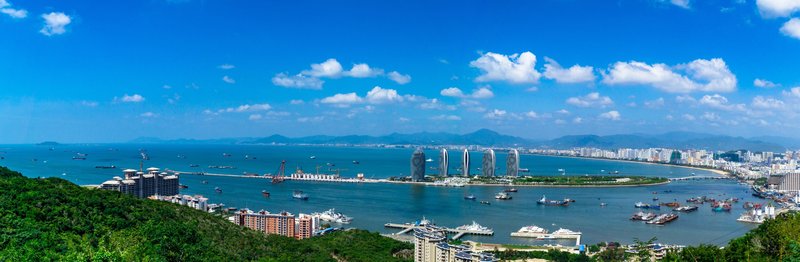
Hotels in Jeongseon
Discover your perfect stay in Jeongseon.
Jeongseon(South Korea) Travel 2026: Cheap Flights, Hotels & Top Attractions
Popular Landmarks in Jeongseon
Discover the most iconic attractions in Jeongseon
Recommended Hotels in Jeongseon
Find the perfect place to stay in Jeongseon
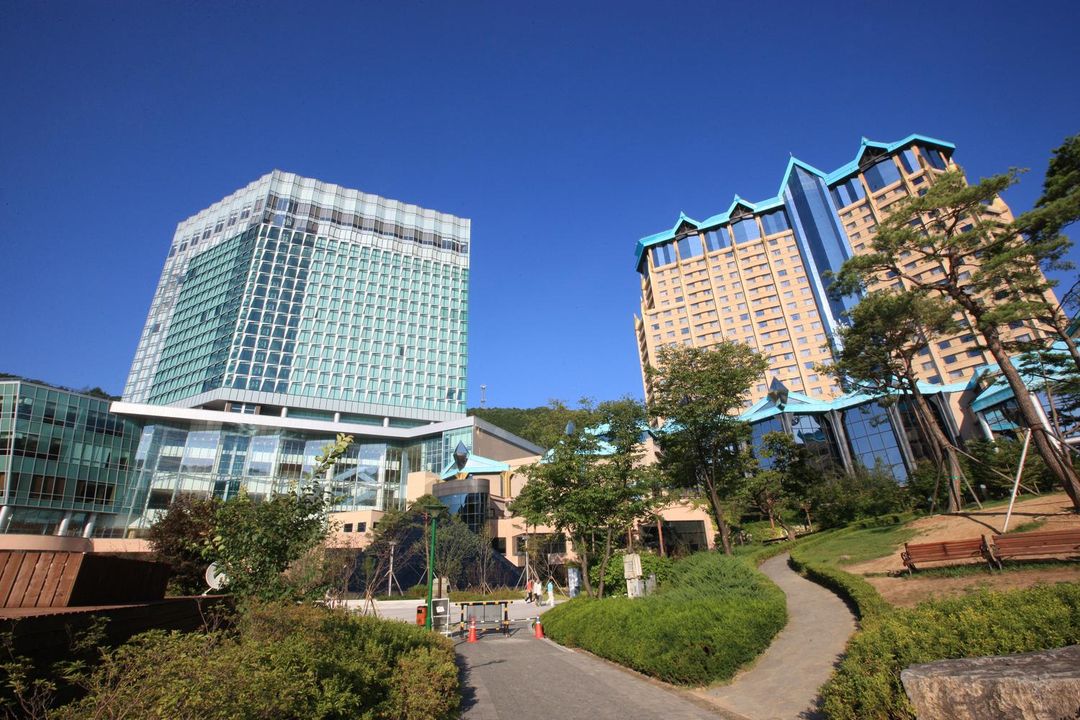
High1 Grand Hotel Convention Tower
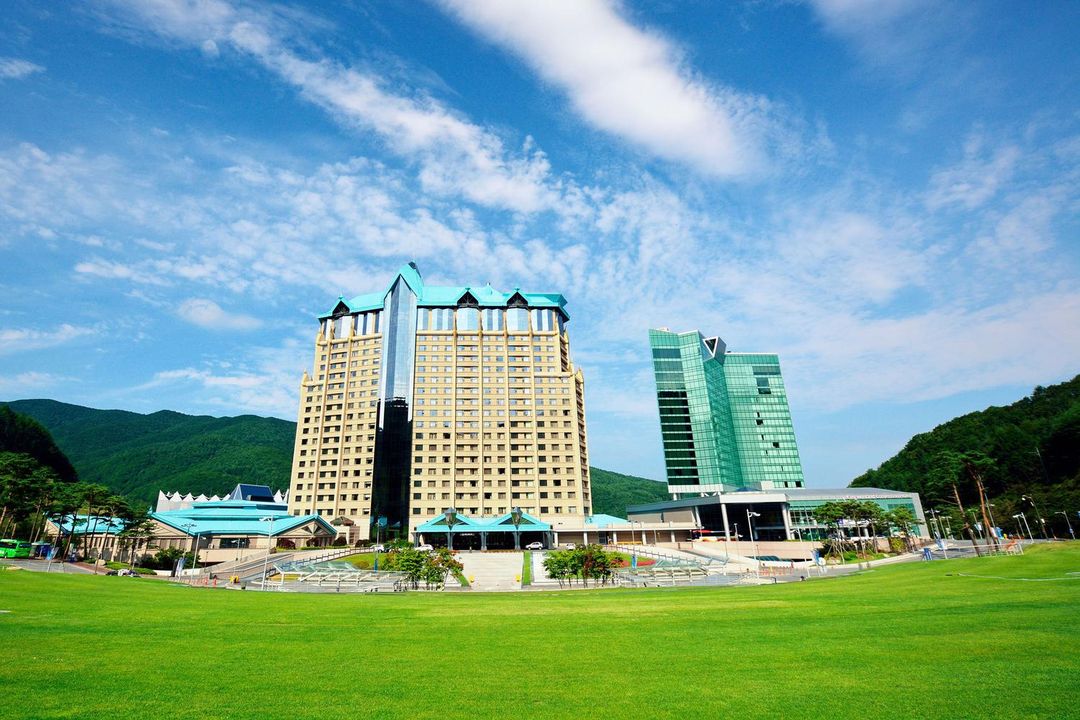
High1 Grand Hotel Main Tower
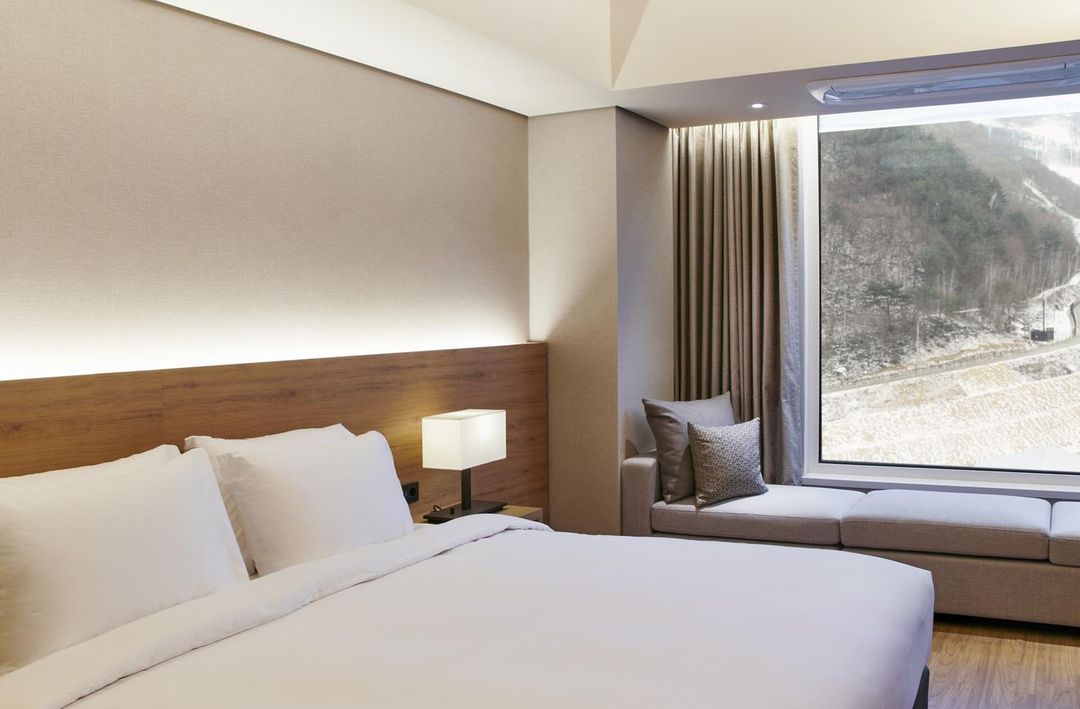
Park Roche Resort & Wellness
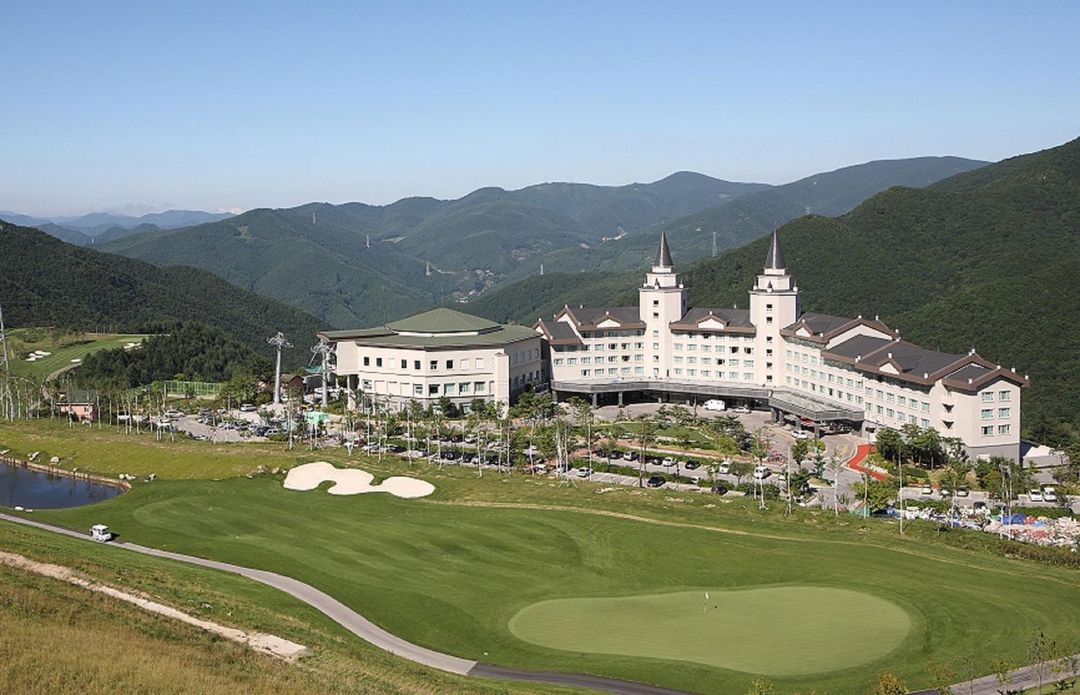
High1 Palace Hotel & CC (High1 Hotel&CC)
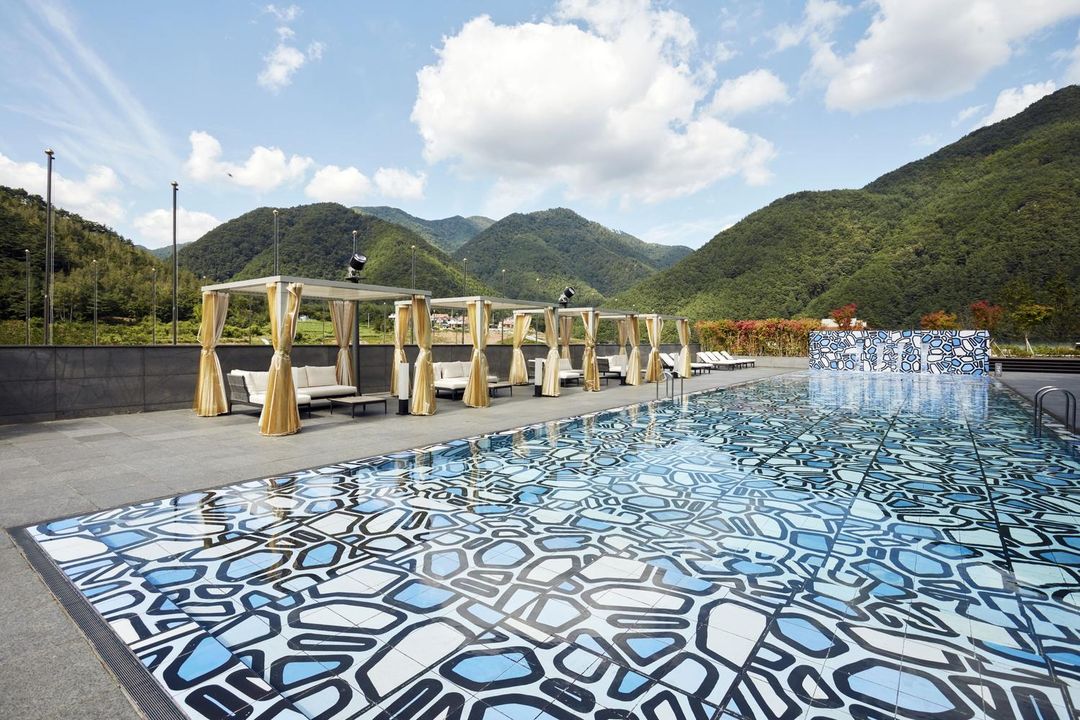
PARK ROCHE Resort & Wellness
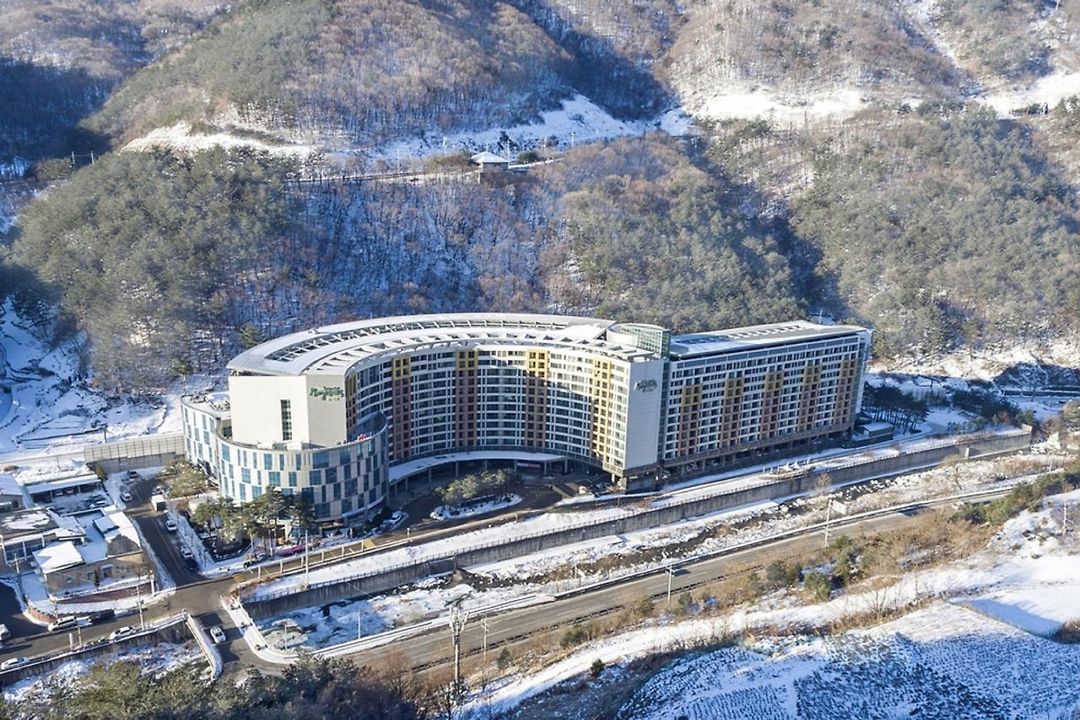
Jeongseon Mayhills Resort
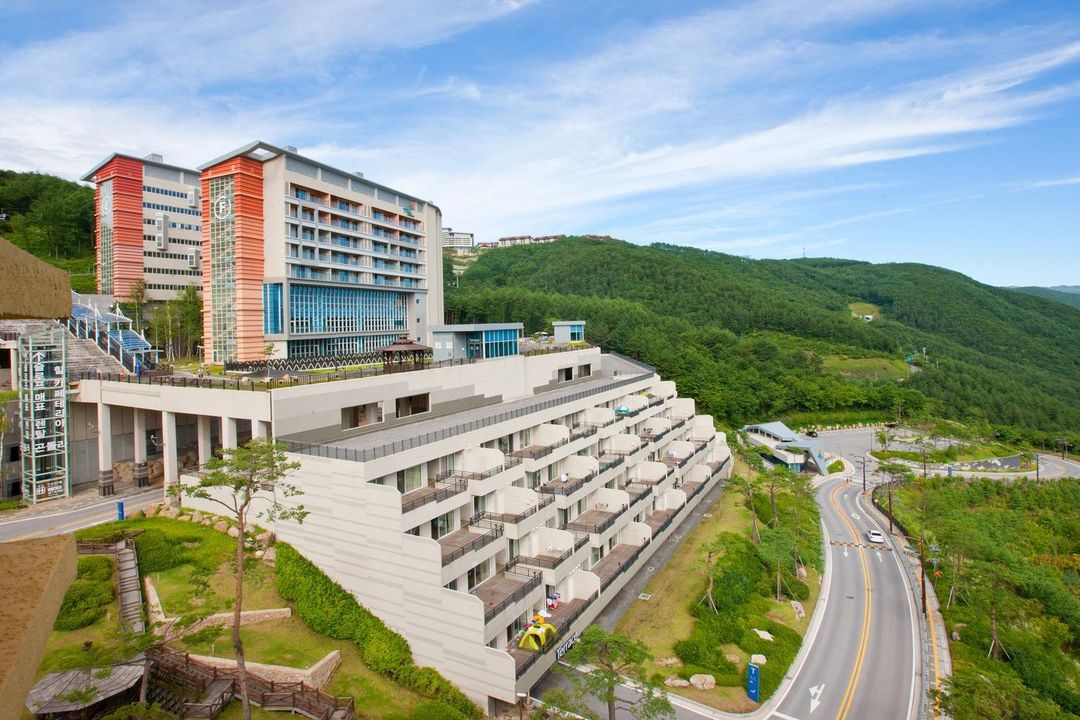
High1 Condominium
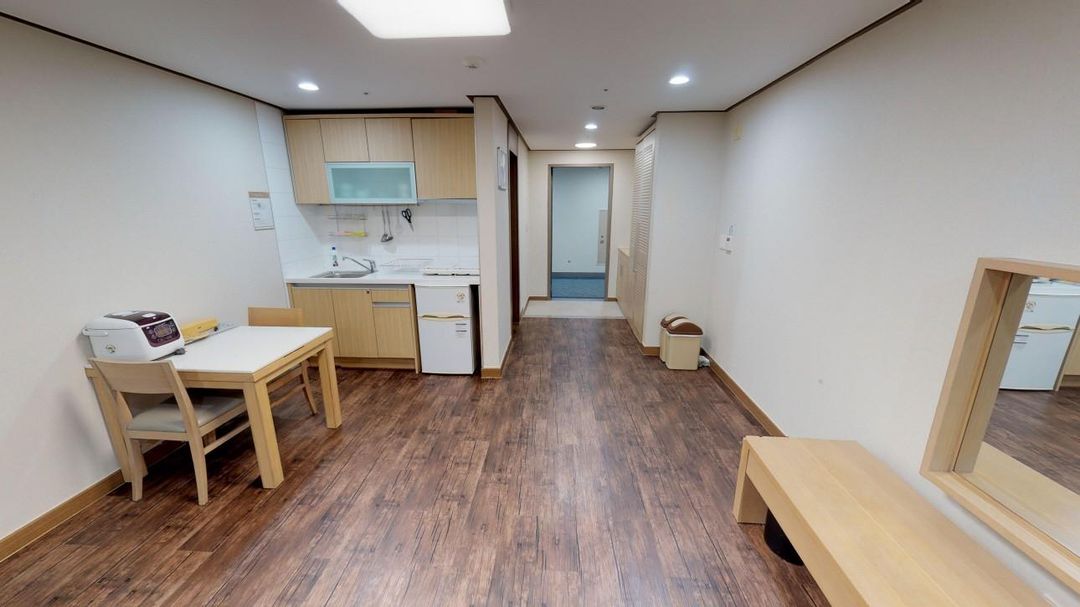
High One Condo Valley Condo
Best Hotels in Jeongseon
Discover curated hotel collections in Jeongseon
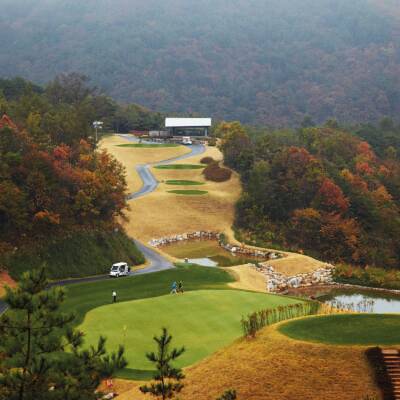
Tops10 Resort Donggang Cistar
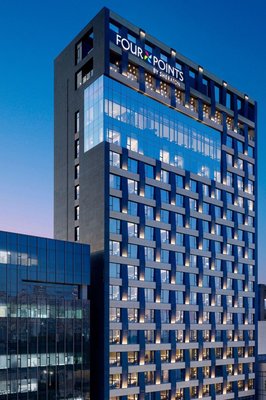
Four Points by Sheraton Suwon
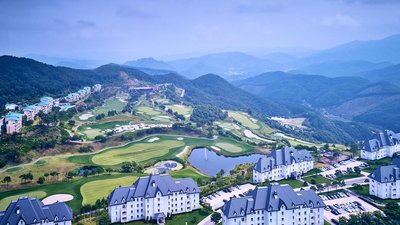
Sonofelice Village Vivaldipark
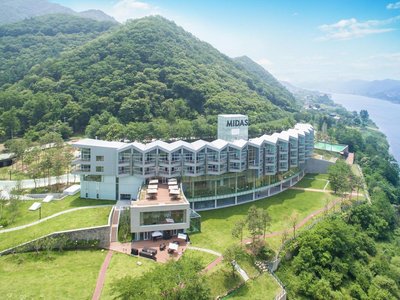
Midas Hotel & Resort
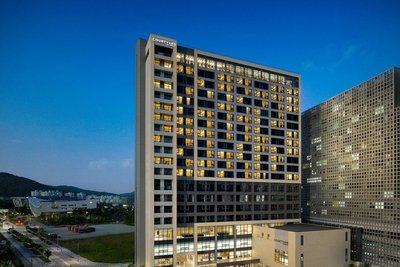
Courtyard Sejong
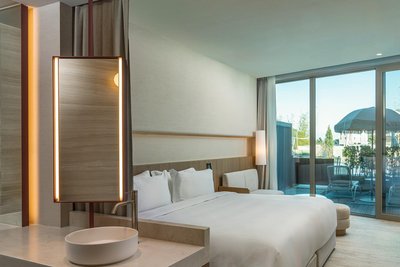
CORALLO
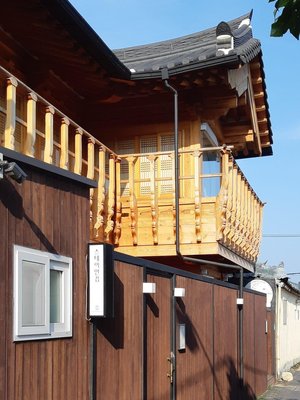
Gyeong-ju Stayangim
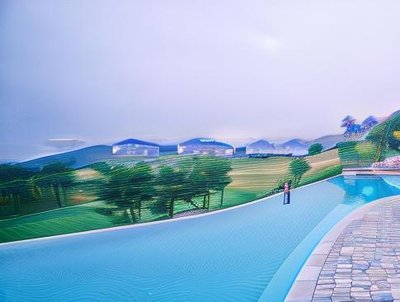
Sono Calm Vivaldi Park
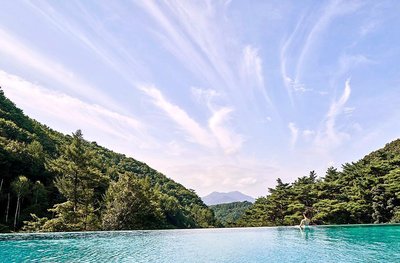
Restree and Forest Resom
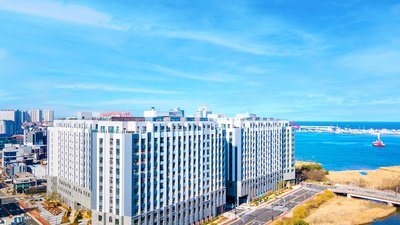
Dominiclava Sokco
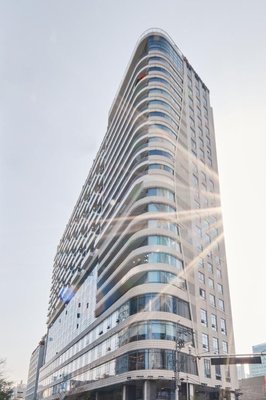
UH Flat Signature Daegu
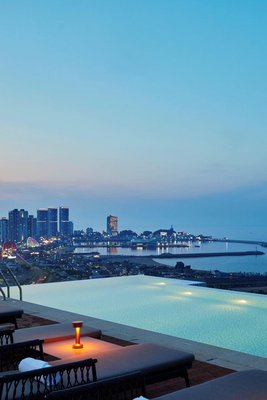
Homm Marina Sokcho
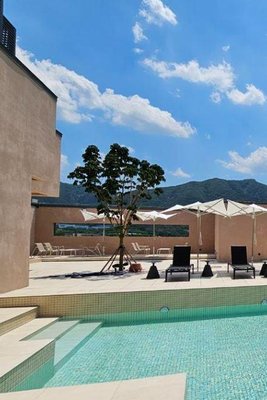
Daegu Suseong the Arco Hotel Lions Park
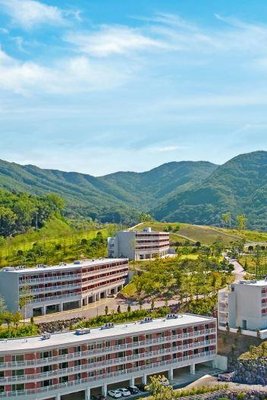
Belle Fore Resort
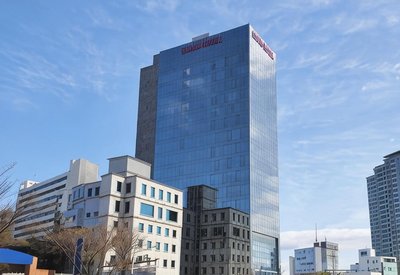
Eldis Regent Hotel

Shillamonogram Gangneung Residence
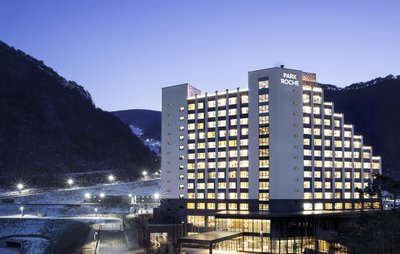
Park Roche Resort & Wellness
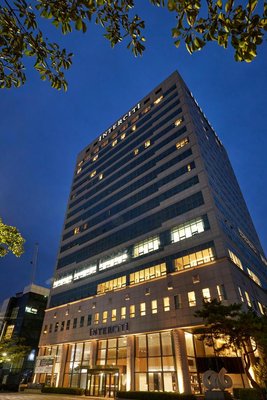
Hotel Interciti
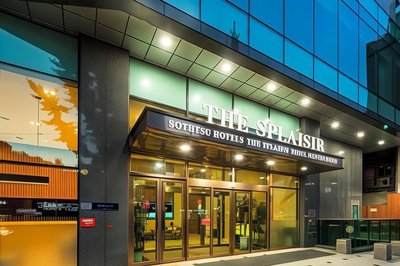
SOTETSU HOTELS THE SPLAISIR SEOUL DONGDAEMUN
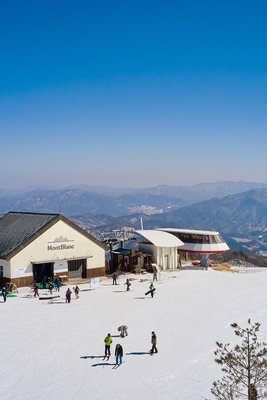
Phoenix Hotel Pyeongchang
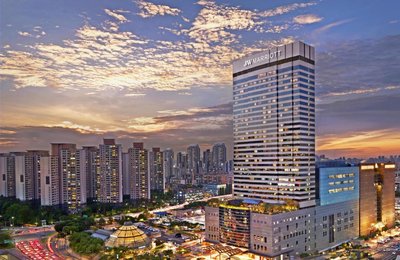
JW Marriott Hotel Seoul
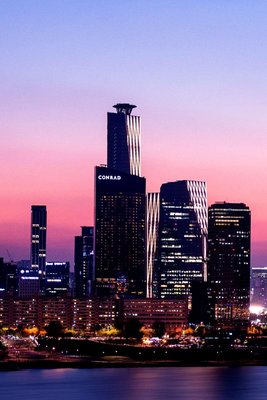
Conrad Seoul
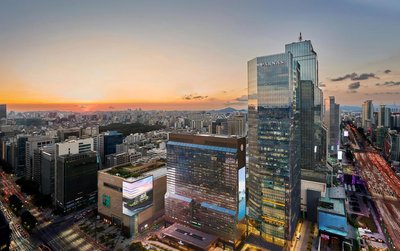
Grand InterContinental Seoul Parnas
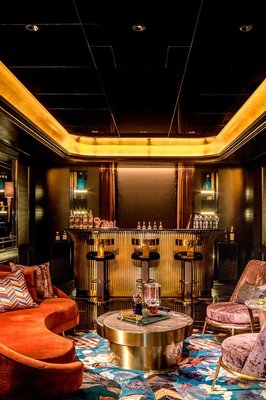
Art Paradiso, Paradise City
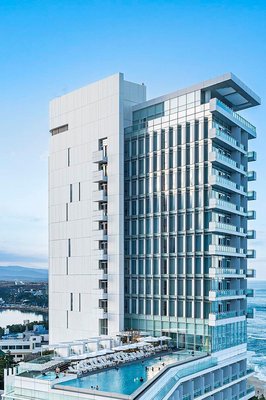
Seamarq Hotel
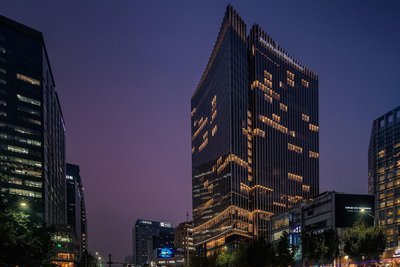
Four Seasons Hotel Seoul
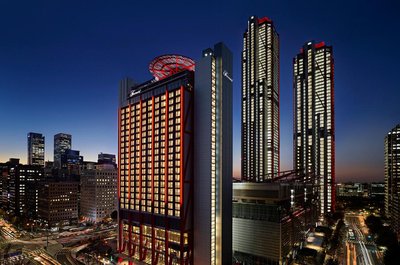
Fairmont Ambassador Seoul
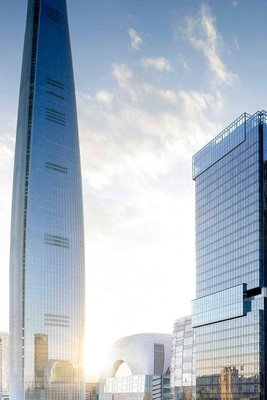
Sofitel Ambassador Seoul Hotel & Serviced Residences
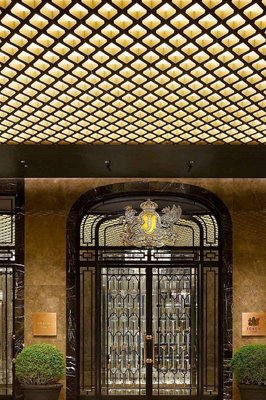
Josun Palace, a Luxury Collection Hotel, Seoul Gangnam
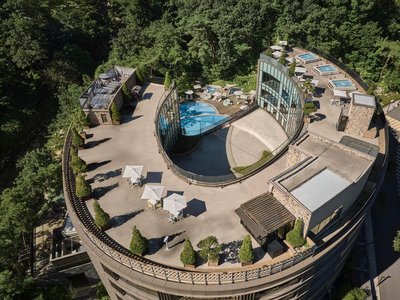
Anto (formerly: Parasara Seoul)
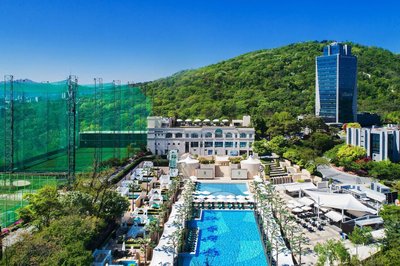
Banyan Tree Club & Spa Seoul
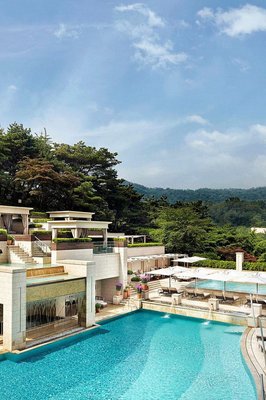
The Shilla Seoul
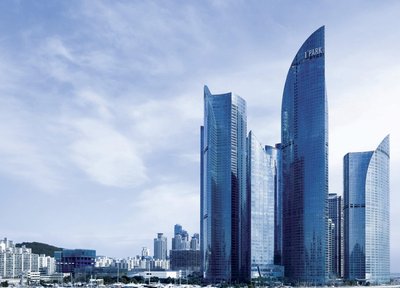
Park Hyatt Busan
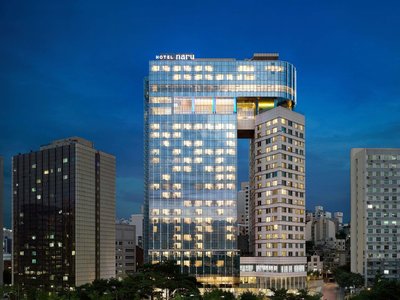
Hotel Naru Seoul - MGallery Collection
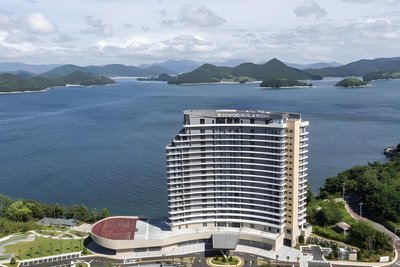
Stanford Hotel&Resort Tongyeong
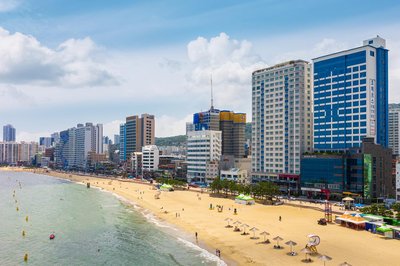
Homers Hotel
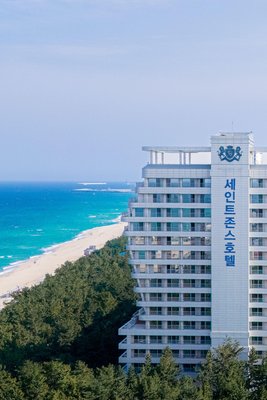
St. John's Hotel
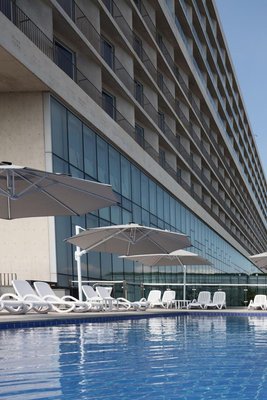
Nest Hotel Incheon
Conrad Seoul
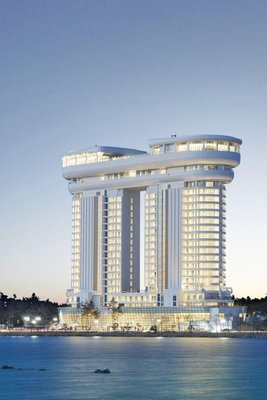
Skybay Hotel Gyeongpo
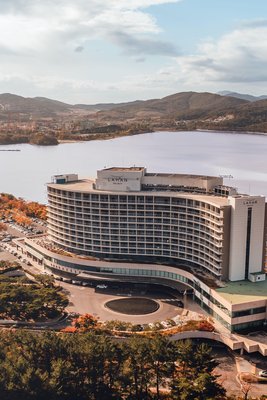
Lahan Select Gyeongju
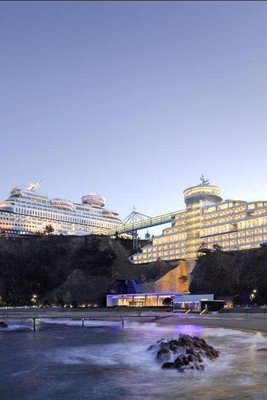
Sun Cruise Resort and Yacht
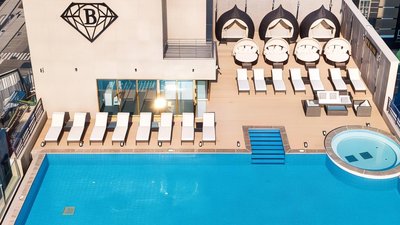
Baymond Hotel
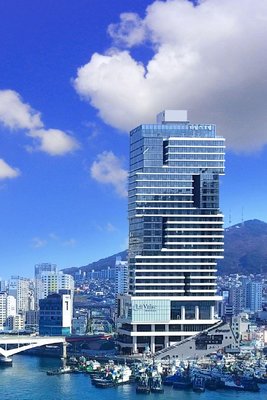
Lavalse Hotel
Seamarq Hotel
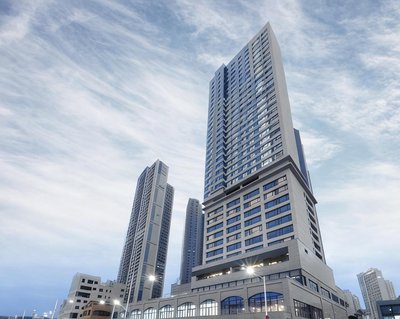
Mercure Ambassador Ulsan
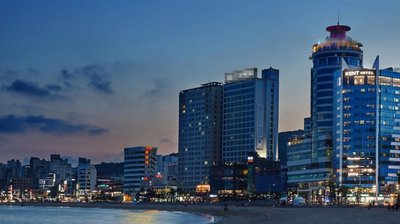
Kent Hotel Gwangalli by Kensington

Ramada by Wyndham Gangwon Sokcho
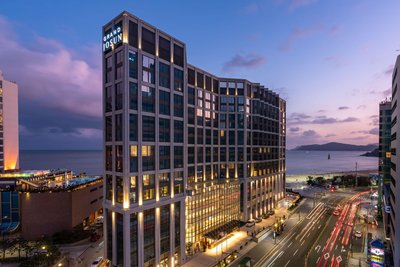
Grand Josun Busan
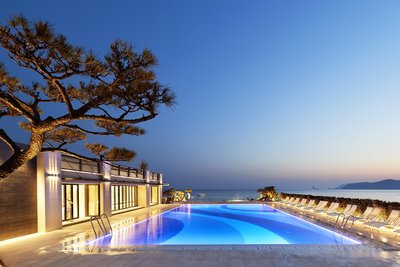
Paradise Hotel Busan
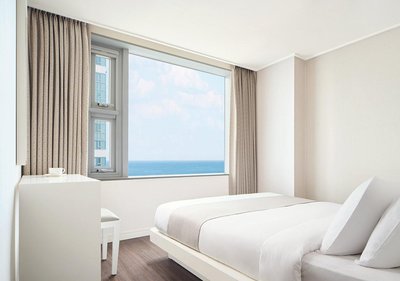
Hanwha Resort Haeundae
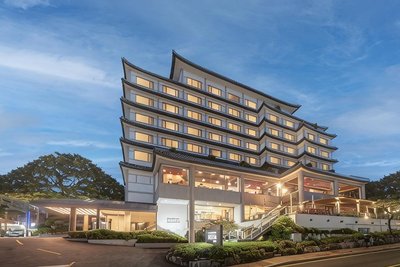
Hotel Illua
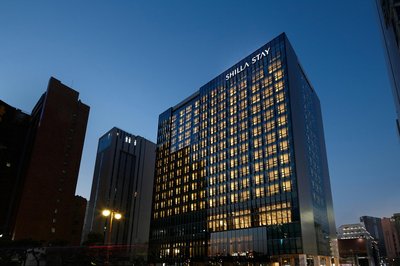
Shilla Stay Busan Haeundae

INSPIRE Entertainment Resort
Conrad Seoul
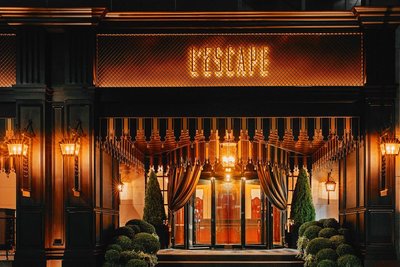
L'Escape Hotel
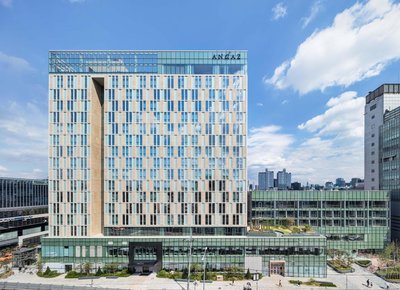
ANDAZ SEOUL GANGNAM, BY HYATT
Fairmont Ambassador Seoul
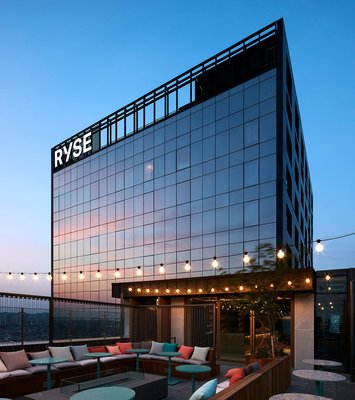
RYSE, Autograph Collection by Marriott
Josun Palace, a Luxury Collection Hotel, Seoul Gangnam
Anto (formerly: Parasara Seoul)
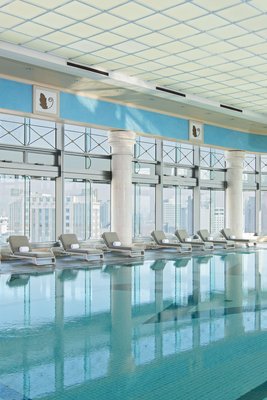
The Plaza Seoul, Autograph Collection
Banyan Tree Club & Spa Seoul
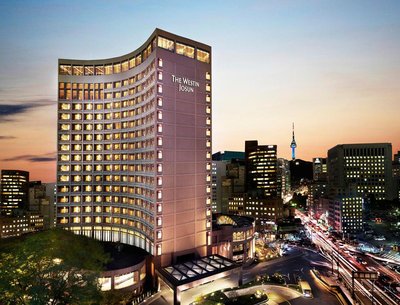
The Westin Josun Seoul
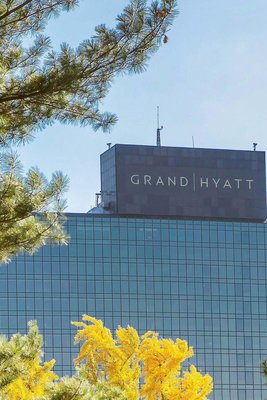
Grand Hyatt Seoul
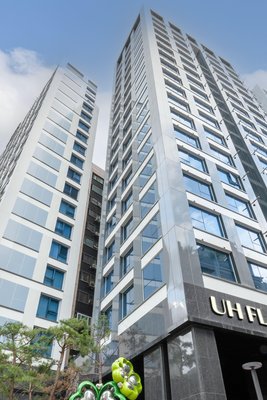
UH FLAT THE SEOCHO
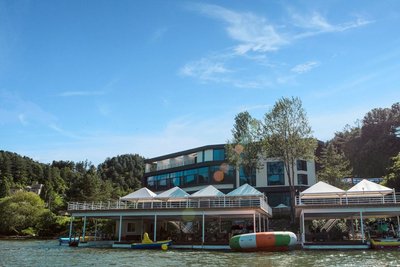
SS Resort
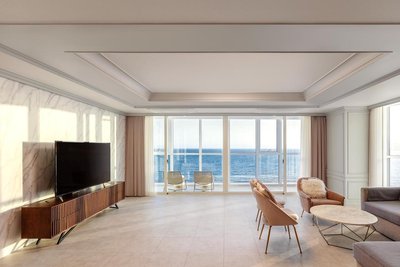
Palede cz Condor Busan
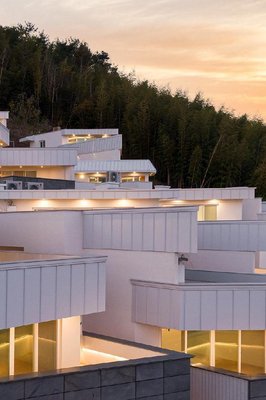
Ocean terra
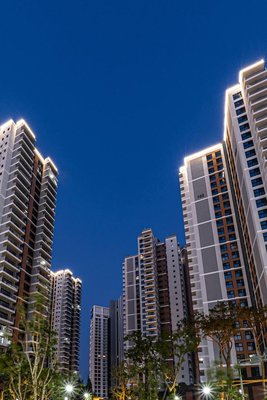
Le Collective Busan Gijang
Frequently Asked Questions about Traveling to Jeongseon
Questions You Might Need to Know About Traveling to Jeongseon
In Jeongseon County, the top eco-conscious hotel for nature enthusiasts is Taebaek Mountain Resort Hotel, nestled at the foot of the Taebaek Mountains. This sustainable retreat features wooden cabins with energy-efficient designs, rooftop gardens, and solar-powered facilities. Guests can enjoy panoramic forest views from private balconies and access to untouched hiking trails leading to Geumgok Stream and Dagwan Ridge. The hotel promotes low-impact tourism by offering reusable utensils, zero-waste practices, and guided nature walks led by local ecologists. Nearby, Jeongseon Eco Village provides glamping tents with composting toilets and organic farm-to-table meals made from local produce. Both properties emphasize harmony with nature, making them ideal for travelers seeking authentic wilderness experiences while minimizing environmental impact.
For families traveling to Jeongseon County, the central town area offers the most convenient and welcoming accommodations. Stay at Jeongseon Holiday Hotel, which features spacious family suites, a children’s playroom, and on-site Korean BBQ dining. The hotel provides free shuttle services to nearby attractions like Dongchuan Rice Terraces and Jeongseon Ski Resort, perfect for kids and parents alike. Families can also enjoy outdoor activities such as cycling along the Jeongseon Lake Trail, visiting the Jeongseon Cultural Museum, or participating in seasonal festivals like the Autumn Red Leaf Festival. With easy access to markets, medical facilities, and multilingual staff, this district ensures safety, comfort, and cultural immersion—ideal for creating lasting family memories in a scenic mountain setting.
Visitors to Jeongseon County must experience the traditional Hanji paper-making workshop in Geumgok Stream Village, where you can craft your own Hanji (Korean paper) using age-old techniques passed down through generations. Another must-try is the Dagwan Folk Festival, held annually in spring, reenacting historical military rituals from the Joseon Dynasty with traditional music, dance, and ceremonial armor parades. During summer, attend the Jeongseon Rice Field Music Festival, blending folk songs with modern performances across vast rice paddies under open skies. You can also join a mountain farming experience, planting rice or harvesting wild vegetables with local farmers. These immersive activities offer deep insight into the region’s rural heritage and sustainable lifestyle, connecting travelers directly with the heart of Jeongseon’s living culture.
In Jeongseon County, two premier spa hotels stand out for their natural hot springs: Jeongseon Hot Spring Inn, a century-old establishment built around mineral-rich sulfur springs, and Taebaek Spa Resort, a modern wellness sanctuary with private outdoor onsen pools. Both hotels feature Hanbok-style rooms with heated floors and traditional stone baths, offering therapeutic benefits for joints and skin. The resorts provide signature treatments such as herbal compress therapy, forest aromatherapy, and Korean herbal steam baths. Guests can also enjoy gourmet meals featuring local ingredients like ginseng chicken soup and wild mountain vegetables. These luxury escapes combine relaxation, healing, and cultural authenticity—perfect for those seeking rejuvenation in serene mountain surroundings.
The optimal time to visit Jeongseon County is during spring (March–May) and autumn (September–November). Spring brings blooming cherry blossoms along Geumgok Stream and golden fields of rapeseed flowers in Dongchuan, creating vibrant photo opportunities. Autumn transforms the Taebaek Mountains into a breathtaking canvas of red, orange, and gold foliage, especially during the Red Leaf Festival in October. The weather is cool and dry, ideal for hiking, photography, and sightseeing. Summer is mild but humid, with occasional rain; however, it’s a great time for cooling off at high-altitude spots like Taebaek Mountain. Winter offers snow-covered landscapes and skiing at Jeongseon Ski Resort, though travel may be affected by snow. For balance of beauty, comfort, and accessibility, spring and autumn are the most recommended seasons.
Photographers visiting Jeongseon County should prioritize Taebaek Mountain Sunrise Viewpoint, where misty mornings reveal sunrises breaking through jagged peaks—a dream for long-exposure shots. The Dongchuan Rice Terraces are another iconic location, especially during planting and harvest seasons when flooded paddies reflect the sky like mirrors. Geumgok Stream Waterfalls and Green Pine Forest Trail offer lush, moody compositions perfect for macro and landscape photography. During the Red Leaf Festival, Dagwan Ridge becomes a crimson tapestry ideal for aerial and wide-angle captures. The Jeongseon Lake Night Path at dusk, with soft reflections and ambient lights, creates dramatic silhouettes. Bring a tripod and polarizing filter, and consider visiting early morning or late evening for optimal lighting. Some locations require permits—contact the local tourism office in advance for access.
Food lovers visiting Jeongseon County must try Jeongseon Ginseng Chicken Soup, made with free-range chickens and premium Korean ginseng, delivering rich flavor and deep nourishment. Mountain Vegetable Bibimbap (Sansae Bibimbap) features wild greens like ferns, fiddleheads, and mountain onions, served over nutty brown rice with gochujang. Another highlight is Chestnut Stew Chicken, slow-cooked with locally harvested chestnuts for a sweet, savory depth. Don’t miss Jeongseon Honey and Wild Berry Wine, crafted from high-altitude flora—both award-winning in regional competitions. At Jeongseon Market and Geumgok Street Food Bazaar, sample Korean pancakes (Jeon), grilled skewers, and steamed sweet potatoes. These dishes reflect the region’s mountainous terroir and centuries-old culinary traditions, offering an unforgettable taste of authentic Jeongseon.
Start your day in Jeongseon County at Geumgok Stream Village, visiting the Hanji paper-making workshop and walking the scenic trail to Geumgok Waterfall. Enjoy lunch at a riverside farmhouse restaurant serving Sansae Bibimbap and Ginseng Chicken Soup. In the afternoon, head to Dagwan Historical Site, exploring ancient fortifications and panoramic views of the Taebaek Range. Return to town for a visit to Jeongseon Cultural Museum, then relax at Jeongseon Hot Spring Inn with a soak in natural sulfur baths. End the day strolling along Jeongseon Lake Night Path, illuminated by soft lights reflecting on the water. Total duration: ~8 hours. Use electric bikes for mobility between sites, and book experiences like the paper-making class in advance. This balanced itinerary blends culture, nature, cuisine, and relaxation—perfect for first-time visitors.
For romantic getaways, Taebaek Seclusion Villa offers private treehouse-style cabins with glass walls facing the mountains and heated outdoor onsen pools, perfect for stargazing after sunset. Each room includes rose petals, champagne, and a custom welcome note. Nearby, Jeongseon Lake Treehouse Hotel features elevated wooden lodges surrounded by pine trees, with floor-to-ceiling windows framing lake views and sunrise vistas. Both hotels provide couples’ spa packages, candlelit dinners on private decks, and guided sunset hikes. During the Red Leaf Festival, the entire valley turns crimson—ideal for intimate photoshoots. Special touches include handwritten love letters and personalized tours. Book well in advance, especially during peak season, to secure these secluded, heartfelt escapes amidst nature’s embrace.
Yes, Jeongseon County is highly suitable for self-drivers, with well-maintained roads connecting major attractions like Taebaek Mountain, Dongchuan Rice Terraces, and Geumgok Stream. From Seoul, take the Gyeongbu Expressway to Gyeongwon Expressway, reaching Jeongseon in about 2.5 hours. GPS navigation works reliably, but download offline maps due to occasional weak signals in remote areas. Public transport options include Jeongseon Bus Terminal, offering regular buses to Seoul, Chuncheon, and Pyeongchang. For off-road or mountain access, hire a local taxi or private car service—drivers are familiar with backroads and seasonal closures. Electric bike rentals are available in town, ideal for short trips along the Lake Trail. Overall, self-driving maximizes flexibility, allowing spontaneous exploration of forests, farms, and hidden viewpoints—making it the preferred choice for independent travelers.
Jeongseon Overview
City Summary
Jeongseon County, located in Gangwon Province, South Korea, is renowned for its natural beauty and traditional culture. This small town offers stunning mountains, clear streams, and rich ecological resources, making it an ideal escape from urban hustle. Jeongseon is also famous for its unique folk culture and festivals, such as the Jeongseon Arirang Festival, showcasing traditional Korean music and dance.
Must-See Attractions
Key attractions in Jeongseon include the Jeongseon Rail Bike, where visitors can cycle along abandoned rail tracks while enjoying scenic views. The Seoraksan National Park is a paradise for hikers, with diverse flora and fauna. For cultural experiences, the Jeongseon Folk Village displays traditional Korean houses and lifestyles, offering deep insights into local history.
Food Guide
Jeongseon's cuisine features mountain specialties, with Jeongseon buckwheat noodles being a must-try for their unique texture and health benefits. Local makgeolli (traditional rice wine) pairs perfectly with side dishes. Street food like grilled Hanwoo beef and wild vegetable pancakes are also highly recommended.
Transportation Guide
Public transport in Jeongseon is limited, so renting a car or taking taxis is advisable. From Seoul, take an express bus to Jeongseon Terminal (about 3 hours). Attractions are spread out, so plan routes in advance. Some mountain roads may close in winter due to snow—check weather forecasts.
Best Time to Visit
The best times to visit are spring (April-June) and autumn (September-November), with pleasant weather for outdoor activities. Summers are warm but great for escaping heat, while winters offer snowy landscapes and skiing—just bundle up.
Travel Tips
- Jeongseon's mountainous terrain brings sharp temperature drops at night—pack warm layers.
- Book popular attractions like the Rail Bike in advance.
- Respect local customs; keep noise low in folk villages.
- Download offline maps as mountain areas may have spotty signals.
- Ask vendors for food pairing recommendations when trying local dishes.
- Winter drivers should use snow tires for icy roads.
Useful Information
Korean is the primary language, though some tourist spots offer English. Learn basic Korean phrases. Network coverage is decent but weaker in mountains. Cash is preferred, though some places accept cards. For emergencies, Jeongseon has local hospitals, but serious cases may require transfer to Gangneung or Seoul. Travel insurance is recommended.
Other Cities You Might Like
Explore more amazing destinations