Hotels in Jeonju
Discover your perfect stay in Jeonju.
Jeonju(South Korea) Travel 2026: Cheap Flights, Hotels & Top Attractions
Popular Landmarks in Jeonju
Discover the most iconic attractions in Jeonju
Recommended Hotels in Jeonju
Find the perfect place to stay in Jeonju
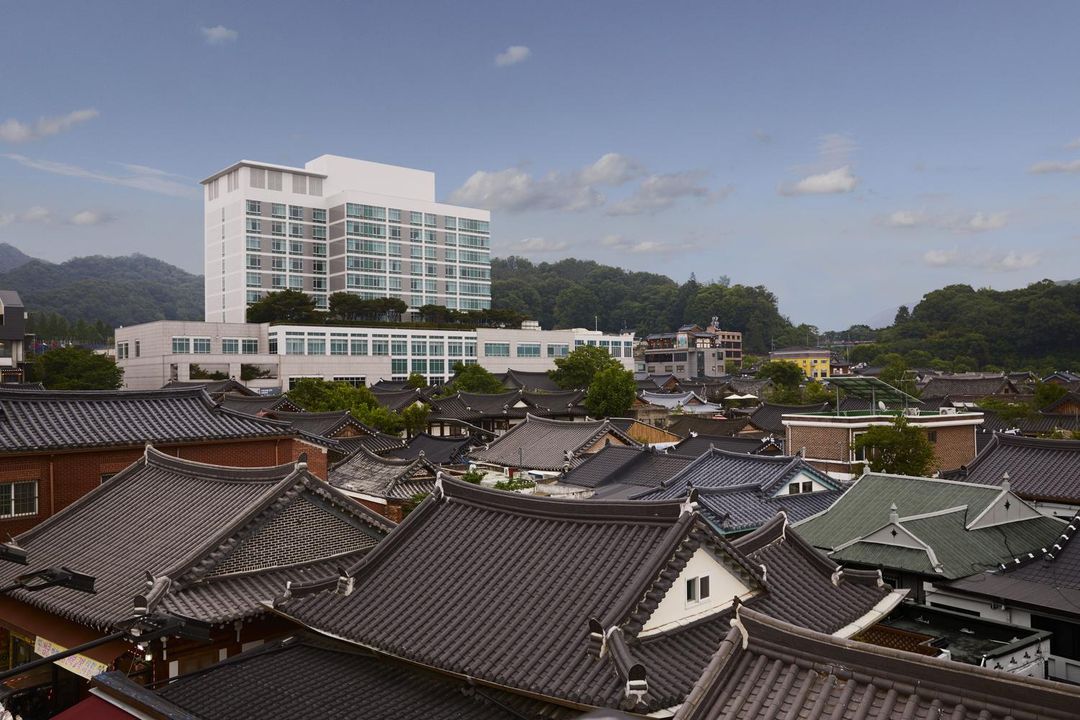
Lahan Hotel Jeonju
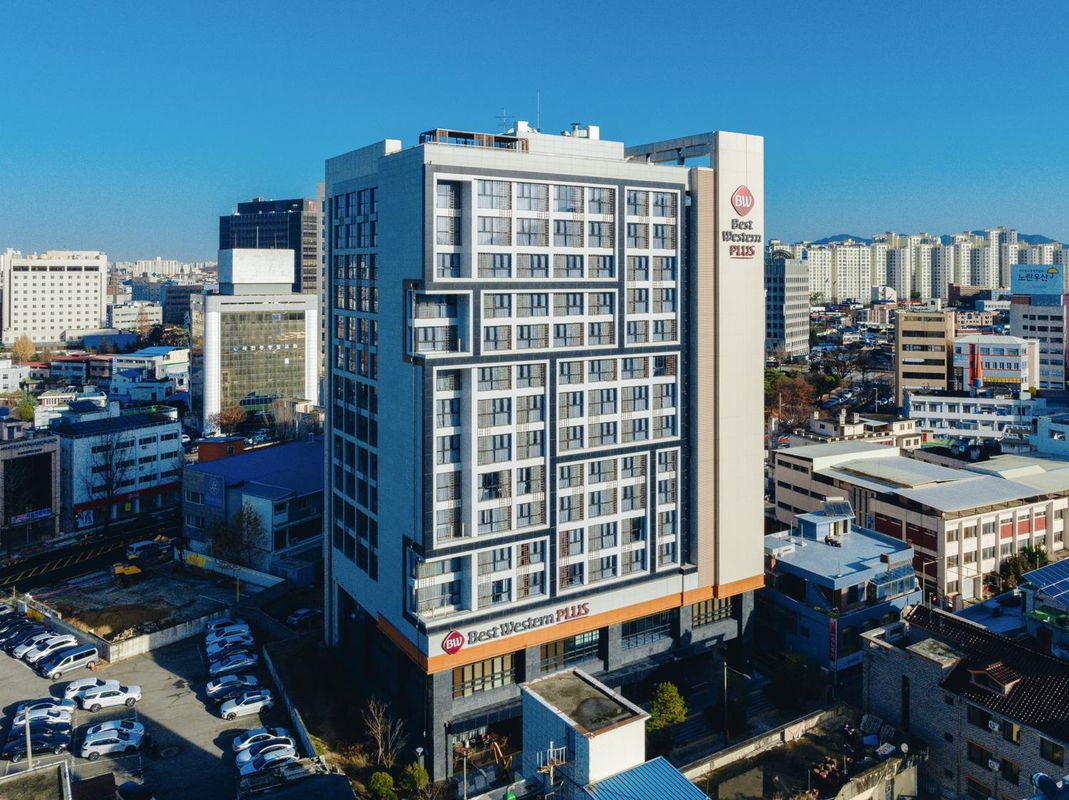
Best Western PLUS Jeonju Hotel
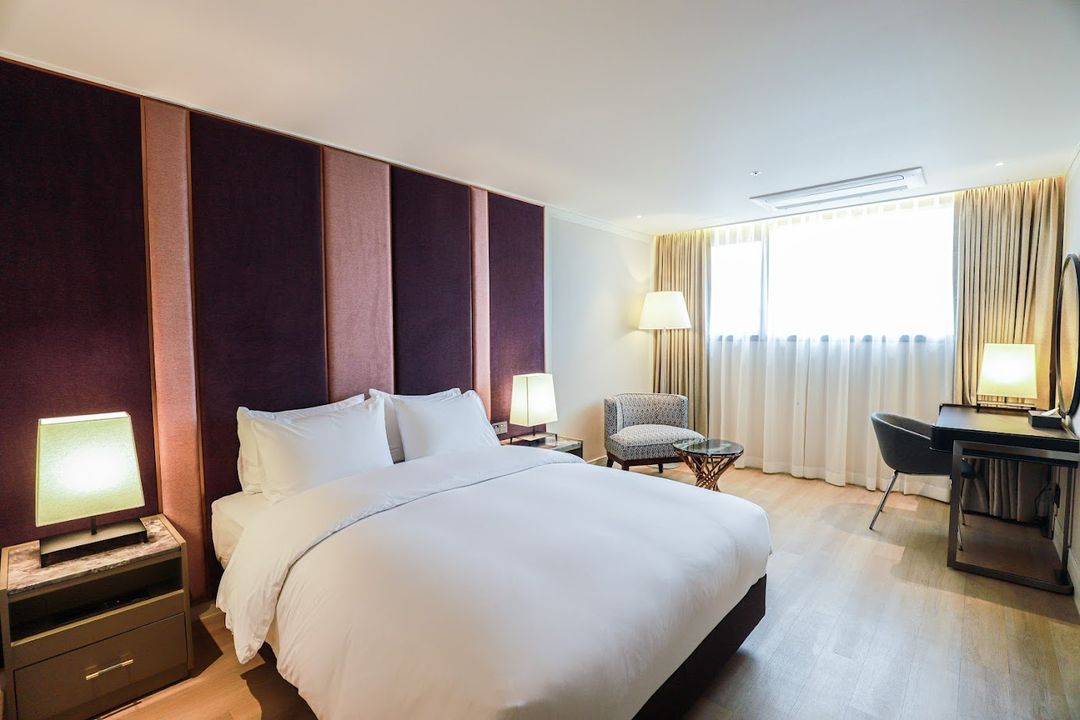
Jeonju the May Hotel
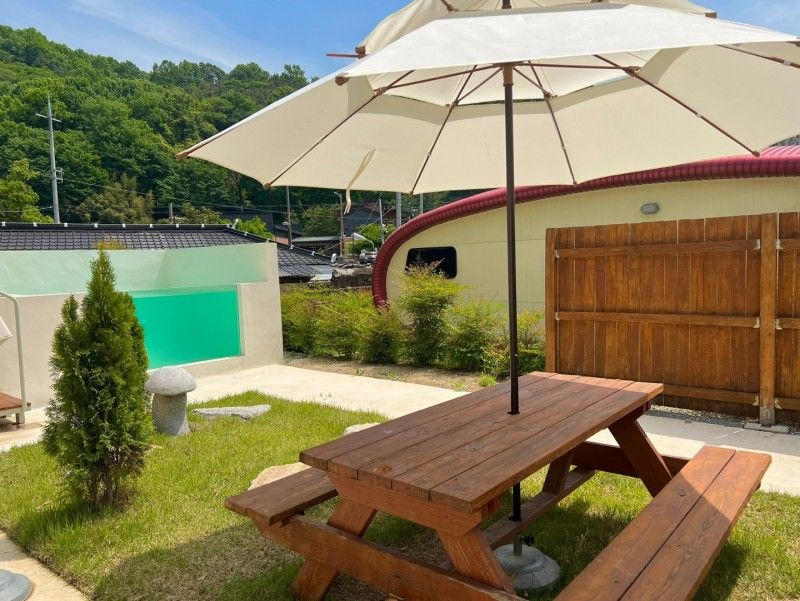
Jeonju Doran Doran Caravan Glamping Pension
Best Hotels in Jeonju
Discover curated hotel collections in Jeonju
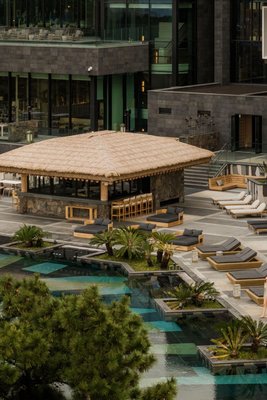
JW Marriott Jeju Resort & Spa
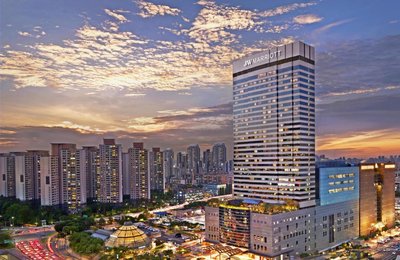
JW Marriott Hotel Seoul
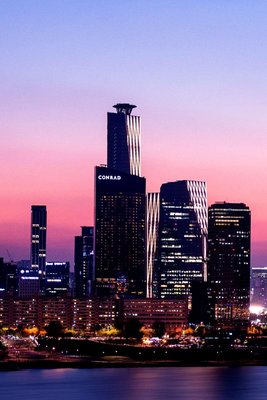
Conrad Seoul
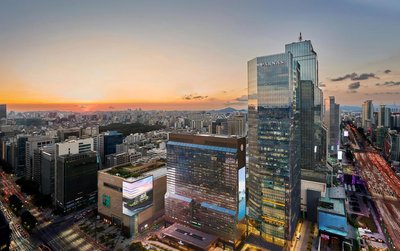
Grand InterContinental Seoul Parnas
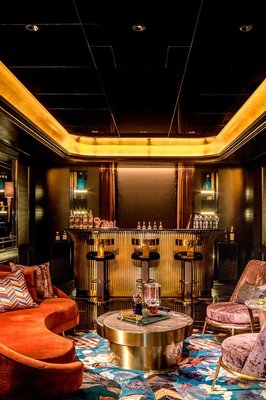
Art Paradiso, Paradise City
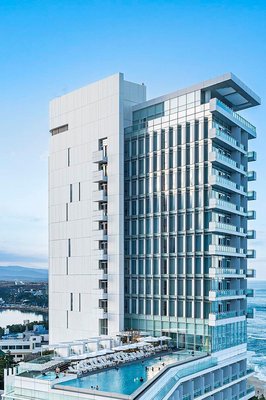
Seamarq Hotel
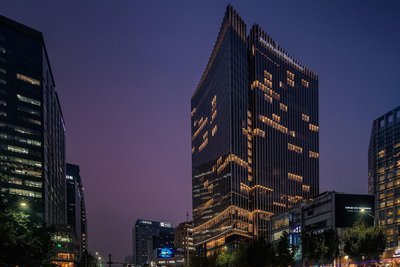
Four Seasons Hotel Seoul
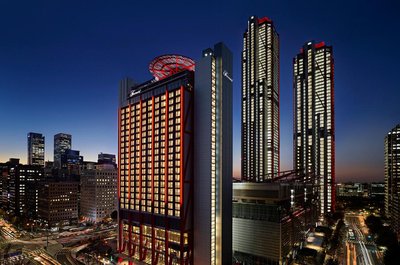
Fairmont Ambassador Seoul
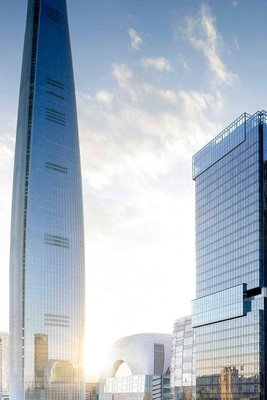
Sofitel Ambassador Seoul Hotel & Serviced Residences
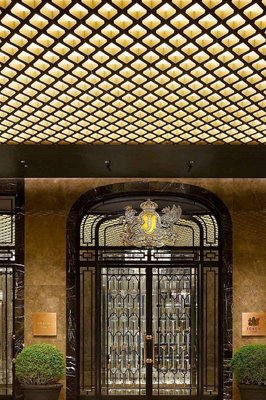
Josun Palace, a Luxury Collection Hotel, Seoul Gangnam
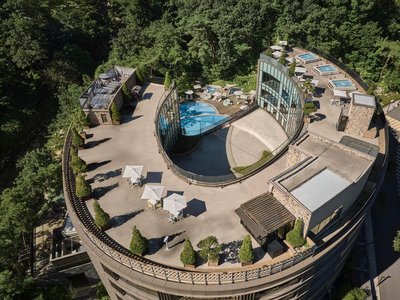
Anto (formerly: Parasara Seoul)
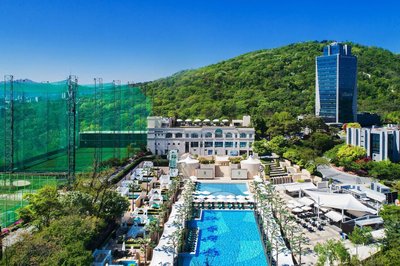
Banyan Tree Club & Spa Seoul
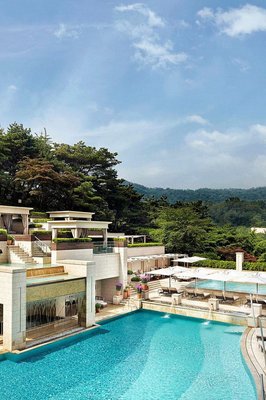
The Shilla Seoul
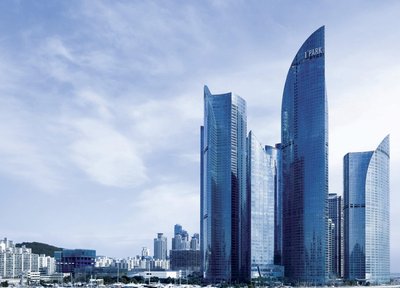
Park Hyatt Busan
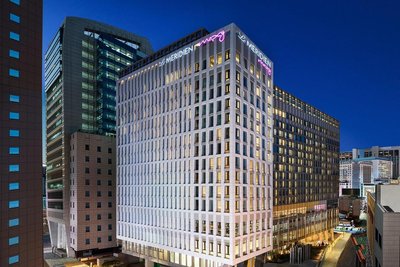
Le Méridien Seoul, Myeongdong
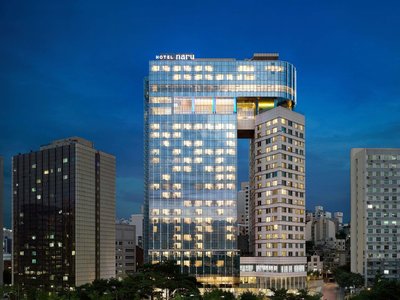
Hotel Naru Seoul - MGallery Collection
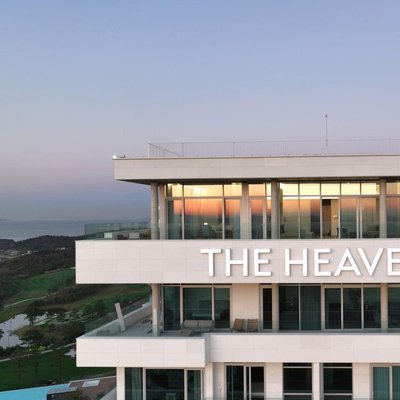
The Heaven Resort
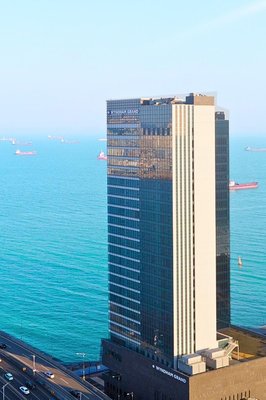
Wyndham Grand Busan Ijin
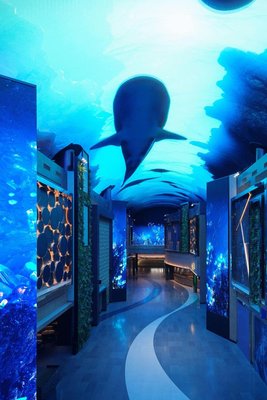
INSPIRE Entertainment Resort
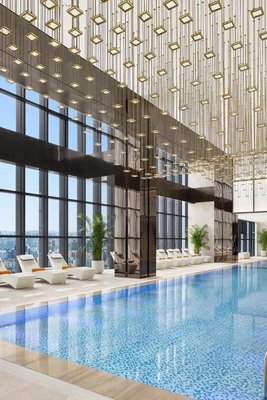
Pullman Ambassador Seoul Eastpole
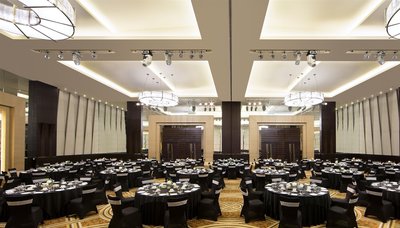
Sheraton Grand Incheon Hotel
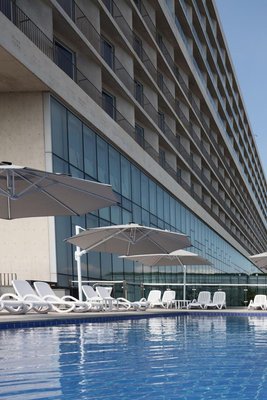
Nest Hotel Incheon
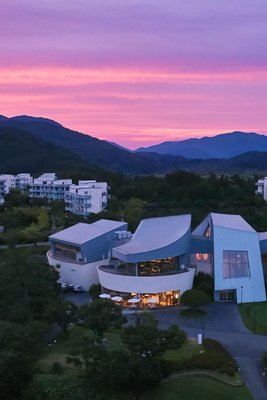
Ananti at Namhae
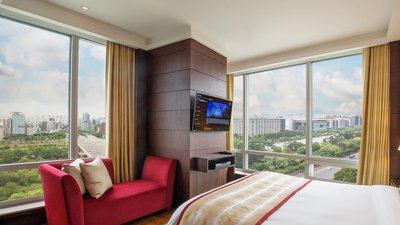
Yeouido Park Centre, Seoul - Marriott Executive Apartments
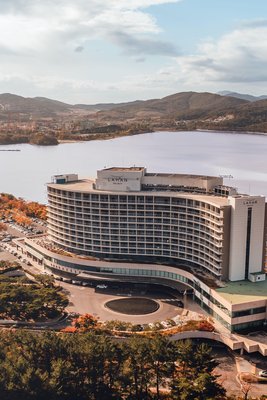
Lahan Select Gyeongju
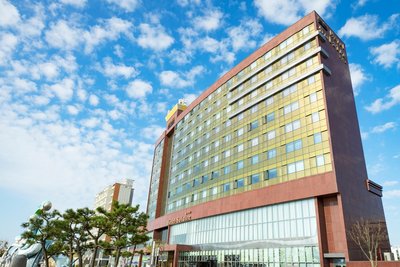
Hotel Solaire
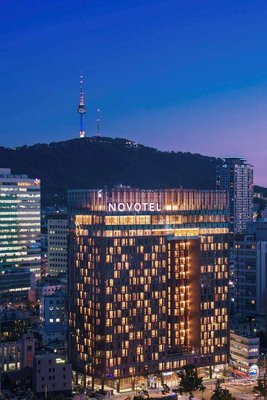
Novotel Ambassador Seoul Dongdaemun Hotels & Residences
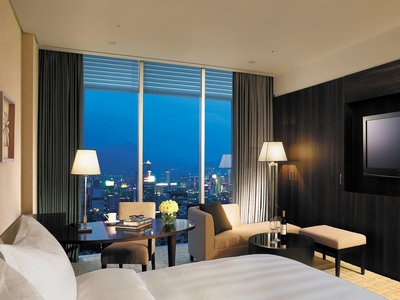
Ramada Plaza by Wyndham Gwangju
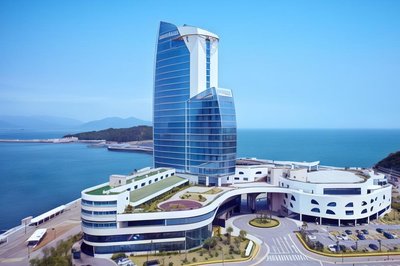
Sono Calm Yeosu
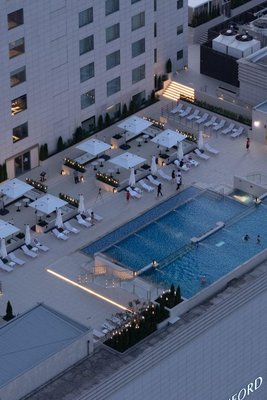
Enford Hotel
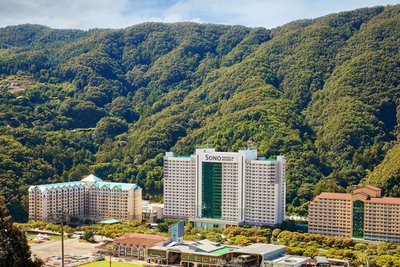
VivaldiPark
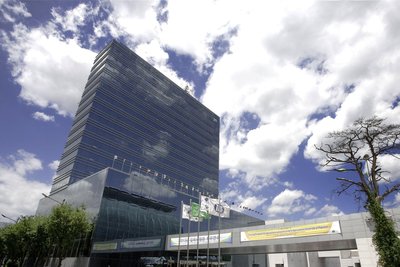
Hotel Interburgo Exco
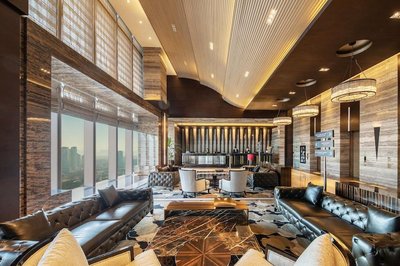
Oakwood Premier Incheon
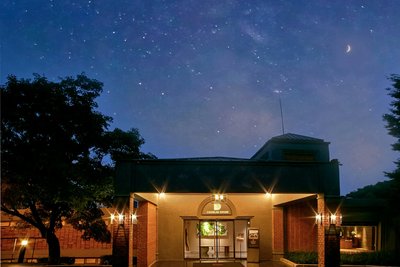
Walkerhill Douglas House
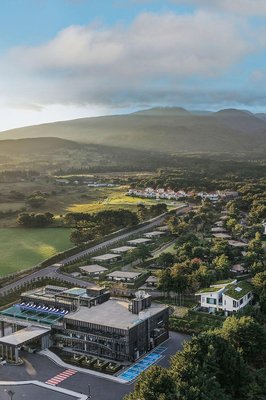
Amber Pure Hill Hotels & Resorts Jeju
Hotel Naru Seoul - MGallery Collection
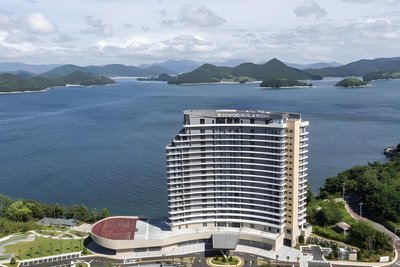
Stanford Hotel&Resort Tongyeong
JW Marriott Jeju Resort & Spa
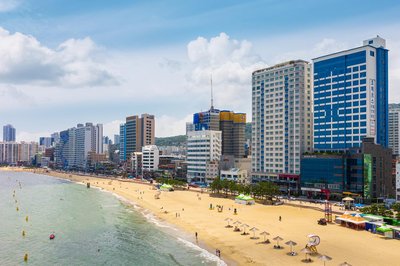
Homers Hotel
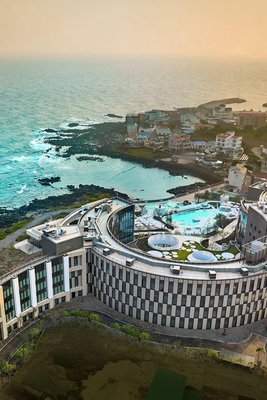
Shilla Stay Plus Iho Tewoo Ocean Front
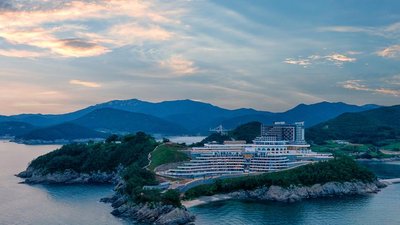
SOL BEACH NAMHAE
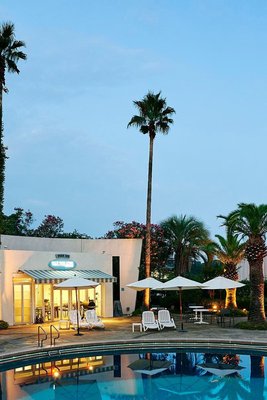
The Suites Hotel Jeju
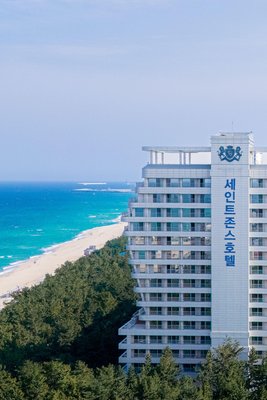
St. John's Hotel
Nest Hotel Incheon
Conrad Seoul
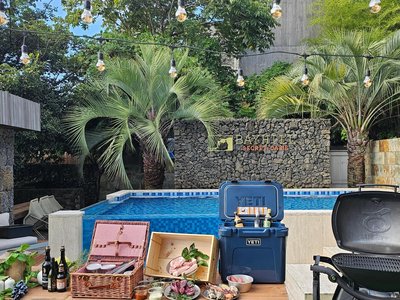
Bayhill Pool & Villa
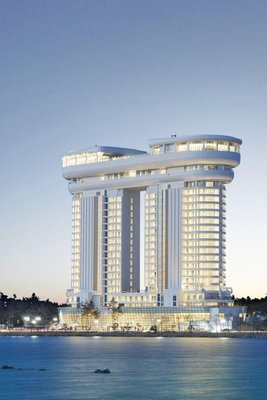
Skybay Hotel Gyeongpo
Lahan Select Gyeongju
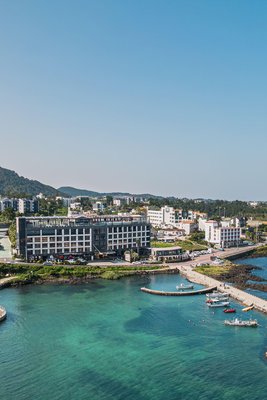
Dyne Ocenano Hotel
Sono Calm Yeosu
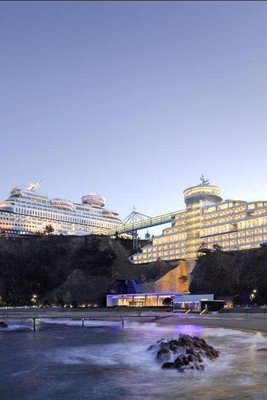
Sun Cruise Resort and Yacht
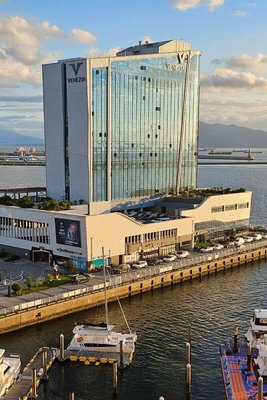
Yeosu Venezia Hotel & Suite
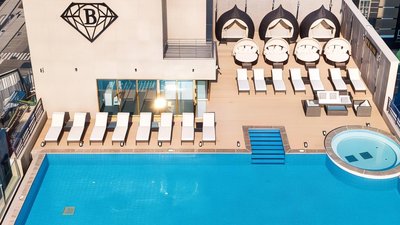
Baymond Hotel
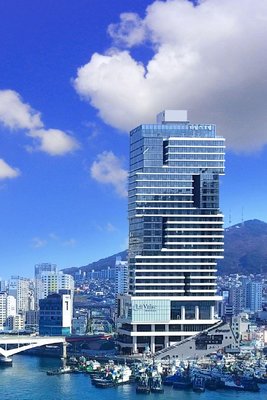
Lavalse Hotel
JW Marriott Jeju Resort & Spa
INSPIRE Entertainment Resort
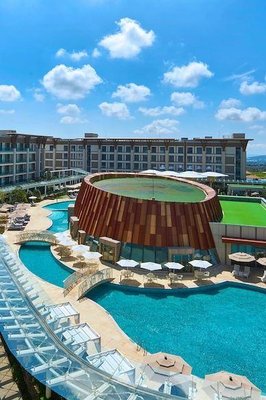
Marriott Jeju Shinhwa World Hotels & Resorts
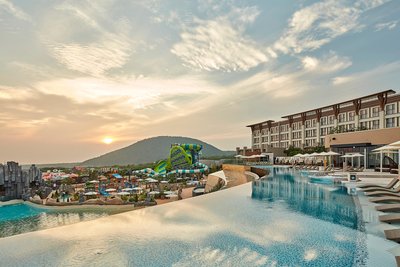
Shinhwa Jeju Shinhwa World Hotels & Resorts
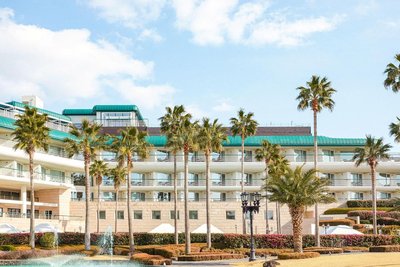
Grand Josun Jeju
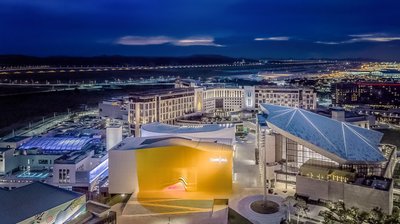
Paradise City
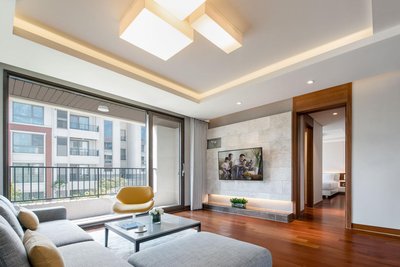
Somerset Jeju Shinhwa World
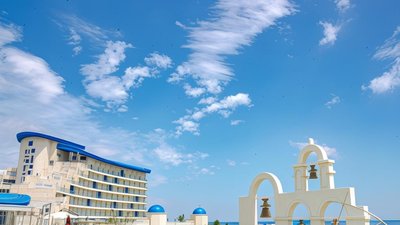
Sol Beach Samcheok
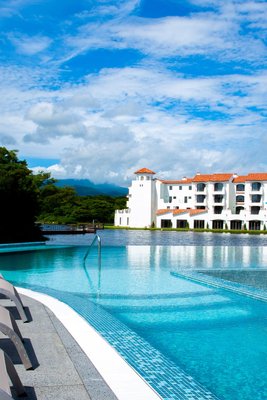
Ecoland Hotel
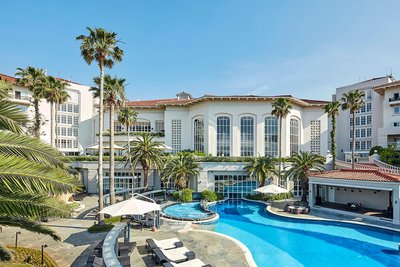
The Shilla Jeju
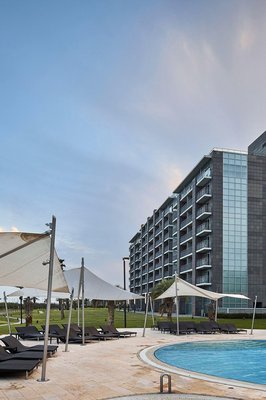
Haevichi Hotel & Resort Jeju
Amber Pure Hill Hotels & Resorts Jeju
JW Marriott Jeju Resort & Spa
INSPIRE Entertainment Resort
Conrad Seoul
Bayhill Pool & Villa
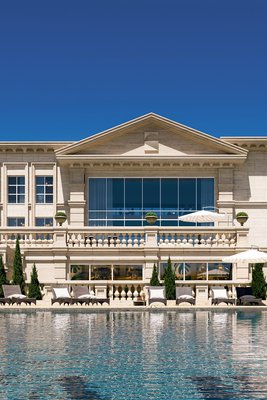
The Siena Primo (Original Tuscany Hotel)
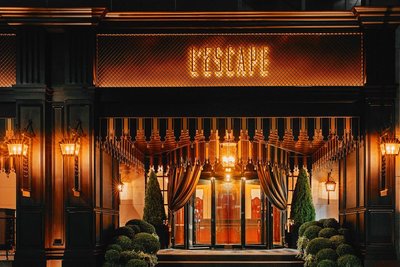
L'Escape Hotel
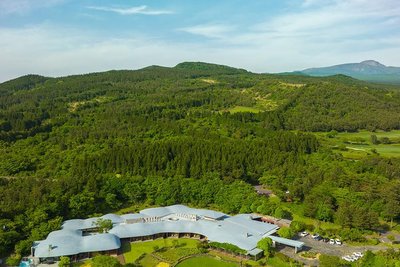
Podo Hotel
Shinhwa Jeju Shinhwa World Hotels & Resorts
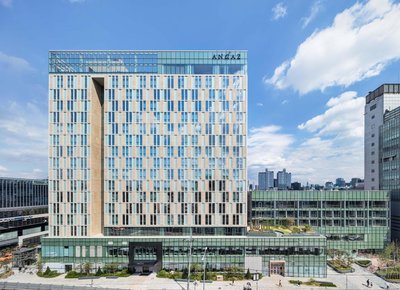
ANDAZ SEOUL GANGNAM, BY HYATT
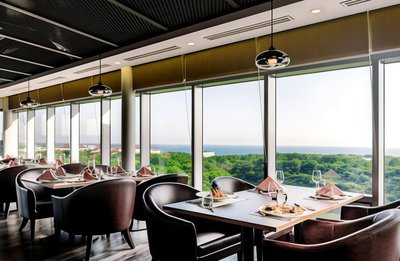
Hidden Cliff Hotel and Nature
Fairmont Ambassador Seoul
Grand Josun Jeju
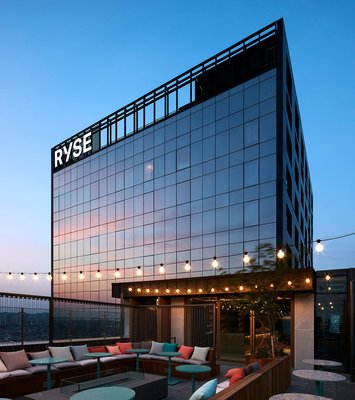
RYSE, Autograph Collection by Marriott
Josun Palace, a Luxury Collection Hotel, Seoul Gangnam
Anto (formerly: Parasara Seoul)
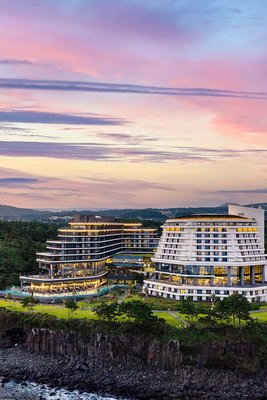
Parnas Hotel Jeju
The Shilla Jeju
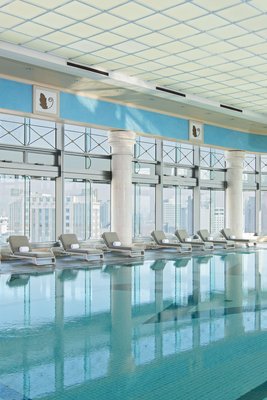
The Plaza Seoul, Autograph Collection
Banyan Tree Club & Spa Seoul
INSPIRE Entertainment Resort
L'Escape Hotel
Lavalse Hotel
Four Seasons Hotel Seoul
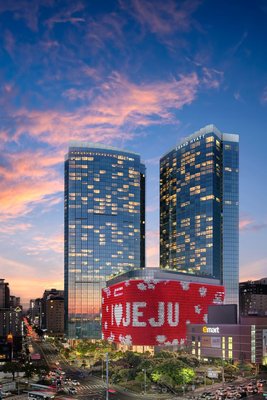
Grand Hyatt Jeju
Paradise City
Josun Palace, a Luxury Collection Hotel, Seoul Gangnam

JW Marriott Dongdaemun Square Seoul
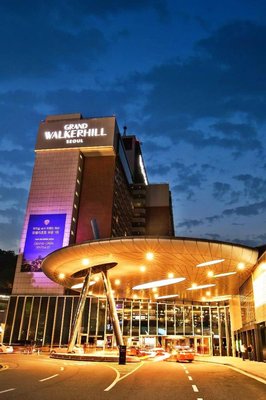
Grand Walkerhill Seoul
The Shilla Seoul
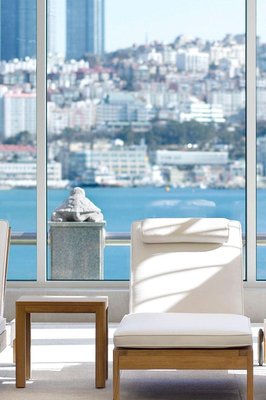
The Westin Josun Busan
Park Hyatt Busan
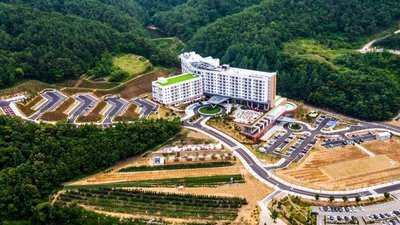
Sono Belle Cheongsong
Podo Hotel
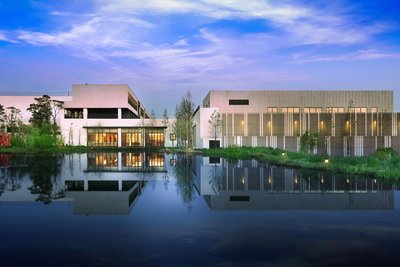
The Annex
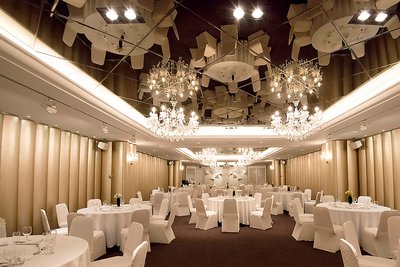
Nongshim Hotel
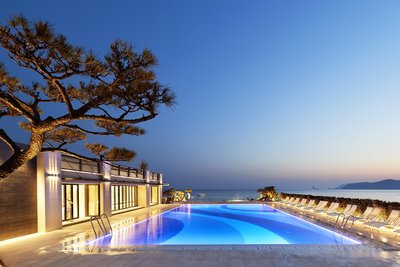
Paradise Hotel Busan
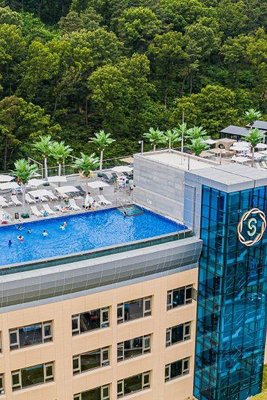
Hotel Susung
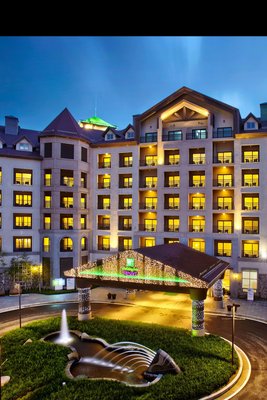
Holiday Inn Resort Alpensia Pyeongchang
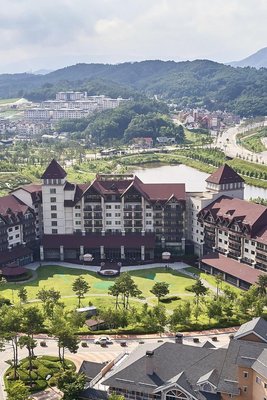
InterContinental Hotels Alpensia Pyeongchang Resort
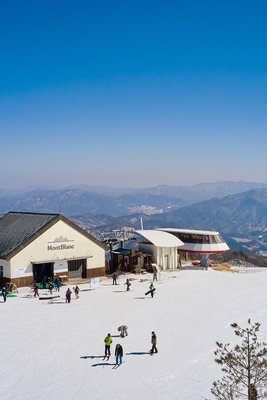
Phoenix Hotel Pyeongchang
VivaldiPark
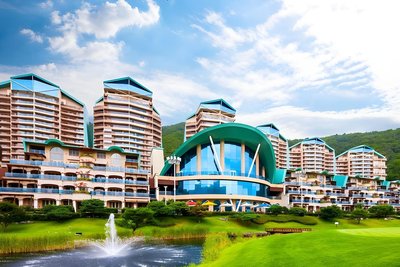
SonoFelice VivaldiPark
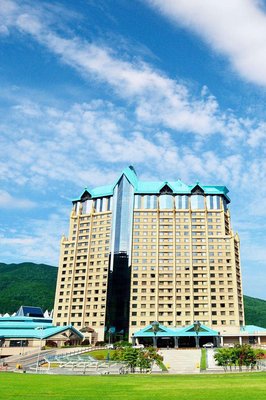
High1 Grand Hotel Main Tower
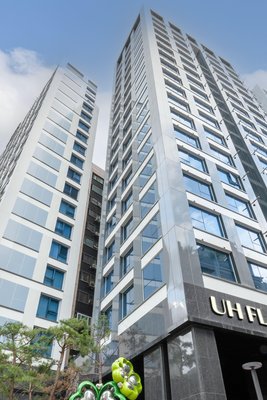
UH FLAT THE SEOCHO
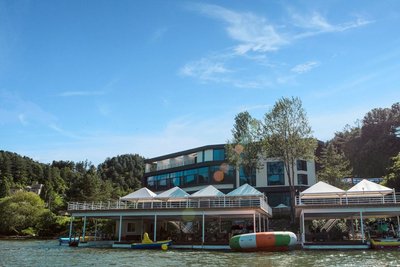
SS Resort
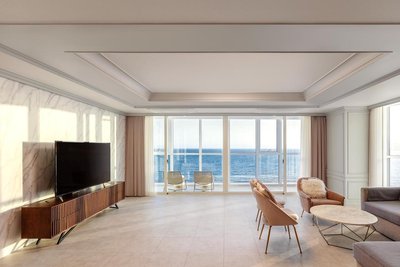
Palede cz Condor Busan
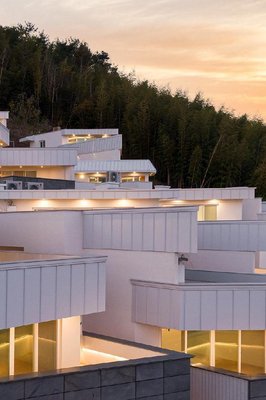
Ocean terra
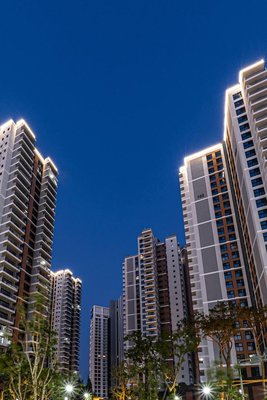
Le Collective Busan Gijang
Frequently Asked Questions about Traveling to Jeonju
Questions You Might Need to Know About Traveling to Jeonju
In Jeonju, the best traditional guesthouses include Jeonju Hanok Village Guesthouse, a meticulously restored Korean-style house with authentic wooden architecture and modern amenities. Stay in a hanok room with a courtyard garden, enjoy homemade bibimbap breakfast, and experience daily tea ceremonies. Nearby, Sangwon Hanok Inn offers minimalist design blended with local art, plus guided cultural workshops like hanji paper-making and hanbok dressing. These guesthouses are located within walking distance of Jeonju National Museum and Namdaemun Market, making them ideal for travelers seeking immersive Jeolla culture experiences. Many offer multilingual staff and private check-in options.
The Hanok Village district is the best area for first-time visitors to Jeonju. This UNESCO World Heritage site features over 1,000 well-preserved traditional hanok houses, offering an authentic glimpse into Joseon-era life. Staying here allows easy access to major attractions like Jeonju National Museum, Namdaemun Market, and the Gyeonggukdang Hall. The neighborhood is quiet, safe, and filled with local artisans, tea houses, and restaurants serving Jeonju bibimbap. With its blend of history, culture, and convenience, Hanok Village provides an ideal base for exploring Jeolla Province’s heritage while enjoying a peaceful, culturally rich atmosphere.
Must-try cultural experiences in Jeonju include traditional hanbok wearing sessions, hanji paper-making workshops, and the Royal Banquet Reenactment held every weekend at Hanok Village. The reenactment recreates a 17th-century court dinner with live performances of sanjo music and traditional dance. Visitors can also attend daily tea ceremonies or join a local chef-led cooking class to learn how to make bibimbap using regional ingredients. For deeper insight, visit the Jeonju National Museum to explore artifacts from the Jeonju Lee family, one of Korea’s most influential clans. These immersive activities provide a full sensory connection to Jeolla culture.
Yes, Jeonju Hanok Village is highly suitable for families with children. Many guesthouses offer spacious family-friendly rooms with separate sleeping areas and private courtyards. Kids can participate in fun, educational activities such as kite-making, traditional games (like yutnori), and hanbok photo shoots. The village has low traffic, safe pathways, and numerous child-friendly cafes serving Korean snacks and non-spicy meals. Some hotels even provide kids’ activity kits and supervised play zones. With its calm environment and rich cultural offerings, it’s perfect for teaching children about Korean heritage in a playful, hands-on way.
Must-try dishes in Jeonju include Jeonju Bibimbap, famous for its rich gochujang sauce, black sesame oil, and fresh seasonal vegetables served over stone bowls. Try it at Wan-nam-dang, a century-old stall in Namdaemun Market. Don’t miss Jeonju soju, made from local rice with a smooth, clean taste. For a full meal experience, book a traditional family-style feast at a hanok restaurant—featuring kimchi jjigae, grilled meats, and doenjang soup. These dishes highlight the region’s emphasis on bold flavors and seasonal ingredients, reflecting the heart of Jeolla cuisine.
The best times to visit Jeonju are spring (March–May) and autumn (September–November). Spring brings cherry blossoms along the Hanok Village alleys, while autumn paints the area golden with gingko trees. During these seasons, you can enjoy events like the Jeonju Cherry Blossom Festival and International Hanok Culture Festival, featuring lantern displays, traditional performances, and artisan markets. Summer is hot but quieter; winter offers serene snow-covered hanoks and special winter night tours. Avoid peak holidays and monsoon season (June–July) for better weather and fewer crowds. Spring and autumn deliver the perfect balance of comfort and cultural vibrancy.
You can book a guided tour of Jeonju Hanok Village through the official tourism website or at the Visitor Center near the main entrance. Tours last about 90 minutes and are available in English, Chinese, Japanese, and Korean, covering topics like hanok architecture, Joseon-era family life, and regional customs. Some premium accommodations offer private guided walks tailored to your interests—ideal for photography or food lovers. HopeGoo in advance is recommended, especially during festivals. Tour fees start at ₩30,000 per person, including admission and a commemorative guidebook. Multilingual guides ensure a deep, engaging experience of Jeolla’s living heritage.
Absolutely, Jeonju Hanok Village is a photographer’s dream. Its timeless stone pathways, black-tiled roofs, and lantern-lit alleys create stunning compositions, especially at sunrise and sunset. Key spots include the arched gate at dawn, handmade paper drying lines, and the tea house courtyard with flowing shadows. Nighttime illuminations during festivals enhance the mood with soft glow effects. The village hosts an annual Hanok Photography Contest, and some areas offer special access for photographers during off-hours. Bring a wide-angle lens and tripod for best results. Whether capturing architectural details or candid moments of locals, the village delivers rich visual storytelling rooted in Korean tradition.
Yes, public transportation in Jeonju is very convenient. The Jeonju Station is connected by KTX high-speed rail and local trains. From there, buses (e.g., routes 101, 102) run directly to Hanok Village and Namdaemun Market, taking just 10 minutes. The city also operates a free tourist shuttle bus with multilingual audio guides, covering all major sights. For eco-friendly travel, rent an electric bicycle or use T-money card-enabled taxis. Many guesthouses offer complimentary pickup service. With reliable networks and clear signage, getting around Jeonju is seamless—perfect for independent travelers eager to explore cultural landmarks efficiently.
Yes, Jeonju Hanok Village is improving accessibility. Main entrances, museums, and visitor centers have ramps, elevators, and wheelchair-friendly restrooms. Several guesthouses offer accessible rooms with grab bars, non-slip floors, and emergency call systems. The city provides free wheelchairs for rent at the Visitor Center and has braille signage and audio guides for visually impaired guests. While some narrow alleyways remain challenging, designated alternative routes are clearly marked. Travelers with mobility needs are encouraged to pre-book accessibility assistance via the official website. These efforts reflect Jeonju’s commitment to inclusive tourism, ensuring everyone can enjoy the beauty of Korean heritage.
Jeonju Overview
City Summary
Jeonju is the capital of North Jeolla Province in South Korea, renowned for its rich history and cultural heritage. Often called the cradle of Korean traditional culture, the city is famous for its well-preserved Hanok Village, traditional cuisine, and historical sites. The unique traditional atmosphere, especially in Jeonju Hanok Village, makes it a must-visit for experiencing authentic Korean life and tasting the legendary Jeonju Bibimbap.
Must-See Attractions
Jeonju Hanok Village is a top attraction, featuring over 800 traditional Korean houses where visitors can experience Hanbok, tea ceremonies, and crafts. Gyeonggijeon is a historic landmark showcasing Joseon Dynasty architecture. Pungnammun Gate is a beautifully lit ancient gate at night. Culture enthusiasts should visit the Jeonju National Museum to explore local history and art.
Food Guide
Jeonju is a culinary hub, with Jeonju Bibimbap as its signature dish, made with mixed vegetables, beef, and chili paste. Jeonju Kongnamul Gukbap (bean sprout soup with rice) is another local specialty. Street food like Mung Bean Pancakes and Rice Cakes are also popular. The traditional markets offer a variety of authentic Korean snacks.
Transportation Guide
Jeonju has an efficient public transport system, with buses being the primary mode of transport. Taxis are affordable for short trips. High-speed trains (KTX) connect Jeonju to Seoul and Busan in 2-3 hours. Walking or renting a bike is recommended for exploring the Hanok Village and nearby sites.
Best Time to Visit
Spring (April-June) and autumn (September-November) are the best times to visit, with mild weather ideal for outdoor activities. Avoid the rainy summer and cold winter months for the best experience.
Travel Tips
- Respect local customs: Remove shoes before entering Hanok houses.
- Carry cash: Some traditional markets and small shops only accept cash.
- Wear comfortable shoes: Hanok Village has many cobblestone paths.
- Avoid peak seasons: Popular holidays draw large crowds.
- Learn basic Korean: Simple phrases help with communication.
- Check the weather: Bring rain gear in summer and warm clothes in winter.
Useful Information
Language: Korean is primary, with some English signs at tourist spots. Internet: Free Wi-Fi hotspots are available in the city. Payment: Credit cards are accepted in large stores, but cash is preferred in small shops. Emergencies: Jeonju has several hospitals; travel insurance is recommended. Voltage: 220V, bring a converter if needed.
Other Cities You Might Like
Explore more amazing destinations