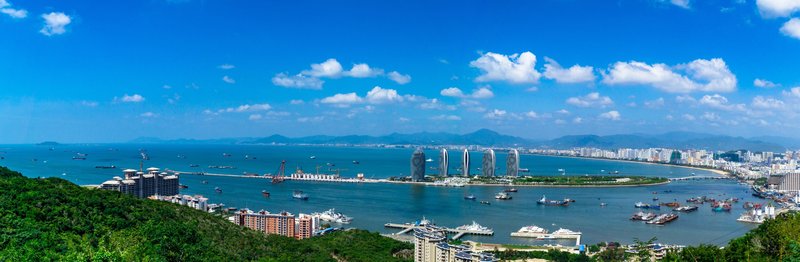
Hotels in Jeonju
Discover your perfect stay in Jeonju.
Jeonju(South Korea) Travel 2026: Cheap Flights, Hotels & Top Attractions
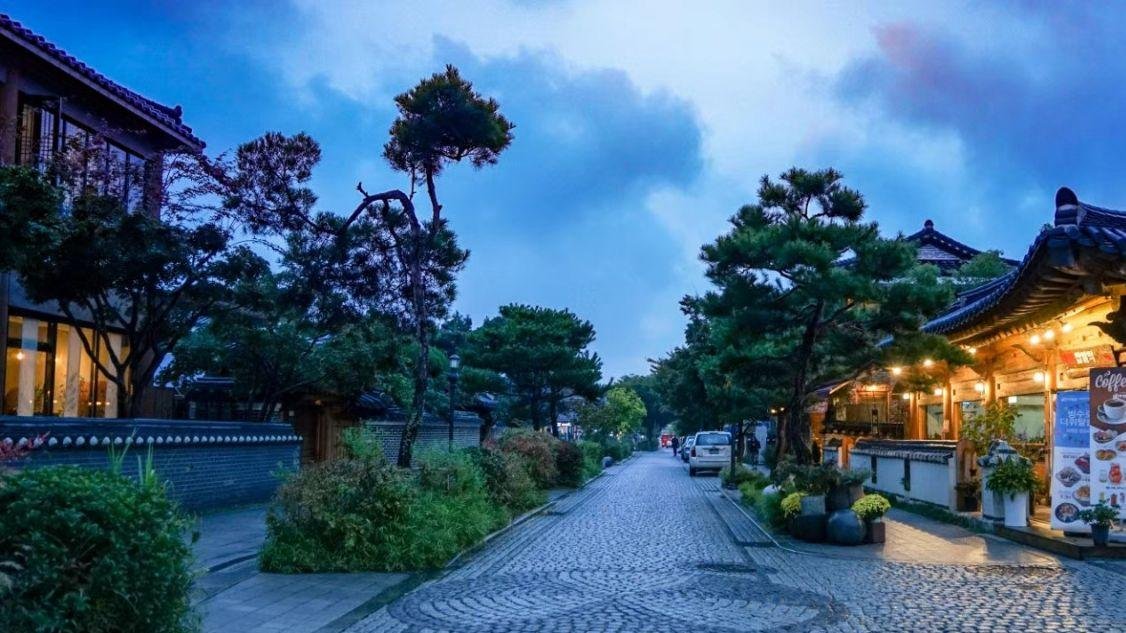
Popular Landmarks in Jeonju
Discover the most iconic attractions in Jeonju
Recommended Hotels in Jeonju
Find the perfect place to stay in Jeonju
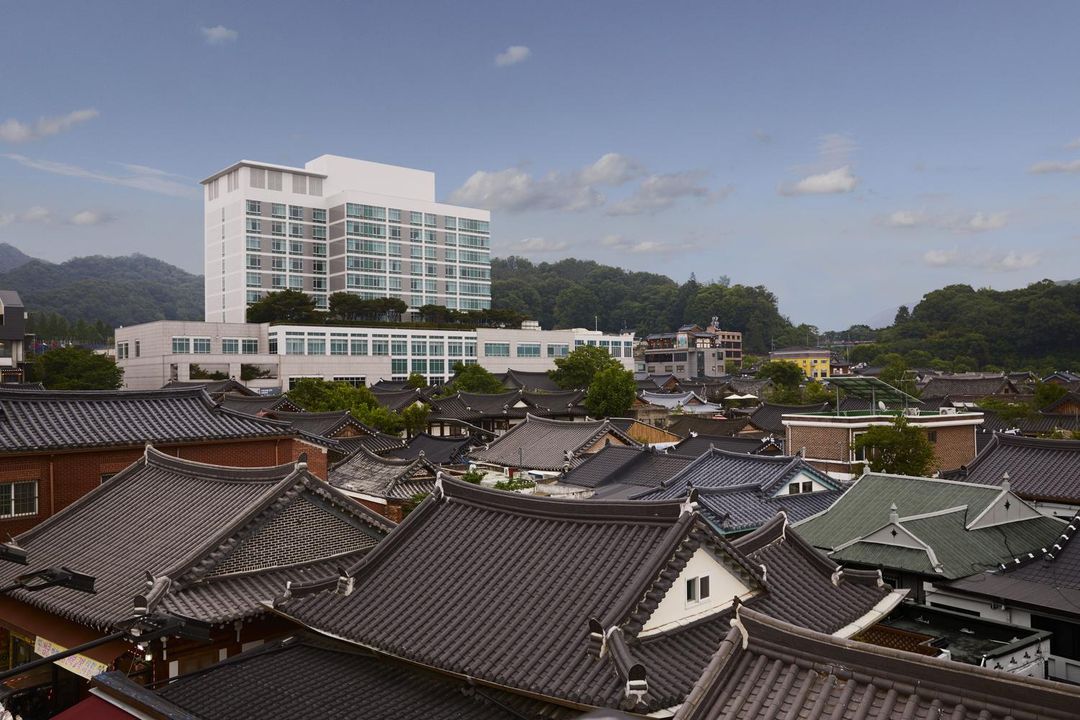
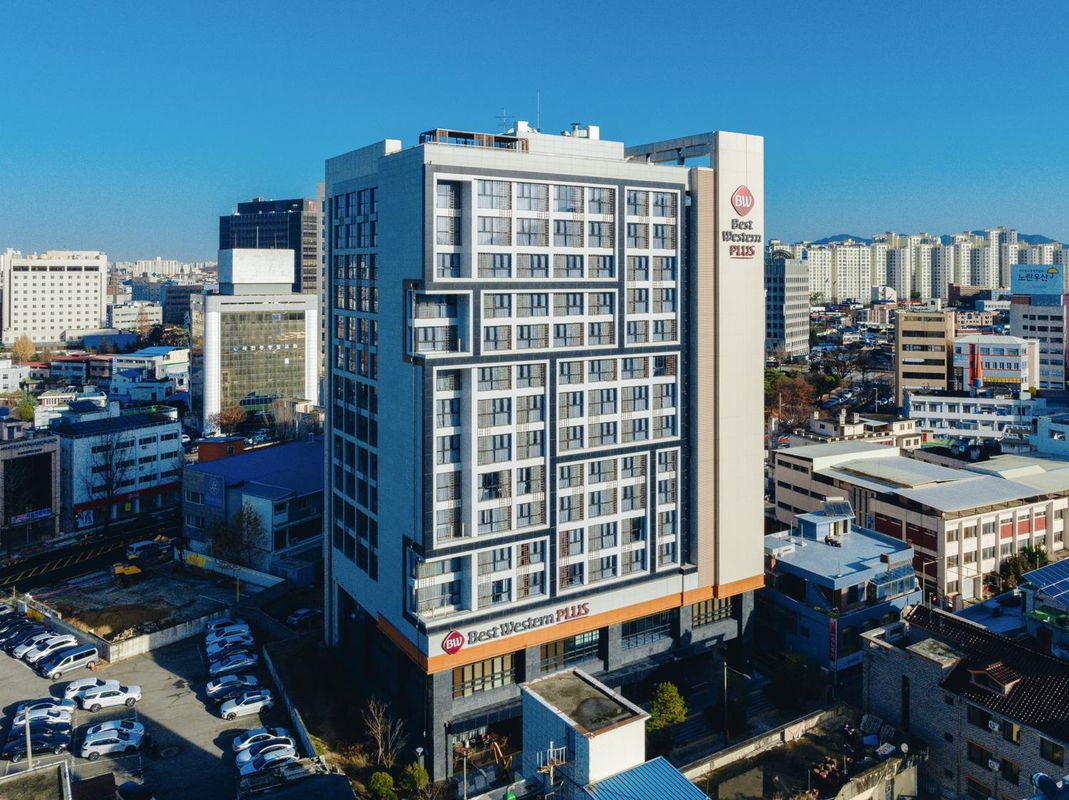
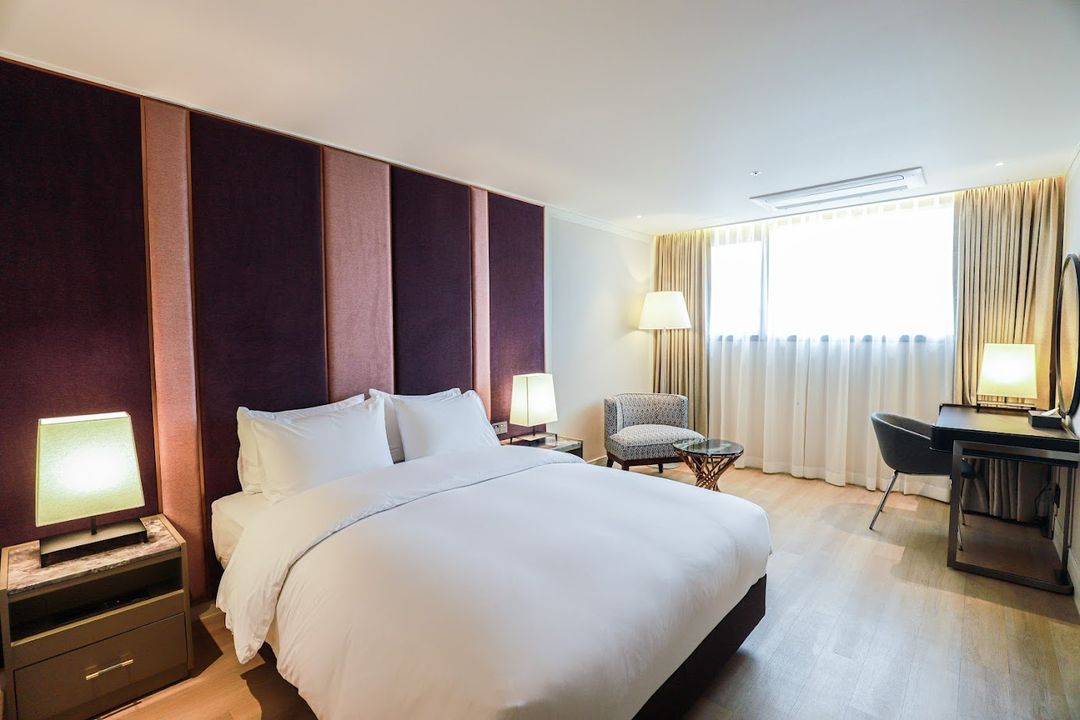
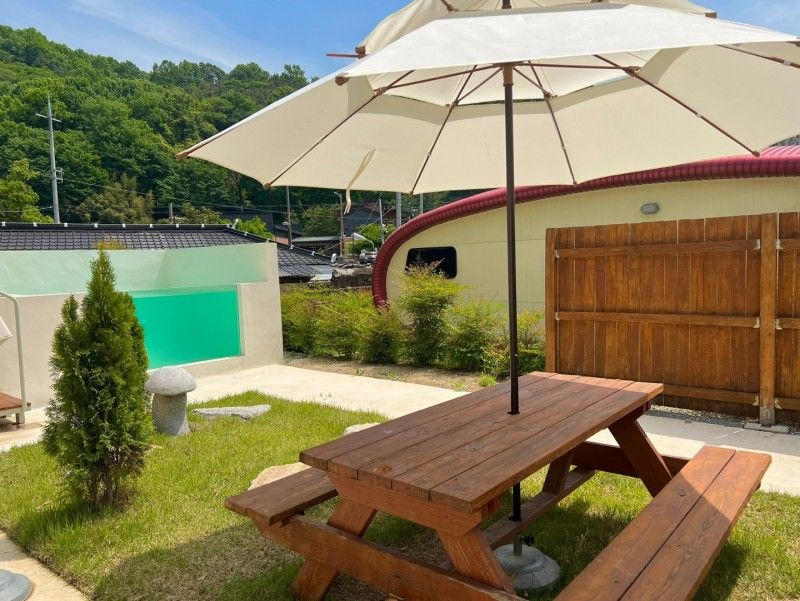
Best Hotels in Jeonju
Discover curated hotel collections in Jeonju




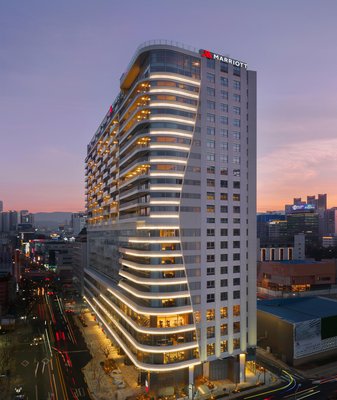
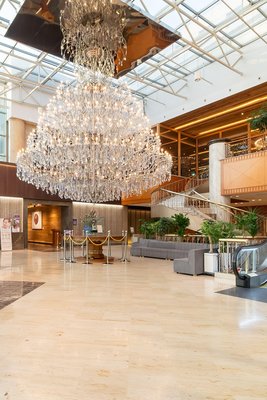

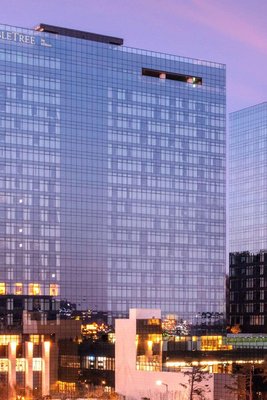
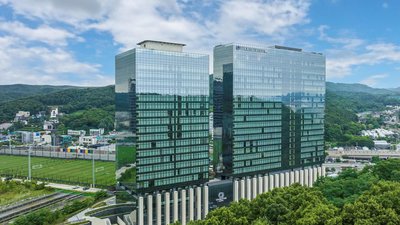









Frequently Asked Questions about Traveling to Jeonju
Questions You Might Need to Know About Traveling to Jeonju
Jeonju Overview
City Summary
Jeonju is the capital of North Jeolla Province in South Korea, renowned for its rich history and cultural heritage. Often called the cradle of Korean traditional culture, the city is famous for its well-preserved Hanok Village, traditional cuisine, and historical sites. The unique traditional atmosphere, especially in Jeonju Hanok Village, makes it a must-visit for experiencing authentic Korean life and tasting the legendary Jeonju Bibimbap.
Must-See Attractions
Jeonju Hanok Village is a top attraction, featuring over 800 traditional Korean houses where visitors can experience Hanbok, tea ceremonies, and crafts. Gyeonggijeon is a historic landmark showcasing Joseon Dynasty architecture. Pungnammun Gate is a beautifully lit ancient gate at night. Culture enthusiasts should visit the Jeonju National Museum to explore local history and art.
Food Guide
Jeonju is a culinary hub, with Jeonju Bibimbap as its signature dish, made with mixed vegetables, beef, and chili paste. Jeonju Kongnamul Gukbap (bean sprout soup with rice) is another local specialty. Street food like Mung Bean Pancakes and Rice Cakes are also popular. The traditional markets offer a variety of authentic Korean snacks.
Transportation Guide
Jeonju has an efficient public transport system, with buses being the primary mode of transport. Taxis are affordable for short trips. High-speed trains (KTX) connect Jeonju to Seoul and Busan in 2-3 hours. Walking or renting a bike is recommended for exploring the Hanok Village and nearby sites.
Best Time to Visit
Spring (April-June) and autumn (September-November) are the best times to visit, with mild weather ideal for outdoor activities. Avoid the rainy summer and cold winter months for the best experience.
Travel Tips
- Respect local customs: Remove shoes before entering Hanok houses.
- Carry cash: Some traditional markets and small shops only accept cash.
- Wear comfortable shoes: Hanok Village has many cobblestone paths.
- Avoid peak seasons: Popular holidays draw large crowds.
- Learn basic Korean: Simple phrases help with communication.
- Check the weather: Bring rain gear in summer and warm clothes in winter.
Useful Information
Language: Korean is primary, with some English signs at tourist spots. Internet: Free Wi-Fi hotspots are available in the city. Payment: Credit cards are accepted in large stores, but cash is preferred in small shops. Emergencies: Jeonju has several hospitals; travel insurance is recommended. Voltage: 220V, bring a converter if needed.
Other Cities You Might Like
Explore more amazing destinations