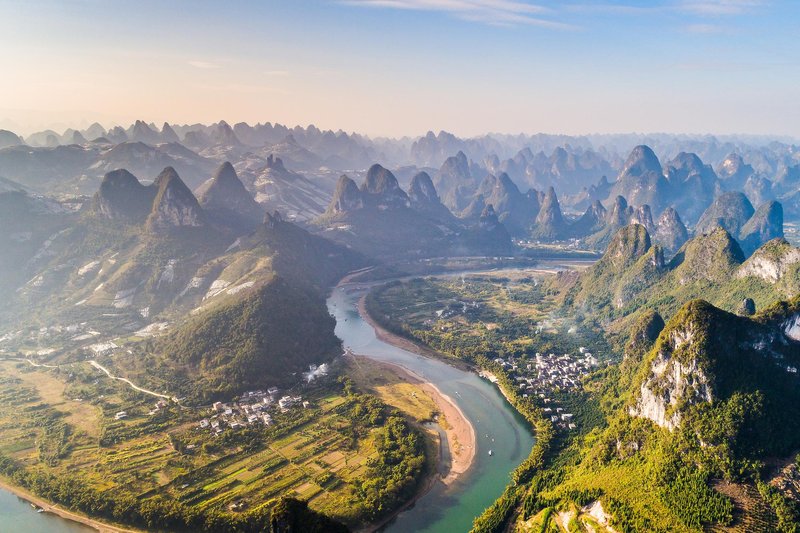
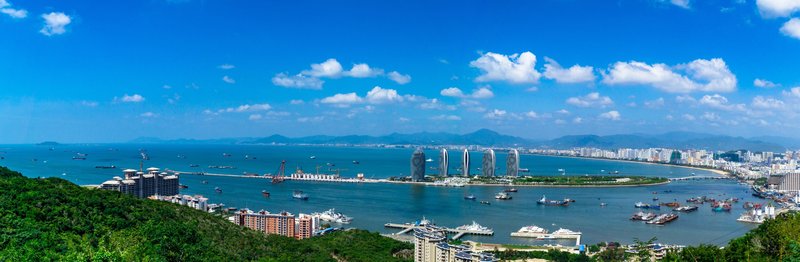
Hotels in Jinan
Discover your perfect stay in Jinan.
Jinan(South Korea) Travel 2026: Cheap Flights, Hotels & Top Attractions
Popular Landmarks in Jinan
Discover the most iconic attractions in Jinan
Recommended Hotels in Jinan
Find the perfect place to stay in Jinan
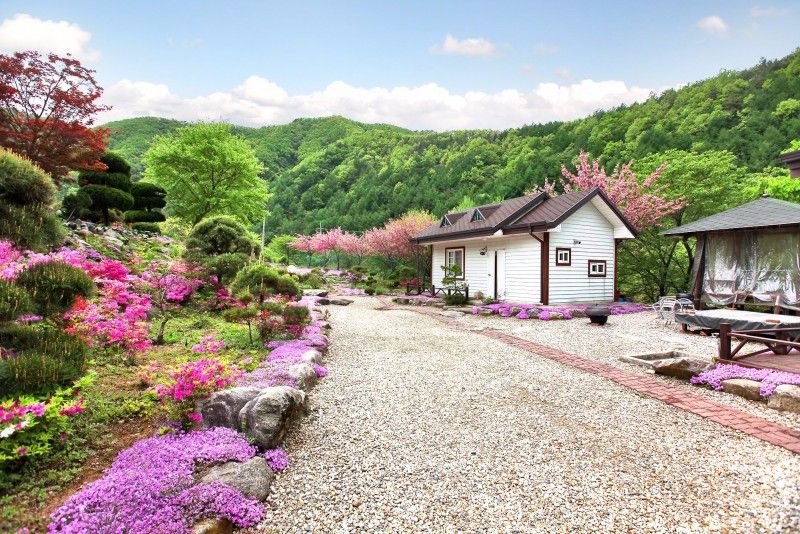
Jinan Big Rock Pension
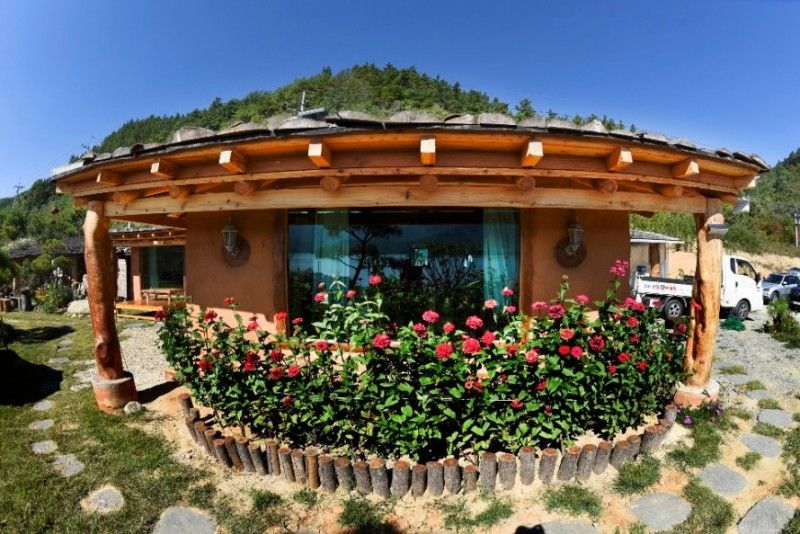
Jinan Todam Pension
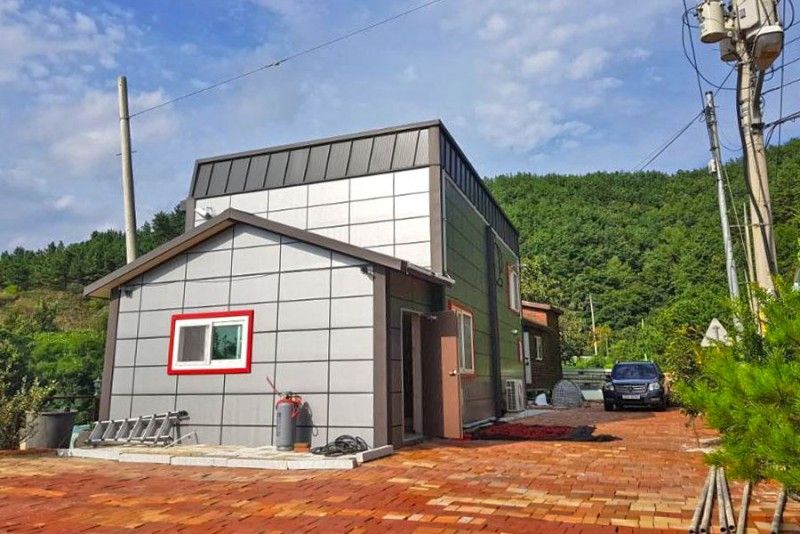
Jinan Yongdam DAM Sky Pension
Best Hotels in Jinan
Discover curated hotel collections in Jinan
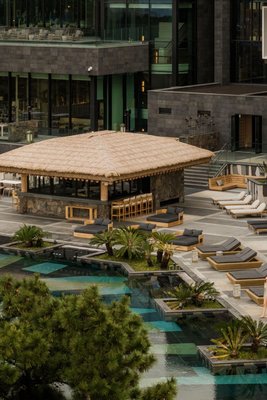
JW Marriott Jeju Resort & Spa
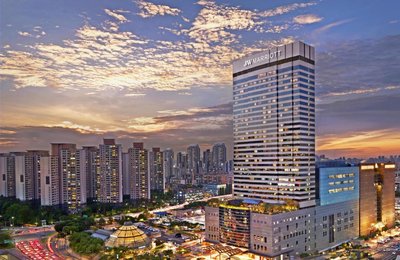
JW Marriott Hotel Seoul
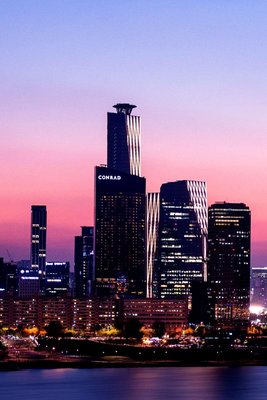
Conrad Seoul
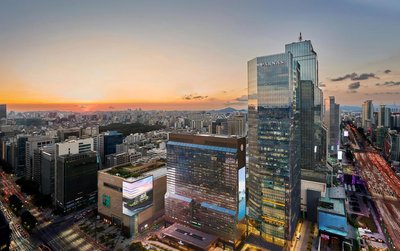
Grand InterContinental Seoul Parnas
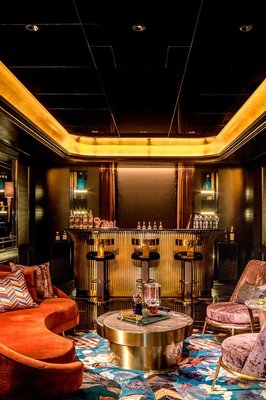
Art Paradiso, Paradise City
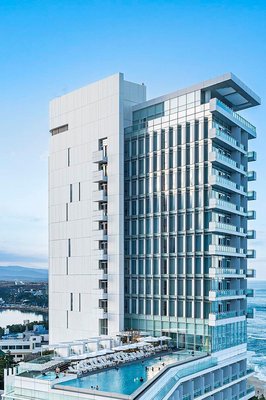
Seamarq Hotel
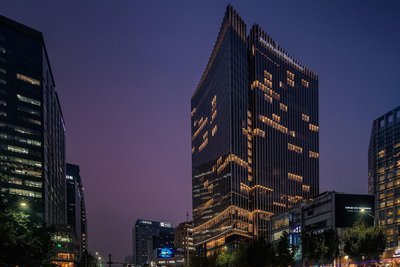
Four Seasons Hotel Seoul
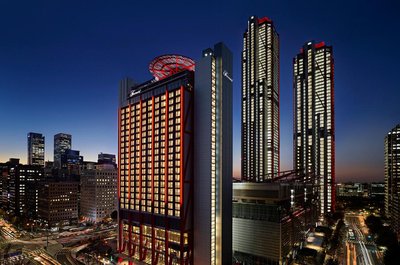
Fairmont Ambassador Seoul

Sofitel Ambassador Seoul Hotel & Serviced Residences
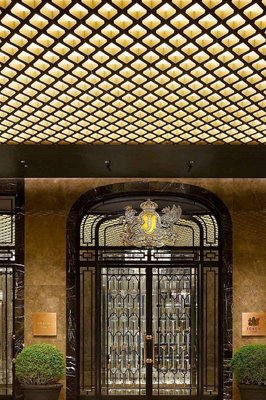
Josun Palace, a Luxury Collection Hotel, Seoul Gangnam
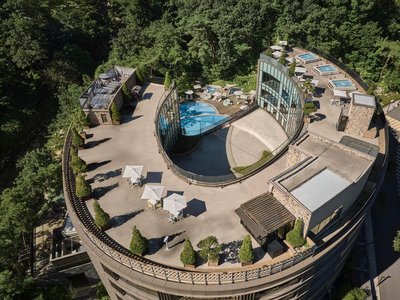
Anto (formerly: Parasara Seoul)
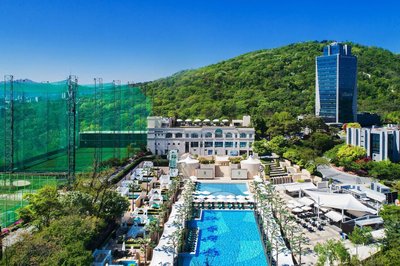
Banyan Tree Club & Spa Seoul
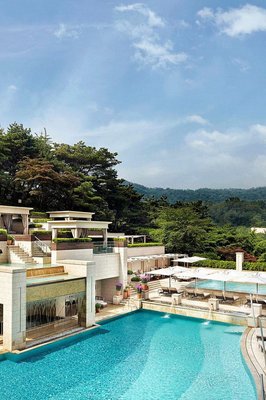
The Shilla Seoul
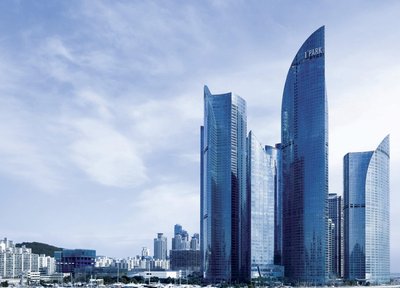
Park Hyatt Busan
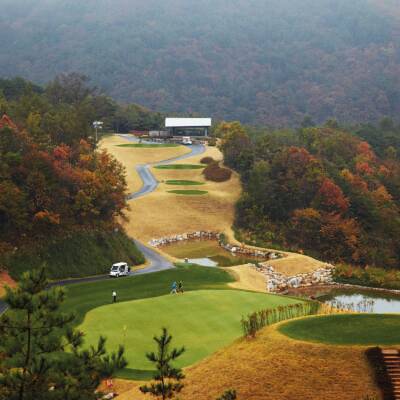
Tops10 Resort Donggang Cistar

Four Points by Sheraton Suwon
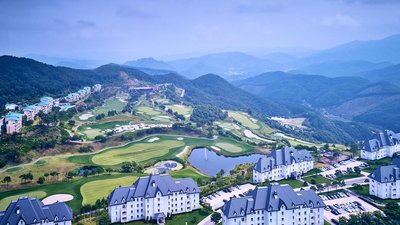
Sonofelice Village Vivaldipark

Arte Resort Spa & Pool Villa
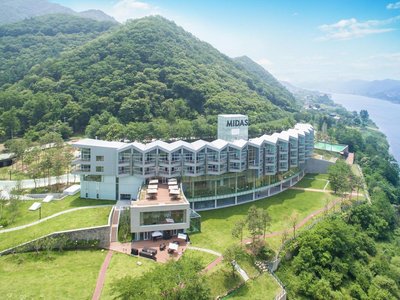
Midas Hotel & Resort
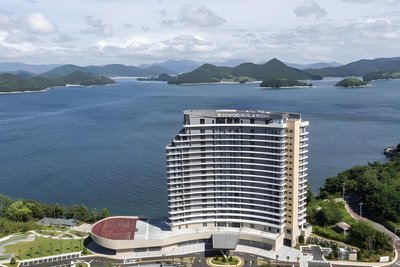
Stanford Hotel&Resort Tongyeong
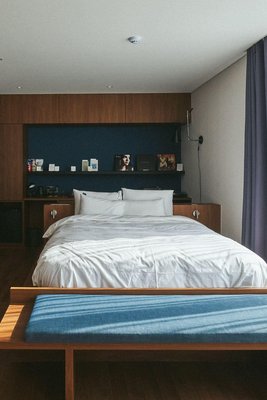
Good Ol' Days Hotel
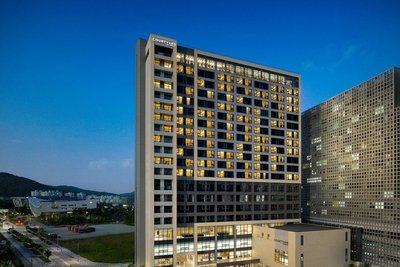
Courtyard Sejong
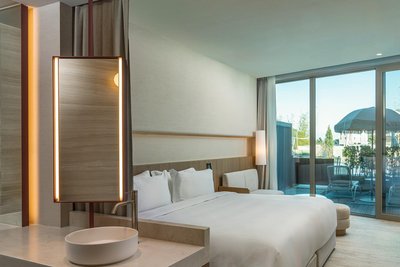
CORALLO
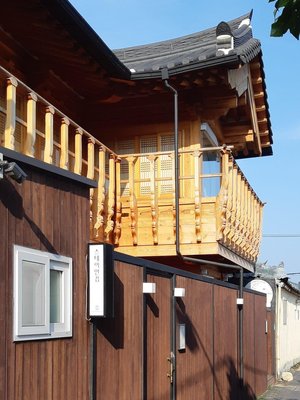
Gyeong-ju Stayangim
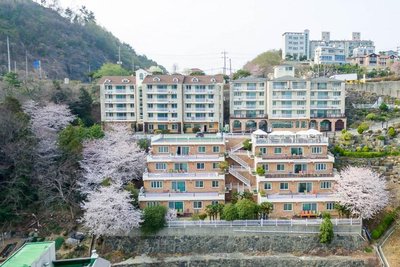
Home Fourest Resort Geoje
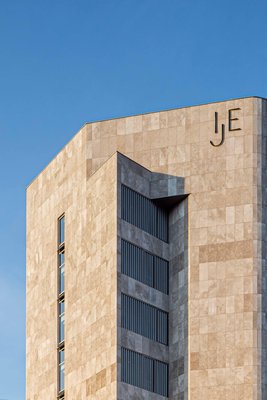
IJE BUSAN
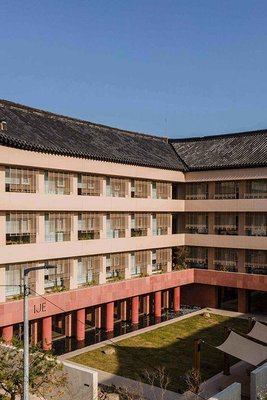
Ije Gyeongju

Tanibay Hotel
Sono Calm Vivaldi Park
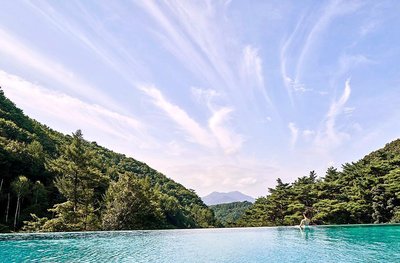
Restree and Forest Resom
Dominiclava Sokco
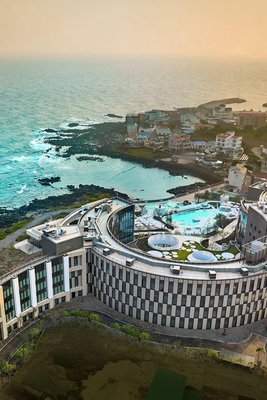
Shilla Stay Plus Iho Tewoo Ocean Front
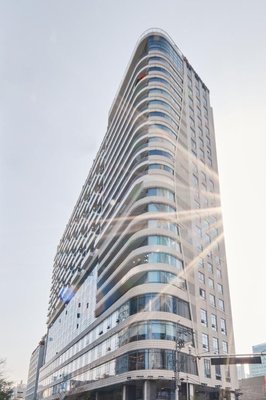
UH Flat Signature Daegu
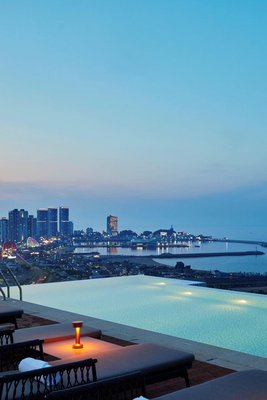
Homm Marina Sokcho
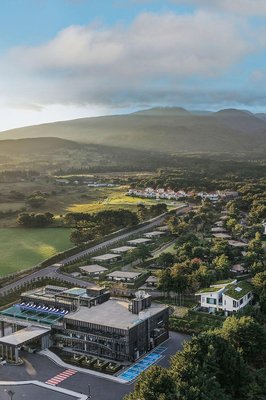
Amber Pure Hill Hotels & Resorts Jeju
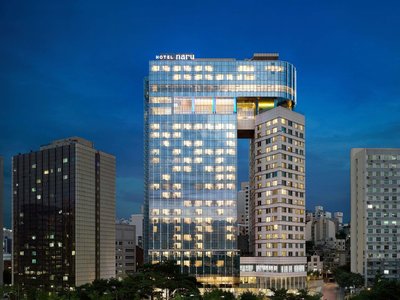
Hotel Naru Seoul - MGallery Collection
Stanford Hotel&Resort Tongyeong
JW Marriott Jeju Resort & Spa
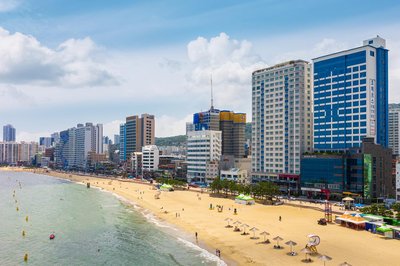
Homers Hotel
Shilla Stay Plus Iho Tewoo Ocean Front
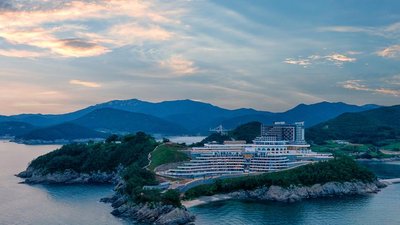
SOL BEACH NAMHAE
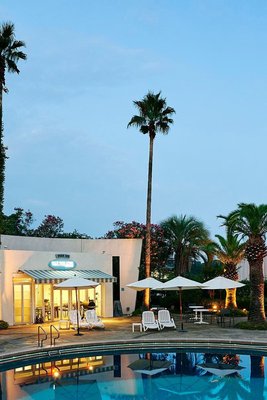
The Suites Hotel Jeju
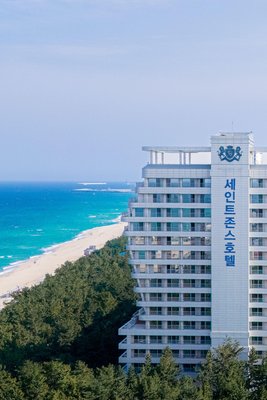
St. John's Hotel
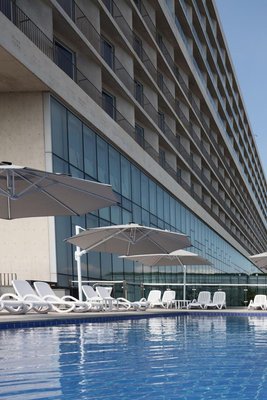
Nest Hotel Incheon
Conrad Seoul
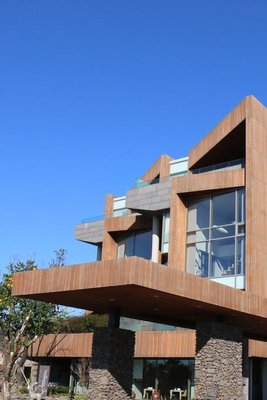
Bayhill Pool & Villa
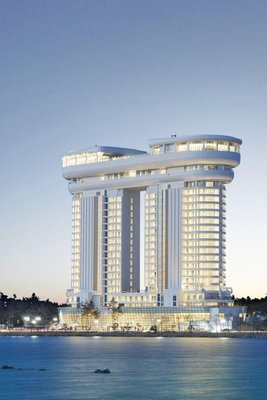
Skybay Hotel Gyeongpo
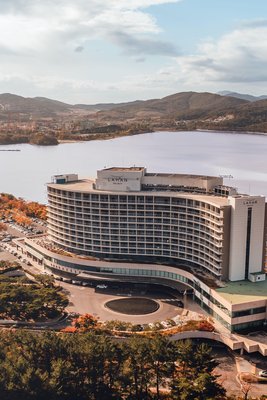
Lahan Select Gyeongju
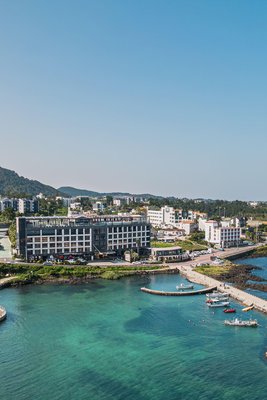
Dyne Ocenano Hotel
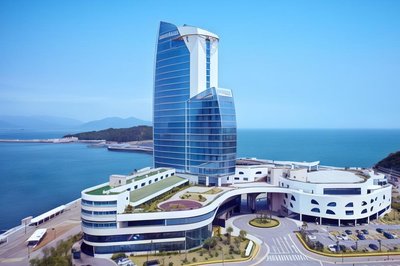
Sono Calm Yeosu
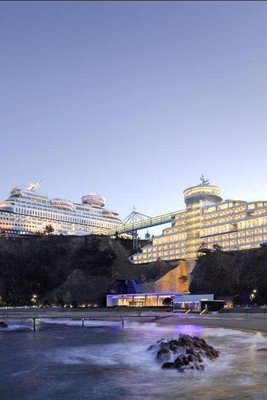
Sun Cruise Resort and Yacht
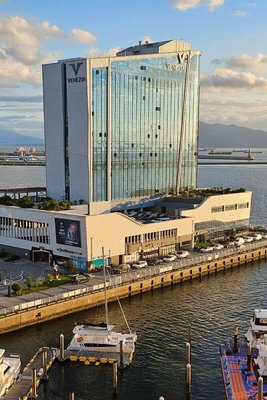
Yeosu Venezia Hotel & Suite
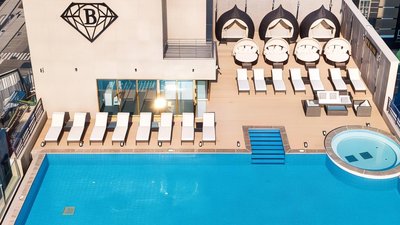
Baymond Hotel
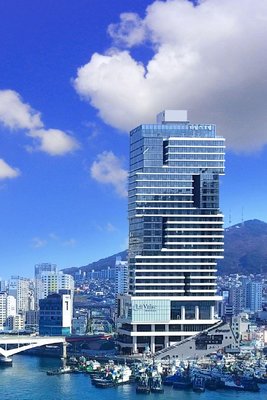
Lavalse Hotel
Amber Pure Hill Hotels & Resorts Jeju
JW Marriott Jeju Resort & Spa

INSPIRE Entertainment Resort
Conrad Seoul
Bayhill Pool & Villa
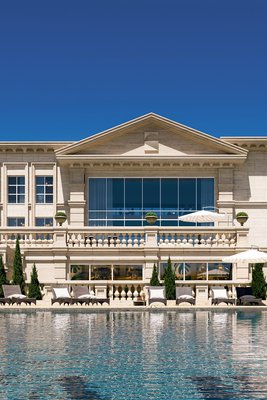
The Siena Primo (Original Tuscany Hotel)
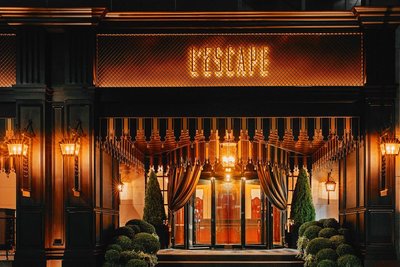
L'Escape Hotel
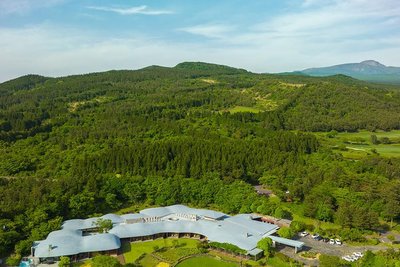
Podo Hotel
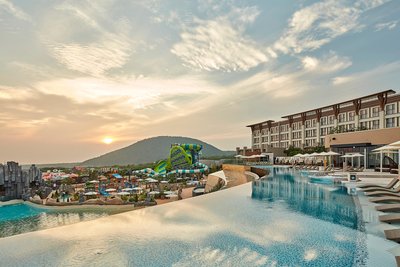
Shinhwa Jeju Shinhwa World Hotels & Resorts
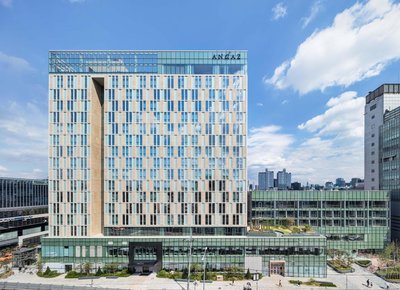
ANDAZ SEOUL GANGNAM, BY HYATT
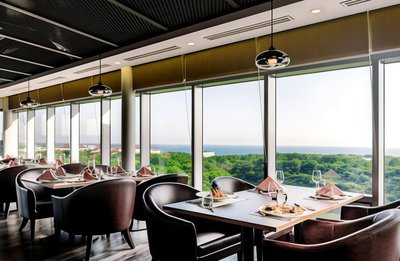
Hidden Cliff Hotel and Nature
Fairmont Ambassador Seoul
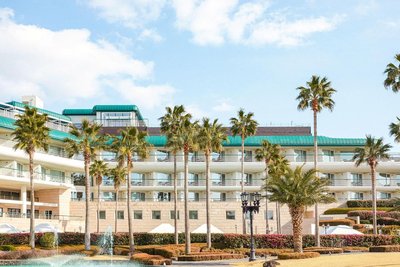
Grand Josun Jeju
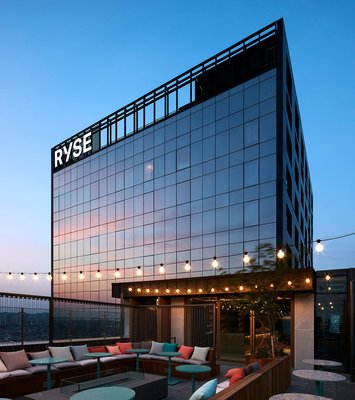
RYSE, Autograph Collection by Marriott
Josun Palace, a Luxury Collection Hotel, Seoul Gangnam
Anto (formerly: Parasara Seoul)
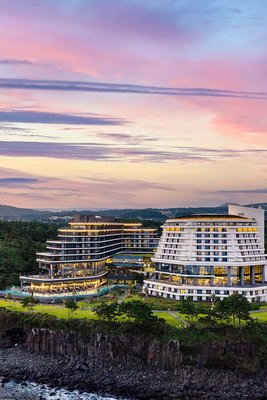
Parnas Hotel Jeju
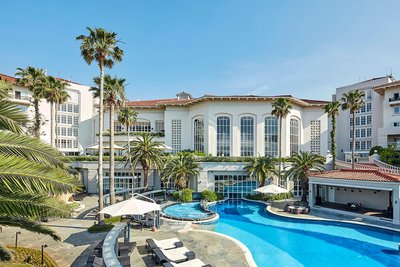
The Shilla Jeju
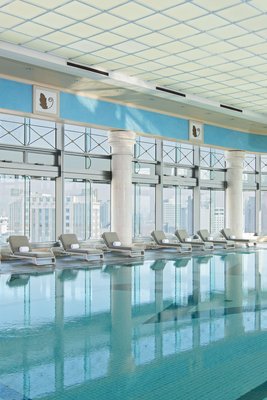
The Plaza Seoul, Autograph Collection
Banyan Tree Club & Spa Seoul
Amber Pure Hill Hotels & Resorts Jeju
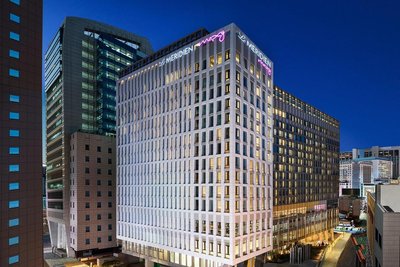
Le Méridien Seoul, Myeongdong
Hotel Naru Seoul - MGallery Collection
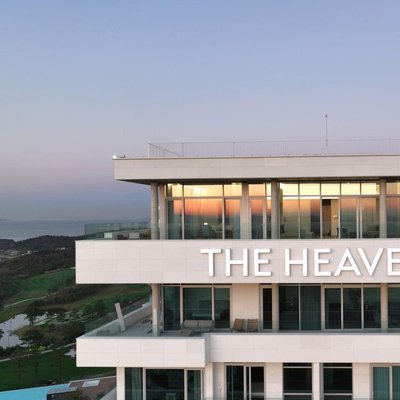
The Heaven Resort
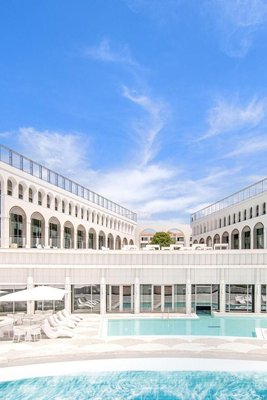
The Siena Resort
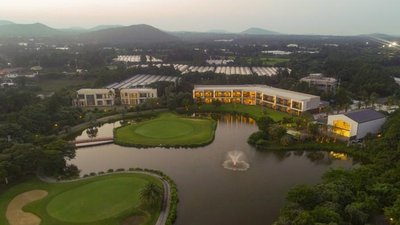
Kase Lodge
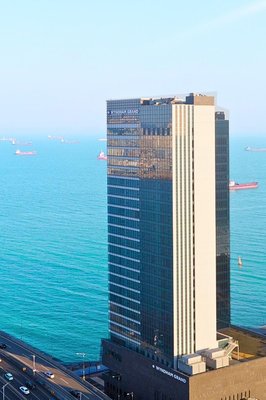
Wyndham Grand Busan Ijin
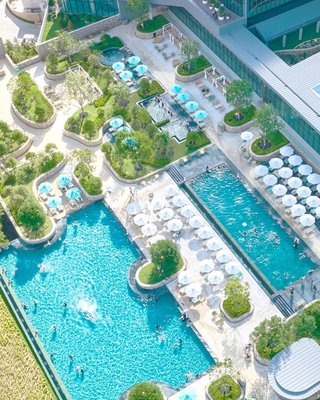
Ananti at Busan Village
INSPIRE Entertainment Resort
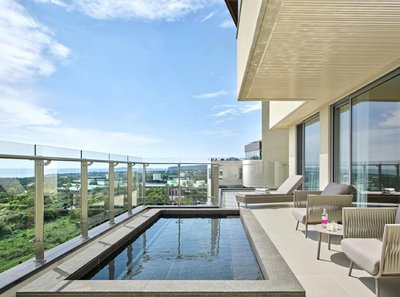
Grand Josun Hill Suite
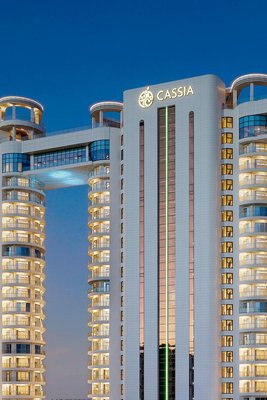
Cassia Sokcho
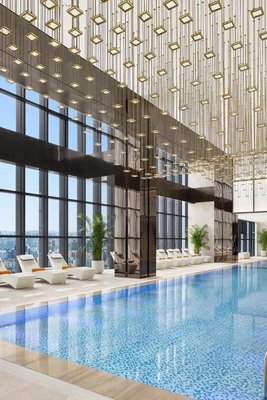
Pullman Ambassador Seoul Eastpole
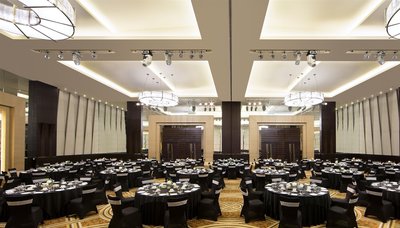
Sheraton Grand Incheon Hotel
St. John's Hotel
Nest Hotel Incheon
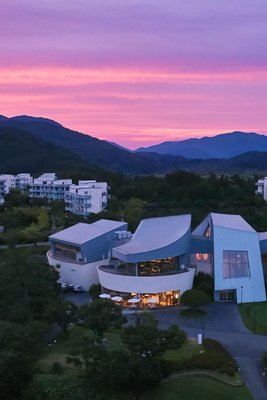
Ananti at Namhae
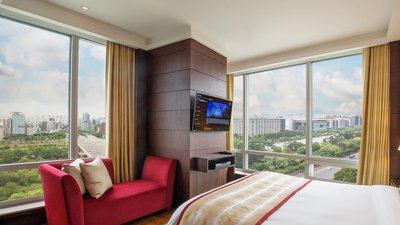
Yeouido Park Centre, Seoul - Marriott Executive Apartments
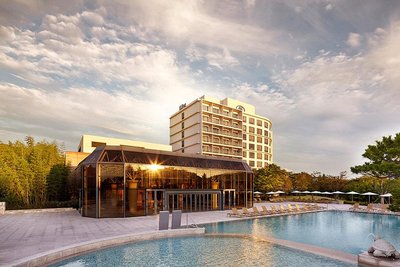
Hilton Gyeongju
Bayhill Pool & Villa
Skybay Hotel Gyeongpo
INSPIRE Entertainment Resort
L'Escape Hotel
Lavalse Hotel
Four Seasons Hotel Seoul
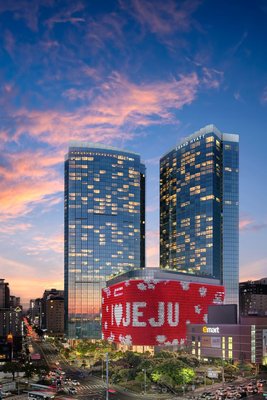
Grand Hyatt Jeju
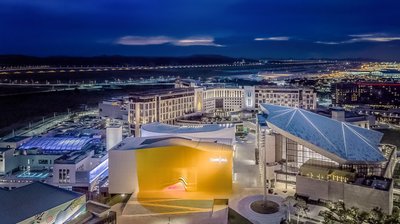
Paradise City
Josun Palace, a Luxury Collection Hotel, Seoul Gangnam

JW Marriott Dongdaemun Square Seoul
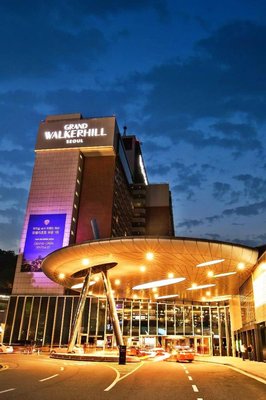
Grand Walkerhill Seoul
The Shilla Seoul

The Westin Josun Busan
Park Hyatt Busan
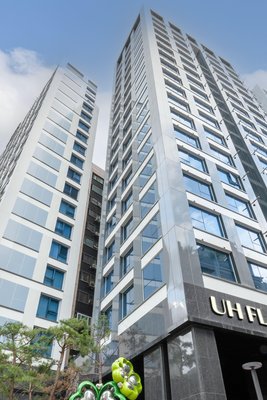
UH FLAT THE SEOCHO
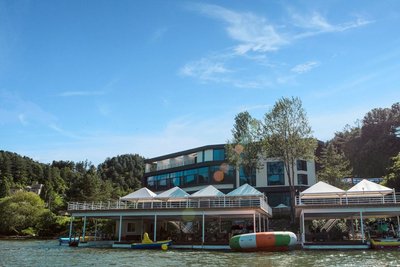
SS Resort
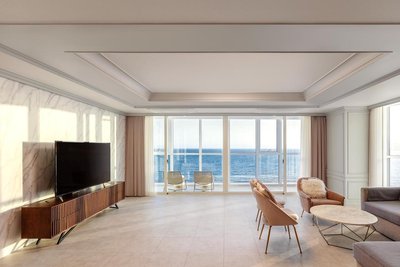
Palede cz Condor Busan
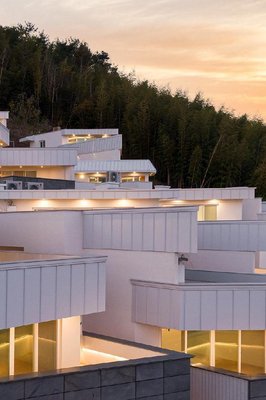
Ocean terra
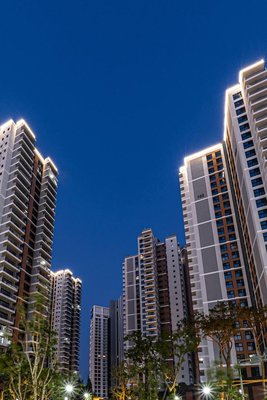
Le Collective Busan Gijang
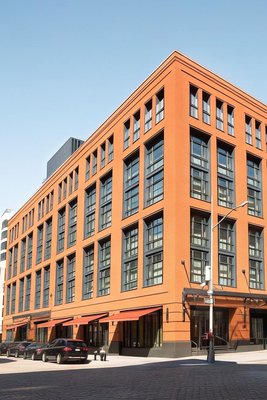
Hotel Barrière Fouquet's New York
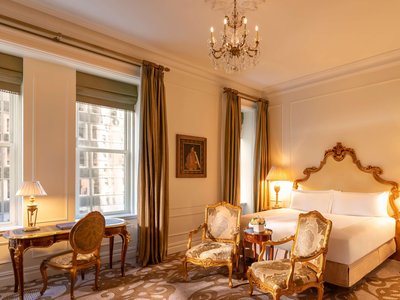
The Plaza - A Fairmont Managed Hotel
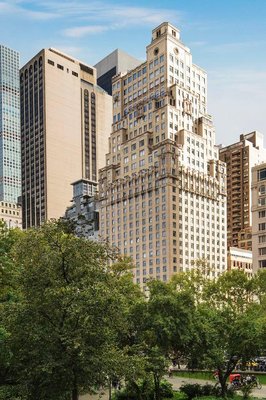
The Ritz-Carlton New York, Central Park
Four Seasons Hotel New York

The St. Regis New York
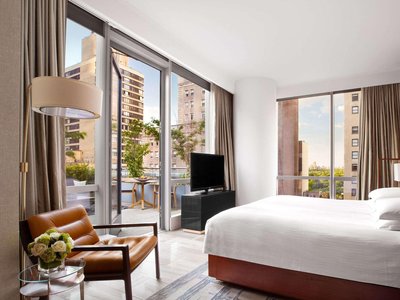
Park Hyatt New York
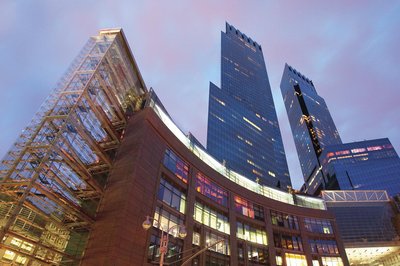
Mandarin Oriental New York
Times Square Edition New York

Loews Regency New York Hotel
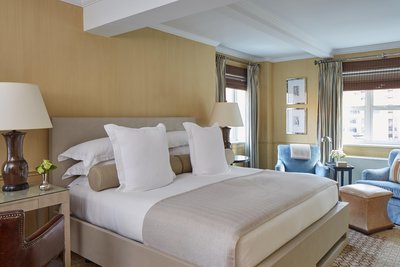
Lowell Hotel
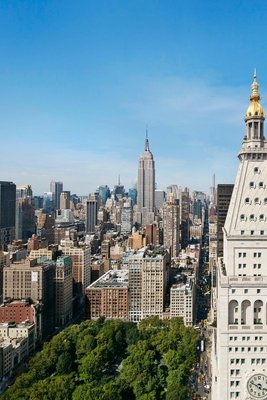
New York Edition
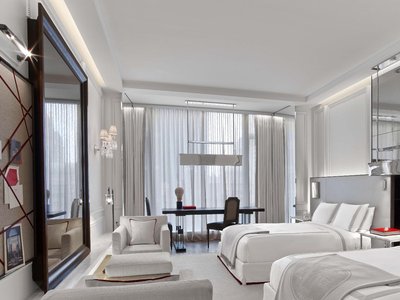
Baccarat Hotel New York

Equinox Hotel New York

Four Seasons Hotel New York Downtown
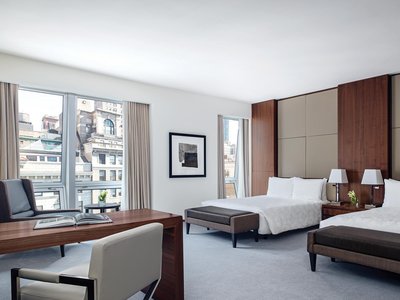
The Langham, New York, Fifth Avenue

The Carlyle, A Rosewood Hotel

The Chatwal, in the Unbound Collection by Hyatt

The Mark New York

Trump International Hotel & Tower® New York
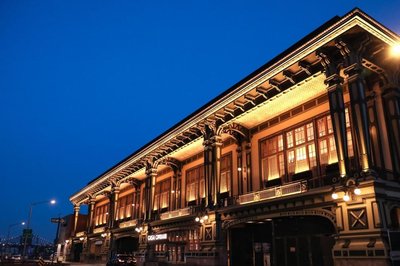
Casa Cipriani New York
Frequently Asked Questions about Traveling to Jinan
Questions You Might Need to Know About Traveling to Jinan
In Jeongam County, the top cultural homestay is Jeonju Folk Village Guesthouse, located within the Jeongam Folk Village. This traditional hanok-style accommodation offers immersive experiences like handmade Hanji paper-making and rice farming workshops using ancient tools. Each room features natural wood interiors and tatami mats, with views of surrounding rice fields and mountains.
Guests can enjoy authentic Jeonbuk-style meals—such as kimchi jeon, garae-tteok (rice cake), and baek-kimchijeon—prepared with locally grown ingredients. The village also hosts monthly storytelling nights led by elders, sharing tales of local legends like the "Mountain Guardian Spirit". Reservations are required, especially on weekends; HopeGoo ahead by 2 weeks is recommended. Most rooms accommodate up to 4 guests and include free access to the cultural center and garden.
The experience costs around ₩150,000 per person, including breakfast and a guided tour. It's ideal for travelers seeking deep cultural connection beyond standard tourism.
For families, Cheongsung-ri Ecotourism Zone is the premier destination in Jeongam County. This scenic area hosts several child-friendly lodges, including Green Valley Cabin and Mountain Whisper House, featuring fenced play areas, BBQ pits, and nature trails suitable for young explorers.
All accommodations are equipped with safety rails, spacious rooms (sleeping up to 6 people), and some offer open-plan kitchens. The zone includes the Jeongam Children’s Nature Education Center, which runs weekly programs such as insect discovery walks and leaf press art workshops, perfect for ages 5–12.
Families can enjoy sunrise hikes along the Jeongam Stream Trail, followed by evening stargazing sessions led by certified astronomers. These events teach constellations visible in Korea’s night sky and often include storytelling under the stars. HopeGoo should be done at least one week in advance, especially during school holidays. Facilities are wheelchair-accessible and provide baby beds upon request.
Visitors to Jeongam County can participate in two standout traditional craft experiences:
-
Hanji Paper Making: At the Jeongam Hanji Workshop inside the folk village, guests learn the 12-step process of crafting traditional Korean paper from mulberry bark. From steaming and pounding to drying and pressing, each step is hands-on, culminating in a personalized sheet you can take home.
-
Jeongam Pottery Firing: Near the Jeongam Kiln Ruins Park, the Local Clay Studio teaches pottery shaping using native clay. After forming your piece, it’s glazed and fired—completed in 10 days and shipped back or picked up locally.
Both activities emphasize intangible cultural heritage and support local artisans. Workshops run twice daily (10:00 AM & 2:00 PM), last about 2 hours, and cost ₩8,000 per person. Limited to 15 participants; wear aprons provided. Advance HopeGoo is required, especially on weekends.
Jeongam Onsen Resort is the leading luxury onsen hotel in Jeongam County, renowned for its natural hot springs sourced from volcanic rock aquifers over 300 meters deep. The water maintains a consistent 42°C and is rich in sulfur and minerals, known for skin rejuvenation and joint relief.
The resort blends Korean architectural elegance with modern comfort, offering private onsen villas and open-air pools. The Maple Outdoor Pool is especially breathtaking in autumn, reflecting fiery red leaves under moonlight. Guests can enjoy wellness packages including massage therapy, herbal compresses, and nutritional counseling.
Evenings feature nighttime onsen meditation sessions, guided by experienced practitioners using sound baths and breathwork. For optimal views, book a villa with a balcony overlooking the forest. Availability is high during weekdays; peak season (Oct–Nov) requires reservations 2 weeks in advance. Prices rise by 30% during holidays.
In Jeongam County, the most unique food experience is the Farm Kitchen One-Day Host Program at Jungang Farmstay. Guests become temporary "hosts," harvesting vegetables from organic gardens and preparing a full-course meal using local recipes.
Dishes include Jeongam spicy beef stew, wild mountain vegetable pancakes, and millet rice dumplings—all made with ingredients grown on-site or sourced from nearby farms. Dinner concludes with a bonfire storytelling session, where elders share regional folklore like the legend of the "Guardian Mountain Spirit."
This immersive experience includes lodging, all meals, and guided farm tours. It’s ideal for travelers wanting authentic culinary immersion. Groups of 4–6 people only; bookings must be made at least 3 days ahead. Cost: ₩25,000 per person, inclusive of dinner and breakfast. Some cabins feature open kitchens for hands-on cooking.
The best times to visit Jeongam County are spring (March–May) and autumn (September–November).
Spring brings blooming cherry blossoms and azaleas along the Jeongam Stream Trail and Cheongsung-ri, creating vibrant photo backdrops. Temperatures range from 15–22°C, ideal for hiking.
Autumn shines with spectacular foliage, especially along the mountain trail network, where maples and oaks turn crimson and gold. The annual Jeongam Red Leaf Festival (late October) features illuminated pathways, craft markets, and lion dances.
Avoid national holidays (e.g., Chuseok or National Day) due to overcrowding and price surges. For tranquility, visit mid-October or early November. Early mornings offer misty landscapes perfect for photography.
While Jeongam County lies in rural Jeonbuk Province, access has improved significantly. Travelers can reach Jeongam Station via KTX high-speed rail from Gwangju, taking about 1 hour. From there, transfer to county buses or book a shuttle service to key sites.
Major attractions—including Jeongam Folk Village, Cheongsung-ri Ecotourism Zone, and Jeongam Onsen Resort—are served by regular bus routes every 30–60 minutes, costing ₩2,000 per ride. For self-drive travelers, use National Route 1 then switch to Provincial Road 34, with clear signage throughout.
Use KakaoMap for real-time transit updates and route planning. Many guesthouses offer free pickup services—just confirm availability when HopeGoo. Consider purchasing a KORAIL Pass for cost-effective rail travel across the region.
Photography enthusiasts should visit:
-
Jeongam Stream Mist Trail: Capture ethereal morning fog rising above wooden bridges and flowing streams—ideal for long-exposure shots. Best light between 6–8 AM.
-
Cheongsung-ri Sunset Vista: Located atop the highest hill, this spot offers panoramic views of golden sunsets filtering through rolling hills and rooftops. Perfect for wide-angle landscape photography.
-
Folk Village Lantern Lane: At night, handcrafted paper lanterns illuminate narrow alleys, creating warm, soft lighting ideal for portrait and still-life compositions.
-
Forest Pathway in Autumn: Lush fall colors create a carpet of red and orange leaves. Use a tripod for low-light shots and polarizing filters to reduce glare.
Bring a wide-angle lens, tripod, and extra batteries. Visit early morning or late afternoon for the most dramatic lighting. Avoid midday sun for best results.
In Jeongam County, visitors can engage in meaningful spiritual experiences at:
-
Jeongam Temple: A historic Buddhist site dating back to the Silla Dynasty. Daily morning chanting ceremonies begin at 6:30 AM, open to guests. You can join a Zen meditation session or observe rituals like the Buddha’s Birthday ceremony (April 8).
-
Jeongam Mountain God Shrine: Hosts the Mountain God Festival on Lunar New Year’s 15th day. Locals carry a sacred shrine through villages in a procession accompanied by drumming and dance, symbolizing protection and prosperity.
-
Spiritual Retreats: The temple offers one-day mindfulness retreats, including sitting meditation, calligraphy practice, and tea ceremony, led by senior monks. Participants receive a personal blessing scroll.
Wear modest clothing and remain quiet during ceremonies. Reservations required—book at least 3 days in advance. Participation fee: ₩15,000 per person, includes lunch and materials.
For solo travelers seeking peace, Mountain Whisper Solo Cabin in Cheongsung-ri Ecotourism Zone is unmatched. Nestled deep in the forest, it features six secluded wooden cabins, each with floor-to-ceiling windows, a fireplace, and a private balcony overlooking a stream.
No TVs, Wi-Fi, or mobile signals—designed for digital detox and introspection. Staff deliver handwritten notes and hot drinks daily. Evening programs include star gazing, forest meditation, and guided journaling sessions led by mental wellness experts.
Each cabin sleeps one or two guests and includes a kitchenette and bathroom. Ideal for writers, artists, or those seeking solitude. Book at least one week ahead; off-season rates start at ₩80,000 per night (excluding meals). No children allowed. Quiet hours enforced from 10 PM to 7 AM.
Jinan Overview
City Summary
Jeon-an County, located in Jeollabuk-do, South Korea, is a region rich in natural resources and traditional culture. Known as the birthplace of the Mahan culture, it is also a popular destination for eco-tourism. The county's mountain landscapes and clear streams attract visitors seeking tranquility and natural beauty.
Must-See Attractions
Must-see attractions in Jeon-an County include the Mahan Cultural Site and Jeon-an Metasequoia Forest, one of the largest metasequoia forests in Korea, offering stunning views in every season. Part of Jirisan National Park is also located here, ideal for hiking enthusiasts. For cultural experiences, visit traditional Hanok villages to enjoy rural serenity.
Food Guide
The local cuisine is influenced by mountainous terrain, featuring wild herb dishes and mushroom soup. The area is also famous for Hanwoo beef, especially grilled or in hot pots. Street food includes potato pancakes and buckwheat noodles, showcasing local agricultural abundance.
Transportation Guide
Public transport in Jeon-an County mainly relies on buses, with direct routes from Jeonju or Gwangju. Within the county, options are limited; renting a car or using taxis is recommended for reaching remote areas. Mountain roads require cautious driving. The nearest train station is farther away, often requiring a bus transfer to major sites.
Best Time to Visit
The best times to visit are spring (April-May) and autumn (September-October), when the weather is mild, and mountain and forest scenery are at their peak. Summers are humid, while winters are cold with possible snowfall, appealing to snowscape lovers.
Travel Tips
- Mountain temperatures vary; pack warm layers.
- Wear comfortable shoes for hiking at some sites.
- Respect local customs; keep quiet in traditional villages.
- Cellular signals may be weak in mountains; download maps offline.
- Cash is more useful in rural areas; carry sufficient KRW.
- Practice eco-friendly tourism by taking trash with you.
Useful Information
English proficiency is low in Jeon-an; learn basic Korean or use translation apps. Network coverage is decent but may falter in mountains. Cash is preferred, though some places accept cards. For emergencies, dial 112 (police) or 119 (ambulance). Pharmacies are available downtown, but bring specialty medications if needed.
Other Cities You Might Like
Explore more amazing destinations