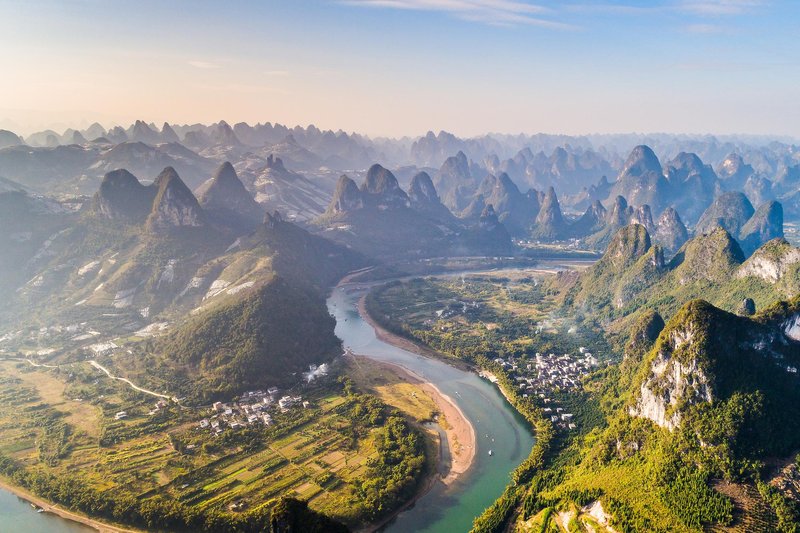
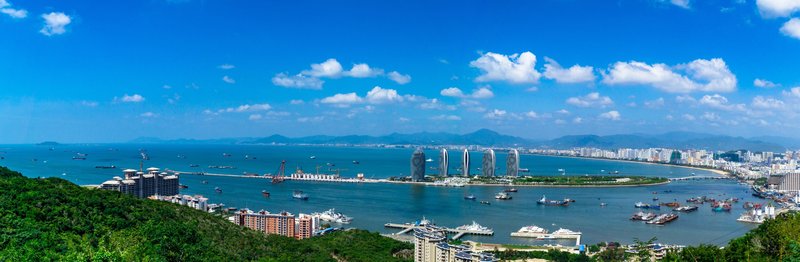
Hotels in Jincheon
Discover your perfect stay in Jincheon.
Jincheon(South Korea) Travel 2026: Cheap Flights, Hotels & Top Attractions
Popular Landmarks in Jincheon
Discover the most iconic attractions in Jincheon
Recommended Hotels in Jincheon
Find the perfect place to stay in Jincheon
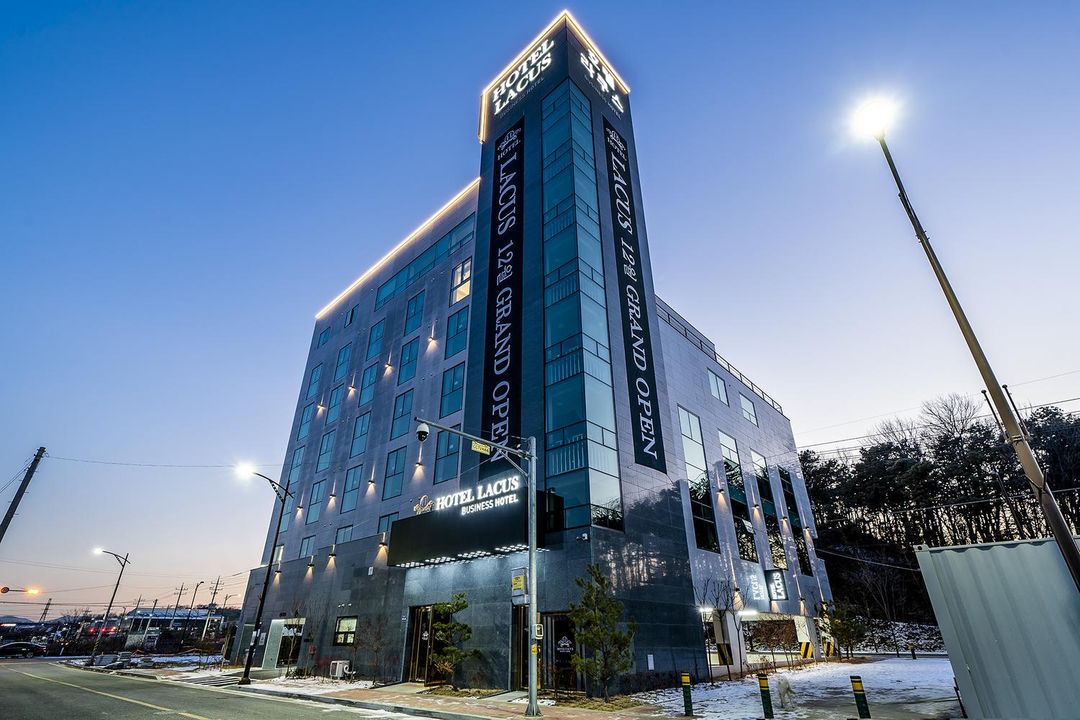
Jincheon Hotel Lacus
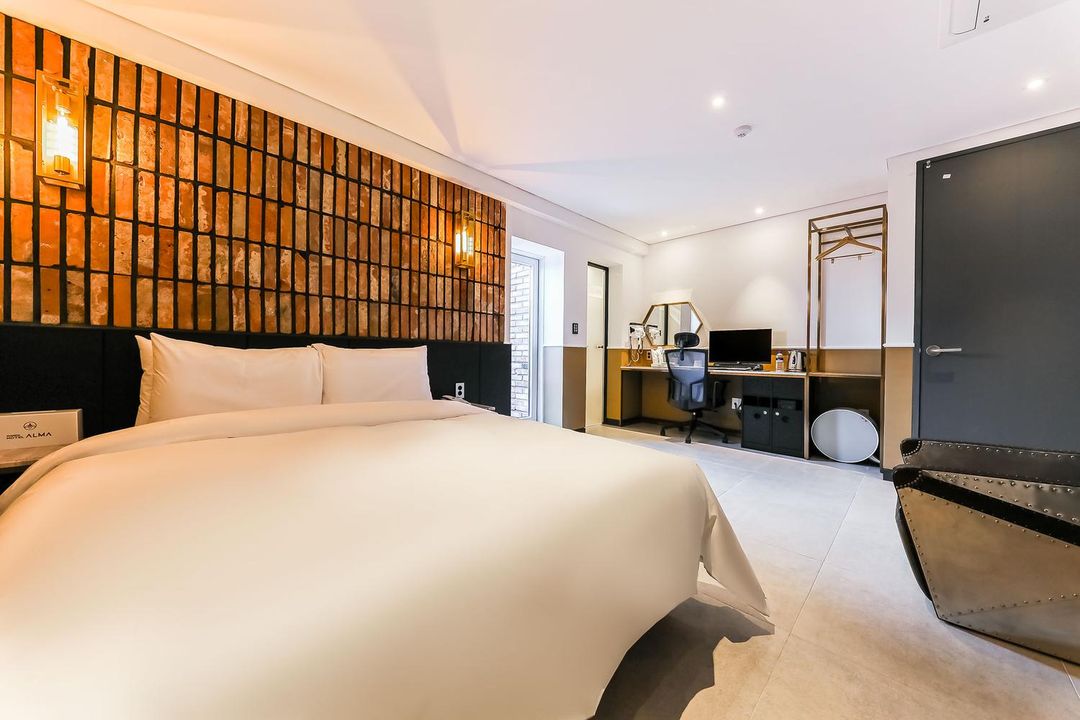
Alma Business Hotel
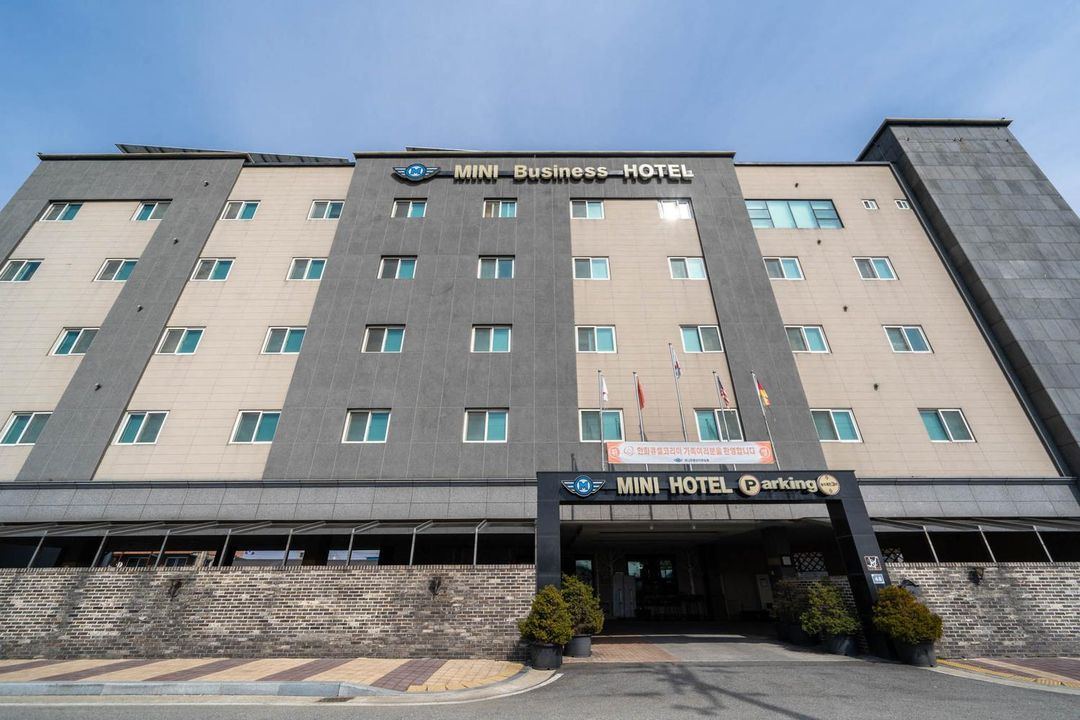
JinCheon Mini Business Hotel
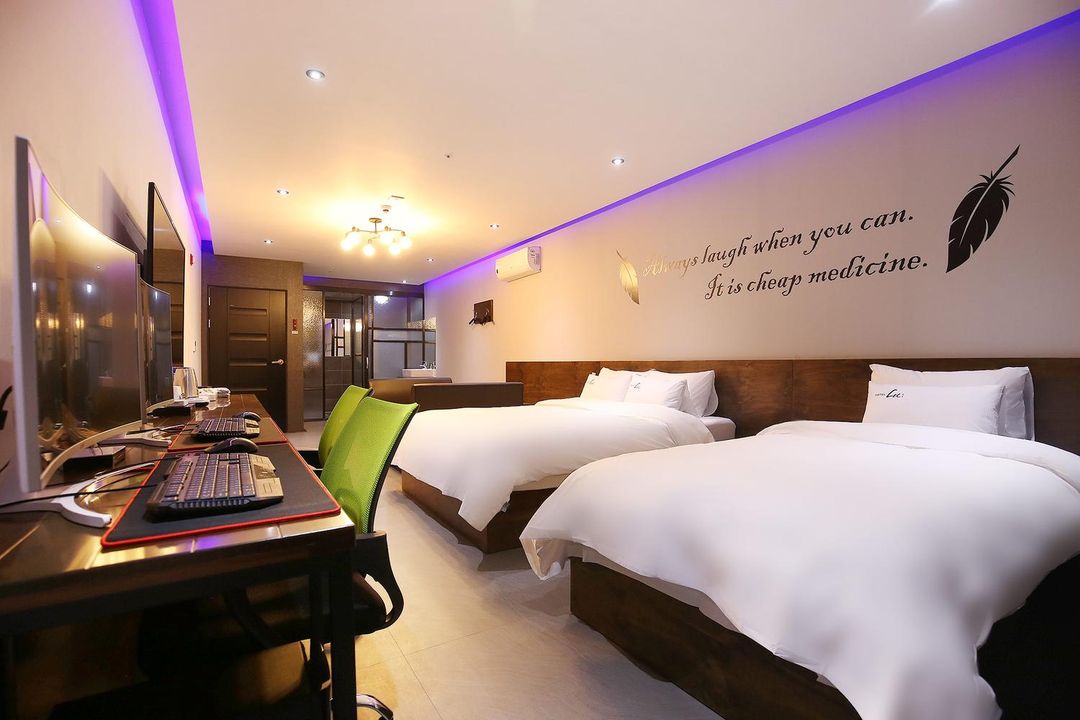
Jincheon Lou Hotel
Best Hotels in Jincheon
Discover curated hotel collections in Jincheon
Hotel Barrière Fouquet's New York
The Plaza - A Fairmont Managed Hotel
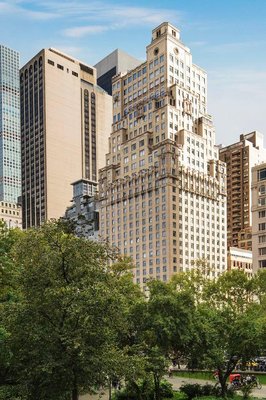
The Ritz-Carlton New York, Central Park
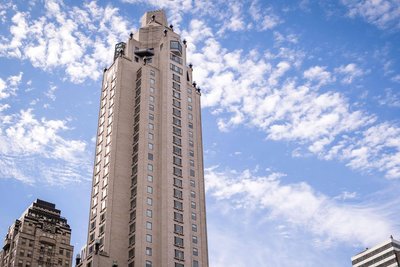
Four Seasons Hotel New York

The St. Regis New York
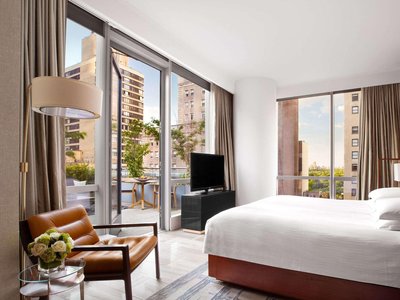
Park Hyatt New York
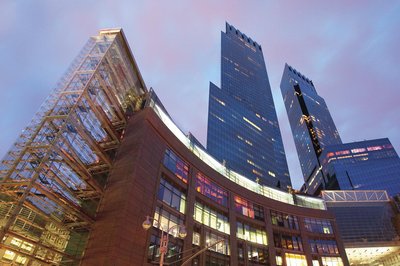
Mandarin Oriental New York

Times Square Edition New York

Loews Regency New York Hotel

Lowell Hotel
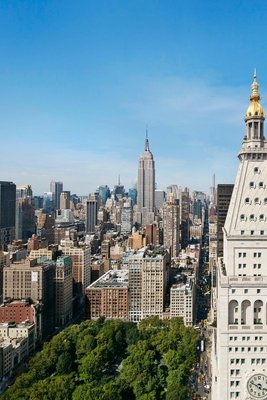
New York Edition
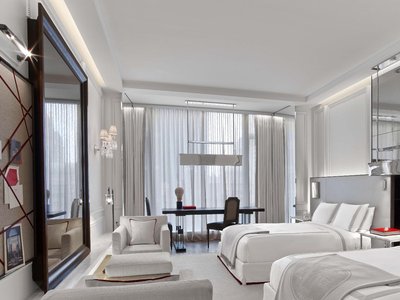
Baccarat Hotel New York

Equinox Hotel New York
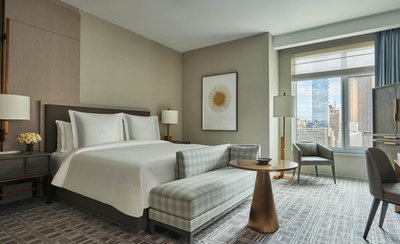
Four Seasons Hotel New York Downtown
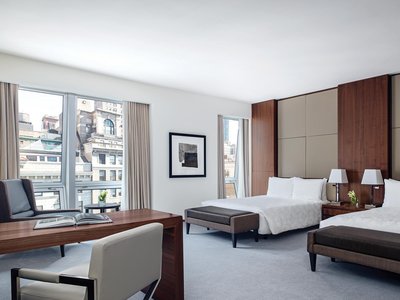
The Langham, New York, Fifth Avenue

The Carlyle, A Rosewood Hotel

The Chatwal, in the Unbound Collection by Hyatt

The Mark New York

Trump International Hotel & Tower® New York
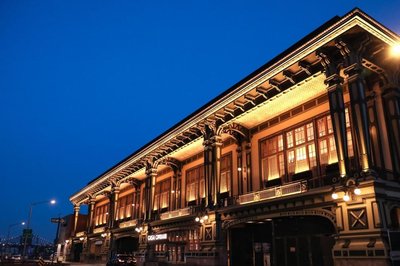
Casa Cipriani New York
Frequently Asked Questions about Traveling to Jincheon
Questions You Might Need to Know About Traveling to Jincheon
In Jincheon County, the top family-friendly option is Jincheon Hot Spring Resort, a resort-style hotel nestled beside the Dagok Stream and near Baekyak Mountain. It features private onsen baths, spacious family rooms with traditional Korean design, and dedicated kids' activity zones. Families can enjoy hands-on experiences like rice wine brewing workshops and organic farming tours at nearby farms. The hotel also organizes daily cultural programs such as traditional mask dance performances and Korean storytelling sessions. With easy access to Jincheon Folk Museum and scenic hiking trails, it offers a perfect blend of relaxation and authentic local immersion for travelers of all ages.
The best area for accommodation in Jincheon County is Jincheon-eup town center, located close to key attractions like Jincheon Folk Museum and Dagok Stream Nature Trail. This region hosts a cluster of boutique guesthouses and cultural lodges, including Seobong Hanok Guesthouse, which preserves original Korean wooden architecture with modern amenities. Guests enjoy peaceful evenings surrounded by nature and convenient daytime access to outdoor adventures such as Baekyak Mountain hiking or visiting seasonal craft markets. Local cuisine highlights include Jincheon rice cakes and mountain vegetable stew, offering an authentic taste of Chungcheongbuk-do’s culinary heritage right from the doorstep.
For an authentic cultural experience, book a stay at Jincheon Hanok Village Cultural Hostel, located within the historic Jincheon Old Town district. This preserved hanok complex features traditional layouts, inner courtyards, and natural materials like wood and paper screens. Guests can participate in daily activities such as tea ceremony demonstrations, hanji (Korean paper) making, and Hanbok dressing sessions guided by local artisans. The hostel hosts monthly village festivals featuring folk music, storytelling, and regional dances. Meals are prepared using farm-to-table ingredients sourced from local cooperatives, emphasizing sustainability and tradition. This immersive environment offers deep insight into rural life in Chungcheongbuk-do.
One unique experience is staying at Baekeak Mountain Starlight Hanok, a secluded cabin perched on the slopes of Baekyak Mountain. Designed for stargazers, this eco-lodge features a large observatory dome and a panoramic rooftop deck free from light pollution. Visitors can witness breathtaking views of the Milky Way, especially during the annual Perseid meteor shower in August. Inside, the cabin blends traditional craftsmanship with modern comfort—featuring a heated floor, handmade furniture, and a private fireplace. Guests receive personalized night sky maps and guided astronomy talks. The lodge also arranges forest meditation walks and wild berry foraging tours, creating a serene, soulful retreat away from urban noise.
Yes, many hotels in Jincheon County provide curated cultural experiences. For example, Jincheon Spa Culture House offers daily programs such as pottery workshops, traditional tea ceremonies, and farm-to-table cooking classes using locally grown ingredients. Some properties collaborate with master artisans to host limited-edition Chungcheongbuk-do handwoven textile workshops, where guests create their own fabric pieces with regional patterns. Special events include nighttime village walks and folk tale storytelling nights led by elders. All activities are designed by local cultural experts, ensuring authenticity and educational value while fostering meaningful connections with the community.
Couples should consider Dagok Stream Love Cabin, a secluded glass-walled retreat overlooking the tranquil Dagok Stream. The cabin features a private hot tub, floor-to-ceiling windows framing ever-changing river views, and a cozy interior with warm lighting and soft textiles. Evening packages include candlelit dinners, romantic poetry readings, and starlight projection shows synchronized with ambient music. The hotel provides couple's hiking routes along the Jincheon Greenway, perfect for enjoying spring blossoms and autumn foliage together. Private guided sessions in meditation and mindfulness enhance emotional connection. Ideal for those seeking intimacy, beauty, and quiet romance in nature.
Hotels in Jincheon County prioritize harmony with nature. Baekyak Mountain Eco-Lodges use locally sourced timber and thatch roofing, blending seamlessly into the mountain landscape. Buildings are oriented to maximize natural light and cross-ventilation, reducing energy needs. Each cabin includes a native plant garden and rainwater harvesting systems. Waste is managed through composting, and meals feature zero-waste practices using seasonal produce from on-site organic farms. Guests receive eco-guides detailing local flora and fauna, encouraging responsible exploration. These sustainable designs reflect Jincheon’s commitment to eco-tourism and environmental stewardship.
Photographers will love Jincheon Morning Mist Pavilion, a glass-fronted guesthouse built along the Dagok Stream. Its transparent walls create stunning reflections in morning mist, turning the structure into a living frame for nature photography. Rooms come equipped with adjustable lighting and professional tripod mounts. The hotel offers guided seasonal photo tours: cherry blossom reflections in spring, vibrant maple hues in autumn, and frost-covered landscapes in winter. Expert photographers conduct workshops on composition, lighting, and capturing wildlife. The rooftop platform is ideal for astrophotography, especially during meteor showers. Every element—from design to programming—is crafted to inspire creative expression.
Yes, several hotels in Jincheon County offer fully accessible facilities. Jincheon Cultural Center Inn features wheelchair-accessible entrances, wide hallways, non-slip flooring, and adapted bathrooms with emergency call systems. The hotel provides accessible shuttle services to major sites like Jincheon Folk Museum and Dagok Stream Trail. Staff are trained in disability awareness and assist guests in participating in cultural activities such as paper-making and tea ceremonies. Menus clearly label allergens and dietary options, ensuring safe dining. These inclusive features make Jincheon County welcoming for travelers with diverse mobility and accessibility needs.
Accommodations in Jincheon County deepen historical understanding through immersive storytelling. At Jincheon Ancient Town Memory House, each room features reconstructed elements from old city walls, paired with audio guides recounting the county’s role as a strategic fortress during the Joseon Dynasty. Guests can join archival restoration workshops or hand-copying ancient manuscripts from 19th-century local records. Monthly History Nights hosted with scholars from the Chungcheongbuk-do Historical Society explore topics like regional governance and wartime heritage. By combining physical space with interactive learning, these lodgings transform history into tangible, memorable experiences.
Jincheon Overview
City Summary
Jincheon County is located in Chungcheongbuk-do, South Korea, a tranquil town that blends traditional culture with natural scenery. Known for its clean environment and agricultural products, especially apples and garlic, Jincheon County boasts rich historical sites such as ancient temples and traditional Hanok villages, making it an ideal escape from urban hustle.
Must-See Attractions
The main attractions in Jincheon County include the Jincheon Traditional Hanok Village, where visitors can experience traditional Korean architecture and lifestyle. Yongmunsa Temple, a historic Buddhist temple surrounded by dense forests, offers a serene setting for meditation. Additionally, the Jincheon Apple Farms provide hands-on apple-picking experiences, popular among family tourists.
Food Guide
Jincheon County's street food highlights local produce, with must-try dishes like Jincheon apple pie and garlic grilled meat. The traditional markets offer fresh agricultural products and handmade Korean snacks such as spicy rice cakes and Korean pancakes. The local cuisine emphasizes health and natural ingredients, with many restaurants using locally sourced produce.
Transportation Guide
Public transportation in Jincheon County primarily relies on buses, with connections from major cities like Cheongju or Chungju. For getting around, taxis or car rentals are recommended due to the scattered distribution of attractions. There is no subway system, but the bus network covers major sites with frequent schedules. Tourists are advised to check bus timetables in advance to avoid delays.
Best Time to Visit
The best time to visit is autumn (September to November), when the weather is cool and ideal for outdoor activities, coinciding with the apple harvest season. Spring (March to May) is also pleasant, with cherry blossoms in full bloom. Summers can be hot, while winters are cold with fewer tourists.
Travel Tips
- Respect local culture: Remove shoes and maintain silence when entering temples.
- Cash payments: Some small vendors may not accept credit cards, so carry sufficient cash.
- Comfortable attire: Wear lightweight walking shoes as most attractions are nature-based.
- Language basics: Learning basic Korean greetings can help with local interactions.
- Eco-consciousness: Jincheon values environmental protection; avoid littering.
- Seasonal events: Check for local festivals like the Apple Festival to enhance your trip.
Useful Information
Language: The primary language is Korean, with limited English proficiency; a translation app is helpful. Internet: Free Wi-Fi is available in urban areas, but signals may be weak in rural spots. Payments: Credit cards are accepted at larger establishments, but cash is preferred in small shops and markets. Emergency care: Jincheon has small medical clinics; serious cases should go to major hospitals in Cheongju or Seoul. Voltage: South Korea uses 220V with two-round-pin plugs; bring a converter if needed.
Other Cities You Might Like
Explore more amazing destinations