Hotels in Jincheon
Discover your perfect stay in Jincheon.
Jincheon(South Korea) Travel 2026: Cheap Flights, Hotels & Top Attractions
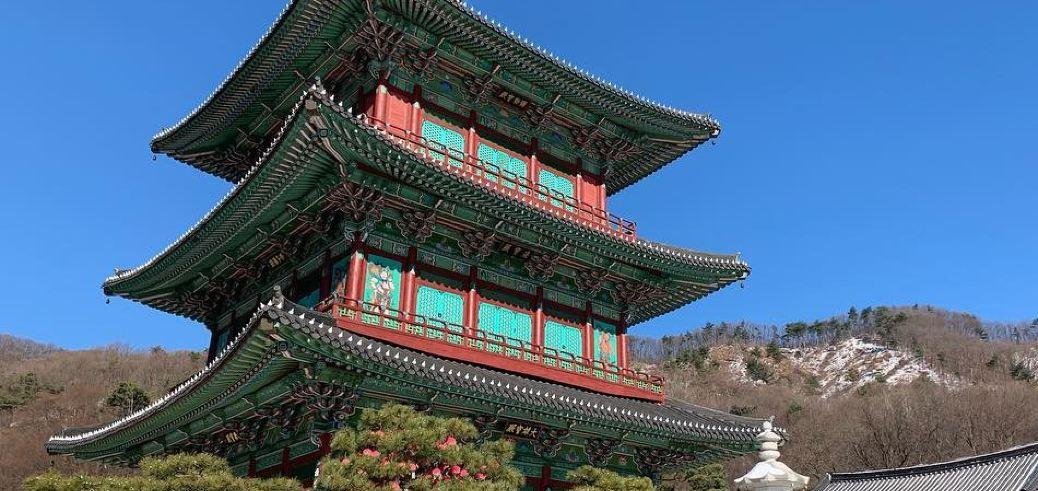
Popular Landmarks in Jincheon
Discover the most iconic attractions in Jincheon
Recommended Hotels in Jincheon
Find the perfect place to stay in Jincheon
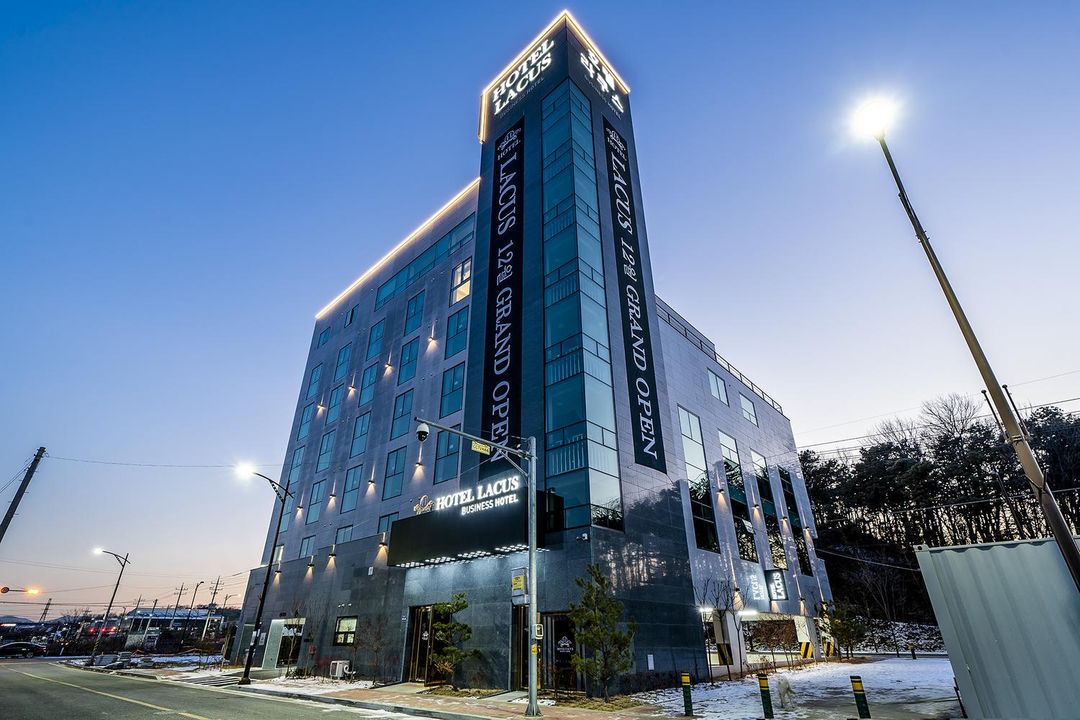
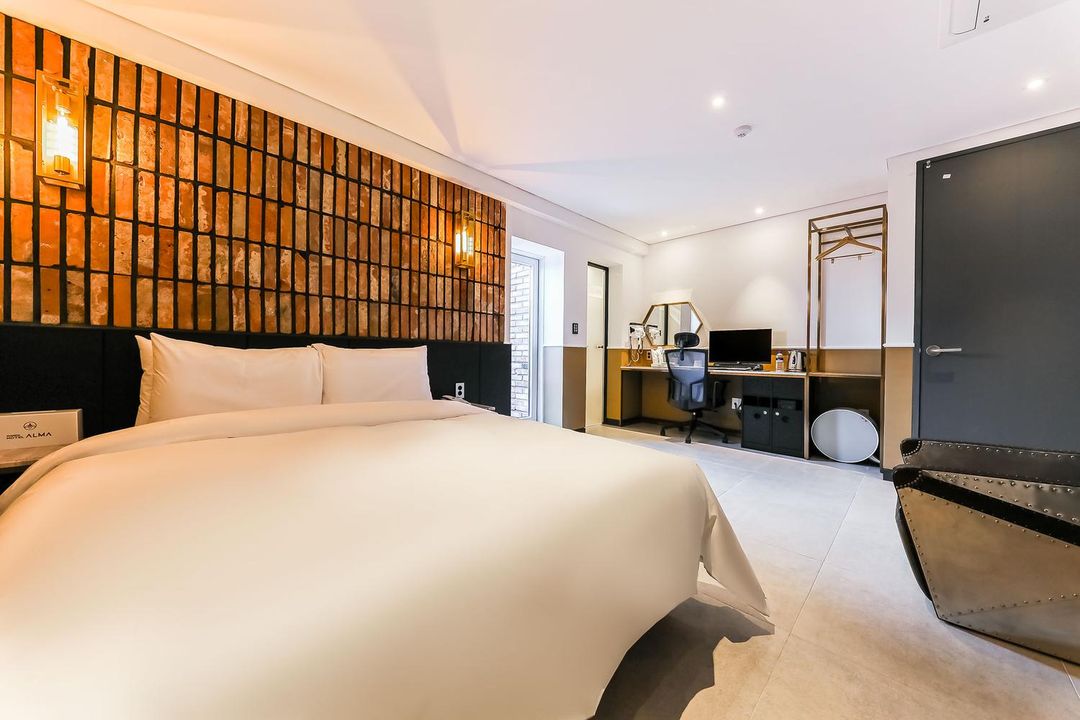
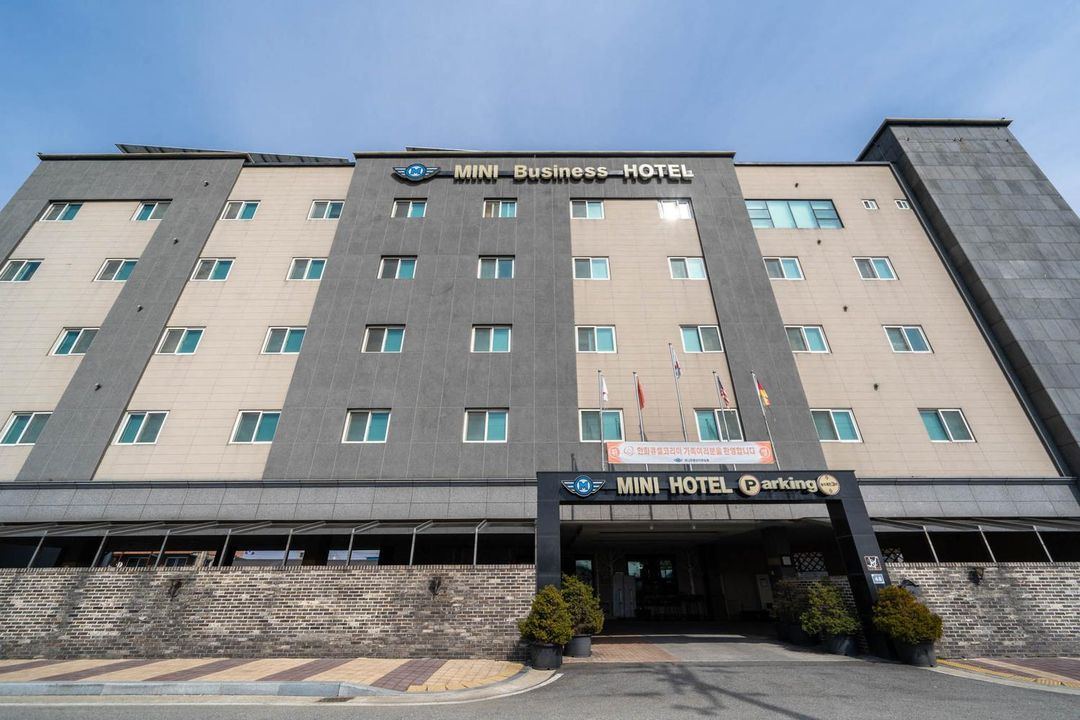
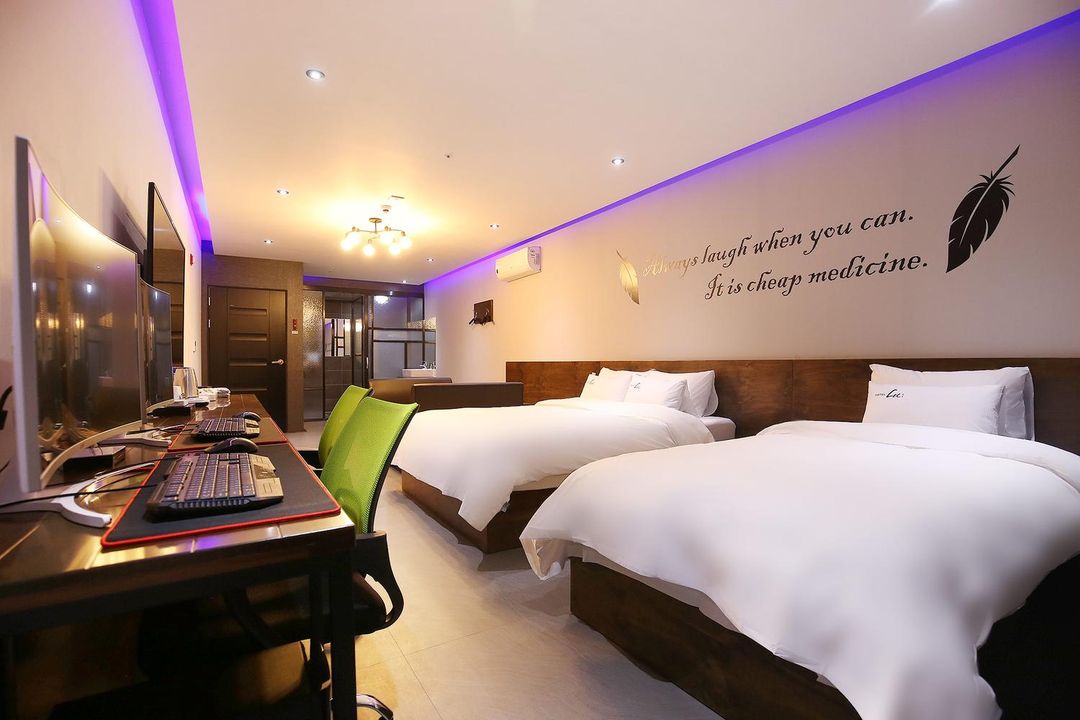
Best Hotels in Jincheon
Discover curated hotel collections in Jincheon










Frequently Asked Questions about Traveling to Jincheon
Questions You Might Need to Know About Traveling to Jincheon
Jincheon Overview
City Summary
Jincheon County is located in Chungcheongbuk-do, South Korea, a tranquil town that blends traditional culture with natural scenery. Known for its clean environment and agricultural products, especially apples and garlic, Jincheon County boasts rich historical sites such as ancient temples and traditional Hanok villages, making it an ideal escape from urban hustle.
Must-See Attractions
The main attractions in Jincheon County include the Jincheon Traditional Hanok Village, where visitors can experience traditional Korean architecture and lifestyle. Yongmunsa Temple, a historic Buddhist temple surrounded by dense forests, offers a serene setting for meditation. Additionally, the Jincheon Apple Farms provide hands-on apple-picking experiences, popular among family tourists.
Food Guide
Jincheon County's street food highlights local produce, with must-try dishes like Jincheon apple pie and garlic grilled meat. The traditional markets offer fresh agricultural products and handmade Korean snacks such as spicy rice cakes and Korean pancakes. The local cuisine emphasizes health and natural ingredients, with many restaurants using locally sourced produce.
Transportation Guide
Public transportation in Jincheon County primarily relies on buses, with connections from major cities like Cheongju or Chungju. For getting around, taxis or car rentals are recommended due to the scattered distribution of attractions. There is no subway system, but the bus network covers major sites with frequent schedules. Tourists are advised to check bus timetables in advance to avoid delays.
Best Time to Visit
The best time to visit is autumn (September to November), when the weather is cool and ideal for outdoor activities, coinciding with the apple harvest season. Spring (March to May) is also pleasant, with cherry blossoms in full bloom. Summers can be hot, while winters are cold with fewer tourists.
Travel Tips
- Respect local culture: Remove shoes and maintain silence when entering temples.
- Cash payments: Some small vendors may not accept credit cards, so carry sufficient cash.
- Comfortable attire: Wear lightweight walking shoes as most attractions are nature-based.
- Language basics: Learning basic Korean greetings can help with local interactions.
- Eco-consciousness: Jincheon values environmental protection; avoid littering.
- Seasonal events: Check for local festivals like the Apple Festival to enhance your trip.
Useful Information
Language: The primary language is Korean, with limited English proficiency; a translation app is helpful. Internet: Free Wi-Fi is available in urban areas, but signals may be weak in rural spots. Payments: Credit cards are accepted at larger establishments, but cash is preferred in small shops and markets. Emergency care: Jincheon has small medical clinics; serious cases should go to major hospitals in Cheongju or Seoul. Voltage: South Korea uses 220V with two-round-pin plugs; bring a converter if needed.
Other Cities You Might Like
Explore more amazing destinations