Hotels in Karekare
Discover your perfect stay in Karekare.
Karekare(New Zealand) Travel 2026: Cheap Flights, Hotels & Top Attractions
Popular Landmarks in Karekare
Discover the most iconic attractions in Karekare
Recommended Hotels in Karekare
Find the perfect place to stay in Karekare
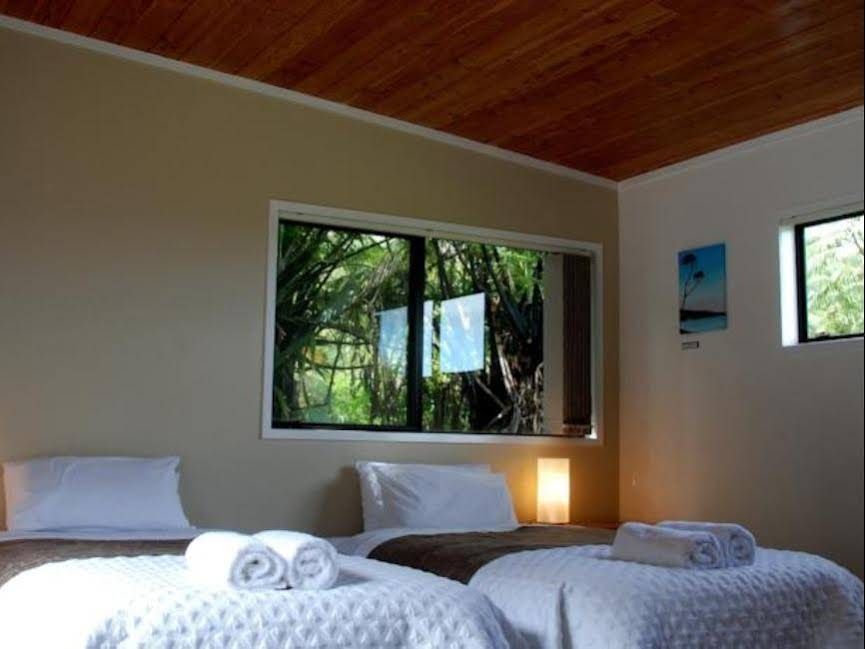
Lone Kauri Lodge
Frequently Asked Questions about Traveling to Karekare
Questions You Might Need to Know About Traveling to Karekare
In Karekare, the top boutique accommodation is Karekare Beach Lodge, a secluded eco-lodge nestled beside the black sand beach. Crafted from native timber and stone, it blends seamlessly with the rugged West Coast landscape. Each room offers panoramic ocean views, private decks, and a minimalist design inspired by Māori craftsmanship. The lodge also hosts cultural experiences like traditional Hāngī feasts and coastal storytelling sessions led by local elders. For a more intimate stay, Karekare Cottage provides a self-contained, heritage-style cabin with a wood-fired stove and garden—perfect for couples seeking privacy. Both properties emphasize sustainability, using solar power and rainwater harvesting. HopeGoo early is essential, as availability is limited due to the area's remote location and conservation status.
The Karekare Beach vicinity is the most tranquil and scenic area for a coastal retreat. Surrounded by native forest and dramatic cliffs, this stretch of coastline remains largely untouched by development, offering an authentic connection to New Zealand’s wild west. Staying near the beach allows direct access to the famous black sand shores, where you can listen to waves crash against basalt rocks or watch the sun dip below the Pacific horizon. The surrounding Waitākere Ranges provide serene walking trails, while nearby Tāwhirimātea Ridge Track offers breathtaking vistas. Accommodations here prioritize quietude—think small lodges and private cottages—making it perfect for digital detoxes, romantic getaways, or nature immersion. Just note: no nightlife, no streetlights, and minimal cell service enhance the sense of isolation and peace.
Visitors to Karekare can participate in authentic Māori cultural experiences hosted by local iwi (tribes). The Te Hāpua Cultural Group offers guided walks along the Tāwhirimātea track, where elders share stories of ancestral fishing grounds and spiritual connections to the land and sea. Guests may join workshops on tā moko (traditional tattooing), learn to sing waiata (chants), or craft natural dyes from native plants. A highlight is the Hāngī feast, cooked underground using heated stones and fresh local ingredients like lamb, kumara (sweet potato), and fern roots—offering a taste of ancient culinary wisdom. These immersive activities not only educate but deepen respect for Māori values of kaitiakitanga (guardianship) and whanaungatanga (relationships).
Swimming at Karekare Beach is not recommended due to strong rip currents, cold water temperatures, and lack of lifeguard patrols. The powerful southwest swell creates hazardous conditions, especially during high tide or stormy weather. However, the beach is perfect for photography, sunset viewing, and coastal walking. Visitors can explore the Karekare Coastal Walk, which winds through native bush and ends at tidal pools teeming with marine life. For safe swimming, nearby Piha Beach (15 minutes away) has designated surf zones and trained lifeguards. If you're keen to enter the water, always check local safety warnings posted at trailheads and never swim alone. Consider joining a guided kayaking tour instead—ideal for experiencing the coastline safely.
Near Karekare, families will enjoy several safe and engaging outdoor activities. The Karekare Coastal Walk (2.5 km loop) is ideal for children, featuring interpretive signs about geology and Māori history. Kids love spotting sea birds, crabs, and seashells along the shore. Another favorite is the Tāwhirimātea Ridge Track, a moderate hike with stunning cliff-top views perfect for family photos. For hands-on fun, Karekare Farm Experience offers sheep shearing, milking demonstrations, and pottery-making workshops—great for teaching kids about rural life. All activities are led by experienced guides and include safety gear. Bring snacks and waterproof layers; the weather changes quickly. These experiences combine education, adventure, and bonding in a pristine natural setting.
Accommodations in Karekare range from NZ$380 to $700+ per night depending on season and type. Boutique options like Karekare Beach Lodge average $450–$600/night during peak summer (December–February), rising to $750+ during holidays. Self-catering cottages such as Karekare Cottage start at $400–$550/night, often including breakfast. Due to limited supply and high demand, bookings should be made 3–6 months in advance. Compared to Auckland city hotels ($200–$350), Karekare’s premium reflects its remoteness, exclusivity, and scenic value. Some lodges offer weekly discounts or family packages—ideal for extended stays. Prices drop significantly in shoulder seasons (April–May and September–October), making them excellent value for quiet, uncrowded visits.
The best way to reach Karekare is by car. From central Auckland, drive west via State Highway 1 for about 55 km (1 hour). The route passes through the Waitākere Ranges, offering scenic views and forest drives. Once in Karekare, follow Karekare Road to the beach and lodging areas. Public transport is extremely limited: only one daily bus (Route 237) runs from Auckland, with stops 1.5 km from the beach. No direct shuttle services exist, so renting a car is strongly advised—especially if traveling with luggage or planning multiple excursions. Note that roads are narrow and winding; drive cautiously, particularly in foggy or rainy conditions. Some lodges offer pickup services upon request, but must be booked in advance.
The optimal time to visit Karekare is between October and March, New Zealand’s summer months. During this period, temperatures range from 15–22°C, skies are clear, and daylight hours are long—perfect for hiking, photography, and beach activities. December and January see peak tourism, so book accommodations early. For fewer crowds and softer light, consider visiting in late October or early November. Spring (September–November) and autumn (March–April) offer mild weather and vibrant foliage, ideal for photography and gentle walks. Winter (May–August) brings frequent rain and fog, with some trails closed. Additionally, the Southern Cross constellation is visible in clear winter nights—great for stargazing—but most lodges close seasonally. Plan accordingly based on your desired experience.
Karekare is a photographer’s paradise. Key spots include the black sand beach, where volcanic rock creates a surreal contrast under golden sunlight. The cliffside sea arches and wave-cut caves form dramatic natural frames, especially at low tide. The Tāwhirimātea Ridge Track summit delivers sweeping panoramic shots of the coastline, distant islands, and rolling clouds. For macro lovers, the tidal pools reveal intricate patterns of algae and barnacles. Early morning mist clinging to the hills adds ethereal depth to images. Bring a wide-angle lens and tripod—ideal for capturing sunrise reflections or star trails at night. After storms, the sky often clears dramatically, revealing rainbows over the sea. These moments are fleeting but unforgettable, making Karekare a must-visit for visual storytellers.
Dining in Karekare centers around fresh seafood and Māori-inspired cuisine. Try the Hāngī feast at Karekare Beach Lodge, where meat and vegetables are slow-cooked underground using heated stones—a centuries-old tradition. Nearby, Karekare Seafood Stand sells freshly caught king crab, mussels, and snapper, grilled or steamed on-site. For casual meals, The Karekare Kitchen serves organic coffee, sourdough toast, and seasonal fruit platters made with locally grown berries. Many restaurants use zero-waste practices and avoid single-use plastics. Pair your meal with a glass of Auckland-region Chardonnay for a true taste of the region. Don’t miss the chance to join a wild berry foraging tour—collect blueberries and raspberries to use in homemade desserts. These experiences connect food, culture, and environment in meaningful ways.
Karekare Overview
City Summary
Karekare, a secluded beach town on Auckland's west coast in New Zealand, is famed for its pristine black sand beaches, dramatic waterfalls, and lush rainforests. As a filming location for "The Piano," it retains an uncommercialized natural charm, attracting travelers seeking tranquility and adventure. The area's rich Māori heritage contrasts with the wild coastal scenery and serene conservation zones.
Must-See Attractions
Must-see spots include Karekare Beach (ideal for surfing but not swimming due to strong currents) and the hidden Karekare Falls (30-minute rainforest walk). The Waitakere Ranges trails offer panoramic Tasman Sea views. Sunset at the beach is breathtaking.
Food Guide
No commercial restaurants exist locally; pack a picnic or dine in nearby Piha. Look for New Zealand green-lipped mussels or wild venison at community markets, or try traditional Māori Hāngī. Auckland's café culture is also worth experiencing.
Transportation Guide
Drive from Auckland CBD takes ~40 minutes via Scenic Drive (narrow roads require caution). No direct public transport; nearest bus stop is in Piha (taxi transfer ~15 minutes). Free beach parking is limited—arrive early in peak season.
Best Time to Visit
Summer (Dec-Feb) offers warm weather (20-25°C) and less rain. Winter (Jun-Aug) brings rough seas and possible trail closures. Avoid Christmas holidays for fewer crowds.
Travel Tips
- No lifeguards—only experienced surfers should swim
- Protect ecology: Removing black sand/shells is prohibited
- Rainforest trails are slippery—wear grippy shoes
- Prepare offline maps (no cell service in some areas)
- Respect Māori sacred sites—keep noise low
- Leave the beach before sunset (no lighting)
Useful Information
English is primary; basic Māori greetings (e.g., "Kia ora") are appreciated. Emergency number: 111. Cash/Visa/Mastercard accepted, but no ATMs nearby. Buy SIM cards at Auckland Airport (spotty coverage in Karekare). Nearest clinic is Piha Medical Centre; serious cases require returning to Auckland.