Hotels in Lower Hutt
Discover your perfect stay in Lower Hutt.
Lower Hutt(New Zealand) Travel 2026: Cheap Flights, Hotels & Top Attractions
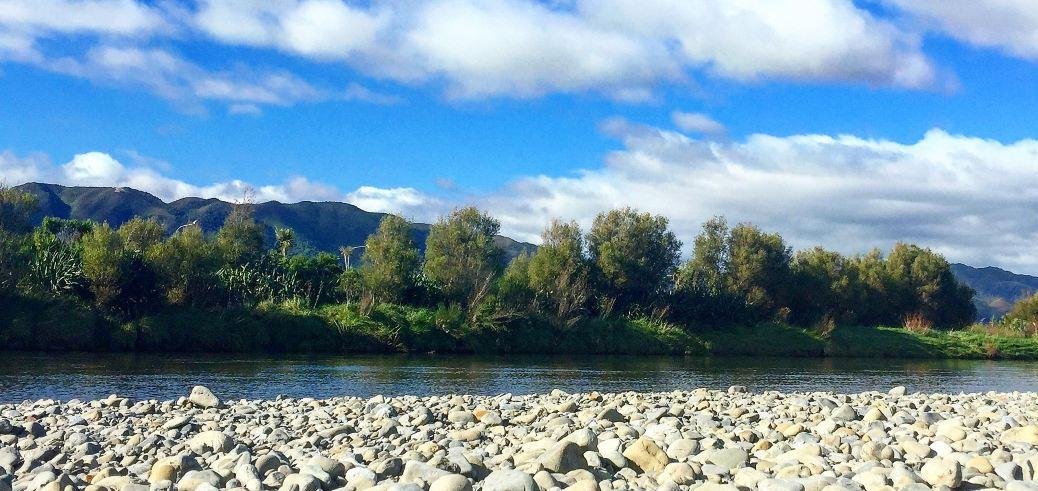
Popular Landmarks in Lower Hutt
Discover the most iconic attractions in Lower Hutt
Recommended Hotels in Lower Hutt
Find the perfect place to stay in Lower Hutt
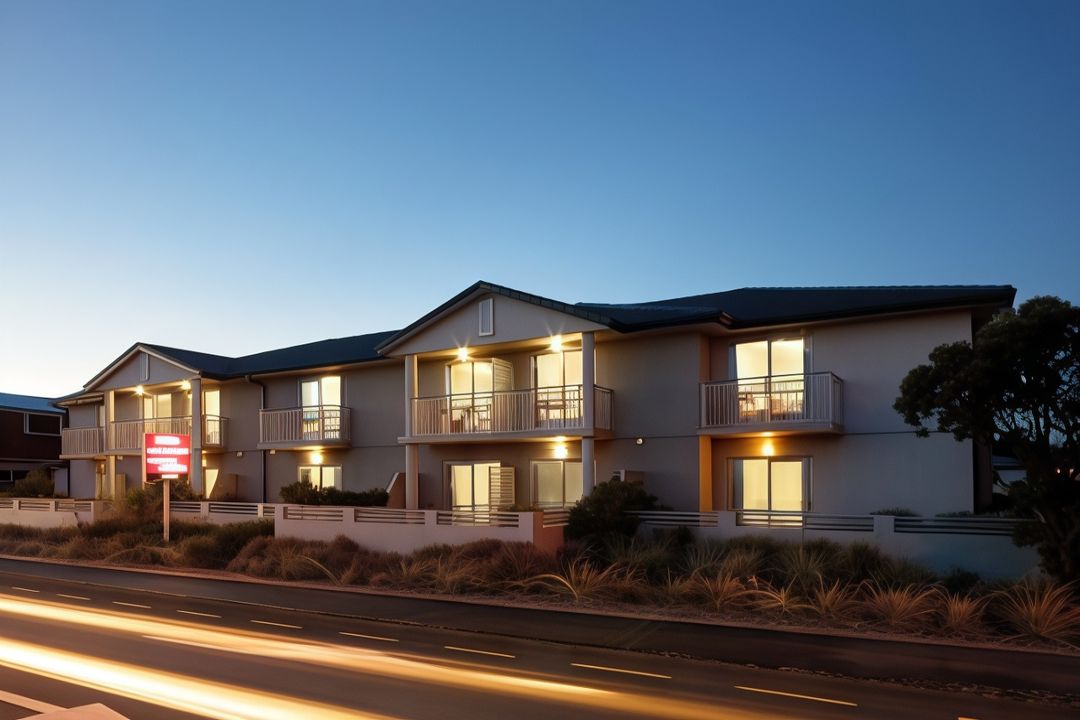
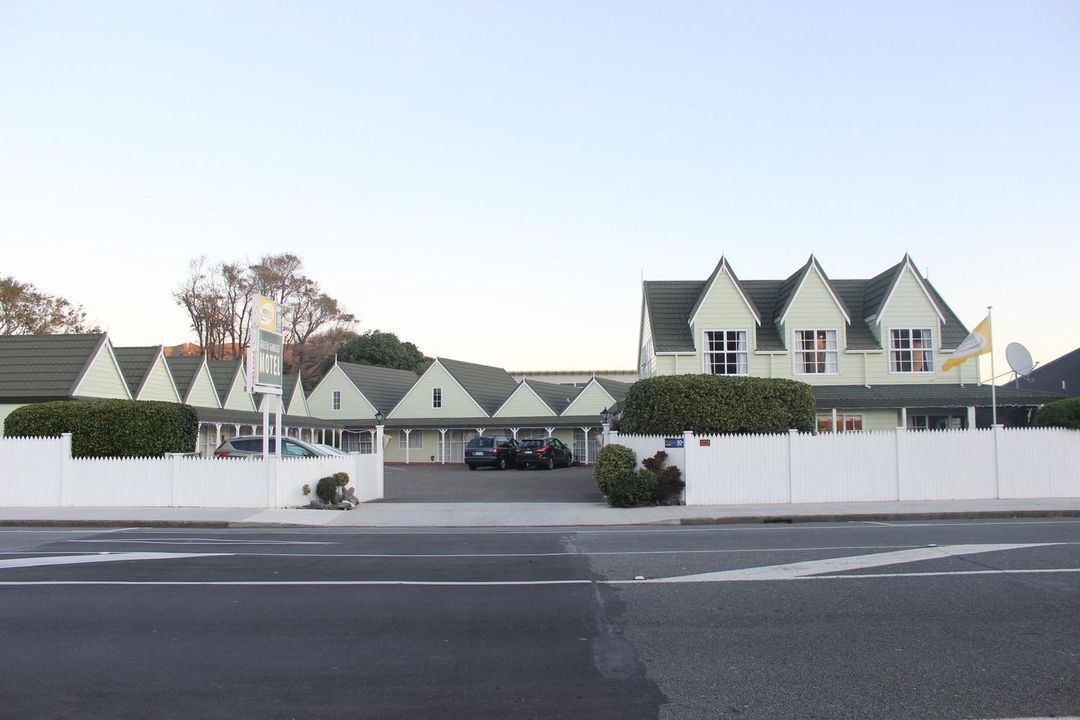


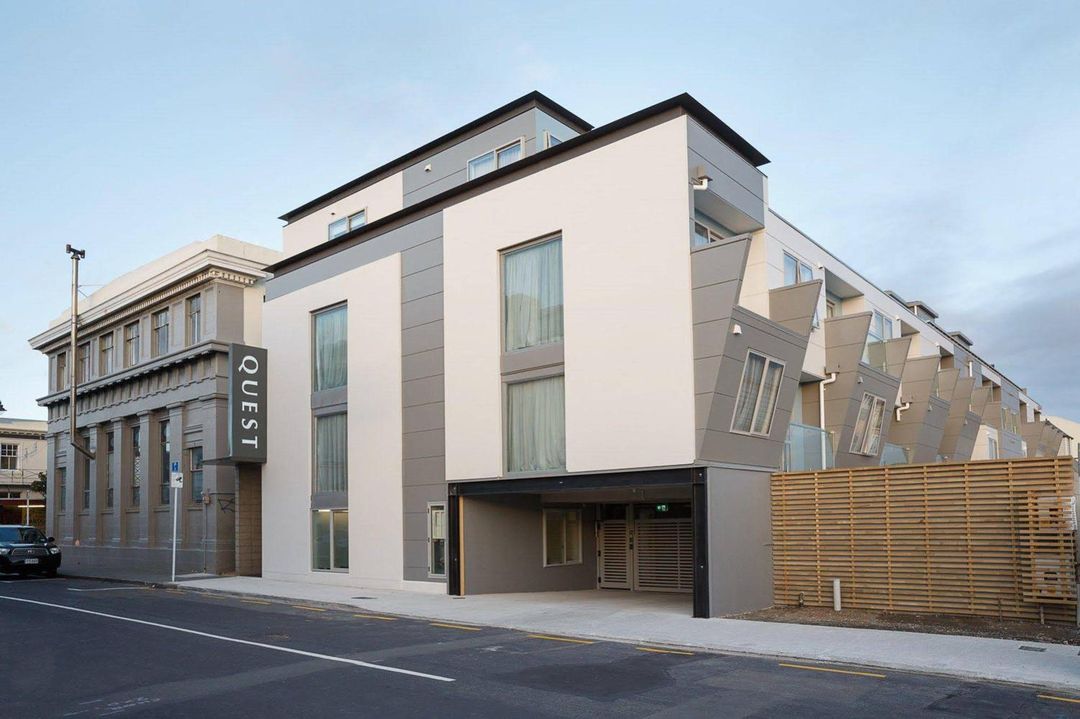
Best Hotels in Lower Hutt
Discover curated hotel collections in Lower Hutt
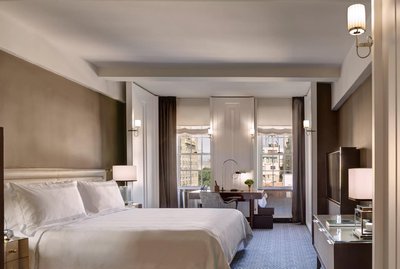
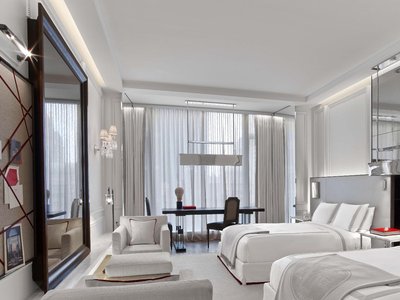
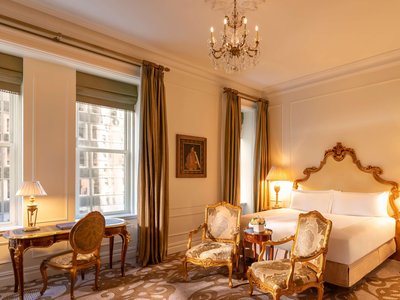
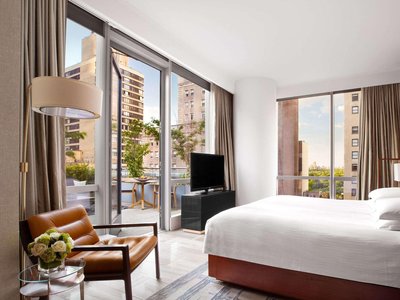
Frequently Asked Questions about Traveling to Lower Hutt
Questions You Might Need to Know About Traveling to Lower Hutt
Lower Hutt Overview
City Summary
Lower Hutt, located on the North Island of New Zealand, is a key city in the Wellington region. Known for its serene suburban atmosphere, stunning natural landscapes, and convenient urban amenities, Lower Hutt is a paradise for outdoor enthusiasts. The city boasts beautiful coastlines, lush parks, and mountains, alongside a vibrant cultural scene and strong community spirit.
Must-See Attractions
Must-see attractions in Lower Hutt include the picturesque Eastbourne Beach, perfect for strolls and ocean views; the historic Petone district, showcasing colonial-era architecture; and Queensgate Shopping Centre in the city center, offering a wide range of shopping and dining options. For adventure seekers, the Belmont Hill walking track provides excellent hiking opportunities.
Food Guide
Lower Hutt's culinary scene reflects its multicultural influences. Be sure to try local seafood like mussels and paua. The Petone area is dotted with cafes and restaurants serving fresh local produce and international cuisine. Don't miss New Zealand favorites such as meat pies and Pavlova, a beloved dessert among locals.
Transportation Guide
Public transport in Lower Hutt is primarily bus-based, with Wellington's Metlink network providing extensive coverage. A Snapper card is recommended for discounted fares and convenience. Renting a car is also a good option, with ample parking and well-maintained roads. The drive from Wellington city center to Lower Hutt takes about 20 minutes.
Best Time to Visit
The best time to visit is during summer (December to February), when the weather is warm and ideal for outdoor activities. Spring (September to November) and autumn (March to May) offer fewer crowds and beautiful scenery. Winter (June to August) is colder but suits travelers seeking a quieter experience.
Travel Tips
- Remember that New Zealand drives on the left side of the road.
- Respect Maori culture, especially when visiting cultural sites.
- Use sunscreen outdoors, as UV radiation is strong in NZ.
- Tipping isn't customary but appreciated for exceptional service.
- Smoking is banned in public places, with fines for violations.
- Tap water is safe to drink, reducing plastic waste.
Useful Information
English is the official language, though some venues offer multilingual services. Internet coverage is excellent, with free Wi-Fi in most cafes and hotels. Credit cards are widely accepted, though cash is also usable. In emergencies, dial 111 for police, ambulance, or fire services. Pharmacies and medical facilities are readily available, and travel insurance is recommended. The voltage is 230V, with Type I plugs, so an adapter may be needed.