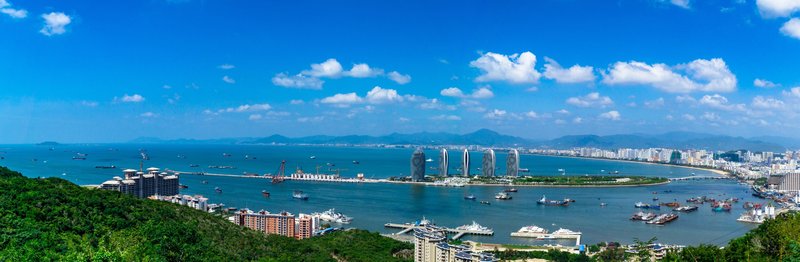
Hotels in Miryang
Discover your perfect stay in Miryang.
Miryang(South Korea) Travel 2026: Cheap Flights, Hotels & Top Attractions
Popular Landmarks in Miryang
Discover the most iconic attractions in Miryang
Recommended Hotels in Miryang
Find the perfect place to stay in Miryang
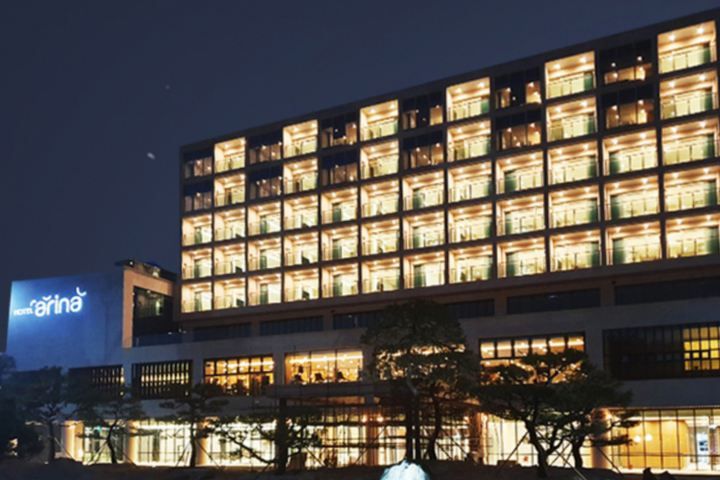
Hotel Arina
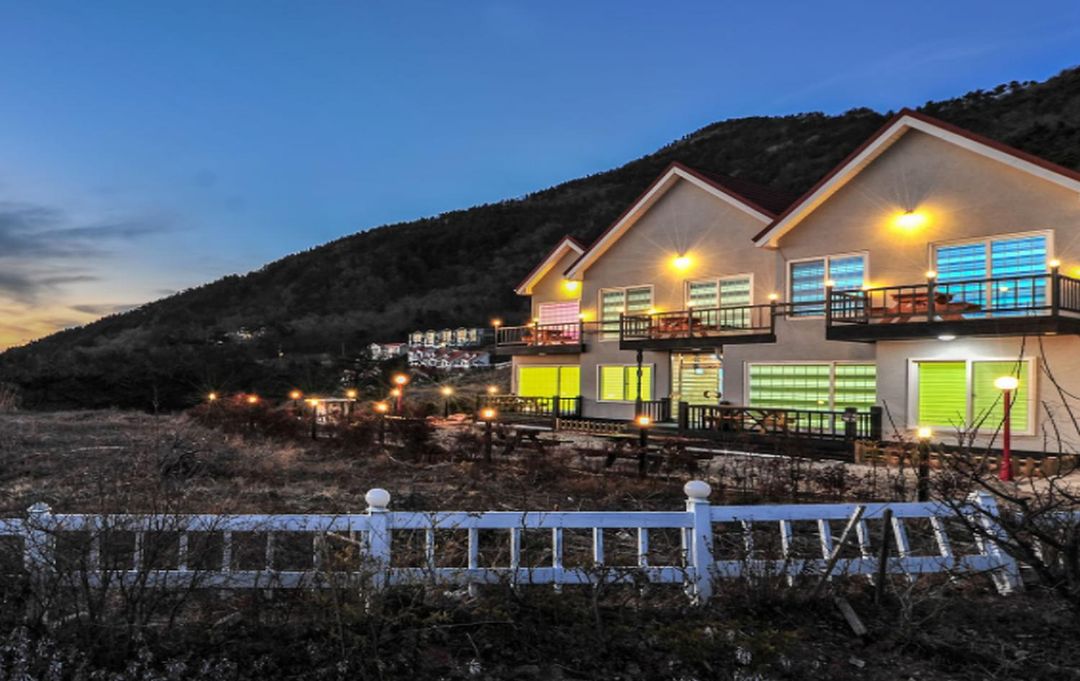
Swiss Pension Miryang
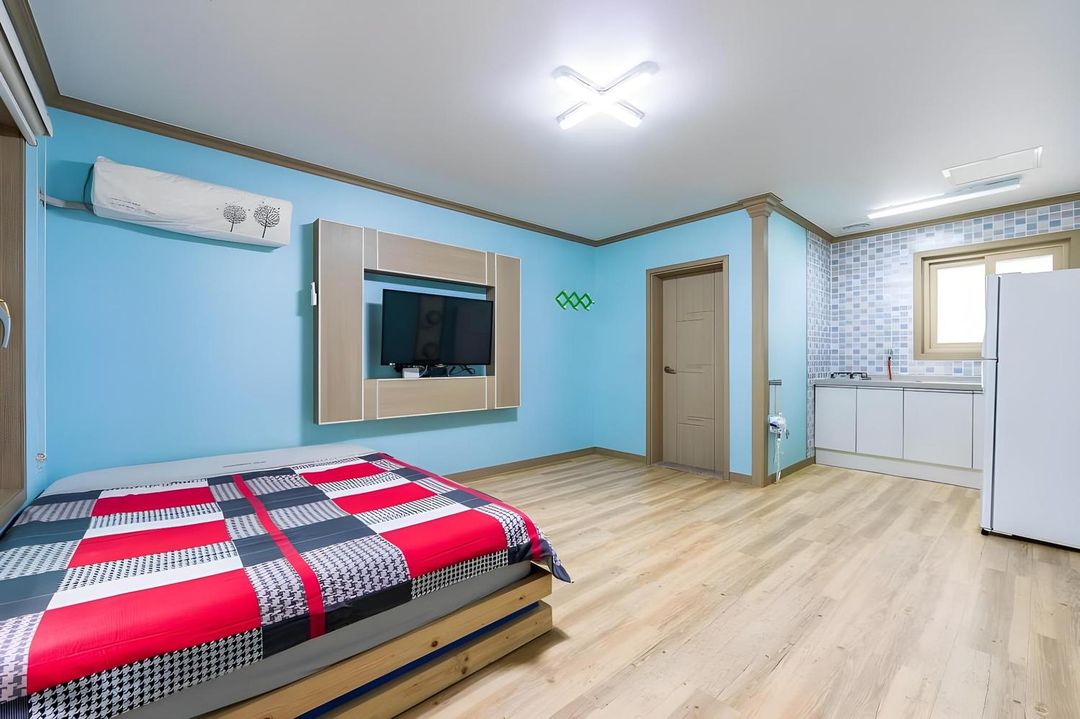
Nature Nuri Pension
Best Hotels in Miryang
Discover curated hotel collections in Miryang
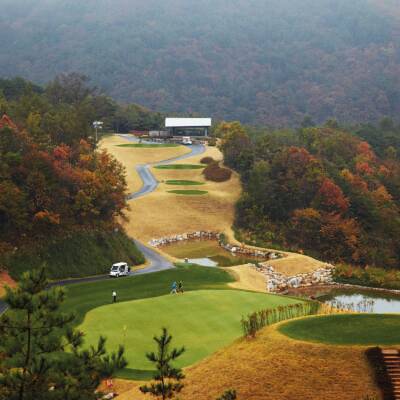
Tops10 Resort Donggang Cistar
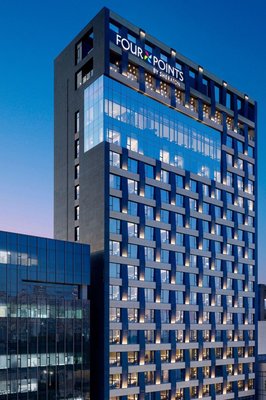
Four Points by Sheraton Suwon
Sonofelice Village Vivaldipark
Arte Resort Spa & Pool Villa
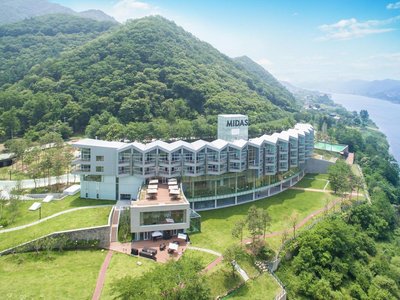
Midas Hotel & Resort
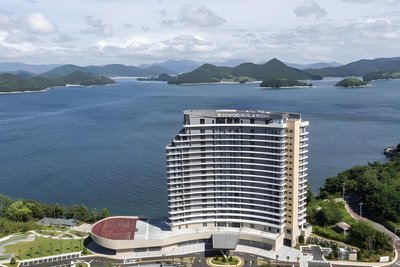
Stanford Hotel&Resort Tongyeong
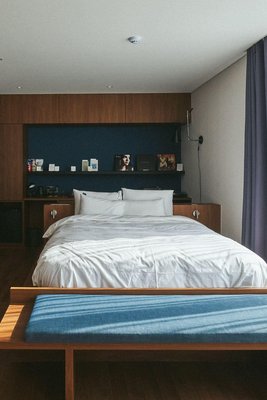
Good Ol' Days Hotel
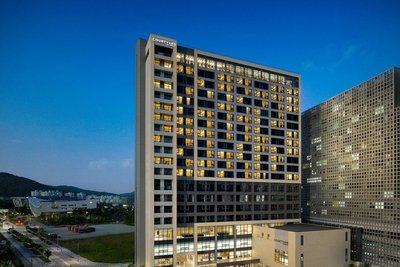
Courtyard Sejong
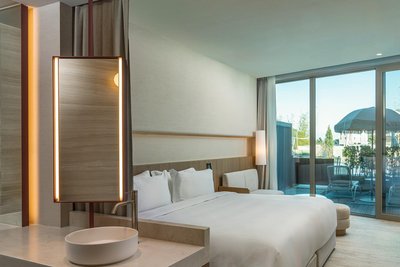
CORALLO
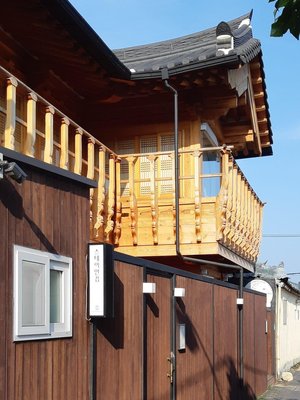
Gyeong-ju Stayangim
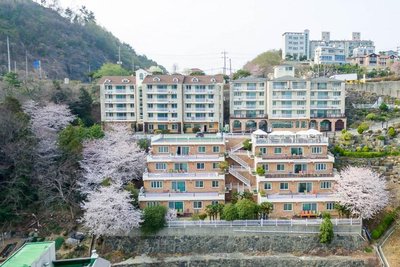
Home Fourest Resort Geoje
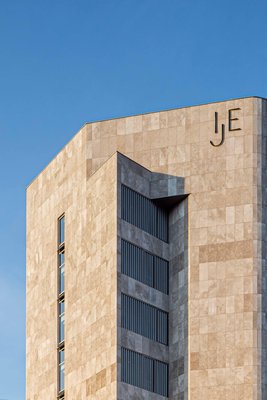
IJE BUSAN
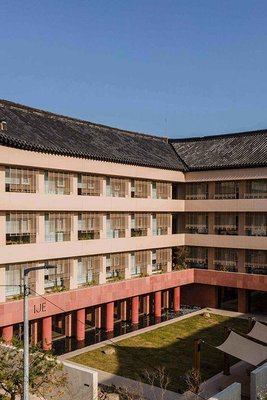
Ije Gyeongju
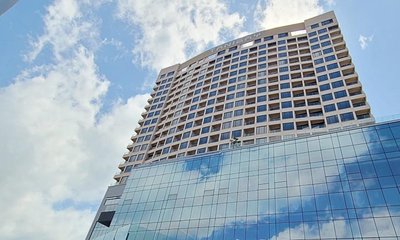
Tanibay Hotel
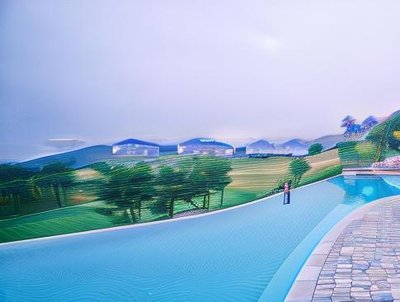
Sono Calm Vivaldi Park
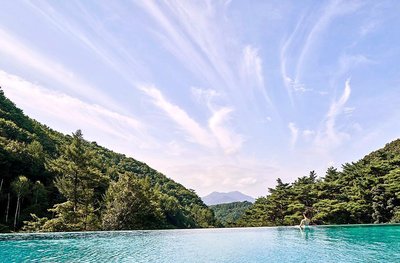
Restree and Forest Resom
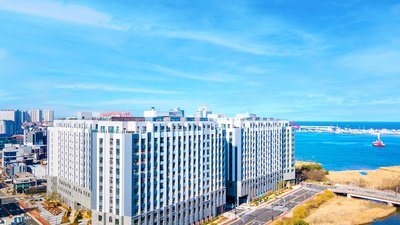
Dominiclava Sokco
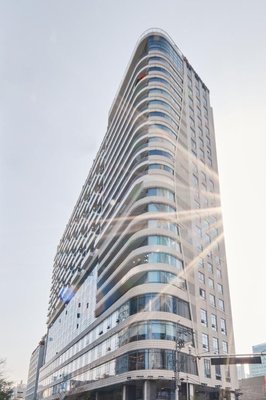
UH Flat Signature Daegu
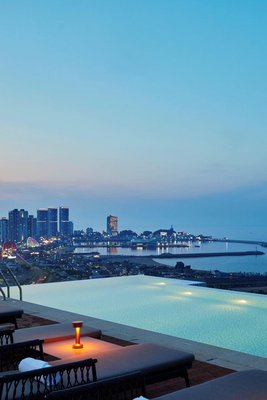
Homm Marina Sokcho
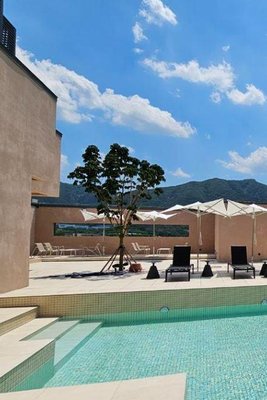
Daegu Suseong the Arco Hotel Lions Park
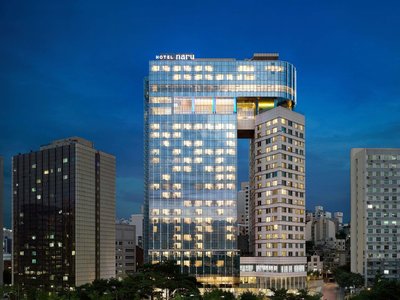
Hotel Naru Seoul - MGallery Collection
Stanford Hotel&Resort Tongyeong
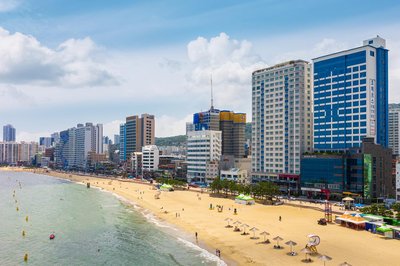
Homers Hotel
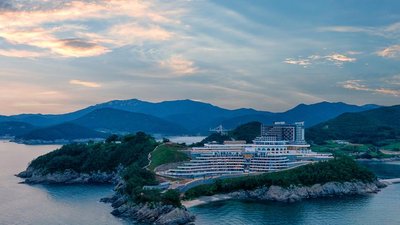
SOL BEACH NAMHAE
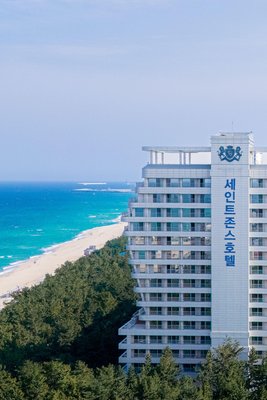
St. John's Hotel
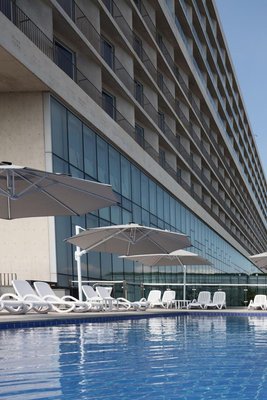
Nest Hotel Incheon
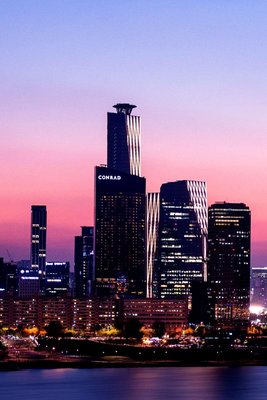
Conrad Seoul
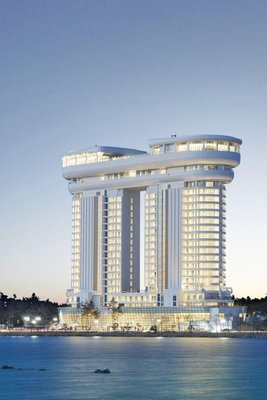
Skybay Hotel Gyeongpo
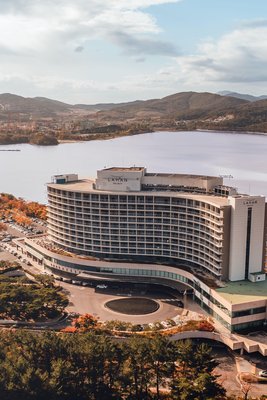
Lahan Select Gyeongju
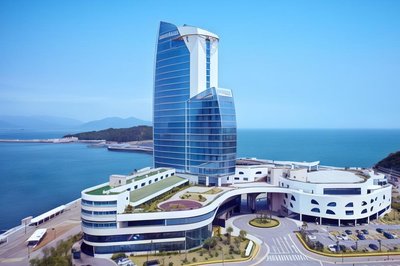
Sono Calm Yeosu
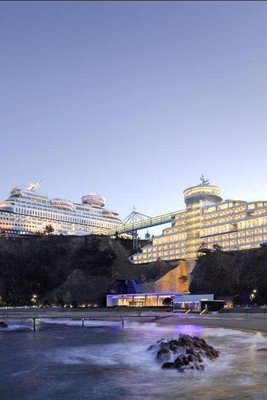
Sun Cruise Resort and Yacht
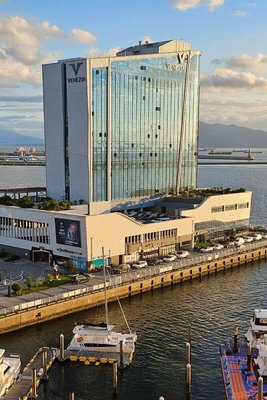
Yeosu Venezia Hotel & Suite
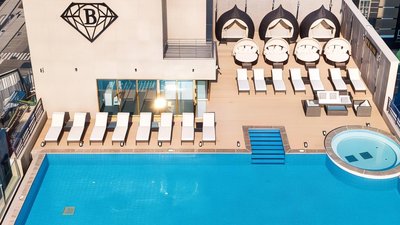
Baymond Hotel
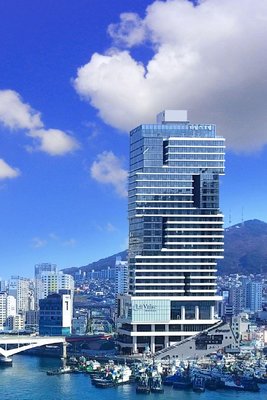
Lavalse Hotel
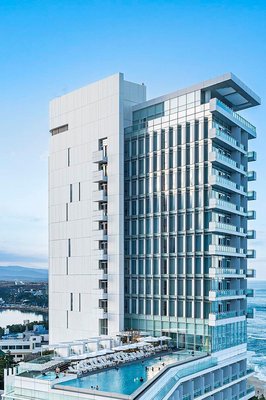
Seamarq Hotel
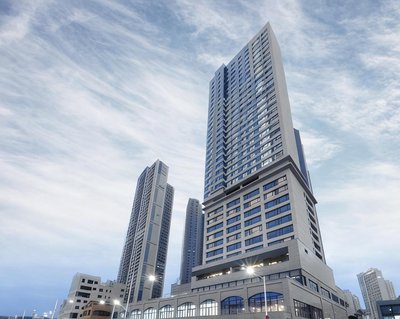
Mercure Ambassador Ulsan
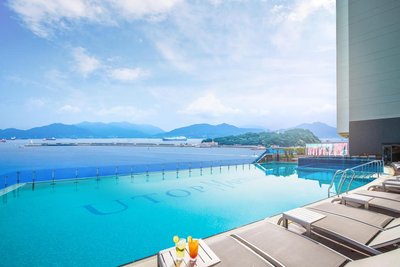
Utop Marina Hotel & Resort
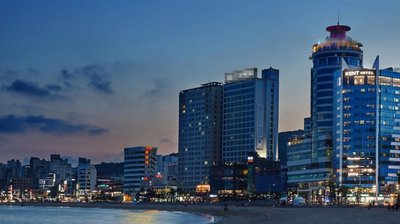
Kent Hotel Gwangalli by Kensington
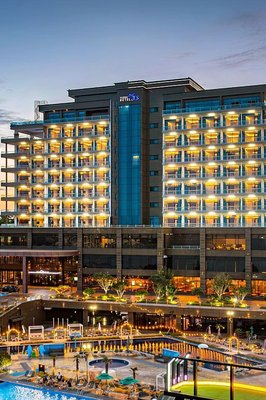
HOTEL JCS YEOSU

Ramada by Wyndham Gangwon Sokcho
Conrad Seoul
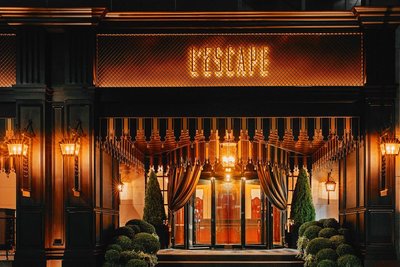
L'Escape Hotel
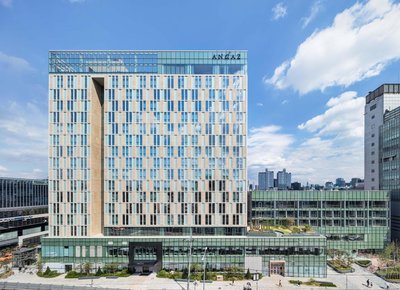
ANDAZ SEOUL GANGNAM, BY HYATT
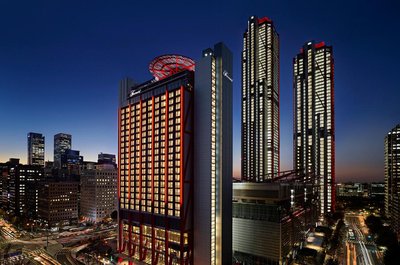
Fairmont Ambassador Seoul
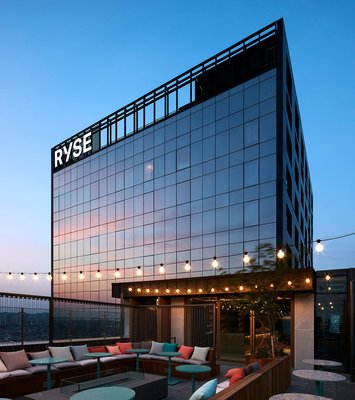
RYSE, Autograph Collection by Marriott
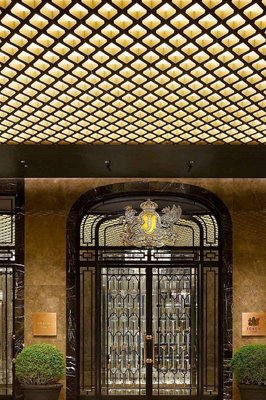
Josun Palace, a Luxury Collection Hotel, Seoul Gangnam
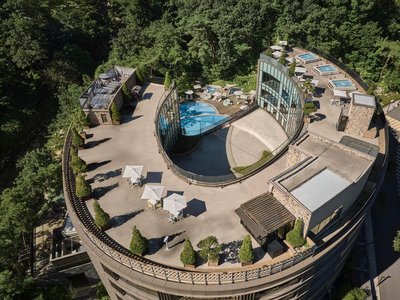
Anto (formerly: Parasara Seoul)
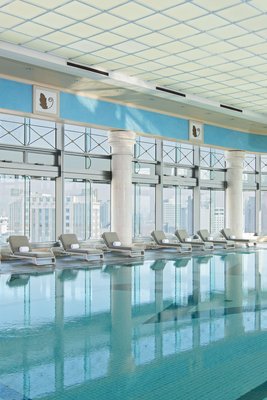
The Plaza Seoul, Autograph Collection
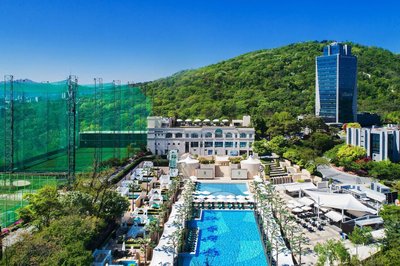
Banyan Tree Club & Spa Seoul
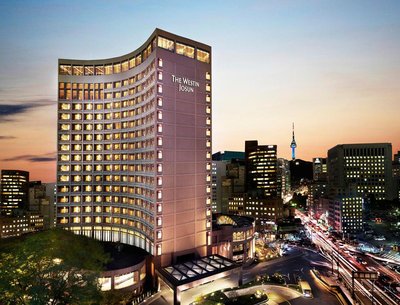
The Westin Josun Seoul
Grand Hyatt Seoul
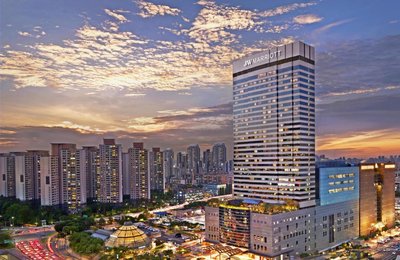
JW Marriott Hotel Seoul
Conrad Seoul
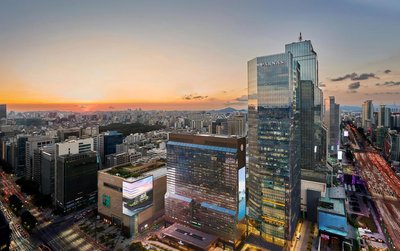
Grand InterContinental Seoul Parnas
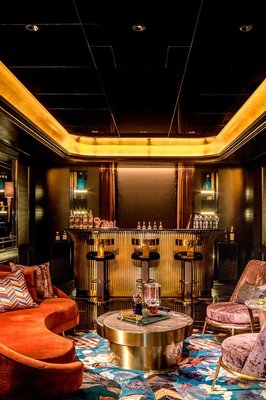
Art Paradiso, Paradise City
Seamarq Hotel
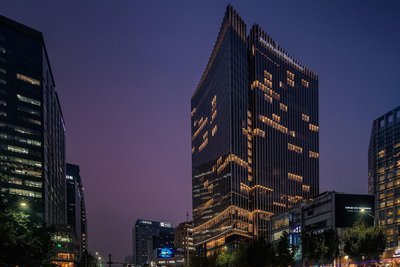
Four Seasons Hotel Seoul
Fairmont Ambassador Seoul
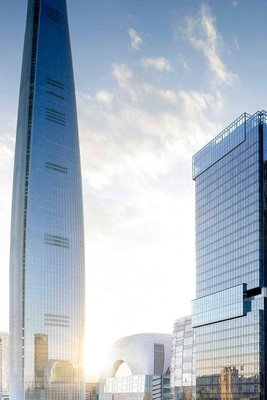
Sofitel Ambassador Seoul Hotel & Serviced Residences
Josun Palace, a Luxury Collection Hotel, Seoul Gangnam
Anto (formerly: Parasara Seoul)
Banyan Tree Club & Spa Seoul
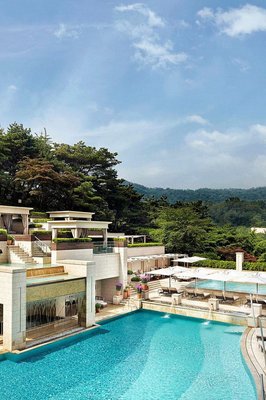
The Shilla Seoul
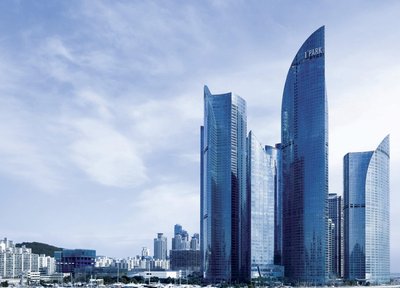
Park Hyatt Busan
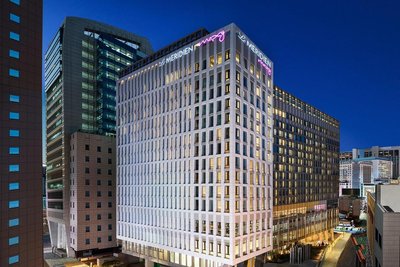
Le Méridien Seoul, Myeongdong
Hotel Naru Seoul - MGallery Collection
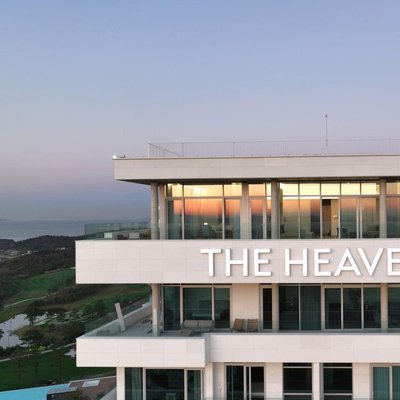
The Heaven Resort
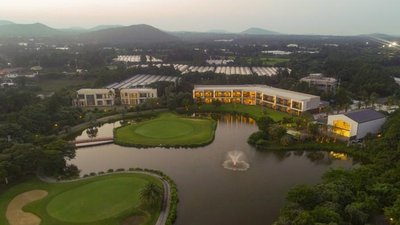
Kase Lodge
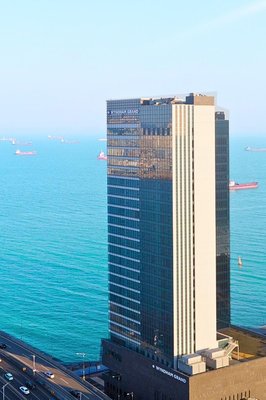
Wyndham Grand Busan Ijin
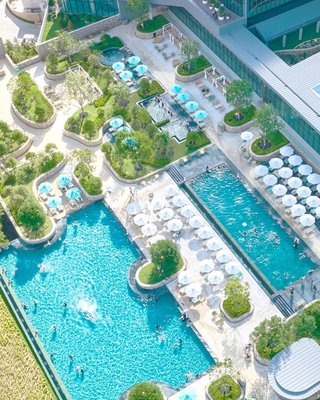
Ananti at Busan Village
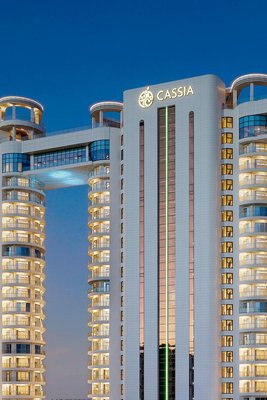
Cassia Sokcho
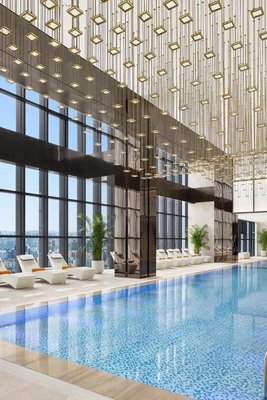
Pullman Ambassador Seoul Eastpole
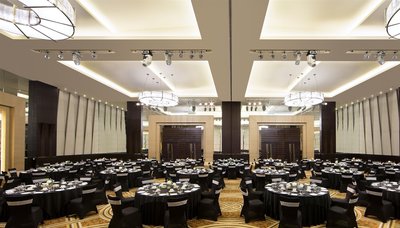
Sheraton Grand Incheon Hotel
St. John's Hotel
Nest Hotel Incheon
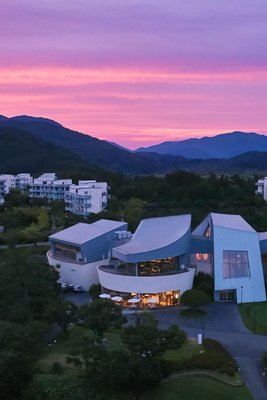
Ananti at Namhae
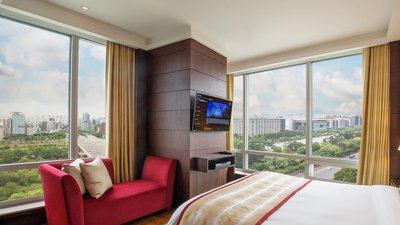
Yeouido Park Centre, Seoul - Marriott Executive Apartments
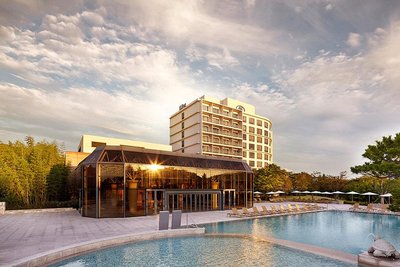
Hilton Gyeongju
Skybay Hotel Gyeongpo
Lahan Select Gyeongju
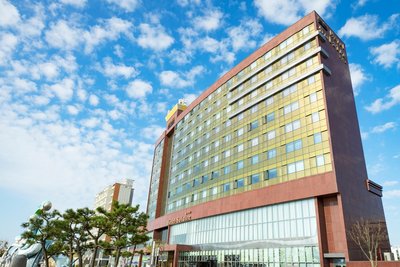
Hotel Solaire
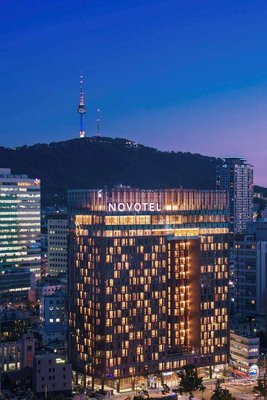
Novotel Ambassador Seoul Dongdaemun Hotels & Residences
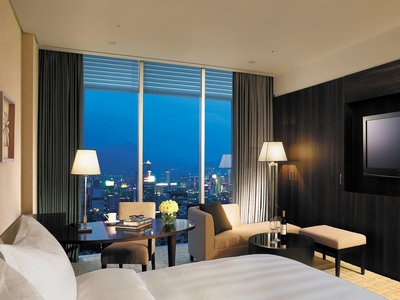
Ramada Plaza by Wyndham Gwangju
Sono Calm Yeosu
L'Escape Hotel
Lavalse Hotel
Four Seasons Hotel Seoul
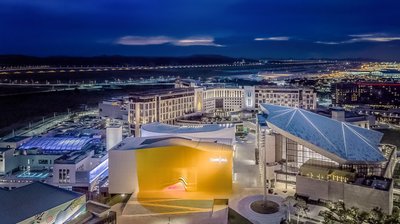
Paradise City
Josun Palace, a Luxury Collection Hotel, Seoul Gangnam
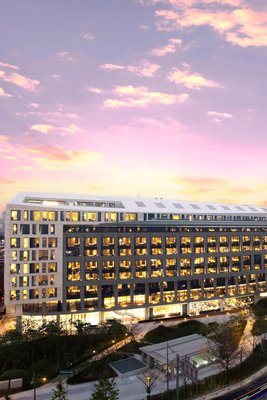
JW Marriott Dongdaemun Square Seoul
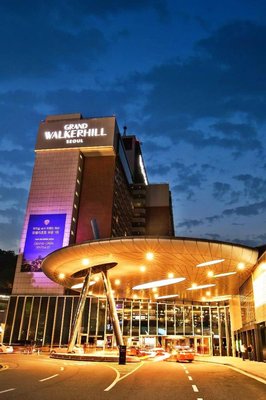
Grand Walkerhill Seoul
The Shilla Seoul
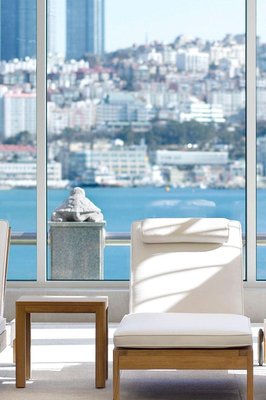
The Westin Josun Busan
Park Hyatt Busan
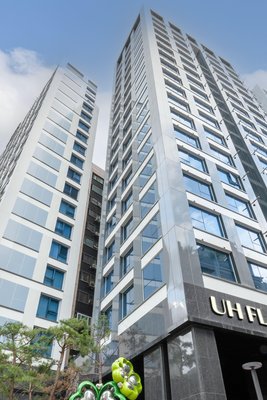
UH FLAT THE SEOCHO
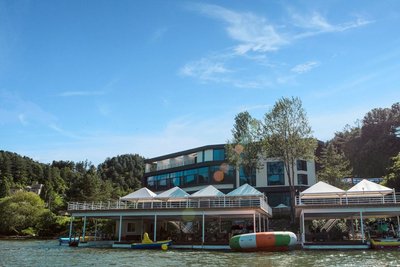
SS Resort
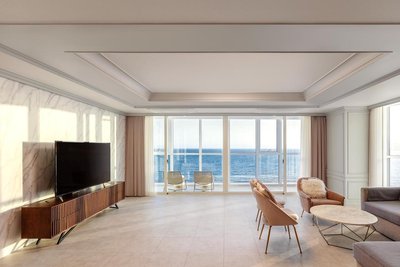
Palede cz Condor Busan
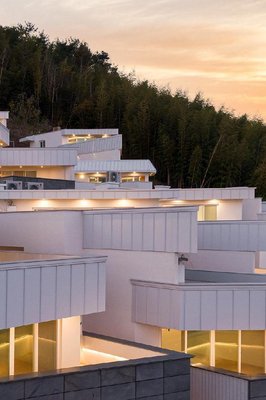
Ocean terra
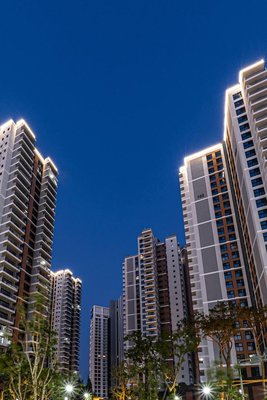
Le Collective Busan Gijang
Frequently Asked Questions about Traveling to Miryang
Questions You Might Need to Know About Traveling to Miryang
For an immersive cultural stay, Miryang Culture Hotel stands out, blending traditional Korean hanok architecture with modern comforts. Located near the Miryang Civic Center, it offers hands-on experiences like hanbok dressing, tea ceremony workshops, and local craft classes in pottery and embroidery. The hotel features a gallery showcasing regional artistry from Gyeongsangnam-do, making it a true gateway to understanding local heritage. Its central location also allows easy access to Miryang Old Market and Yeon Dong Village.
The downtown Miryang and Dagok-dong districts are optimal for travelers seeking both scenic access and urban convenience. These areas host boutique hotels and family-run inns close to major attractions such as the Miryang Museum, Dagok Temple, and the Gimhae Expressway Exit. With proximity to Yeondong Village and scenic spots like Central Park and the Miryang River, guests enjoy a perfect balance of culture, nature, and daily amenities—ideal for a well-rounded visit.
Don’t miss the annual Miryang Rice Wine Festival, held every autumn, celebrating the region’s renowned rice wine tradition. Visitors can sample authentic Miryang rice wine, witness traditional brewing rituals, and enjoy folk performances and agricultural reenactments at Miryang Folk Village. During the festival, Dagok Temple hosts special Buddhist ceremonies, blending spiritual practice with community celebration—offering a profound glimpse into the cultural heart of Gyeongsangnam-do.
Stay in Dagok-dong or near Miryang Station, both just a 15-minute drive from Yeondong Village. Dagok-dong features charming hanok-style guesthouses like Yeondong Stay, offering traditional wooden interiors and courtyard gardens. From here, you can bike or take a short bus ride to explore the well-preserved Joseon-era village complex, one of Korea’s finest examples of historical residential architecture and clan culture.
Yes, Miryang Hot Spring Resort in the foothills of Namsan Mountain is a top choice. This natural sulfur-rich spa resort offers therapeutic baths, forest trails, and wellness treatments including herbal steam rooms and Korean massage therapies. The viewing rooms overlook the Miryang River Valley, while evening stargazing on the open terrace provides a serene retreat. The resort also hosts seasonal cultural programs and wellness lectures, deepening your connection to Korean healing traditions.
Visit the Miryang Old Market Night Market, where dozens of stalls serve local delicacies like spicy rice cake, Korean beef barbecue, and rice wine ice cream. The lively atmosphere is enhanced by warm lanterns along the old streets. For refined dining, head to Hakkyo Restaurant in Dagok-dong Food Street, known for its rich Gyeongsangnam-do-style stew made with fresh local ingredients. Pair it with cold Miryang rice wine for a complete taste of regional flavor.
Consider Miryang Children’s Cultural Hotel, a family-oriented lodging with interactive playrooms, Korean storybooks, and hands-on craft sessions like hanji paper lantern-making. Nearby, Miryang Children’s Park and Central Park offer safe playgrounds, animal zones, and outdoor spaces. Families can also join traditional kite-flying or pottery workshops at the hotel. The Miryang Museum’s children’s exhibition adds educational value, making this a balanced blend of fun and learning.
Dagok Temple, a National Treasure No. 24 dating back to the Silla Dynasty, is a must-visit. Staying in Dagok-dong puts you just a 5-minute walk away. The temple houses rare stone Buddha statues and ancient bells, and blooms beautifully during cherry blossom season. Nearby, Miryang City Wall Ruins offer insight into the city’s past as a strategic regional center, making the area ideal for history lovers seeking depth and authenticity.
Explore Namsan Natural Reserve, with hiking trails, waterfalls, and untouched forests perfect for trekking and birdwatching. In summer, try kayaking on the Miryang River, while winter brings migratory birds to Central Park. Farm visits to organic farms in Miryang allow guests to harvest strawberries or plant vegetables. Some lodges, like Miryang Mountain House, even offer camping tents and stargazing decks—ideal for reconnecting with nature beyond the city.
Absolutely. Miryang is highly accessible for self-driving travelers via the Gyeongbu Expressway, linking Seoul, Busan, and Daegu—just about 3 hours from Seoul. The city has clear signage to key sites like Yeondong Village, Dagok Temple, and Miryang Museum. Most hotels provide free parking, and the Miryang Station offers frequent KTX trains and buses for seamless regional transit. Self-driving allows flexibility to discover hidden villages and rural landscapes, making it the preferred way to explore Miryang’s full charm.
Miryang Overview
City Summary
Miryang is a serene city in Gyeongsangnam-do, South Korea, renowned for its rich historical culture and natural landscapes. The city boasts a long-standing Buddhist tradition, with the famous Pyochungsa Temple being one of Korea's significant cultural heritages. Miryang's natural scenery, including clear rivers and lush mountains, offers a peaceful retreat from urban hustle.
Must-See Attractions
Key attractions in Miryang include Pyochungsa Temple, a millennium-old Buddhist sanctuary that showcases traditional Korean architecture. The Miryang River promenade is perfect for leisurely walks, while Jirisan National Park provides excellent hiking and nature exploration opportunities. Additionally, traditional markets like Miryang Ogil Market offer a glimpse into local life and culture.
Food Guide
Miryang's culinary culture is heavily influenced by Gyeongsangnam-do, featuring spicy and fermented foods. Must-try street foods include Miryang spicy rice cakes and Korean pancakes. Local restaurants also serve traditional Miryang dakjjim, a nourishing dish stewed with herbs and spices.
Transportation Guide
Public transportation in Miryang primarily relies on buses, with a network covering major attractions and residential areas. From Busan or Daegu, visitors can take intercity buses or trains to reach Miryang. Taxis are relatively affordable, but using local buses is recommended for budget travel. Renting a car is also a good option, especially for exploring nearby natural sites.
Best Time to Visit
The best times to visit Miryang are spring (April to June) and autumn (September to November), when the weather is mild and ideal for outdoor activities. Summers can be hot and humid, while winters are cold but less crowded.
Travel Tips
- Dress modestly when visiting temples, avoiding shorts or sleeveless tops.
- Local market vendors usually accept cash only, so carry sufficient Korean won.
- Miryang's spicy dishes can be intense; request milder versions if needed.
- Smoking is prohibited in public areas, with fines for violations.
- Respect local Buddhist culture by maintaining silence in temples.
- Stay hydrated and use sunscreen during summer visits.
Useful Information
The primary language in Miryang is Korean, with limited English proficiency; a translation app is advisable. Free Wi-Fi is available in urban areas, but coverage may be spotty in rural zones. Major stores and restaurants accept credit cards, but small vendors only take cash. For emergencies, dial 112 (police) or 119 (ambulance). Local hospitals are well-equipped but may have limited foreign-language services, so travel insurance is recommended.
Other Cities You Might Like
Explore more amazing destinations