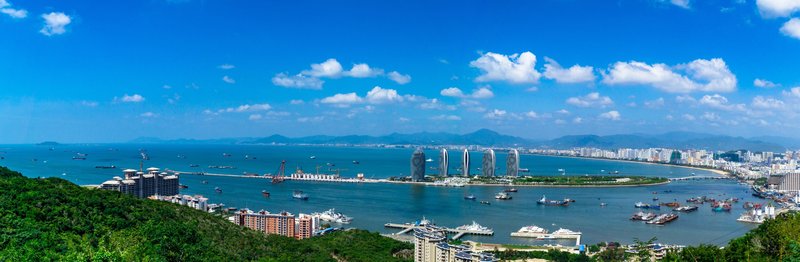
Hotels in Miryang
Discover your perfect stay in Miryang.
Miryang(South Korea) Travel 2026: Cheap Flights, Hotels & Top Attractions
Popular Landmarks in Miryang
Discover the most iconic attractions in Miryang
Recommended Hotels in Miryang
Find the perfect place to stay in Miryang
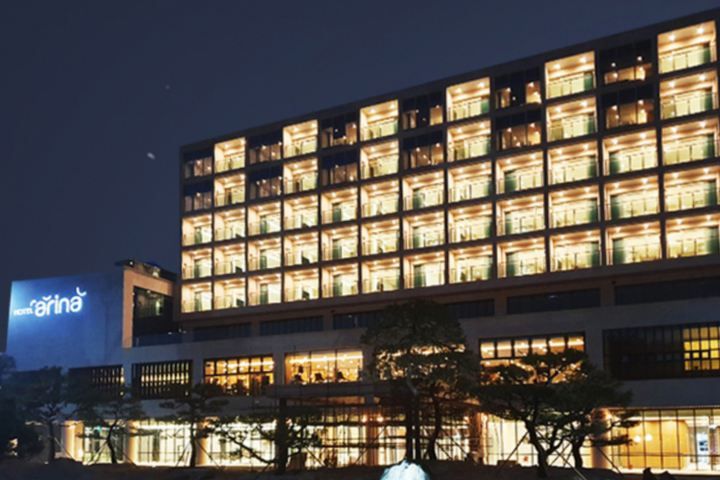
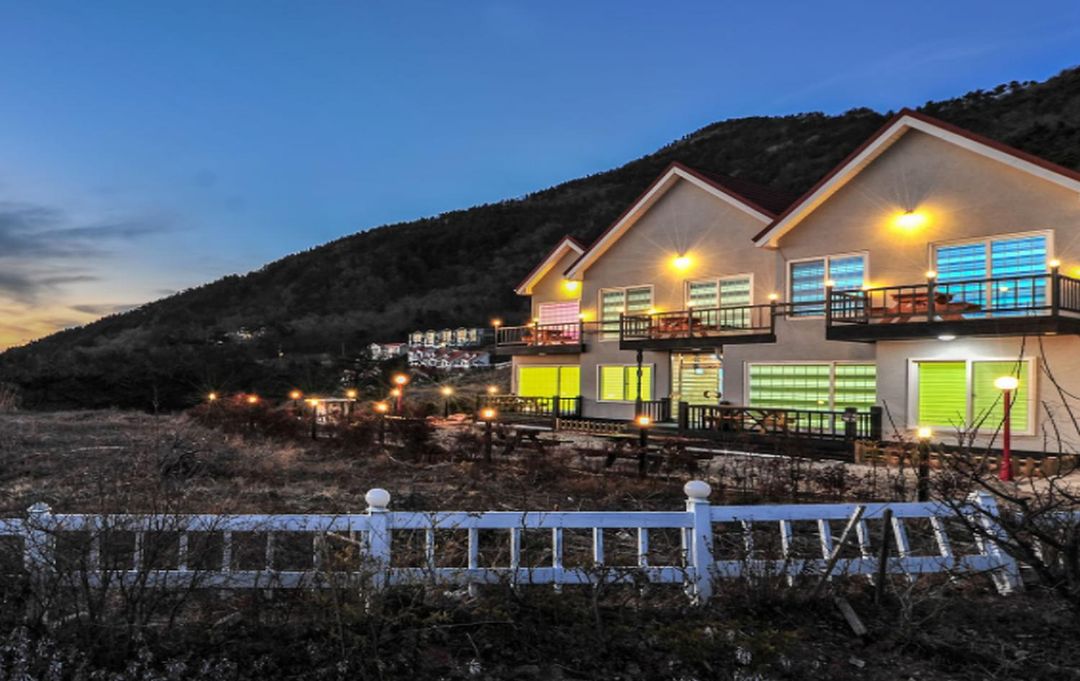
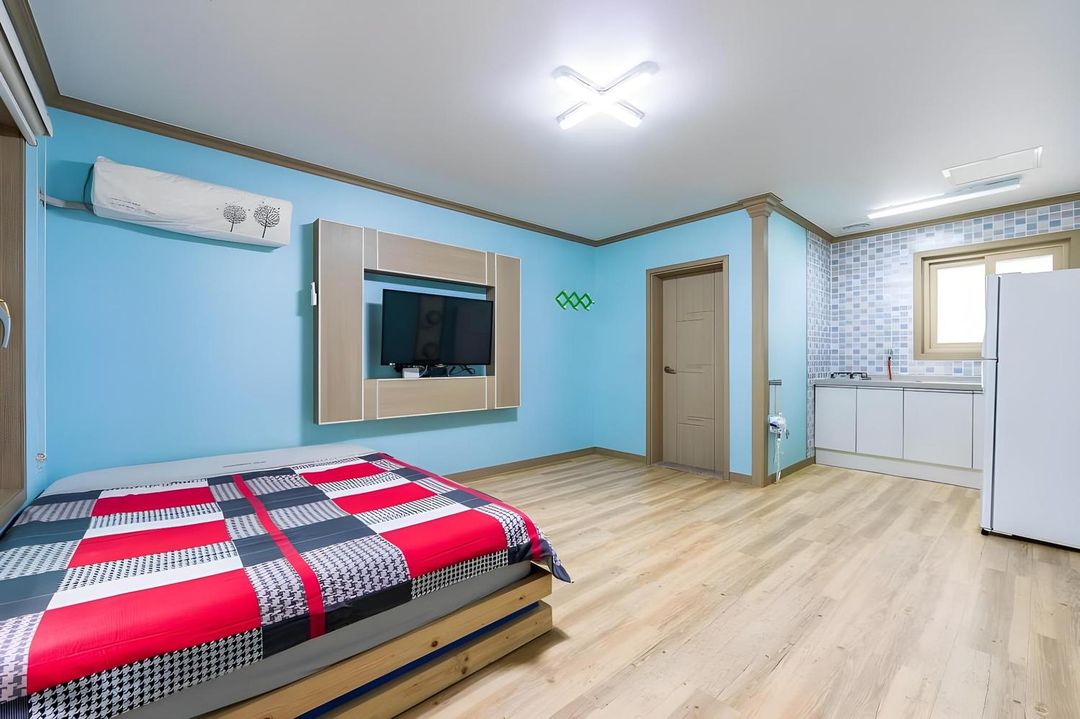
Best Hotels in Miryang
Discover curated hotel collections in Miryang
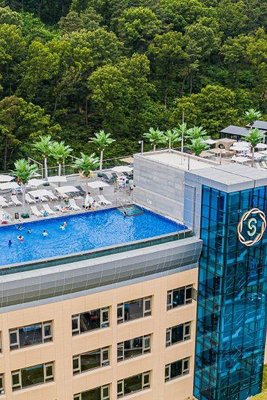
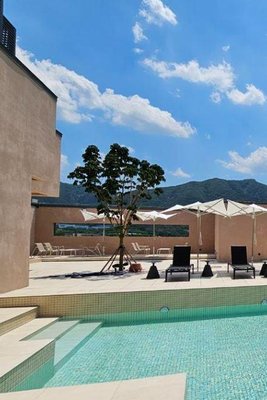
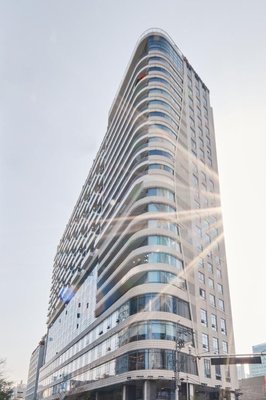

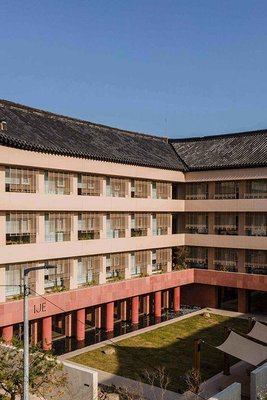
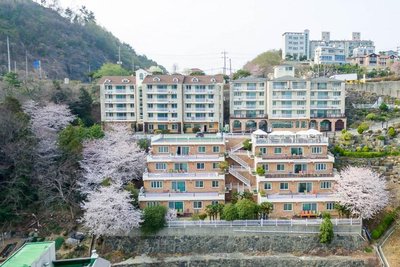
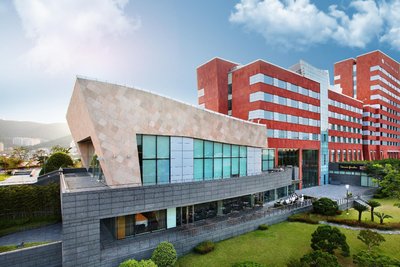
Frequently Asked Questions about Traveling to Miryang
Questions You Might Need to Know About Traveling to Miryang
Miryang Overview
City Summary
Miryang is a serene city in Gyeongsangnam-do, South Korea, renowned for its rich historical culture and natural landscapes. The city boasts a long-standing Buddhist tradition, with the famous Pyochungsa Temple being one of Korea's significant cultural heritages. Miryang's natural scenery, including clear rivers and lush mountains, offers a peaceful retreat from urban hustle.
Must-See Attractions
Key attractions in Miryang include Pyochungsa Temple, a millennium-old Buddhist sanctuary that showcases traditional Korean architecture. The Miryang River promenade is perfect for leisurely walks, while Jirisan National Park provides excellent hiking and nature exploration opportunities. Additionally, traditional markets like Miryang Ogil Market offer a glimpse into local life and culture.
Food Guide
Miryang's culinary culture is heavily influenced by Gyeongsangnam-do, featuring spicy and fermented foods. Must-try street foods include Miryang spicy rice cakes and Korean pancakes. Local restaurants also serve traditional Miryang dakjjim, a nourishing dish stewed with herbs and spices.
Transportation Guide
Public transportation in Miryang primarily relies on buses, with a network covering major attractions and residential areas. From Busan or Daegu, visitors can take intercity buses or trains to reach Miryang. Taxis are relatively affordable, but using local buses is recommended for budget travel. Renting a car is also a good option, especially for exploring nearby natural sites.
Best Time to Visit
The best times to visit Miryang are spring (April to June) and autumn (September to November), when the weather is mild and ideal for outdoor activities. Summers can be hot and humid, while winters are cold but less crowded.
Travel Tips
- Dress modestly when visiting temples, avoiding shorts or sleeveless tops.
- Local market vendors usually accept cash only, so carry sufficient Korean won.
- Miryang's spicy dishes can be intense; request milder versions if needed.
- Smoking is prohibited in public areas, with fines for violations.
- Respect local Buddhist culture by maintaining silence in temples.
- Stay hydrated and use sunscreen during summer visits.
Useful Information
The primary language in Miryang is Korean, with limited English proficiency; a translation app is advisable. Free Wi-Fi is available in urban areas, but coverage may be spotty in rural zones. Major stores and restaurants accept credit cards, but small vendors only take cash. For emergencies, dial 112 (police) or 119 (ambulance). Local hospitals are well-equipped but may have limited foreign-language services, so travel insurance is recommended.
Other Cities You Might Like
Explore more amazing destinations