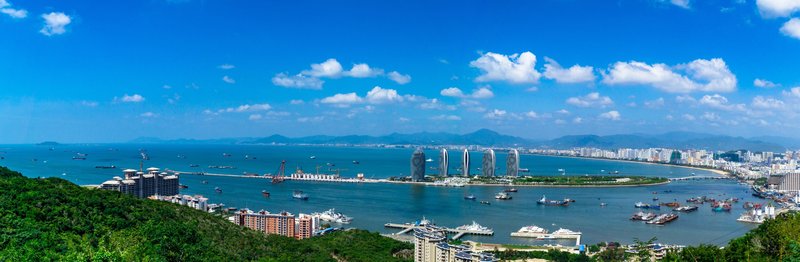
Hotels in Muju
Discover your perfect stay in Muju.
Muju(South Korea) Travel 2026: Cheap Flights, Hotels & Top Attractions
Popular Landmarks in Muju
Discover the most iconic attractions in Muju
Recommended Hotels in Muju
Find the perfect place to stay in Muju
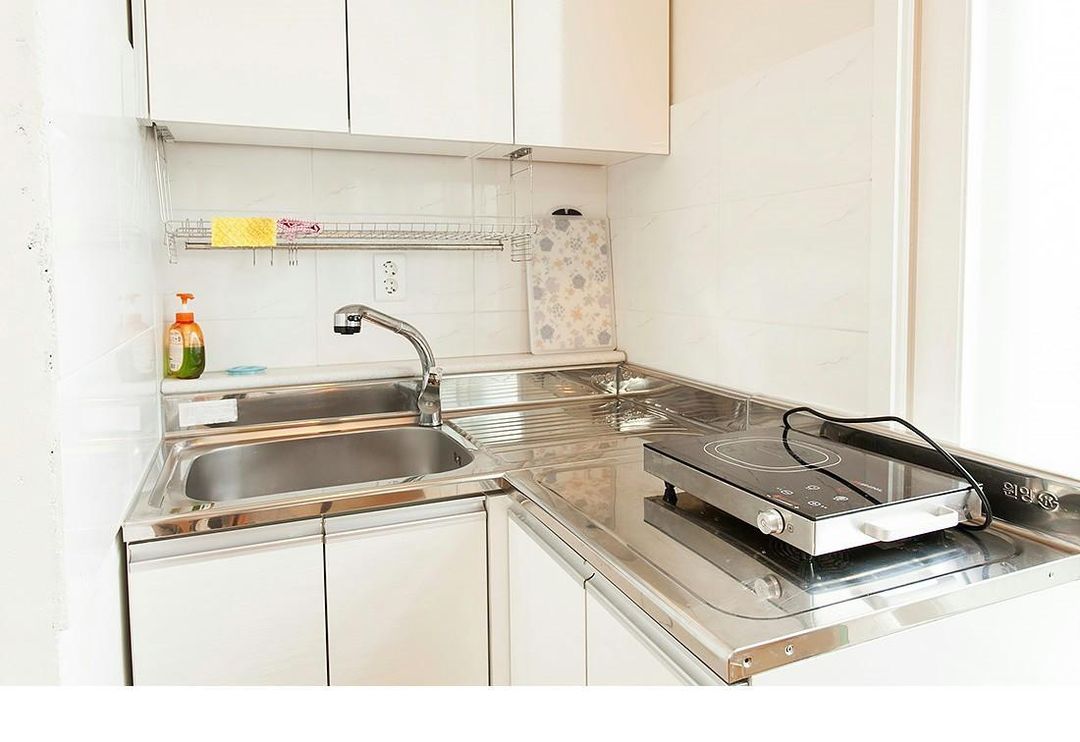
Muju Soldabak Cheheom Pension
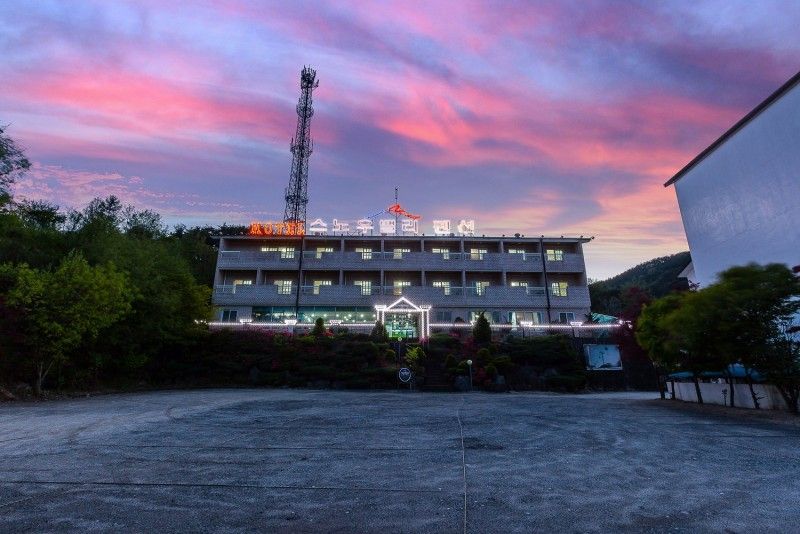
Snow Valley
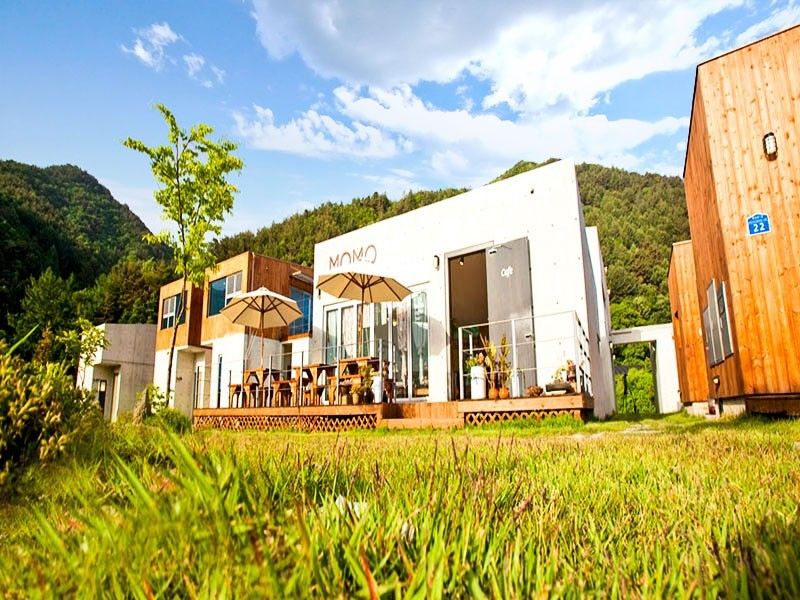
Momo Pension
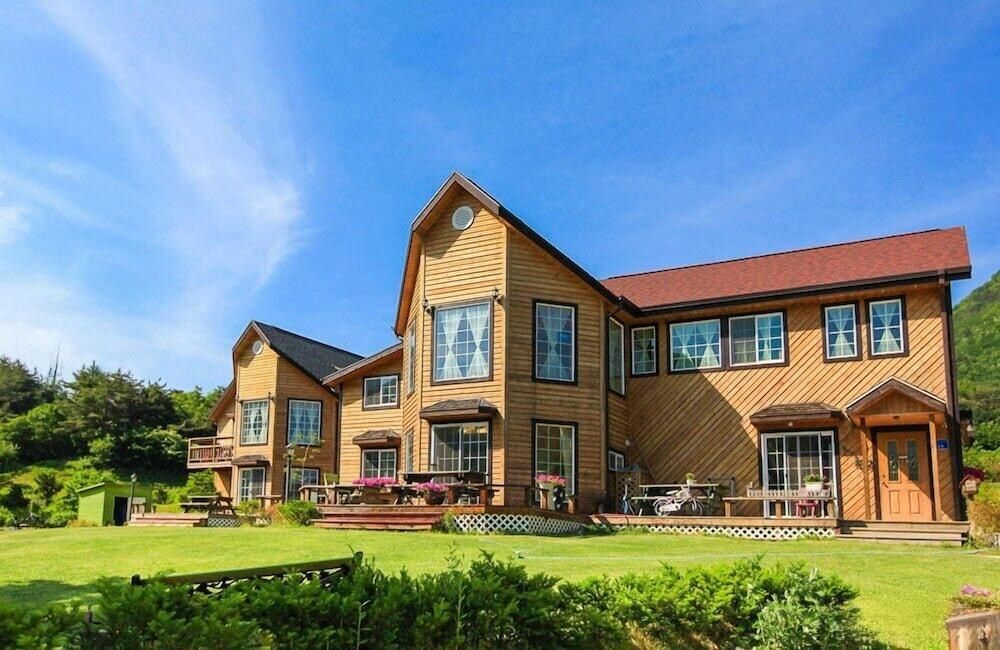
Lumain Pension
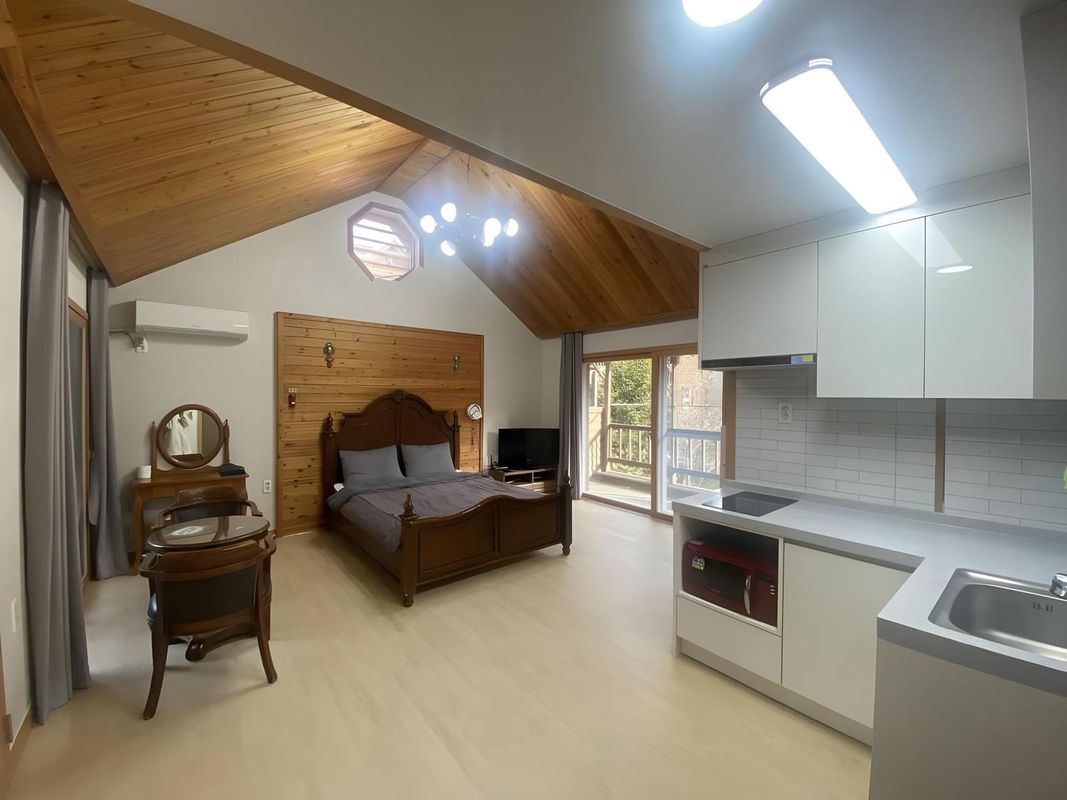
Duckyu Poongyung
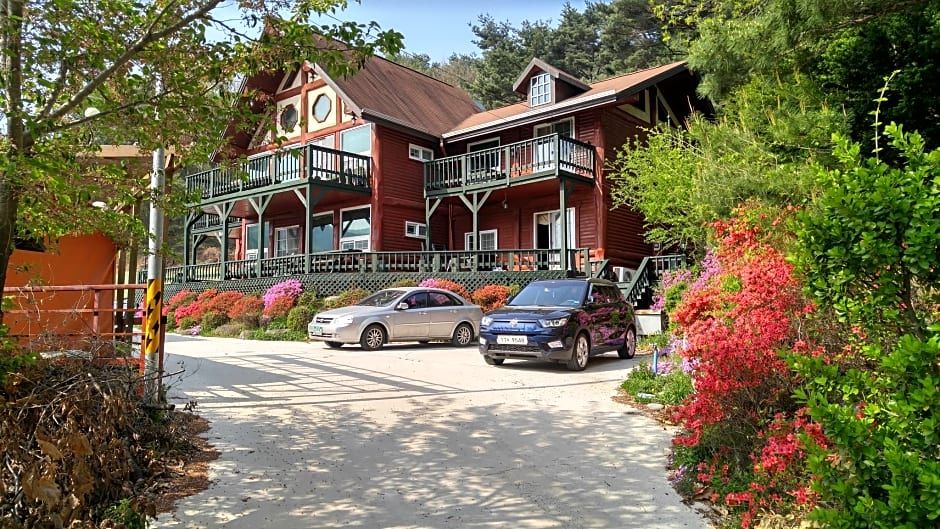
Naos Pension Muju
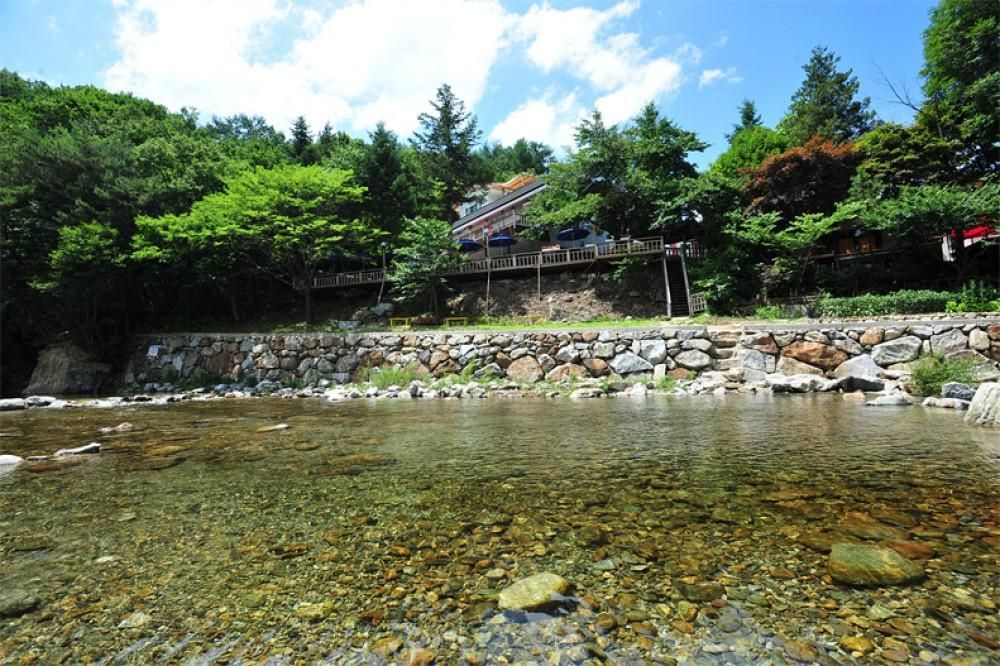
Shiny Town Pension
Best Hotels in Muju
Discover curated hotel collections in Muju
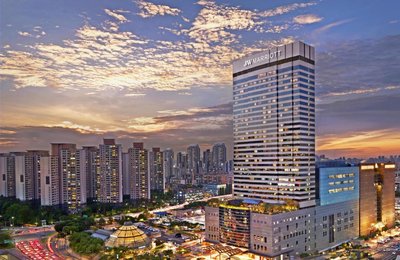
JW Marriott Hotel Seoul
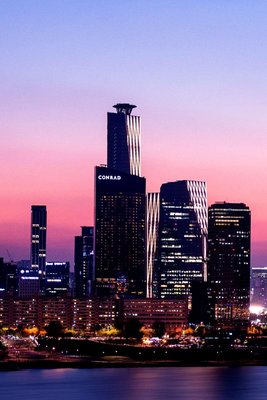
Conrad Seoul
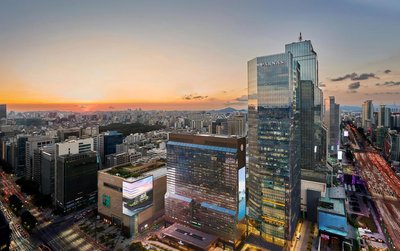
Grand InterContinental Seoul Parnas
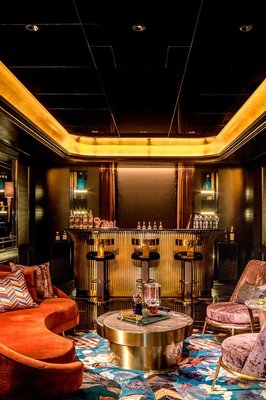
Art Paradiso, Paradise City
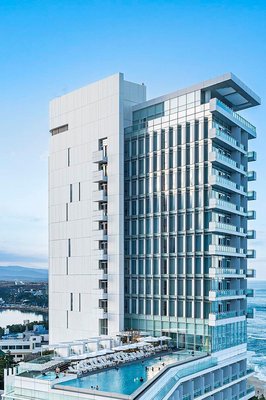
Seamarq Hotel
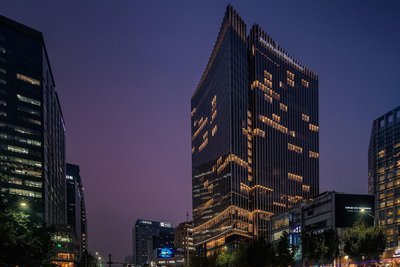
Four Seasons Hotel Seoul
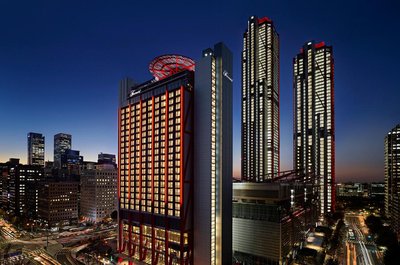
Fairmont Ambassador Seoul
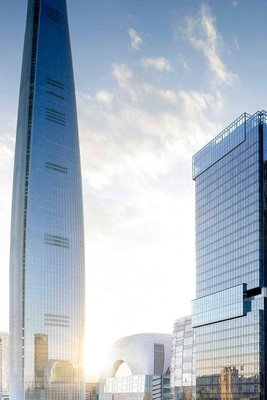
Sofitel Ambassador Seoul Hotel & Serviced Residences
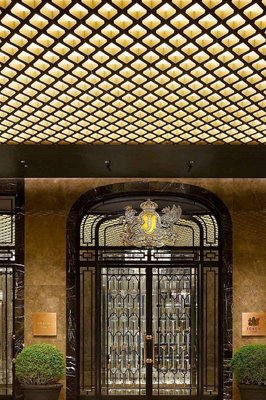
Josun Palace, a Luxury Collection Hotel, Seoul Gangnam
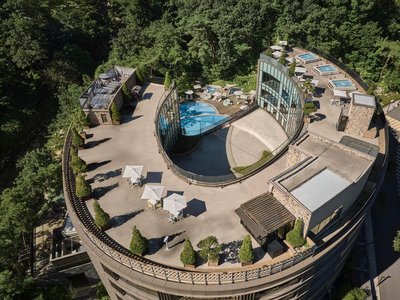
Anto (formerly: Parasara Seoul)
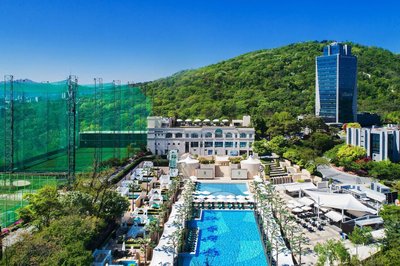
Banyan Tree Club & Spa Seoul
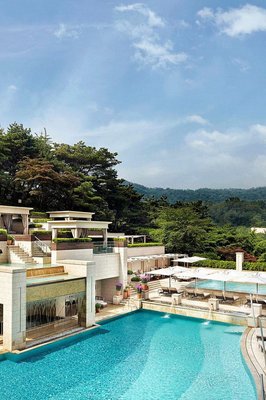
The Shilla Seoul
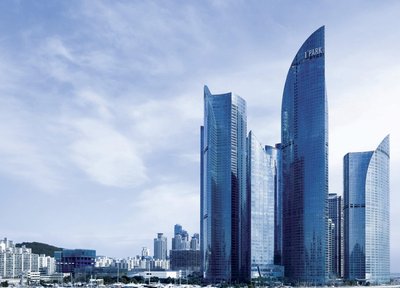
Park Hyatt Busan
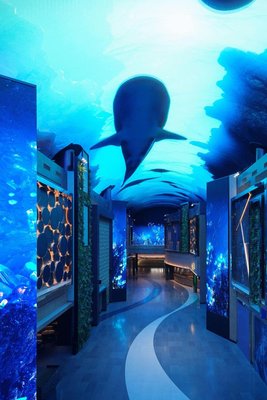
INSPIRE Entertainment Resort
Conrad Seoul
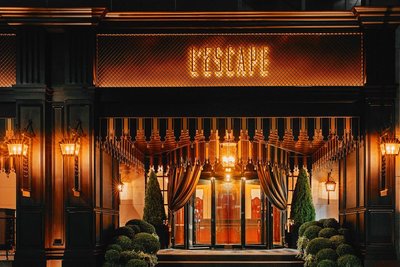
L'Escape Hotel
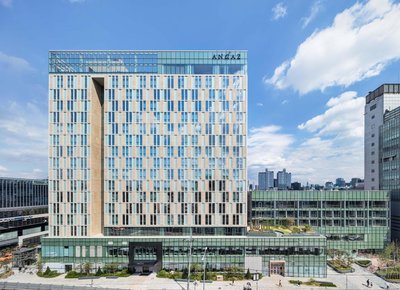
ANDAZ SEOUL GANGNAM, BY HYATT
Fairmont Ambassador Seoul
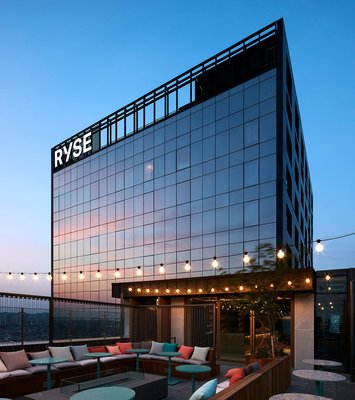
RYSE, Autograph Collection by Marriott
Josun Palace, a Luxury Collection Hotel, Seoul Gangnam
Anto (formerly: Parasara Seoul)
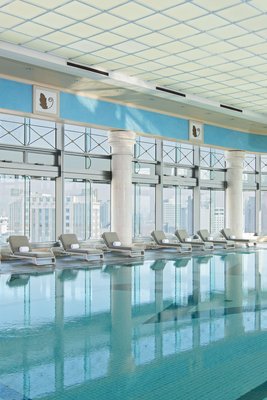
The Plaza Seoul, Autograph Collection
Banyan Tree Club & Spa Seoul
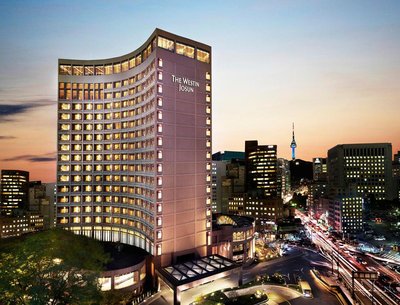
The Westin Josun Seoul
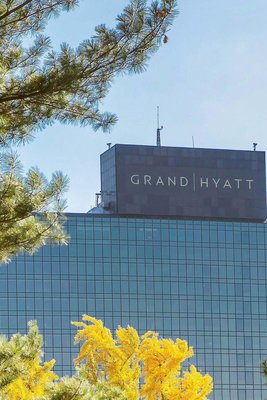
Grand Hyatt Seoul
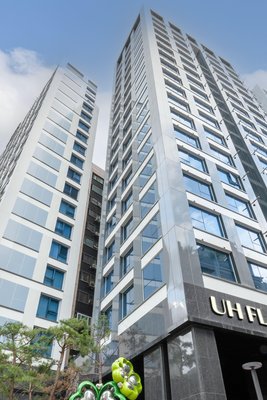
UH FLAT THE SEOCHO
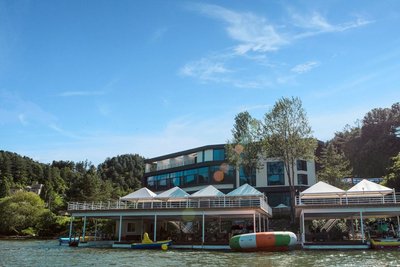
SS Resort
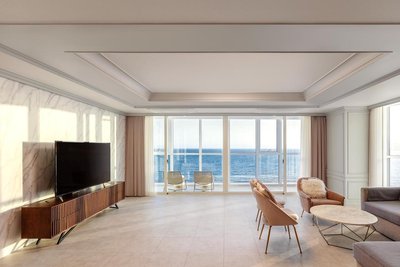
Palede cz Condor Busan
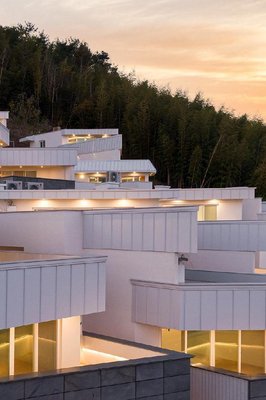
Ocean terra
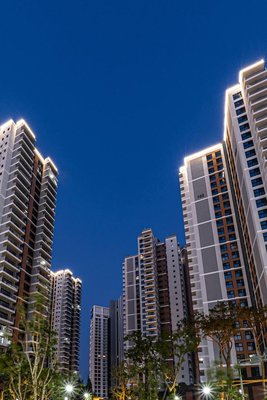
Le Collective Busan Gijang
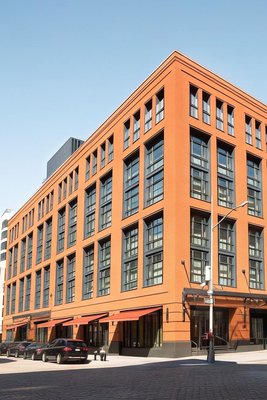
Hotel Barrière Fouquet's New York
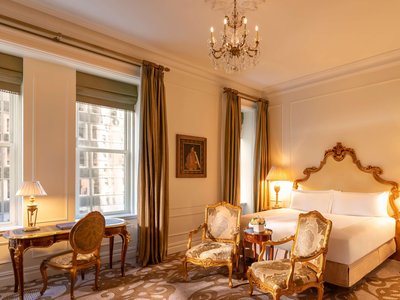
The Plaza - A Fairmont Managed Hotel
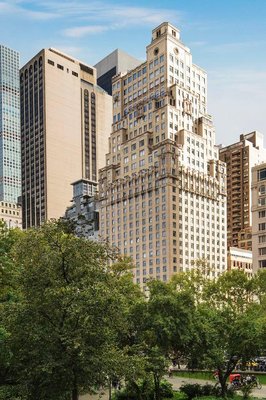
The Ritz-Carlton New York, Central Park
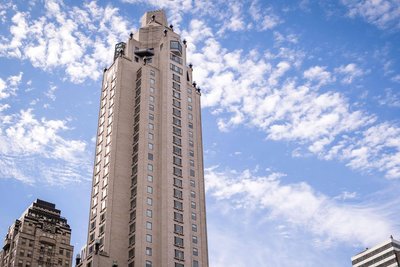
Four Seasons Hotel New York
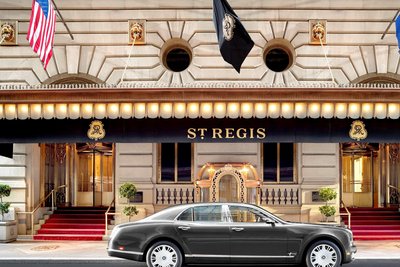
The St. Regis New York
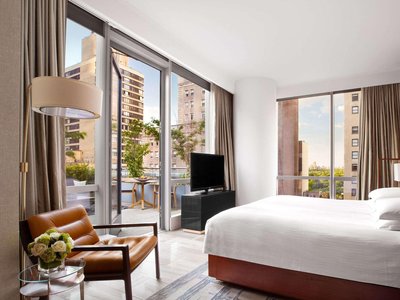
Park Hyatt New York
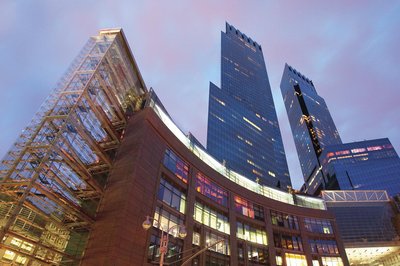
Mandarin Oriental New York
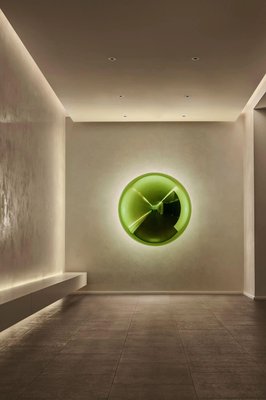
Times Square Edition New York

Loews Regency New York Hotel
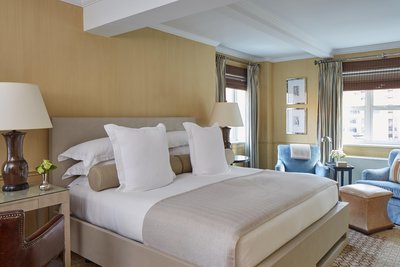
Lowell Hotel
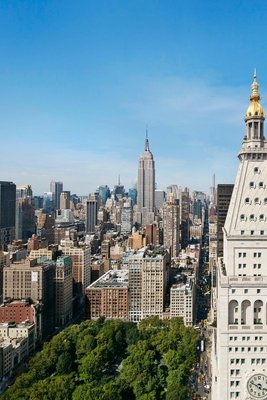
New York Edition
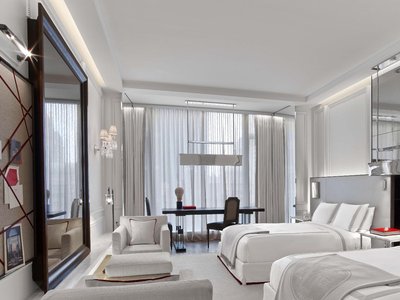
Baccarat Hotel New York

Equinox Hotel New York
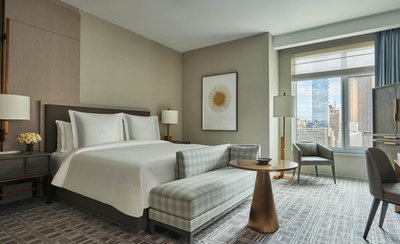
Four Seasons Hotel New York Downtown
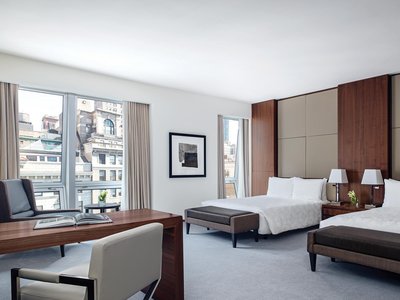
The Langham, New York, Fifth Avenue

The Carlyle, A Rosewood Hotel

The Chatwal, in the Unbound Collection by Hyatt

The Mark New York
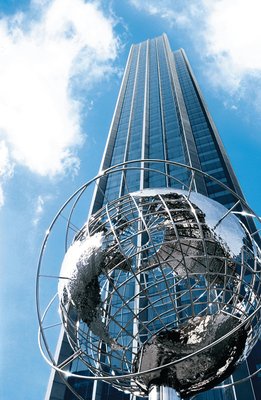
Trump International Hotel & Tower® New York
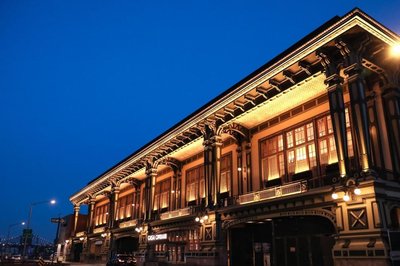
Casa Cipriani New York
Frequently Asked Questions about Traveling to Muju
Questions You Might Need to Know About Traveling to Muju
In Mokpo County, the top eco-conscious choice is Mokpo Forest Resort, nestled within the Jirisan National Park. Surrounded by ancient pine forests and pristine streams, it offers sustainable wooden cabins and solar-powered lodges. The resort emphasizes low-impact tourism, with composting toilets, zero-plastic policies, and guided nature walks led by local rangers. Guests can enjoy stargazing from elevated platforms and participate in reforestation programs. Another standout is Sangyugi Mountain Cabin, a minimalist retreat built with reclaimed wood, featuring panoramic views of the mountain canopy and an on-site herb garden. Both properties promote harmony with nature, making them ideal for conscious travelers seeking tranquility and environmental responsibility.
The most serene and scenic area for hotel stays in Mokpo County is Cheonggye Valley, located at the foothills of Jirisan Mountain. This region combines breathtaking natural beauty with peaceful solitude, home to luxury guesthouses like Cheonggye Valley Hot Spring Inn and Mountain Whisper Lodge. Surrounded by moss-covered rocks, clear rivers, and towering evergreens, these accommodations offer private balconies with unobstructed views of misty peaks. The valley’s low tourist density ensures privacy, while its proximity to hiking trails, waterfalls, and the historic Dajeon Temple makes it perfect for both relaxation and exploration. Ideal for couples, solo travelers, or nature photographers seeking a restorative escape.
Stay at Mountain Whisper Lodge or Sangyugi Mountain Cabin to immerse yourself in authentic Korean traditions. Participate in hands-on workshops such as traditional kimchi-making using locally grown vegetables, hanbok (Korean dress) fitting sessions, and tea ceremony rituals held in rustic courtyard settings. Some hotels host evening storytelling nights where elders recount folk tales of Jirisan’s legends, accompanied by live performances of gayageum music. During spring, guests may join wild herb foraging tours led by local herbalists, learning about traditional medicine practices. These immersive experiences blend education and culture, transforming your stay into a meaningful journey into Korea’s rural heritage.
Yes, Cheonggye Valley Hot Spring Inn is one of the finest hot spring resorts in Mokpo County, sourcing mineral-rich waters from deep underground aquifers beneath Jirisan Mountain. The spring water contains sulfur and calcium, known for soothing skin conditions and joint pain. The inn features private outdoor onsen baths, indoor thermal pools, and a holistic spa offering herbal compress therapy. Another top option is Jirisan Wellness Retreat, which blends modern design with traditional elements, including open-air baths framed by bamboo groves and night-time sky viewing areas. Both hotels provide complimentary rice wine and medicinal tea, enhancing the wellness experience. Ideal for rejuvenation after hiking or exploring the surrounding national park.
Absolutely. Mokpo Forest Resort offers family-friendly amenities including a kids’ nature discovery zone, interactive farm visits, and supervised activities like insect hunting and pottery-making. Family cabins feature bunk beds and playrooms, while parents can relax at the adults-only sauna. Mountain Whisper Lodge provides multi-generational suites with kitchenettes and outdoor grilling areas, perfect for cooking together. Both hotels organize weekend events like forest scavenger hunts and traditional festival celebrations. With nearby attractions such as Jirisan Nature Education Center and gentle hiking trails, families can enjoy safe, enriching experiences. All facilities are child-safe, and staff are trained in emergency response, ensuring peace of mind for every traveler.
Mokpo County is renowned as one of Asia’s premier stargazing destinations due to minimal light pollution. Especially in Cheonggye Valley and Sangyugi Mountain Cabin, the skies are crystal-clear, revealing the Milky Way in stunning detail. Many hotels offer dedicated observatory decks equipped with telescopes and expert-led star shows. During summer, the annual Stargazing Festival features astronomy lectures, astrophotography workshops, and night hikes under the stars. Guests can also book private sky-watching packages with blankets, warm drinks, and real-time constellation identification. For serious astronomers and photographers, this region offers some of the best dark-sky conditions in South Korea.
Start your day at Cheonggye Valley Hot Spring Inn or Mokpo Forest Resort. Begin early with a 4-hour trek along the Jirisan Circular Trail, passing cascading waterfalls like Hwawang Falls, ancient ginkgo trees, and rocky ridgelines. Stop at Buddha Rock Viewpoint for panoramic mountain vistas and a picnic lunch of local wild greens and rice cakes. In the afternoon, explore the lesser-known Seojeong Trail, leading to a hidden shrine and a sacred stone lantern. Return via Rabbit’s Path, ideal for spotting deer and birds. Hotels provide free maps, hydration packs, and guided tours upon request. Afterward, unwind with a soak in the onsen, completing a full cycle of movement, discovery, and restoration in nature.
Yes, many hotels in Mokpo County prioritize authentic culinary immersion. Cheonggye Valley Hot Spring Inn hosts daily farm-to-table dining experiences, where guests harvest ingredients from their organic garden—such as wild mountain vegetables, fermented radishes, and native mushrooms—before cooking them into dishes like mountain vegetable stew (sanchae jjigae) and fermented seafood pancakes. At Sangyugi Mountain Cabin, guests can join a traditional Korean meal workshop, learning how to prepare tteok (rice cakes) and honey-glazed chestnut buns. Local chefs serve seasonal specialties like pine needle tea and black garlic jam. All meals use non-GMO, pesticide-free produce, ensuring rich flavor and cultural authenticity. These experiences elevate dining into a sensory journey through regional heritage.
Yes, Mokpo Forest Resort and Jirisan Wellness Retreat are fully equipped for corporate retreats. They offer customizable team-building programs including forest navigation challenges, collaborative art projects, and mindfulness workshops led by certified coaches. The venues feature large conference halls with AV systems, breakout rooms, and outdoor pavilions for group discussions. Catering includes healthy, locally sourced meals, and optional bonding activities like bonfire storytelling or group meditation under the stars. Packages include transportation, accommodation, and facilitation services. Designed to foster connection and creativity, these retreats take advantage of the serene natural setting to enhance focus, collaboration, and employee well-being.
Perfectly suited. Sangyugi Mountain Cabin and Mountain Whisper Lodge cater specifically to solo travelers with cozy single rooms, quiet reading nooks, and communal spaces designed for connection without pressure. Guests can join solitary journaling sessions, sunrise meditation, or evening poetry circles hosted by resident artists. The absence of crowds and the calming forest ambiance encourage introspection and renewal. Most hotels offer personalized welcome kits with local snacks and walking guides. Safety is prioritized with 24/7 staff access and secure Wi-Fi. Whether seeking inspiration, digital detox, or personal growth, solo travelers find sanctuary and subtle community in this tranquil mountain haven.
Muju Overview
City Summary
Muju County, located in Jeollabuk-do, South Korea, is renowned for its stunning natural landscapes and rich cultural heritage. As the only inland county in South Korea, it boasts famous attractions such as Deogyusan National Park and Muju Resort. Muju is known for its traditional Hanok villages and winter ski resorts, while also serving as an important preserve of Korean traditional culture.
Must-See Attractions
Must-see attractions in Muju include Deogyusan National Park, offering breathtaking mountain views and hiking trails; Muju Resort, a popular destination for winter skiing; and Muju Hanok Village, which showcases traditional Korean architecture and lifestyle. Additionally, Gucheon Valley and the Muju Firefly Festival are unmissable natural and cultural experiences.
Food Guide
Muju's cuisine is characterized by mountain specialties. Don't miss Muju buckwheat noodles (메밀국수), a local signature dish. Other favorites include wild vegetable bibimbap (산채비빔밥) and Korean beef barbecue. Street food like Korean pancakes (전) and spicy rice cakes (떡볶이) are also worth trying.
Transportation Guide
Transportation in Muju primarily relies on buses, with intercity buses available from cities like Jeonju or Daejeon. Within the county, taxis or car rentals are recommended due to limited public transport. Plan routes in advance, especially for remote attractions. Ski resorts often offer shuttle services in winter.
Best Time to Visit
The best time to visit Muju is autumn (September to November), when the weather is cool and mountain foliage is vibrant. Winter (December to February) is ideal for skiing, but be prepared for cold temperatures. Spring (March to May) offers cherry blossoms and mountain flowers.
Travel Tips
- Dress appropriately: Mountain areas in Muju can be chilly, especially in winter; pack warm clothing.
- Cash payments: Some rural areas may not accept credit cards; carry sufficient cash.
- Cultural respect: Observe local etiquette in Hanok villages, avoiding loud noises.
- Hiking safety: Trails in Deogyusan National Park can be steep; wear proper footwear.
- Ski equipment: Ski gear can be rented, but advance HopeGoo is recommended.
- Language: English proficiency is low in rural areas; consider a translation app.
Useful Information
The official language in Muju is Korean, with English more common in tourist areas but limited in rural regions. Internet access is reliable in urban areas and resorts, but may be spotty in mountains. Payment methods primarily use cash, though some businesses accept cards. For emergencies, dial 119; major hospitals are in Jeonju. Travel insurance is recommended for unexpected situations.
Other Cities You Might Like
Explore more amazing destinations