Hotels in Muju
Discover your perfect stay in Muju.
Muju(South Korea) Travel 2026: Cheap Flights, Hotels & Top Attractions
Popular Landmarks in Muju
Discover the most iconic attractions in Muju
Recommended Hotels in Muju
Find the perfect place to stay in Muju
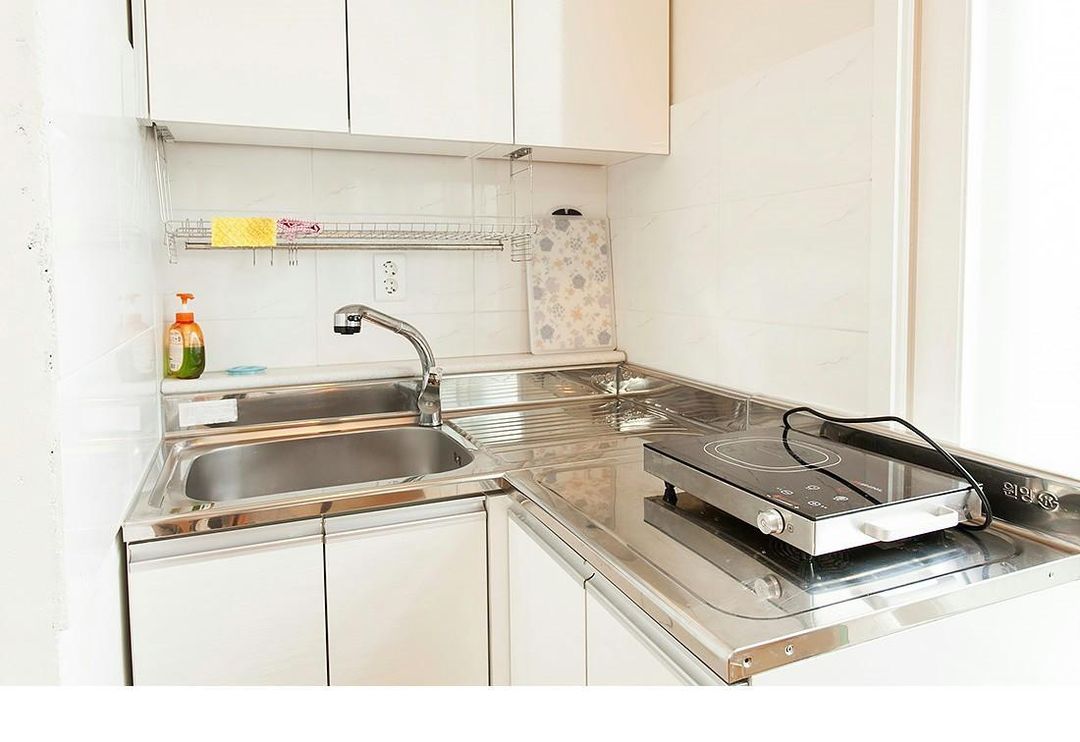
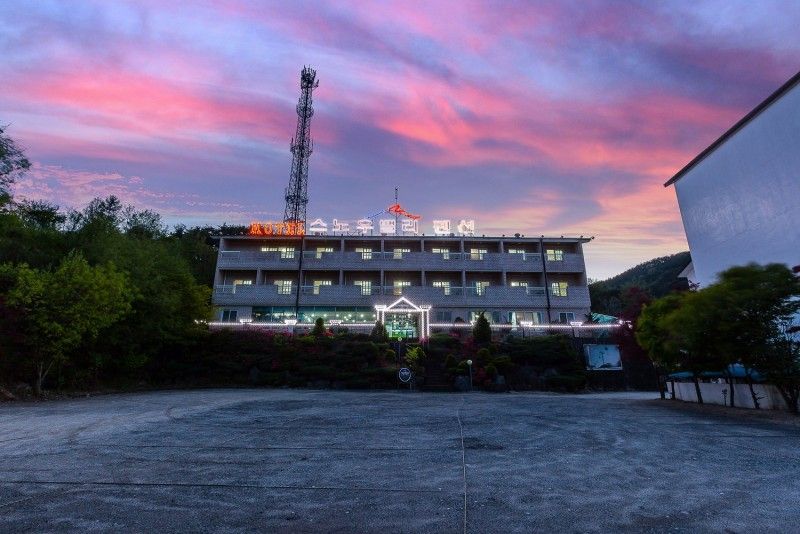
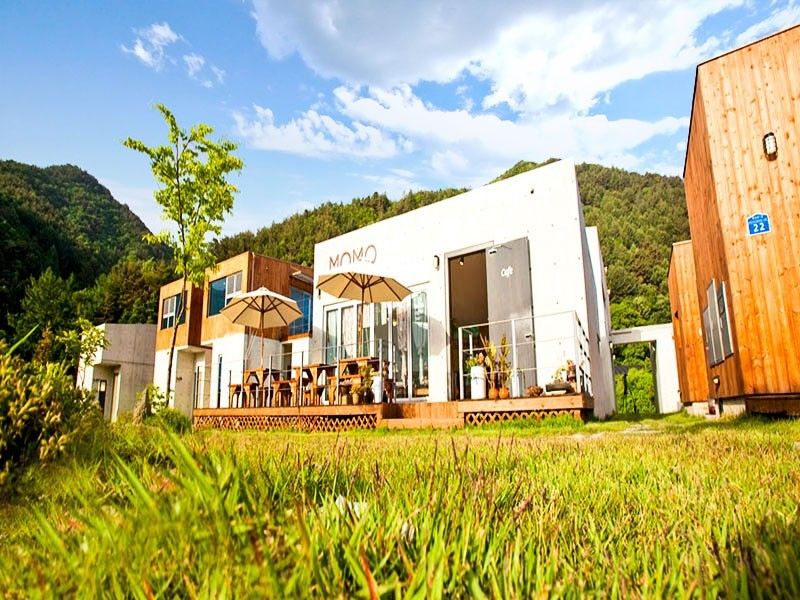
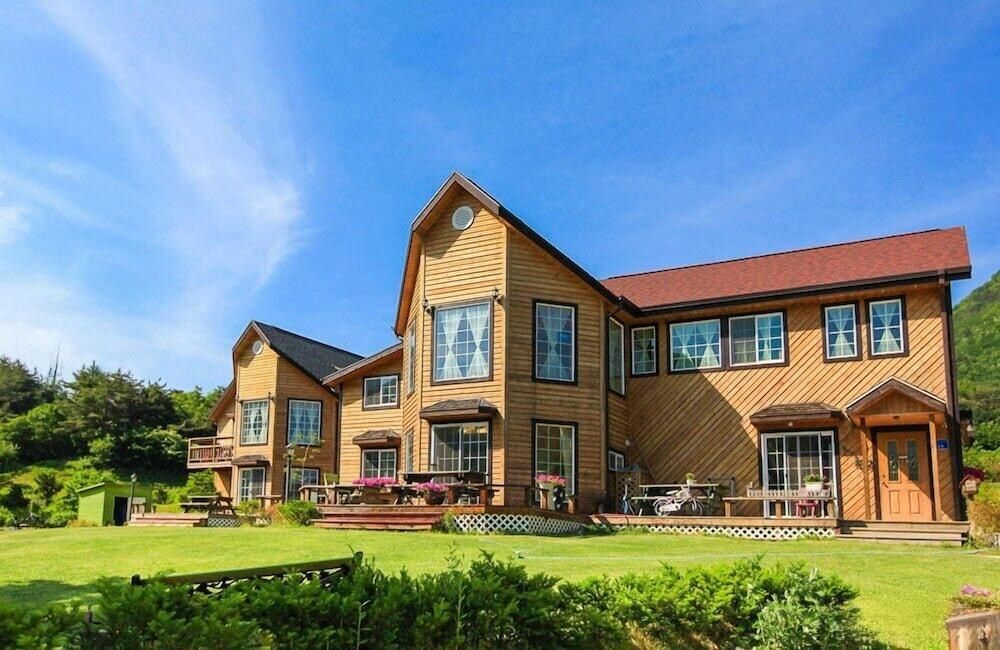
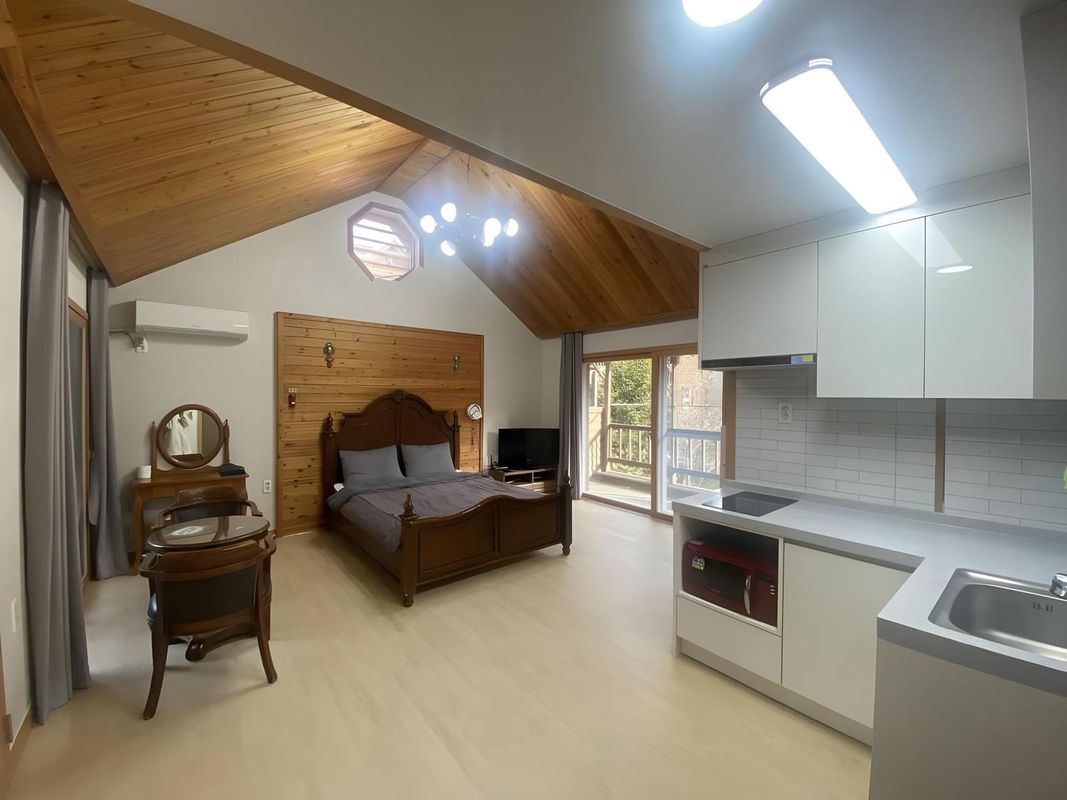
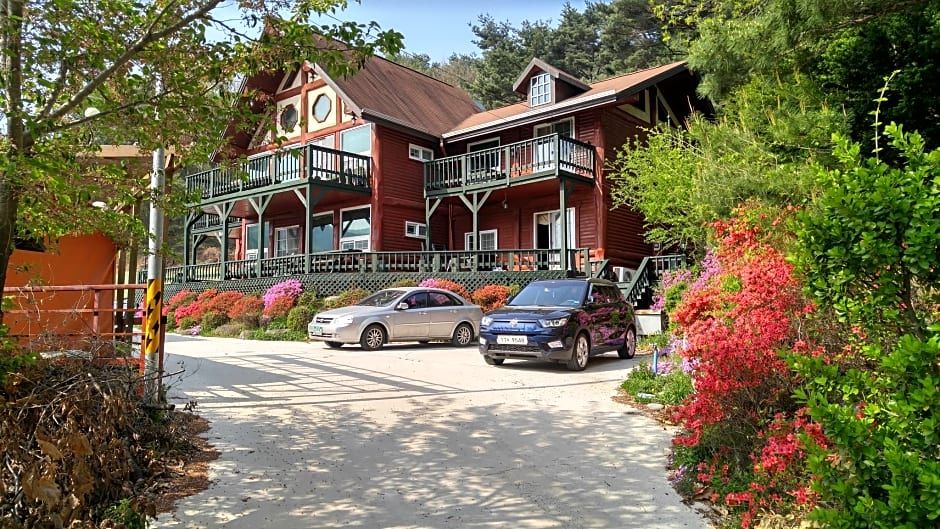
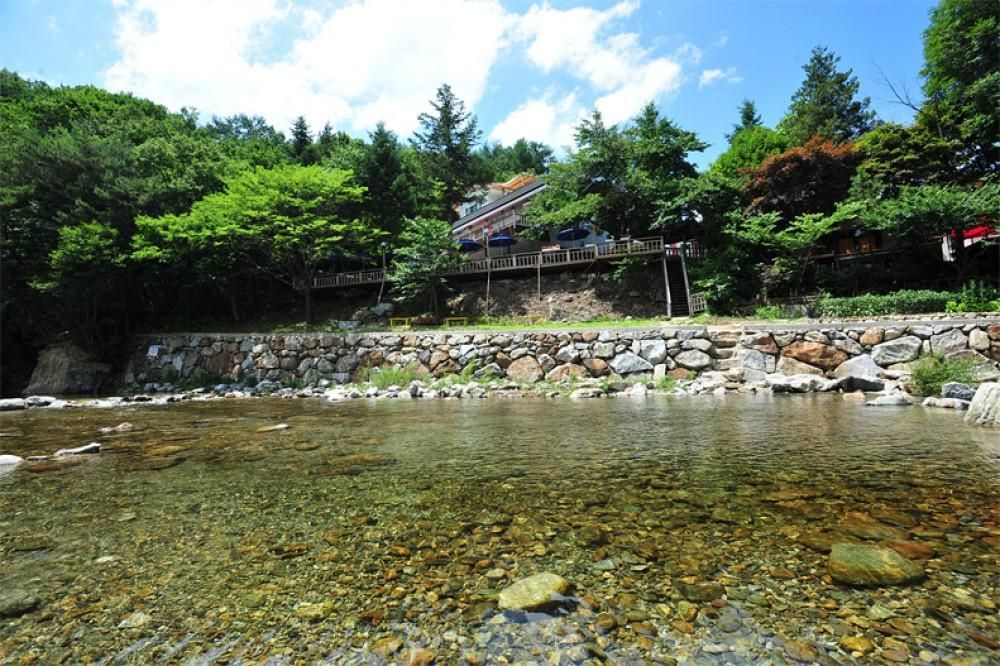
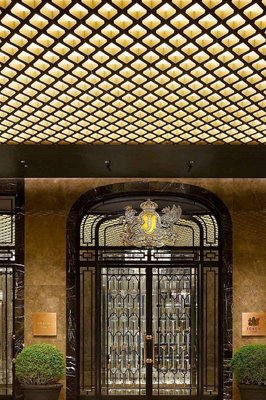
Best Hotels in Muju
Discover curated hotel collections in Muju






















Frequently Asked Questions about Traveling to Muju
Questions You Might Need to Know About Traveling to Muju
Muju Overview
City Summary
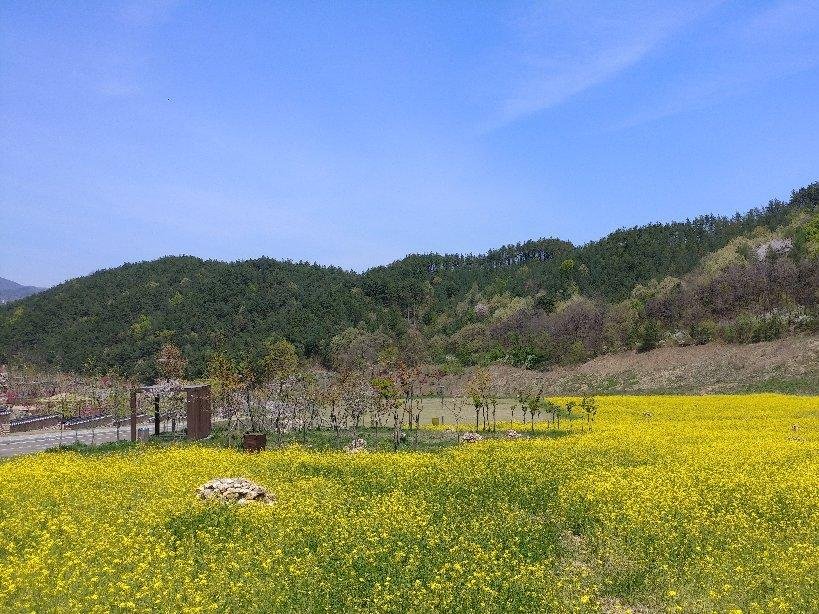
Muju County, located in Jeollabuk-do, South Korea, is renowned for its stunning natural landscapes and rich cultural heritage. As the only inland county in South Korea, it boasts famous attractions such as Deogyusan National Park and Muju Resort. Muju is known for its traditional Hanok villages and winter ski resorts, while also serving as an important preserve of Korean traditional culture.
Must-See Attractions
Must-see attractions in Muju include Deogyusan National Park, offering breathtaking mountain views and hiking trails; Muju Resort, a popular destination for winter skiing; and Muju Hanok Village, which showcases traditional Korean architecture and lifestyle. Additionally, Gucheon Valley and the Muju Firefly Festival are unmissable natural and cultural experiences.
Food Guide
Muju's cuisine is characterized by mountain specialties. Don't miss Muju buckwheat noodles (메밀국수), a local signature dish. Other favorites include wild vegetable bibimbap (산채비빔밥) and Korean beef barbecue. Street food like Korean pancakes (전) and spicy rice cakes (떡볶이) are also worth trying.
Transportation Guide
Transportation in Muju primarily relies on buses, with intercity buses available from cities like Jeonju or Daejeon. Within the county, taxis or car rentals are recommended due to limited public transport. Plan routes in advance, especially for remote attractions. Ski resorts often offer shuttle services in winter.
Best Time to Visit
The best time to visit Muju is autumn (September to November), when the weather is cool and mountain foliage is vibrant. Winter (December to February) is ideal for skiing, but be prepared for cold temperatures. Spring (March to May) offers cherry blossoms and mountain flowers.
Travel Tips
- Dress appropriately: Mountain areas in Muju can be chilly, especially in winter; pack warm clothing.
- Cash payments: Some rural areas may not accept credit cards; carry sufficient cash.
- Cultural respect: Observe local etiquette in Hanok villages, avoiding loud noises.
- Hiking safety: Trails in Deogyusan National Park can be steep; wear proper footwear.
- Ski equipment: Ski gear can be rented, but advance HopeGoo is recommended.
- Language: English proficiency is low in rural areas; consider a translation app.
Useful Information
The official language in Muju is Korean, with English more common in tourist areas but limited in rural regions. Internet access is reliable in urban areas and resorts, but may be spotty in mountains. Payment methods primarily use cash, though some businesses accept cards. For emergencies, dial 119; major hospitals are in Jeonju. Travel insurance is recommended for unexpected situations.
Other Cities You Might Like
Explore more amazing destinations