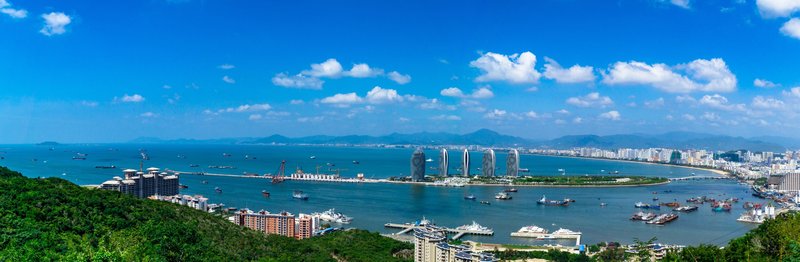
Hotels in Naju
Discover your perfect stay in Naju.
Naju(South Korea) Travel 2026: Cheap Flights, Hotels & Top Attractions
Popular Landmarks in Naju
Discover the most iconic attractions in Naju
Recommended Hotels in Naju
Find the perfect place to stay in Naju
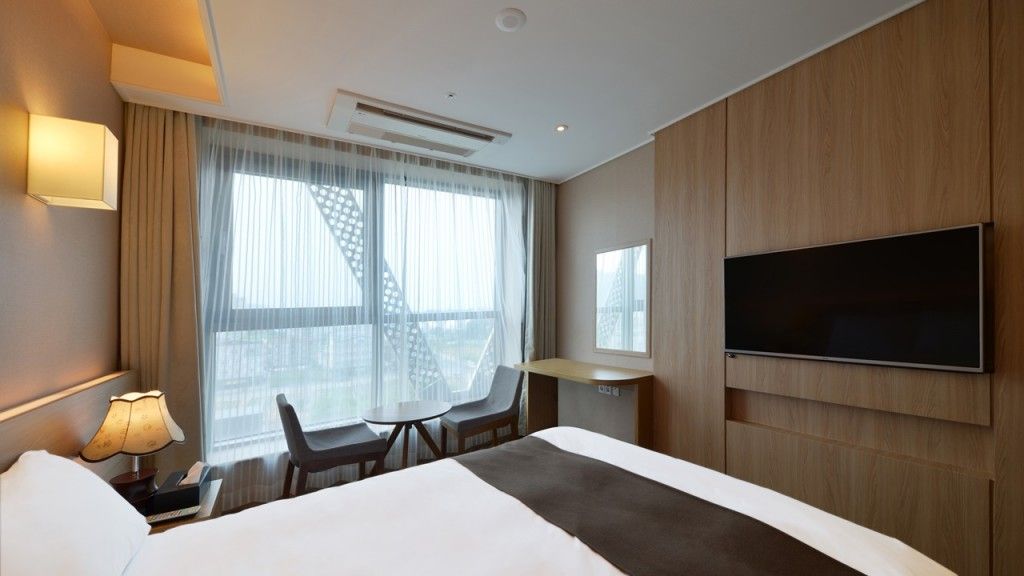
Naju City Hotel
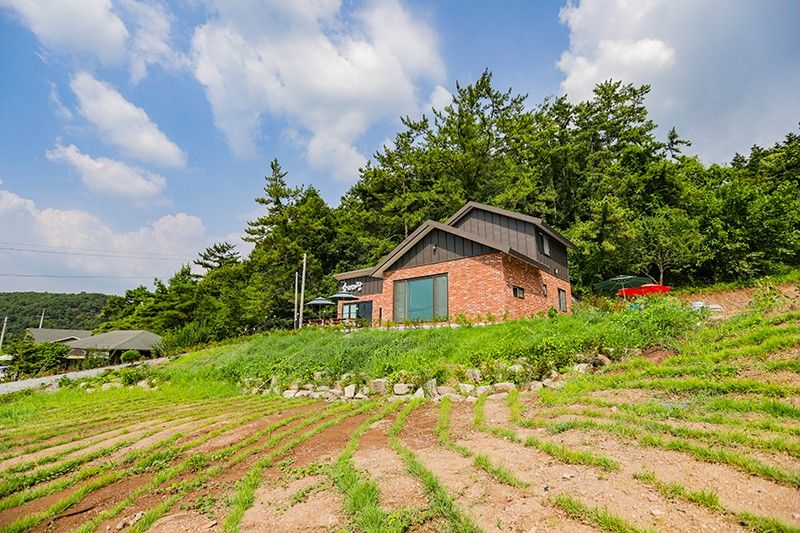
Naju Suparaejam Pension
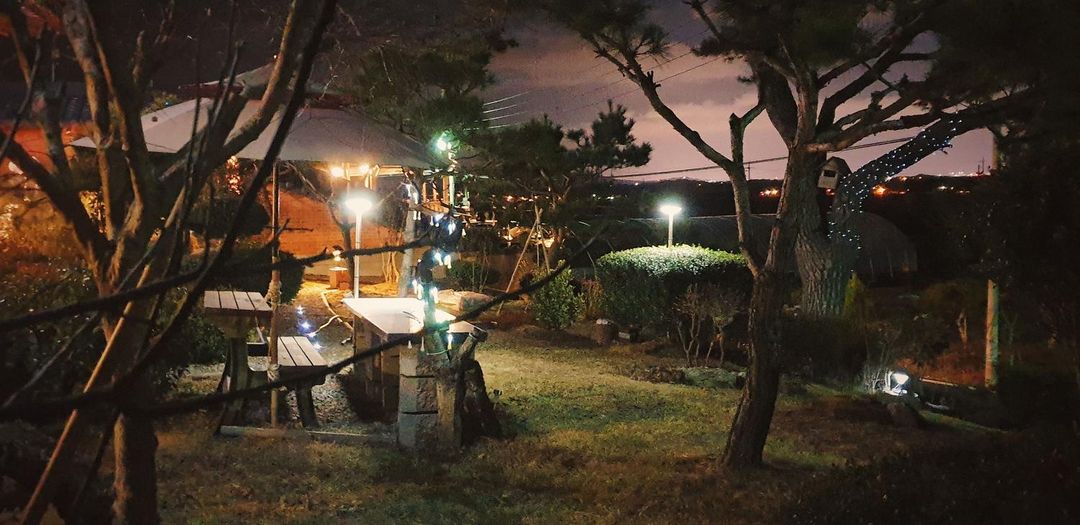
Hanok Itda
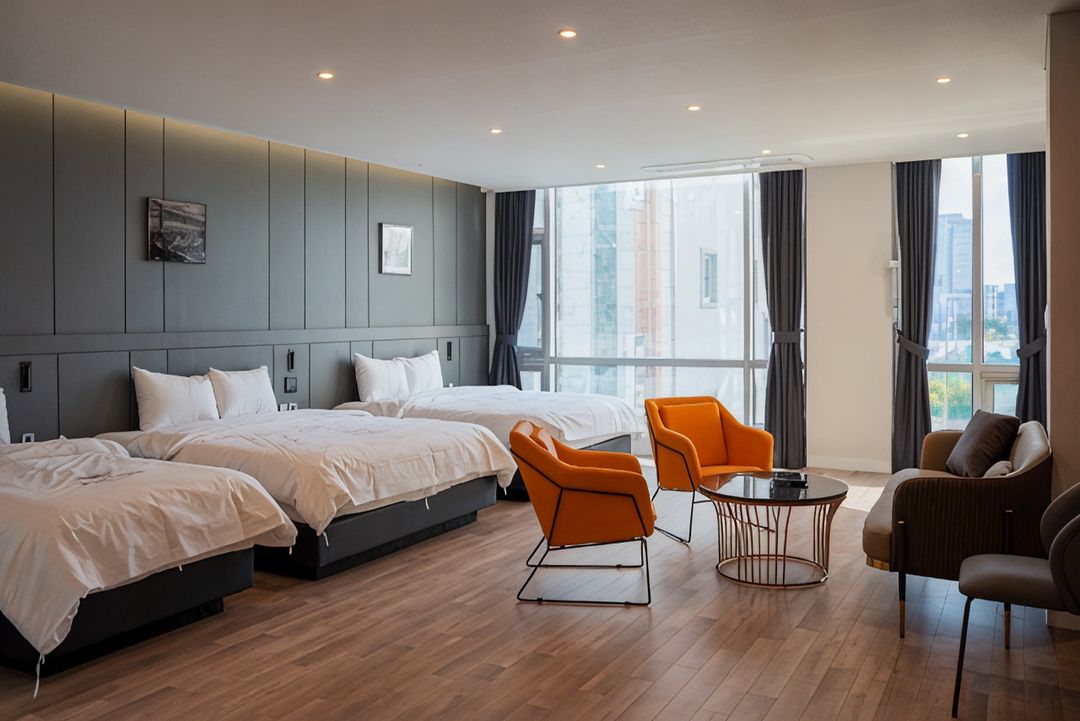
Naju Western Hotel
Best Hotels in Naju
Discover curated hotel collections in Naju
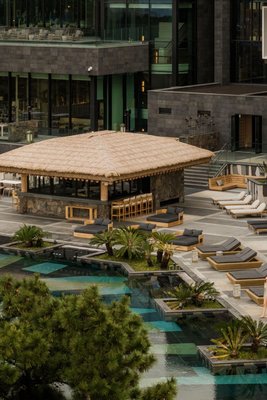
JW Marriott Jeju Resort & Spa
JW Marriott Hotel Seoul
Conrad Seoul
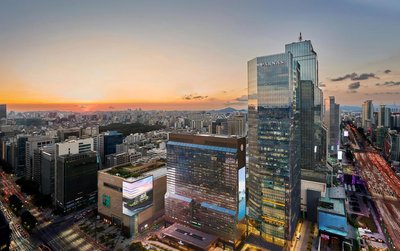
Grand InterContinental Seoul Parnas
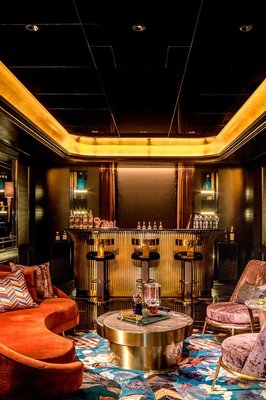
Art Paradiso, Paradise City
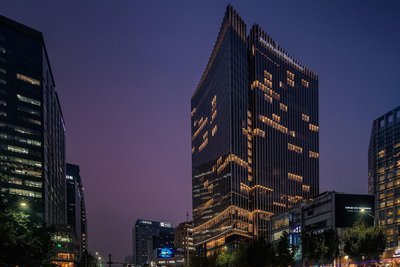
Four Seasons Hotel Seoul
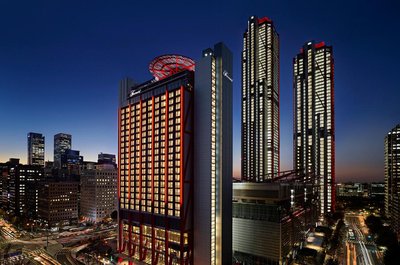
Fairmont Ambassador Seoul
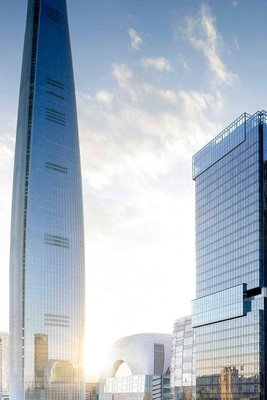
Sofitel Ambassador Seoul Hotel & Serviced Residences
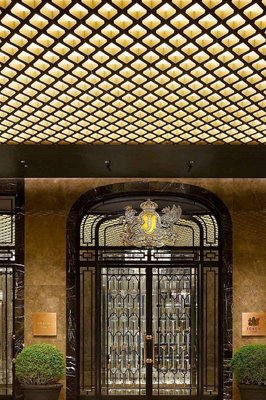
Josun Palace, a Luxury Collection Hotel, Seoul Gangnam
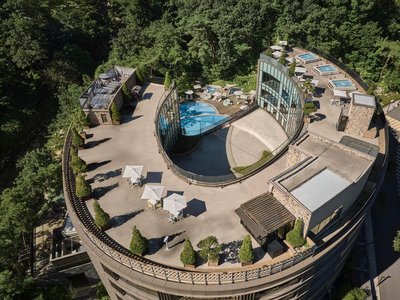
Anto (formerly: Parasara Seoul)
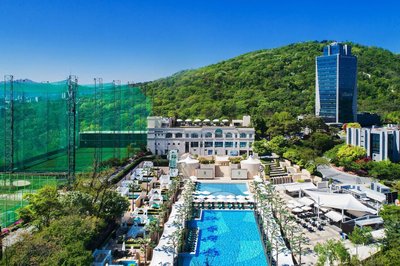
Banyan Tree Club & Spa Seoul
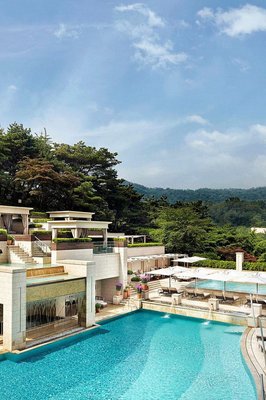
The Shilla Seoul
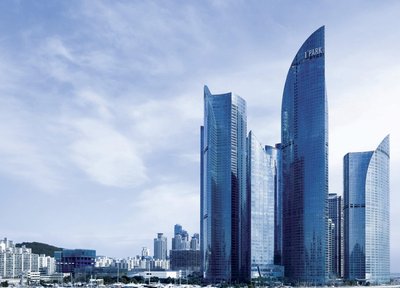
Park Hyatt Busan
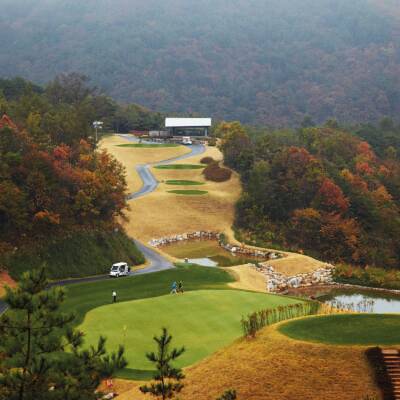
Tops10 Resort Donggang Cistar
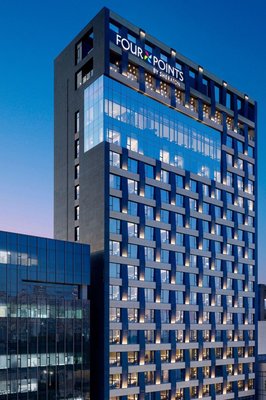
Four Points by Sheraton Suwon

Arte Resort Spa & Pool Villa
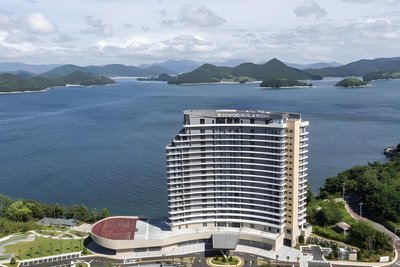
Stanford Hotel&Resort Tongyeong
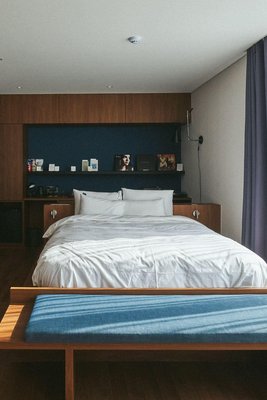
Good Ol' Days Hotel
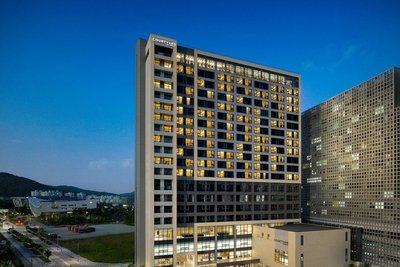
Courtyard Sejong
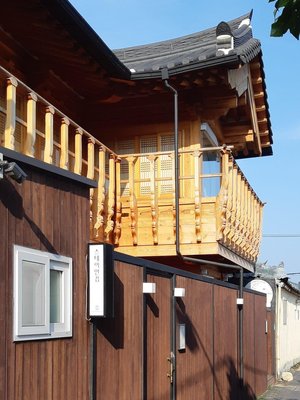
Gyeong-ju Stayangim
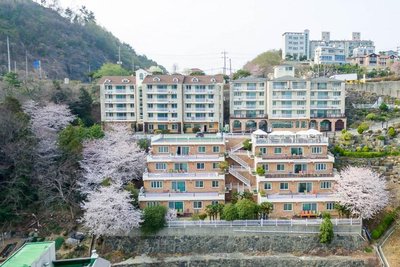
Home Fourest Resort Geoje
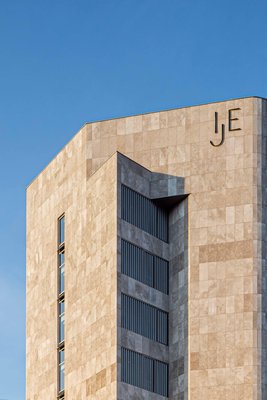
IJE BUSAN
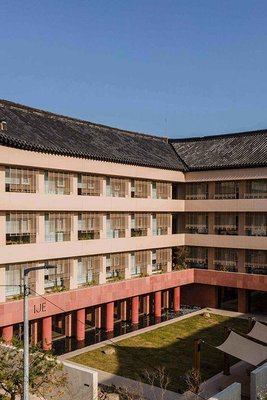
Ije Gyeongju
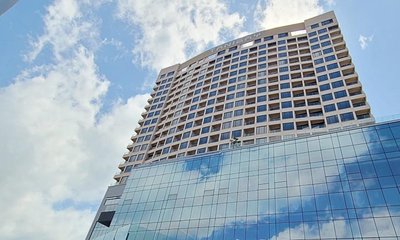
Tanibay Hotel
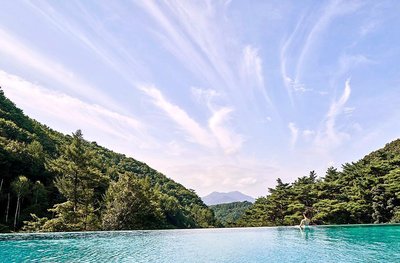
Restree and Forest Resom
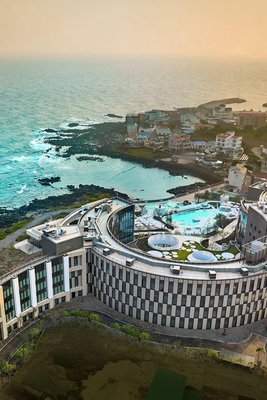
Shilla Stay Plus Iho Tewoo Ocean Front
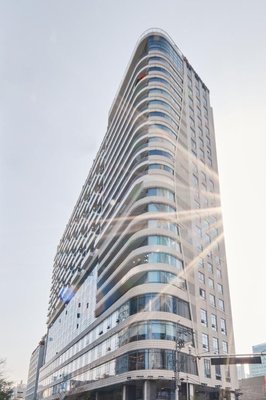
UH Flat Signature Daegu
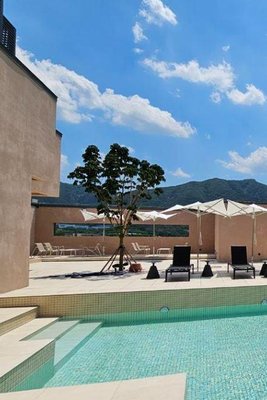
Daegu Suseong the Arco Hotel Lions Park
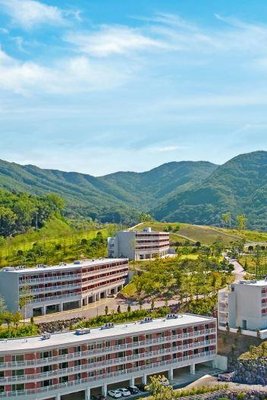
Belle Fore Resort
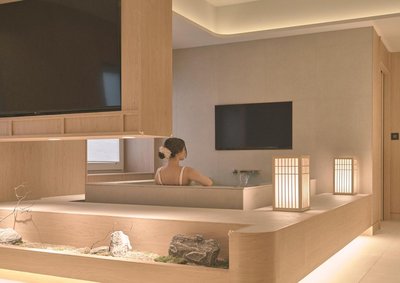
UH Continental CenterPoint
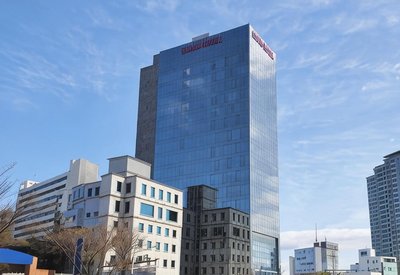
Eldis Regent Hotel

NewCZ LCT Residence
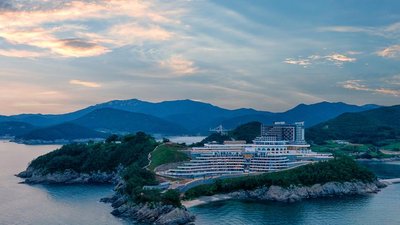
SOL BEACH NAMHAE
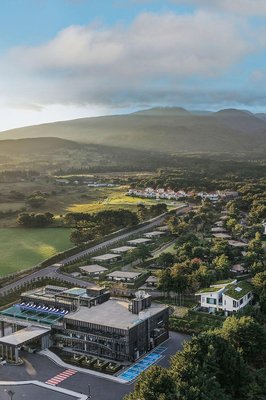
Amber Pure Hill Hotels & Resorts Jeju
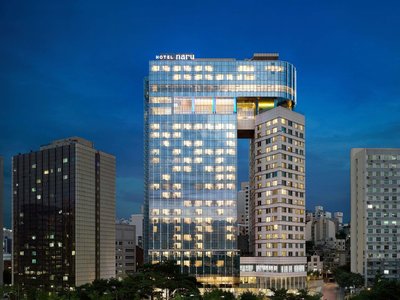
Hotel Naru Seoul - MGallery Collection
Stanford Hotel&Resort Tongyeong
JW Marriott Jeju Resort & Spa
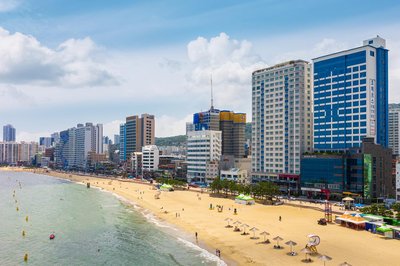
Homers Hotel
Shilla Stay Plus Iho Tewoo Ocean Front
SOL BEACH NAMHAE
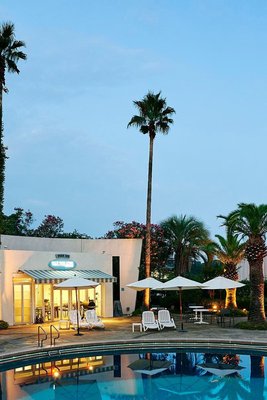
The Suites Hotel Jeju
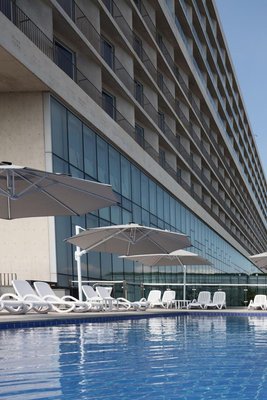
Nest Hotel Incheon
Conrad Seoul
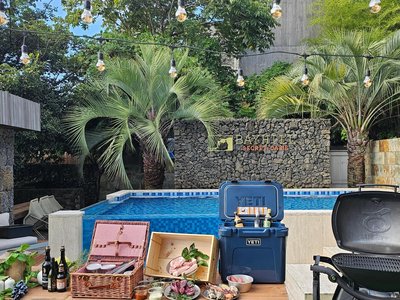
Bayhill Pool & Villa
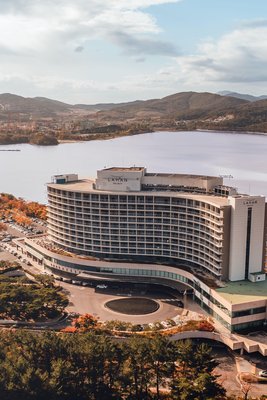
Lahan Select Gyeongju
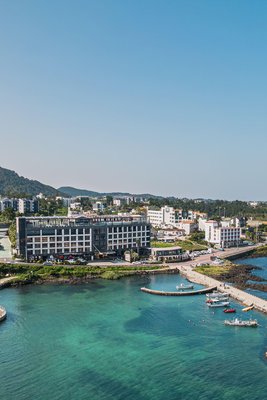
Dyne Ocenano Hotel
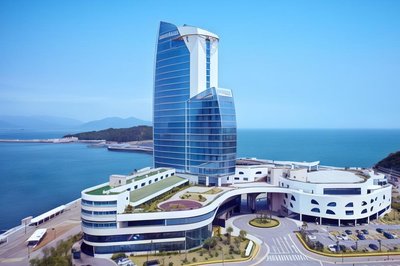
Sono Calm Yeosu
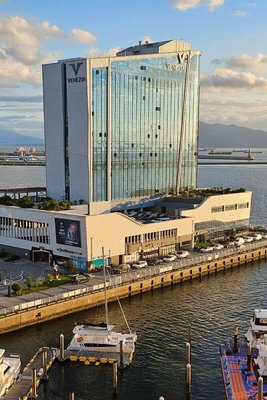
Yeosu Venezia Hotel & Suite
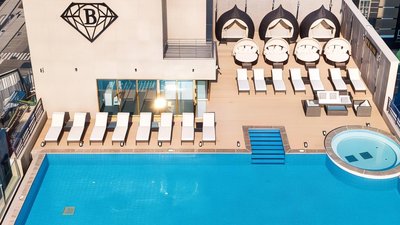
Baymond Hotel
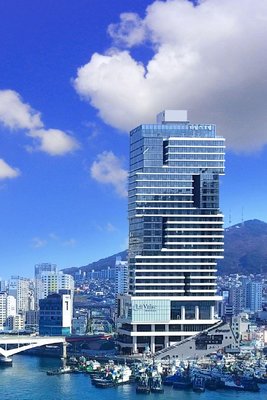
Lavalse Hotel
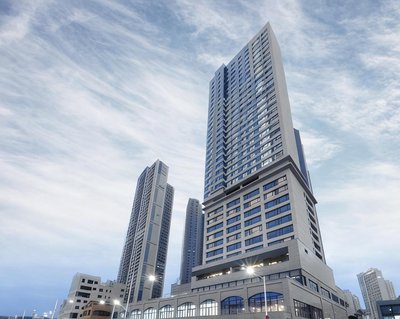
Mercure Ambassador Ulsan
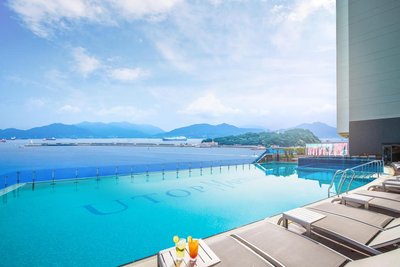
Utop Marina Hotel & Resort
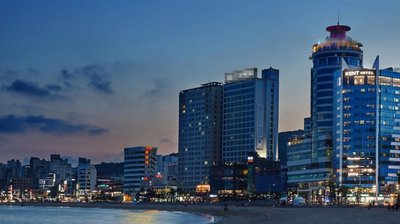
Kent Hotel Gwangalli by Kensington
Amber Pure Hill Hotels & Resorts Jeju
JW Marriott Jeju Resort & Spa
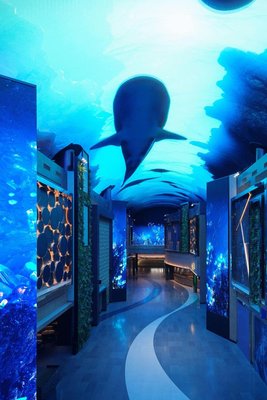
INSPIRE Entertainment Resort
Conrad Seoul
Bayhill Pool & Villa
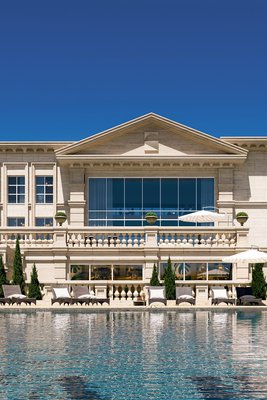
The Siena Primo (Original Tuscany Hotel)
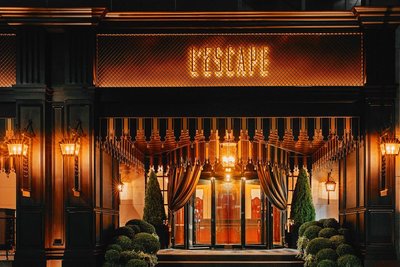
L'Escape Hotel
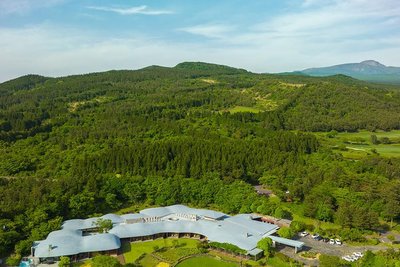
Podo Hotel
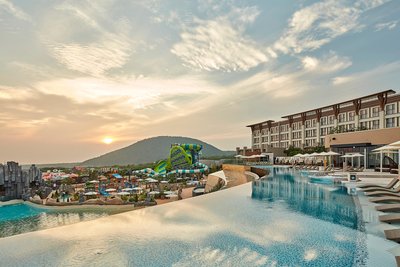
Shinhwa Jeju Shinhwa World Hotels & Resorts
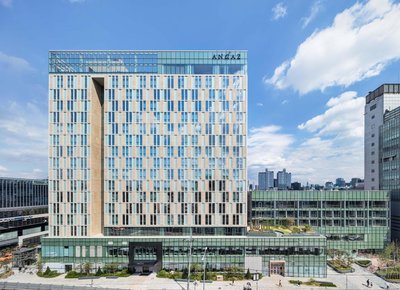
ANDAZ SEOUL GANGNAM, BY HYATT
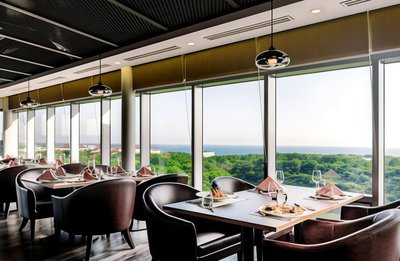
Hidden Cliff Hotel and Nature
Fairmont Ambassador Seoul
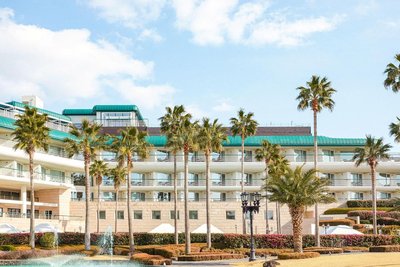
Grand Josun Jeju
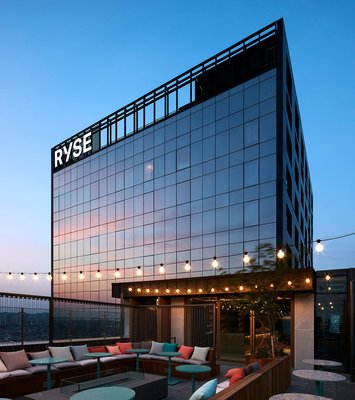
RYSE, Autograph Collection by Marriott
Josun Palace, a Luxury Collection Hotel, Seoul Gangnam
Anto (formerly: Parasara Seoul)
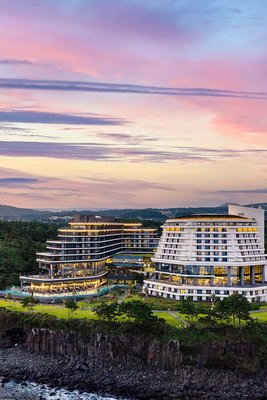
Parnas Hotel Jeju
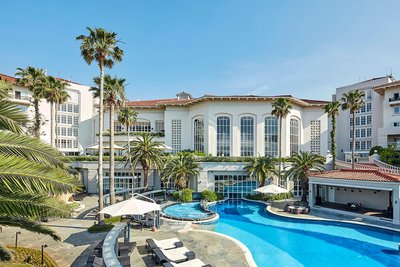
The Shilla Jeju
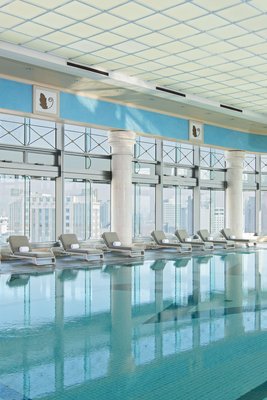
The Plaza Seoul, Autograph Collection
Banyan Tree Club & Spa Seoul
Amber Pure Hill Hotels & Resorts Jeju
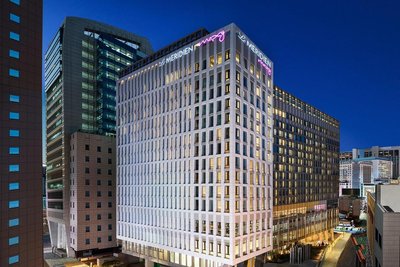
Le Méridien Seoul, Myeongdong
Hotel Naru Seoul - MGallery Collection
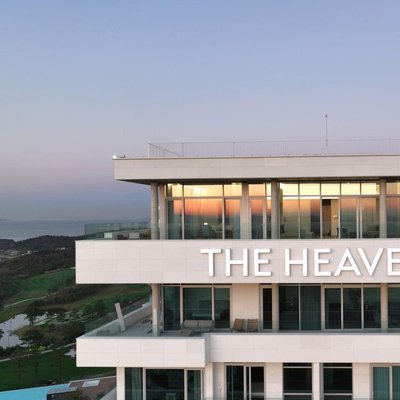
The Heaven Resort
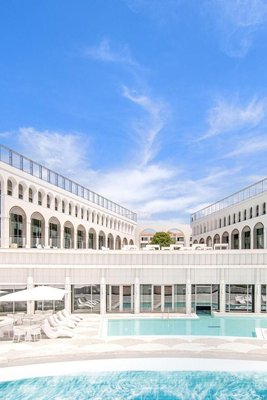
The Siena Resort
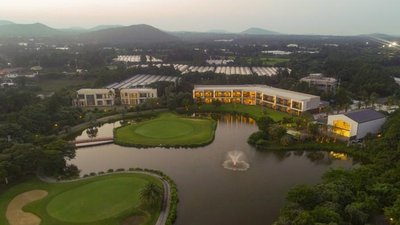
Kase Lodge
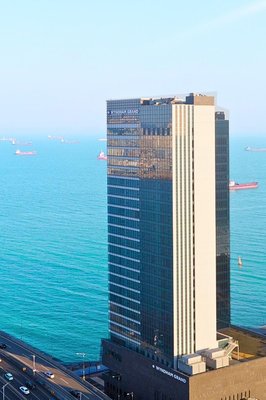
Wyndham Grand Busan Ijin
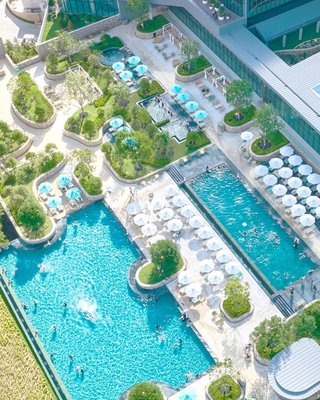
Ananti at Busan Village
INSPIRE Entertainment Resort
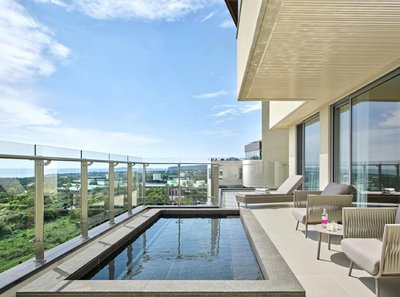
Grand Josun Hill Suite
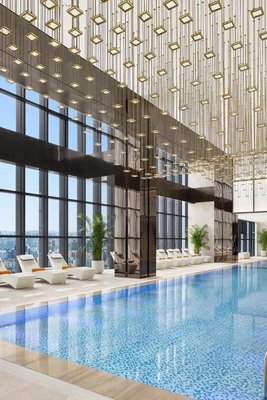
Pullman Ambassador Seoul Eastpole
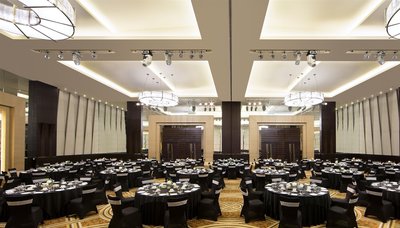
Sheraton Grand Incheon Hotel
Nest Hotel Incheon
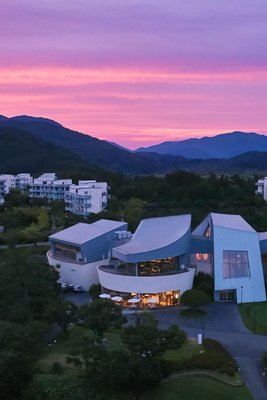
Ananti at Namhae
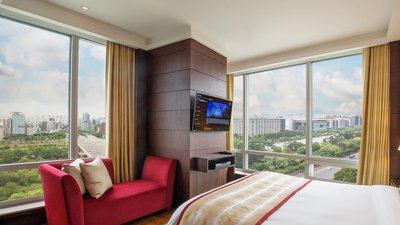
Yeouido Park Centre, Seoul - Marriott Executive Apartments
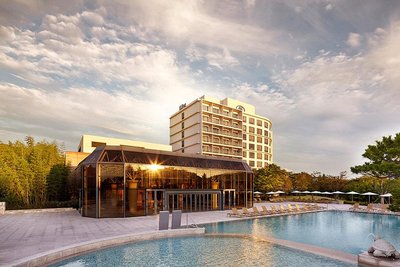
Hilton Gyeongju
Bayhill Pool & Villa
Lahan Select Gyeongju
The Siena Primo (Original Tuscany Hotel)
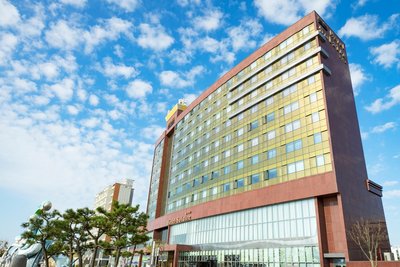
Hotel Solaire
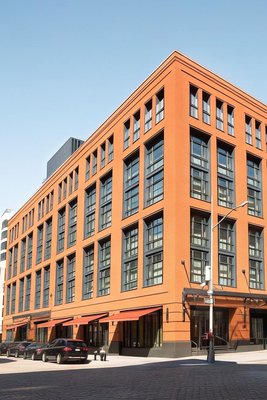
Hotel Barrière Fouquet's New York
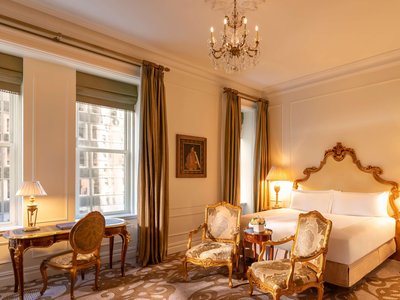
The Plaza - A Fairmont Managed Hotel
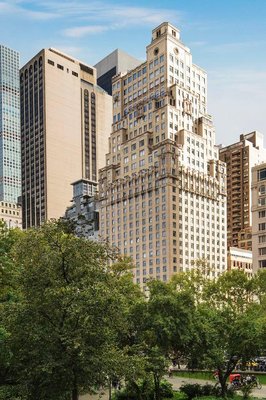
The Ritz-Carlton New York, Central Park
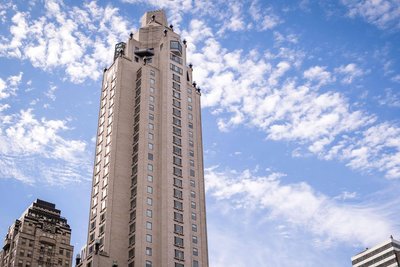
Four Seasons Hotel New York
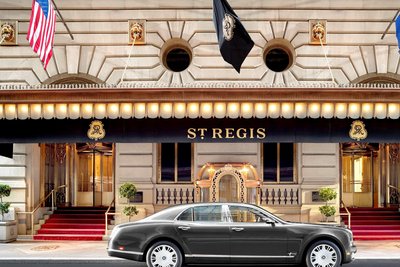
The St. Regis New York
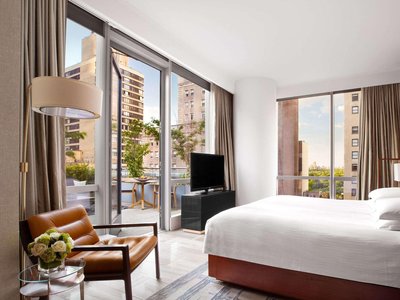
Park Hyatt New York
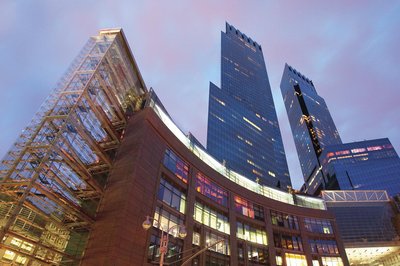
Mandarin Oriental New York
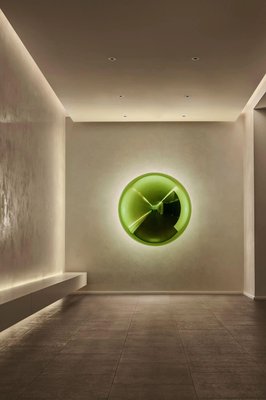
Times Square Edition New York

Loews Regency New York Hotel
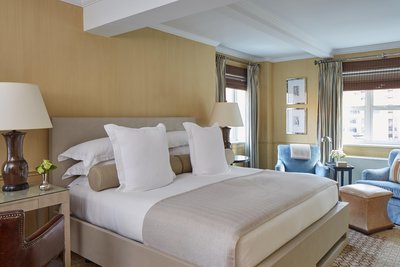
Lowell Hotel
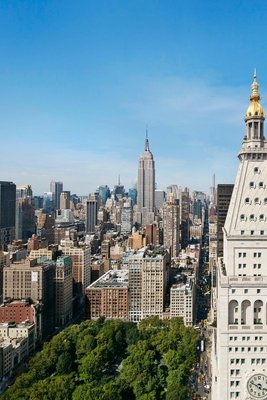
New York Edition
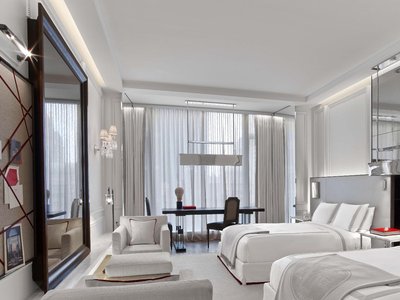
Baccarat Hotel New York

Equinox Hotel New York

Four Seasons Hotel New York Downtown
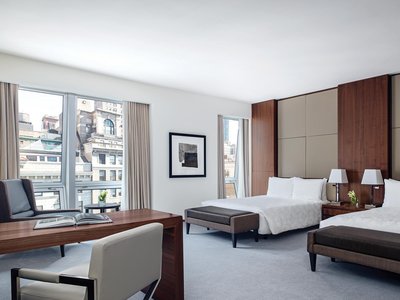
The Langham, New York, Fifth Avenue

The Carlyle, A Rosewood Hotel

The Chatwal, in the Unbound Collection by Hyatt

The Mark New York
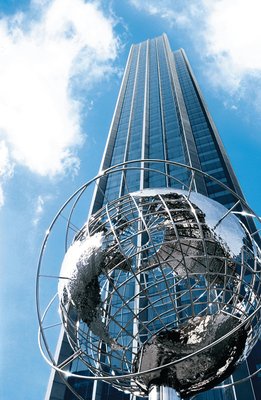
Trump International Hotel & Tower® New York
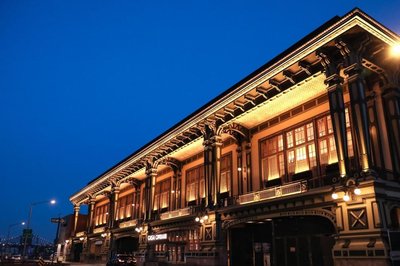
Casa Cipriani New York
Frequently Asked Questions about Traveling to Naju
Questions You Might Need to Know About Traveling to Naju
In Naju, the top choice for cultural immersion is Naju Culture Hall Hotel, located steps from the Naju International Ceramic Biennale Exhibition Hall and within walking distance of the Naju Museum. The hotel features design inspired by local pottery art, with guest rooms showcasing traditional Korean aesthetics. Many guests also enjoy the on-site ceramic workshops where you can create your own piece.
Another excellent option is Jeollanamdo Resort, which offers a peaceful retreat near natural landscapes and hosts seasonal events like the Naju Rice Wine Festival. Both hotels provide easy access to historical sites, making them ideal for travelers seeking authentic cultural experiences in this renowned "Ceramic Capital of Korea".
The best area for hotel stays in Naju is around Naju Station and the Cultural Plaza district. This central location offers easy access to major attractions such as the Naju International Ceramic Biennale Exhibition Hall, Naju Museum, and vibrant shopping streets.
Hotels like Hilton Naju and Naju Culture Hall Hotel are situated here, providing free shuttle services and modern amenities. Public transportation is efficient, and many restaurants and markets are within walking distance. For those seeking tranquility, the New Naju area near Jeollanamdo Resort offers a serene escape with spa facilities and nature trails—perfect for families or wellness-focused travelers.
Visitors to Naju must experience the Naju International Ceramic Biennale, held every two years at the Naju International Ceramic Exhibition Hall. This world-class event showcases innovative ceramic artworks from global artists, along with live demonstrations and hands-on workshops where you can create your own pottery.
Don’t miss the Naju Museum, which houses ancient artifacts from the Baekje Dynasty, including prehistoric ceramics and burial relics. During summer, join the Naju Rice Wine Festival, featuring tastings of locally brewed rice wine, traditional music performances, and folk games—offering a rich taste of regional heritage and community spirit.
Naju is famous for its unique culinary traditions. Must-try dishes include:
-
Naju Rice Wine (Naju Soju): Made from premium local rice, this smooth, sweet liquor is best enjoyed fresh at local bars or markets.
-
Perilla Sauce Seafood Mix: A refreshing dish combining fresh seafood with a distinctive perilla-based sauce—ideal for summer dining.
-
Naju Bulgogi Rice Bowl: A savory fusion of grilled beef and rice, seasoned with a special sauce, popular among locals.
-
Traditional Jeolla Pancakes and Songpyeon: Delicate rice cakes often served during festivals, available at street stalls and food courts in Naju Old Town.
Head to Naju Market or Jeollanamdo Resort Food Plaza for an authentic taste of the region’s flavors, where vendors serve freshly prepared, locally sourced delicacies.
Naju shines in every season:
-
Spring (March–May): Cherry blossoms bloom across Naju Cultural Park and Jeollanamdo Resort, perfect for picnics and photography. This is also when the Naju Rice Wine Festival kicks off, offering fermentation workshops.
-
Summer (June–August): Hosts the Naju International Ceramic Biennale, featuring outdoor light shows, concerts, and artist talks under the stars.
-
Autumn (September–November): Ideal for sightseeing with mild weather. Explore ancient ruins and enjoy harvest festivals featuring chestnuts, persimmons, and local produce.
-
Winter (December–February): Cool but cozy—visit Jeollanamdo Resort’s hot springs and enjoy festive lighting displays. New Year celebrations include temple rituals and lantern ceremonies, adding a spiritual touch to winter travel.
Naju offers several family-friendly attractions:
-
Jeollanamdo Resort: Features a children’s playground, indoor/outdoor pools, hot springs, and kid-friendly ceramic workshops where parents and kids can craft their own pottery together.
-
Naju Cultural Park: Spacious green areas perfect for picnics, kite flying, and exploring interactive sculptures and mini climbing walls.
-
Naju Museum: Offers a dedicated children’s zone with games and exhibits about Baekje-era life, making history fun for young minds.
-
Naju International Ceramic Exhibition Hall: Provides guided tours and hands-on sessions suitable for all ages.
Stay at family-oriented hotels like Hilton Naju or Naju Culture Hall Hotel, which offer spacious rooms, baby amenities, and on-site activities to ensure a stress-free trip for all ages.
The fastest way from Seoul to Naju is by KTX high-speed train, taking approximately 2 hours 40 minutes. Trains depart from Seoul Station or Dongdaemun Station and arrive directly at Naju Station, with multiple daily departures.
Alternatively, take a long-distance bus from Seoul Express Bus Terminal, which takes about 4 hours, offering a more budget-friendly option—but traffic can affect timing. Upon arrival, taxis and free shuttle buses connect to major hotels and attractions like the Naju International Ceramic Biennale Exhibition Hall and Cultural Plaza. HopeGoo tickets in advance is recommended, especially during peak seasons or festival periods.
Naju is known as Korea’s "Ceramic Capital" due to its deep-rooted tradition spanning over 1,500 years, dating back to the Baekje Kingdom. The city is globally recognized for hosting the Naju International Ceramic Biennale, one of the most prestigious ceramic exhibitions worldwide.
Local artisans use traditional techniques combined with contemporary design, creating pieces that reflect both heritage and innovation. Workshops at Naju Ceramic Studios allow visitors to try wheel-throwing, glazing, and firing, using native red clay soil.
Many hotels and shops sell limited-edition ceramics made in Naju, making them exceptional souvenirs. The city’s dedication to preserving and advancing ceramic art ensures it remains a must-visit destination for art lovers and cultural travelers alike.
Top photo spots in Naju include:
-
Naju International Ceramic Exhibition Hall: Its sleek white curved roof and glass façade create stunning architectural shots, especially during golden hour.
-
Cultural Plaza: Featuring fountains, sculptures, and seasonal flower displays, ideal for candid and posed portraits.
-
Naju Museum Exterior: Blends traditional Korean architecture with modern elements—perfect for heritage-themed photography.
-
Jeollanamdo Resort Lake Path: A wooden boardwalk reflecting in the calm water, offering dreamy morning or sunset shots.
-
Naju Old Town Alleys: With weathered walls, hanging lanterns, and narrow lanes, these alleys evoke a nostalgic, cinematic atmosphere—great for storytelling-style photos.
Yes, public transportation in Naju is reliable and traveler-friendly. The Naju Station serves frequent KTX high-speed trains connecting to Seoul, Busan, and other major cities.
Within the city, a well-connected bus network covers key destinations like the Naju International Ceramic Biennale Exhibition Hall, Cultural Plaza, and Naju Museum, with bilingual signage on select routes. Taxis are readily available, with starting fares around ₩3,000, and many drivers speak basic English.
For self-drivers, access via the Gyeongbu Expressway and Jeolla South Expressway is straightforward, with clear signage. Use apps like Naver Map or Google Maps for real-time traffic updates and parking information—enhancing convenience and efficiency during your stay.
Naju Overview
City Summary
Naju, located in South Jeolla Province, South Korea, is a city where history and nature harmoniously coexist. As an ancient capital of the Baekje Kingdom, it boasts cultural treasures like Naju Fortress and Nampeong Mun Clan Residence. The city is renowned for its traditional hanji papercraft and farmers' music, recognized as intangible cultural heritages. The surrounding reed fields and Yeongsan River wetlands offer exceptional ecotourism opportunities.
Must-See Attractions
Top attractions include Naju Fortress, where well-preserved walls and the East Gate come alive with nighttime illuminations. Nampeong Mun Clan Residence showcases Joseon-era aristocratic life, with monthly tea ceremony experiences. The Yeongsan River Wetlands are ideal for birdwatching, especially during the October Reed Festival featuring art installations. Don't miss hands-on hanji paper-making at Naju Hanji Museum.
Food Guide
Naju is famous for its Korean set meals - try "Naju Bibimbap" made with local sesame oil and wild greens. Street food highlights include loach soup (chueotang) and grilled shellfish from Yeongsan River. At traditional markets like Naju 5-Day Market, savor freshly made mung bean pancakes and "mayak" gimbap, best paired with locally brewed Naju makgeolli.
Transportation Guide
From Seoul, take KTX to Naju Station (2.5 hours). City transport relies on buses and taxis. The "Naju Culture Tour Bus Pass" (≈$15) covers all major sites. Most attractions are walkable, but the wetlands require the sightseeing bus (hourly). Taxis start at ≈$3, with 20% night surcharge. Note one-way streets in the old town for drivers.
Best Time to Visit
Best seasons are April-May (cherry blossoms & rapeseed flowers) and September-October (Reed Festival & autumn foliage), with 15-25°C temperatures. Summers (July-August) are humid, while some sites reduce hours in winter (December-February). Avoid Korean public holidays for smaller crowds.
Travel Tips
- Remove shoes when entering traditional hanok houses
- Exercise caution with loach soup bones, especially for children/elders
- Drone use prohibited in wetland reserves
- Carry small KRW bills for market vendors
- Book hanji workshops 3 days in advance
- Have destinations written in Korean for taxi drivers
- Flash photography banned at cultural performances
Useful Information
Language: Basic English works in tourist areas; Papago translation app recommended. WiFi: Free "Naju_Free" hotspots require Korean number verification; portable WiFi rentals advised. Payment: Credit cards accepted at major stores, but cash-only at traditional markets. Currency exchange at Woori Bank near City Hall. Emergency: Naju Medical Center (055-340-9119) has international clinic. Dial 119 for ambulance. Voltage: 220V/60Hz with Type C/F outlets; bring adapters for round two-pin plugs.
Other Cities You Might Like
Explore more amazing destinations