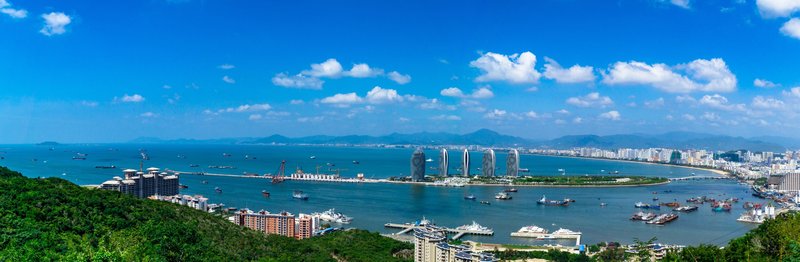
Hotels in Namwon
Discover your perfect stay in Namwon.
Namwon(South Korea) Travel 2026: Cheap Flights, Hotels & Top Attractions
Popular Landmarks in Namwon
Discover the most iconic attractions in Namwon
Recommended Hotels in Namwon
Find the perfect place to stay in Namwon
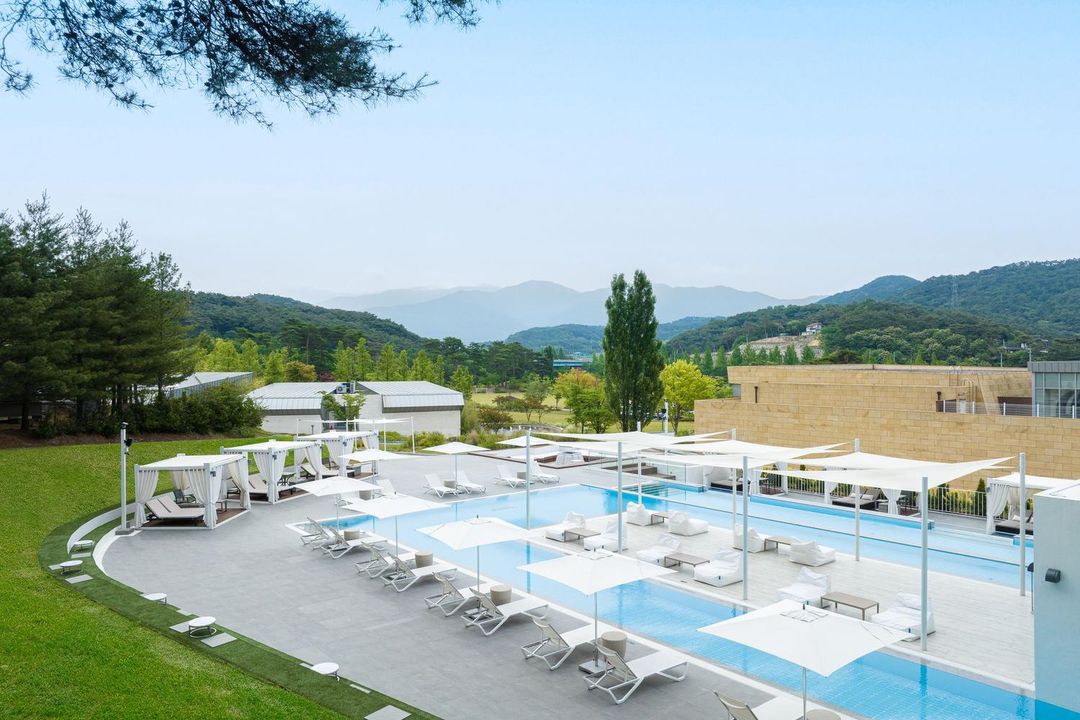
The Suites Hotel Namwon
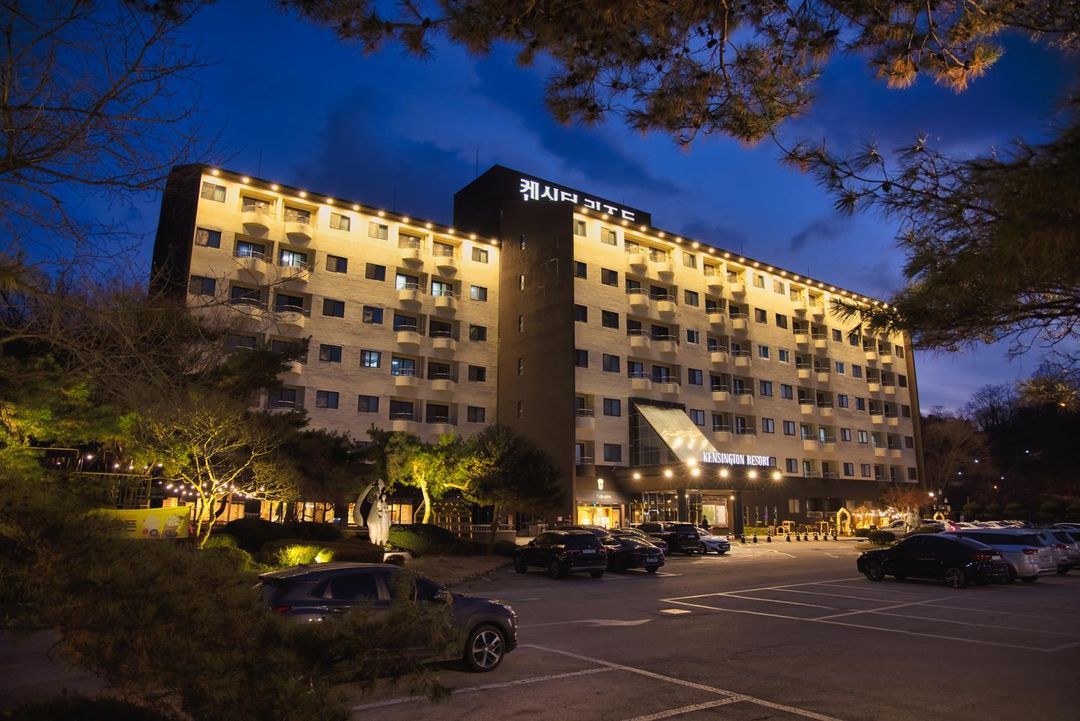
KensingtonResort JirisanNamwon
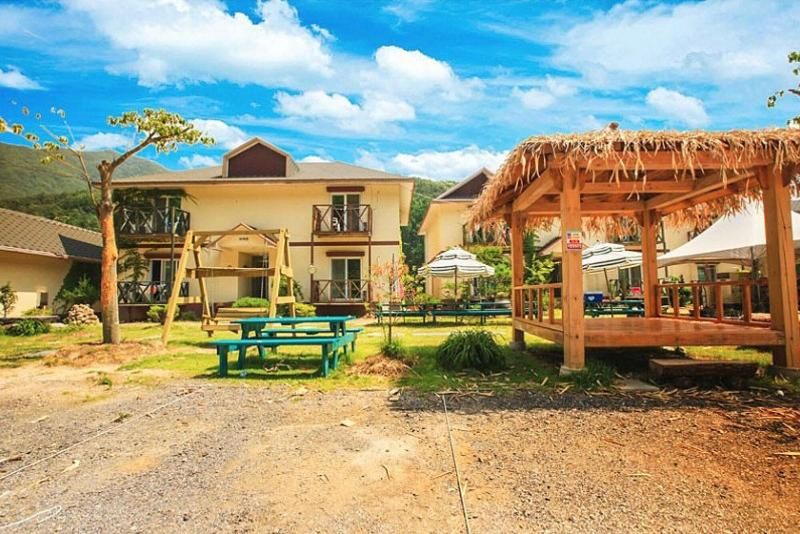
Jirisan Water Pension
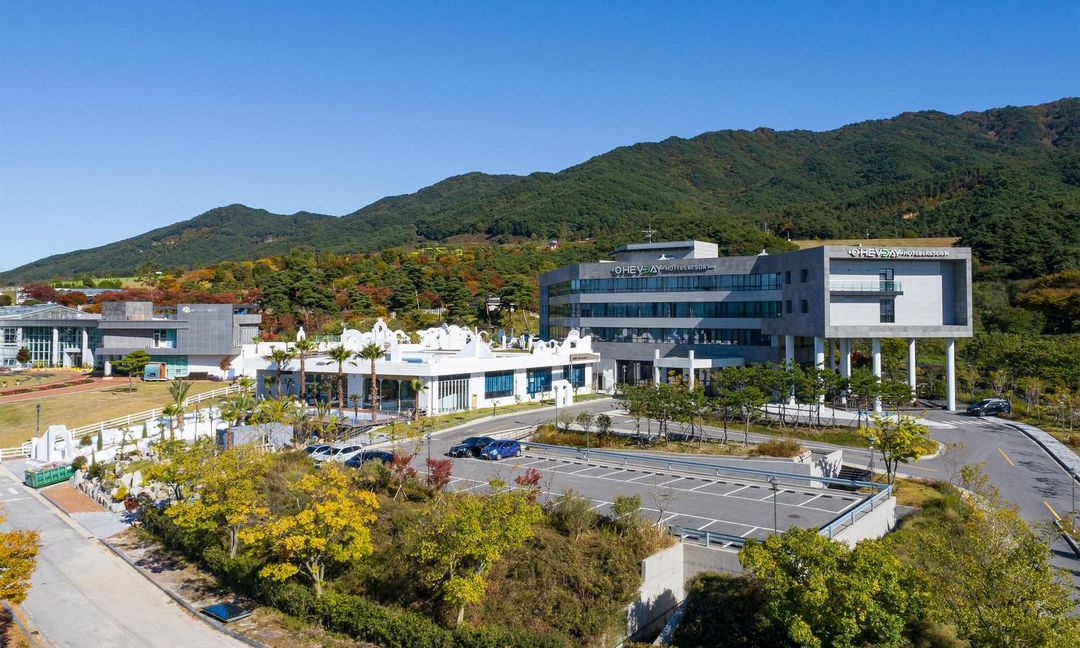
Jiri Mountain Ilsung Condo
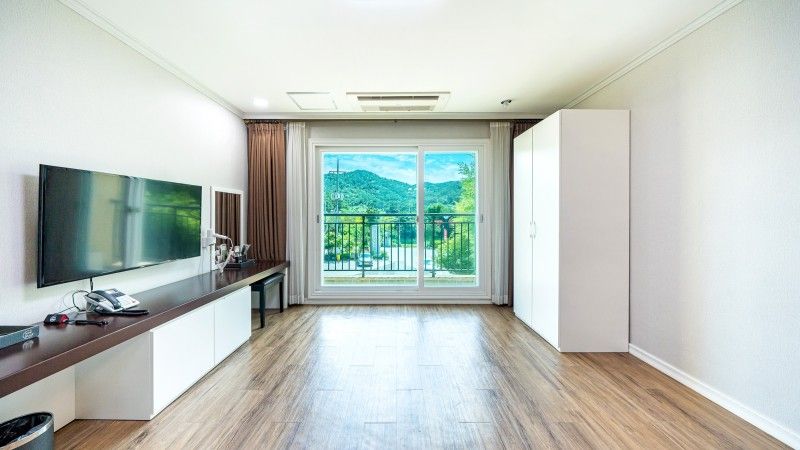
Namwon Hanjeungwonstay Pension
Ilseong Condo & Resort Jirisan
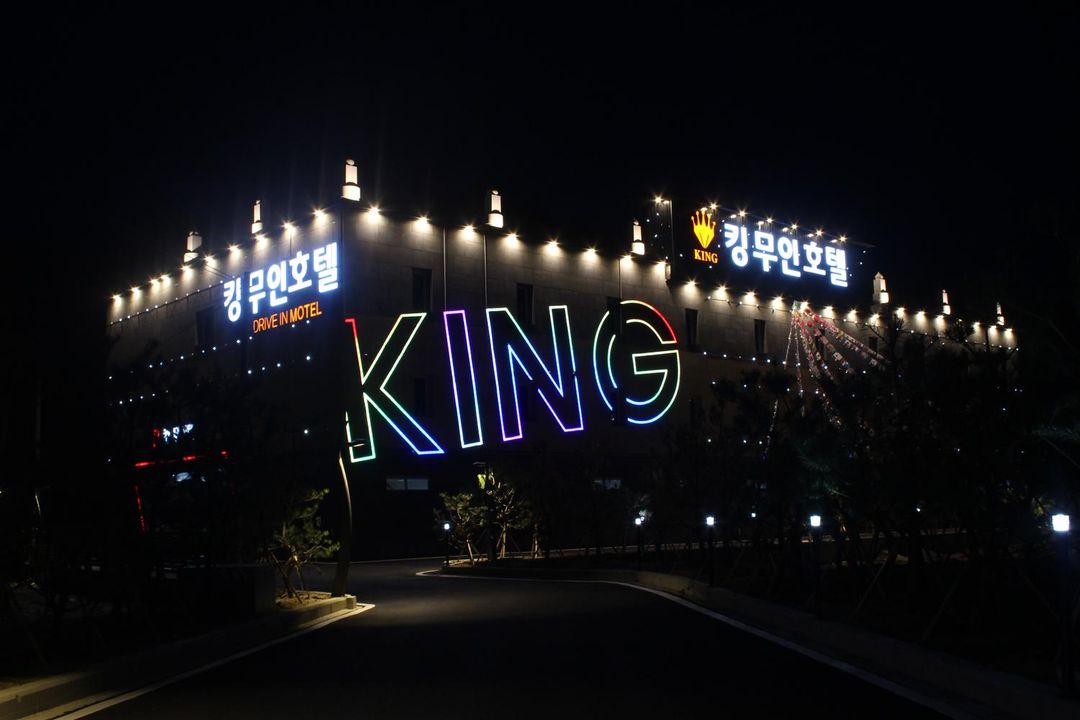
Namwon King Hotel
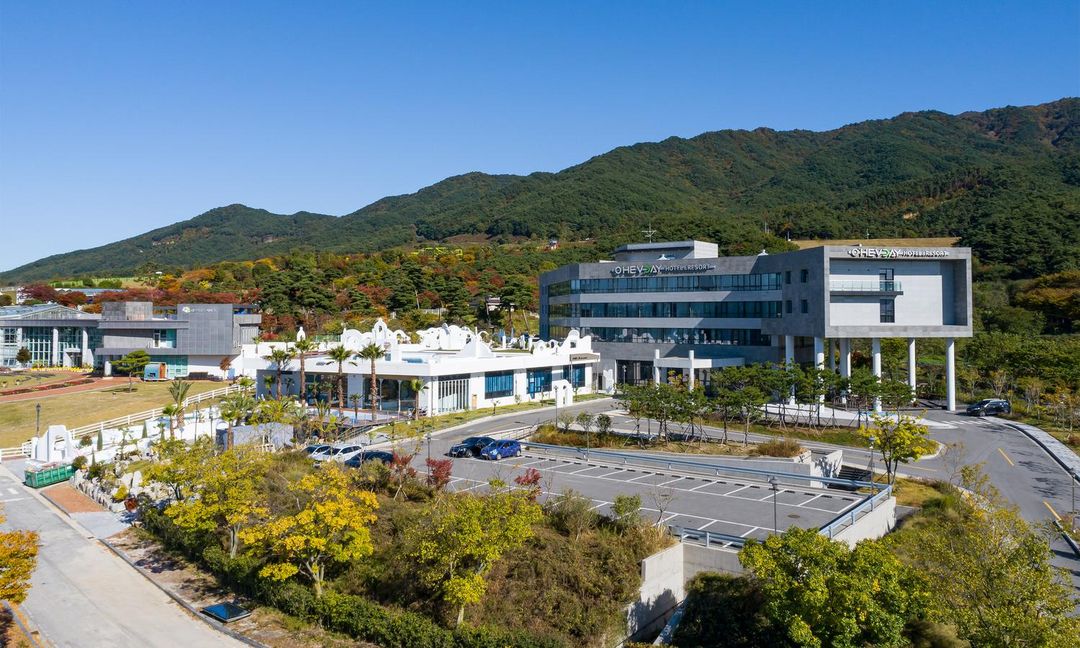
Hotel Ohevday
Best Hotels in Namwon
Discover curated hotel collections in Namwon
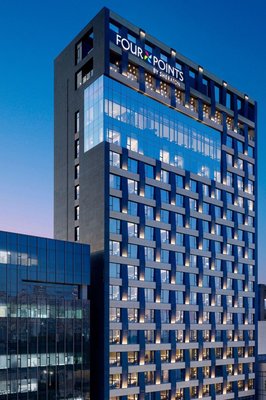
Four Points by Sheraton Suwon
Arte Resort Spa & Pool Villa
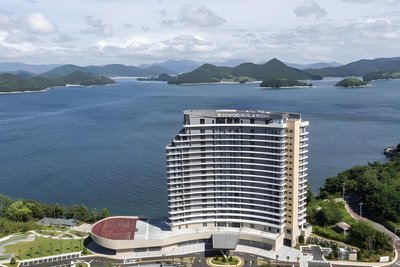
Stanford Hotel&Resort Tongyeong
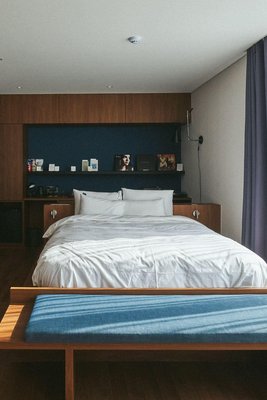
Good Ol' Days Hotel
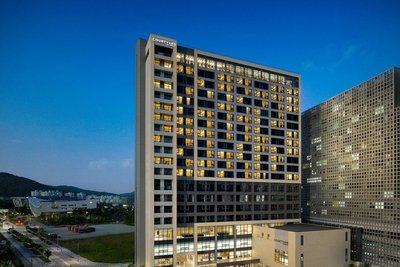
Courtyard Sejong
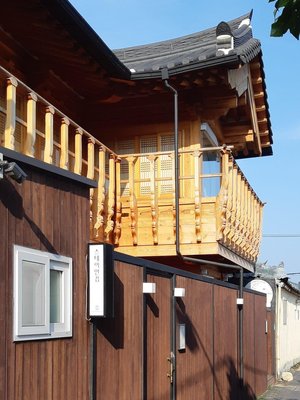
Gyeong-ju Stayangim
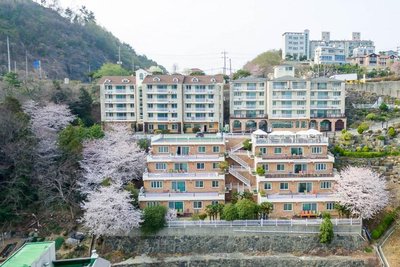
Home Fourest Resort Geoje
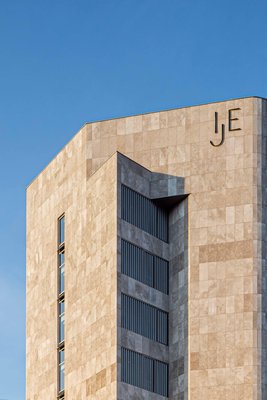
IJE BUSAN
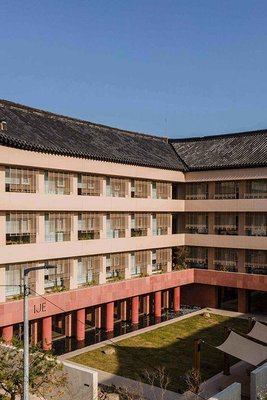
Ije Gyeongju
Tanibay Hotel
Restree and Forest Resom
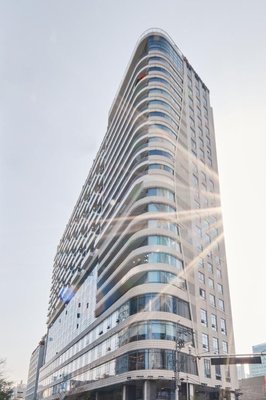
UH Flat Signature Daegu
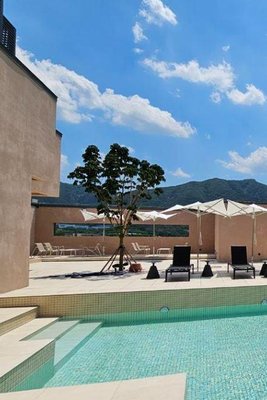
Daegu Suseong the Arco Hotel Lions Park
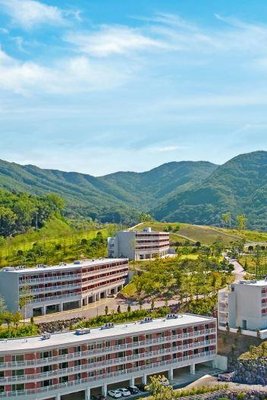
Belle Fore Resort
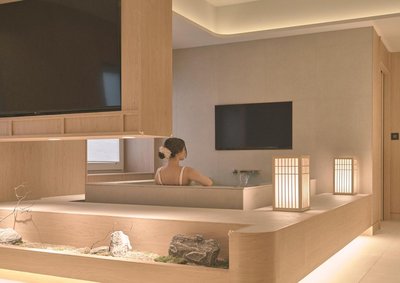
UH Continental CenterPoint
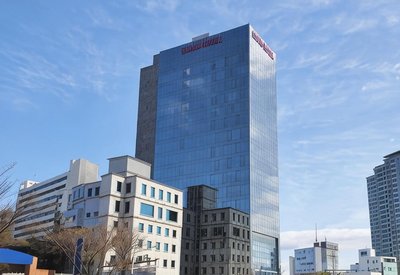
Eldis Regent Hotel

NewCZ LCT Residence
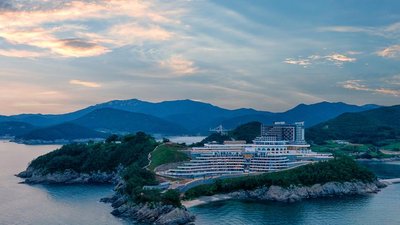
SOL BEACH NAMHAE
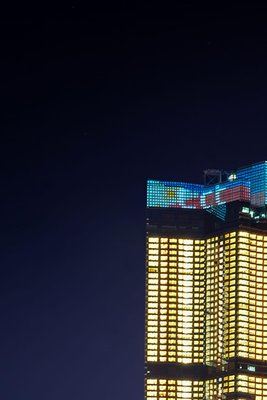
LCTRESIDENCE THE VINE Haeundae
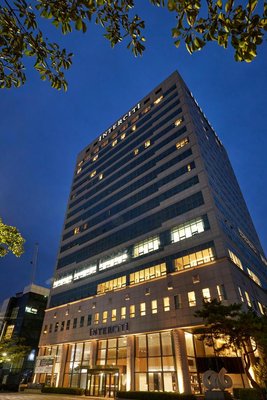
Hotel Interciti
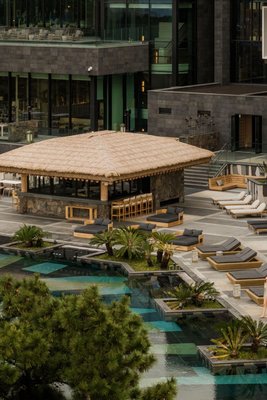
JW Marriott Jeju Resort & Spa
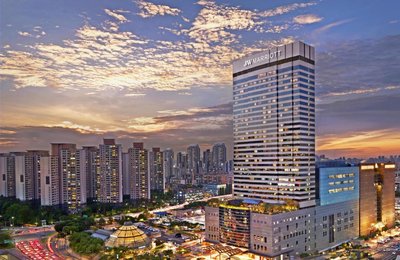
JW Marriott Hotel Seoul
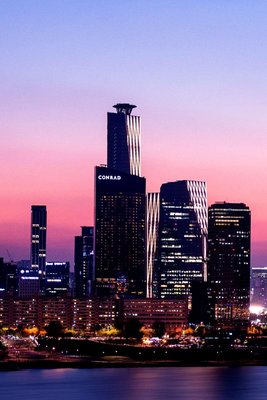
Conrad Seoul
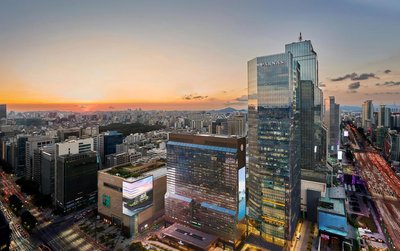
Grand InterContinental Seoul Parnas
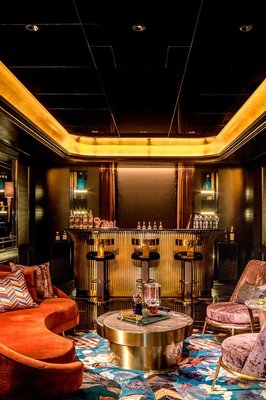
Art Paradiso, Paradise City
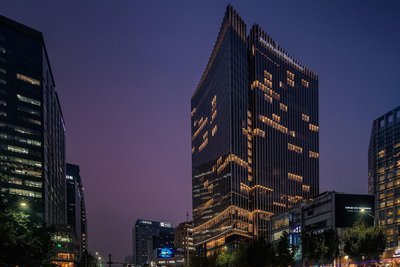
Four Seasons Hotel Seoul
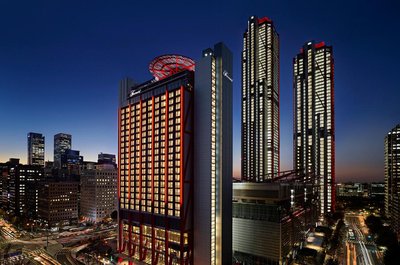
Fairmont Ambassador Seoul
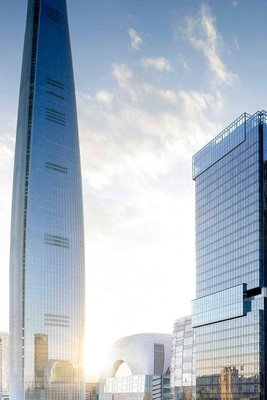
Sofitel Ambassador Seoul Hotel & Serviced Residences
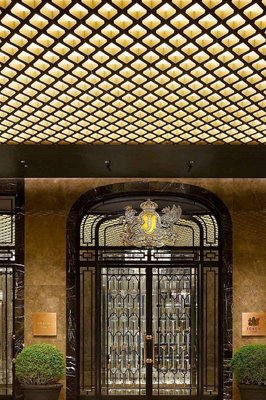
Josun Palace, a Luxury Collection Hotel, Seoul Gangnam
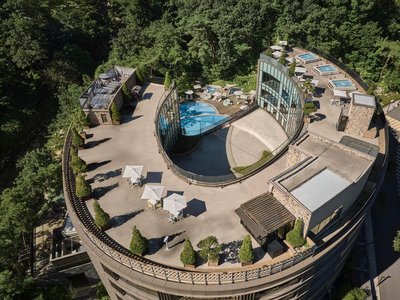
Anto (formerly: Parasara Seoul)
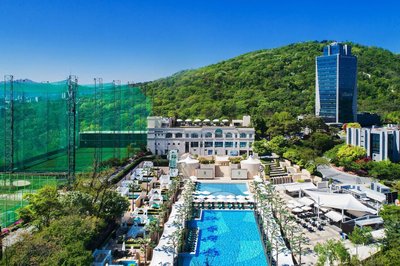
Banyan Tree Club & Spa Seoul
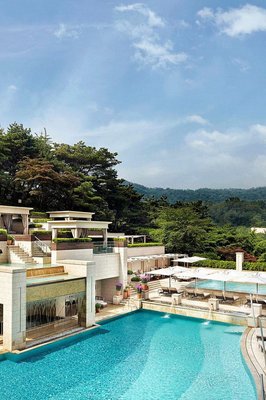
The Shilla Seoul
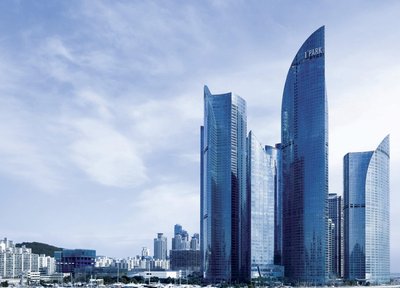
Park Hyatt Busan
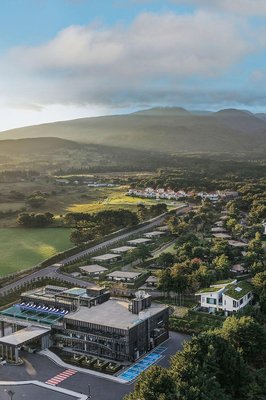
Amber Pure Hill Hotels & Resorts Jeju
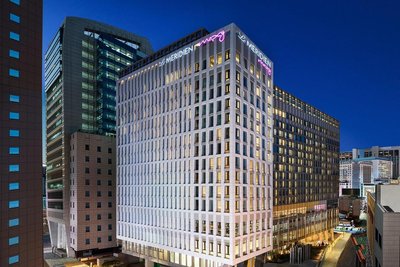
Le Méridien Seoul, Myeongdong
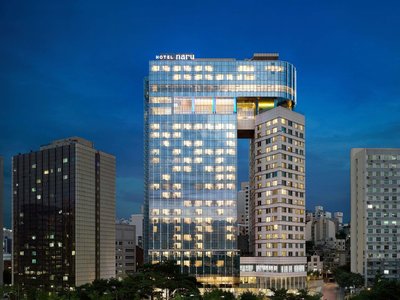
Hotel Naru Seoul - MGallery Collection
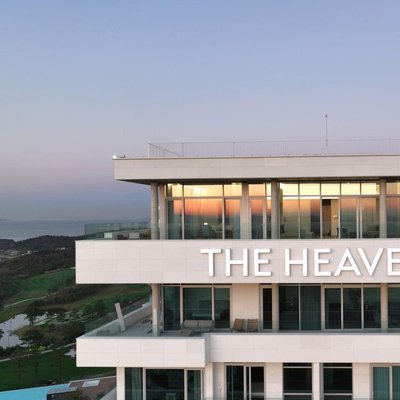
The Heaven Resort
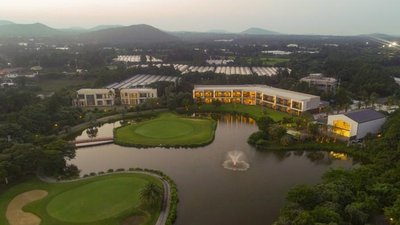
Kase Lodge
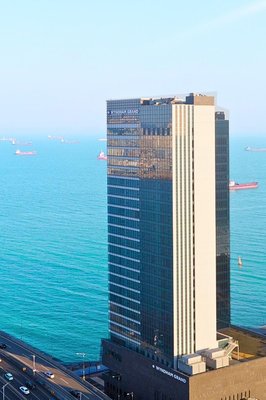
Wyndham Grand Busan Ijin
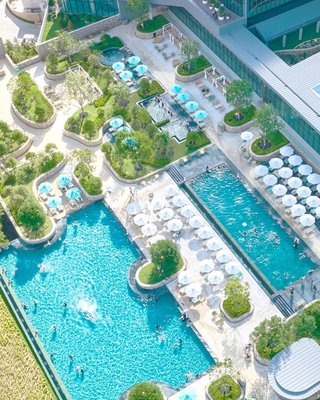
Ananti at Busan Village
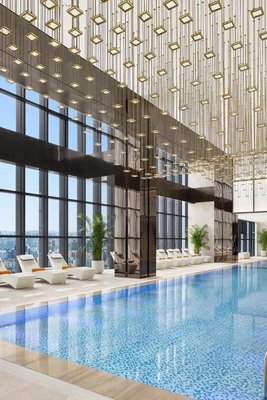
Pullman Ambassador Seoul Eastpole
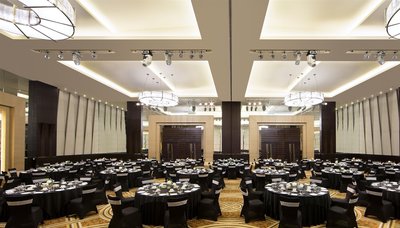
Sheraton Grand Incheon Hotel
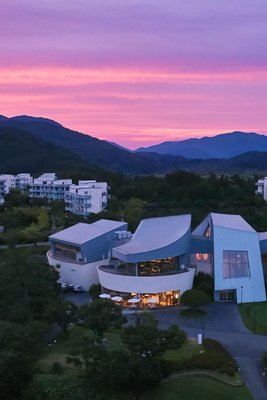
Ananti at Namhae
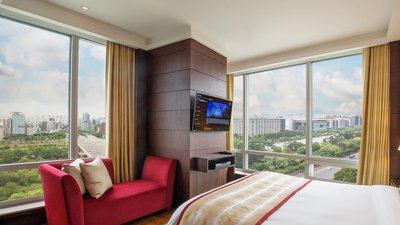
Yeouido Park Centre, Seoul - Marriott Executive Apartments
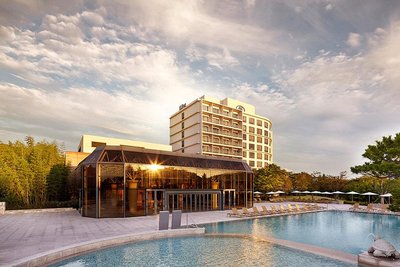
Hilton Gyeongju
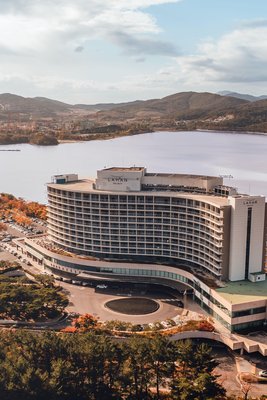
Lahan Select Gyeongju
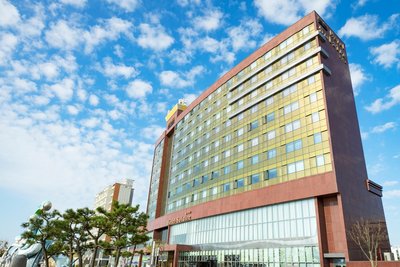
Hotel Solaire
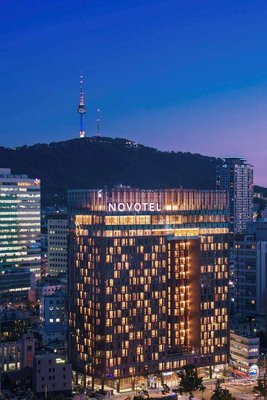
Novotel Ambassador Seoul Dongdaemun Hotels & Residences
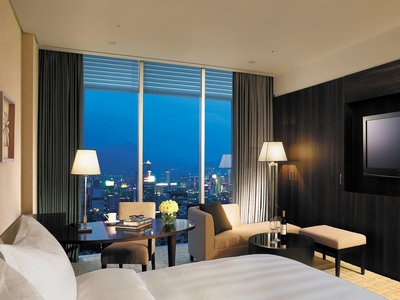
Ramada Plaza by Wyndham Gwangju
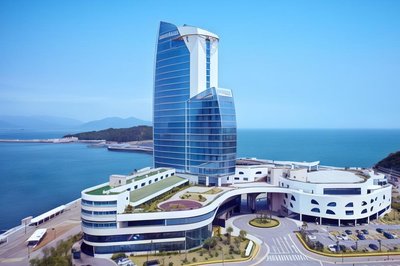
Sono Calm Yeosu
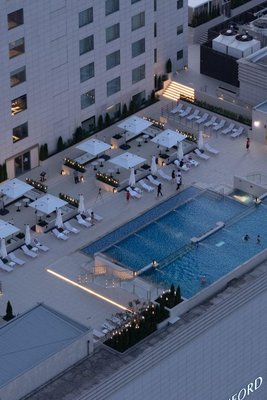
Enford Hotel
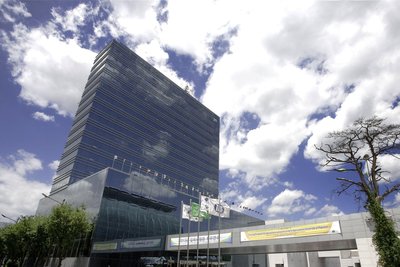
Hotel Interburgo Exco
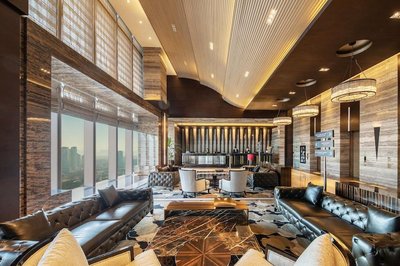
Oakwood Premier Incheon
Amber Pure Hill Hotels & Resorts Jeju
Hotel Naru Seoul - MGallery Collection
Stanford Hotel&Resort Tongyeong
JW Marriott Jeju Resort & Spa
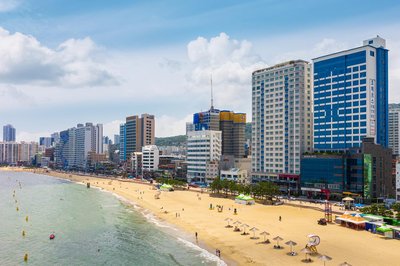
Homers Hotel
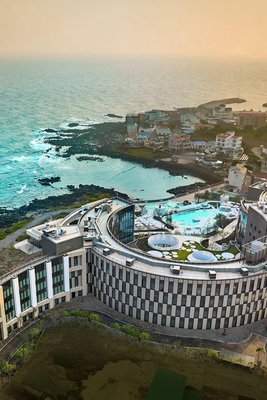
Shilla Stay Plus Iho Tewoo Ocean Front
SOL BEACH NAMHAE
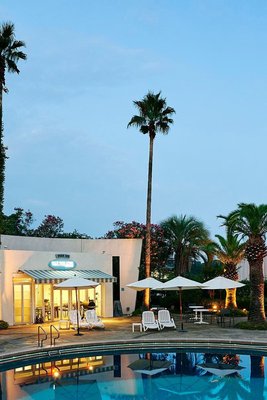
The Suites Hotel Jeju
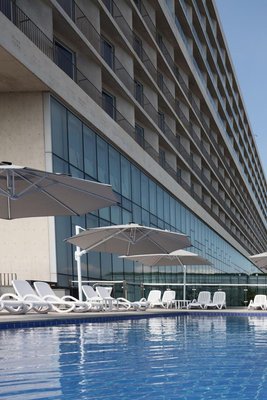
Nest Hotel Incheon
Conrad Seoul
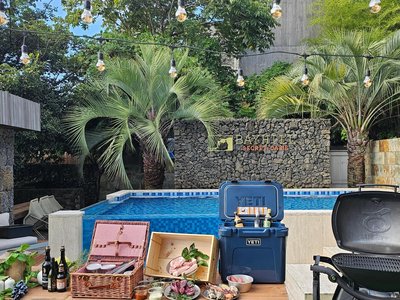
Bayhill Pool & Villa
Lahan Select Gyeongju
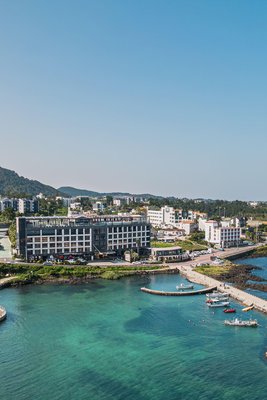
Dyne Ocenano Hotel
Sono Calm Yeosu
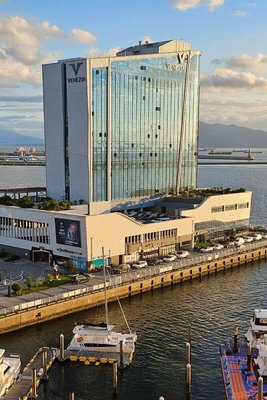
Yeosu Venezia Hotel & Suite
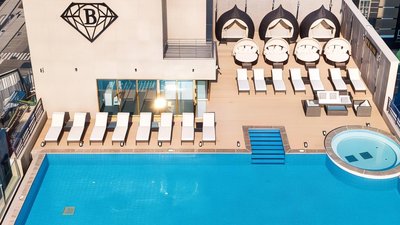
Baymond Hotel
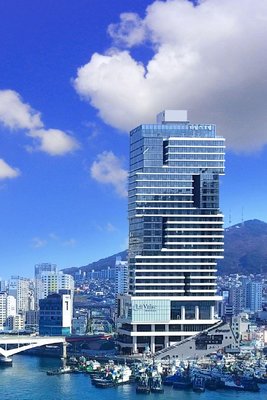
Lavalse Hotel
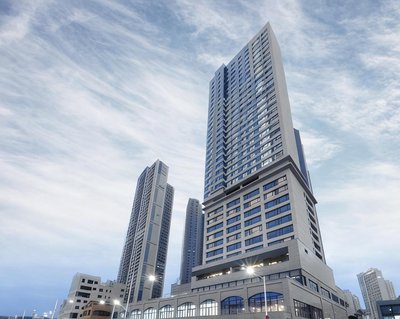
Mercure Ambassador Ulsan
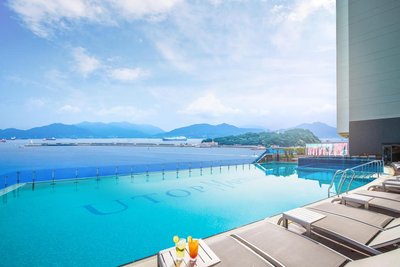
Utop Marina Hotel & Resort
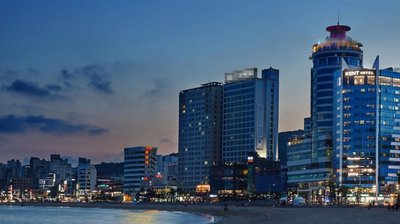
Kent Hotel Gwangalli by Kensington
JW Marriott Jeju Resort & Spa
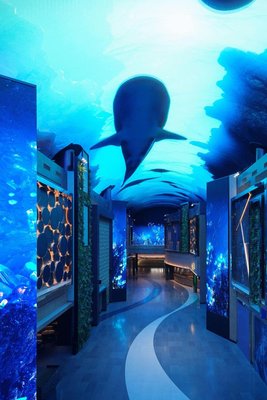
INSPIRE Entertainment Resort
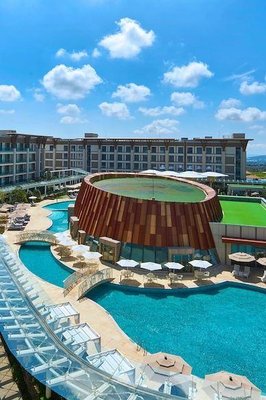
Marriott Jeju Shinhwa World Hotels & Resorts
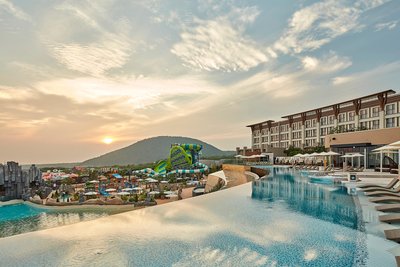
Shinhwa Jeju Shinhwa World Hotels & Resorts
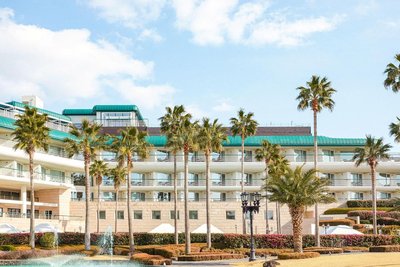
Grand Josun Jeju
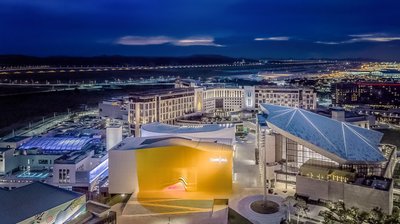
Paradise City
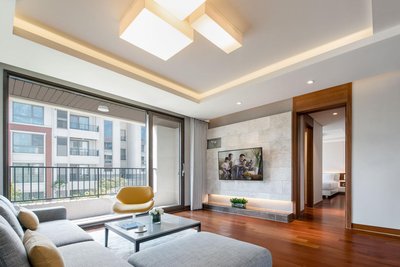
Somerset Jeju Shinhwa World
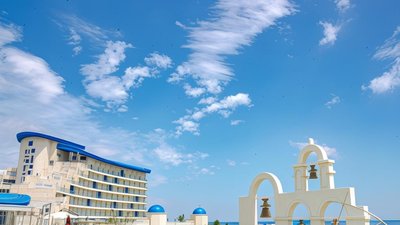
Sol Beach Samcheok
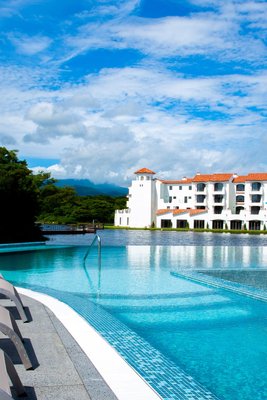
Ecoland Hotel
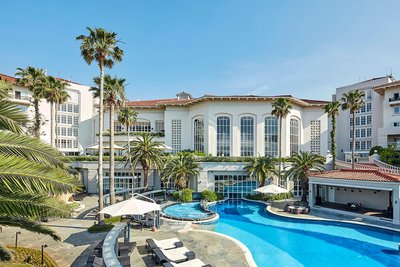
The Shilla Jeju
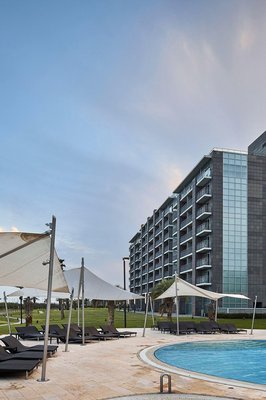
Haevichi Hotel & Resort Jeju
Amber Pure Hill Hotels & Resorts Jeju
JW Marriott Jeju Resort & Spa
INSPIRE Entertainment Resort
Conrad Seoul
Bayhill Pool & Villa
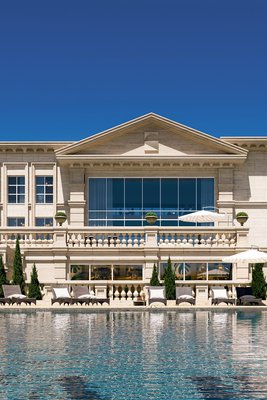
The Siena Primo (Original Tuscany Hotel)
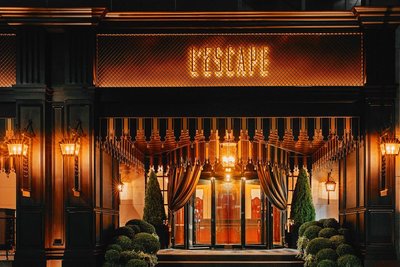
L'Escape Hotel
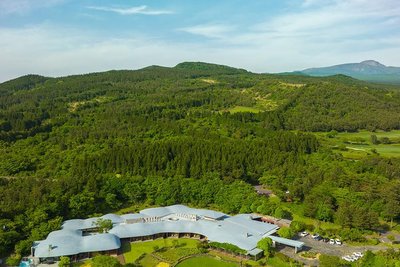
Podo Hotel
Shinhwa Jeju Shinhwa World Hotels & Resorts
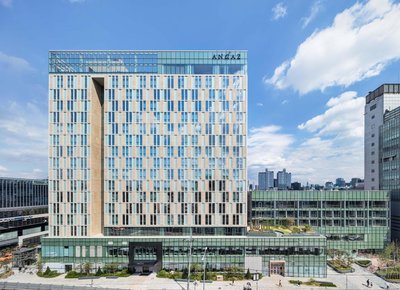
ANDAZ SEOUL GANGNAM, BY HYATT
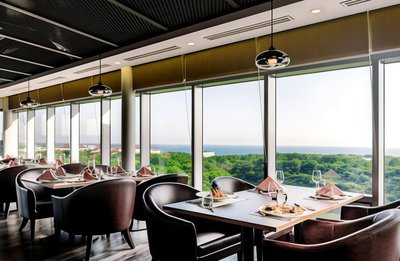
Hidden Cliff Hotel and Nature
Fairmont Ambassador Seoul
Grand Josun Jeju
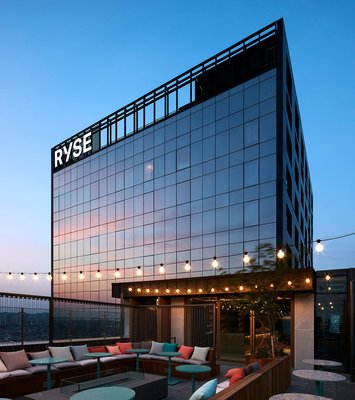
RYSE, Autograph Collection by Marriott
Josun Palace, a Luxury Collection Hotel, Seoul Gangnam
Anto (formerly: Parasara Seoul)
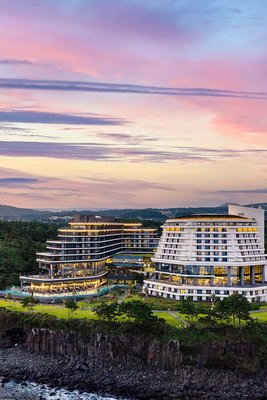
Parnas Hotel Jeju
The Shilla Jeju
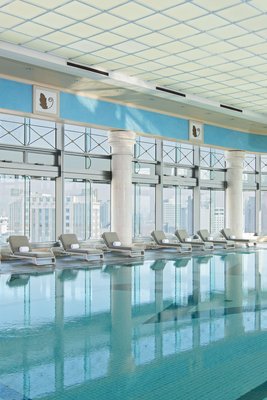
The Plaza Seoul, Autograph Collection
Banyan Tree Club & Spa Seoul
INSPIRE Entertainment Resort
L'Escape Hotel
Lavalse Hotel
Four Seasons Hotel Seoul
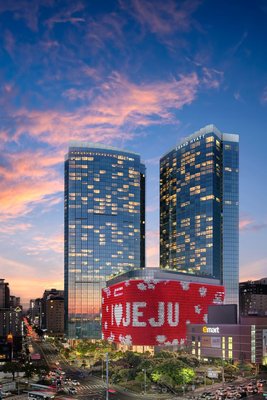
Grand Hyatt Jeju
Paradise City
Josun Palace, a Luxury Collection Hotel, Seoul Gangnam
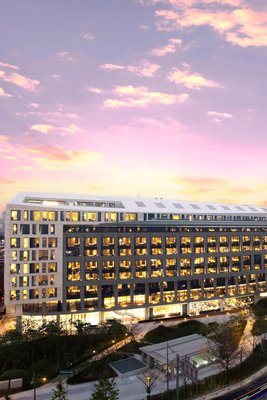
JW Marriott Dongdaemun Square Seoul
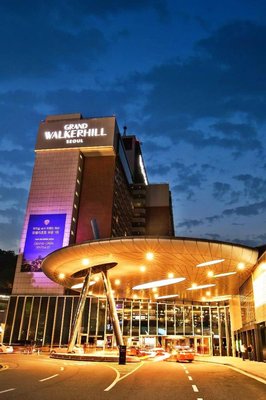
Grand Walkerhill Seoul
The Shilla Seoul
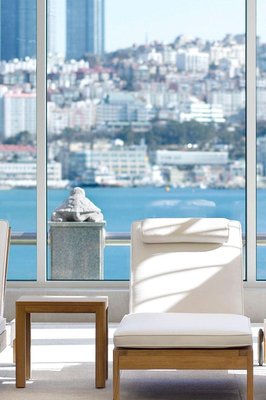
The Westin Josun Busan
Park Hyatt Busan
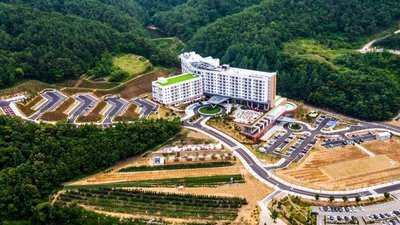
Sono Belle Cheongsong
Podo Hotel
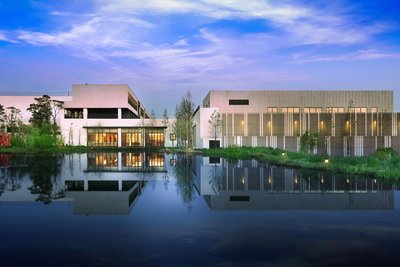
The Annex
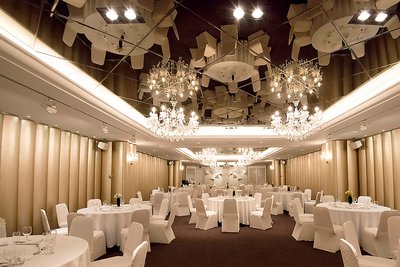
Nongshim Hotel
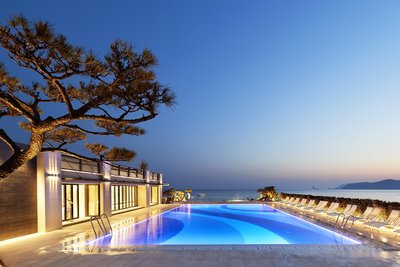
Paradise Hotel Busan
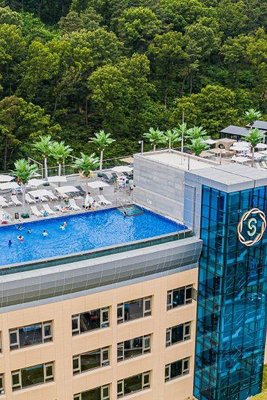
Hotel Susung
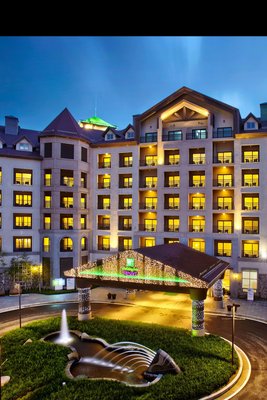
Holiday Inn Resort Alpensia Pyeongchang
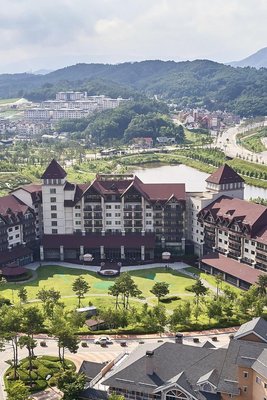
InterContinental Hotels Alpensia Pyeongchang Resort
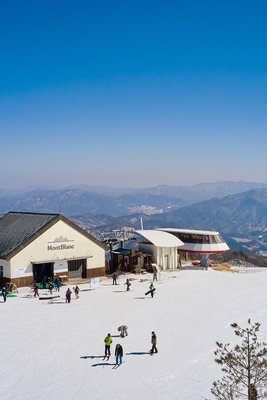
Phoenix Hotel Pyeongchang
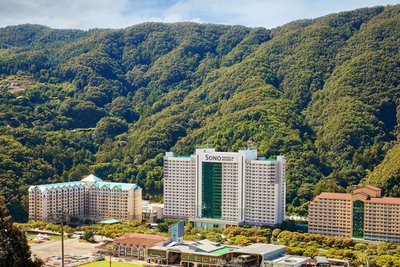
VivaldiPark
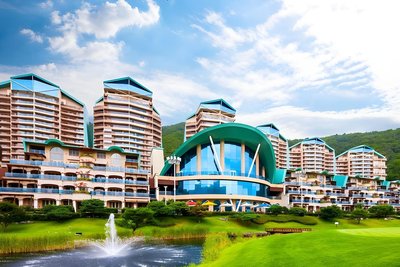
SonoFelice VivaldiPark
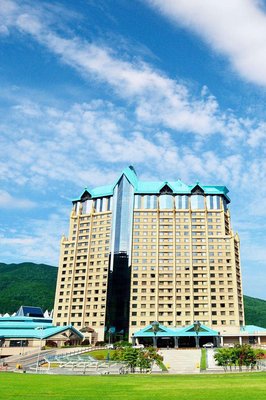
High1 Grand Hotel Main Tower
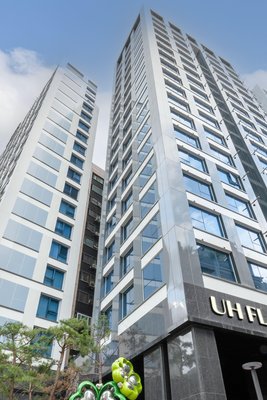
UH FLAT THE SEOCHO
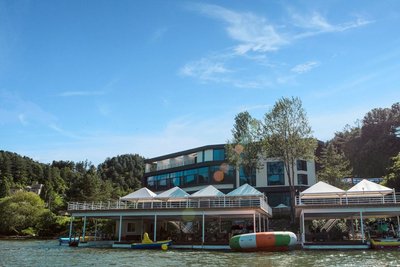
SS Resort
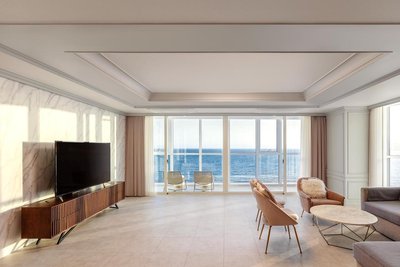
Palede cz Condor Busan
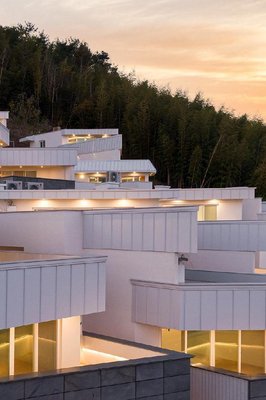
Ocean terra
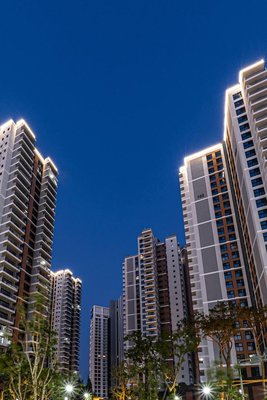
Le Collective Busan Gijang
Frequently Asked Questions about Traveling to Namwon
Questions You Might Need to Know About Traveling to Namwon
In Namyang, Namyeon Hanok Guesthouse stands out for its authentic Joseon Dynasty-style architecture, with hand-carved wooden beams and tatami floors. Each room is themed around historical figures like Hwang Jin-I, featuring original artworks and cultural artifacts. The guesthouse hosts daily traditional tea ceremonies and offers guided tours to nearby Hwang Jin-I Memorial Hall and Jin River Bridges. Guests can also participate in hanji paper-making workshops and enjoy nightly gagok music performances under the stars, making it a perfect immersion into Namyang’s heritage.
The Old Town District of Namyang is the prime choice for accommodations, located just steps from key landmarks such as the Namyang Historical Museum, Hwang Jin-I Cultural Center, and Samseon Bridge. This pedestrian-friendly zone features preserved hanok buildings converted into boutique hotels, many offering Korean tea tasting sessions and hanbok rental services. Staying here allows guests to experience the city's romantic night lighting and lively street culture while being at the heart of historical exploration.
Hotels in Namyang offer immersive cultural activities including Hwang Jin-I dance workshops, where guests learn traditional court dances; handmade hanji lantern-making classes using local rice paper; and Korean cuisine cooking lessons featuring regional ingredients like Namyang chili paste and stone pots. Some properties host evening traditional music concerts with gayageum and daegeum performances, often held in courtyard settings, allowing travelers to feel the timeless elegance of Korean artistry.
Yes, Namyang Family Culture Village Hotel provides a full range of family-oriented amenities: child-friendly playrooms, outdoor traditional farming experiences, and children’s hanji craft camps. Many rooms feature two-story tatami suites suitable for multi-generational stays. Kids can feed goats, pick seasonal vegetables, and take part in storytelling sessions based on local legends. Parents enjoy quiet tea time in the garden, making it an ideal destination for intergenerational bonding.
Absolutely. The Namyang Old Town at night is renowned for its serene beauty, with soft lights reflecting on Samseon Bridge and cobblestone alleys. Stay at Jin River View Hotel, which offers private balconies overlooking the river, perfect for stargazing or watching the nightlight shows that narrate Hwang Jin-I’s life through projection art. The gentle sounds of flowing water and occasional water fountain displays create a tranquil atmosphere, ideal for relaxation and reflection.
Most hotels in Namyang are centrally located within walking distance of top attractions like the Namyang Historical Museum, Hwang Jin-I Memorial Hall, and Samseon Bridge. Several offer free shuttle services to Namyang Station and nearby cultural sites. For visitors driving, the Circular Road around the old town provides clear signage and easy access. Many hotels also partner with tour operators to provide all-inclusive day trip packages with transportation, tickets, and guided visits, enhancing convenience and comfort.
Namyang Forest Resort is a premier eco-lodging option nestled in the Namyang Mountains, featuring private treehouse cabins and forest trails. Guests can join morning tai chi sessions, hike through bamboo groves, and spot wild ginseng and ferns. At night, the resort offers star-gazing events away from light pollution, revealing a clear view of the Milky Way. Some cabins include natural hot spring baths fed by underground thermal springs, enhanced with herbal infusions for therapeutic benefits.
Yes, several hotels in Namyang specialize in Korean traditional wellness. Namyeon Hanbang Spa Hotel features a dedicated wellness center offering Ssang-ho therapy, herbal steam baths, and acupuncture using locally sourced herbs like ginseng and jujube. Treatments are combined with mindfulness meditation and breathing exercises to restore balance. The on-site restaurant serves five-organ balanced meals crafted from seasonal ingredients, promoting holistic health throughout your stay.
Highly recommended. Namyang is a haven for artists and writers, with hotels like Namyeon Poet’s House displaying original manuscripts and hosting poetry readings and ink painting exhibitions. Guests can join Korean calligraphy workshops, participate in K-drama scene recreations, or explore the reconstructed Hwang Jin-I residence for inspiration. Some hotels even offer residency programs for authors and visual artists, fostering deep engagement with the city’s rich literary and artistic legacy.
Namyang stands out due to its seamless blend of historical authenticity, cultural immersion, and natural tranquility. Unlike typical urban destinations, its hotels double as living museums, offering access to traditional crafts, living history performances, and intimate storytelling experiences. From sleeping in restored hanoks to sipping tea beneath ancient trees, every stay reflects the soul of Jeollabuk-do’s heritage—making it not just a place to rest, but a journey through Korea’s poetic past.
Namwon Overview
City Summary
Namwon in Jeollabuk-do, South Korea, blends historical charm with natural beauty. Renowned for Gwanghalluwon Garden—a classic example of Korean traditional gardens—it's also the setting of the famous novel "Chunhyangjeon". The city attracts culturally-oriented travelers with its festivals and scenic landscapes.
Must-See Attractions
Must-visit sites include Gwanghalluwon Garden, a pinnacle of Joseon-era landscape design with seasonal flora displays. Chunhyang Theme Park recreates literary scenes through interactive exhibits, while Jirisan National Park offers exceptional hiking trails, especially stunning during autumn foliage. Evenings feature local dialect performances.
Food Guide
Don't miss Namwon-style wild vegetable bibimbap (stone pot rice with mountain herbs) and spicy loach soup. Traditional markets sell fresh mung bean pancakes, and local breweries offer makgeolli tasting experiences showcasing regional fermentation techniques.
Transportation Guide
City buses serve major attractions (e.g., Gwanghalluwon every 20 mins). From Seoul, express buses take 3 hours—purchase a T-money card for seamless payments. Taxis start at ₩3,800; arrange return trips from remote sites. Trains require bus transfers to downtown (limited schedules).
Best Time to Visit
Visit during April-May (cherry blossoms/Chunhyang Festival) or September-October (fall foliage/harvest events). Summer humidity demands sun protection, while winter closes some mountain trails.
Travel Tips
- Remove shoes at Gwanghalluwon—wear slip-ons
- Pack layers for mountain temperature swings
- Rural eateries often cash-only
- Book Chunhyang Festival lodgings 3 months ahead
- File hiking plans for Jirisan trails
- No flash photography at performances
- Market bargaining caps at ~10%
- Cover shoulders/knees at temples
Useful Information
Korean is primary; tourist centers provide basic English/Chinese materials. Free WiFi (SSID:Namwon_Free) in downtown—weak in mountains. Credit cards work at larger establishments; cash preferred in markets. Dial 119 for emergencies; Namwon Medical Center has 24/7 ER. Voltage is 220V; verify adapters. International postcards cost ₩700 at City Hall post office.
Other Cities You Might Like
Explore more amazing destinations