Hotels in Ngongotaha Valley
Discover your perfect stay in Ngongotaha Valley.
Ngongotaha Valley(New Zealand) Travel 2026: Cheap Flights, Hotels & Top Attractions
Popular Landmarks in Ngongotaha Valley
Discover the most iconic attractions in Ngongotaha Valley
Recommended Hotels in Ngongotaha Valley
Find the perfect place to stay in Ngongotaha Valley
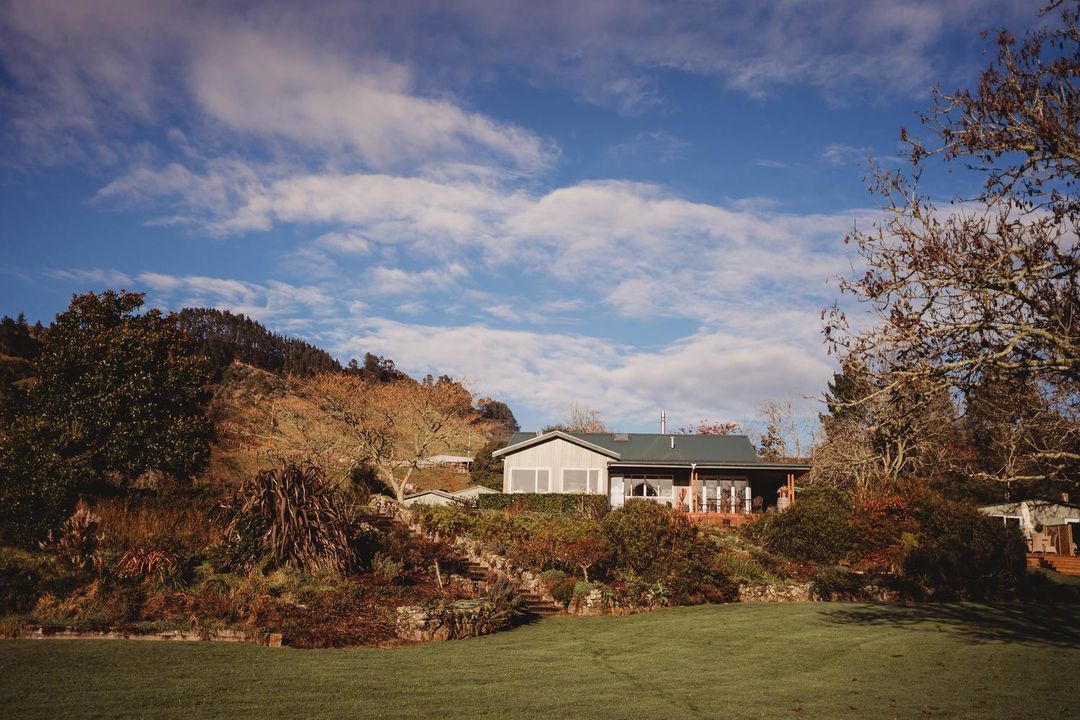
Paradise Valley Lodge
Frequently Asked Questions about Traveling to Ngongotaha Valley
Questions You Might Need to Know About Traveling to Ngongotaha Valley
The best area to stay in Ngongotaha Valley is near Lake Rotoiti, where Rotoiti Lodge offers panoramic views of the volcanic lake and surrounding geothermal fields. This eco-lodge emphasizes sustainability with solar-powered cabins and hosts weekly Māori cultural storytelling sessions under the stars.
For a more immersive nature experience, Pōrangahau Hideaway provides secluded bush cabins with private hot tubs overlooking native forest streams. Guests can join guided geothermal walkways tours or participate in traditional kai (food) preparation workshops using local ingredients like kūmara (sweet potato) and harakeke (flax) tea.
Alternatively, staying in Taupō District gives access to both the valley’s tranquility and nearby attractions like the Wairakei Geothermal Park, making it ideal for travelers seeking balance between adventure and serenity.
Yes, several accommodations in Ngongotaha Valley cater specifically to families. Hawke's Bay Family Retreat features spacious cabins with separate sleeping zones, a fenced outdoor play area, and daily kids’ nature scavenger hunts. The property also hosts family-friendly Hangi cooking classes, where children learn to prepare traditional Māori earth oven meals using fresh local produce.
Another excellent option is Rotoiti Adventure Camp, which offers family bushwalks, treehouse exploration, and wildlife spotting tours led by trained guides. The campsite includes safe, sheltered picnic zones and a designated streamside play area perfect for younger guests. With proximity to Lake Rotoiti’s calm shoreline, families can enjoy swimming, kayaking, and stargazing under clear skies—ideal for creating lasting memories together.
To experience authentic Māori culture in Ngongotaha Valley, join the Te Aroha Cultural Experience, which offers a full Powhiri welcome ceremony led by local elders, including Whaikōrero speeches and the sacred Hongi greeting.
Visit Tāwharanui Heritage Garden, where you can take part in hands-on workshops on Raranga weaving using harakeke flax, and learn about traditional natural dyeing techniques. At night, attend a Hīkoi Pō storytelling session around a fire, featuring ancestral legends and waiata (songs) passed down through generations.
Some lodges, like Hawke's Bay Lodge, integrate cultural elements into daily stays—guests receive Māori language greeting cards and native plant interpretation signs at breakfast, transforming your stay into an educational and respectful cultural journey.
Near Ngongotaha Valley, the top natural attraction is Lake Rotoiti, a pristine alpine lake surrounded by the Nelson Mountains, offering crystal-clear reflections and ideal conditions for kayaking, canoeing, and birdwatching. The adjacent eco-trails are home to endemic species like the New Zealand weka and kākā parrot.
Don’t miss Wairakei Geothermal Area, one of the most active geothermal zones in New Zealand, featuring bubbling sulfur springs, mud pools, and steam vents. Guided tours provide insight into the region’s volcanic activity and tectonic history.
For solitude and wilderness immersion, explore Pōrangahau Native Forest, a protected area dominated by ancient kauri trees over 1,000 years old. Walking among these giants, visitors may spot rare nocturnal birds like the morepork owl and diverse fern species, creating a truly primal connection with nature.
In Ngongotaha Valley, sample freshly caught snapper fish, sourced daily by local fishermen and grilled over charcoal with a lemon-herb butter sauce—delicate and briny, a true taste of the coast.
Try the venison burger, made from free-range wild deer meat, served with smoked onions, honey mustard glaze, and hand-cut fries—a bold, rich flavor profile unique to the region.
At The Vineyard Kitchen, seasonal menus feature organic farm-to-table ingredients: spring brings wild fern root soup, while autumn offers roasted pumpkin with wild berry compote. Pair your meal with a glass of Hawke's Bay Pinot Noir, renowned for its smooth texture and notes of cherry and earthy undertones. Don’t miss the local cheese tasting flight, featuring artisanal cheeses from nearby dairies—perfect with a chilled glass of regional sparkling wine.
The best time to visit Ngongotaha Valley is during summer (December to February), when temperatures range from 20–25°C, with long, sunny days ideal for hiking, kayaking on Lake Rotoiti, and exploring geothermal sites.
Winter (June–August) offers cooler but dry conditions, perfect for relaxing in thermal springs, attending cultural workshops, and enjoying quieter, more intimate experiences without crowds.
Spring (September–November) and autumn (March–May) feature mild weather and vibrant landscapes—autumn brings golden foliage along forest trails, while spring sees blossoming native plants. However, expect variable conditions; always check MetService forecasts and pack a lightweight waterproof jacket for unexpected showers.
Ngongotaha Valley Overview
City Summary
Ngongotahā Valley in New Zealand's Bay of Plenty is a hidden gem blending pristine nature and Māori heritage. Renowned for its ancient rainforests, geothermal wonders, and traditional Māori villages, its core appeal lies in untouched ecosystems and profound cultural legacy.
Must-See Attractions
Must-sees include the chromatic pools of Wai-O-Tapu Thermal Wonderland, giant tree walks in Redwoods Forest, and cultural performances at Te Puia Māori Village. Nighttime offers glowworm cave tours or haka workshop experiences.
Food Guide
Cuisine fuses Māori traditions with European influences. Don't miss Hangi (earth-cooked meats), Pāua (abalone) seafood, and kiwifruit desserts from Bay of Plenty. Weekend markets sell handmade rewena bread.
Transportation Guide
Rental cars (right-hand drive) are recommended, with 30-90min drives between attractions. Sparse bus services operate locally; InterCity buses connect regional towns. 4WD needed for some geothermal routes. Rotorua Airport (ROT) is 1 hour away.
Best Time to Visit
Best visited October-April (Southern Hemisphere spring/summer) with 15-25°C temperatures. Avoid peak crowds in December-January. Some trails close during May-September rains.
Travel Tips
- Respect Māori protocols: Seek permission before entering sacred sites
- Stay on marked paths in geothermal areas (boiling mud reaches 100°C)
- Pack insect repellent and waterproof layers
- Fuel stations are scarce; keep tanks half-full
- Some eateries are cash-only (NZD)
- Mobile coverage drops in mountains – download offline maps
Useful Information
English is predominant, with Te Reo Māori spoken in communities. 4G covers 85% area; WiFi pods rentable at airports. Credit cards widely accepted but carry cash for small vendors. Emergency: dial 111. Nearest hospital is in Rotorua. Type I power sockets (240V) require adapters. Pharmacies sell basic meds; prescriptions need doctor approval.