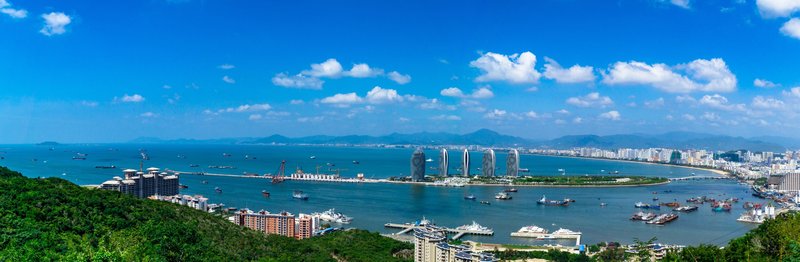
Hotels in Okcheon
Discover your perfect stay in Okcheon.
Okcheon(South Korea) Travel 2026: Cheap Flights, Hotels & Top Attractions
Popular Landmarks in Okcheon
Discover the most iconic attractions in Okcheon
Recommended Hotels in Okcheon
Find the perfect place to stay in Okcheon
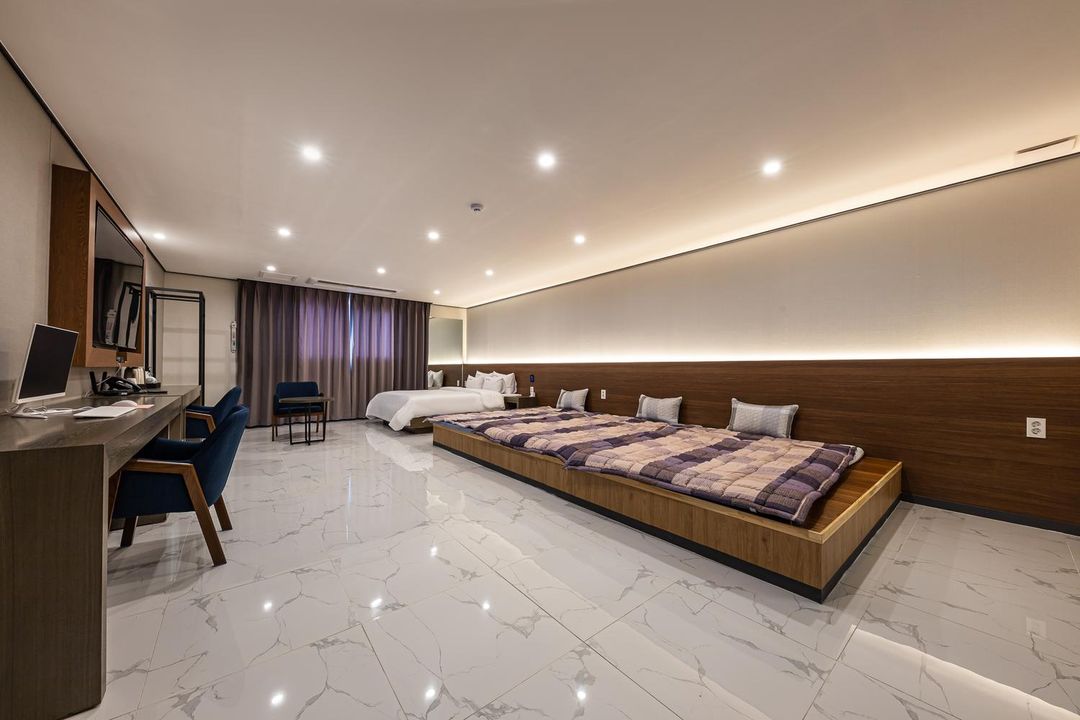
Okcheon Daecheong Hotel
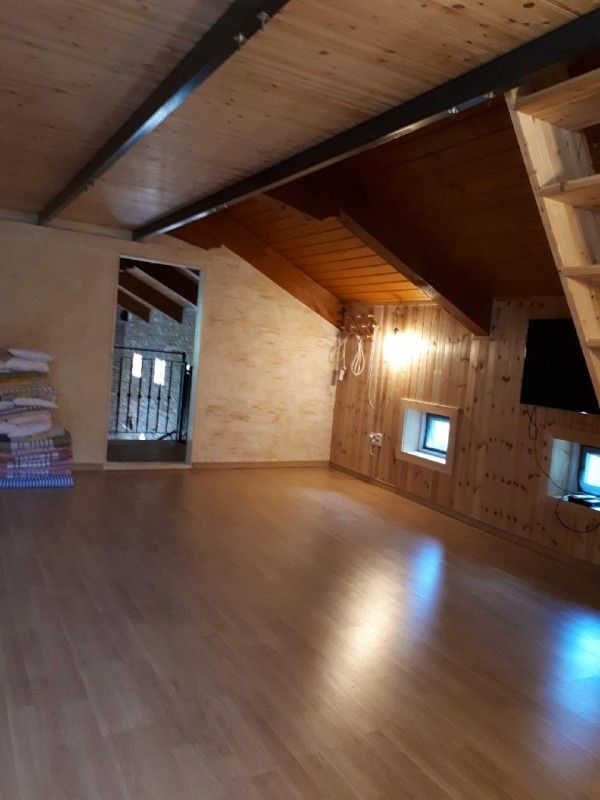
Okcheon Daecheongho Pension
Frequently Asked Questions about Traveling to Okcheon
Questions You Might Need to Know About Traveling to Okcheon
In Wochuan County, the best hotel with scenic views is Dagok Hot Spring Resort, nestled at the foot of Mount Dageum and overlooking the Wochuan River Valley. Its private onsen rooms feature panoramic windows facing the forested mountains, while the rooftop open-air bath offers a breathtaking view of sunrise over the Gangwon Range. The resort blends traditional Korean architecture with modern comfort, using local wood and stone. Nearby, Wochuan Garden Hotel also provides elegant rooms with garden courtyards and direct access to walking trails along the river. Both properties are ideal for travelers seeking serenity and natural beauty.
The best area for cultural immersion in Wochuan County is the central district near Wochuan Station, where you’ll find Wochuan Culture Plaza, Jungchung North Provincial Museum, and Cheonggye Guesthouse, a restored hanok-style inn. This area hosts seasonal events like the Rice Ear Festival, featuring traditional farming demonstrations, folk music, and rice-planting workshops. Staying here allows easy access to Stone City Ruins and local markets selling handmade pottery and organic produce. You can also join guided tours led by elders sharing oral histories of the region’s rural heritage.
Yes, Greenfield Kids’ Stay is a top family-friendly accommodation in Wochuan County, designed specifically for children and parents. It features a farm zone with goats, chickens, and strawberry picking, plus a climbing wall and craft workshop. Rooms have child-safe flooring, play corners, and themed décor. Parents can enjoy forest bathing trails or participate in family yoga sessions. Located just minutes from the Wochuan Nature Education Center, it offers nature-based learning activities for kids. The peaceful countryside setting makes it perfect for a stress-free, enriching family getaway.
Visitors to Wochuan County can enjoy traditional pottery-making workshops at Dagok Pottery Village, where artisans use local clay to create authentic Korean ceramics. Another highlight is the Autumn Rice Ear Festival, held annually, offering hands-on rice planting, threshing, and storytelling under the stars. At night, the Stone City Ruins Light Show brings ancient history to life through projection mapping. For nature lovers, stargazing at Dagok Mountain Observatory provides stunning views of the Milky Way, especially during clear autumn evenings.
Must-try dishes in Wochuan County include Wochuan Spicy Tteokbokki, made with locally milled rice cakes and a sweet-spicy sauce, and Dagok Wild Herb Hotpot, featuring fresh mountain greens like ferns and wild mushrooms simmered in a delicate broth. Don’t miss Sajik Buckwheat Noodles, crafted from indigenous buckwheat, served with soy-based dipping sauce and pickled radish. These specialties are best enjoyed at Morning Market or Wochuan Local Kitchen, where chefs emphasize farm-to-table ingredients and traditional cooking methods passed down through generations.
The best photography spots in Wochuan County include the Wochuan River Night Lantern Trail, where hundreds of handcrafted lanterns reflect on the water, creating ethereal scenes. Stone City Ruins at dawn offer dramatic silhouettes against misty skies. Dagok Mountain Pathway is famous for its morning cloud sea views—perfect for capturing surreal landscapes. Additionally, Cheonggye Guesthouse’s Hanok Courtyard, with its minimalist rock garden and seasonal blooms, serves as a serene backdrop for portrait and still-life photography.
Tourists can explore Wochuan County’s natural beauty via well-maintained hiking trails such as the Dagok Mountain Forest Trail, which winds through pine forests and opens to panoramic views of the valley. The Wochuan River Walking Path runs alongside the riverbank, ideal for early morning strolls or evening walks lit by paper lanterns. Guided nature walks are available at the Wochuan Nature Education Center, where rangers teach about local flora and fauna. Many hotels provide free rental of hiking poles and maps, encouraging safe and immersive outdoor exploration.
Wochuan County’s hot springs are renowned for their natural sulfur-rich waters sourced from deep underground aquifers. The Dagok Spa Hotel offers mineral baths with therapeutic benefits for skin and joint health. Its open-air onsen pools are surrounded by lush greenery, allowing guests to soak while listening to birdsong. Some rooms even feature hanok-style kotatsu heating systems and wooden floors. The combination of geothermal wellness and tranquil forest surroundings sets these spas apart from urban alternatives.
Yes, Wochuan County is an ideal destination for a weekend getaway. Located just 90 minutes from Seoul via the Jungbu Expressway, it offers a peaceful retreat from city life. Visitors can enjoy a full schedule: explore Stone City Ruins and Wochuan Cultural Plaza on Saturday, participate in a pottery workshop and visit the Morning Market for local food, then relax at a hot spring resort. Sunday offers scenic hikes and stargazing at Dagok Mountain. With diverse accommodations, cultural activities, and natural beauty, it delivers a complete, rejuvenating escape in a compact timeframe.
Wochuan County is accessible by car, bus, and train. The Wochuan Train Station connects to major cities like Seoul and Cheongju via KORAIL. Local buses link key attractions including Dagok Mountain, Stone City Ruins, and Greenfield Kids’ Stay. For those driving, the Jungbu Expressway provides seamless access, with multiple free parking lots near the town center. Rental cars are available at the station, and many hotels offer complimentary shuttle services. GPS navigation is recommended due to winding rural roads, but signage is generally clear.
Okcheon Overview
City Summary
Wonju County, located in Chungcheongbuk-do, South Korea, is a small town renowned for its natural beauty and traditional culture. Known for its clean air, abundant agricultural products, and rich history, it is especially famous for its apples and Hanwoo beef. The tranquil atmosphere and rural landscapes make it an ideal escape from urban hustle.
Must-See Attractions
Key attractions in Wonju County include the Wonju Apple Orchards, where visitors can pick fresh apples; the Wonju Hanwoo Village, offering premium Korean beef dishes; and the Cheongpung Lake, perfect for walking and cycling. Additionally, the traditional Hanok Village showcases Korean architecture and lifestyle, a must-visit for culture enthusiasts.
Food Guide
Wonju County is famous for its Hanwoo beef and apples. Recommended dishes include Hanwoo barbecue and apple pie. Street food like spicy rice cakes (tteokbokki) and fish cake skewers are also worth trying. Local restaurants serve dishes made with fresh produce, reflecting Korean rural culinary traditions.
Transportation Guide
Public transport in Wonju County primarily relies on buses, with several routes connecting major attractions. Renting a bicycle or car is recommended for flexible exploration. From Seoul, take a high-speed bus or train to Chungju, then transfer to a local bus to Wonju County, taking about 2-3 hours.
Best Time to Visit
The best time to visit is autumn (September to November), with cool weather and apple harvests. Spring (April to May) is also pleasant with cherry blossoms, but attracts more tourists.
Travel Tips
- Respect local culture: Remove shoes when entering Hanok houses.
- Carry cash: Some rural shops may not accept cards.
- Wear comfortable shoes: Many attractions involve natural landscapes.
- Waste sorting: Korea has strict recycling rules; follow local practices.
- Language: English is limited in rural areas; learn basic Korean or use a translation app.
- Seasonal activities: Book apple-picking experiences in advance during autumn.
Useful Information
Language: Korean is primary; English is uncommon. Internet: Free Wi-Fi in urban areas, but weak in rural spots. Payment: Cards accepted at large establishments; cash needed for small vendors. Emergencies: Wonju has small clinics; serious cases require Chungju hospitals. Travel insurance is advised. Voltage: 220V, using two-round-pin plugs.
Other Cities You Might Like
Explore more amazing destinations