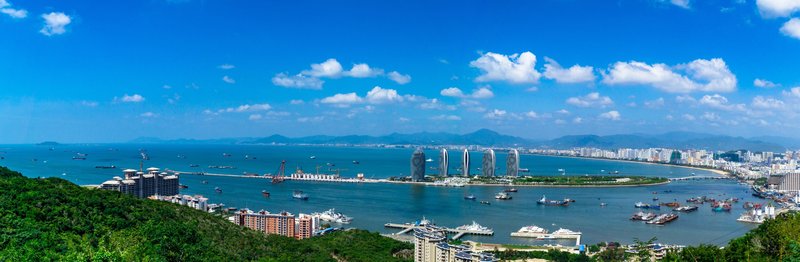
Hotels in Paju
Discover your perfect stay in Paju.
Paju(South Korea) Travel 2026: Cheap Flights, Hotels & Top Attractions
Popular Landmarks in Paju
Discover the most iconic attractions in Paju
Recommended Hotels in Paju
Find the perfect place to stay in Paju
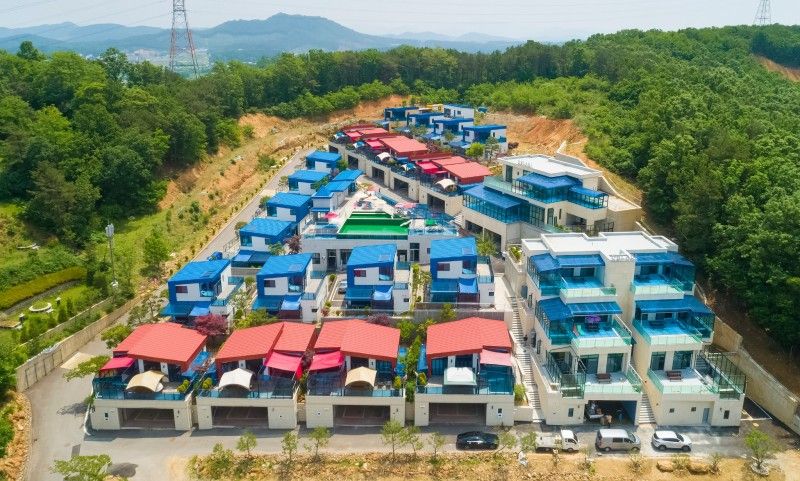
Paju Obladi Pool Villa
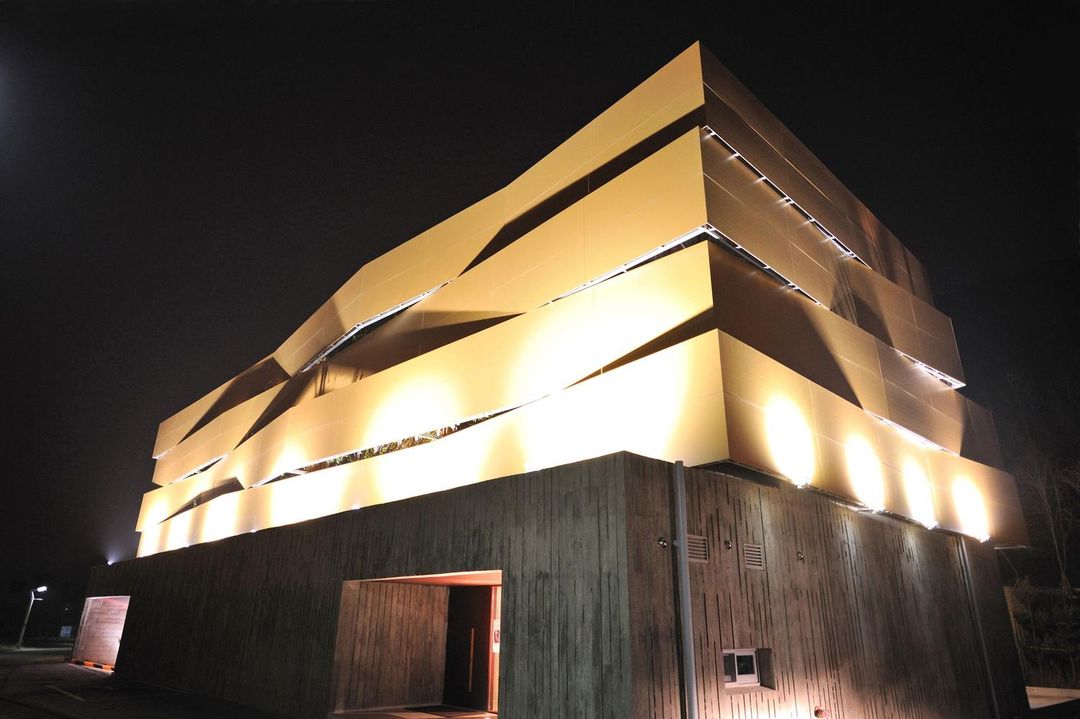
Yonaluky Luxury Resort
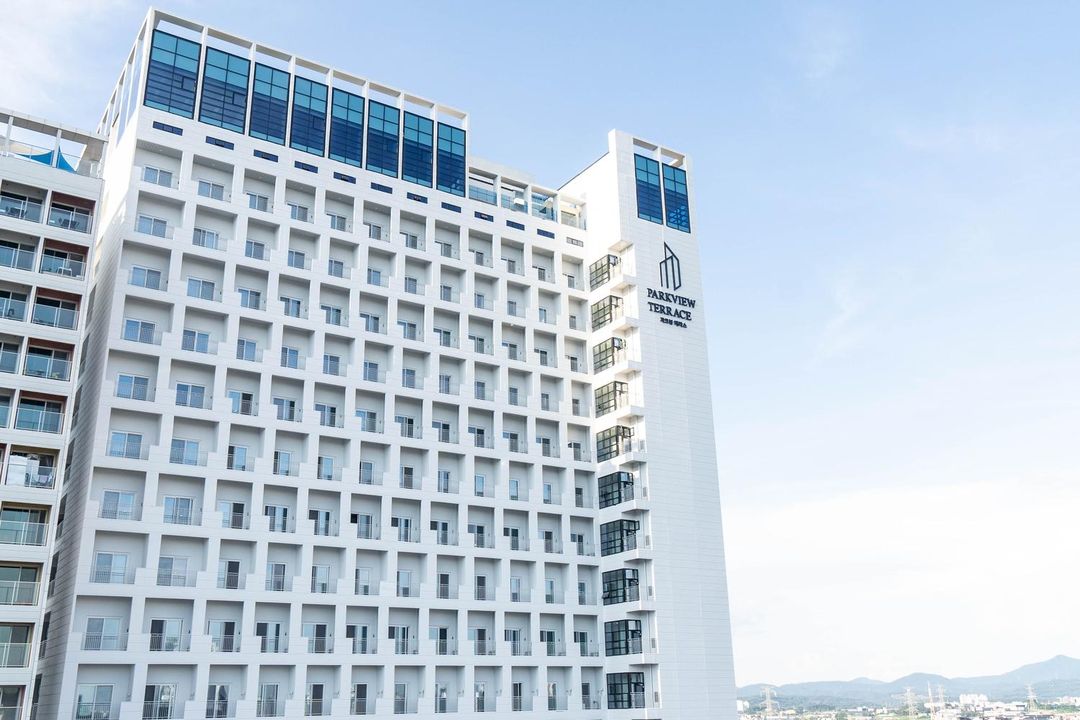
Park View Terrace
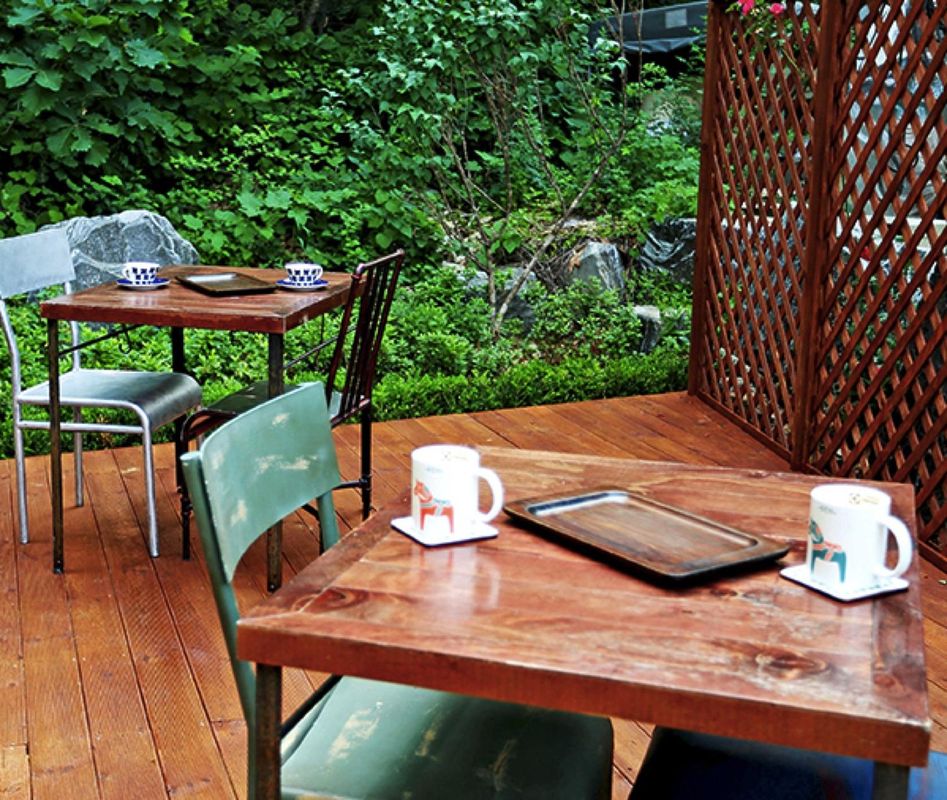
Paju Maribyeol Pension
Best Hotels in Paju
Discover curated hotel collections in Paju
INSPIRE Entertainment Resort
L'Escape Hotel
Four Seasons Hotel Seoul
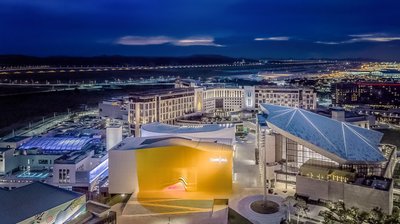
Paradise City
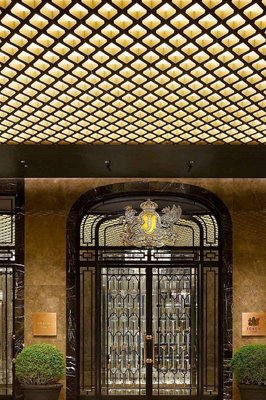
Josun Palace, a Luxury Collection Hotel, Seoul Gangnam

JW Marriott Dongdaemun Square Seoul
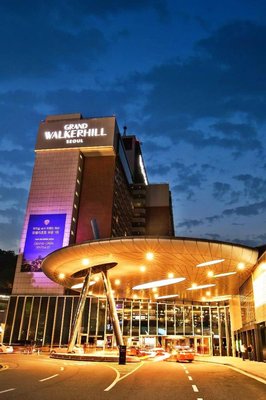
Grand Walkerhill Seoul
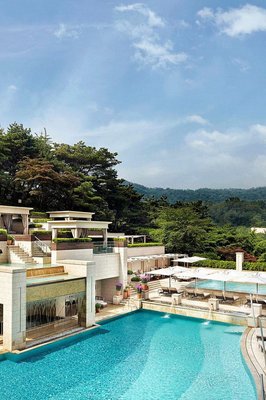
The Shilla Seoul
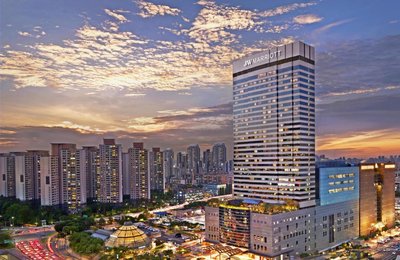
JW Marriott Hotel Seoul
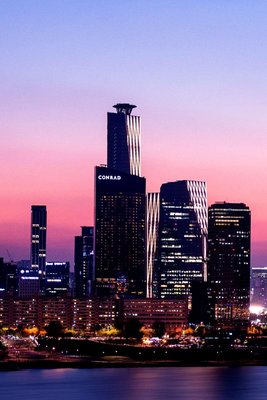
Conrad Seoul
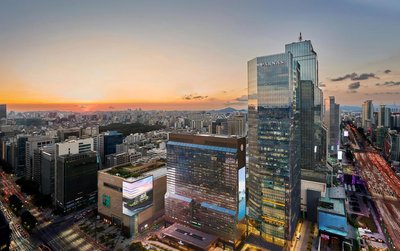
Grand InterContinental Seoul Parnas
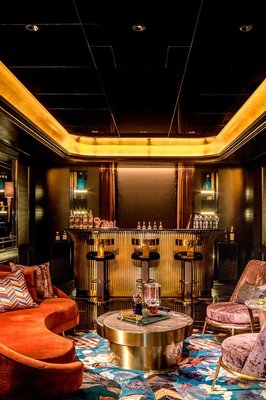
Art Paradiso, Paradise City
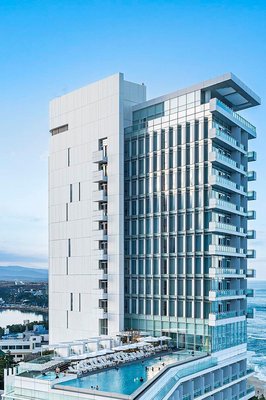
Seamarq Hotel
Four Seasons Hotel Seoul
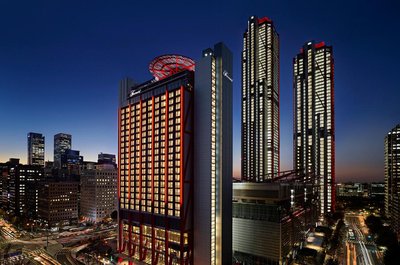
Fairmont Ambassador Seoul
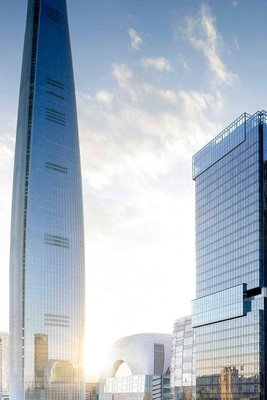
Sofitel Ambassador Seoul Hotel & Serviced Residences
Josun Palace, a Luxury Collection Hotel, Seoul Gangnam
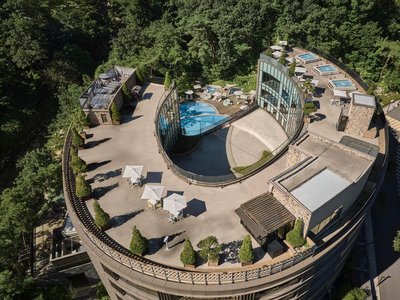
Anto (formerly: Parasara Seoul)
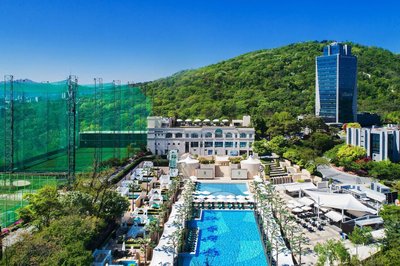
Banyan Tree Club & Spa Seoul
The Shilla Seoul
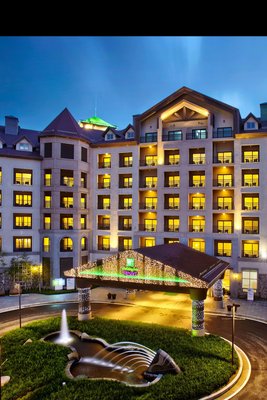
Holiday Inn Resort Alpensia Pyeongchang
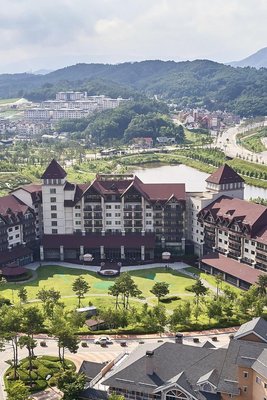
InterContinental Hotels Alpensia Pyeongchang Resort
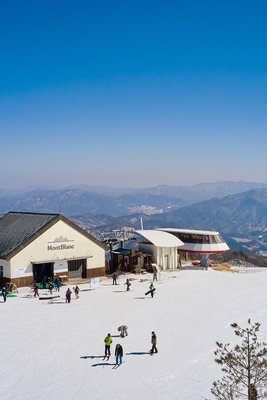
Phoenix Hotel Pyeongchang
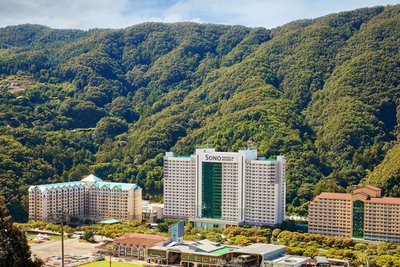
VivaldiPark
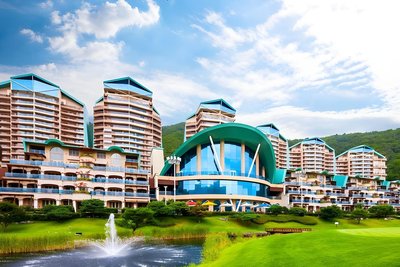
SonoFelice VivaldiPark
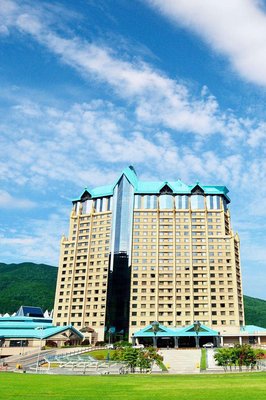
High1 Grand Hotel Main Tower
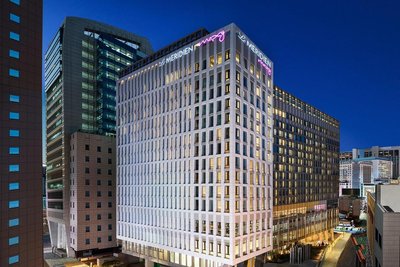
Le Méridien Seoul, Myeongdong
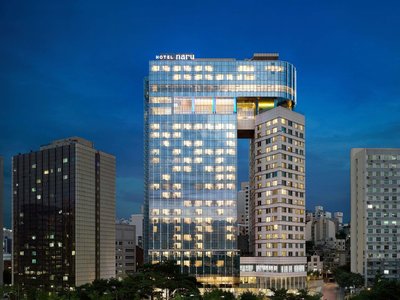
Hotel Naru Seoul - MGallery Collection

The Heaven Resort
INSPIRE Entertainment Resort
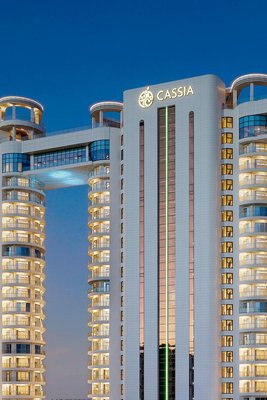
Cassia Sokcho
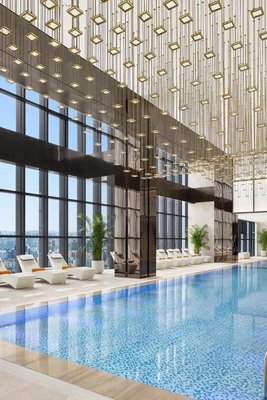
Pullman Ambassador Seoul Eastpole
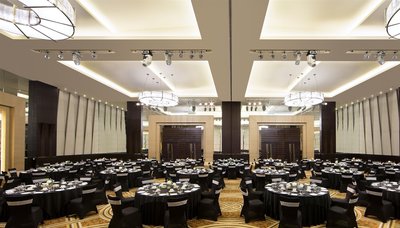
Sheraton Grand Incheon Hotel
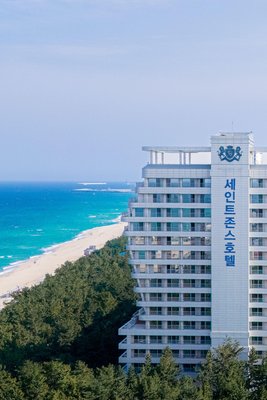
St. John's Hotel
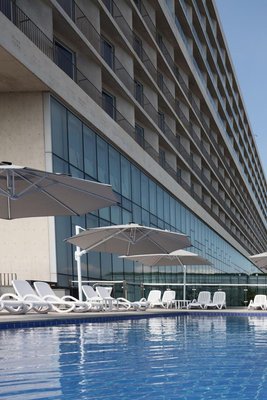
Nest Hotel Incheon
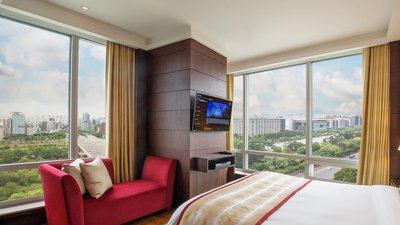
Yeouido Park Centre, Seoul - Marriott Executive Apartments
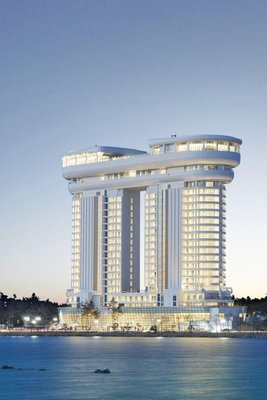
Skybay Hotel Gyeongpo
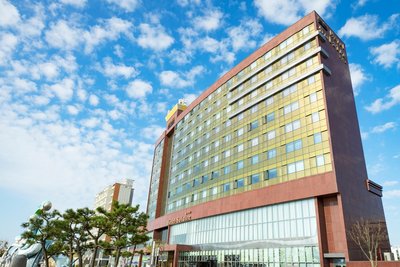
Hotel Solaire
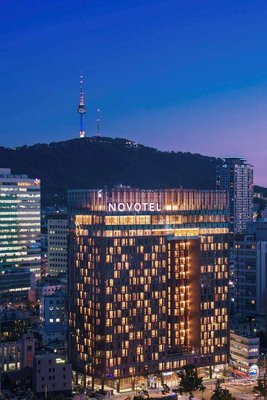
Novotel Ambassador Seoul Dongdaemun Hotels & Residences
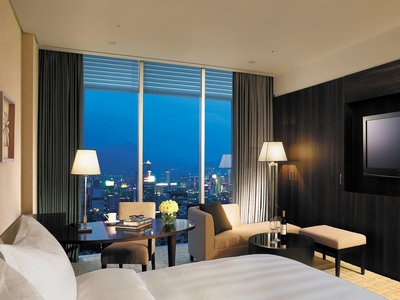
Ramada Plaza by Wyndham Gwangju
Holiday Inn Resort Alpensia Pyeongchang
InterContinental Hotels Alpensia Pyeongchang Resort

Sun Cruise Resort and Yacht
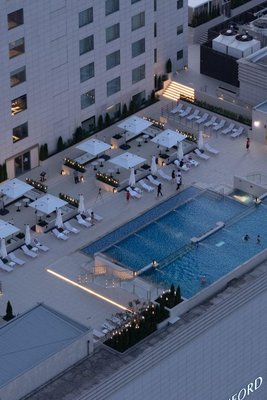
Enford Hotel
VivaldiPark
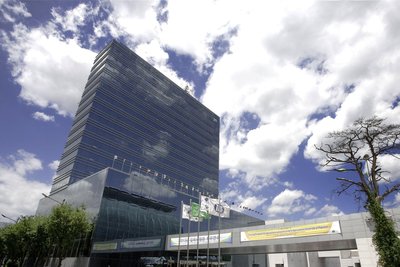
Hotel Interburgo Exco
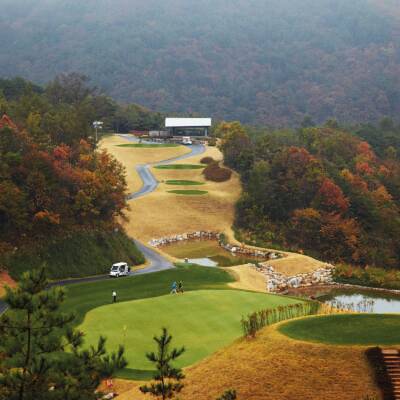
Tops10 Resort Donggang Cistar
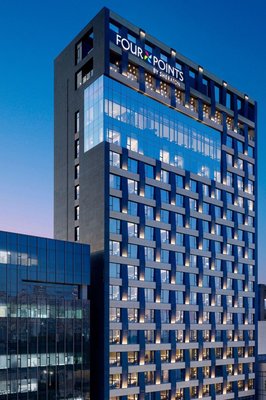
Four Points by Sheraton Suwon
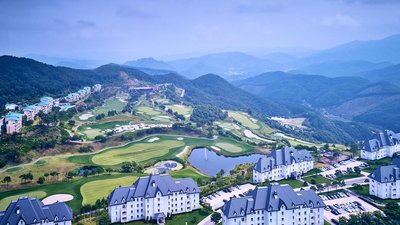
Sonofelice Village Vivaldipark
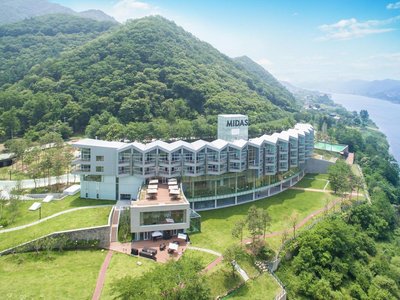
Midas Hotel & Resort
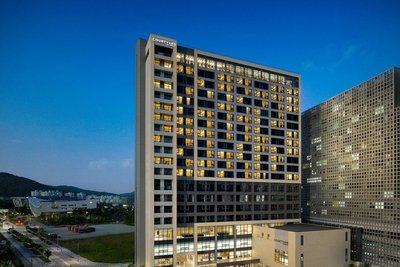
Courtyard Sejong
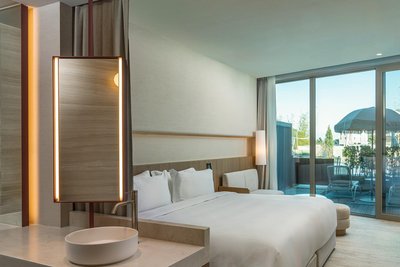
CORALLO
Sono Calm Vivaldi Park
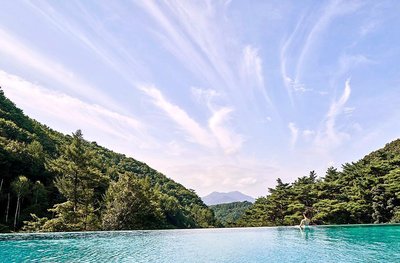
Restree and Forest Resom
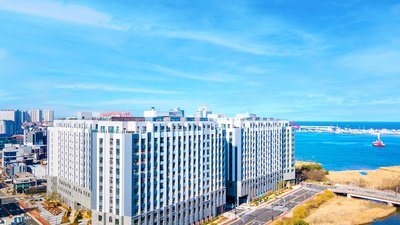
Dominiclava Sokco
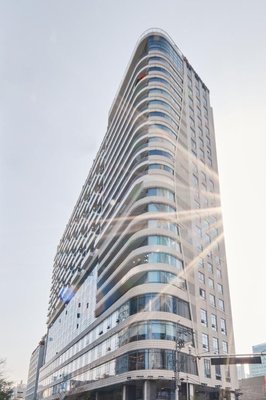
UH Flat Signature Daegu
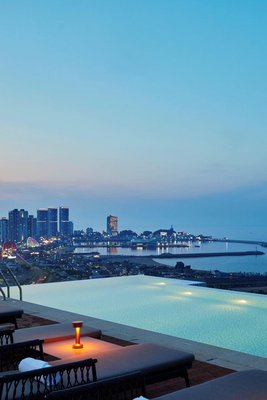
Homm Marina Sokcho
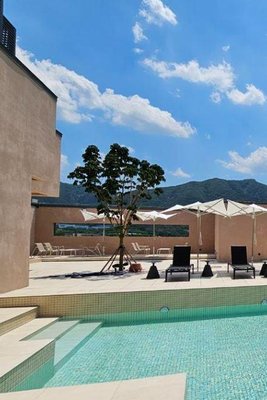
Daegu Suseong the Arco Hotel Lions Park
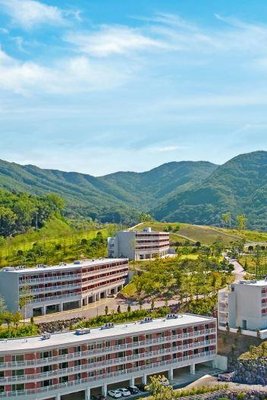
Belle Fore Resort
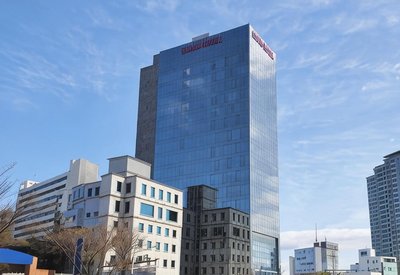
Eldis Regent Hotel
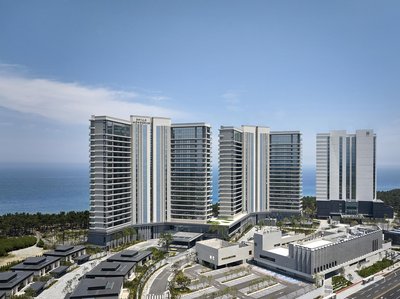
Shillamonogram Gangneung Residence
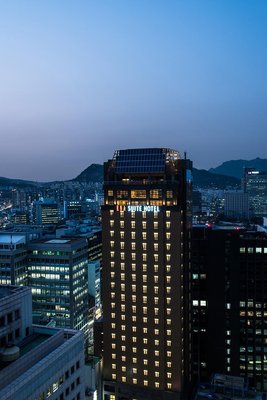
ENA Suite Hotel Namdaemun
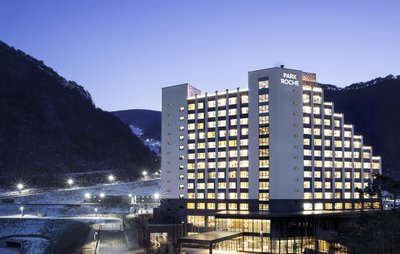
Park Roche Resort & Wellness

Holiday Inn Incheon Songdo
L'Escape Hotel
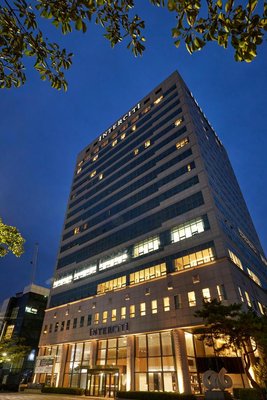
Hotel Interciti
Hotel Naru Seoul - MGallery Collection
St. John's Hotel
Nest Hotel Incheon
Conrad Seoul
Skybay Hotel Gyeongpo
Sun Cruise Resort and Yacht
Seamarq Hotel

Ramada by Wyndham Gangwon Sokcho
Sofitel Ambassador Seoul Hotel & Serviced Residences
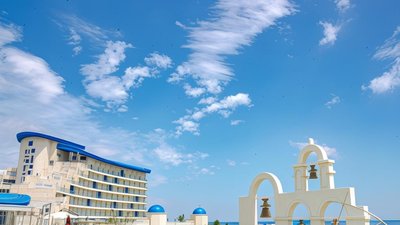
Sol Beach Samcheok

Bloomvista Hotel & Conference
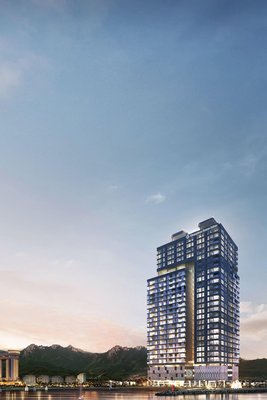
Chonpines Ocean Suites
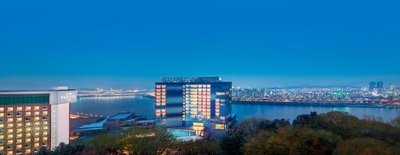
Vista Walkerhill Seoul - Formerly W Seoul
The Shilla Seoul
INSPIRE Entertainment Resort
Conrad Seoul
L'Escape Hotel
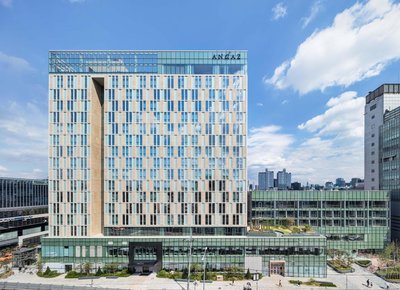
ANDAZ SEOUL GANGNAM, BY HYATT
Fairmont Ambassador Seoul
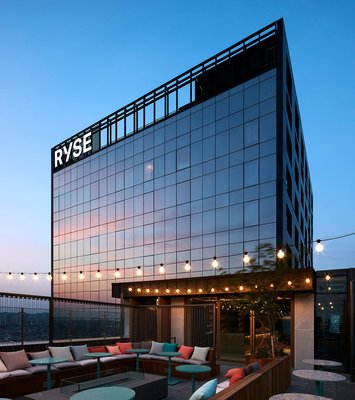
RYSE, Autograph Collection by Marriott
Josun Palace, a Luxury Collection Hotel, Seoul Gangnam
Anto (formerly: Parasara Seoul)
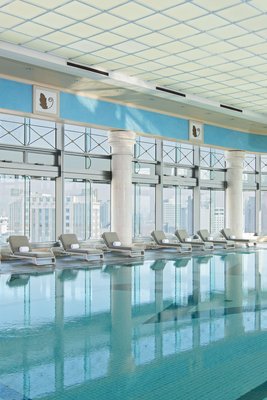
The Plaza Seoul, Autograph Collection
Banyan Tree Club & Spa Seoul
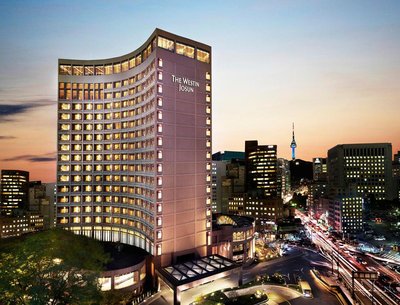
The Westin Josun Seoul
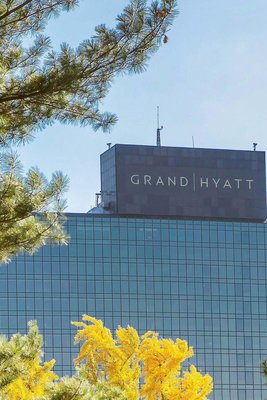
Grand Hyatt Seoul
Frequently Asked Questions about Traveling to Paju
Questions You Might Need to Know About Traveling to Paju
For literary enthusiasts, Paju Book City Hotel stands out as a must-stay destination. Located within the heart of Paju Library & Art Village, this hotel blends minimalist design with traditional Korean aesthetics. Each room features themed book displays and offers free access to Korea's largest library complex. Guests can join daily literary workshops, book tours, and author talks, immersing themselves in Paju’s identity as "The Reading Capital of Korea." The surrounding Art Village hosts rotating exhibitions and installations, making it ideal for those seeking quiet inspiration amid nature and creativity.
The Paju Arts & Culture District is the prime location for lodging, nestled between Paju Library and Paju Art Village. This serene neighborhood offers easy walking access to major cultural sites, with boutique hotels like Book House Inn and Mokdang Garden providing cozy, design-forward stays. Surrounded by greenery and quiet streets, it’s perfect for travelers who value tranquility and proximity to galleries, libraries, and creative spaces. Opt for rooms facing south to enjoy morning light filtering through bookshelves and garden views.
Yes, Paju Kids Library Resort is specifically designed for families, featuring dedicated children’s reading corners, interactive storytelling rooms, and outdoor play zones. Daily programs include parent-child reading sessions, handmade picture book workshops, and nighttime star stories with bilingual narration. The resort also includes safe walking paths and a natural pond, allowing kids to explore freely. Nearby Paju Nature Park offers gentle hiking trails, making it an ideal spot for a full-day family outing amidst peaceful landscapes.
Paju is renowned as Korea’s "Reading Capital," offering immersive experiences like touring Paju Library—a landmark structure housing the nation’s largest library complex, including the International Children’s Library and World Book Museum. Visitors can participate in global book exchange events, engage in poetry readings, and attend street theater performances during the annual Paju Book Festival. Traditional elements such as Korean tea ceremonies and calligraphy workshops are also available, blending modern literacy with age-old cultural practices.
If you're staying overnight in Paju, the Paju Public Library is a non-negotiable visit. Its architectural masterpiece features a glass dome and spiral book walls, creating a breathtaking space for reading and reflection. By day, enjoy the calm reading halls; at sunset, ascend to the rooftop for panoramic views over the book-filled landscape. Inside, the immersive digital exhibition hall showcases rare historical manuscripts and global e-books. Nearby, the Literature Square regularly hosts poetry dialogues and indie concerts, offering a vibrant yet intimate cultural experience.
Paju’s nighttime offerings focus on arts and serenity. Don’t miss the Paju Art Village Night Light Installation, where artists project dynamic visuals onto buildings, narrating Korean folk tales and contemporary stories. There’s also a Night Book Market Walk, with pop-up stalls and café corners along the lanes, perfect for browsing books and sipping coffee under string lights. For relaxation, try the Night Meditation at the Book House, featuring guided mindfulness sessions, lavender aromatherapy, and soft instrumental music—ideal for unwinding after a day of cultural exploration.
While not a culinary hotspot, Paju excels in cultural dining experiences. Try the "Literary Menu" at Pages Biscuit Café, named after famous novels—like "The Kite Runner" beef stew and "The Little Prince" chocolate tart. Another hidden gem is Ssuk Tea House, tucked inside a bookstore, serving homemade mochi with matcha and purple sweet potato porridge. Many local eateries embrace the slow food movement, using organic ingredients from Gyeonggi farms, such as Paju pumpkins and mountain yams, crafting healthy, low-impact dishes that align with the city’s intellectual lifestyle.
Travel from Seoul Station to Paju Station via the Capital Area Railway—a convenient 40-minute journey. Upon arrival, free shuttle buses run directly to Paju Library and Art Village, or rent a bicycle to ride along scenic greenways past rice fields and forests. For a more comfortable trip, pre-book a private transfer service; several premium hotels offer complimentary pickups. Arrive early on weekends to maximize your time exploring the cultural hubs without rush-hour crowds.
Most cultural hotels in Paju offer bilingual services in Korean and English, with select luxury options like Book Inn Paju supporting Simplified and Traditional Chinese. Staff are trained to assist with tour bookings, translation requests, and cultural event coordination. Guest rooms include multilingual Paju Cultural Guides and language-appropriate maps. Additionally, many properties feature smart voice assistants capable of answering questions about nearby attractions, opening hours, and transportation—all in multiple languages—enhancing independence for international travelers.
Paju is ideal for intellectual travelers, including writers, creatives, students, and families seeking meaningful experiences. It appeals to those craving quiet contemplation, cultural depth, and connection with nature and ideas. Whether you’re a solo traveler meditating among books, a parent sharing a story with your child, or a designer gathering inspiration, Paju offers a sanctuary away from urban noise. Its emphasis on knowledge, art, and simplicity makes it a transformative destination for anyone looking to slow down and recharge through culture.
Paju Overview
City Summary
Paju, located in the northwestern part of Gyeonggi Province, South Korea, is known for its rich cultural heritage and natural landscapes near the North Korean border. It serves as a crossroads of art and history, featuring numerous museums, art villages, and traditional Korean houses. Paju's unique appeal lies in its blend of modern art and traditional Korean culture, offering diverse experiences for visitors.
Must-See Attractions
Must-see attractions in Paju include the Heyri Art Village, a creative community filled with artists' studios, galleries, and museums; and Provence Village, a French-themed village. Don't miss the Paju English Village and the Odusan Unification Observatory, which offers views of North Korea. These sites showcase Paju's cultural diversity and provide rich entertainment experiences.
Food Guide
In Paju, visitors can enjoy authentic Korean dishes such as tteokbokki, Korean BBQ, and kimchi. Local organic produce from farms is highly recommended. Street food like Korean fried chicken and fish cake skewers are also worth trying to dive deep into Korean culinary culture.
Transportation Guide
Public transport in Paju mainly includes buses and taxis. From Seoul, take the subway to Uijeongbu Station and transfer to a bus to Paju. The city bus network is extensive, but navigation apps or taxis are advisable for unfamiliar routes. Self-driving is also a good option due to well-maintained roads and scenic views.
Best Time to Visit
The best times to visit are spring (April to June) and autumn (September to November), when the weather is pleasant and scenery at its best. Summers are humid and hot, while winters are cold and dry. Avoid major Korean holidays like Chuseok and Seollal to escape crowds.
Travel Tips
- Respect local culture, especially at religious sites.
- Learning basic Korean greetings can ease your travel.
- Tap water is drinkable, but bottled water is more common.
- Use a T-money card for convenient public transport payments.
- Download Korean maps and translation apps in advance.
- Follow safety guidelines near the North Korean border.
Useful Information
In Paju, Korean is the main language, but basic English is spoken at many tourist spots. Wi-Fi is widely available in cafes and public areas. Payment is mostly by cash or credit cards; carrying some cash for small transactions is advised. For emergencies, dial 112 (police) or 119 (ambulance). Pharmacies and hospitals are accessible downtown, but bringing personal medications is recommended.
Other Cities You Might Like
Explore more amazing destinations