Hotels in Pocheon
Discover your perfect stay in Pocheon.
Pocheon(South Korea) Travel 2026: Cheap Flights, Hotels & Top Attractions
Popular Landmarks in Pocheon
Discover the most iconic attractions in Pocheon
Recommended Hotels in Pocheon
Find the perfect place to stay in Pocheon

Prime Resort
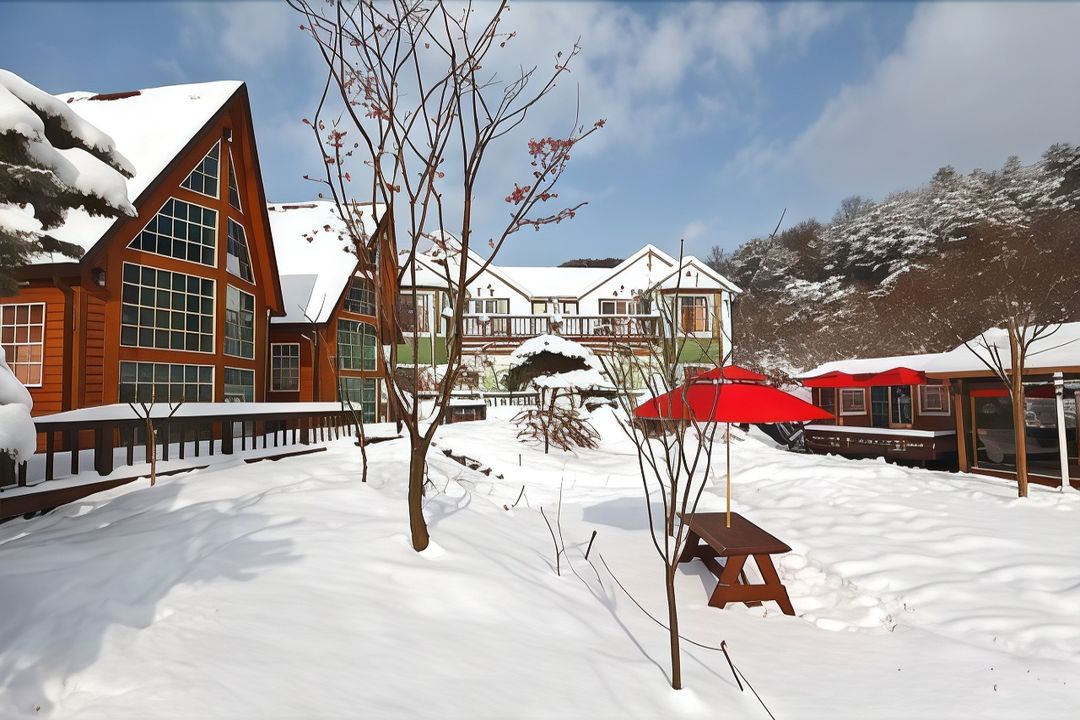
Supsok Pretty Pension
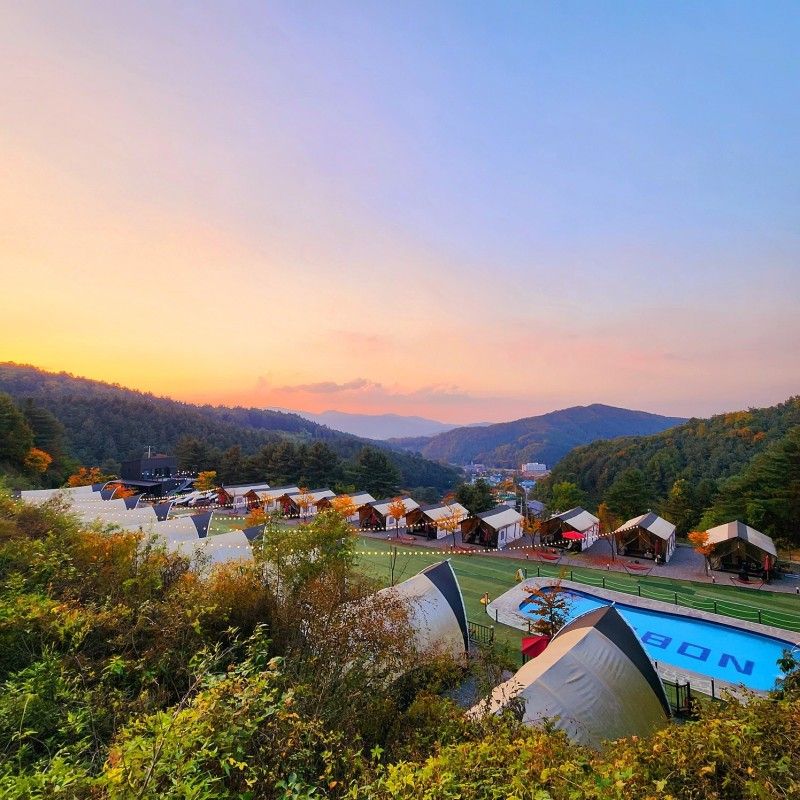
Pocheon Noble Glamping Pension

Pocheon Areumdri Pension
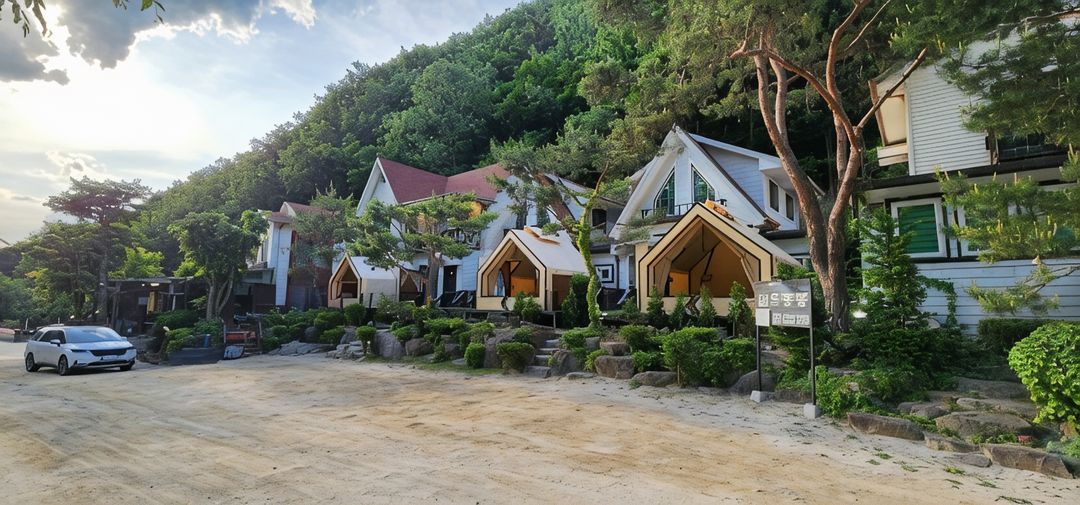
Pocheon Sunshine Marusiru Poolvilla
Best Hotels in Pocheon
Discover curated hotel collections in Pocheon
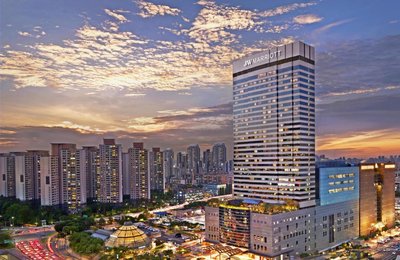
JW Marriott Hotel Seoul
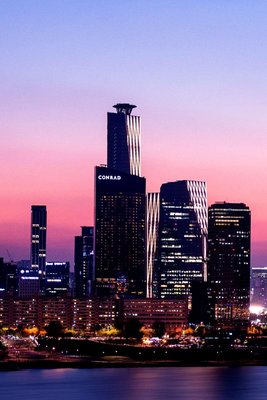
Conrad Seoul
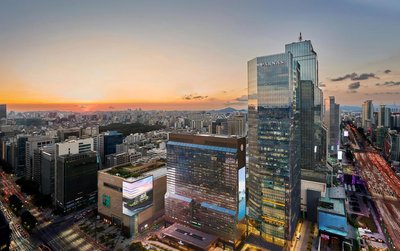
Grand InterContinental Seoul Parnas

Art Paradiso, Paradise City

Seamarq Hotel
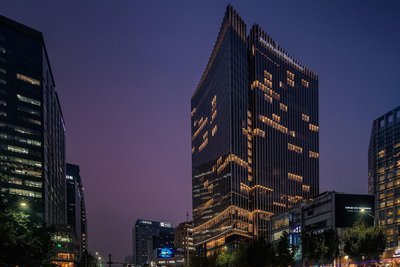
Four Seasons Hotel Seoul

Fairmont Ambassador Seoul

Sofitel Ambassador Seoul Hotel & Serviced Residences
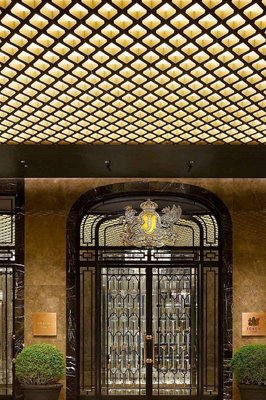
Josun Palace, a Luxury Collection Hotel, Seoul Gangnam
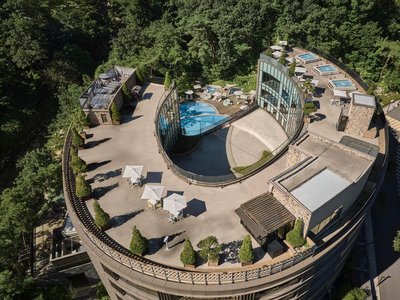
Anto (formerly: Parasara Seoul)
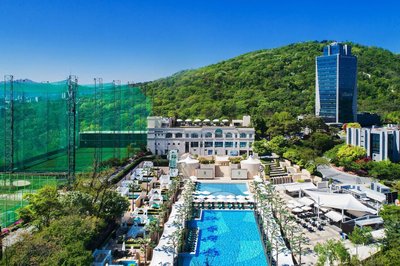
Banyan Tree Club & Spa Seoul
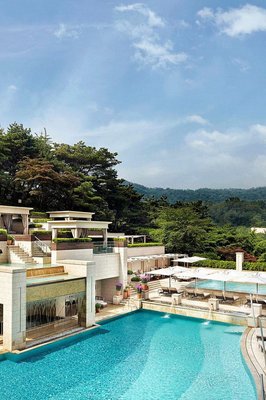
The Shilla Seoul

Tops10 Resort Donggang Cistar

Four Points by Sheraton Suwon
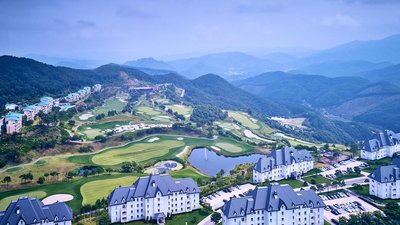
Sonofelice Village Vivaldipark
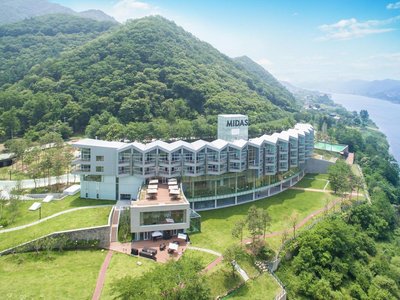
Midas Hotel & Resort
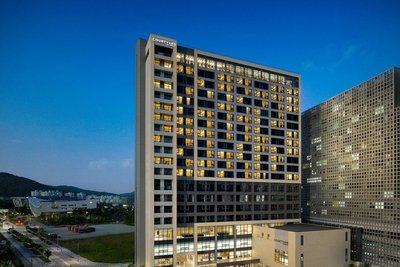
Courtyard Sejong
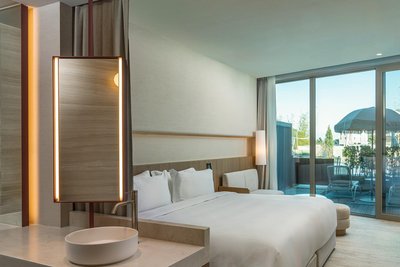
CORALLO
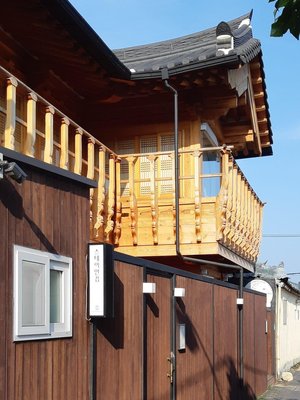
Gyeong-ju Stayangim

Sono Calm Vivaldi Park
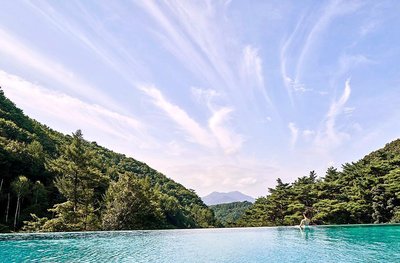
Restree and Forest Resom
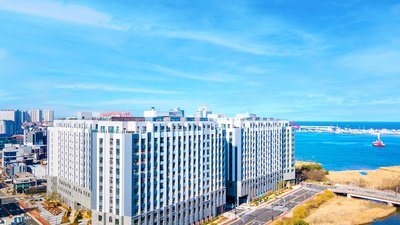
Dominiclava Sokco
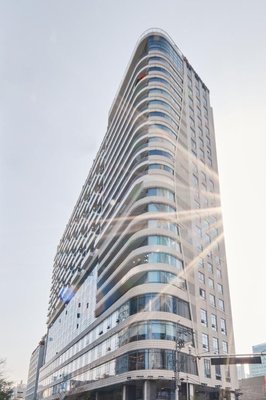
UH Flat Signature Daegu
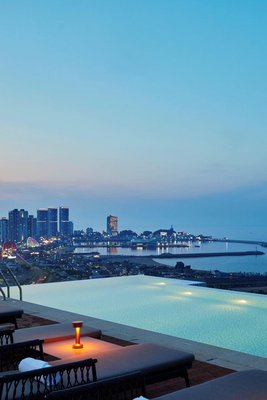
Homm Marina Sokcho
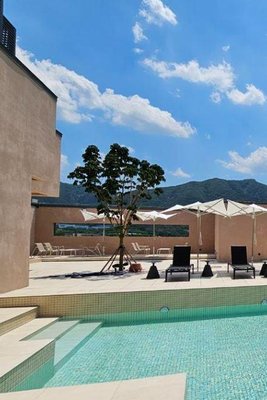
Daegu Suseong the Arco Hotel Lions Park
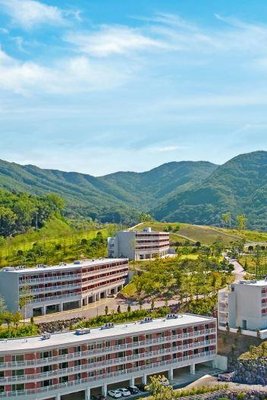
Belle Fore Resort

Eldis Regent Hotel

Shillamonogram Gangneung Residence

ENA Suite Hotel Namdaemun
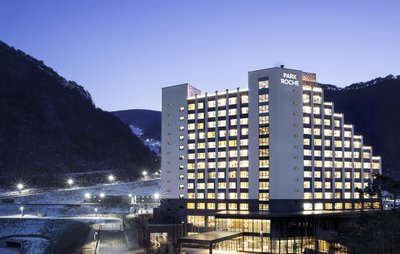
Park Roche Resort & Wellness

Holiday Inn Incheon Songdo

L'Escape Hotel
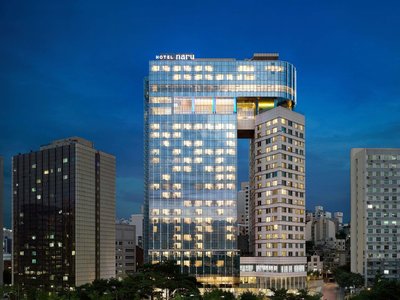
Hotel Naru Seoul - MGallery Collection
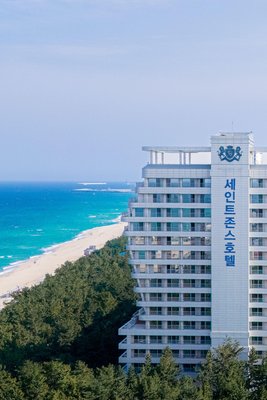
St. John's Hotel

Nest Hotel Incheon
Conrad Seoul

Skybay Hotel Gyeongpo

Lahan Select Gyeongju

Sun Cruise Resort and Yacht
Seamarq Hotel

Ramada by Wyndham Gangwon Sokcho
Sofitel Ambassador Seoul Hotel & Serviced Residences

Sol Beach Samcheok

Bloomvista Hotel & Conference

Chonpines Ocean Suites

Vista Walkerhill Seoul - Formerly W Seoul
The Shilla Seoul
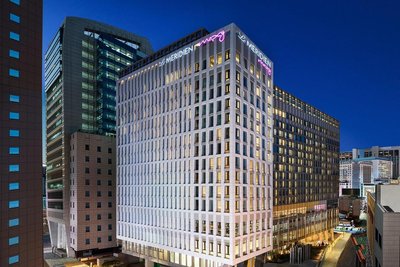
Le Méridien Seoul, Myeongdong
Hotel Naru Seoul - MGallery Collection

The Heaven Resort

INSPIRE Entertainment Resort

Cassia Sokcho
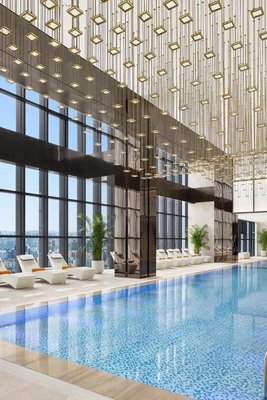
Pullman Ambassador Seoul Eastpole
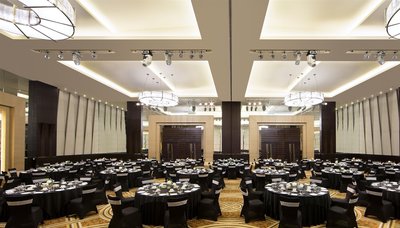
Sheraton Grand Incheon Hotel
St. John's Hotel
Nest Hotel Incheon
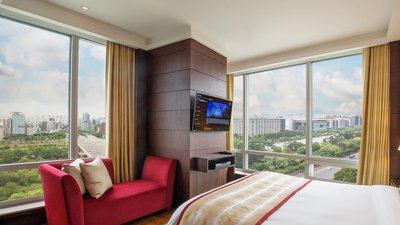
Yeouido Park Centre, Seoul - Marriott Executive Apartments

Hilton Gyeongju
Skybay Hotel Gyeongpo
Lahan Select Gyeongju

Hotel Solaire
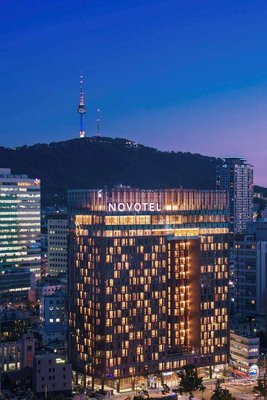
Novotel Ambassador Seoul Dongdaemun Hotels & Residences
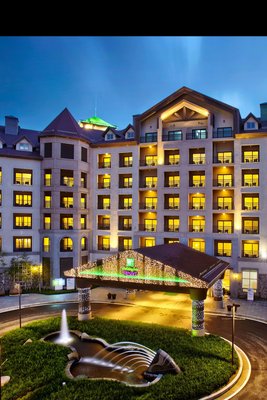
Holiday Inn Resort Alpensia Pyeongchang
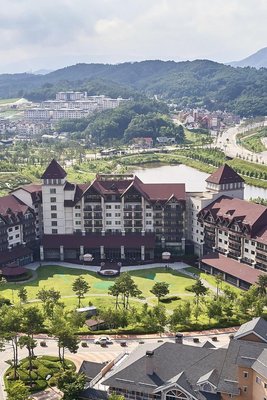
InterContinental Hotels Alpensia Pyeongchang Resort
Sun Cruise Resort and Yacht
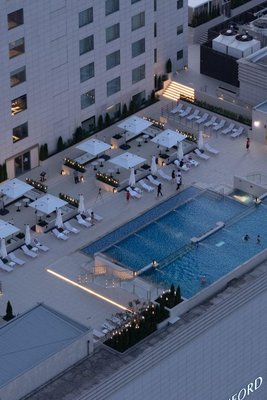
Enford Hotel
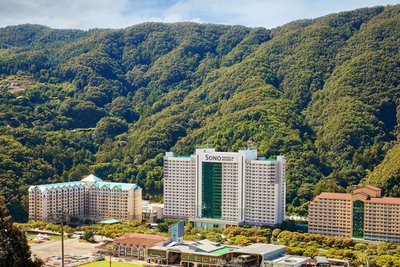
VivaldiPark
INSPIRE Entertainment Resort
L'Escape Hotel
Four Seasons Hotel Seoul
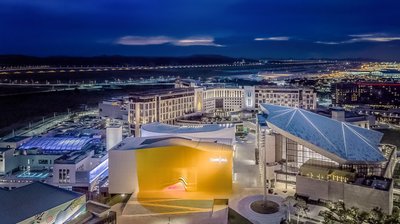
Paradise City
Josun Palace, a Luxury Collection Hotel, Seoul Gangnam

JW Marriott Dongdaemun Square Seoul
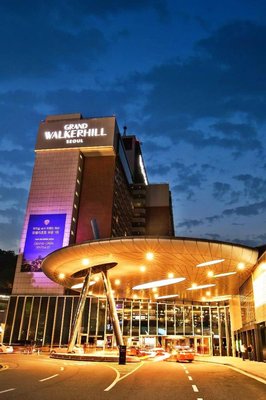
Grand Walkerhill Seoul
The Shilla Seoul

Hotel Barrière Fouquet's New York
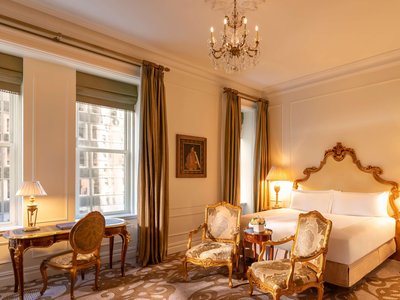
The Plaza - A Fairmont Managed Hotel
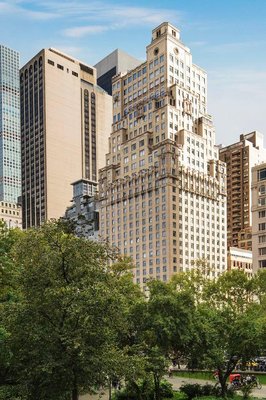
The Ritz-Carlton New York, Central Park

Four Seasons Hotel New York

The St. Regis New York

Park Hyatt New York
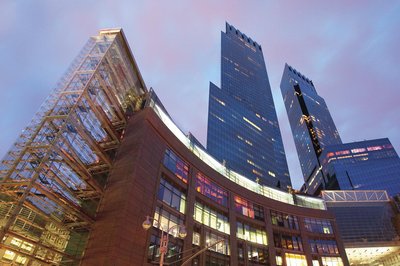
Mandarin Oriental New York
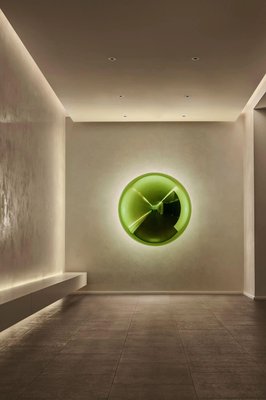
Times Square Edition New York

Loews Regency New York Hotel

Lowell Hotel
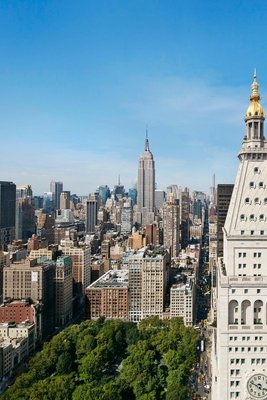
New York Edition
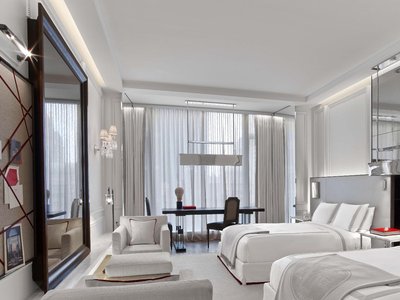
Baccarat Hotel New York

Equinox Hotel New York

Four Seasons Hotel New York Downtown
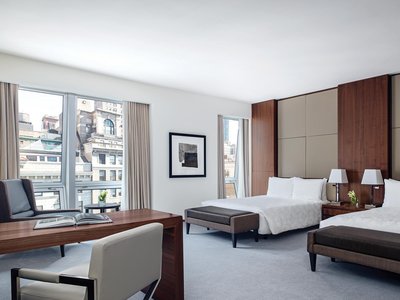
The Langham, New York, Fifth Avenue

The Carlyle, A Rosewood Hotel

The Chatwal, in the Unbound Collection by Hyatt

The Mark New York

Trump International Hotel & Tower® New York
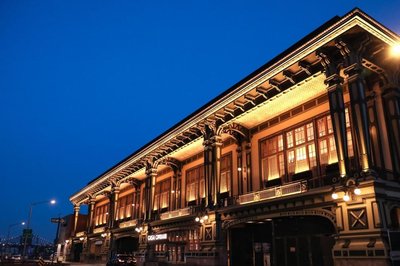
Casa Cipriani New York
Frequently Asked Questions about Traveling to Pocheon
Questions You Might Need to Know About Traveling to Pocheon
In Bogwon, the standout choice is Bogwon Art Village Guesthouse, a creatively repurposed factory turned boutique stay blending traditional Korean aesthetics with modern design. Each room features handcrafted artworks by local artists. Located near the Bogwon Ceramics Village, guests can participate in pottery workshops and enjoy panoramic views of the Bogwon Stream.
For a deeper cultural immersion, Bogwon Hanok Inn offers authentic Korean-style houses with minimalist interiors and private courtyards. Nightly tea ceremonies and seasonal rituals provide insight into rural Korean life. All accommodations are within walking distance of major cultural sites, making them ideal for travelers seeking authenticity and tranquility amidst nature.
The Bogwon Art Village and Bogwon Stream areas offer the best lodging options. These zones combine serene natural surroundings with vibrant artistic communities—home to over 50 independent studios, galleries, and craft markets.
Staying here grants easy access to daily workshops like pottery and calligraphy, as well as seasonal events such as the International Ceramic Festival. The area also hosts nightly light art installations along the stream, perfect for photography enthusiasts. With a short 40-minute train ride from Seoul via the Gyeongui Line, and convenient shuttle services from Bogwon Station, this district balances peaceful retreat with urban accessibility—ideal for culture seekers and nature lovers alike.
Bogwon stands out with its immersive ceramic art workshops, where visitors can create their own pottery under expert guidance. Over 50 artist studios welcome hands-on participation, from shaping clay to glazing and firing—perfect for collectors and beginners alike.
Another highlight is the Hanok Cultural Tour, led by master artisans who share insights into traditional Korean house architecture and seasonal customs. Some guesthouses host farm-to-table experiences, including rice planting, tea harvesting, and cooking classes using local ingredients.
At night, join the Bonfire Poetry Gathering, where poets recite verses beneath the stars, accompanied by live music and ambient lighting—showcasing Bogwon’s poetic soul and deep connection to community and nature.
Yes, Bogwon is highly suitable for families. Many guesthouses, such as Bogwon Stream Family Resort, offer spacious rooms with child-friendly amenities like sand pits, outdoor play zones, and nature trails.
Some hotels provide "Family Art Kits"—including painting supplies, clay tools, and scavenger hunt cards—to encourage creative exploration. Guided tours include kid-focused routes through interactive murals and sound sculptures at the Bogwon Art Village.
Nearby organic farms allow children to feed animals and harvest vegetables, turning learning into fun. Most properties accommodate infants with cribs and offer customized children's meals. With safe, quiet surroundings and proximity to the Bogwon Stream, families can relax while kids enjoy enriching, nature-based activities in a peaceful setting.
Bogwon hotels are deeply integrated into the local art ecosystem. For instance, Bogwon Art Village Guesthouse collaborates with resident artists, hosting monthly "Guest Artist Open Days" where guests tour studios and even assist in exhibition preparations.
Some properties, like Bogwon Ceramix Inn, transform walls into rotating art galleries showcasing current resident works. Guests receive a "Creative Pass" granting discounts on workshops and priority HopeGoo.
Nighttime events such as "Art Walks" guide visitors through illuminated public installations, combining storytelling, light, and sound into an immersive experience. This close-knit relationship turns stays into active participation in contemporary Korean art culture, not just passive tourism.
Bogwon shines after dark. The annual Bogwon Stream Light Festival transforms the riverbank into a dynamic canvas of international light art, synchronized with flowing water and music.
Every Saturday, the Bogwon Art Village Night Market buzzes with local artisans, ceramicists, and food vendors serving local rice wine and stone-pot bibimbap. Some guesthouses offer "Moonlight Hanok Tours," where elders narrate village legends by candlelight, accompanied by traditional gayageum music.
For stargazers, Bogwon Sky Camping provides tents under pristine night skies, complete with telescopes and astronomy guides. These experiences blend wonder, creativity, and serenity—making Bogwon a uniquely poetic destination after sunset.
Yes, many Bogwon hotels feature authentic Korean cuisine experiences. Bogwon Hanok Inn serves a daily breakfast of homemade kimchi, doenjang stew, grilled fish, and whole-grain rice cakes—ingredients sourced from nearby organic farms.
Some hotels run "Kitchen Classroom" sessions, teaching guests how to make kimchi, jeon pancakes, and tteokguk soup in traditional settings. Dinner often includes a communal eight-person fireside banquet, served with royal tea ceremony performances, reflecting Korea’s culinary philosophy.
Dining venues in the Bogwon Ceramics Village use locally crafted ceramic tableware, enhancing the sensory experience. These meals go beyond taste—they create lasting memories rooted in Korean rural tradition and hospitality.
For couples, Bogwon Ceramix Inn is the ultimate romantic retreat. Inspired by classical Korean love poetry, each room bears a poetic name and features warm lighting, aromatherapy, and private viewing decks overlooking the Bogwon Stream and mountains.
The hotel offers a "Two-Person Pottery Romance Package": couples shape a pair of custom cups together, which are fired and mailed back later. Evening options include a "Starlit Sleep" experience—private tent setup under the open sky with wine and soft music.
Another hidden gem is the Bogwon Stream Glass Cabin, a transparent-roofed pod offering unobstructed views of the Milky Way. Complemented by rental hanbok (traditional robes) and a private hot spring bath, it creates a dreamlike atmosphere perfect for intimacy and unforgettable moments.
Yes, Bogwon is highly accessible from Seoul. Take the Gyeongui Line train to Bogwon Station, a 40-minute journey with frequent departures and fares around KRW 2,500. From the station, free shuttle buses or taxis reach the Bogwon Art Village in under 10 minutes.
Many premium guesthouses offer complimentary pickup services, especially helpful for elderly or luggage-heavy travelers. For drivers, exit the Gyeongbu Expressway at Bogwon Exit, with clear signage guiding to attractions.
The station itself has evolved into an artistic transit hub, featuring info desks and shared bicycles. Despite being outside the city core, Bogwon’s excellent connectivity makes it a perfect weekend escape or day trip from Seoul.
Bogwon hotels lead in sustainability. Bogwon Art Village Guesthouse uses solar panels, rainwater harvesting systems, and recycled wood/earthen materials—reducing environmental impact.
Many properties follow a "Zero-Waste Policy": kitchen scraps are composted for on-site gardens; reusable ceramics replace disposables. The Bogwon Organic Farm partnership ensures food waste becomes fertilizer, closing the loop.
Guests are encouraged to walk or bike, with free rentals provided. A "Green Stay Reward Program" gives discounts on art workshops for choosing eco-friendly transport. These efforts preserve Bogwon’s natural beauty while offering travelers a model of responsible, mindful living.
Pocheon Overview
City Summary
Pocheon, located in Gyeonggi-do, South Korea, is a city rich in natural resources and history. Known for its mountain and water landscapes and hot spring culture, it is an ideal retreat from urban noise. The core attractions of Pocheon lie in its tranquil atmosphere and unique traditional cultural experiences, making it especially suitable for travelers who enjoy outdoor activities and cultural exploration.
Must-See Attractions
Must-see attractions in Pocheon include Sanyudo Park, featuring stunning waterfalls and hiking trails, and Pocheon Art Valley, showcasing works by local and international artists. Additionally, the hot spring experience is a highlight, with many resorts offering relaxing services.
Food Guide
Pocheon's cuisine is centered around farmhouse dishes and mountain specialties. Try the local wild herb dishes and grilled meat, which use fresh local ingredients. Street foods like pancakes and rice cakes are also popular.
Transportation Guide
Transportation in Pocheon relies mainly on buses and taxis. The city bus network is extensive but may be confusing for non-Korean speakers, so using a navigation app is recommended. Taxis are more convenient but more expensive. From Seoul, you can take a bus or train to Pocheon, with a travel time of about 1-2 hours.
Best Time to Visit
The best times to visit are spring and autumn, when the weather is pleasant for outdoor activities. Summers are hot, and winters are cold, but hot spring experiences are particularly enjoyable in winter.
Travel Tips
- Respect local culture; remove shoes when entering temples.
- Carry cash, as some small shops do not accept credit cards.
- Wear comfortable shoes for hiking.
- Learn basic Korean greetings to aid communication.
- Be mindful of weather changes; mountainous areas are cooler.
- Book hot spring resorts in advance to avoid peak season crowds.
Useful Information
Language: Korean is the main language; English may be used in some tourist areas. Network: Free Wi-Fi hotspots are available, but purchasing a local SIM card is recommended. Payment: Cash and credit cards are accepted in most places, but small shops prefer cash. Emergency: Pocheon has several hospitals and pharmacies; dial 119 for emergencies.
Other Cities You Might Like
Explore more amazing destinations