Hotels in QinzhouShi
Discover your perfect stay in QinzhouShi.
QinzhouShi(South Korea) Travel 2026: Cheap Flights, Hotels & Top Attractions
Popular Landmarks in QinzhouShi
Discover the most iconic attractions in QinzhouShi
Recommended Hotels in QinzhouShi
Find the perfect place to stay in QinzhouShi
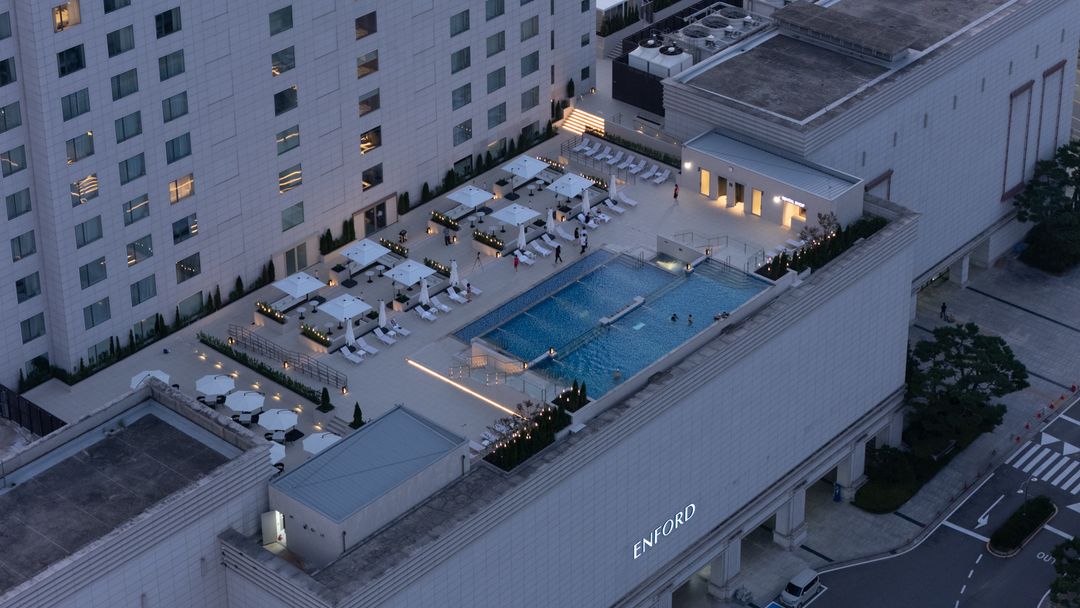
Enford Hotel
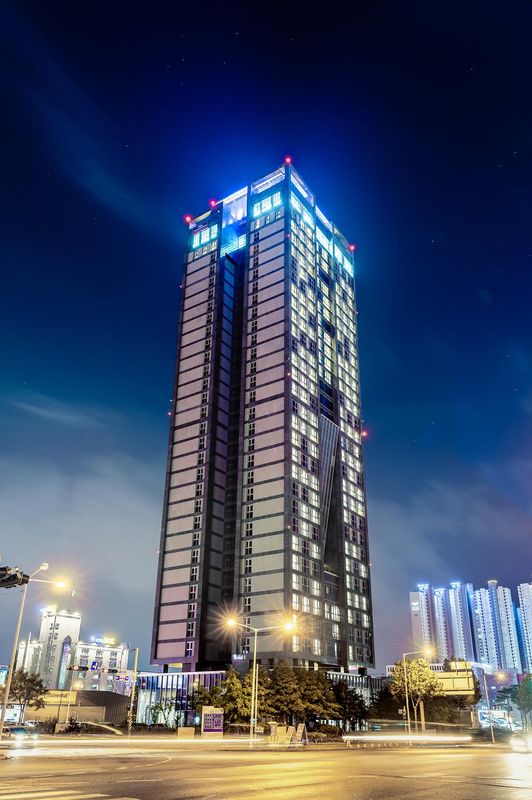
J-One Hotel
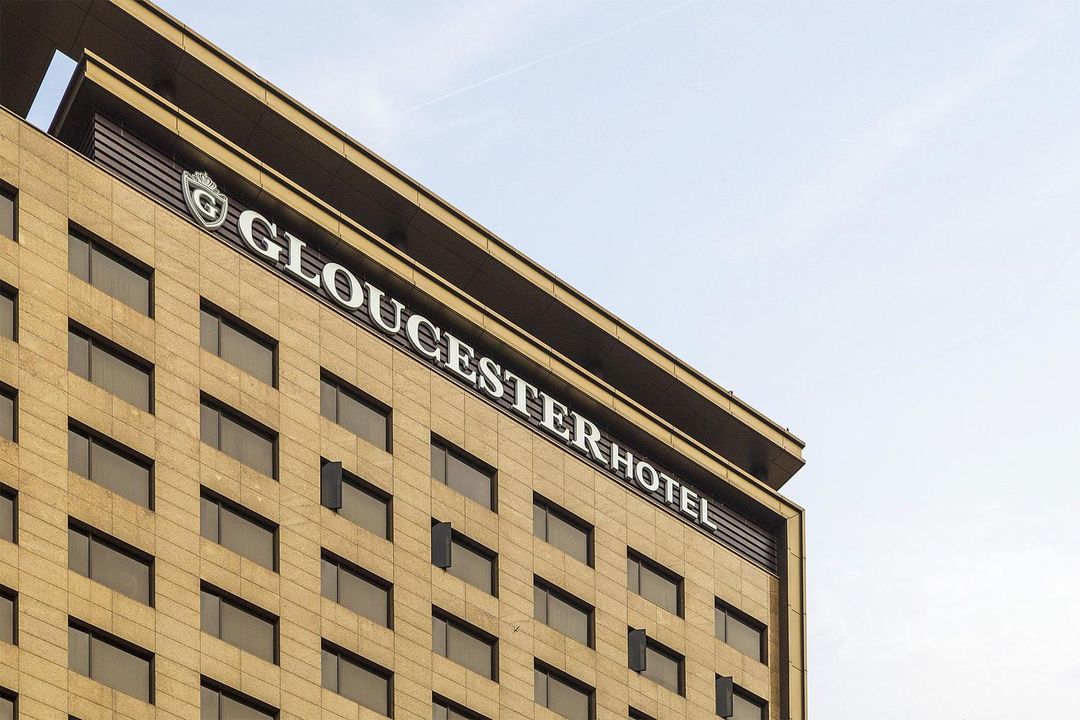
Gloucester Hotel Cheongju
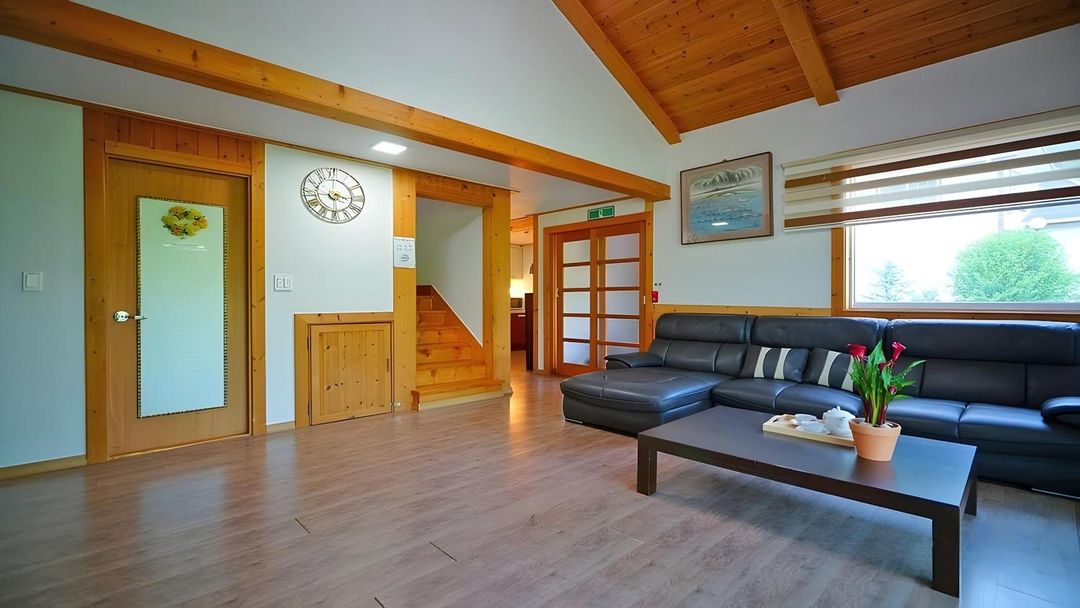
Chungju Inkaeuiachim
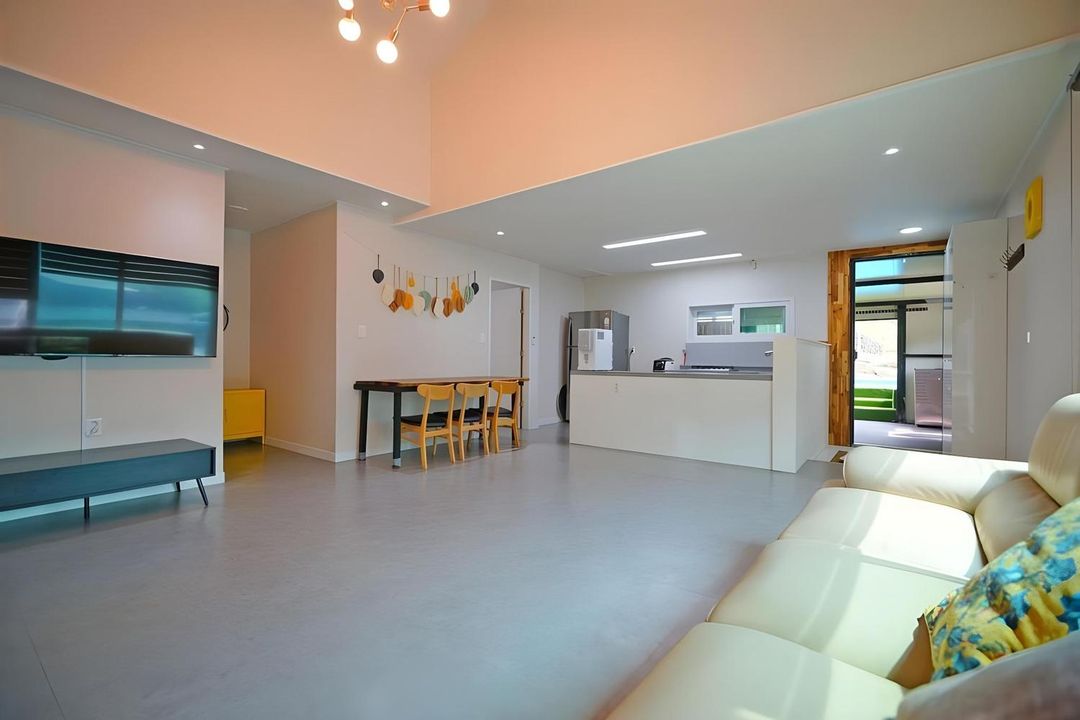
Ceongju Keurepaseupensyeon
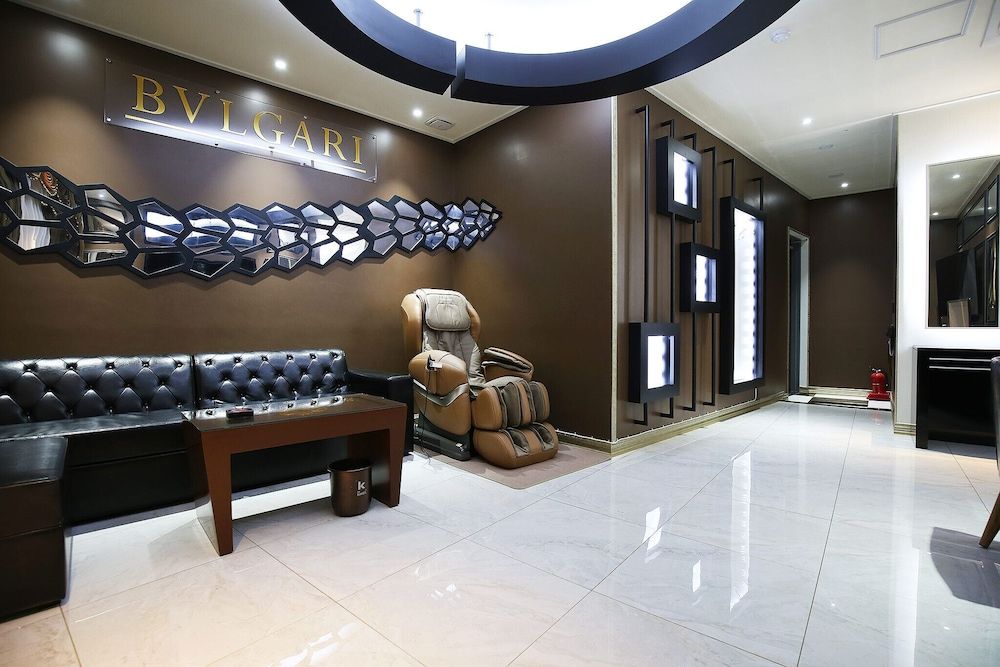
K Luxury Hotel
Best Hotels in QinzhouShi
Discover curated hotel collections in QinzhouShi
JW Marriott Hotel Seoul
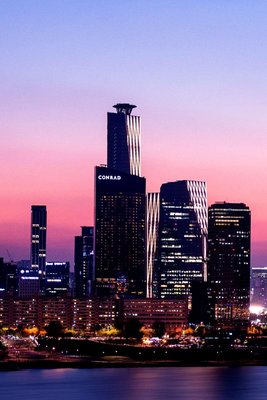
Conrad Seoul
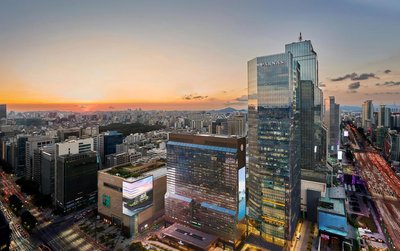
Grand InterContinental Seoul Parnas
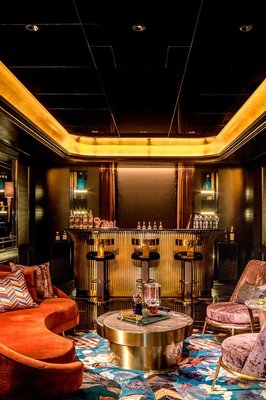
Art Paradiso, Paradise City
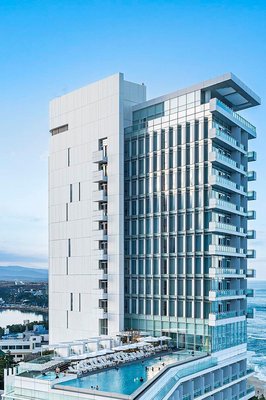
Seamarq Hotel
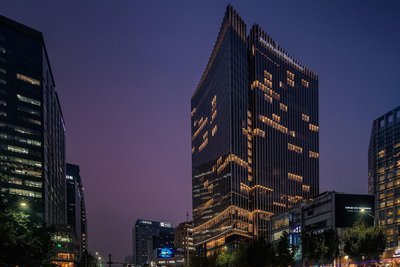
Four Seasons Hotel Seoul
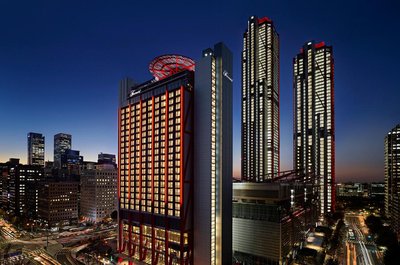
Fairmont Ambassador Seoul
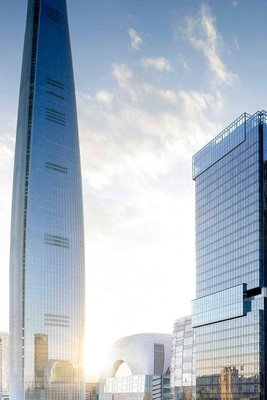
Sofitel Ambassador Seoul Hotel & Serviced Residences
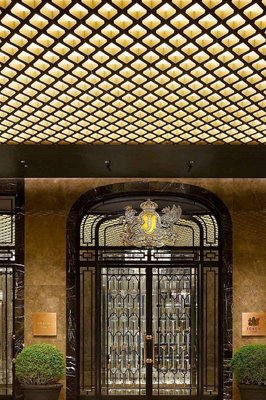
Josun Palace, a Luxury Collection Hotel, Seoul Gangnam
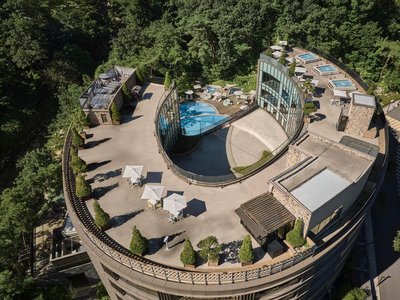
Anto (formerly: Parasara Seoul)
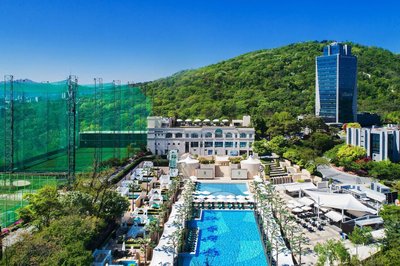
Banyan Tree Club & Spa Seoul
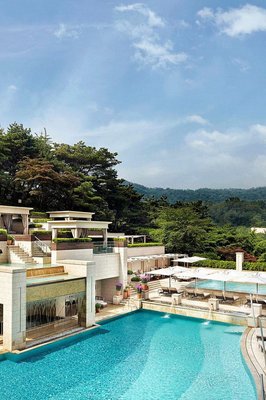
The Shilla Seoul
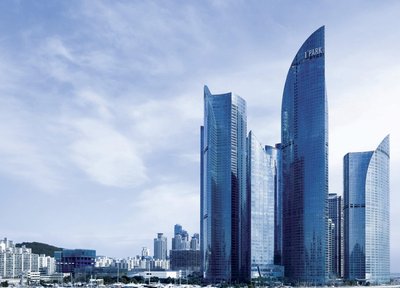
Park Hyatt Busan
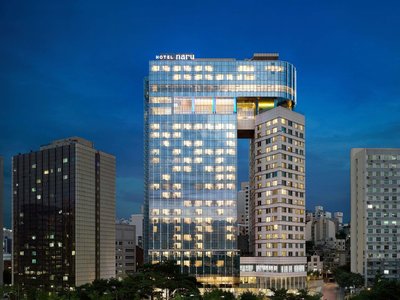
Hotel Naru Seoul - MGallery Collection
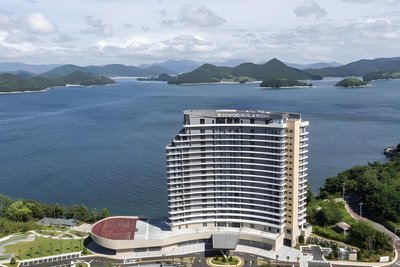
Stanford Hotel&Resort Tongyeong
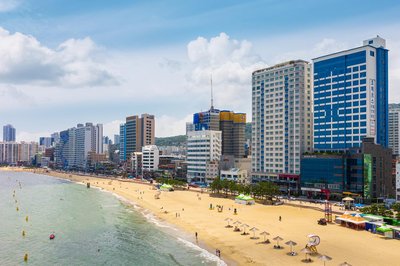
Homers Hotel
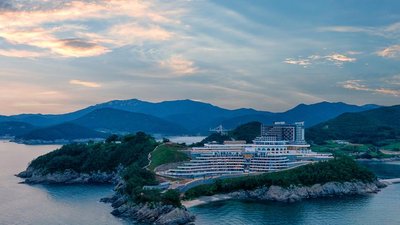
SOL BEACH NAMHAE
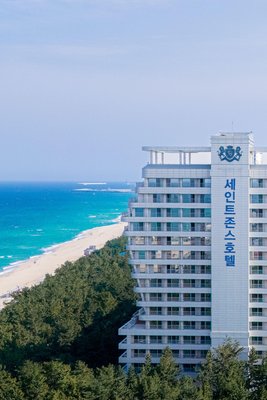
St. John's Hotel
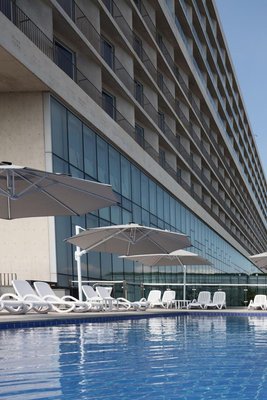
Nest Hotel Incheon
Conrad Seoul
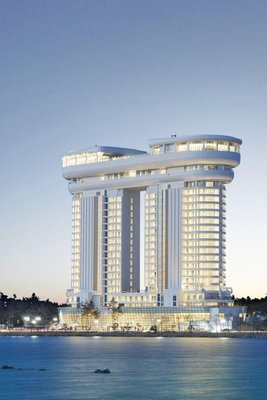
Skybay Hotel Gyeongpo
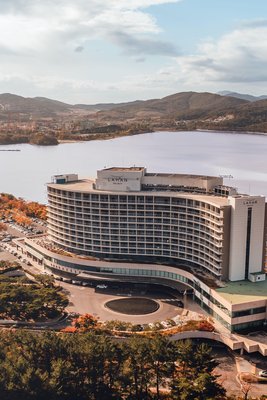
Lahan Select Gyeongju
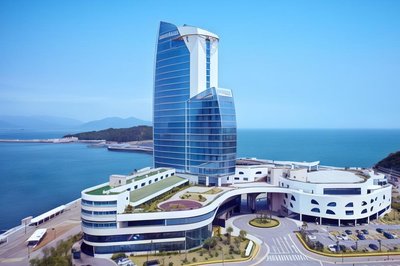
Sono Calm Yeosu
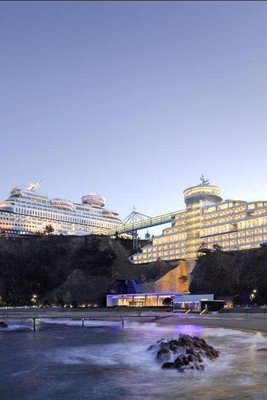
Sun Cruise Resort and Yacht
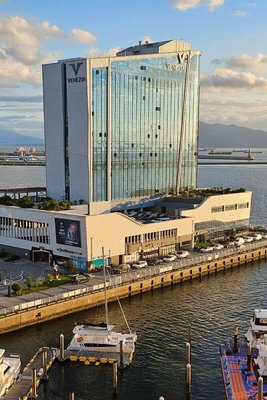
Yeosu Venezia Hotel & Suite
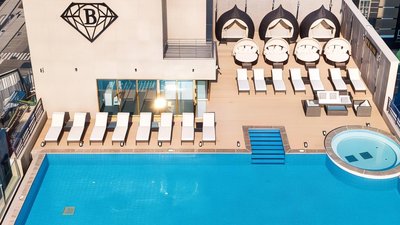
Baymond Hotel
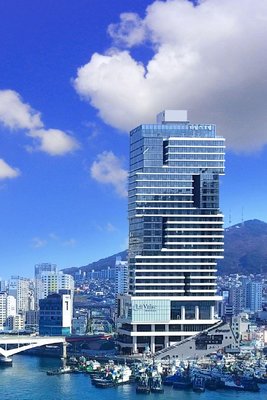
Lavalse Hotel
Seamarq Hotel
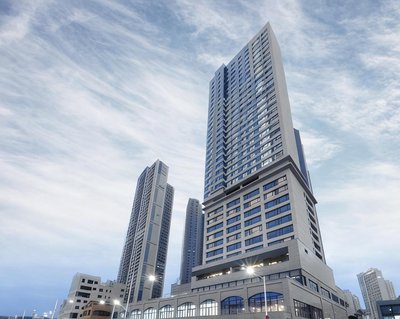
Mercure Ambassador Ulsan
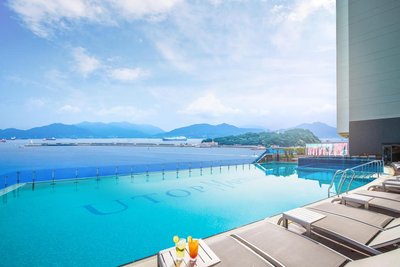
Utop Marina Hotel & Resort
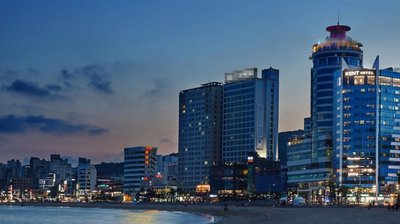
Kent Hotel Gwangalli by Kensington
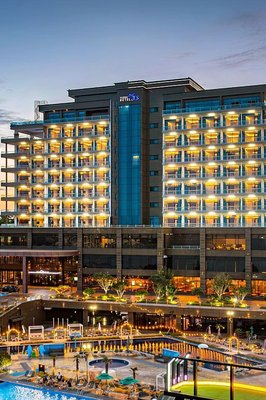
HOTEL JCS YEOSU

Ramada by Wyndham Gangwon Sokcho
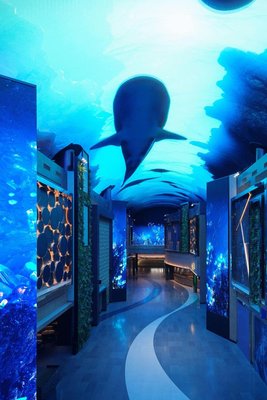
INSPIRE Entertainment Resort
Conrad Seoul
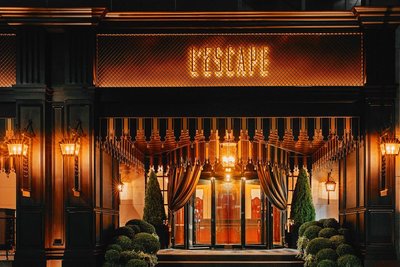
L'Escape Hotel
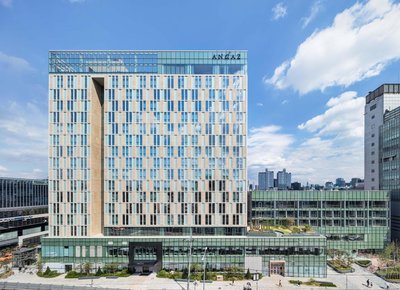
ANDAZ SEOUL GANGNAM, BY HYATT
Fairmont Ambassador Seoul
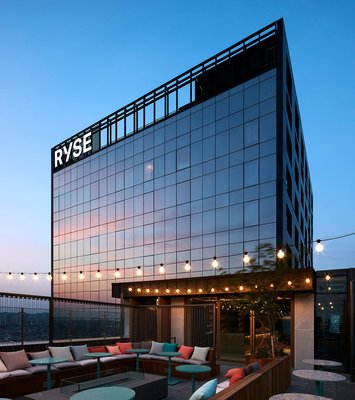
RYSE, Autograph Collection by Marriott
Josun Palace, a Luxury Collection Hotel, Seoul Gangnam
Anto (formerly: Parasara Seoul)
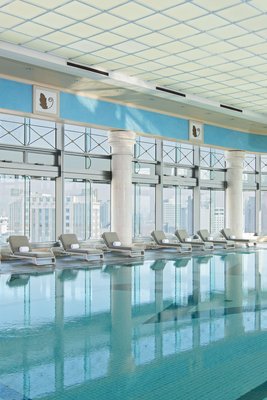
The Plaza Seoul, Autograph Collection
Banyan Tree Club & Spa Seoul
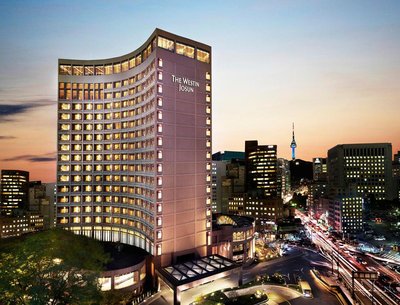
The Westin Josun Seoul
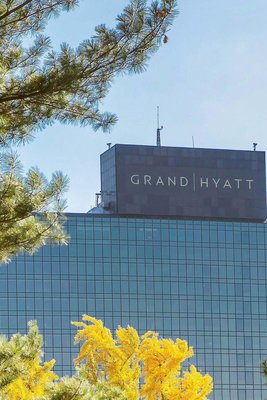
Grand Hyatt Seoul
INSPIRE Entertainment Resort
L'Escape Hotel
Lavalse Hotel
Four Seasons Hotel Seoul
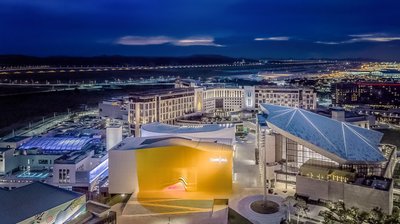
Paradise City
Josun Palace, a Luxury Collection Hotel, Seoul Gangnam

JW Marriott Dongdaemun Square Seoul
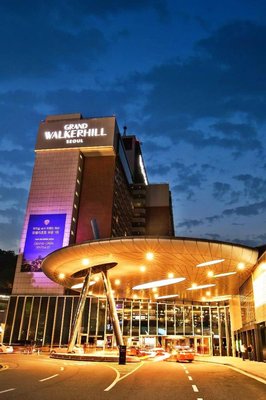
Grand Walkerhill Seoul
The Shilla Seoul
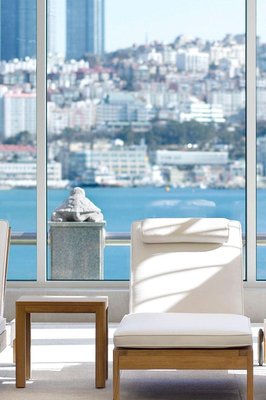
The Westin Josun Busan
Park Hyatt Busan
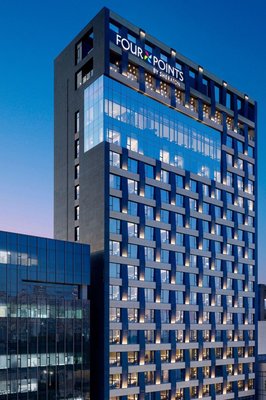
Four Points by Sheraton Suwon
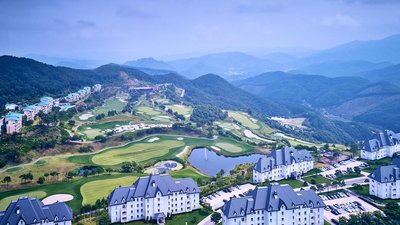
Sonofelice Village Vivaldipark
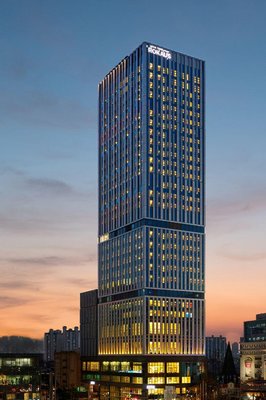
Nine Tree Premier Rokaus Hotel Seoul Yongsan
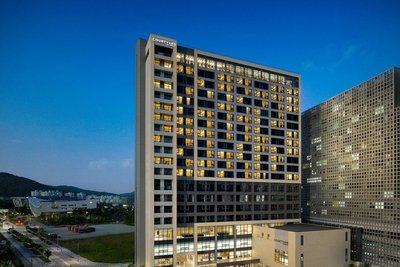
Courtyard Sejong

Sono Calm Vivaldi Park
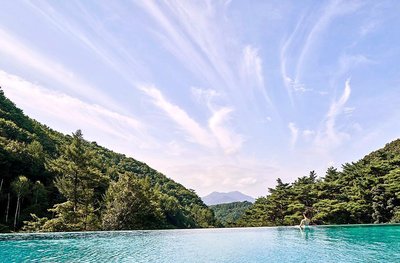
Restree and Forest Resom
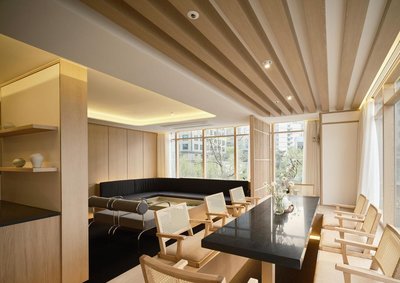
UH Suite Seoul Deoksugung
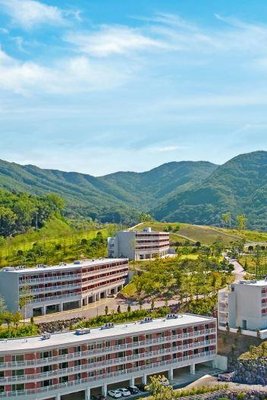
Belle Fore Resort
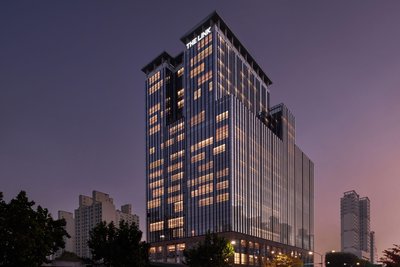
The Link Seoul, a Tribute Portfolio Hotel by Marriott
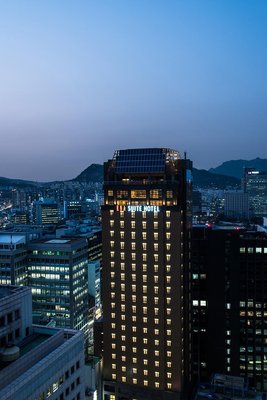
ENA Suite Hotel Namdaemun
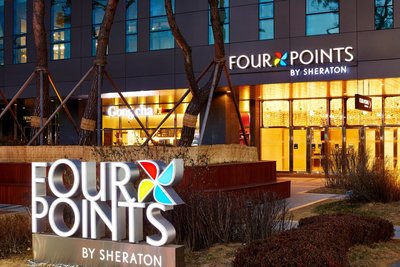
Four Points by Sheraton Josun, Seoul Station
L'Escape Hotel
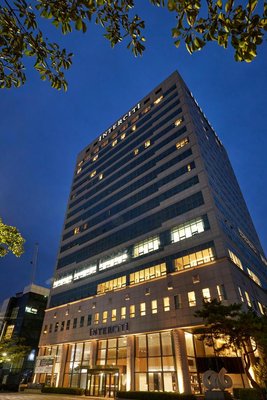
Hotel Interciti
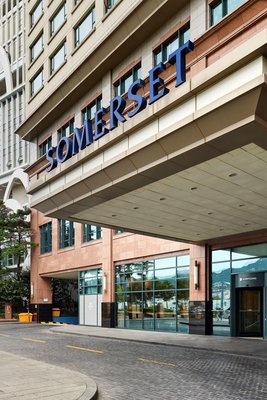
Somerset Palace Seoul

Hanwha Resort Daecheon Paros
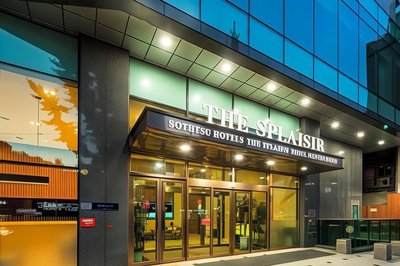
SOTETSU HOTELS THE SPLAISIR SEOUL DONGDAEMUN
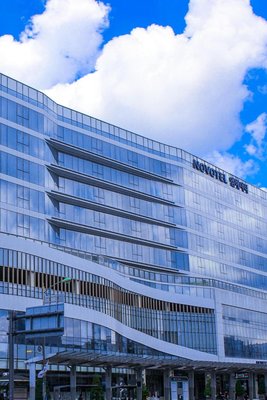
Novotel Ambassador Suwon
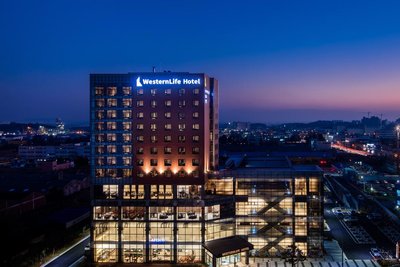
WesternLife Hotel
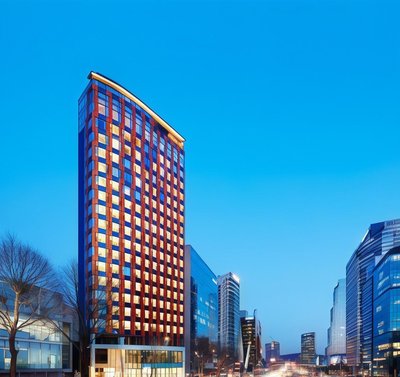
Hotel in 9 Gangnam
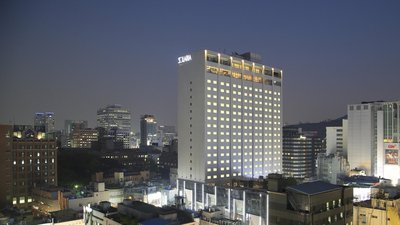
Solaria Nishitetsu Hotel Seoul Myeongdong
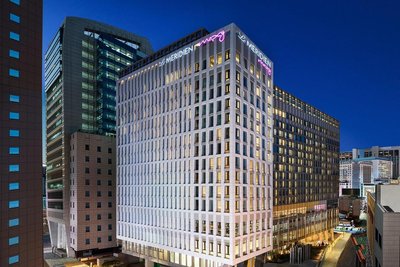
Le Méridien Seoul, Myeongdong
Hotel Naru Seoul - MGallery Collection
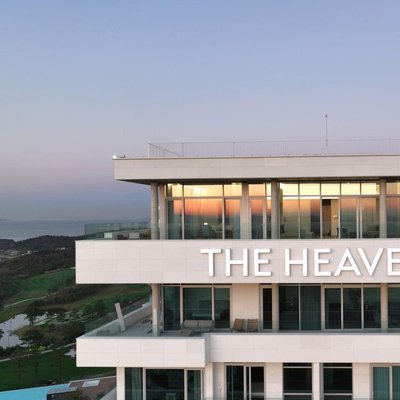
The Heaven Resort
INSPIRE Entertainment Resort
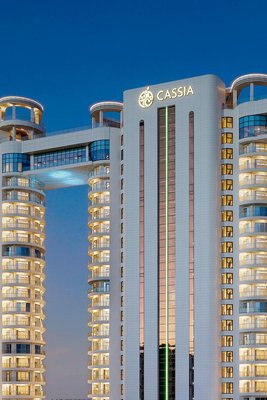
Cassia Sokcho
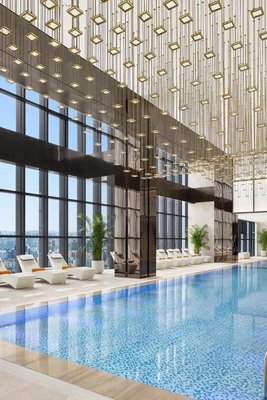
Pullman Ambassador Seoul Eastpole
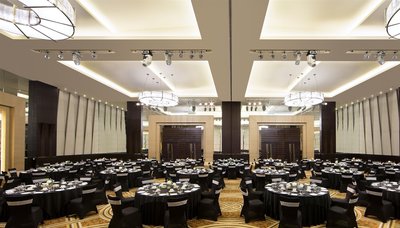
Sheraton Grand Incheon Hotel
St. John's Hotel
Nest Hotel Incheon
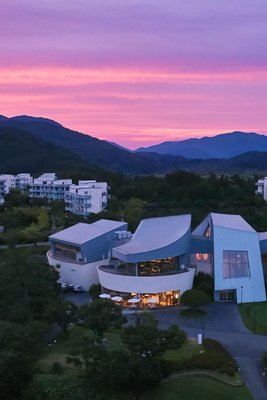
Ananti at Namhae
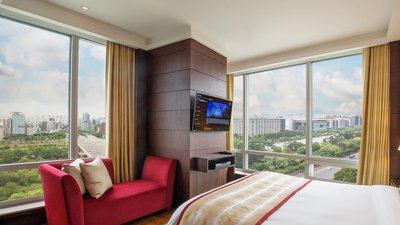
Yeouido Park Centre, Seoul - Marriott Executive Apartments
Skybay Hotel Gyeongpo
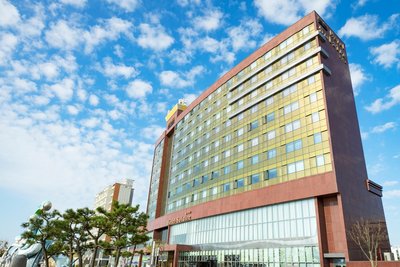
Hotel Solaire
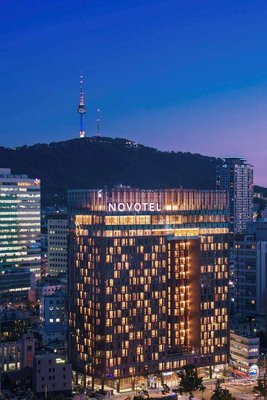
Novotel Ambassador Seoul Dongdaemun Hotels & Residences
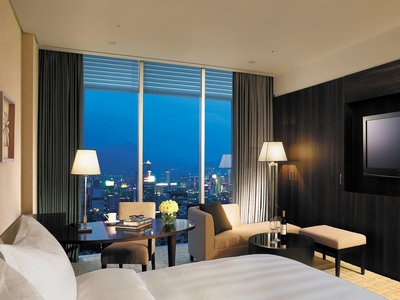
Ramada Plaza by Wyndham Gwangju
Sono Calm Yeosu
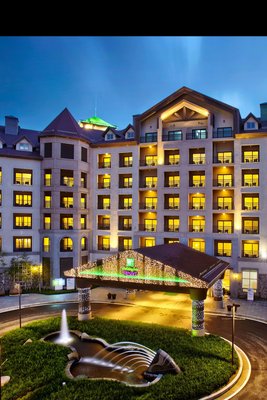
Holiday Inn Resort Alpensia Pyeongchang
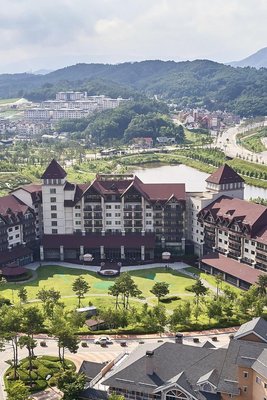
InterContinental Hotels Alpensia Pyeongchang Resort
Sun Cruise Resort and Yacht
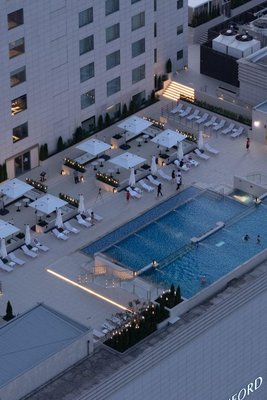
Enford Hotel
Holiday Inn Resort Alpensia Pyeongchang
InterContinental Hotels Alpensia Pyeongchang Resort
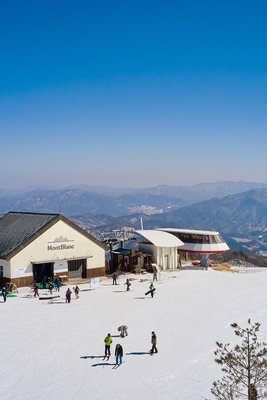
Phoenix Hotel Pyeongchang
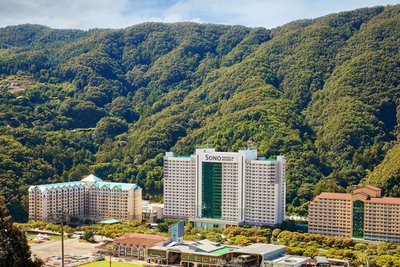
VivaldiPark
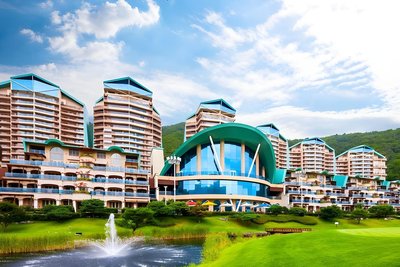
SonoFelice VivaldiPark
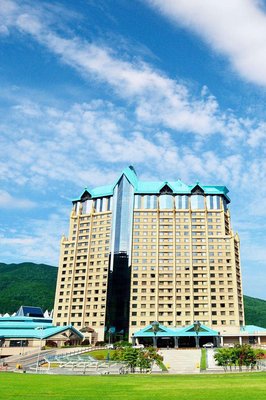
High1 Grand Hotel Main Tower
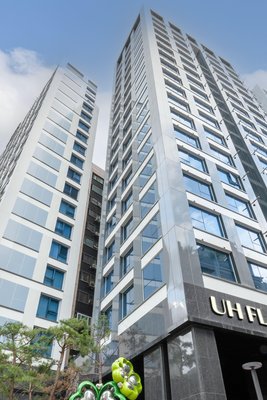
UH FLAT THE SEOCHO
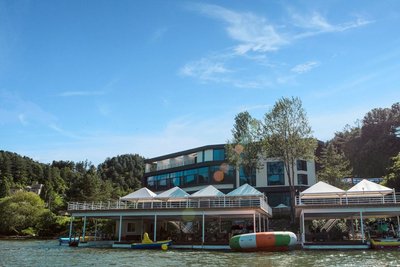
SS Resort
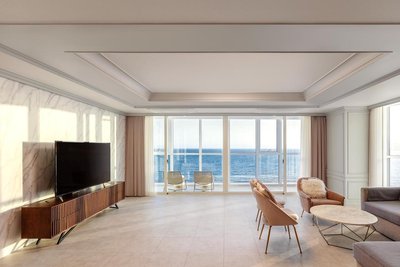
Palede cz Condor Busan
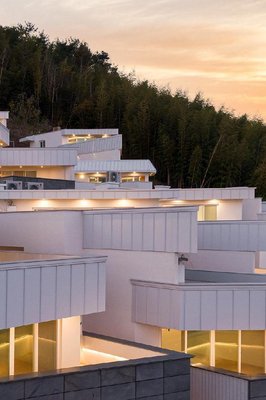
Ocean terra
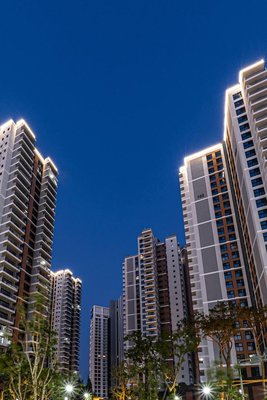
Le Collective Busan Gijang
Frequently Asked Questions about Traveling to QinzhouShi
Questions You Might Need to Know About Traveling to QinzhouShi
Stay at Cheongju Culture Hotel, located near the Cheongju Museum, which blends traditional hanok architecture with modern design. Each room features local ceramics and calligraphy artworks. Guests can participate in daily nongak folk performances and hanji paper-making workshops, offering immersive access to Intangible Cultural Heritage of Chungcheongbuk-do. The hotel’s proximity to Cheongju Castle Ruins and Dae-dong Gate enhances historical authenticity for travelers seeking deep cultural engagement.
The Cultural District in Downtown Cheongju is the prime choice for lodging, situated close to the Cheongju Art Museum, Citizen Hall, and the scenic Cheongcheon River Walkway. This area hosts boutique hotels and hanok guesthouses like Cheongju Alley Inn, offering authentic breakfasts and free guided tours. Strolling along the river at night reveals illuminated ancient sites, making it perfect for travelers who value local rhythm and easy access to attractions.
Cheongju is famed for Cheongju Celadon pottery—visitors can join hands-on pottery wheel-throwing and glaze painting classes at the Cheongju Ceramics Museum, led by national artisans. Additionally, the Hanji Paper Workshop offers full immersion from mulberry bark processing to handmade paper creation. These experiences highlight Korea’s millennium-old craftsmanship and allow guests to take home meaningful, culturally rich souvenirs.
Cheongju Kids Paradise Hotel is ideal for families, featuring indoor playrooms, a child-friendly pottery studio, and outdoor farm activities like vegetable harvesting. The hotel provides traditional hanbok dressing experiences and farm-to-table pick-your-own events. With baby seats, nursing rooms, and healthy organic meals, it ensures comfort and safety for all ages, creating memorable bonding moments.
The highlight after dark is the Cheongcheon River Night Trail, where Dae-dong Gate and Cheongju Castle Ruins glow under soft lighting. Stay at Cheongju River View Hotel for panoramic views from its rooftop terrace. Nearby, Cheongju Night Market Street buzzes with street food stalls serving grilled meats, rice cakes, and spicy stir-fried noodles—perfect for experiencing local urban charm and vibrant culinary culture.
Visit in September for the International Ceramics Festival, featuring global exhibitions, live firing demonstrations, and artisan markets. For pleasant weather and fewer crowds, consider April (cherry blossom season) or October (autumn foliage). During these periods, Cheongju Park and Namwon Lake are stunningly beautiful. Many hotels offer festival packages including tickets and guided tours, enhancing your travel experience.
Discover Old Town Hanok Guesthouse, nestled in a quiet alley near Cheongju Ancient City, once a 19th-century noble residence. Converted into a private, high-end guesthouse, each room retains original wooden beams and sliding doors with underfloor heating. Hosts provide homemade Cheongju tea bundles and hand-written city maps, ensuring an intimate, authentic, and non-commercialized local stay.
Start with a morning visit to the Cheongju Ceramics Museum and pottery workshop. Enjoy lunch at Cheongju Central Market, sampling local kimchi pancakes and spicy beef stew. In the afternoon, explore Cheongju Castle Ruins and climb Dae-dong Gate for panoramic views. End the day at a riverside hotel, savoring a traditional Korean dinner on the terrace while enjoying illuminated night views. Guided tours are available for deeper historical context.
Cheongju has excellent transit: Cheongju Station connects to Seoul via KTX (approx. 1 hour), and the city offers circular buses linking major sights. Renting bikes or using T-money cards for buses makes exploring Cheongju Museum, Cheongcheon River, and Namwon Lake effortless. Some premium hotels provide complimentary shuttle services. Free parking is available for drivers, facilitating visits to rural villages and historic sites.
Must-try dishes include Cheongju-style kimchi (fermented vegetables) and Cheongju beef hot pot, made with locally raised cattle and rich, sweet broth. Visit Cheongju Central Market’s century-old stalls to learn how to mix your own kimchi. Some hotels, like Cheongju Flavor Guesthouse, offer Korean cooking classes teaching authentic seasoning blends and presentation techniques—turning taste into lasting memory.
QinzhouShi Overview
City Summary
Cheongju, located in North Chungcheong Province, South Korea, is a city that blends tradition and modernity. Known for the Cheongju International Craft Biennale, it showcases Korea's exquisite craft culture. Surrounded by Mt. Worak and Cheongju Lake, the city offers rich natural scenery. Additionally, as the birthplace of Hangeul, Cheongju has deep cultural heritage, making it an ideal destination to explore Korean traditions.
Must-See Attractions
Must-see attractions in Cheongju include the Hangeul Museum, which displays the history and development of Hangeul. The Cheongju Early Printing Museum presents the world's oldest metal movable type printing technology. Nature lovers can visit Cheongju Lake for walks or cycling, while Mt. Worak is perfect for hiking and panoramic city views. At night, explore the Cheongju Night Market for local nightlife.
Food Guide
Cheongju's cuisine is famous for Cheongju Bibimbap, a traditional Korean mixed rice dish with various vegetables and spicy sauce. Additionally, Cheongju Makgeolli, a local rice wine, pairs perfectly with Korean pancakes. Street food favorites include spicy rice cakes and kimbap, loved by locals.
Transportation Guide
Cheongju's transportation system is convenient, relying mainly on buses and taxis. City buses cover major attractions at affordable fares. Taxis start at around 3,800 KRW, suitable for short trips. From Seoul, take an express bus or KTX to Cheongju, with a travel time of 1.5 to 2 hours. Consider purchasing a T-money card for easy public transit payments.
Best Time to Visit
The best time to visit is spring (April to June) and autumn (September to November), when the weather is mild and scenery beautiful. Summers are hot and humid, while winters are cold and dry. Avoid holidays to reduce crowds.
Travel Tips
- Etiquette: Remove shoes and stay quiet in traditional venues.
- Safety: Be mindful of belongings when walking alone at night.
- Currency: KRW is the main currency; carry some cash.
- Language: Learn basic Korean greetings for better communication.
- Internet: Free Wi-Fi is available, but a local SIM card is recommended.
- Food: Request less spice when trying local dishes.
Useful Information
The official language in Cheongju is Korean, but some English is spoken in tourist areas. Network coverage is good; prepaid SIM cards are available at convenience stores. Major credit cards are widely accepted, but small shops may only take cash. For emergencies, dial 112 (police) or 119 (ambulance). Pharmacies are common, but bring essential medications. Voltage is 220V, with plug types C/F.
Other Cities You Might Like
Explore more amazing destinations