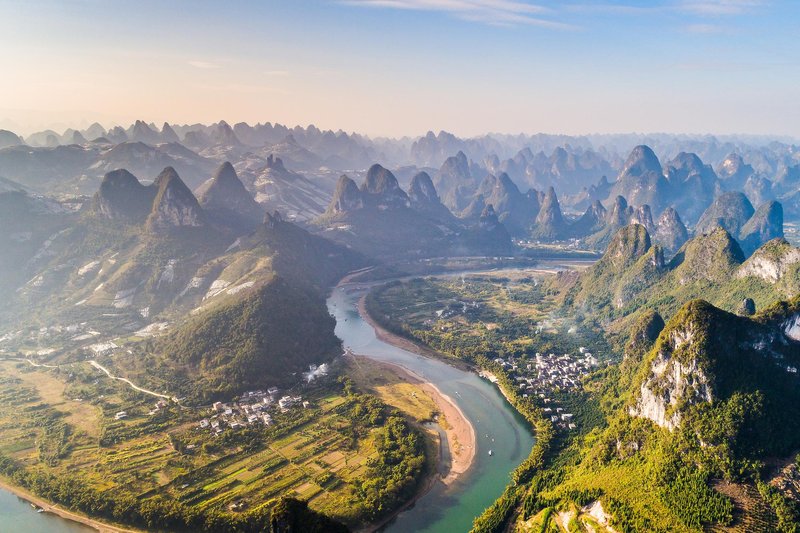
Hotels in Sancheong
Discover your perfect stay in Sancheong.
Sancheong(South Korea) Travel 2026: Cheap Flights, Hotels & Top Attractions
Popular Landmarks in Sancheong
Discover the most iconic attractions in Sancheong
Recommended Hotels in Sancheong
Find the perfect place to stay in Sancheong
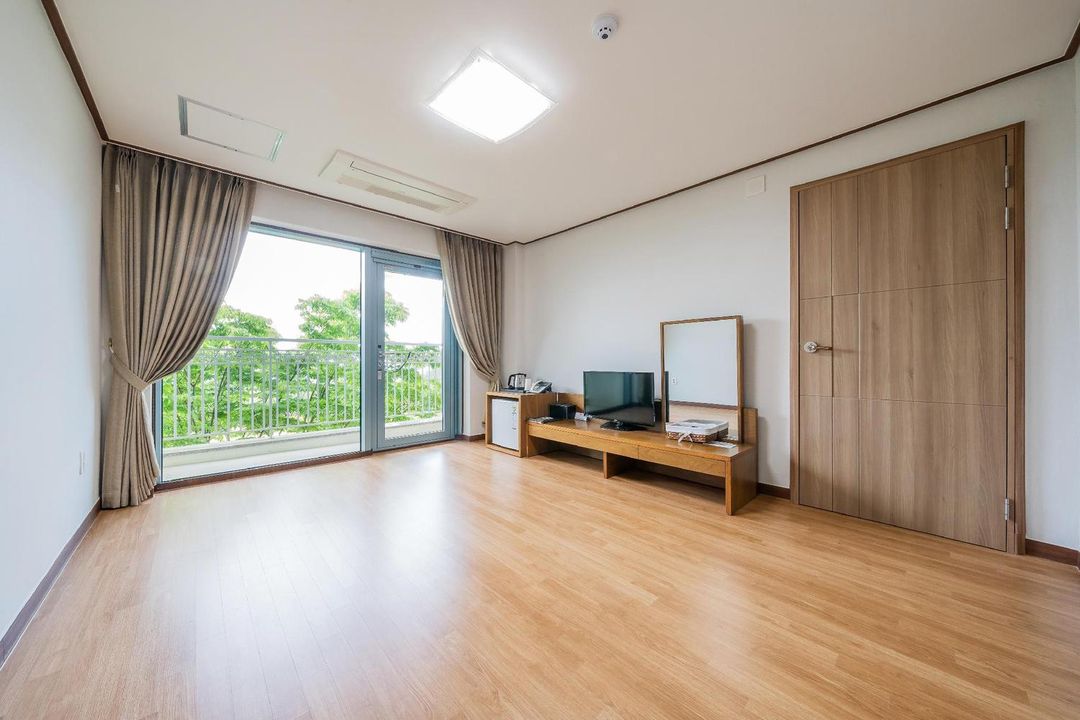
Sancheong Huromvillage
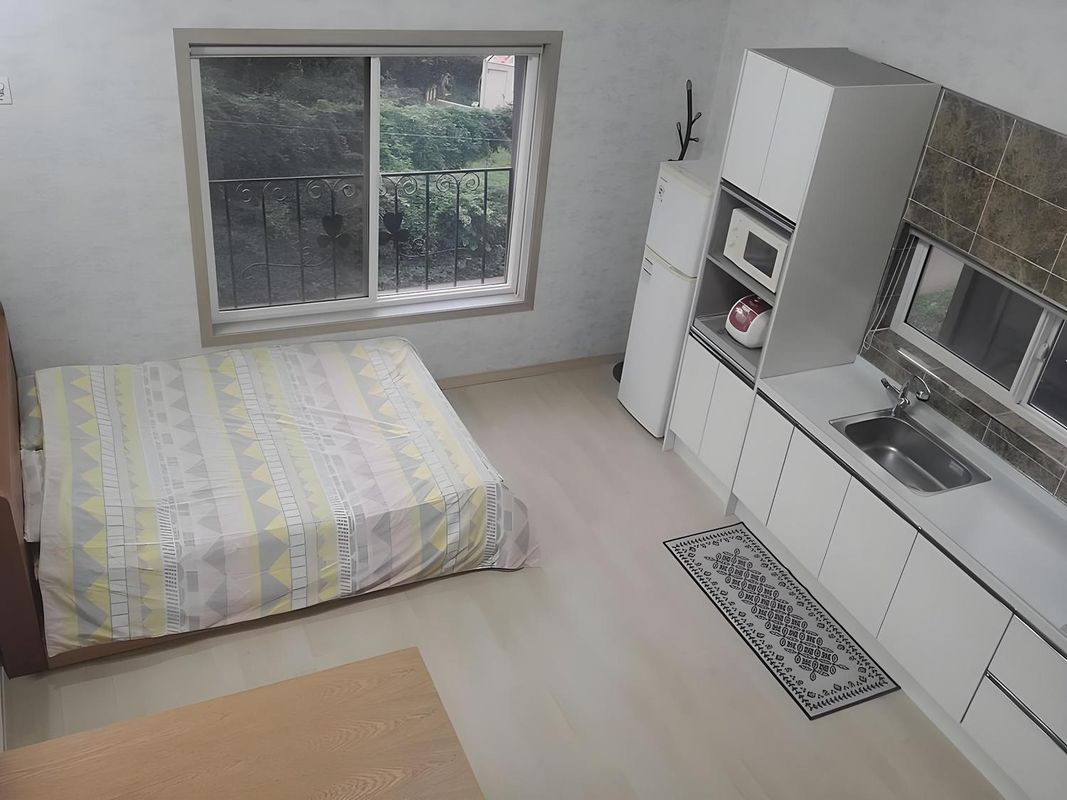
Sancheong Duh Joeunnal Pension
Best Hotels in Sancheong
Discover curated hotel collections in Sancheong
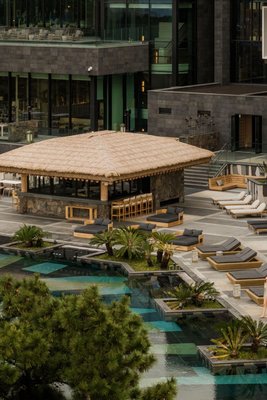
JW Marriott Jeju Resort & Spa
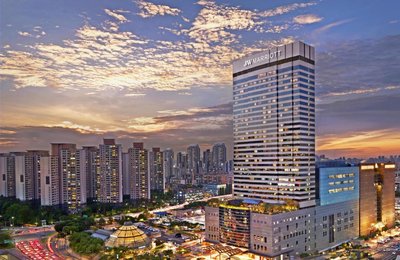
JW Marriott Hotel Seoul

Conrad Seoul
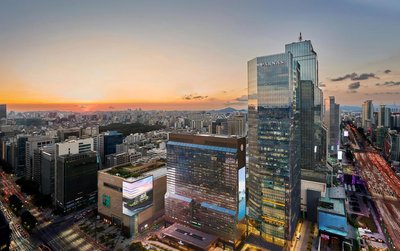
Grand InterContinental Seoul Parnas

Art Paradiso, Paradise City
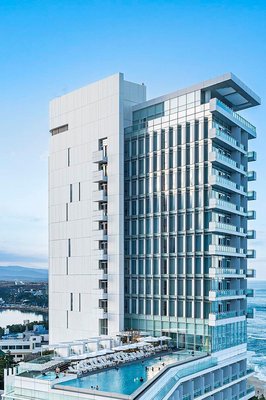
Seamarq Hotel
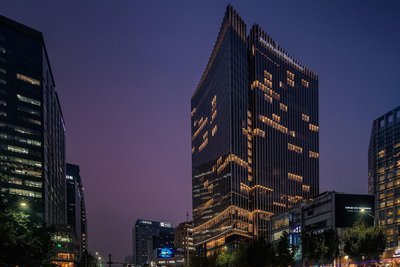
Four Seasons Hotel Seoul

Fairmont Ambassador Seoul

Sofitel Ambassador Seoul Hotel & Serviced Residences

Josun Palace, a Luxury Collection Hotel, Seoul Gangnam
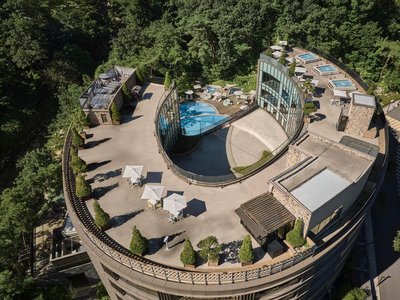
Anto (formerly: Parasara Seoul)
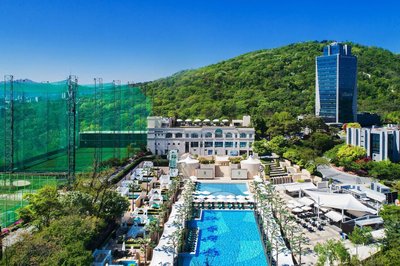
Banyan Tree Club & Spa Seoul
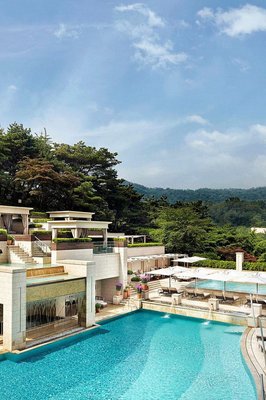
The Shilla Seoul

Park Hyatt Busan
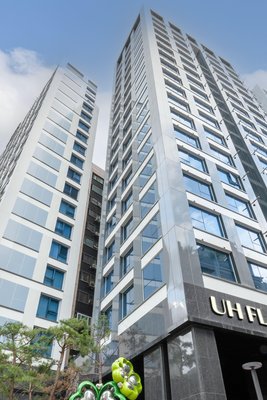
UH FLAT THE SEOCHO
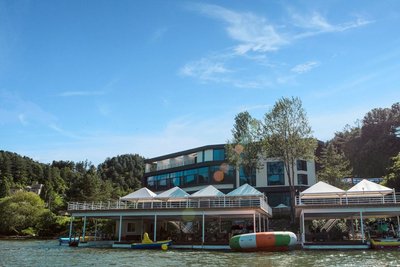
SS Resort

Palede cz Condor Busan
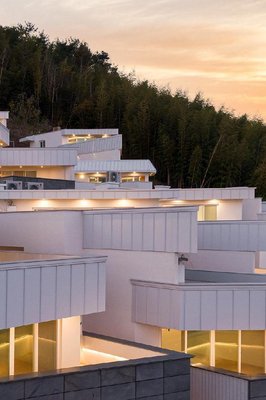
Ocean terra

Le Collective Busan Gijang
Frequently Asked Questions about Traveling to Sancheong
Questions You Might Need to Know About Traveling to Sancheong
In Sancheong County, the top eco-conscious choice is Sancheong Eco Valley Lodge, a sustainable retreat nestled in the mountains with solar-powered cabins and rainwater harvesting systems. The lodge uses locally sourced timber and natural materials, minimizing environmental impact while offering panoramic views of bamboo forests and rivers.
Guests can participate in organic farming workshops, forest bathing tours, and zero-waste cooking classes. The property also partners with local farmers to serve seasonal, pesticide-free meals. For those seeking deeper nature immersion, Sancheong Forest Retreat offers treehouse accommodations with composting toilets and biodegradable amenities, making it ideal for environmentally conscious travelers who value authenticity and sustainability.
The most scenic hiking zones in Sancheong County include Dagwan Ridge Trail, a moderate 3-hour loop through dense pine forests with stunning vistas of the surrounding valleys, and Cheongryeol Valley Path, known for its crystal-clear streams and moss-covered rocks perfect for photography.
For a more challenging adventure, Mount Tae-wang Summit Trail offers steep ascents with rewarding panoramic views from the peak—ideal for sunrise trekkers. All major trails are well-marked and maintained, with rest stops and information boards detailing local flora and fauna. Early morning hikes are recommended to avoid midday heat and enjoy misty mountain air, enhancing the sense of tranquility and connection with nature.
In Sancheong County, the best place to experience authentic Korean tea ceremonies is at Sancheong Tea Garden House, a centuries-old homestay located near the foothills of Mount Tae-wang. This family-run retreat hosts daily tea rituals using locally grown green tea leaves and wild herbs.
Visitors learn about the philosophy of jeong (harmony) and jeong (deep respect) as they prepare matcha and dak-cha (chicken tea) in a serene garden setting. The ceremony concludes with a tasting of seasonal sweets made from mountain berries and rice flour. Advanced bookings are recommended, especially during spring and autumn festivals when special themed sessions are offered.
Must-try dishes in Sancheong County include Sancheong Wild Mushroom Soup, crafted with freshly foraged fungi from the region’s forests, and Bamboo Shoot Pancakes (Ssukjipbap), a savory delight made with tender shoots and rice flour. Another highlight is Mountain Fern Salad, served chilled with sesame dressing and wild garlic.
For a hearty meal, try Sancheong Rice Cakes with Herb Stew, where glutinous rice cakes are simmered in a rich broth infused with local herbs and ginseng. These dishes are best enjoyed at Sancheong Farm Kitchen, an on-site restaurant that sources ingredients directly from nearby organic farms. The emphasis on freshness and tradition makes each bite a true taste of rural Korea.
Yes, Sancheong County offers several family-friendly experiences. At Sancheong Nature Adventure Park, kids can explore a mini-farm, feed goats, and take part in hands-on crafts like making paper lanterns or clay animals.
The park also hosts weekly storytelling nights under the stars, where elders share folk tales from the region. Nearby, Sancheong Lake offers safe paddle boat rentals and guided fishing lessons for children. Families can stay at Green Valley Family Resort, which features playrooms, outdoor games, and a dedicated kids’ menu with healthy, locally-sourced meals. These activities promote learning through play in a peaceful mountain environment.
To reach Sancheong County from Seoul, take the KTX high-speed train to Busan Station (about 2.5 hours), then transfer to a long-distance bus operated by Koryo Express (approx. 2 hours). Total travel time is around 4 hours.
Alternatively, book a private shuttle service directly from Seoul, which takes about 3.5 hours via the Gyeongbu Expressway. Buses arrive at Sancheong County Bus Terminal, from where free shuttle services run to major attractions like Sancheong Lake and Dagwan Ridge. It’s advisable to check schedules in advance via the official Korail or Koryo Bus websites, especially during peak seasons.
For couples seeking romance, Sancheong Moonlight Mountain House offers private cabins with glass-walled hot tubs overlooking the valley. Each suite includes a candlelit dinner setup and access to a secluded forest path leading to a hidden waterfall.
The resort also provides couple’s meditation sessions, stargazing packages, and customized love letters written by local artisans. On full moon nights, guests can join a moonlight picnic beneath ancient pine trees. With no Wi-Fi and minimal lighting, the atmosphere is deeply intimate—perfect for rekindling connection amidst nature’s quiet beauty.
Sancheong County shines at night with unique experiences centered on nature and culture. The highlight is the Firefly Night Walk along Cheongryeol Valley, where thousands of fireflies illuminate the forest paths from June to August—best experienced after sunset with soft flashlights.
Additionally, Sancheong Folk Theater hosts open-air performances of traditional mask dances and sanjo music under the stars. Guests can also join bonfire storytelling sessions, where elders recount legends of the mountains. These immersive events create a magical, timeless ambiance, far removed from urban life.
Ideal landscape photography spots in Sancheong County include Sancheong Lake at dawn, where mist curls above the still water, reflecting the sky and surrounding peaks—perfect for long-exposure shots. The Dagwan Ridge Trail offers sweeping vistas of layered mountains and winding trails, especially striking during golden hour.
Cheongryeol Valley is another gem, with its emerald streams, mossy stones, and dramatic rock formations. For a cultural angle, capture the traditional hanok village at twilight, where paper lanterns glow softly against aged walls. Many lodges, like Sancheong Eco Valley Lodge, offer photography workshops led by local artists to help visitors master composition and lighting in natural settings.
Most public areas in Sancheong County are freely accessible without permits. However, access to protected forest zones such as Tae-wang Mountain’s upper trail requires a free permit issued at the entrance station, available upon registration at the local tourism office.
Camping in designated areas also needs prior reservation through the Sancheong County Nature Conservation Office. While no visa is needed for international tourists visiting South Korea, ensure your passport is valid for at least six months. Always carry identification and confirm entry rules via the official Korea Tourism Organization (KTO) website before traveling.
Sancheong Overview
City Summary
Sancheong-gun in Gyeongsangnam-do, South Korea is renowned for its natural beauty and traditional culture. Home to the majestic Jirisan National Park, it's a paradise for hikers. The county preserves rich Korean traditional medicine (Hanbang) heritage, hosting the annual Sancheong Herbal Medicine Festival. Traditional hanok villages and tea ceremony experiences offer deep immersion into Korean traditional lifestyles.
Must-See Attractions
Top attraction is Jirisan National Park with breathtaking seasonal landscapes. Sancheong Hanbang Culture Experience Center provides unique herbal medicine activities. Sancheong Traditional Hanok Village preserves Joseon-era architecture perfectly. Namwon Gwanghallu Garden is a famous Korean garden, especially stunning during cherry blossom season. Don't miss the magical Sancheong Star Light Festival at night.
Food Guide
Sancheong specializes in medicinal cuisine - try ginseng chicken soup (Samgyetang). Street food highlights include Sancheong pine mushroom dishes, most flavorful in autumn. Traditional markets offer fresh Korean pancakes (Buchimgae) and spicy rice cakes (Tteokbokki). Local specialties like Sancheong honey and herbal teas make excellent souvenirs.
Transportation Guide
Buses are the main public transport, accessible from Jinju or Busan. Taxis or rental cars are recommended for inter-attraction travel due to limited rural transit. Free tourist shuttle buses operate between major sites (check schedules). From Seoul, take KTX to Jinju Station then transfer by bus (total ~4 hours). Winter drivers should beware icy mountain roads.
Best Time to Visit
Best seasons are spring (April-May) for cherry blossoms and autumn (September-October) for fall foliage. Summer (June-August) offers cool retreats but has rains. Winter (December-February) has beautiful snowscapes but some attractions may close. Avoid Korean holidays (Chuseok/Seollal) for fewer crowds.
Travel Tips
- Pack layers - mountain temperatures fluctuate drastically
- Book Hanbang experiences in advance (some have age limits)
- Observe temple etiquette - modest attire required
- Carry cash as credit cards aren't universally accepted
- Follow strict recycling rules - fines for improper disposal
- Download offline maps - cellular signals weaken in mountains
- Remove shoes in traditional restaurants - wear slip-ons
- Taxis charge 20% extra between midnight-4am
Useful Information
Language: Basic English works in tourist areas, but Korean greetings are appreciated. Network: 4G coverage in towns, prepaid SIMs available at convenience stores (passport required). Payment: Visa/Mastercard accepted at hotels/large stores, but cash is more reliable. Emergency: Sancheong Health Center offers 24/7 care (dial 119), travel insurance recommended. Voltage: 220V with Type C/F outlets. Drinking water: Tap water is safe boiled, but bottled water is convenient. Hotline: Tourist helpline 1330 provides multilingual assistance.
Other Cities You Might Like
Explore more amazing destinations