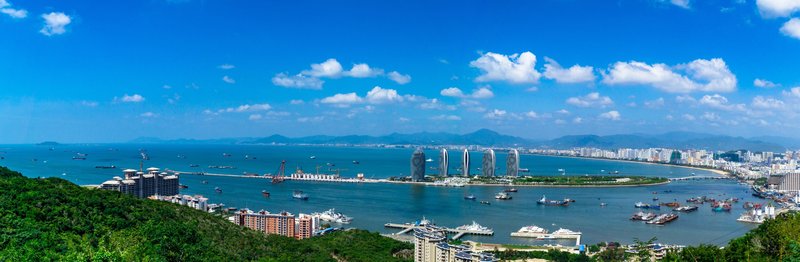
Hotels in Sangju
Discover your perfect stay in Sangju.
Sangju(South Korea) Travel 2026: Cheap Flights, Hotels & Top Attractions
Popular Landmarks in Sangju
Discover the most iconic attractions in Sangju
Recommended Hotels in Sangju
Find the perfect place to stay in Sangju
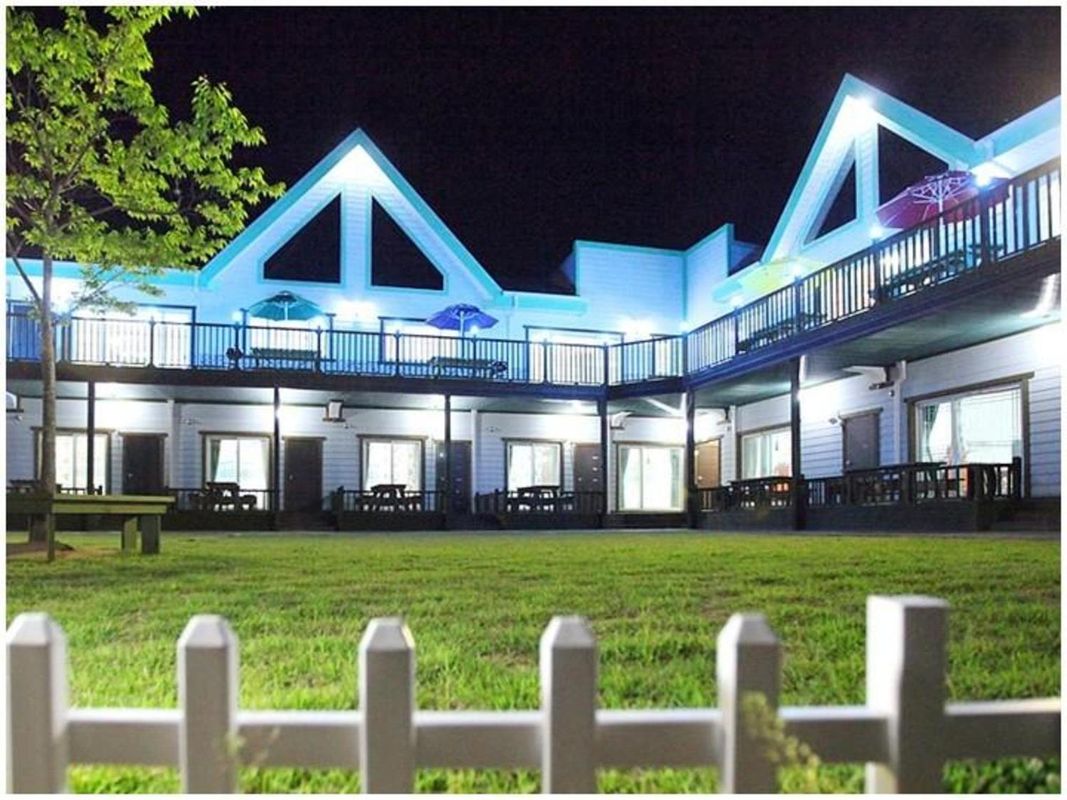
Sokrisan Jayeon Pension

Sangju Yeoyurounhwangtojib Pensyeon
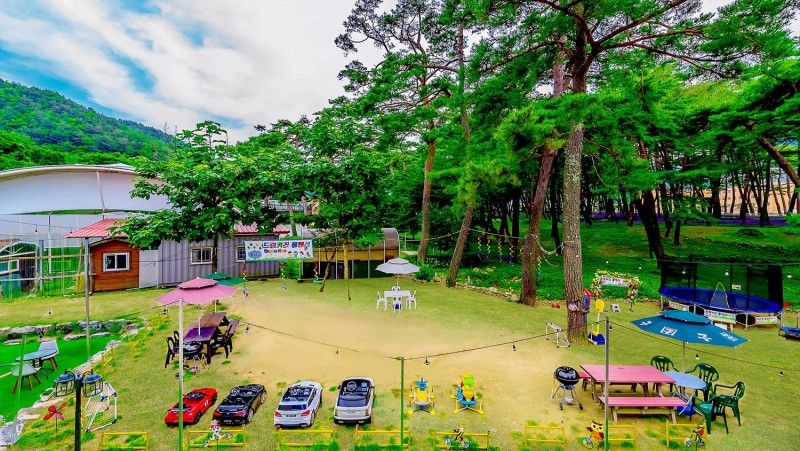
Sangju Dream Kids Pool Villa
Best Hotels in Sangju
Discover curated hotel collections in Sangju
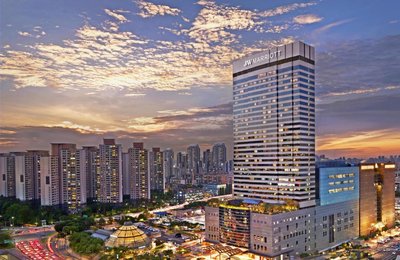
JW Marriott Hotel Seoul
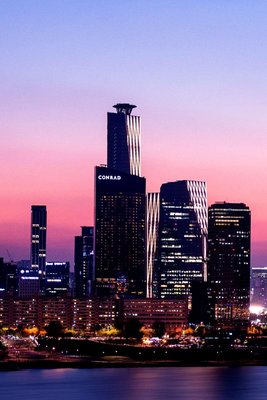
Conrad Seoul
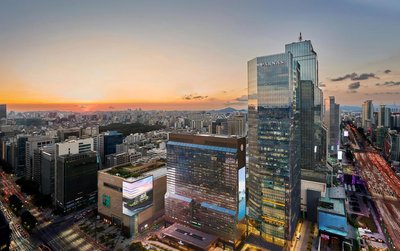
Grand InterContinental Seoul Parnas
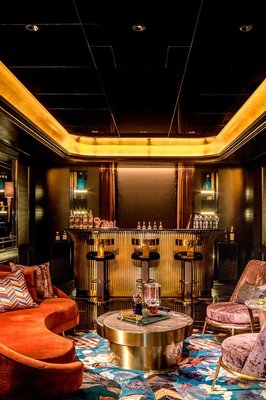
Art Paradiso, Paradise City
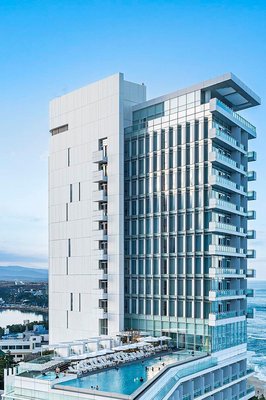
Seamarq Hotel
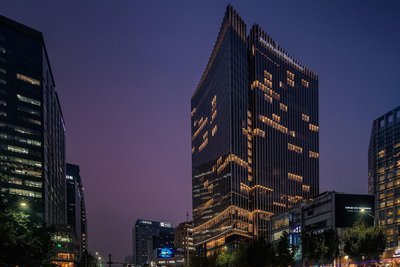
Four Seasons Hotel Seoul
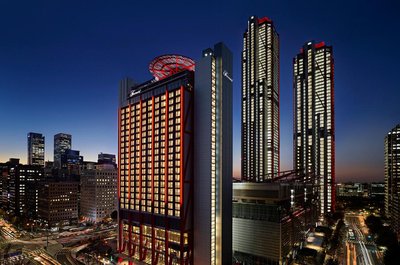
Fairmont Ambassador Seoul
Sofitel Ambassador Seoul Hotel & Serviced Residences
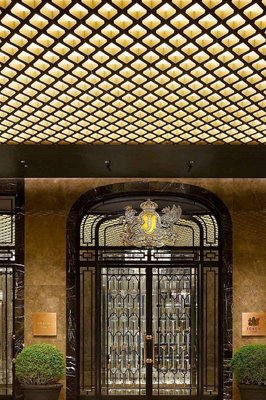
Josun Palace, a Luxury Collection Hotel, Seoul Gangnam
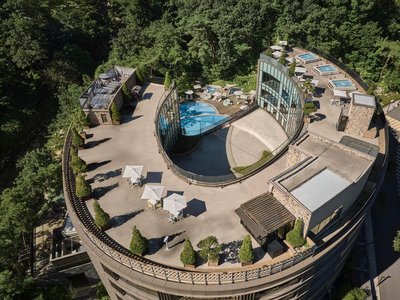
Anto (formerly: Parasara Seoul)
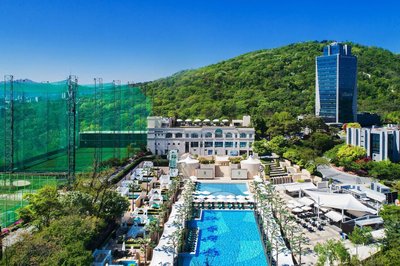
Banyan Tree Club & Spa Seoul
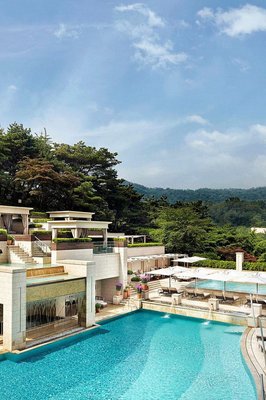
The Shilla Seoul
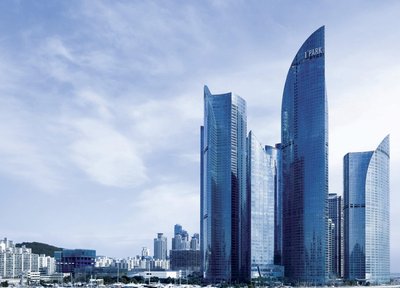
Park Hyatt Busan
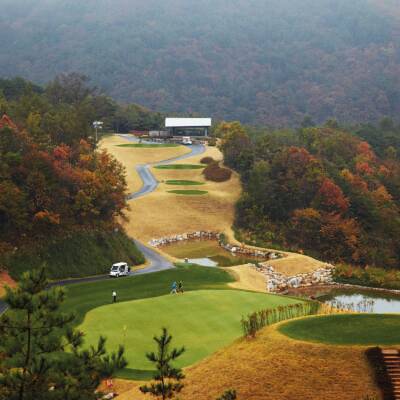
Tops10 Resort Donggang Cistar
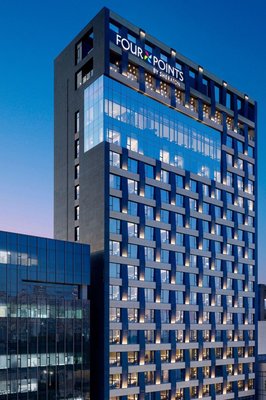
Four Points by Sheraton Suwon
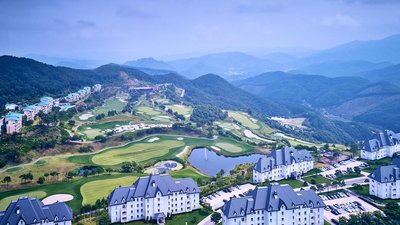
Sonofelice Village Vivaldipark

Arte Resort Spa & Pool Villa
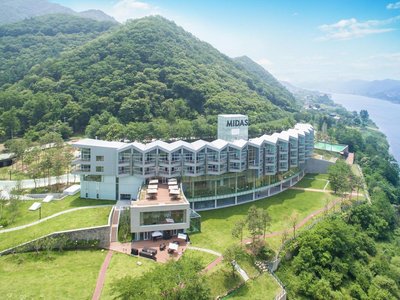
Midas Hotel & Resort
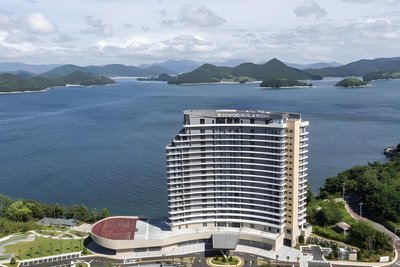
Stanford Hotel&Resort Tongyeong
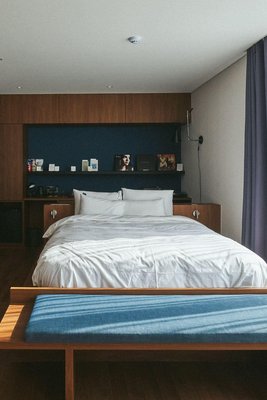
Good Ol' Days Hotel
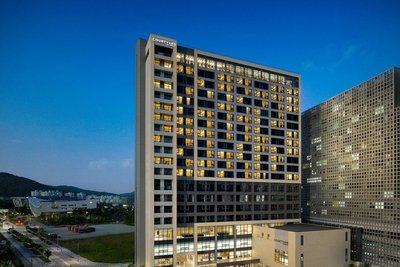
Courtyard Sejong
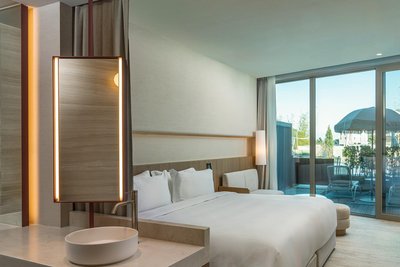
CORALLO
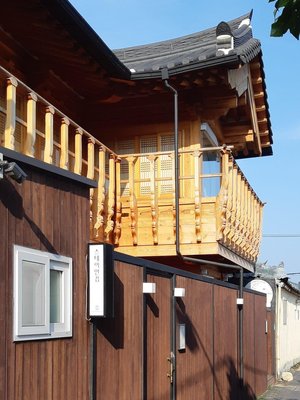
Gyeong-ju Stayangim
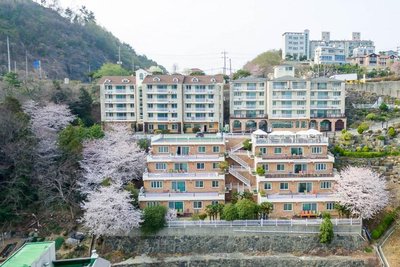
Home Fourest Resort Geoje
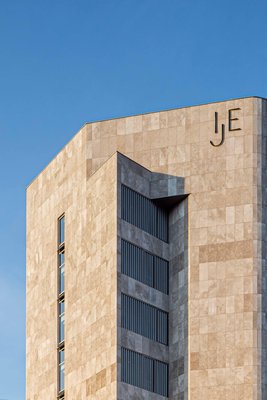
IJE BUSAN
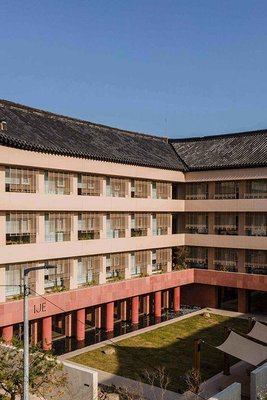
Ije Gyeongju

Tanibay Hotel
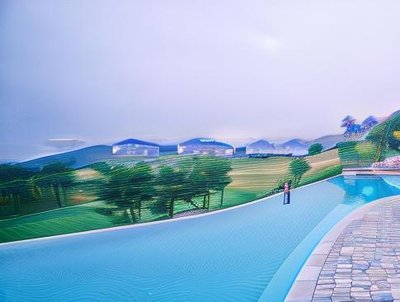
Sono Calm Vivaldi Park
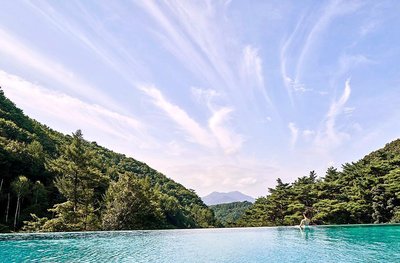
Restree and Forest Resom
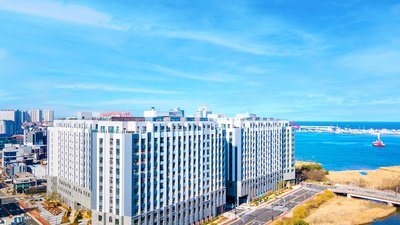
Dominiclava Sokco
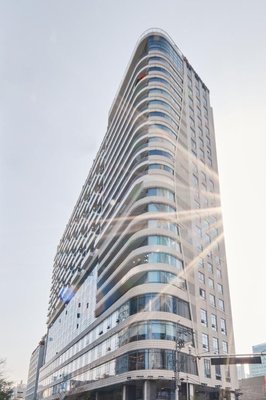
UH Flat Signature Daegu
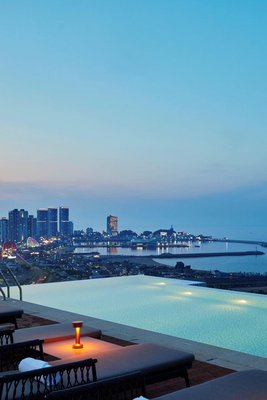
Homm Marina Sokcho
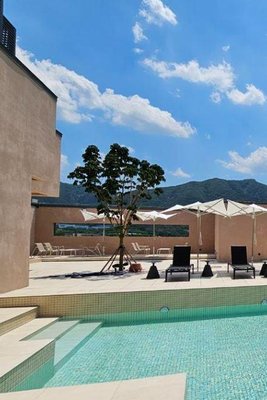
Daegu Suseong the Arco Hotel Lions Park
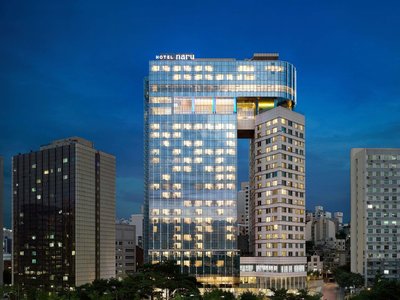
Hotel Naru Seoul - MGallery Collection
Stanford Hotel&Resort Tongyeong
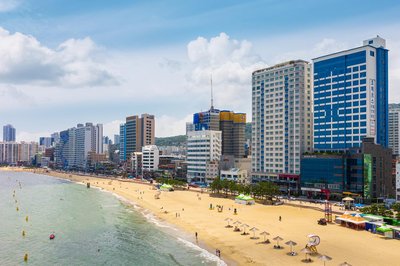
Homers Hotel
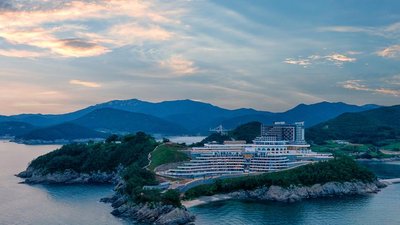
SOL BEACH NAMHAE
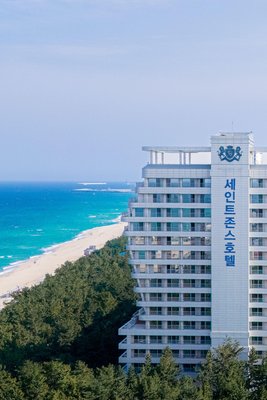
St. John's Hotel
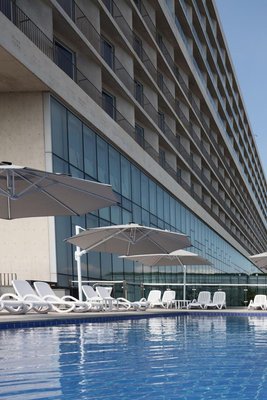
Nest Hotel Incheon
Conrad Seoul
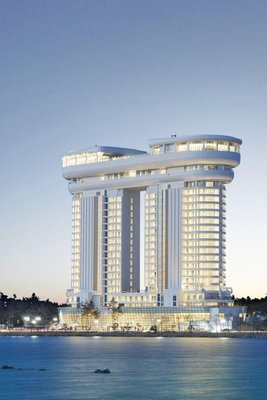
Skybay Hotel Gyeongpo
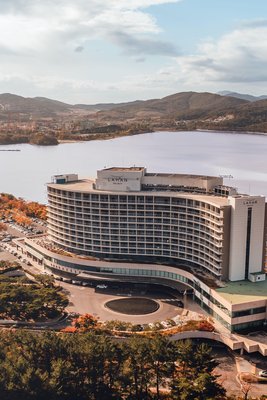
Lahan Select Gyeongju
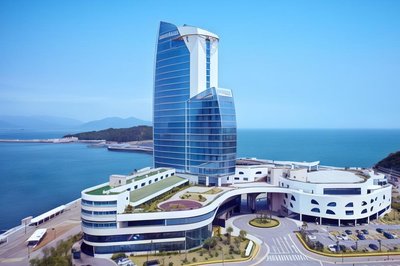
Sono Calm Yeosu
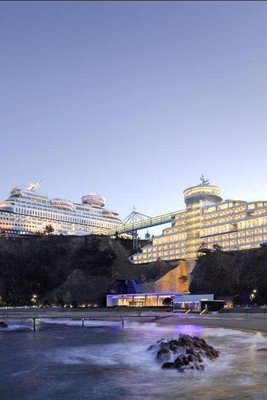
Sun Cruise Resort and Yacht
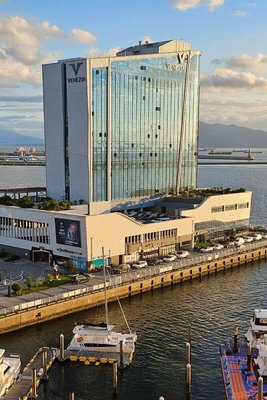
Yeosu Venezia Hotel & Suite
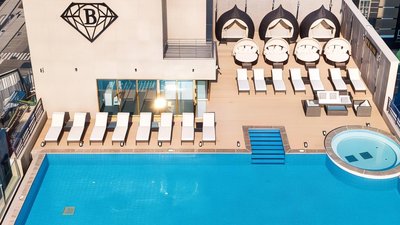
Baymond Hotel
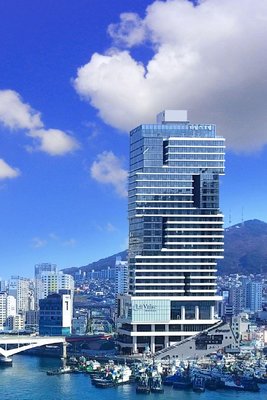
Lavalse Hotel
Seamarq Hotel
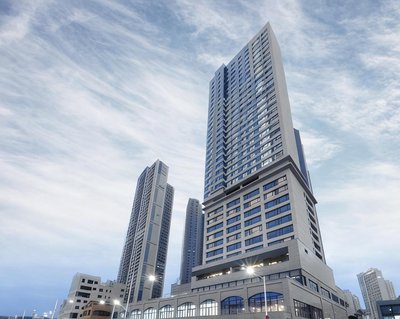
Mercure Ambassador Ulsan
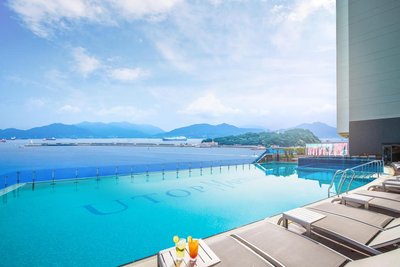
Utop Marina Hotel & Resort
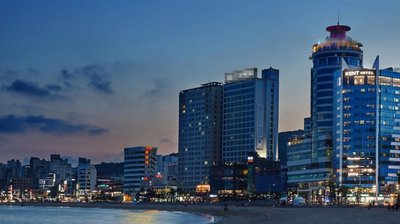
Kent Hotel Gwangalli by Kensington
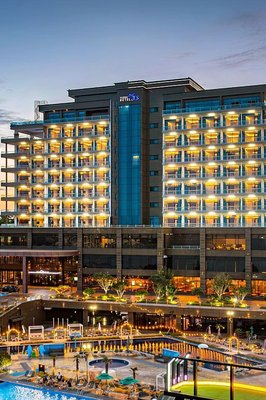
HOTEL JCS YEOSU

Ramada by Wyndham Gangwon Sokcho

INSPIRE Entertainment Resort
Conrad Seoul
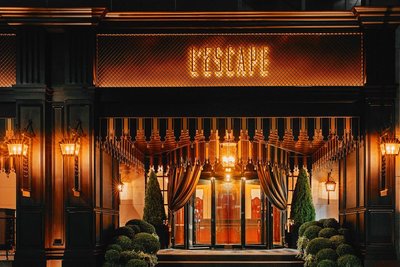
L'Escape Hotel
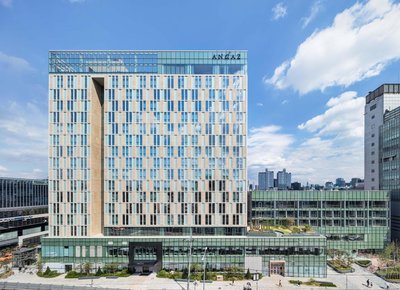
ANDAZ SEOUL GANGNAM, BY HYATT
Fairmont Ambassador Seoul
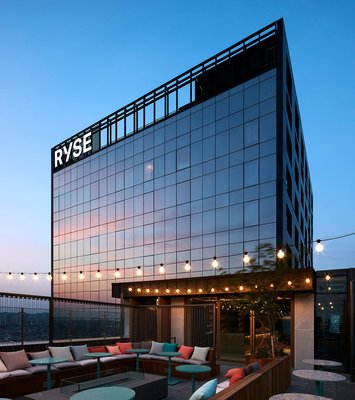
RYSE, Autograph Collection by Marriott
Josun Palace, a Luxury Collection Hotel, Seoul Gangnam
Anto (formerly: Parasara Seoul)
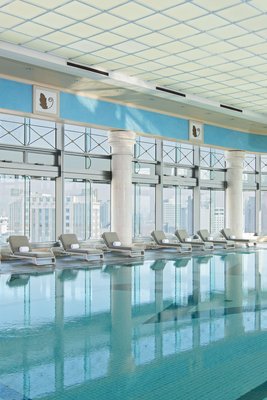
The Plaza Seoul, Autograph Collection
Banyan Tree Club & Spa Seoul
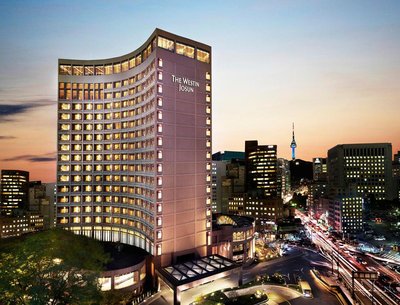
The Westin Josun Seoul
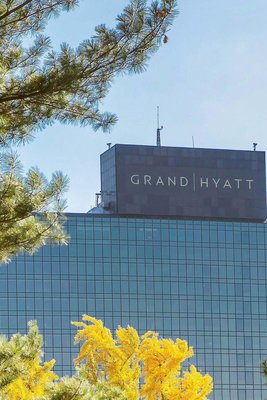
Grand Hyatt Seoul
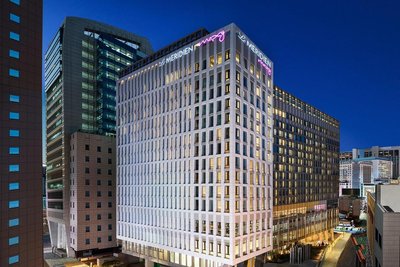
Le Méridien Seoul, Myeongdong
Hotel Naru Seoul - MGallery Collection
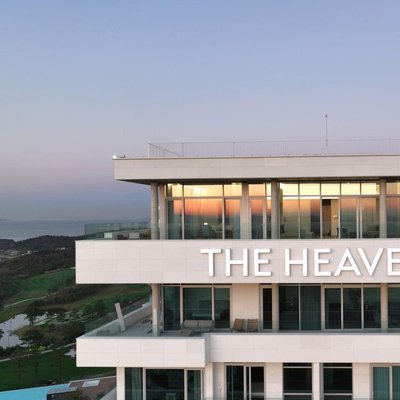
The Heaven Resort
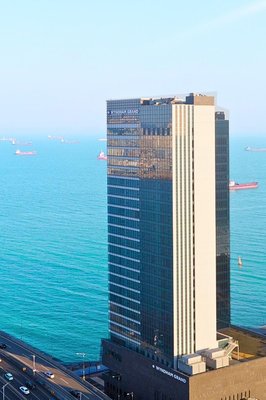
Wyndham Grand Busan Ijin
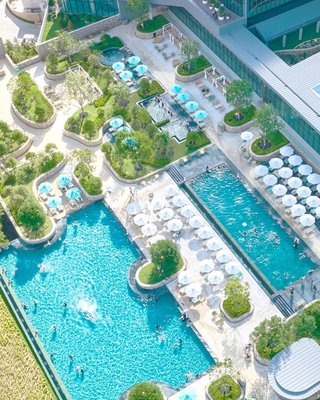
Ananti at Busan Village
INSPIRE Entertainment Resort
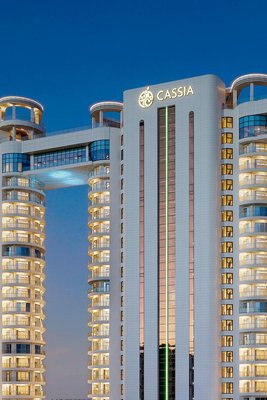
Cassia Sokcho
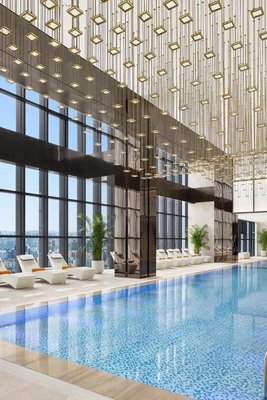
Pullman Ambassador Seoul Eastpole
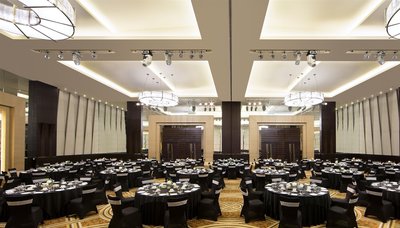
Sheraton Grand Incheon Hotel
St. John's Hotel
Nest Hotel Incheon
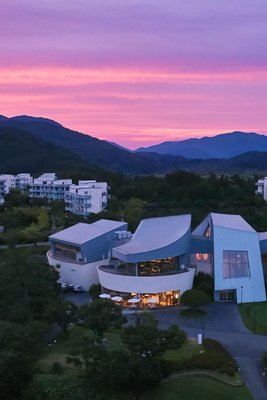
Ananti at Namhae
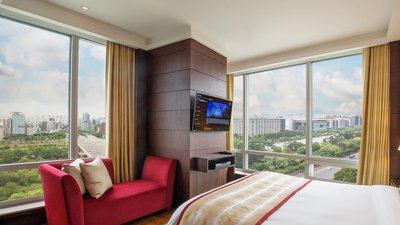
Yeouido Park Centre, Seoul - Marriott Executive Apartments
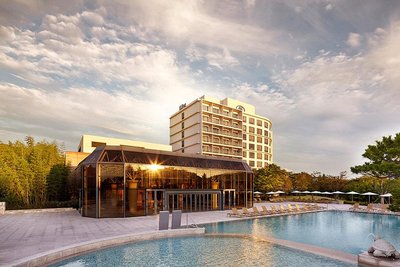
Hilton Gyeongju
Skybay Hotel Gyeongpo
Lahan Select Gyeongju
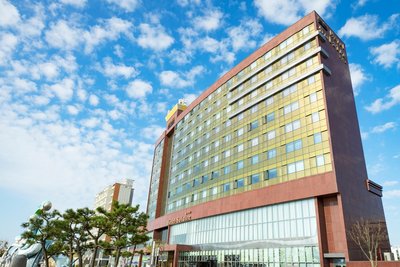
Hotel Solaire
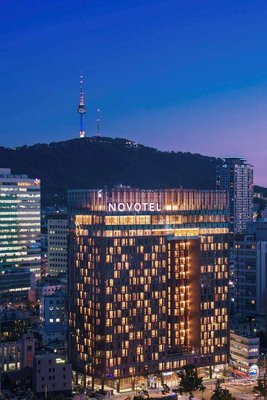
Novotel Ambassador Seoul Dongdaemun Hotels & Residences
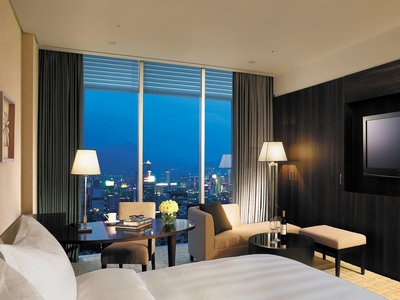
Ramada Plaza by Wyndham Gwangju
Sono Calm Yeosu
INSPIRE Entertainment Resort
L'Escape Hotel
Lavalse Hotel
Four Seasons Hotel Seoul
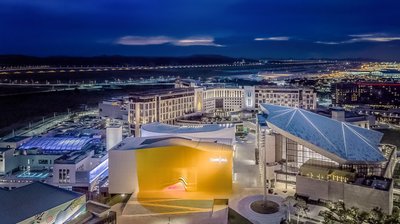
Paradise City
Josun Palace, a Luxury Collection Hotel, Seoul Gangnam

JW Marriott Dongdaemun Square Seoul
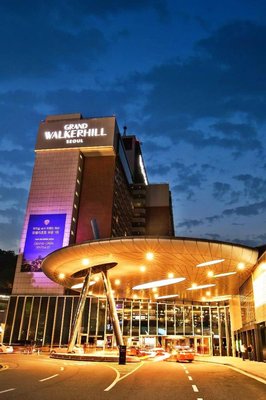
Grand Walkerhill Seoul
The Shilla Seoul

The Westin Josun Busan
Park Hyatt Busan
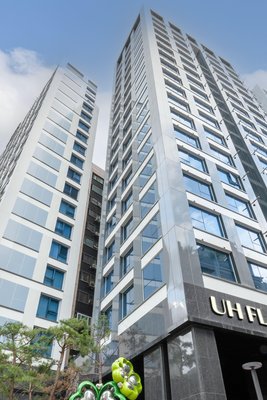
UH FLAT THE SEOCHO
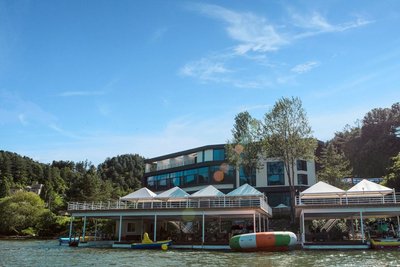
SS Resort
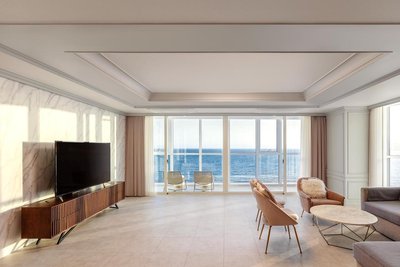
Palede cz Condor Busan
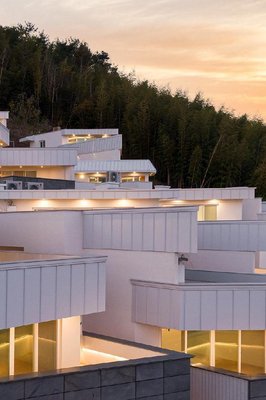
Ocean terra
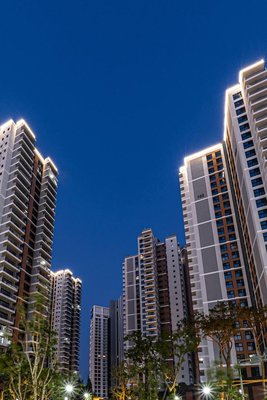
Le Collective Busan Gijang

Hotel Barrière Fouquet's New York
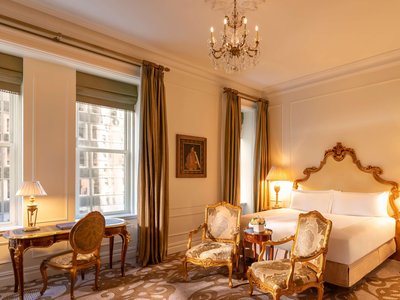
The Plaza - A Fairmont Managed Hotel
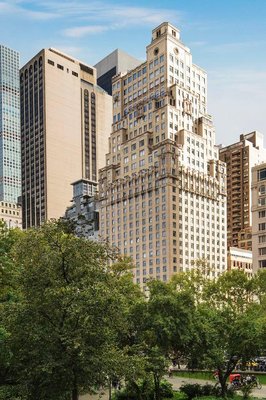
The Ritz-Carlton New York, Central Park
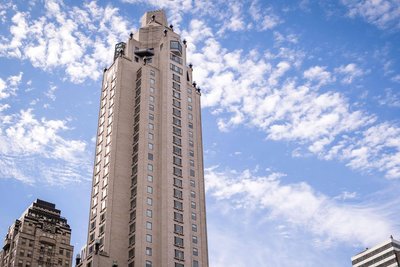
Four Seasons Hotel New York
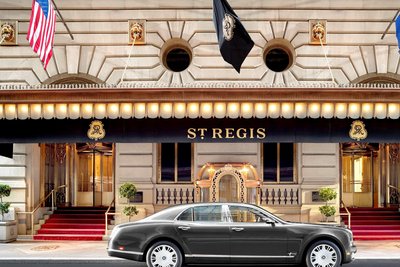
The St. Regis New York
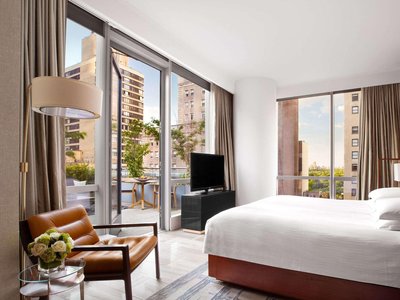
Park Hyatt New York
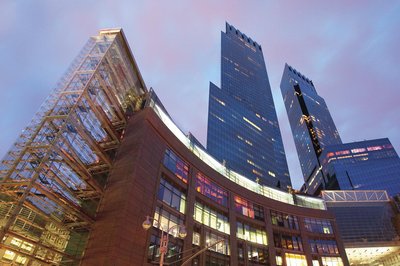
Mandarin Oriental New York
Times Square Edition New York

Loews Regency New York Hotel
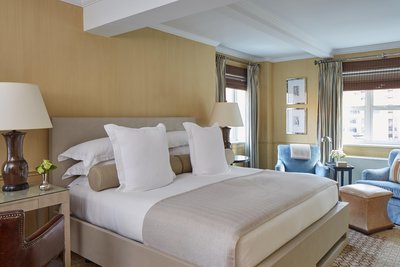
Lowell Hotel
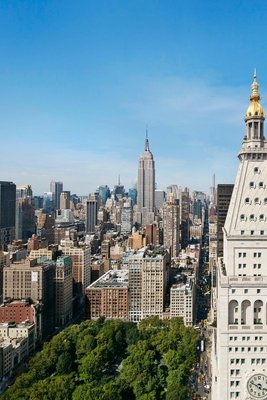
New York Edition
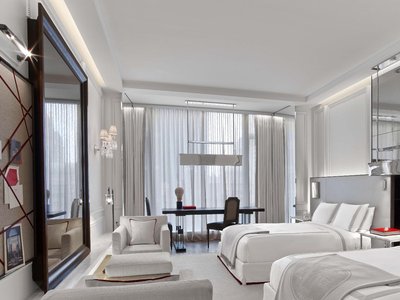
Baccarat Hotel New York

Equinox Hotel New York
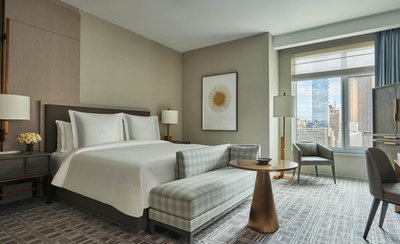
Four Seasons Hotel New York Downtown
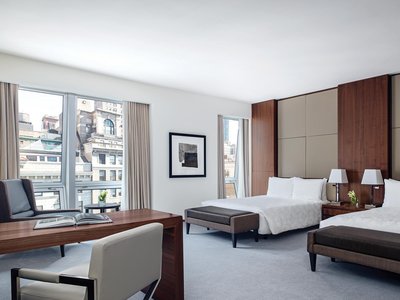
The Langham, New York, Fifth Avenue
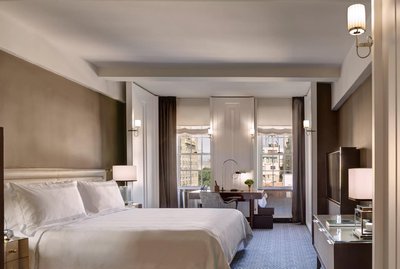
The Carlyle, A Rosewood Hotel

The Chatwal, in the Unbound Collection by Hyatt
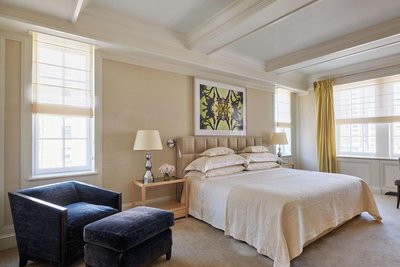
The Mark New York
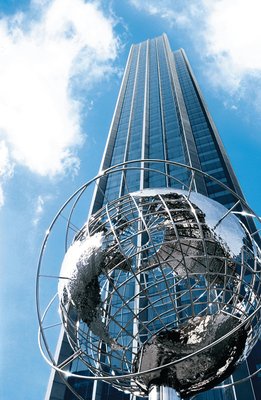
Trump International Hotel & Tower® New York
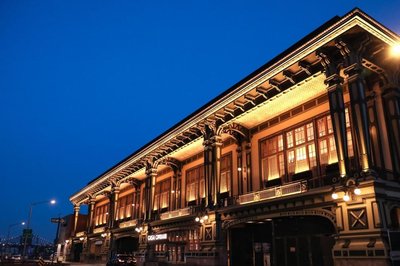
Casa Cipriani New York
Frequently Asked Questions about Traveling to Sangju
Questions You Might Need to Know About Traveling to Sangju
In Sangju, the best choice for authentic Korean ambiance is Sangju Hanok Inn, a beautifully restored hanok-style guesthouse nestled near the historic Sangju Fortress Wall. Each room features wooden beams, paper sliding doors (jimjil), and an ondol heated floor, offering a true taste of regional heritage. The property also hosts seasonal Hanji (Korean paper) workshops and serves homemade Gwajeon soup and Ssambap at breakfast. For luxury with tradition, Sangju Culture Hall Hotel offers modern amenities within a preserved cultural complex, ideal for travelers seeking both comfort and cultural immersion.
The downtown historical district is the prime location for hotel stays in Sangju, offering easy access to major landmarks. Within walking distance are the Sangju Fortress Wall, Dongsi Temple Pagoda, and Sangju Museum, all situated along the scenic Namcheon River. Hotels like Shinu Hotel Sangju and Sangju Hanok Inn provide excellent value, combining proximity to culture sites with modern comforts. Evening strolls along the riverbank reveal illuminated ancient structures, making this area perfect for tourists who want to explore history while enjoying a relaxed, central base.
Visitors to Sangju should try the traditional Hanji (Korean paper) making workshop at the Sangju Cultural Hall, where they can craft their own paper using locally sourced mulberry bark. Another highlight is the Gyeongsangdo Tea Ceremony Experience, held in a serene hanok setting, teaching guests the art of tea preparation with local herbs like mugwort and yam. During autumn, don’t miss the Sangju Chrysanthemum Festival, featuring over 10,000 blooming chrysanthemums arranged in artistic displays under dazzling light installations—perfect for photography and cultural appreciation.
Yes, Sangju Shinu Hotel is highly recommended for families, offering spacious rooms, a kids’ playroom, and complimentary shuttle service to Sangju Children’s Science Museum and Sangju Zoo. The hotel also provides child-sized toiletries and safety railings. Alternatively, Sangju Hanok Inn’s Family Suite accommodates up to six guests with a private courtyard and kitchenette, ideal for multi-generational trips. Both hotels feature family-friendly dining options and host weekend activities such as storytelling sessions and traditional crafts, ensuring enjoyable experiences for all ages.
For couples seeking romance, Sangju Hanok Inn’s Honeymoon Suite delivers an unforgettable experience. Designed in classic Korean wedding style, it features red curtains, carved wooden beds, and an ondol-heated floor, plus a custom Hanji love letter kit. Enjoy a private breakfast in the garden, then stroll along the Namcheon River at dusk, gazing at the glowing Dongsi Temple Pagoda. Some suites include a private hot spring bath with candles and local fruit platters. Pair the stay with a night visit to the Sangju Cultural Hall Light Show for a magical, intimate evening.
Near Sangju, Daejeong Mountain is a must-visit, rising to 800 meters with well-maintained trails lined with century-old pines and waterfalls. The summit offers panoramic views of the Sangju Plain and Namcheon River Valley. Equally charming is the Namcheon River Eco Trail, a 3-km path flanked by cherry and maple trees—ideal for spring blossoms and autumn foliage. For wildlife lovers, Sangju Wetland Park is a key stopover for migratory birds like egrets and herons, especially in winter, offering excellent birdwatching and photography opportunities amid serene wetlands.
Sangju is renowned for its Gwajeon Soup (beef intestine stew), simmered slowly with aromatic spices and served steaming hot. Another must-try is Sangju Stone Pot Bibimbap, made with locally grown rice and fresh seasonal vegetables, served bubbling hot in a stone bowl. Street food highlights include fried tofu skewers and tteokbokki at Sangju Market. Don’t leave without sampling Sangju Honey Pear, a sweet, juicy fruit native to the region—available fresh or as juice at hotels and markets, a perfect souvenir.
For solo travelers, Sangju Youth Hostel is an excellent choice, located steps from Sangju Station with private and shared rooms, a cozy lounge, and a shared kitchen. It hosts regular city walking tours and Korean language exchange events, fostering connections with fellow explorers. For a more tranquil stay, Sangju Hanok Inn’s Single Room offers a quiet, minimalist space with ondol heating and a view of the river. Both options support independent travel while encouraging cultural engagement and low-pressure social interaction.
The Sangju Chrysanthemum Festival, held annually in late October, draws global visitors with over 10,000 blooming chrysanthemums arranged in intricate light-themed displays. The Sangju International Hanji Festival brings artists from around the world to showcase handcrafted Korean paper, with live demonstrations and exhibitions. During Lunar New Year, the Sangju New Year Ritual Ceremony reenacts ancient prayers for prosperity, including lion dances and drum performances—offering a rare glimpse into authentic Korean traditions and spiritual customs.
Start your day at Sangju Fortress Wall and Dongsi Temple Pagoda, exploring ancient architecture and city walls. Head to Sangju Market for lunch, tasting Gwajeon Soup and Stone Pot Bibimbap. In the afternoon, visit the Sangju Museum for historical context, then walk along the Namcheon River Trail or hike up Daejeong Mountain for panoramic views. End the day at Sangju Cultural Hall for the nightly light show, followed by check-in at Sangju Hanok Inn for a peaceful, culturally rich evening. All attractions are accessible by foot or short bus rides, making a seamless, immersive experience.
Sangju Overview
City Summary
Sangju, located in North Gyeongsang Province, South Korea, blends tradition with modernity. Renowned for its ceramic culture, the city hosts the iconic Sangju Ceramic Festival. Surrounded by mountains and the Nakdong River, it offers exceptional outdoor activities alongside historical sites like ancient fortresses and temples.
Must-See Attractions
Top attractions include the Sangju Ceramic Museum showcasing Korean pottery evolution, Namhansanseong Fortress with panoramic views, and riverside cycling paths along Nakdonggang. Don't miss Bongjeongsa Temple or hands-on traditional pottery workshops.
Food Guide
Savor Sangju apples and Hanwoo beef as local specialties. Street food highlights are tteokbokki (spicy rice cakes) and jeon (savory pancakes). Try Sangju bibimbap served with 20 side dishes at traditional restaurants.
Transportation Guide
City buses cover major sights. From Seoul, take intercity buses (3hrs) or KTX to Daegu then transfer (total 2.5hrs). Use T-money cards for transit (taxi base fare: ₩3,800). Mountain roads require cautious driving.
Best Time to Visit
Visit during spring (April-May) for cherry blossoms or autumn (September-October) for apple harvests. Summers are humid; winters offer hot springs. Avoid July-August monsoons and Korean holidays.
Travel Tips
- Etiquette: Dress modestly at temples (no shorts/sleeveless).
- Cash: Carry KRW for small vendors.
- Hiking: Watch for snakes and steep trails.
- Language: Learn basic Korean greetings (e.g., "Annyeonghaseyo").
- Tipping: Not customary (some upscale restaurants add 10% service charge).
- Wi-Fi: Buy prepaid SIMs at convenience stores; free Wi-Fi at attractions.
Useful Information
Language: Korean为主; limited English signage. Currency: Cards accepted but markets are cash-only. Voltage: 220V (Type C/F plugs). Emergencies: Dial 119; Sangju Medical Center has 24/7 ER. SIM Cards: Purchase KT/OlgU SIMs at airports. Hotline: Tourist helpline +82-54-1330.
Other Cities You Might Like
Explore more amazing destinations