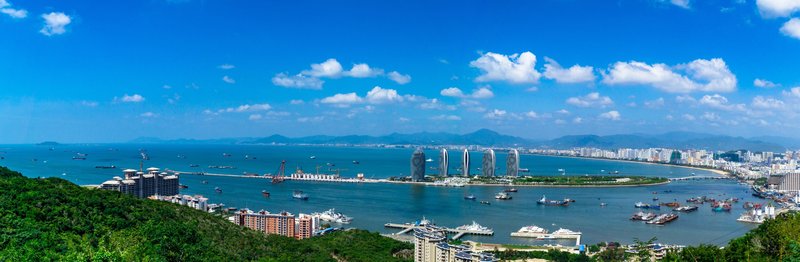
Hotels in Seogwipo
Discover your perfect stay in Seogwipo.
Seogwipo(South Korea) Travel 2026: Cheap Flights, Hotels & Top Attractions
Popular Landmarks in Seogwipo
Discover the most iconic attractions in Seogwipo
Recommended Hotels in Seogwipo
Find the perfect place to stay in Seogwipo
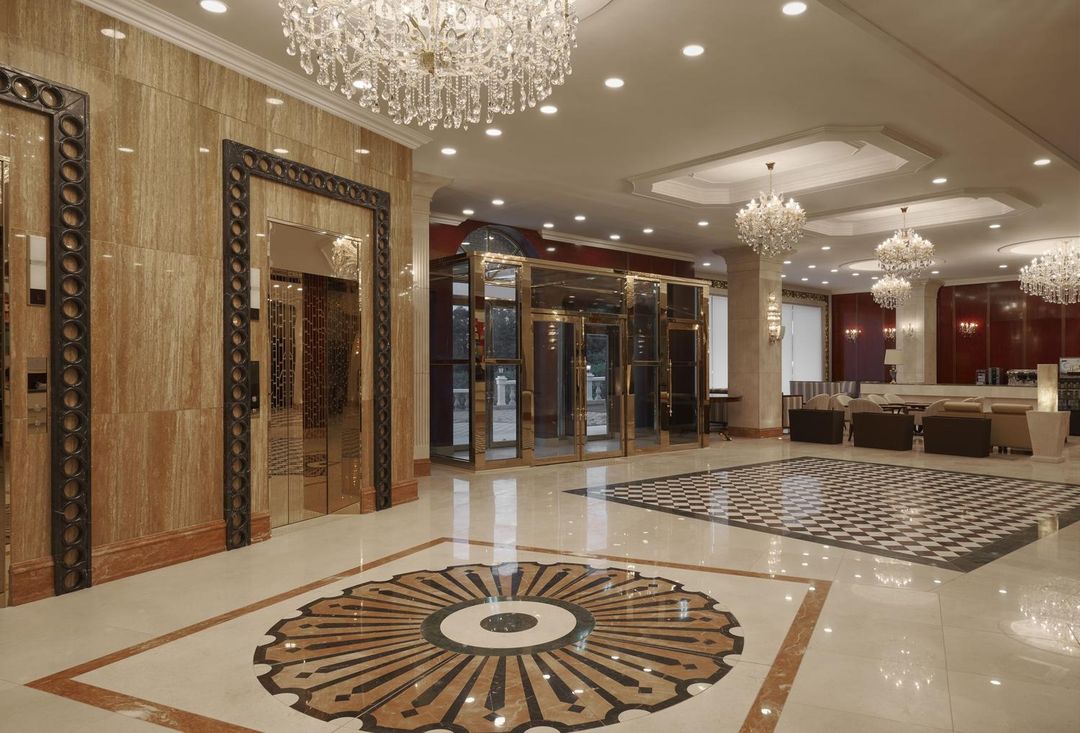
GoldOne Hotel & Suites
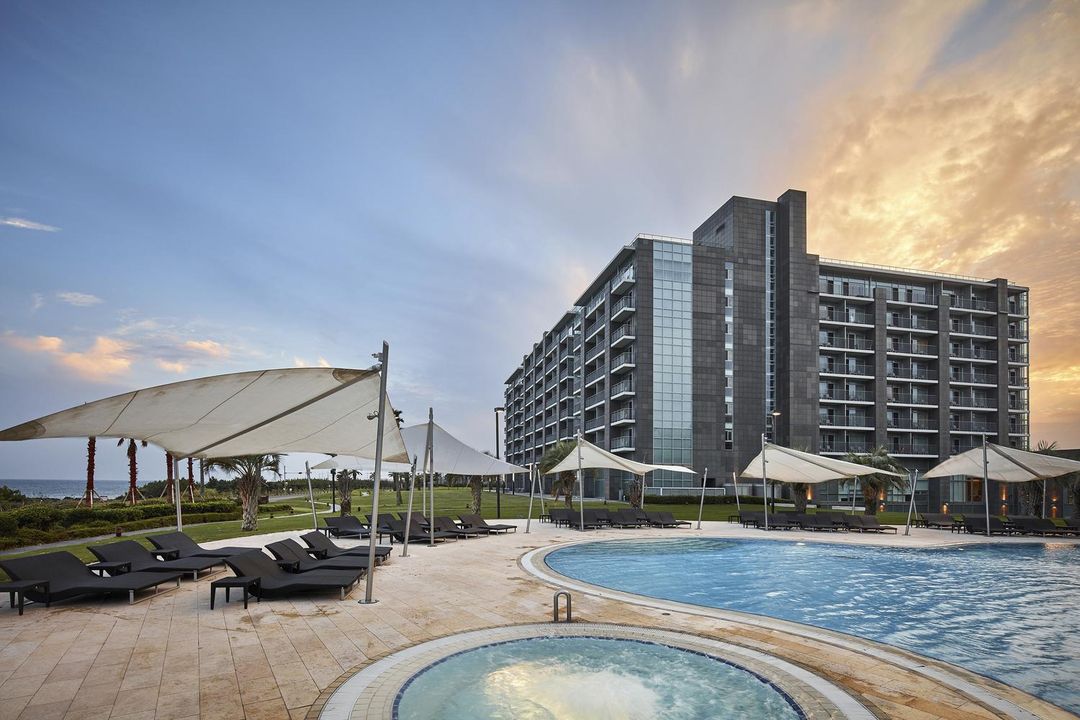
Haevichi Hotel & Resort Jeju
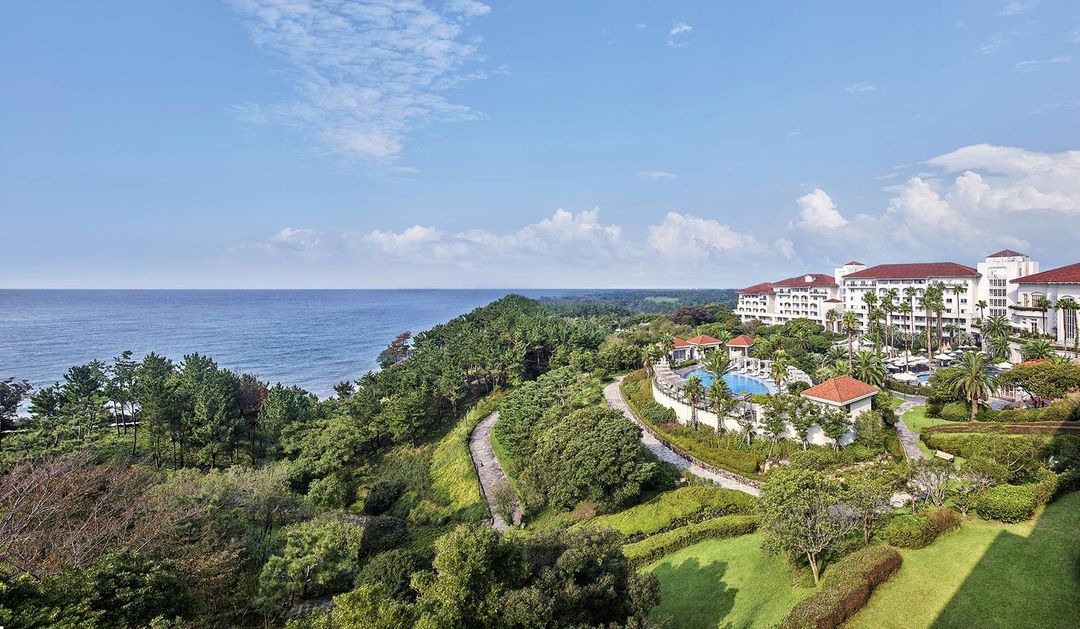
The Shilla Jeju
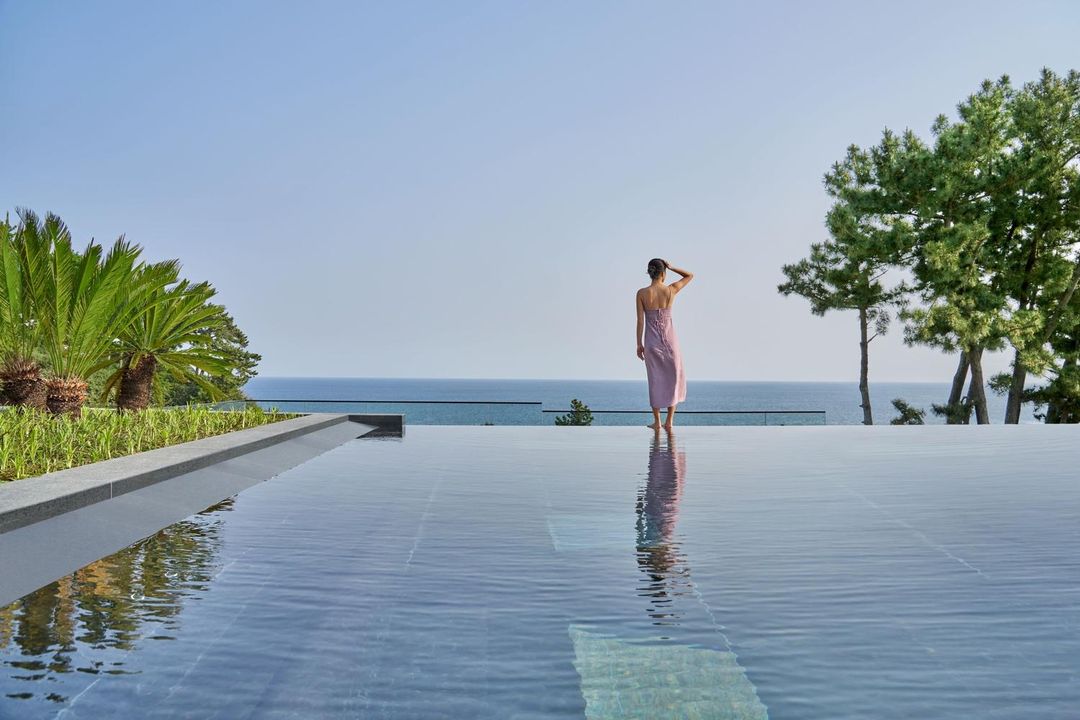
JW Marriott Jeju Resort & Spa
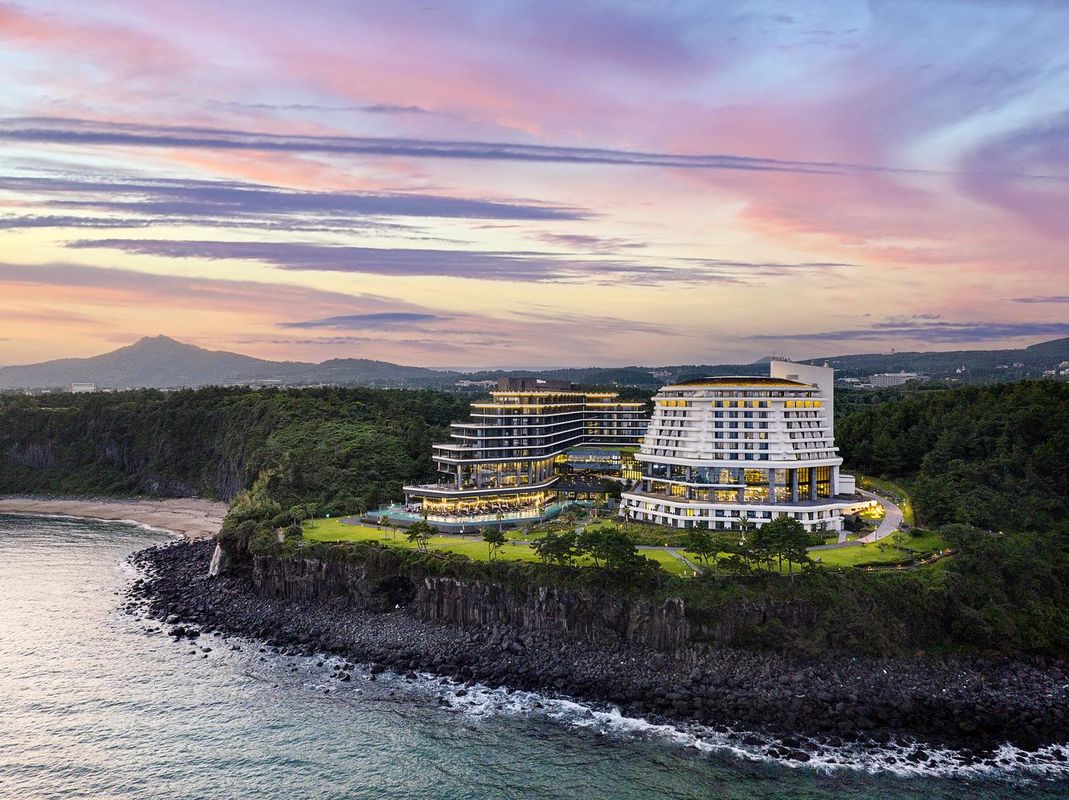
Parnas Hotel Jeju
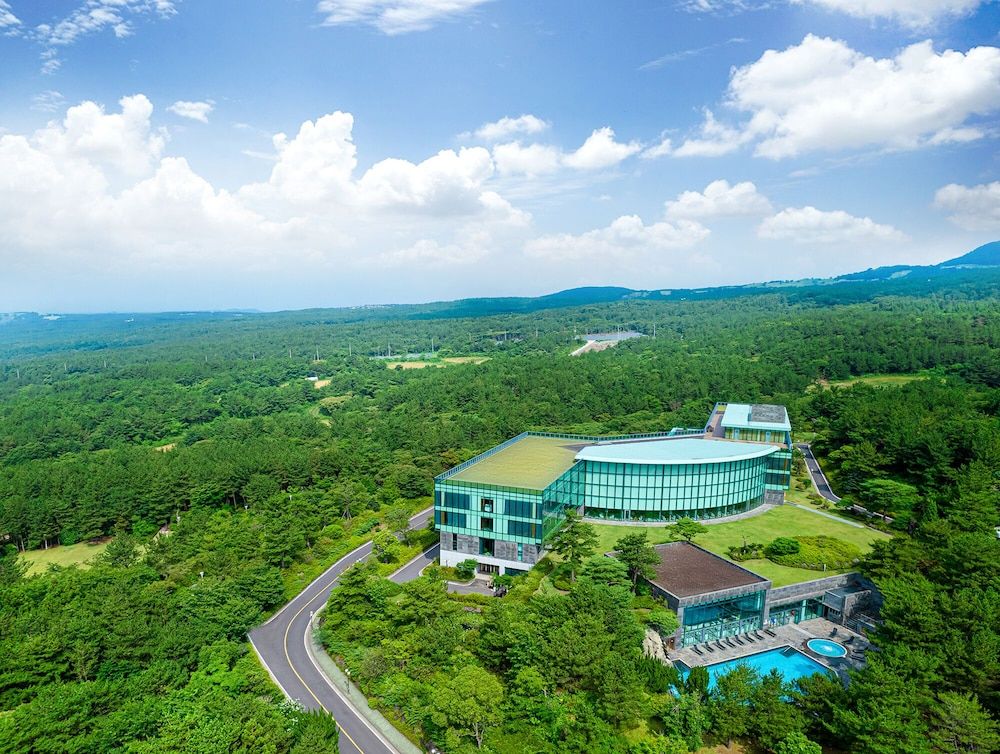
WE Hotel Jeju
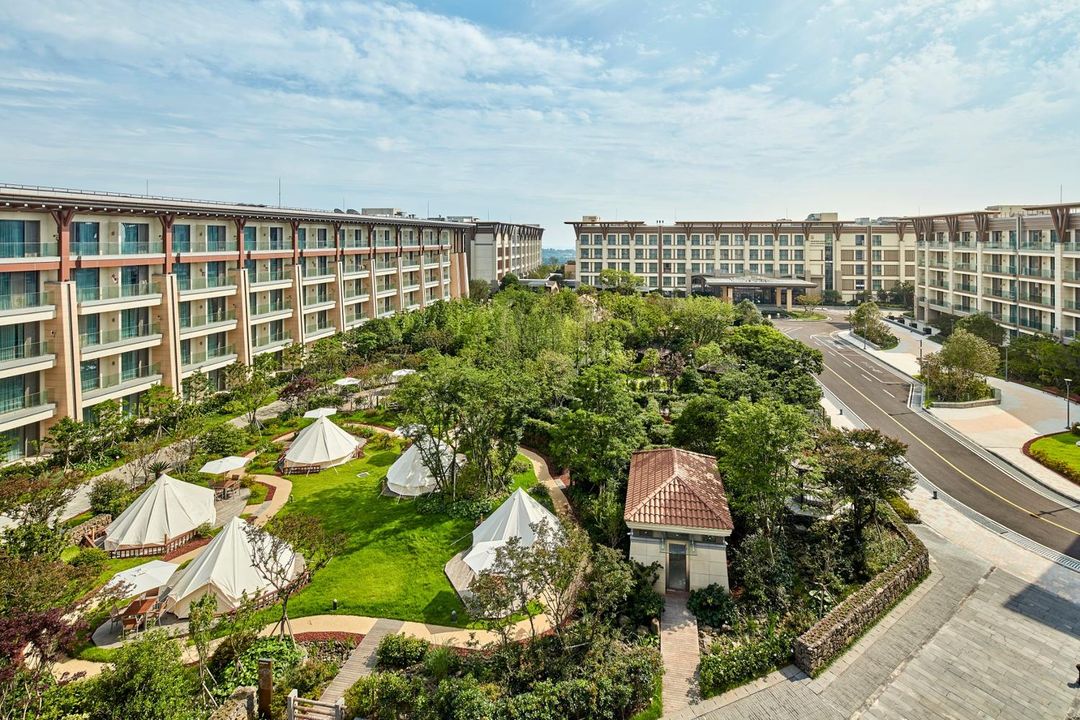
Shinhwa Jeju Shinhwa World Hotels & Resorts
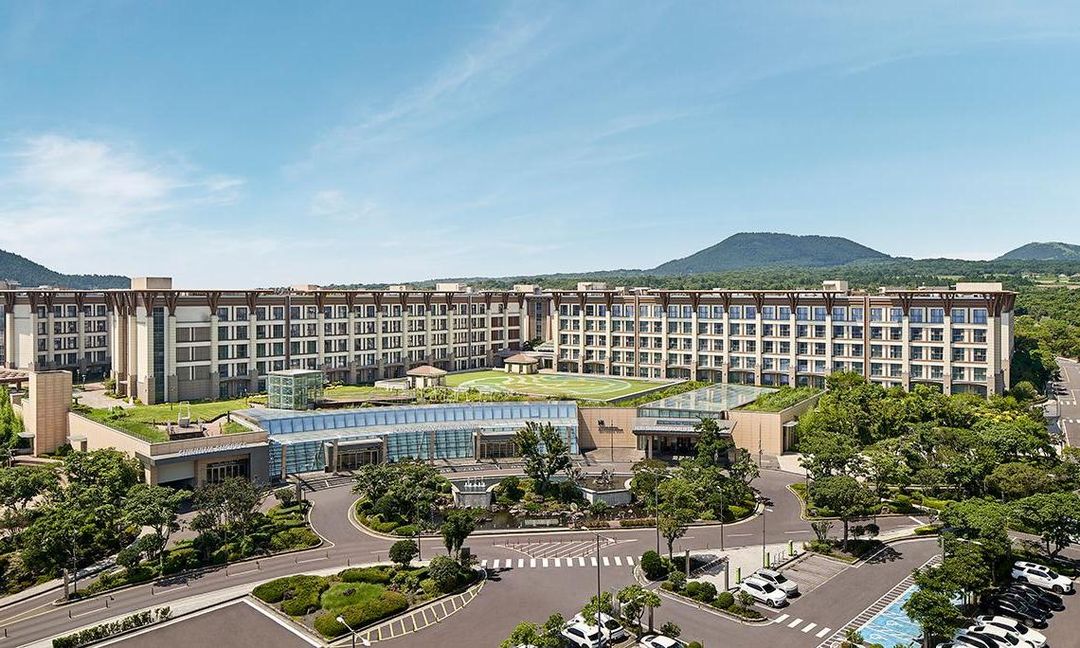
Landing Jeju Shinhwa World Hotels & Resorts
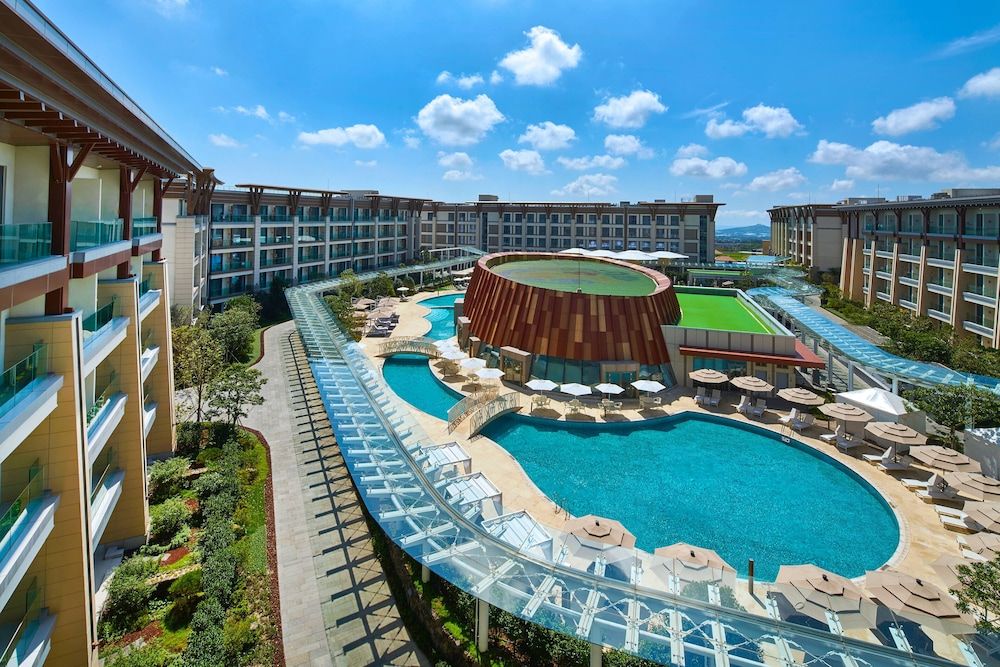
Marriott Jeju Shinhwa World Hotels & Resorts
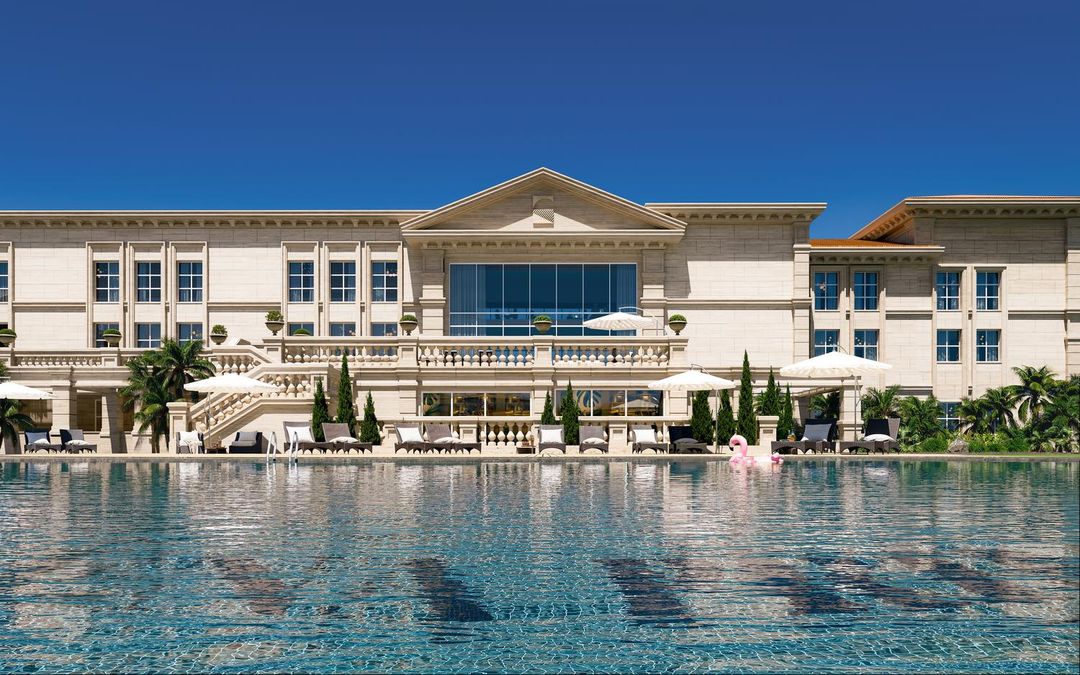
The Siena Primo (Original Tuscany Hotel)
Best Hotels in Seogwipo
Discover curated hotel collections in Seogwipo
Marriott Jeju Shinhwa World Hotels & Resorts
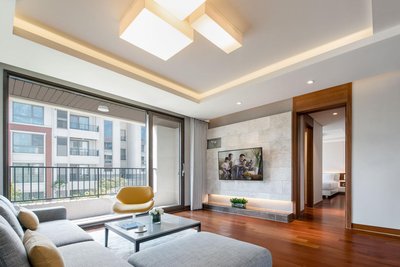
Somerset Jeju Shinhwa World
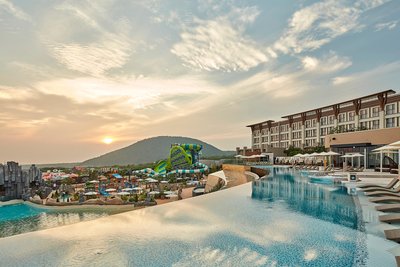
Shinhwa Jeju Shinhwa World Hotels & Resorts
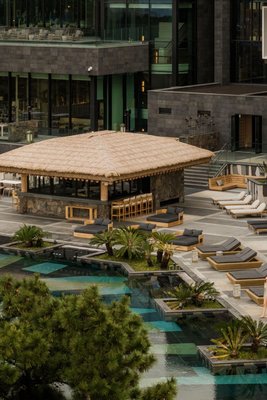
JW Marriott Jeju Resort & Spa
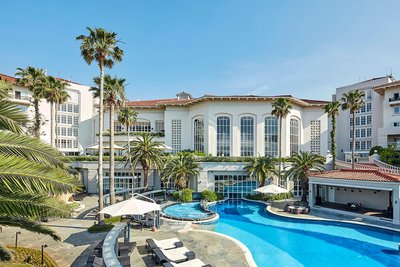
The Shilla Jeju
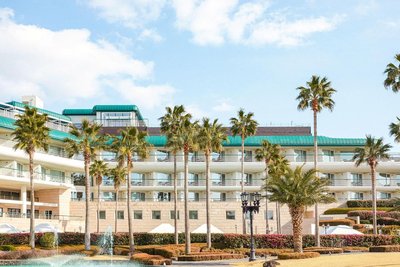
Grand Josun Jeju
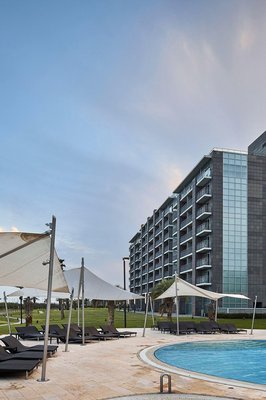
Haevichi Hotel & Resort Jeju
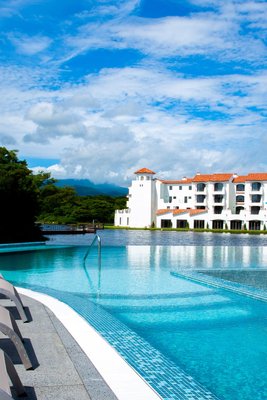
Ecoland Hotel
JW Marriott Jeju Resort & Spa
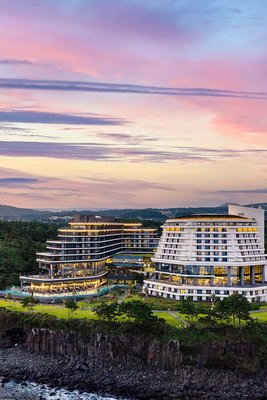
Parnas Hotel Jeju
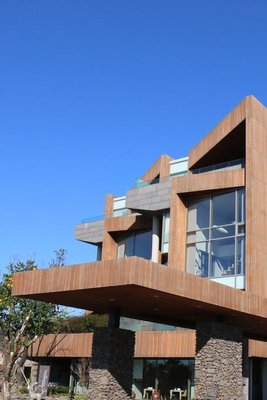
Bayhill Pool & Villa
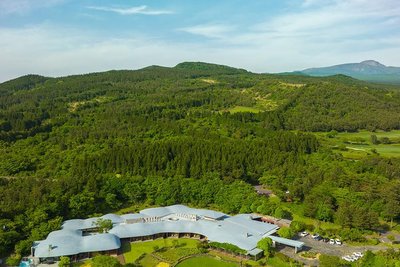
Podo Hotel
The Shilla Jeju
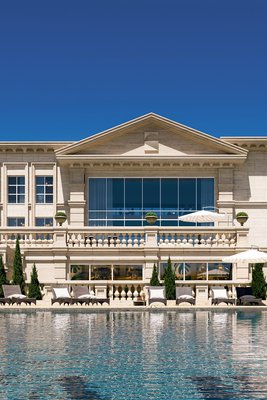
The Siena Primo (Original Tuscany Hotel)
Grand Josun Jeju
Shinhwa Jeju Shinhwa World Hotels & Resorts
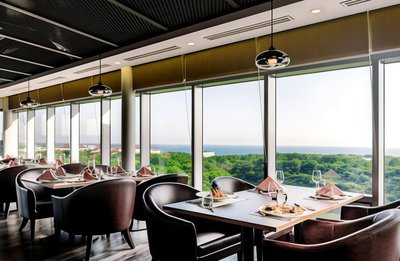
Hidden Cliff Hotel and Nature
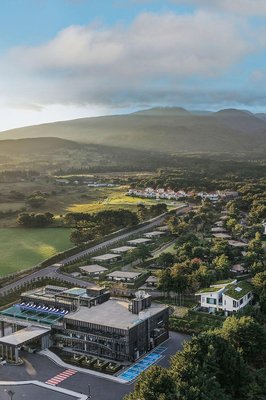
Amber Pure Hill Hotels & Resorts Jeju
JW Marriott Jeju Resort & Spa
Parnas Hotel Jeju
Bayhill Pool & Villa
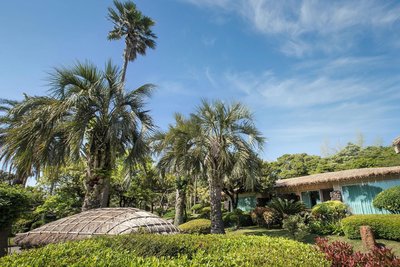
The Seaes Hotel & Resort
The Shilla Jeju
Haevichi Hotel & Resort Jeju

Sun and Moon Resort
Hidden Cliff Hotel and Nature
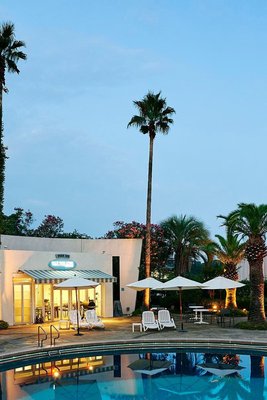
The Suites Hotel Jeju
Amber Pure Hill Hotels & Resorts Jeju
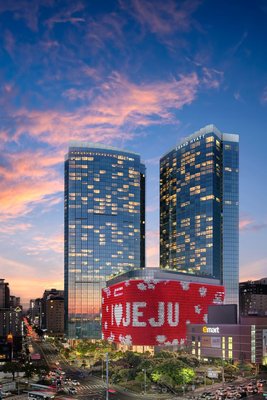
Grand Hyatt Jeju
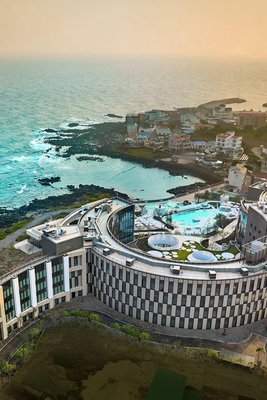
Shilla Stay Plus Iho Tewoo Ocean Front
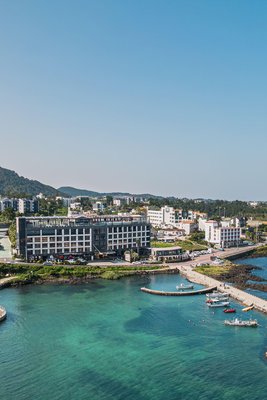
Dyne Ocenano Hotel
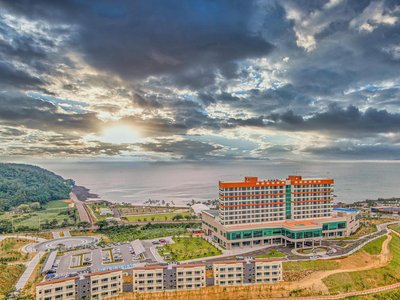
Goheung Sunvalley Resort
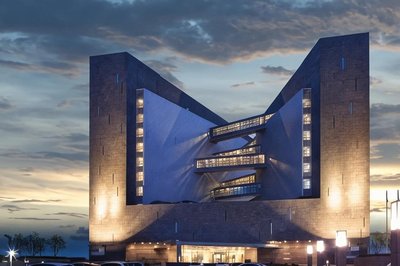
Hidden Bay Hotel
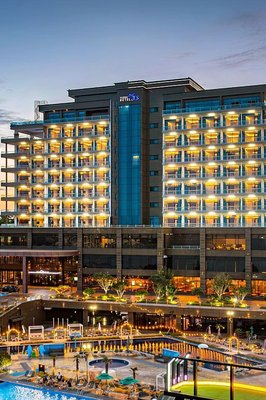
HOTEL JCS YEOSU
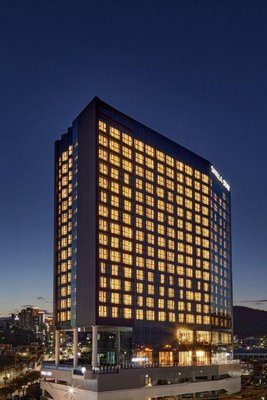
SHILLA STAY YEOSU EXPO STATION
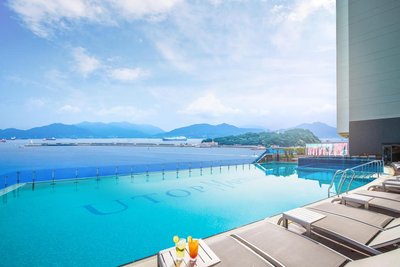
Utop Marina Hotel & Resort
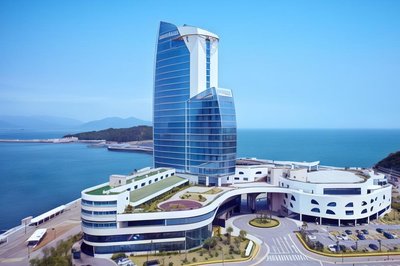
Sono Calm Yeosu
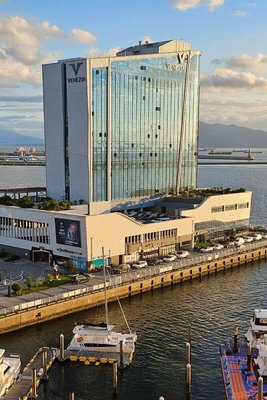
Yeosu Venezia Hotel & Suite
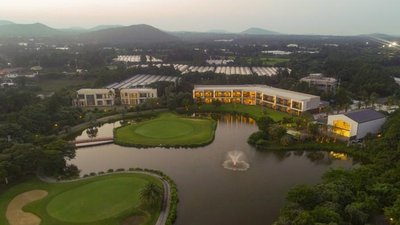
Kase Lodge
Parnas Hotel Jeju
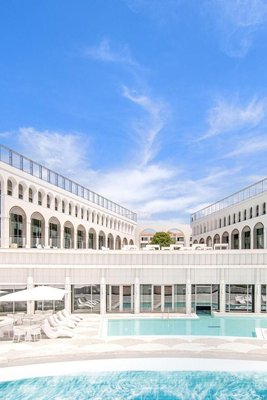
The Siena Resort
Podo Hotel
Bayhill Pool & Villa
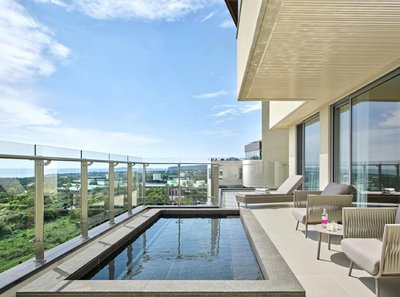
Grand Josun Hill Suite
The Shilla Jeju
Haevichi Hotel & Resort Jeju
Somerset Jeju Shinhwa World
The Siena Primo (Original Tuscany Hotel)
The Seaes Hotel & Resort
Shinhwa Jeju Shinhwa World Hotels & Resorts
Amber Pure Hill Hotels & Resorts Jeju
Grand Hyatt Jeju
HOTEL JCS YEOSU
Sono Calm Yeosu
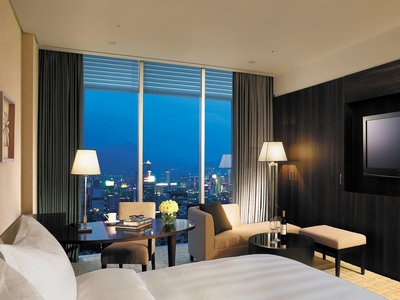
Ramada Plaza by Wyndham Gwangju
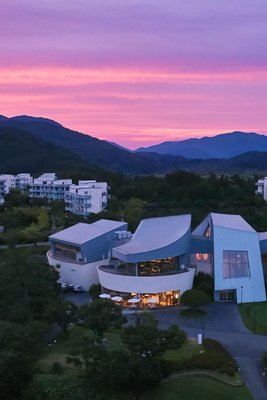
Ananti at Namhae
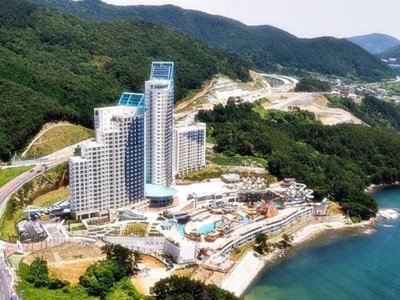
Sono Calm Geoje
Frequently Asked Questions about Traveling to Seogwipo
Questions You Might Need to Know About Traveling to Seogwipo
In Seogwipo, top beachfront options include Jeju Seaview Resort, located near Mount Halla and offering private beaches and panoramic ocean-view rooms. The hotel blends traditional Korean courtyard design with modern comfort, featuring a hot spring bath and authentic Korean cuisine. It’s just a 5-minute walk from Sujeong Beach, ideal for sunset viewing and surfing. Nearby, eco-friendly guesthouses at the foot of Halla Mountain provide serene, nature-immersed stays perfect for relaxation.
The Seogwipo City Center and Daejeong-eup are ideal for families seeking convenient access to attractions like Jeju Folk Village and Jeju Zoo. Hotels such as Lotte Hotel Jeju offer family suites, child-friendly amenities, and shuttle services. Many properties feature playgrounds and Korean-style family meals. Families can enjoy safe sandy beaches nearby, making it easy to explore popular sites like Jungmun Tourist Complex and Oedo Island with ease.
Must-try cultural experiences in Seogwipo include visiting the Jeju Folk Village, where you can live-in traditional hanok homes and participate in seasonal rituals like agricultural ceremonies. Join a black pork BBQ workshop to learn how to prepare authentic Korean barbecue. At the Seogwipo Art Center, explore local pottery and painting exhibitions. Don’t miss the Jeju International Ocean Festival held annually in spring, showcasing global fishing traditions and maritime heritage, offering deep insight into Jeju’s unique island culture.
Jeju's Mount Halla Observatory and the summit of Jusangjeolli Cliff are prime stargazing spots in Seogwipo, far from city lights. With clear skies and minimal light pollution, visitors can view the Milky Way and meteor showers. Arrive in the evening to set up camp on the scenic trails or at designated viewing platforms. Some guesthouses, like Starlight Cave Lodge, offer telescopes and guided night sky tours, helping guests identify constellations and learn about Jeju’s ancient astronomical beliefs.
For couples, Love Tree Guesthouse in Sujeong Beach offers heart-shaped rooms and private sea views, complete with cozy balconies and warm lighting. Another option is Cave Lover Apartment, a unique rock-hewn retreat with intimate interiors decorated with flowers and soft lights—ideal for honeymoons. Both offer customized candlelit dinners and private tours to Yongun Rock and Haenyeo Culture Museum, blending romance with local legends and natural beauty.
Must-try foods in Seogwipo include Jeju black pork BBQ (recommended at Kim’s Charcoal Grill), sea urchin rice bowl (freshly prepared at Seogwipo Fish Market), and stone pot bibimbap with mountain yam soup (common in family-run restaurants). Visit Haenyeo House near Jusangjeolli for a hands-on experience harvesting shellfish, followed by a meal of grilled abalone and sea snail soup. At Daejeong Night Market, sample Korean fried chicken, spicy tteokbokki, and local craft soju, enjoying the vibrant street atmosphere.
Shilla Stay Jeju in Seogwipo City Center is just a 15-minute drive from Jusangjeolli Cliff and offers free shuttle services to key sites. It’s near Seogwipo Shopping Mall, Jeju History Museum, and Dongmun Market. Another excellent choice is Jeju Sea Breeze Hotel, located along Sujeong Beach, providing bike rentals and diving gear access for trips to Oedo Island and Seogwipo Port. Both hotels offer multilingual staff and are ideal for independent travelers seeking convenience and comfort.
The Jusangjeolli Cliff Trail is a top hiking route in Seogwipo, stretching 2.5 km with volcanic rock formations and coastal cliffs. Hikers reach the summit for breathtaking views of the East Sea and the island’s coastline. Another recommended trail is the Southern Slope Loop of Halla Mountain, starting from Seogwipo Eco Trail Entrance, passing through dense forest and streams. This 4-hour trek suits intermediate hikers and includes rest stops and informative signage. Best visited early morning to avoid heat and crowds, with sightings of wild monkeys and endemic flora.
Jeju Spa Resort, nestled at the base of Halla Mountain, features natural sulfur hot springs and Korean herbal steam rooms. Its rooms open to ocean views, and guests enjoy holistic treatments like traditional Korean massage and wellness packages. Another standout is Green Oasis Spa Inn, built with eco-materials and sourcing water from 300 meters underground—rich in minerals. Limited daily access ensures privacy. Both hotels serve organic meals and host yoga sessions, promoting holistic recovery and mental peace.
The best time to visit Seogwipo is during spring (March–May) and autumn (September–November), when temperatures range between 18–25°C and the weather is mild. Spring brings blooming flowers and cherry blossoms; autumn offers clear skies perfect for hiking and stargazing. Summer (June–August) is peak season with high humidity and typhoon risk. Winter (December–February) is cold but quiet, ideal for travelers seeking solitude. Avoid late July to mid-August for better accommodation availability and service quality.
Seogwipo Overview
City Summary
Seogwipo is the second-largest city on Jeju Island, South Korea, renowned for its stunning natural landscapes and unique volcanic terrain. As part of Hallasan National Park, it boasts rich ecological resources and cultural heritage, such as Cheonjiyeon Waterfall and Jeongbang Waterfall. The city's fishing village culture and seafood cuisine are also major attractions.
Must-See Attractions
Must-see attractions include Hallasan Mountain, Cheonjiyeon Waterfall, Jeongbang Waterfall, and the Seogwipo Submarine Experience. For cultural experiences, visit Seonimgyo Bridge and explore the legend of the ancient Chinese navigator Xu Fu. At night, don't miss the Seogwipo Night Market for local food and handicrafts.
Food Guide
Seogwipo is famous for its seafood. Try Jeju black pork, seafood hotpot, and abalone porridge. Street snacks like brown sugar pancakes and tangerine chocolate are also popular. Visit local markets like Seogwipo Maeil Market for authentic flavors.
Transportation Guide
Transportation mainly relies on buses and taxis. Jeju's bus system covers the island, but schedules are infrequent, so check timetables in advance. Taxis are convenient but expensive. Renting a car is also a good option, as roads are well-maintained.
Best Time to Visit
The best time to visit is spring (March to May) and autumn (September to November), with pleasant weather and beautiful scenery. Summers are crowded, while winters are cold but ideal for skiing enthusiasts.
Travel Tips
- Safety: Jeju is safe, but keep an eye on belongings.
- Etiquette: Remove shoes and stay quiet in temples.
- Customs: Locals are hospitable; small gifts are appreciated.
- Language: Learning basic Korean phrases helps.
- Internet: Free Wi-Fi is available in many areas.
- Payment: Cash and cards are widely accepted, but small vendors may only take cash.
Useful Information
Practical Info:
- Language: Korean is main; some English in tourist areas.
- Internet: Rent mobile Wi-Fi or buy a local SIM at the airport.
- Payment: Cash and cards are common; small shops may be cash-only.
- Emergency: Jeju has good medical facilities; travel insurance is advised.
- Voltage: 220V, with two-round-pin plugs (Euro standard).
Other Cities You Might Like
Explore more amazing destinations