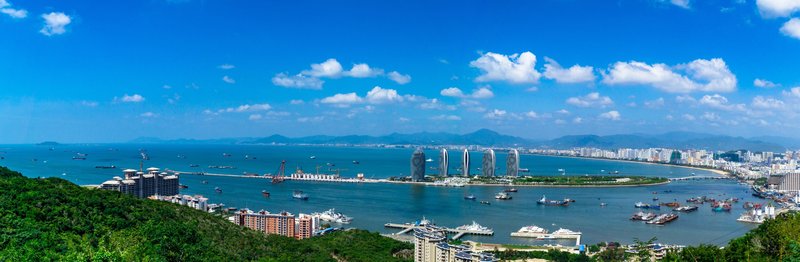
Hotels in Seongju-gun
Discover your perfect stay in Seongju-gun.
Seongju-gun(South Korea) Travel 2026: Cheap Flights, Hotels & Top Attractions
Popular Landmarks in Seongju-gun
Discover the most iconic attractions in Seongju-gun
Recommended Hotels in Seongju-gun
Find the perfect place to stay in Seongju-gun
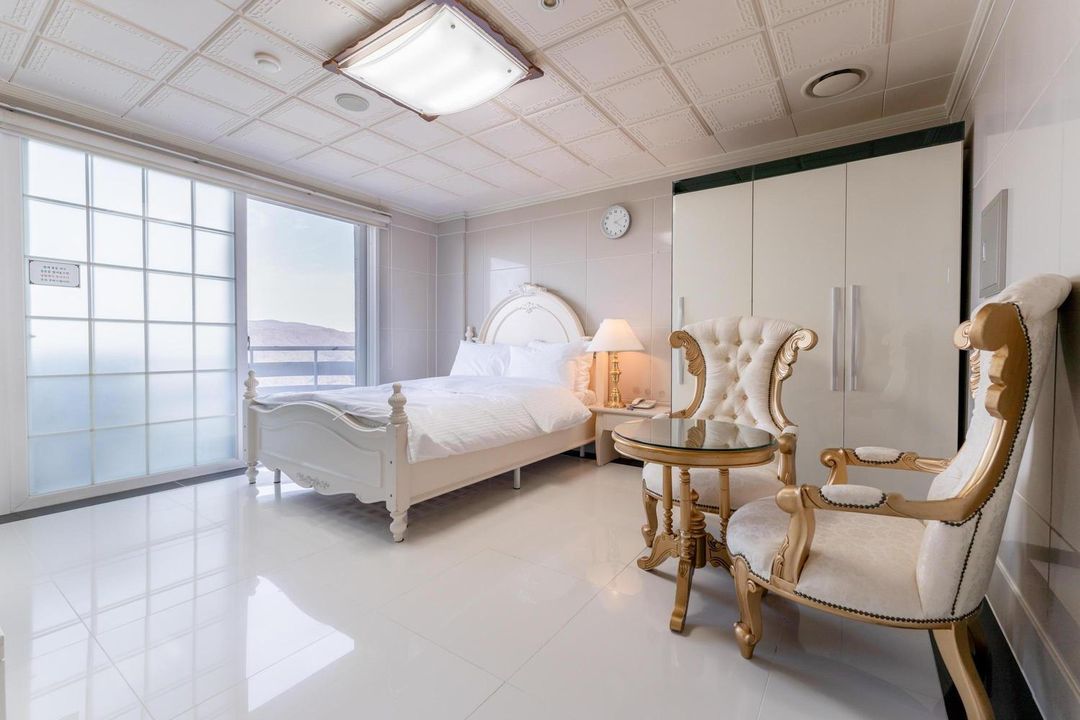
Gaya Hotel
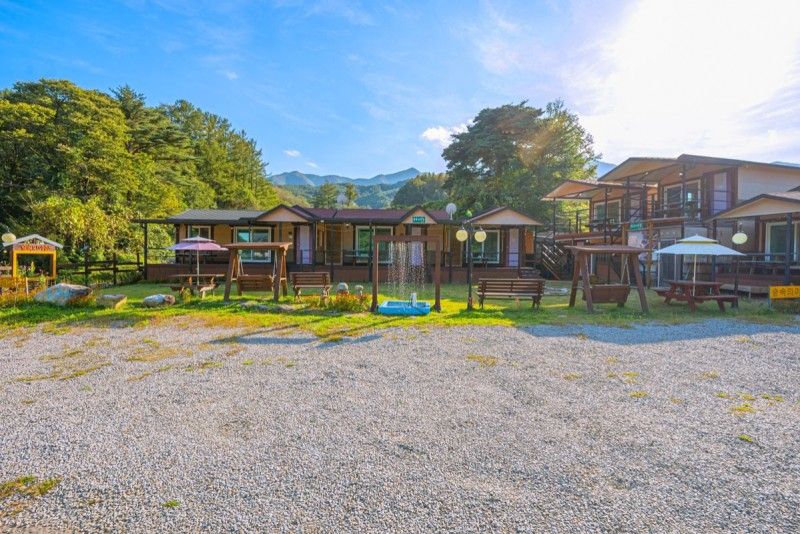
Seongju Morning in the Forest Pension
Best Hotels in Seongju-gun
Discover curated hotel collections in Seongju-gun
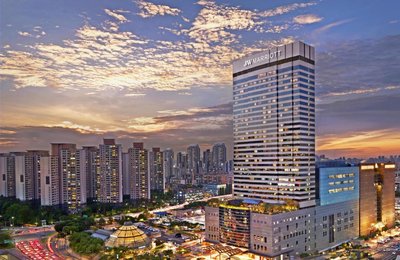
JW Marriott Hotel Seoul
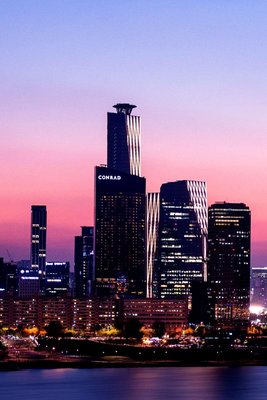
Conrad Seoul
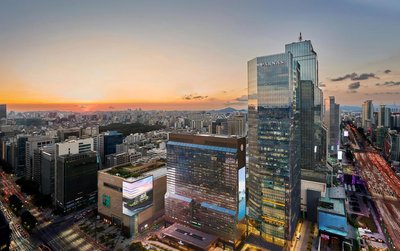
Grand InterContinental Seoul Parnas
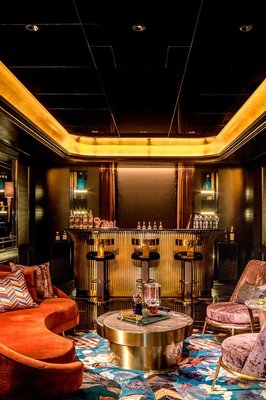
Art Paradiso, Paradise City
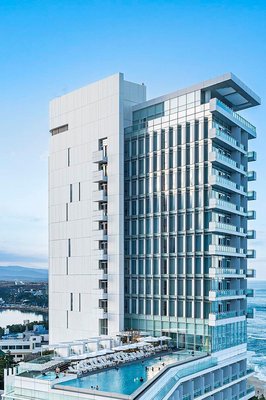
Seamarq Hotel
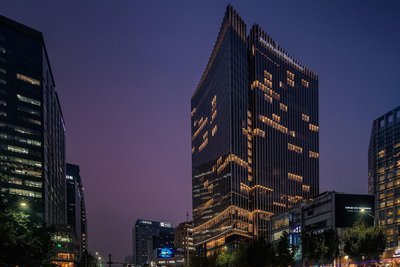
Four Seasons Hotel Seoul
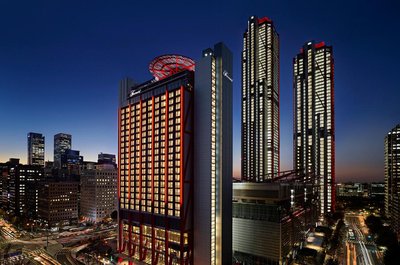
Fairmont Ambassador Seoul
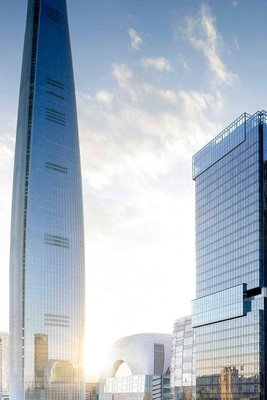
Sofitel Ambassador Seoul Hotel & Serviced Residences
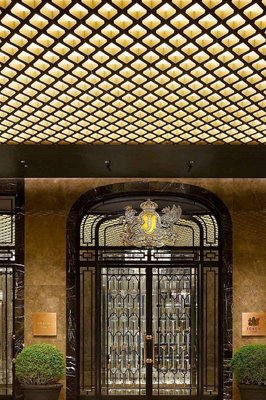
Josun Palace, a Luxury Collection Hotel, Seoul Gangnam
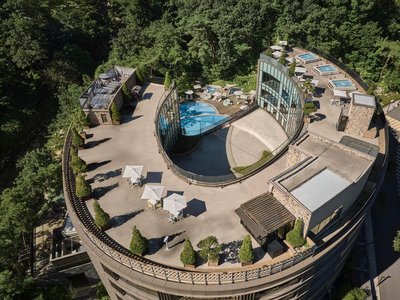
Anto (formerly: Parasara Seoul)
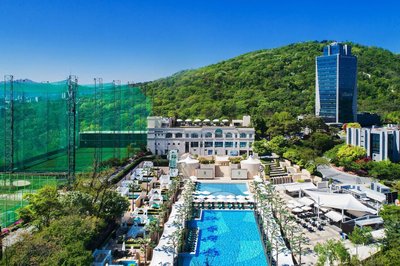
Banyan Tree Club & Spa Seoul
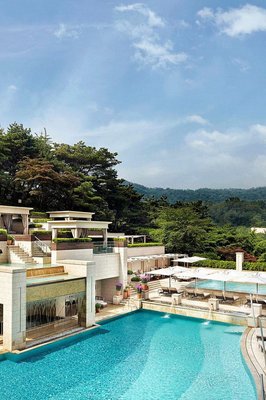
The Shilla Seoul
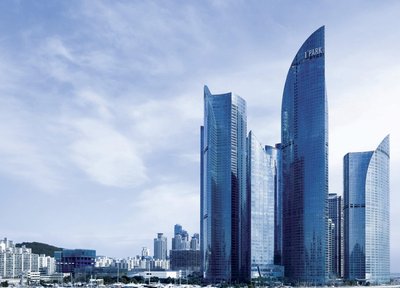
Park Hyatt Busan
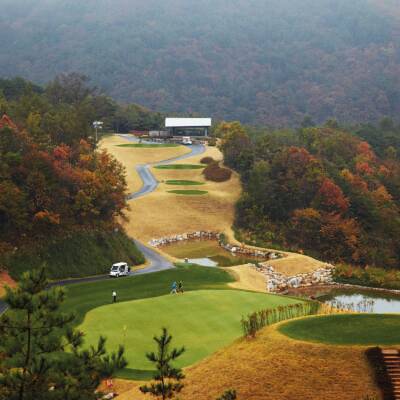
Tops10 Resort Donggang Cistar
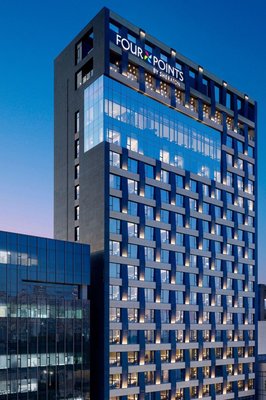
Four Points by Sheraton Suwon
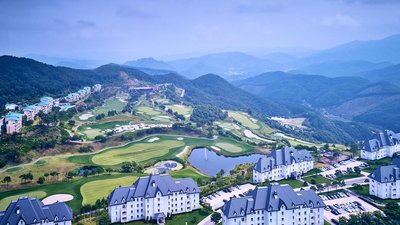
Sonofelice Village Vivaldipark

Arte Resort Spa & Pool Villa
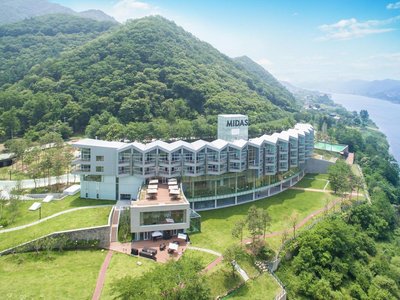
Midas Hotel & Resort
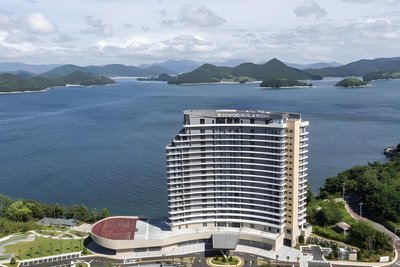
Stanford Hotel&Resort Tongyeong
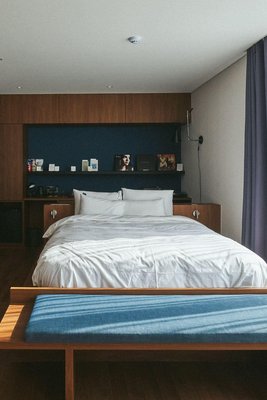
Good Ol' Days Hotel
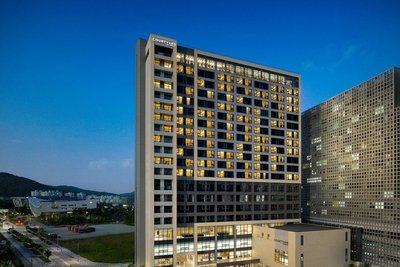
Courtyard Sejong
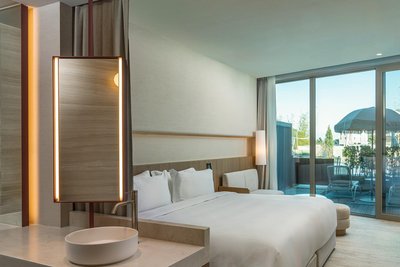
CORALLO
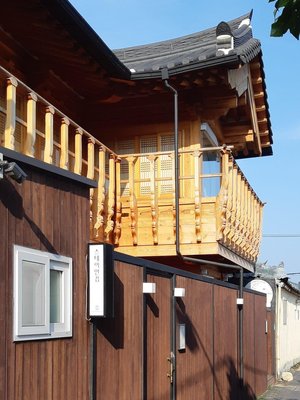
Gyeong-ju Stayangim
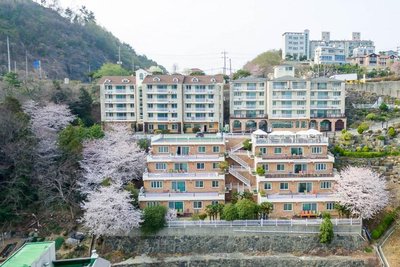
Home Fourest Resort Geoje
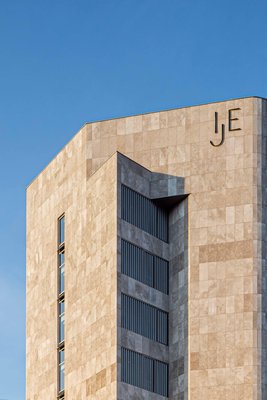
IJE BUSAN
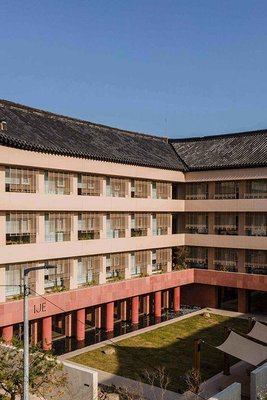
Ije Gyeongju

Tanibay Hotel
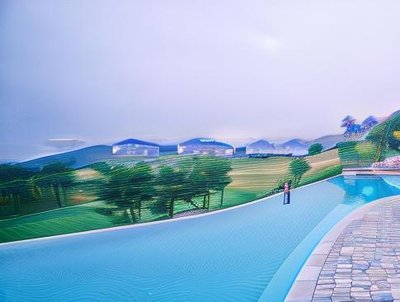
Sono Calm Vivaldi Park
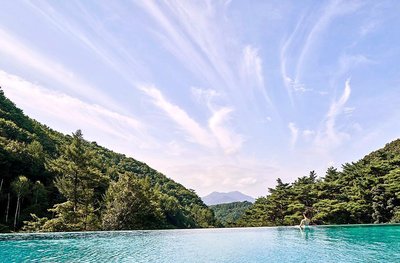
Restree and Forest Resom
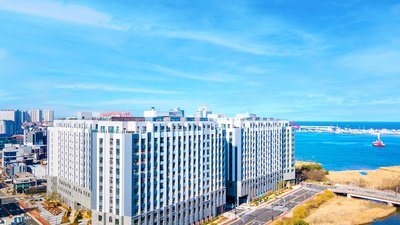
Dominiclava Sokco
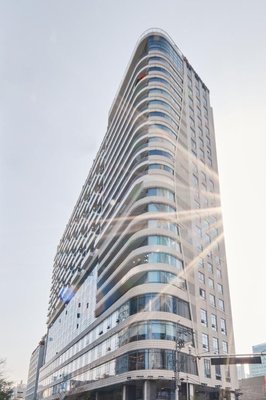
UH Flat Signature Daegu
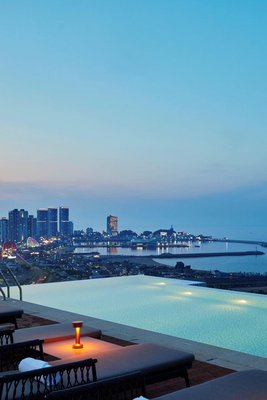
Homm Marina Sokcho
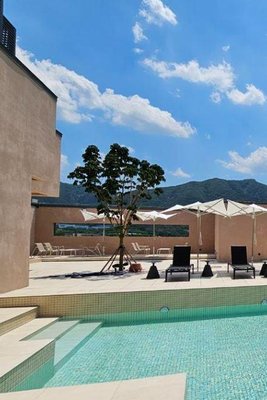
Daegu Suseong the Arco Hotel Lions Park
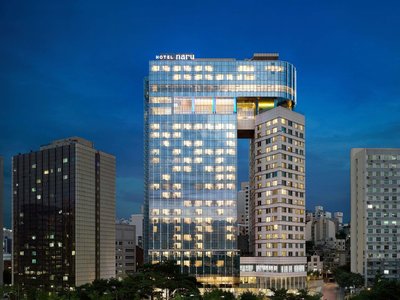
Hotel Naru Seoul - MGallery Collection
Stanford Hotel&Resort Tongyeong
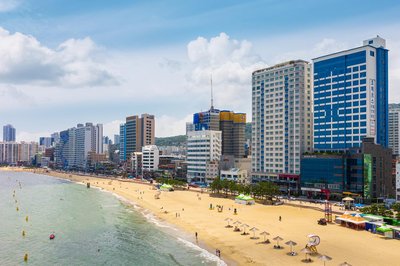
Homers Hotel
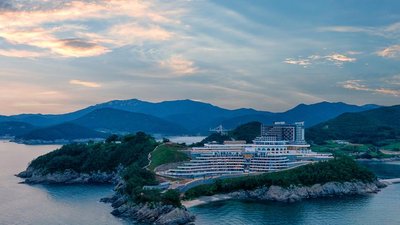
SOL BEACH NAMHAE
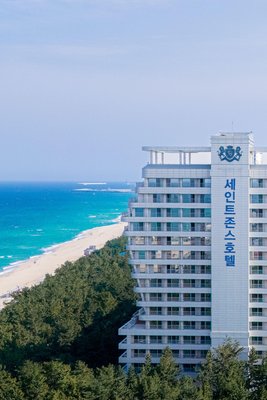
St. John's Hotel
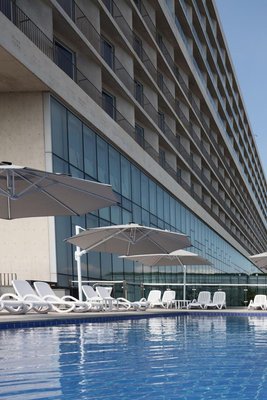
Nest Hotel Incheon
Conrad Seoul
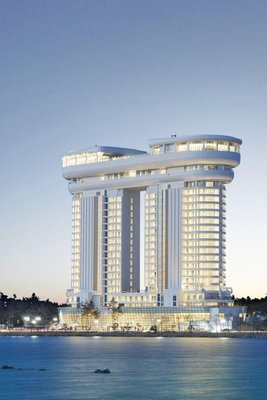
Skybay Hotel Gyeongpo
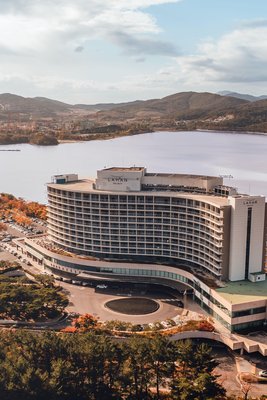
Lahan Select Gyeongju
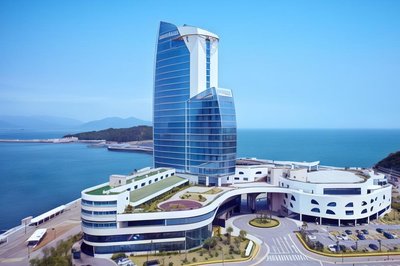
Sono Calm Yeosu
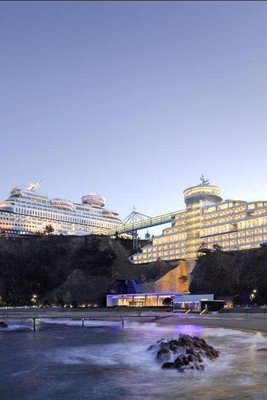
Sun Cruise Resort and Yacht
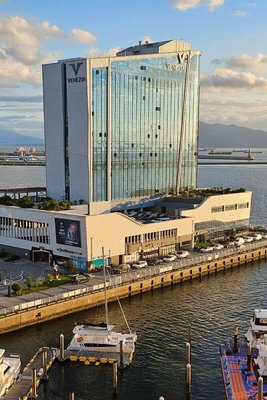
Yeosu Venezia Hotel & Suite
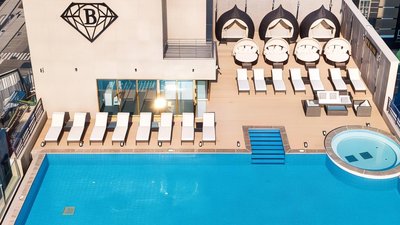
Baymond Hotel
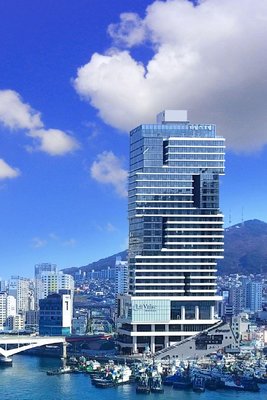
Lavalse Hotel
Seamarq Hotel
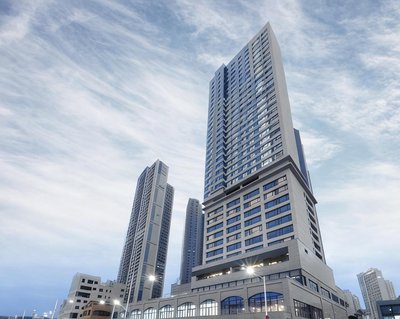
Mercure Ambassador Ulsan
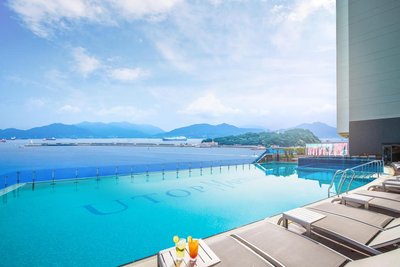
Utop Marina Hotel & Resort
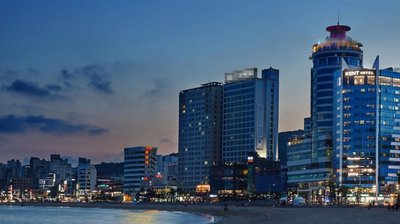
Kent Hotel Gwangalli by Kensington
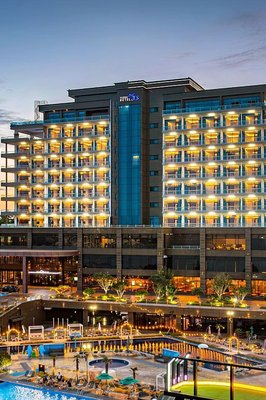
HOTEL JCS YEOSU

Ramada by Wyndham Gangwon Sokcho

INSPIRE Entertainment Resort
Conrad Seoul
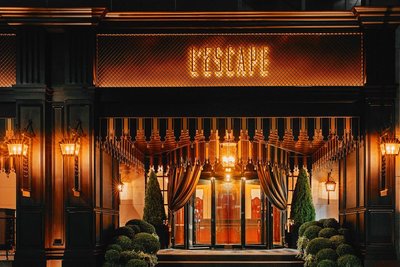
L'Escape Hotel
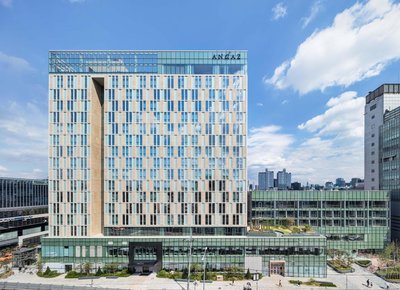
ANDAZ SEOUL GANGNAM, BY HYATT
Fairmont Ambassador Seoul
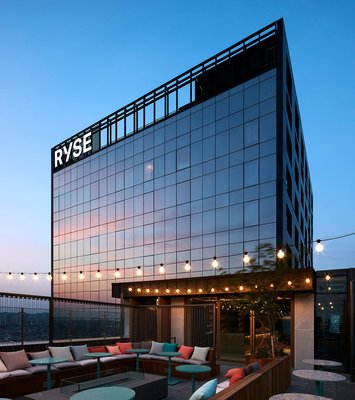
RYSE, Autograph Collection by Marriott
Josun Palace, a Luxury Collection Hotel, Seoul Gangnam
Anto (formerly: Parasara Seoul)
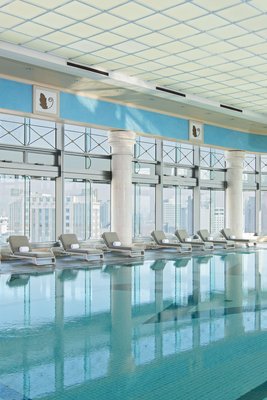
The Plaza Seoul, Autograph Collection
Banyan Tree Club & Spa Seoul
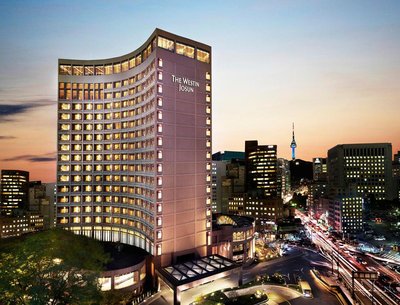
The Westin Josun Seoul
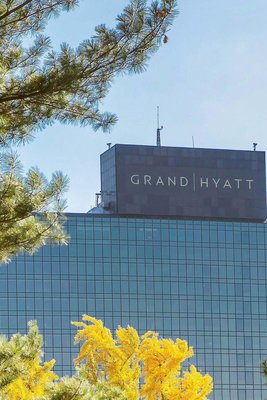
Grand Hyatt Seoul
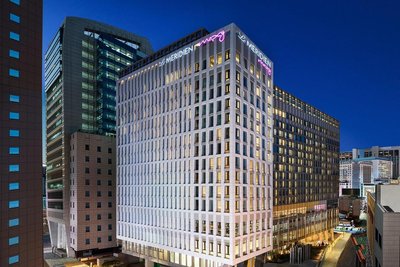
Le Méridien Seoul, Myeongdong
Hotel Naru Seoul - MGallery Collection
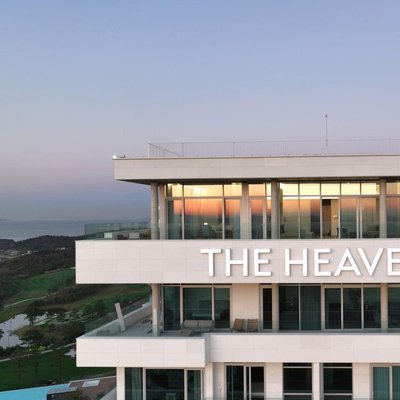
The Heaven Resort
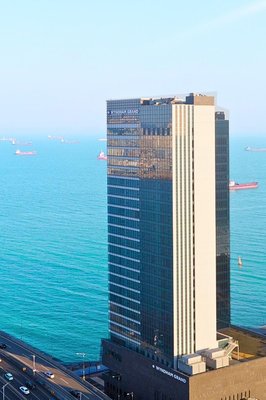
Wyndham Grand Busan Ijin
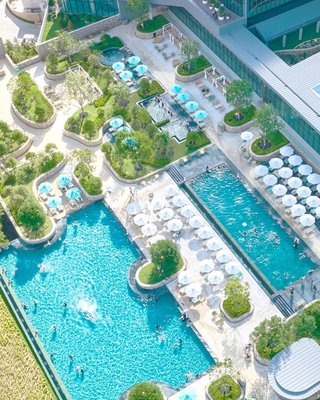
Ananti at Busan Village
INSPIRE Entertainment Resort
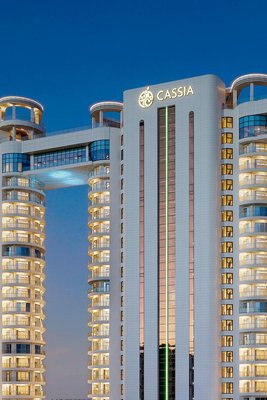
Cassia Sokcho
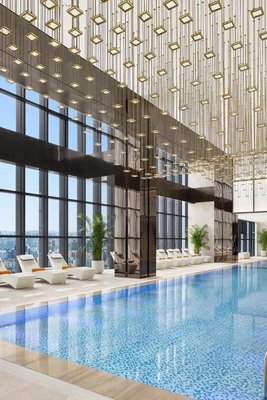
Pullman Ambassador Seoul Eastpole
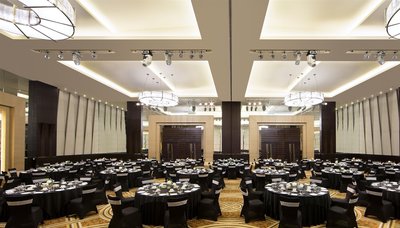
Sheraton Grand Incheon Hotel
St. John's Hotel
Nest Hotel Incheon
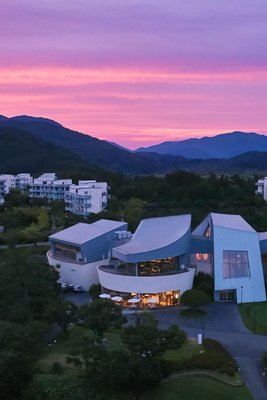
Ananti at Namhae
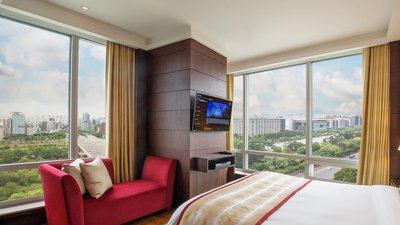
Yeouido Park Centre, Seoul - Marriott Executive Apartments
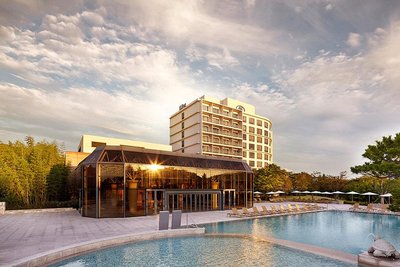
Hilton Gyeongju
Skybay Hotel Gyeongpo
Lahan Select Gyeongju
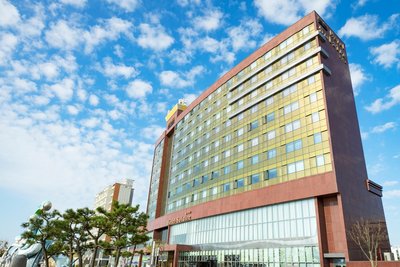
Hotel Solaire
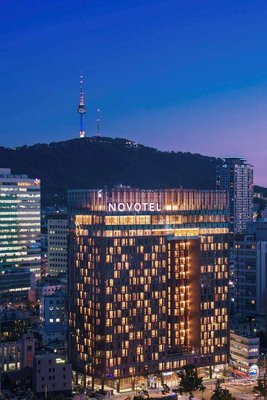
Novotel Ambassador Seoul Dongdaemun Hotels & Residences
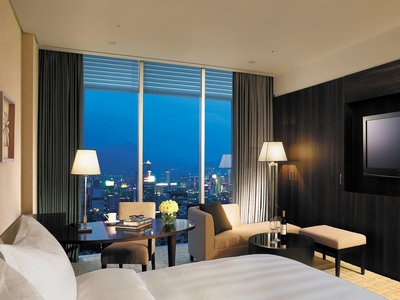
Ramada Plaza by Wyndham Gwangju
Sono Calm Yeosu
INSPIRE Entertainment Resort
L'Escape Hotel
Lavalse Hotel
Four Seasons Hotel Seoul
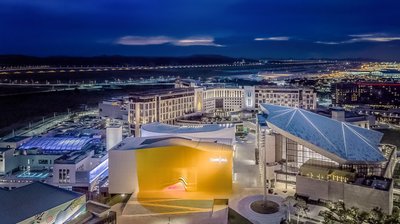
Paradise City
Josun Palace, a Luxury Collection Hotel, Seoul Gangnam

JW Marriott Dongdaemun Square Seoul
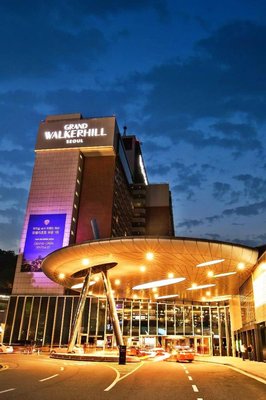
Grand Walkerhill Seoul
The Shilla Seoul
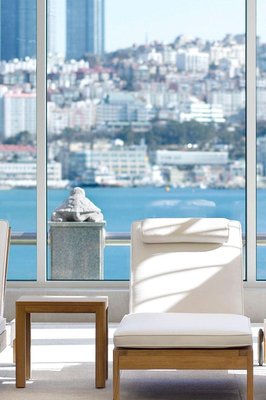
The Westin Josun Busan
Park Hyatt Busan
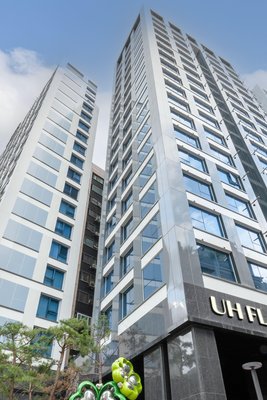
UH FLAT THE SEOCHO
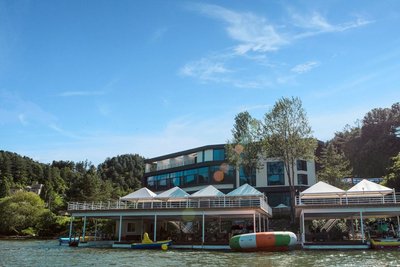
SS Resort
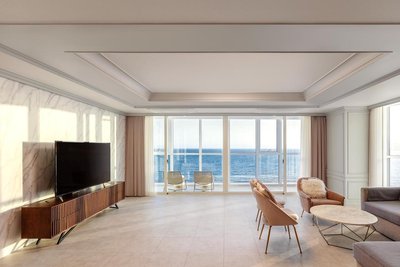
Palede cz Condor Busan
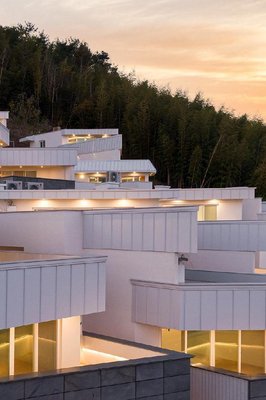
Ocean terra
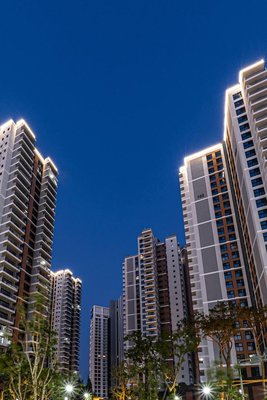
Le Collective Busan Gijang
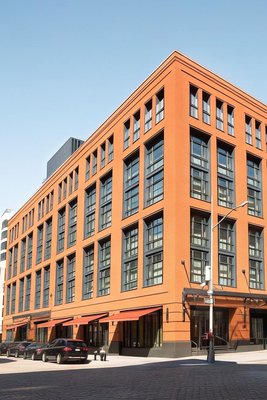
Hotel Barrière Fouquet's New York
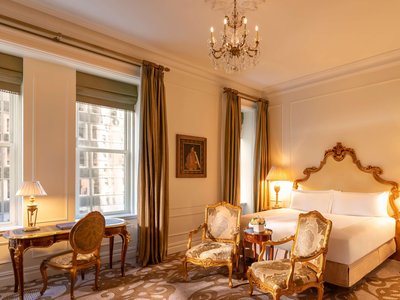
The Plaza - A Fairmont Managed Hotel
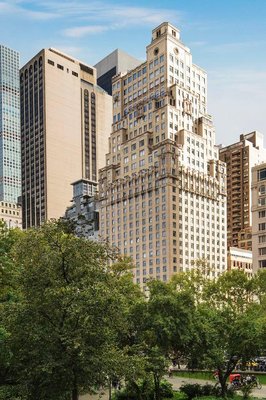
The Ritz-Carlton New York, Central Park
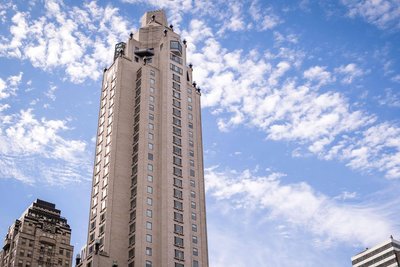
Four Seasons Hotel New York
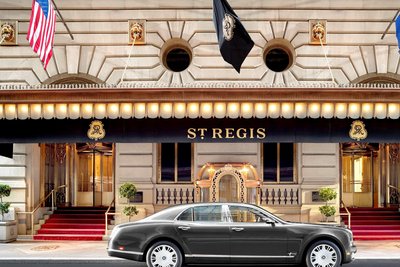
The St. Regis New York
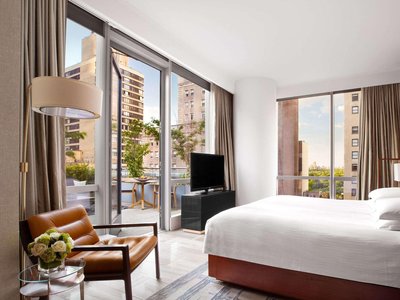
Park Hyatt New York
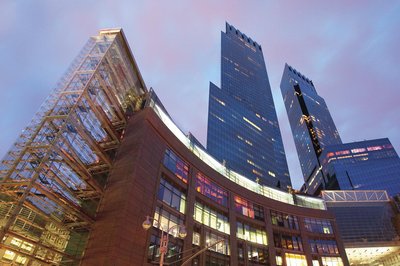
Mandarin Oriental New York
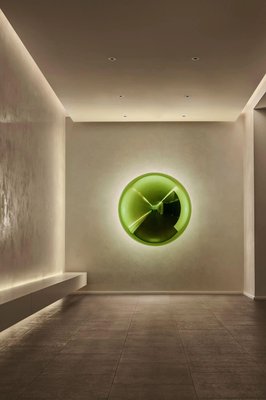
Times Square Edition New York

Loews Regency New York Hotel
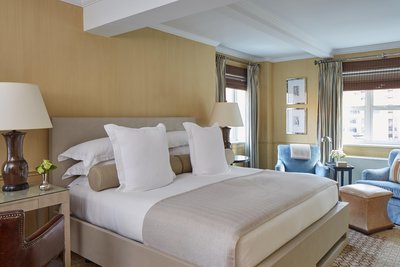
Lowell Hotel
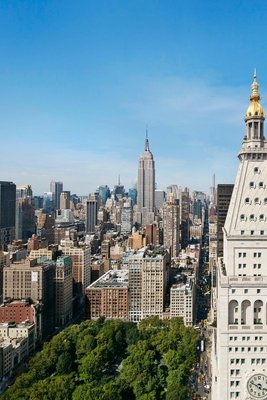
New York Edition
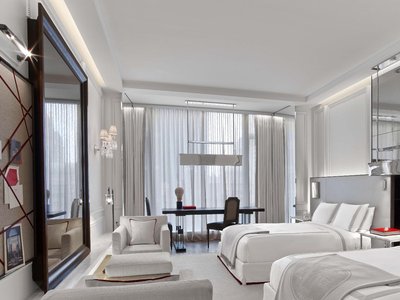
Baccarat Hotel New York
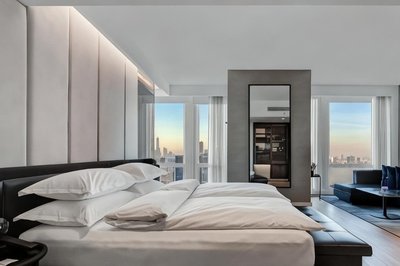
Equinox Hotel New York
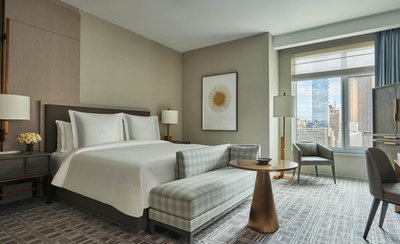
Four Seasons Hotel New York Downtown
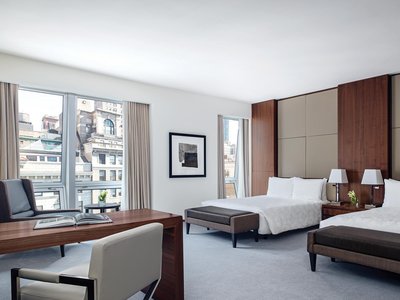
The Langham, New York, Fifth Avenue

The Carlyle, A Rosewood Hotel

The Chatwal, in the Unbound Collection by Hyatt
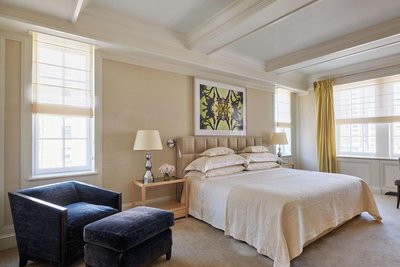
The Mark New York
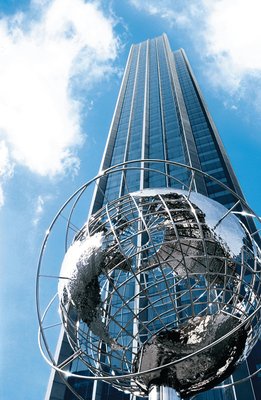
Trump International Hotel & Tower® New York
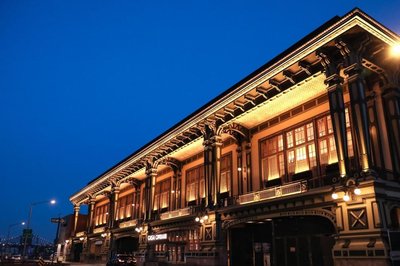
Casa Cipriani New York
Frequently Asked Questions about Traveling to Seongju-gun
Questions You Might Need to Know About Traveling to Seongju-gun
In Seongju-gun, the standout choice is Seongju Hanok Guesthouse, a beautifully restored traditional Korean house with wooden beams, tatami floors, and stone courtyards. It offers authentic hanok-style rooms with modern comforts, including heated floors and private gardens. Guests can enjoy Korean tea ceremonies and handmade paper workshops on-site. Located near Seongju Temple and the Seongju River, it blends cultural immersion with serene natural surroundings. Perfect for travelers seeking heritage charm and quiet retreats.
The most peaceful area for overnight stays in Seongju-gun is the Seongju River Valley region, nestled between mountains and lush forests. This tranquil zone features eco-lodges and small-scale resorts like Seongju Nature Retreat, which offer minimal light pollution and access to hiking trails. The area is ideal for stargazing, early morning meditation, and reconnecting with nature. With limited commercial development, it maintains a deep sense of calm—perfect for digital detox or romantic getaways.
Visitors to Seongju-gun can participate in traditional Korean paper-making (Hanji) at the Seongju Hanji Workshop, where they craft handmade paper using age-old techniques. They can also attend the Seongju Ritual Festival, held annually in March, featuring ancestral rites, folk dances, and local cuisine. Another highlight is the tea ceremony experience in a historic garden setting, offering insight into Korea’s spiritual traditions. These immersive activities provide deep cultural connection beyond sightseeing.
Yes, Seongju Family Resort is a top-rated family-friendly hotel in Seongju-gun, designed specifically for multi-generational travel. It features spacious family suites, an outdoor playground, a farm-to-table kitchen garden, and guided nature scavenger hunts. Children can feed goats, plant vegetables, and learn about local farming. The resort also hosts evening storytelling sessions and campfire gatherings. Located just 10 minutes from Seongju Ecological Park, it’s ideal for families seeking fun, education, and relaxation in a safe, green environment.
Seongju Hot Spring Resort stands out as the premier wellness destination in Seongju-gun, featuring natural sulfur-rich thermal baths with temperatures around 42°C. The resort includes indoor and outdoor pools, a full-service spa with herbal treatments, and a sauna complex. Guests can enjoy a nighttime soak under the stars, surrounded by mountain silence. Each room has a private outdoor onsen terrace, blending luxury with nature. The mineral-rich waters are known for relieving joint pain and improving circulation—ideal for holistic recovery.
In Seongju-gun, must-try dishes include Seongju Spicy Chicken Stir-fry, made with free-range local chicken and fiery gochujang paste. Another highlight is Mountain Vegetables Hot Pot, featuring wild greens harvested seasonally. Don’t miss Songpyeon rice cakes and soybean sprout pancakes at the Seongju Market stalls. Many guesthouses serve home-cooked meals using ingredients from their own gardens, offering a true taste of rural Korean hospitality. Pair them with locally brewed barley tea for a complete culinary journey.
Absolutely. Seongju-gun offers excellent hiking opportunities, especially along the Seongju River Trail, a 6-kilometer scenic path with waterfalls, stone bridges, and dense woodland. For more advanced trekkers, the Gangwon Mountain Ridge Path provides panoramic views and rare birdwatching spots. Early mornings are ideal for hiking due to cooler temperatures and fewer crowds. Trails are well-marked, with rest stops and picnic areas. Bring sturdy footwear and a hydration pack—this region is perfect for those seeking adventure and natural serenity.
The best time to visit Seongju-gun for festivals is during March–April for the Seongju Cherry Blossom Festival, when the riverbanks bloom in pink. In October–November, the Autumn Red Leaf Festival transforms the hillsides into a fiery tapestry, with photography contests and lantern displays. The annual Traditional Farming Culture Festival celebrates ancient agricultural practices with demonstrations and hands-on workshops. These events attract both locals and tourists, offering rich cultural experiences and vibrant community spirit.
Guesthouses in Seongju-gun stand out for their authentic hanok architecture—wooden frames, thatched roofs, and stone foundations—restored with modern amenities. Seongju Mountain House offers tatami rooms with open-air courtyards, while others feature rooftop gardens and fireplaces. Many host owners share personal stories and local recipes, creating warm, intimate stays. Some even provide farm-to-table breakfasts using eggs and produce from on-site gardens. These experiences deliver genuine cultural exchange beyond standard hotel service.
Photographers should head to Seongju River Overlook Guesthouse, whose rooftop terrace offers unobstructed views of the winding river and misty mountains—ideal for sunrise shots. The backside of Seongju Temple at golden hour provides stunning silhouettes against the sky. For winter, Snow-Covered Bamboo Grove near the valley entrance creates ethereal, minimalist compositions. Bring a telephoto lens for wildlife shots of deer and birds. The low population density ensures peaceful, candid moments—perfect for capturing the soul of rural Korea.
Seongju-gun Overview
City Summary
Seongju County, located in Gyeongsangbuk-do, South Korea, is a small town that blends tradition and natural beauty. Known for its clean air and tranquil rural scenery, it is rich in agricultural resources, especially chili peppers and apples. The traditional hanok villages and Buddhist temples in Seongju showcase deep cultural heritage, while the nearby Sobaek Mountains offer excellent opportunities for nature exploration.
Must-See Attractions
Main attractions include Seongju Hanok Village, which preserves traditional Korean architecture and lifestyle; Gayasan Borimsa Temple, a historic Buddhist temple with a serene environment; and Sobaek Mountain National Park, ideal for hiking and enjoying the changing seasons. Additionally, the Seongju Chili Pepper Market is a great place to experience local agricultural culture.
Food Guide
Seongju is famous for its chili peppers and apples. Recommended dishes include spicy chili pepper bibimbap and apple pie. Traditional Korean barbecue and kimchi are also must-tries, with unique flavors. Street food like spicy rice cakes and Korean pancakes are also worth sampling.
Transportation Guide
Public transportation in Seongju is primarily bus-based, with several routes connecting major attractions. Long-distance buses from Daegu or Busan take about 1-2 hours to reach Seongju. Local taxis are reasonably priced but should be booked in advance. Self-driving is another good option for exploring the surrounding areas more flexibly.
Best Time to Visit
The best times to visit are spring (April-June) and autumn (September-November), when the weather is pleasant for outdoor activities. Summers can be hot, and winters cold, but each season offers its own charm.
Travel Tips
- Respect local culture; remove shoes and stay quiet when entering temples.
- The chili pepper market is liveliest in the morning, so it's best to go early.
- Bring enough water and sun protection when hiking.
- Learn basic Korean greetings to facilitate communication with locals.
- Cash is more commonly used in small shops and markets, so carry enough Korean won.
- Be prepared for weather changes, as mountain areas can be colder.
Useful Information
Korean is the primary language, and English may be limited in tourist areas. Network coverage is good, with free Wi-Fi available in most cafes and hotels. Payment methods are primarily cash-based, though some businesses accept credit cards. For emergencies, dial 112 (police) or 119 (ambulance). Pharmacies and medical facilities are concentrated in the city center, so it's advisable to bring essential medications.
Other Cities You Might Like
Explore more amazing destinations