Hotels in Seoul
Discover your perfect stay in Seoul.
Seoul(South Korea) Travel 2026: Cheap Flights, Hotels & Top Attractions
Popular Landmarks in Seoul
Discover the most iconic attractions in Seoul
Recommended Hotels in Seoul
Find the perfect place to stay in Seoul
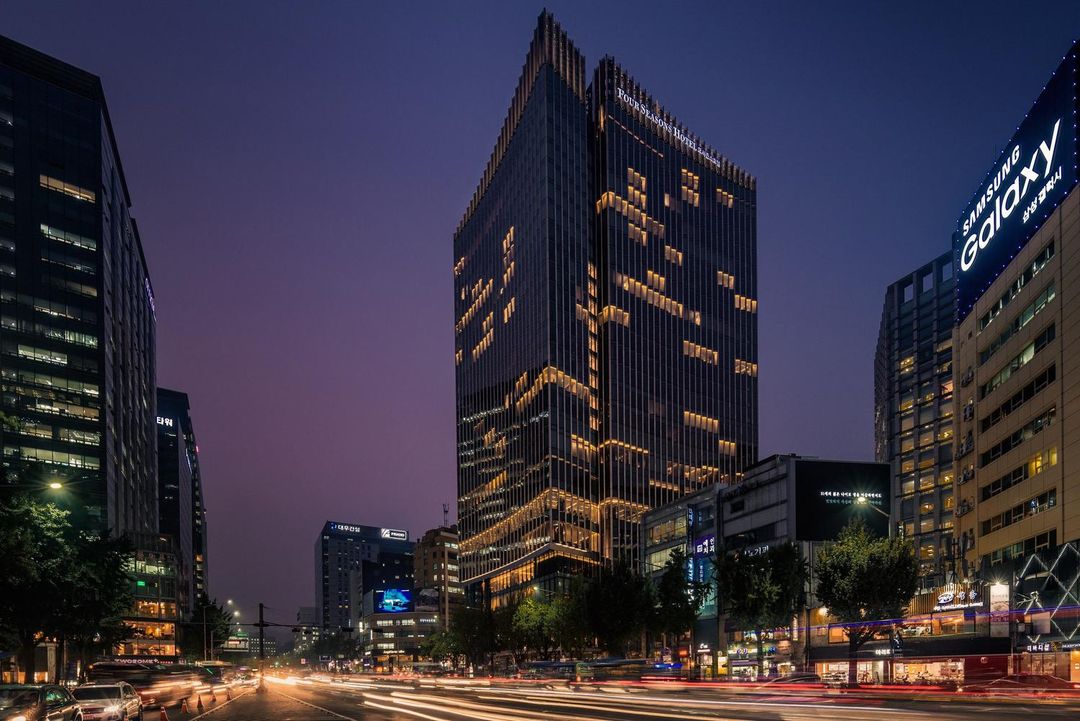
Four Seasons Hotel Seoul
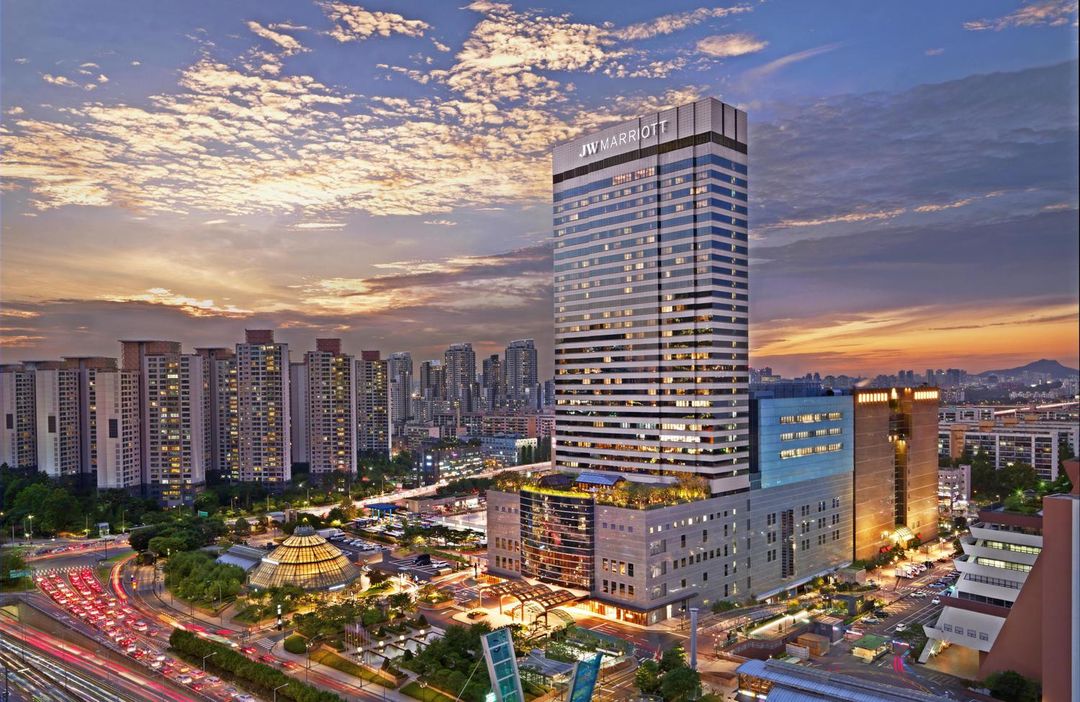
JW Marriott Hotel Seoul
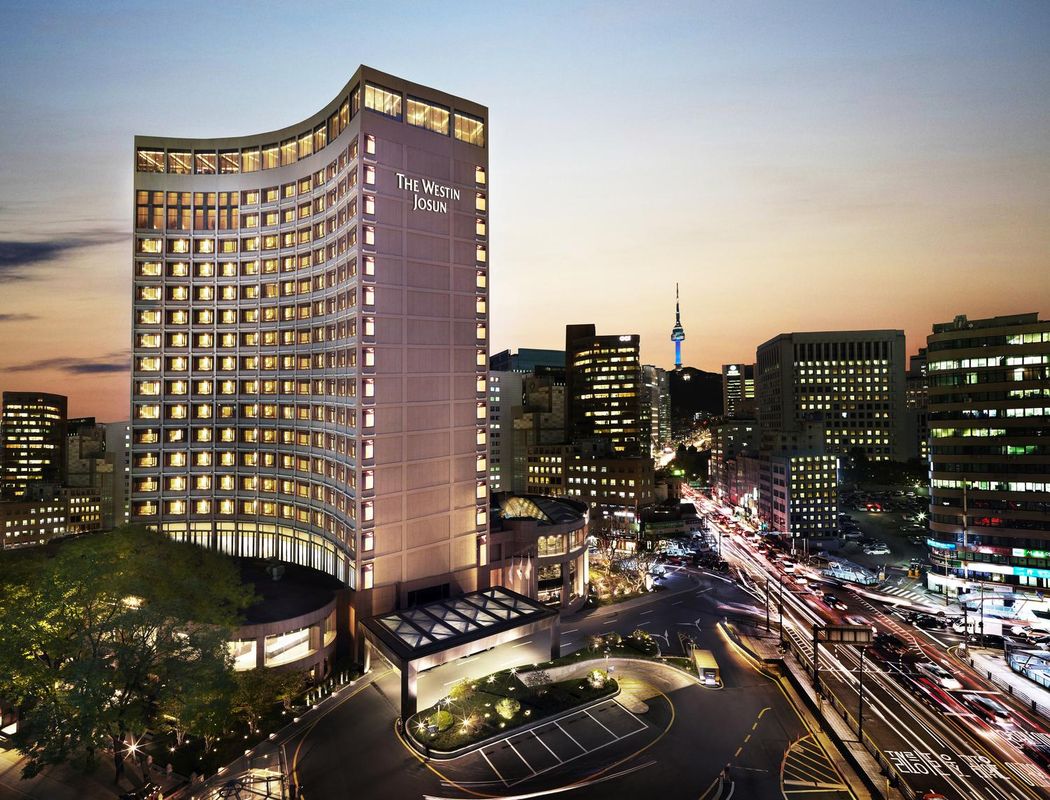
The Westin Josun Seoul
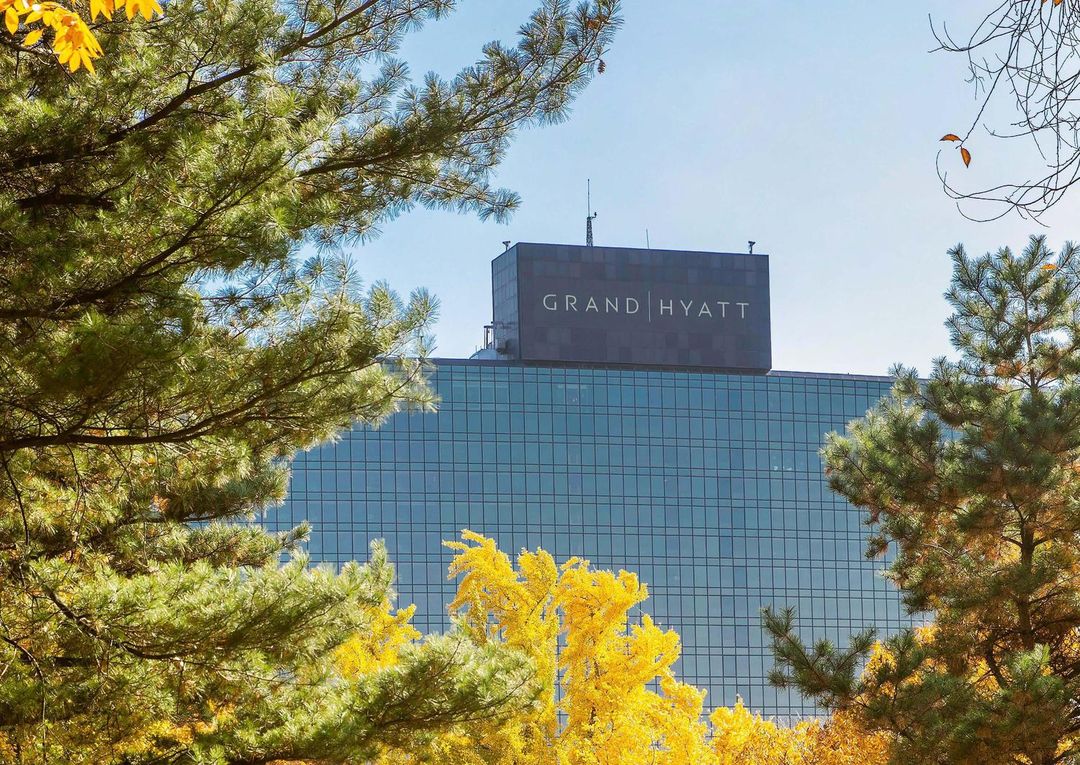
Grand Hyatt Seoul
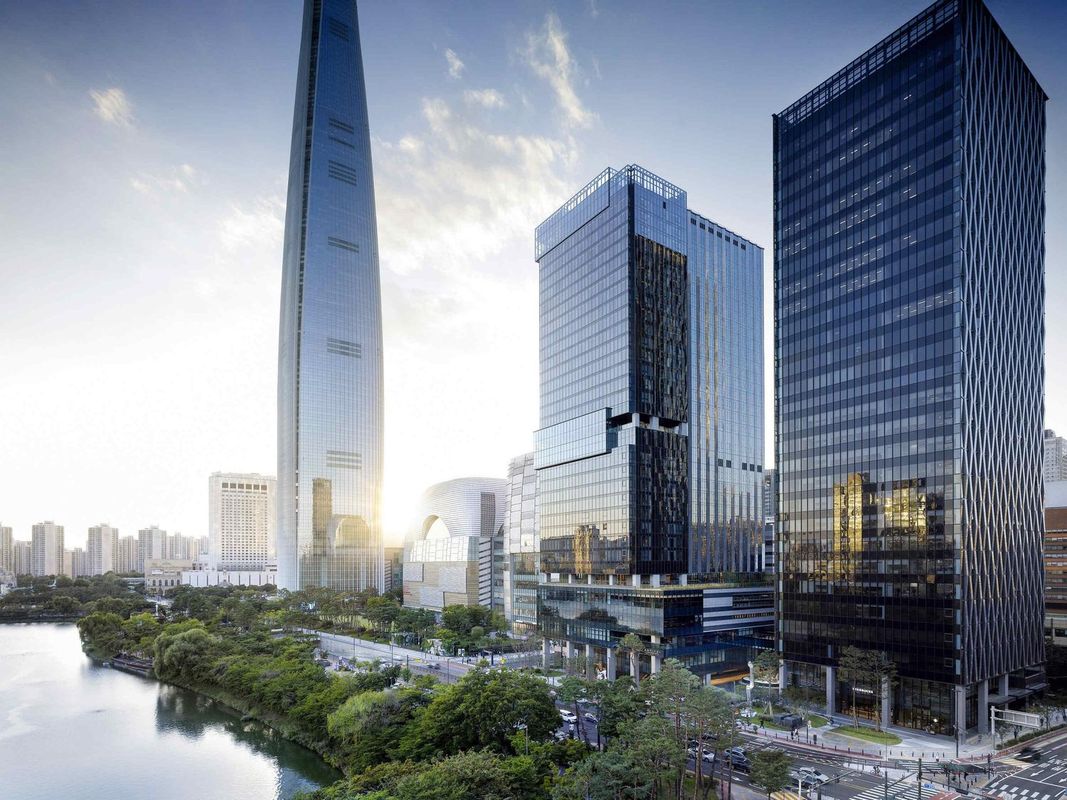
Sofitel Ambassador Seoul Hotel & Serviced Residences
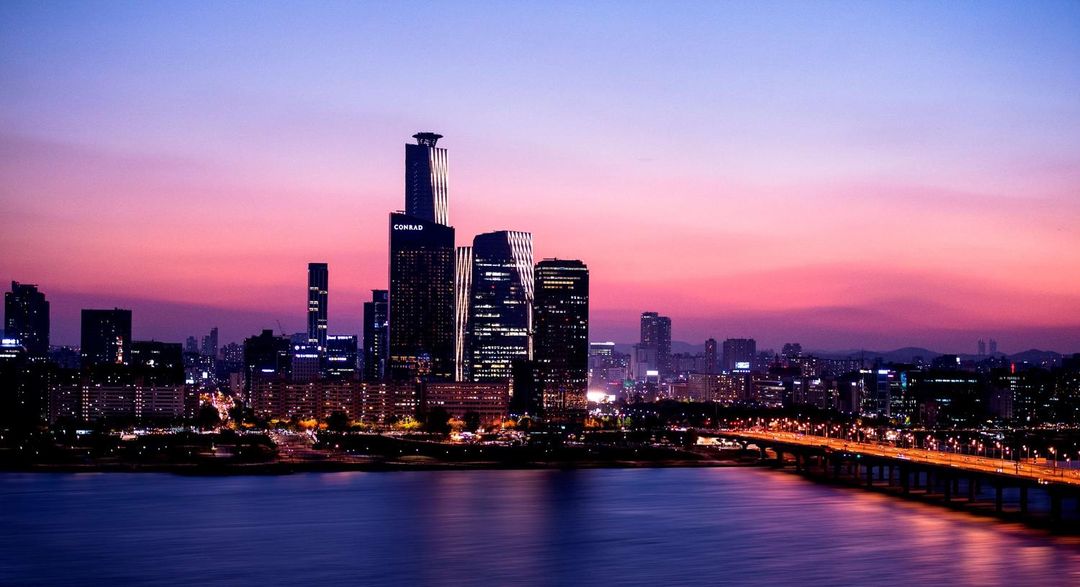
Conrad Seoul
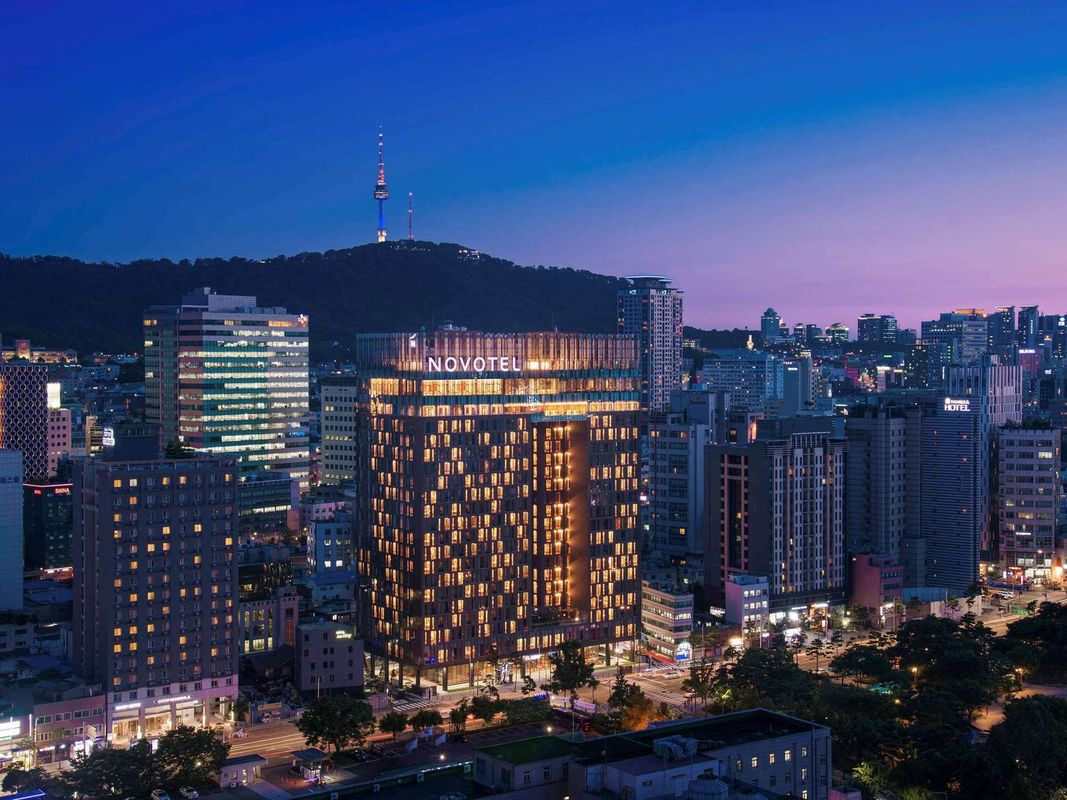
Novotel Ambassador Seoul Dongdaemun Hotels & Residences
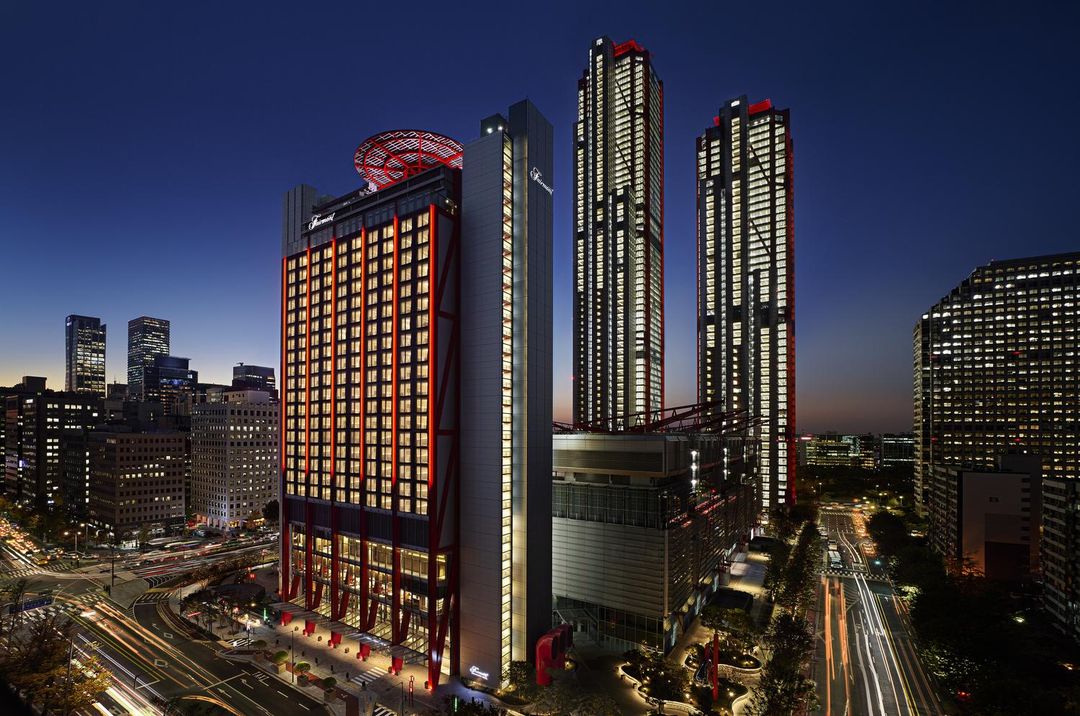
Fairmont Ambassador Seoul
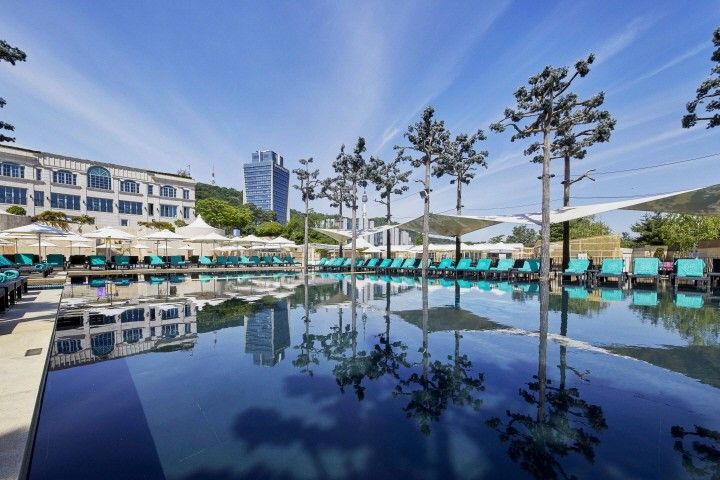
Banyan Tree Club & Spa Seoul
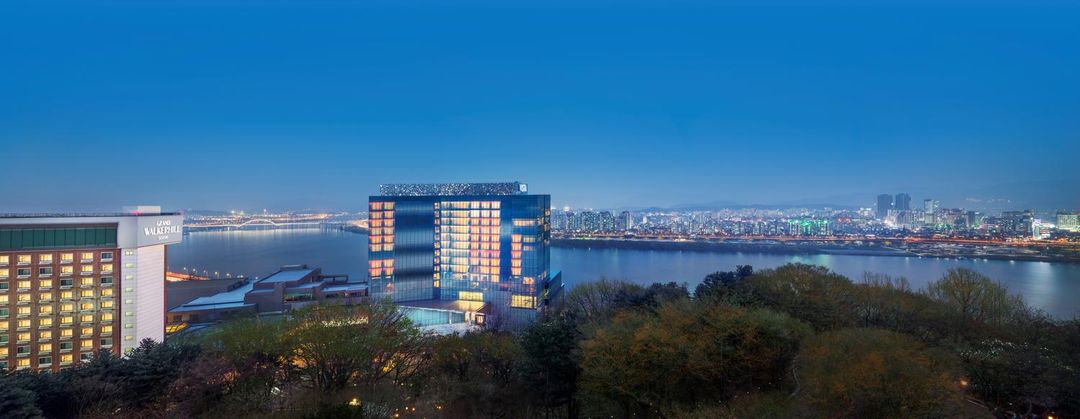
Vista Walkerhill Seoul - Formerly W Seoul
Best Hotels in Seoul
Discover curated hotel collections in Seoul
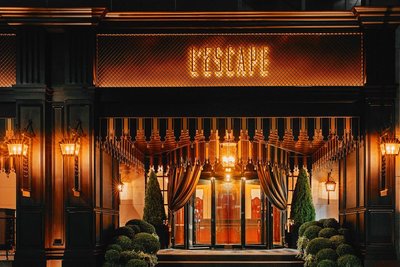
L'Escape Hotel
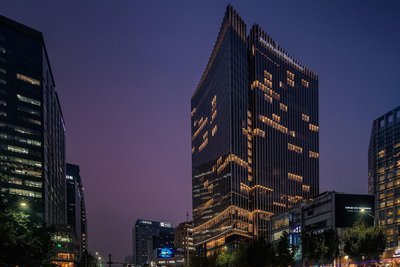
Four Seasons Hotel Seoul
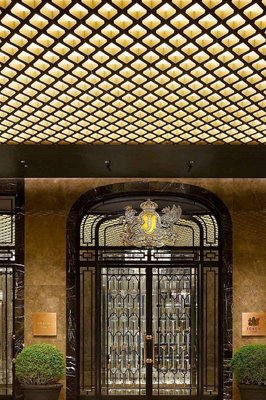
Josun Palace, a Luxury Collection Hotel, Seoul Gangnam
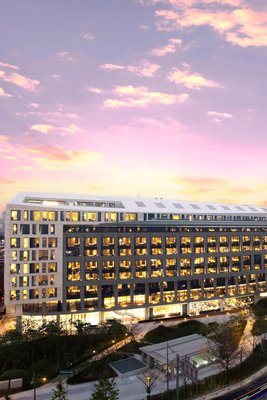
JW Marriott Dongdaemun Square Seoul
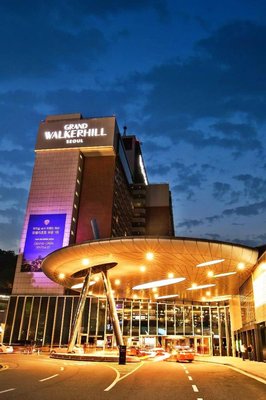
Grand Walkerhill Seoul
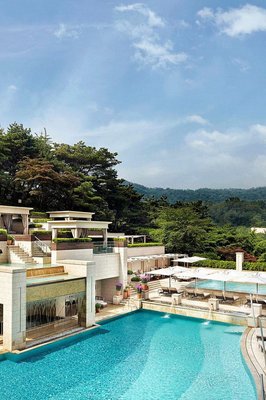
The Shilla Seoul
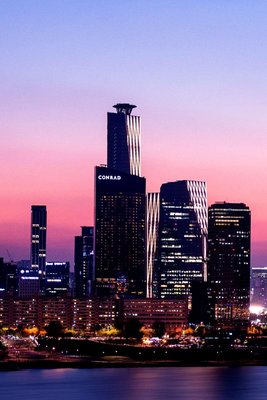
Conrad Seoul
L'Escape Hotel
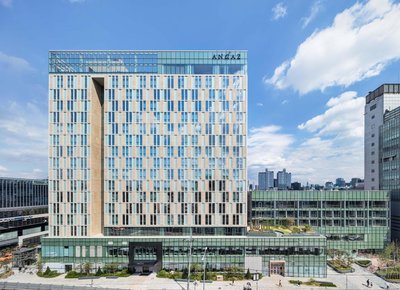
ANDAZ SEOUL GANGNAM, BY HYATT
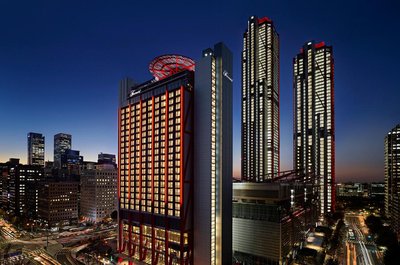
Fairmont Ambassador Seoul
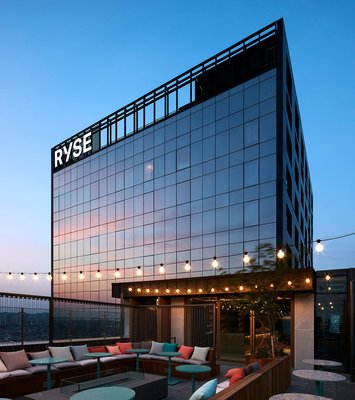
RYSE, Autograph Collection by Marriott
Josun Palace, a Luxury Collection Hotel, Seoul Gangnam
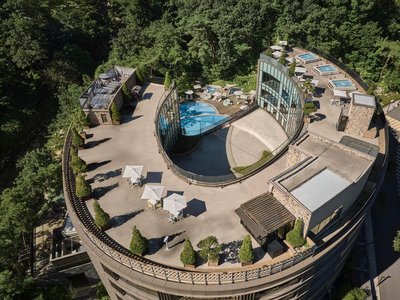
Anto (formerly: Parasara Seoul)
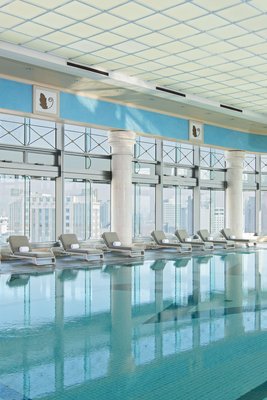
The Plaza Seoul, Autograph Collection
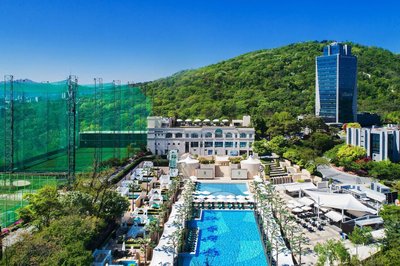
Banyan Tree Club & Spa Seoul
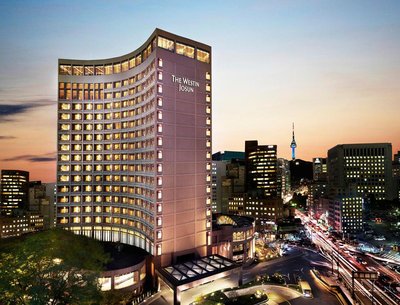
The Westin Josun Seoul
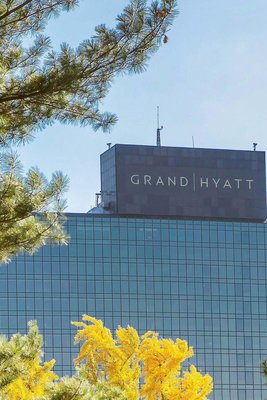
Grand Hyatt Seoul
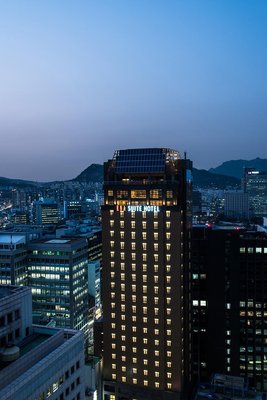
ENA Suite Hotel Namdaemun
L'Escape Hotel
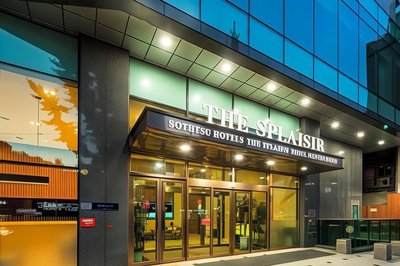
SOTETSU HOTELS THE SPLAISIR SEOUL DONGDAEMUN
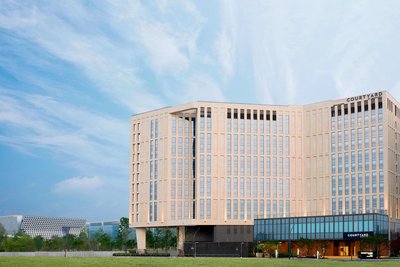
Courtyard by Marriott Seoul Botanic Park
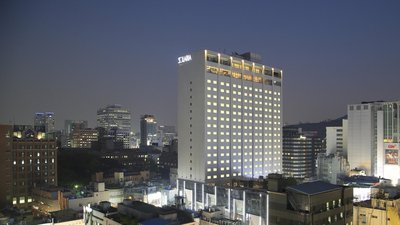
Solaria Nishitetsu Hotel Seoul Myeongdong
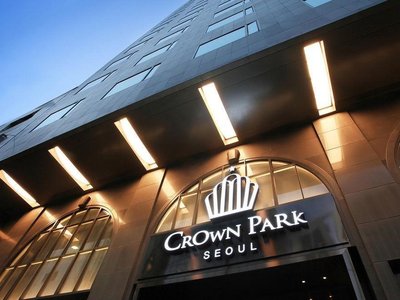
Crown Park Hotel Myeongdong Seoul
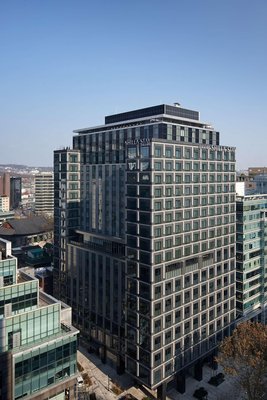
Shilla Stay Gwanghwamun (Myeongdong)
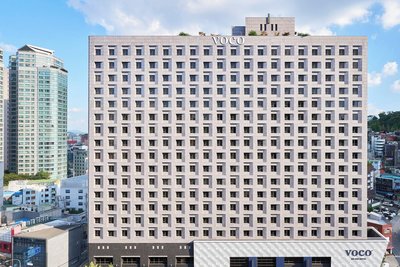
voco Seoul Myeongdong
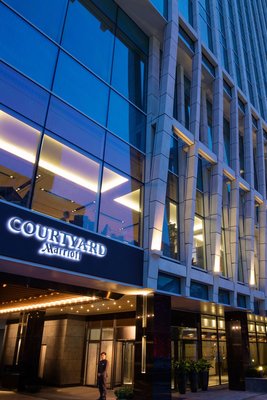
Courtyard by Marriott Seoul Namdaemun
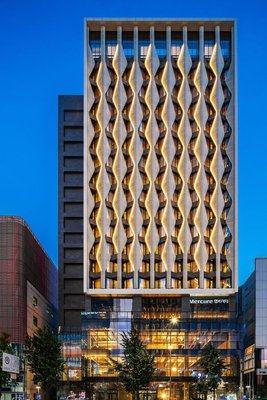
Mercure Ambassador Seoul Hongdae
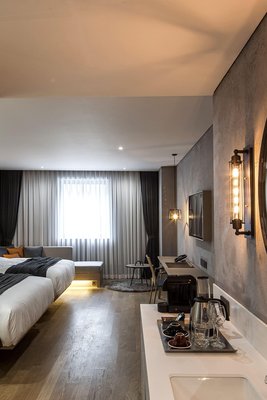
Hotel28 Myeongdong
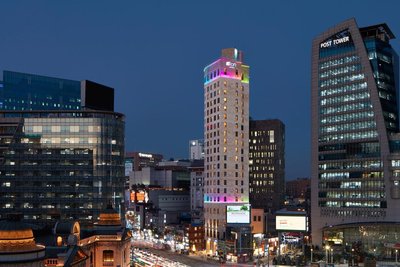
Aloft Seoul Myeongdong
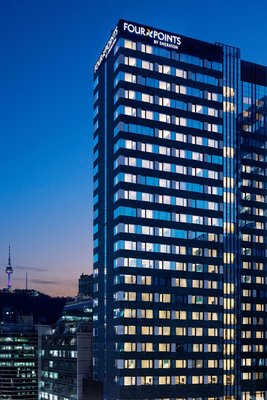
Four Points by Sheraton Josun, Seoul Myeongdong
RYSE, Autograph Collection by Marriott
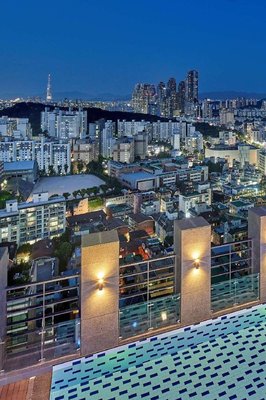
Hilton Garden Inn Seoul Gangnam
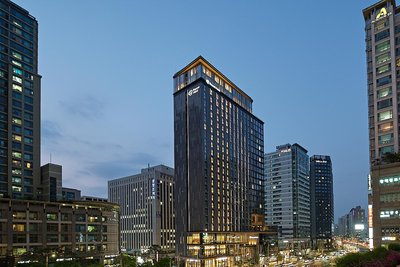
Roynet Hotel Seoul Mapo
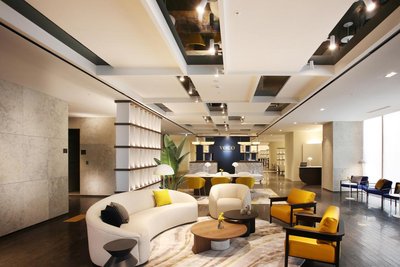
voco Seoul Gangnam by IHG
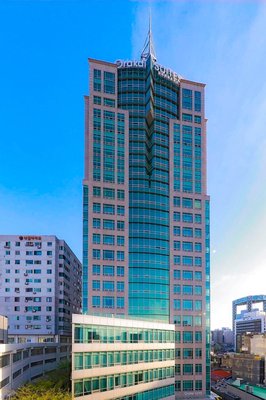
Orakai Insadong Suites
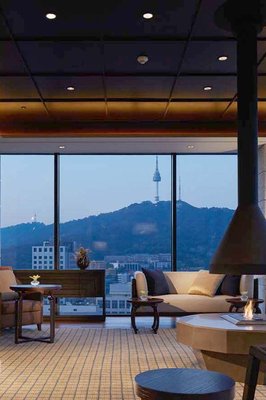
Royal Hotel Seoul
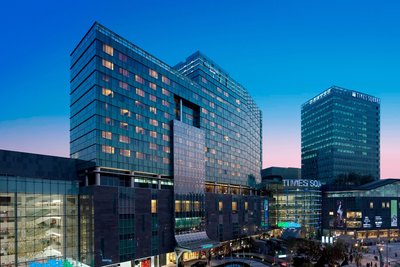
Courtyard by Marriott Seoul Times Square
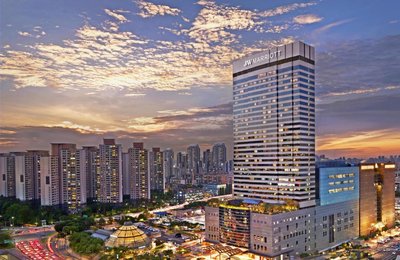
JW Marriott Hotel Seoul
Conrad Seoul
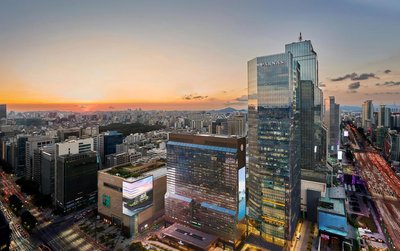
Grand InterContinental Seoul Parnas
Four Seasons Hotel Seoul
Fairmont Ambassador Seoul
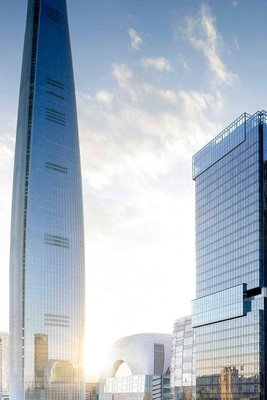
Sofitel Ambassador Seoul Hotel & Serviced Residences
Josun Palace, a Luxury Collection Hotel, Seoul Gangnam
Anto (formerly: Parasara Seoul)
Banyan Tree Club & Spa Seoul
The Shilla Seoul
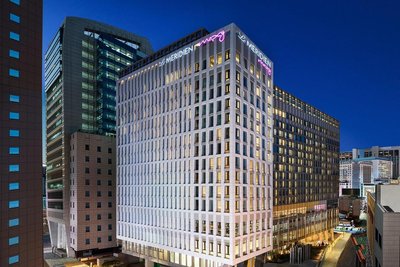
Le Méridien Seoul, Myeongdong
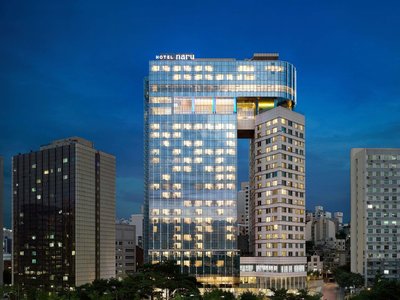
Hotel Naru Seoul - MGallery Collection
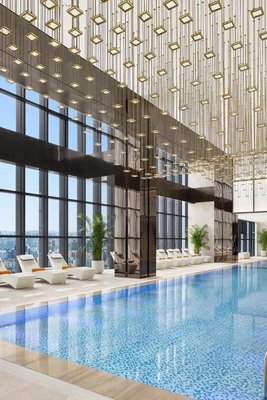
Pullman Ambassador Seoul Eastpole
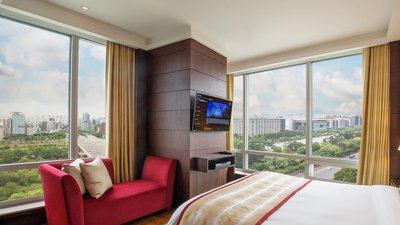
Yeouido Park Centre, Seoul - Marriott Executive Apartments
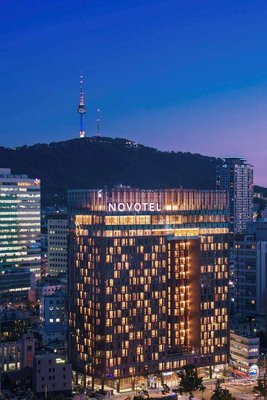
Novotel Ambassador Seoul Dongdaemun Hotels & Residences
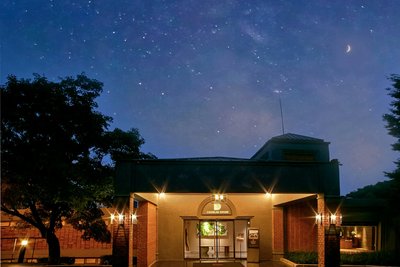
Walkerhill Douglas House
ANDAZ SEOUL GANGNAM, BY HYATT
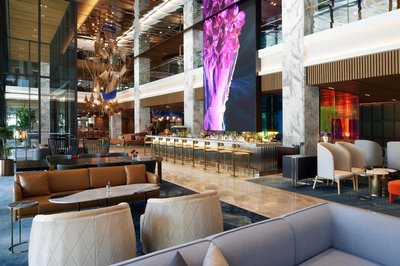
Mondrian Seoul Itaewon
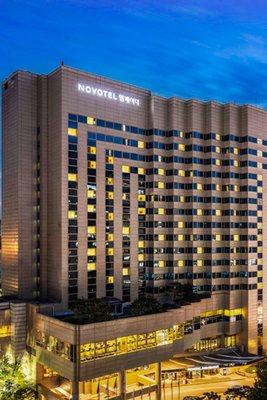
Novotel Ambassador Seoul Gangnam
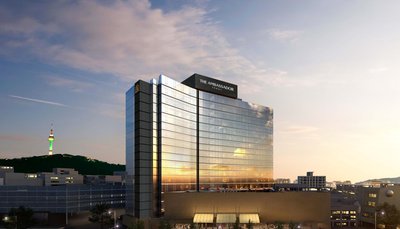
The Ambassador Seoul - A Pullman Hotel
JW Marriott Dongdaemun Square Seoul
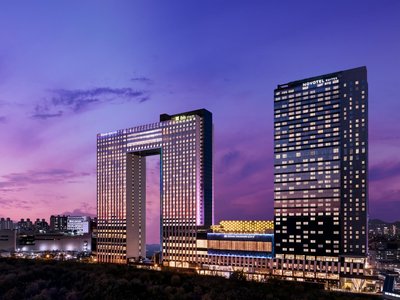
Grand Mercure Ambassador Hotel and Residences Seoul Yongsan
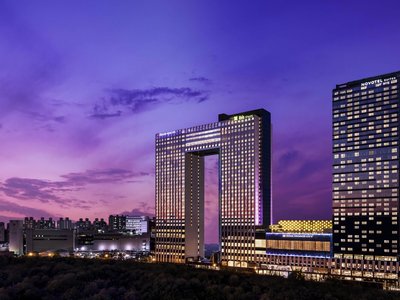
Novotel Suites Ambassador Seoul Yongsan
The Plaza Seoul, Autograph Collection
Grand Walkerhill Seoul
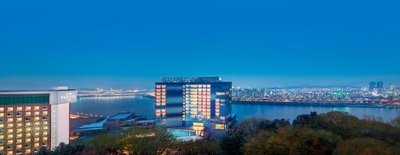
Vista Walkerhill Seoul - Formerly W Seoul
The Westin Josun Seoul
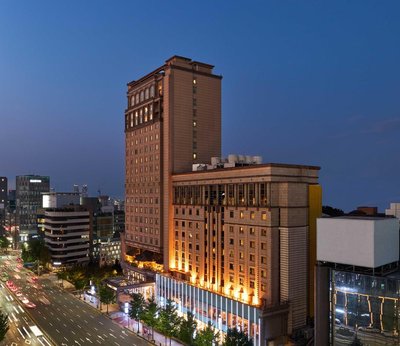
Grand Mercure Imperial Palace Seoul Gangnam
Grand Hyatt Seoul
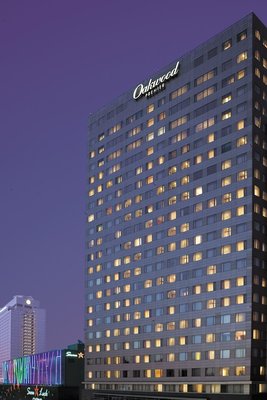
Oakwood Premier Coex Center Seoul
Hotel Naru Seoul - MGallery Collection
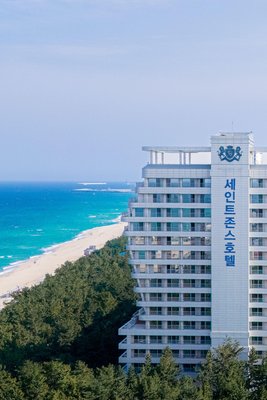
St. John's Hotel
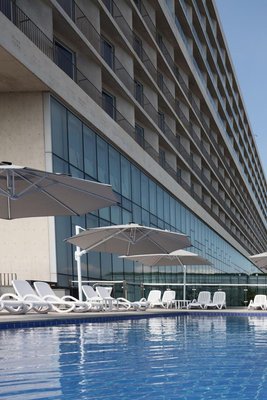
Nest Hotel Incheon
Conrad Seoul
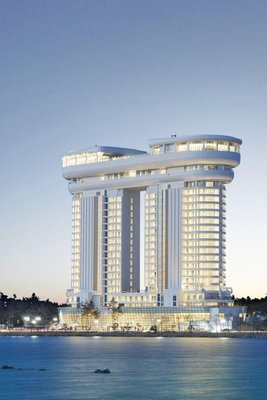
Skybay Hotel Gyeongpo
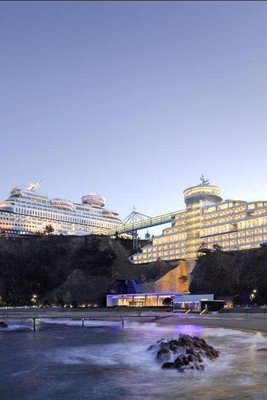
Sun Cruise Resort and Yacht
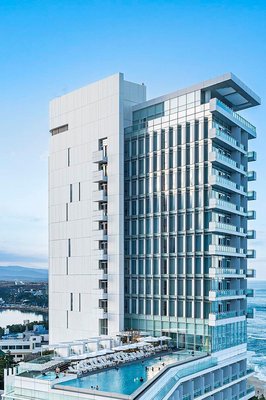
Seamarq Hotel

Ramada by Wyndham Gangwon Sokcho
Sofitel Ambassador Seoul Hotel & Serviced Residences
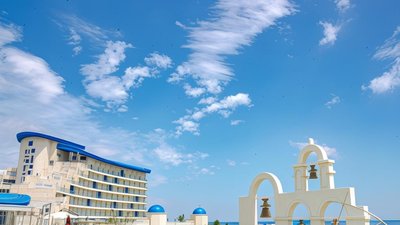
Sol Beach Samcheok
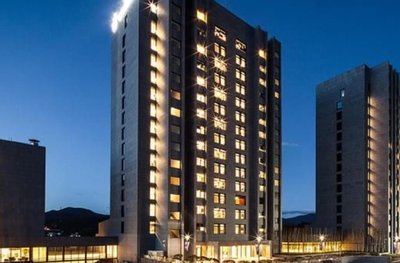
Bloomvista Hotel & Conference
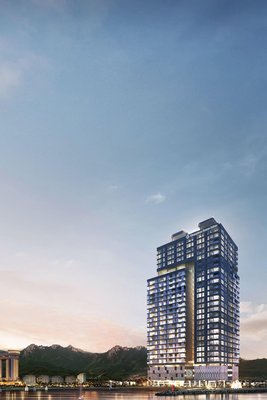
Chonpines Ocean Suites
Vista Walkerhill Seoul - Formerly W Seoul
The Shilla Seoul
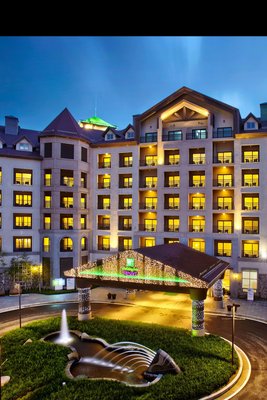
Holiday Inn Resort Alpensia Pyeongchang
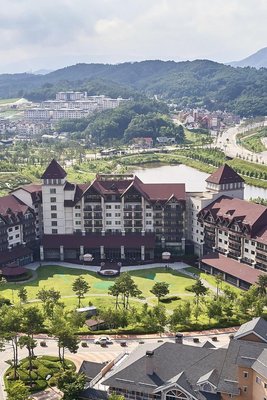
InterContinental Hotels Alpensia Pyeongchang Resort
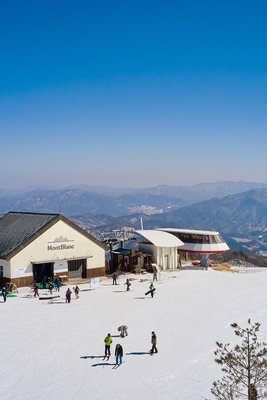
Phoenix Hotel Pyeongchang
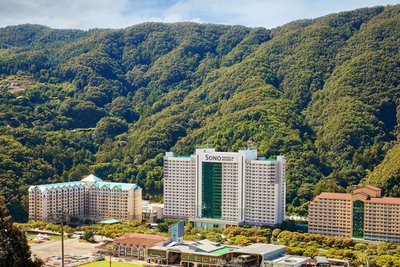
VivaldiPark
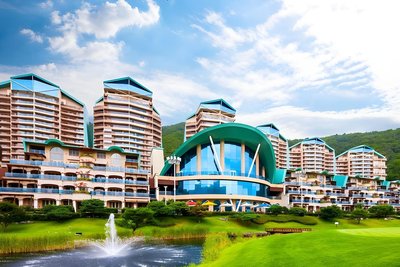
SonoFelice VivaldiPark
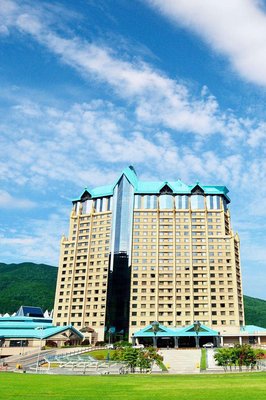
High1 Grand Hotel Main Tower
Frequently Asked Questions about Traveling to Seoul
Questions You Might Need to Know About Traveling to Seoul
Lotte Hotel Seoul features an indoor water park and hero-themed kids' suites (ages 3-12). Grand Hyatt Seoul offers a children's pool with mountain views and cooking classes. For toddlers, Four Seasons Seoul provides complimentary strollers and baby toiletries, while Shilla Stay has PlayStation rentals and bedtime milk service.
Glad Mapo Hotel allows pets under 7kg with free pet beds (30,000KRW cleaning fee). Aloft Seoul Gangnam has a rooftop dog run and grooming station. Pro tip: Avoid weekends when riverside parks get crowded. For ultimate luxury, Banyan Tree Club & Spa offers pet massages and custom-made dog menus.
Seoul offers a variety of luxury hotels. Here are some top picks:
- Four Seasons Hotel Seoul: Located near Gwanghwamun, offering exceptional service and upscale amenities.
- Park Hyatt Seoul: Situated in Gangnam, featuring modern design and premium experiences.
- Lotte Hotel Seoul: Found in Myeongdong, ideal for shopping and family or business travelers. These hotels provide excellent facilities, diverse dining options, and convenient transportation links.
For budget-friendly stays in Seoul, consider:
- Myeongdong Guesthouse: Affordable and centrally located for budget-conscious travelers.
- Hongdae Hostels: Youthful vibe with reasonable prices and easy access to popular spots.
- Dongdaemun Budget Hotels: Great for night shopping and short stays. These options are cost-effective and provide basic amenities, perfect for backpackers and short-term visitors.
Top 3 picks near Lotte World:
- Lotte Hotel Seoul (5-min walk): Direct sky bridge connection to the theme park, features indoor water park and kids’ club with supervised activities.
- Vabien Suite Hotel (800m away): Spacious family suites with kitchenettes, free shuttle service to Jamsil Station.
- Signiel Seoul (10-min drive): Luxury option with panoramic city views, provides baby strollers rental and child-sized bathrobes. Tip: Book Lotte World package deals including hotel + park tickets for 20-30% discounts during non-peak seasons.
Yes, modernized hanok stays blend heritage with comfort:
- Rakkojae Seoul: Authentic 19th-century structure with ondol heating, includes tea ceremony experience (Bukchon area)
- Doo Guesthouse: Budget-friendly option with shared courtyard, 3-min walk to Gyeongbokgung Palace
- Moon Guesthouse: Minimalist redesign featuring private bathrooms, rooftop view of Namsan Tower Note: Traditional etiquette applies - remove shoes indoors, most hanoks enforce 11PM curfew. Recommended stay duration: 1-2 nights for cultural immersion.
Seoul Overview
City Summary
Seoul, the capital of South Korea, is a vibrant metropolis that seamlessly blends modernity with rich traditional culture. Historic sites like Gyeongbokgung Palace and Changdeokgung Palace showcase the grandeur of the Joseon Dynasty. Myeongdong and Dongdaemun are shopping paradises, while Namsan Tower offers breathtaking panoramic views of the city. Seoul's culinary scene is unforgettable, from Korean BBQ to kimchi, each dish bursting with unique Korean flavors. Additionally, the trendy and entertainment culture of Gangnam District adds even more color to this dynamic city.
Must-See Attractions
Seoul, the capital of South Korea, blends modern and traditional charm. Visitors can explore Gyeongbokgung Palace to experience the history of the Joseon Dynasty or enjoy shopping and cuisine in Myeongdong. The N Seoul Tower offers stunning panoramic views of the city, while Hongdae is famous for its vibrant art and music scene. Additionally, Bukchon Hanok Village showcases traditional Korean architecture, providing a glimpse into the country's rich cultural heritage. Whether exploring historical sites or indulging in modern entertainment, Seoul caters to all travel preferences.
Food Guide
Seoul, the capital of South Korea, is not only a political and economic hub but also a paradise for food lovers. The culinary culture here blends tradition and modernity, with iconic dishes like kimchi, Korean BBQ, and bibimbap being favorites among tourists. Street food such as tteokbokki (spicy rice cakes) and odeng (fish cake skewers) also highlights the Korean love for spicy and savory flavors. Additionally, samgyetang (ginseng chicken soup) and naengmyeon (cold noodles) are perfect for beating the summer heat. Seoul's cuisine is not only rich in taste but also deeply rooted in cultural heritage, making it a must-try experience.
Transportation Guide
Seoul, the capital of South Korea, boasts an efficient public transportation system that makes it easy for tourists to explore this vibrant city. The subway is the most popular option, with 9 lines covering major attractions like Myeongdong, Dongdaemun, and Hongdae. Stations are well-signed, and some provide announcements in Chinese and English for international visitors.
In addition to the subway, buses are a great alternative, especially the late-night Owl Bus for those out after hours. For shorter trips, taxis are convenient, though note that black deluxe taxis are more expensive, while regular taxis are budget-friendly.
We recommend purchasing a T-money card, which can be used on subways, buses, and even at convenience stores, eliminating the hassle of buying individual tickets. Seoul’s bike-sharing system (e.g., Ttareungi) is also an eco-friendly and fun option, perfect for rides along the Han River.
Avoid traveling during rush hours (7:30-9:00 AM, 6:00-8:00 PM) to skip the crowds.
Best Time to Visit
Seoul, the capital of South Korea, boasts a rich cultural heritage and a modern urban landscape. The best times to visit are spring (March to May) and autumn (September to November). In spring, the city is adorned with cherry blossoms, and the mild weather is perfect for exploring Gyeongbokgung Palace or Namsan Park. Autumn offers stunning foliage and cool temperatures, ideal for events like the Seoul International Fireworks Festival. Summer (June to August) can be hot and humid, but it's a great time for nighttime cruises along the Han River, while winter (December to February) is perfect for skiing and hot springs. Avoiding peak periods like summer vacation and New Year ensures a more tranquil travel experience.
Travel Tips
-
Weather Prep: Seoul has distinct seasons. Winter (Dec-Feb) can drop to -10°C—pack down jackets. Summer (Jun-Aug) is humid; bring breathable clothes and sunscreen.
-
Transport Card: Get a T-money card for subways/buses/convenience stores. Cheaper than single tickets; refund remaining balance at GS25.
-
Cultural Etiquette: Remove shoes in traditional hanok/shrines. Wait for elders to eat first, and never stick chopsticks upright in rice (funeral symbolism).
-
Safety Tips: Beware of pickpockets in Myeongdong. Avoid steep alleys in Itaewon at night. Dial 112 for emergencies.
-
Payment: Cash is king at small eateries/markets (carry KRW change). Major stores accept international cards.
-
Dietary Notes: Korean food uses garlic/chili heavily. Use a translator app to note "알레ルギー" (allergy) when ordering.
-
Attractions: Gyeongbokgung closes Tuesdays. Wear hanbok for free entry. Best Namsan Tower views are 1hr post-sunset.
-
Internet: Rent a Wi-Fi egg at the airport (~8,000KRW/day) or buy local SIMs (passport required).
Useful Information
Seoul, the capital of South Korea, is a vibrant modern city that also preserves a rich cultural heritage. It is a paradise for shopping, food, and culture, attracting visitors from all over the world.
Language: Korean is the primary language, but English is also commonly used in tourist areas and among younger people. Learning basic Korean phrases like "안녕하세요" (Hello) and "감사합니다" (Thank you) can help you communicate better with locals.
Internet & Communication: Seoul has extensive network coverage, with free Wi-Fi available in almost all public places. Tourists can purchase local SIM cards or rent portable Wi-Fi devices for convenient internet access.
Currency & Payment: The currency in South Korea is the Korean Won (KRW). Credit cards are widely accepted in Seoul, but some small shops and markets may only accept cash. It's advisable to carry some cash and exchange money at the airport or banks.
Emergency Handling: In case of emergencies, dial 112 for police or 119 for medical assistance. South Korea is generally safe, but it's still recommended to keep your belongings secure and avoid carrying valuables in crowded areas.
Seoul boasts numerous attractions, such as Gyeongbokgung Palace, Myeongdong, and Namsan Tower, each with its unique charm. Whether you're a history enthusiast or a shopaholic, you'll find something to enjoy in this dynamic city.