Hotels in Sunchang
Discover your perfect stay in Sunchang.
Sunchang(South Korea) Travel 2026: Cheap Flights, Hotels & Top Attractions
Popular Landmarks in Sunchang
Discover the most iconic attractions in Sunchang
Recommended Hotels in Sunchang
Find the perfect place to stay in Sunchang
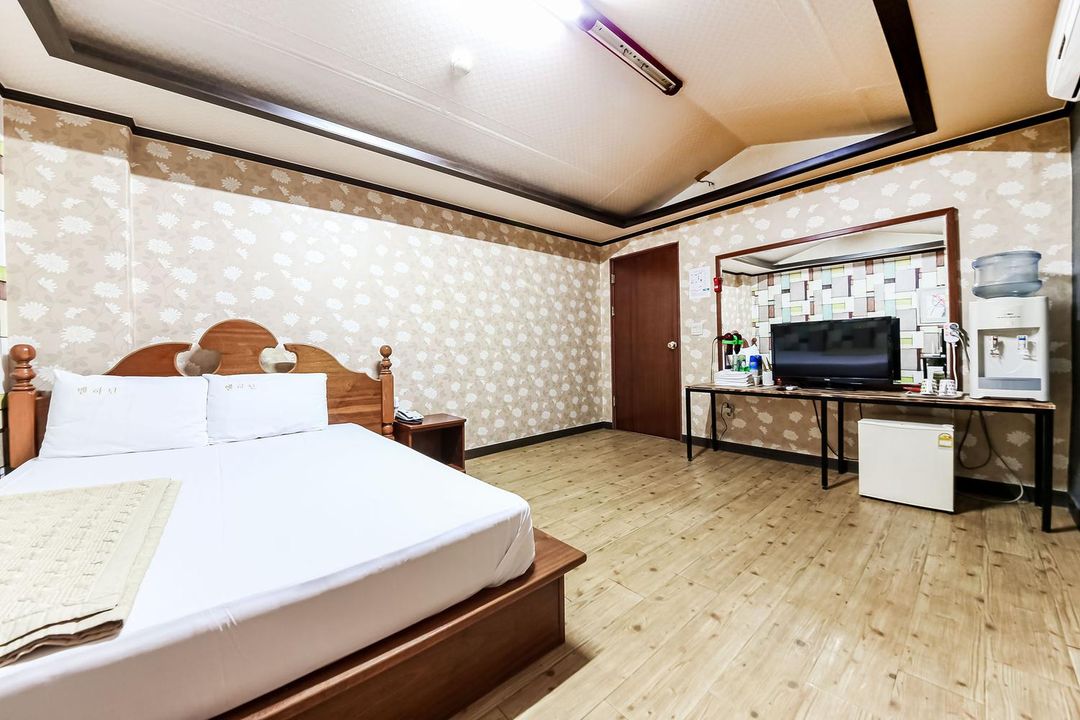
Sunchang Manhattan
Best Hotels in Sunchang
Discover curated hotel collections in Sunchang
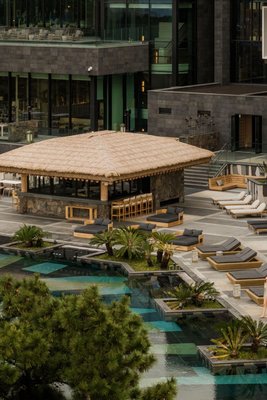
JW Marriott Jeju Resort & Spa
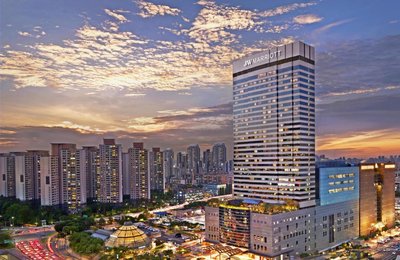
JW Marriott Hotel Seoul
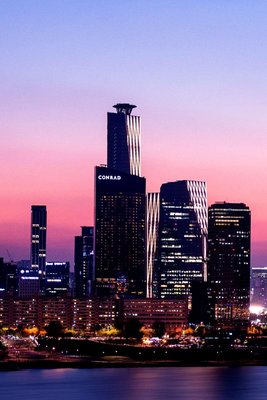
Conrad Seoul
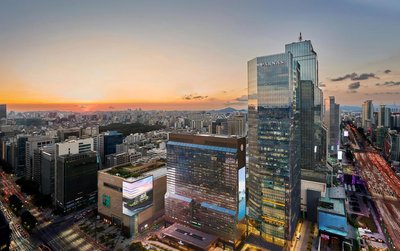
Grand InterContinental Seoul Parnas
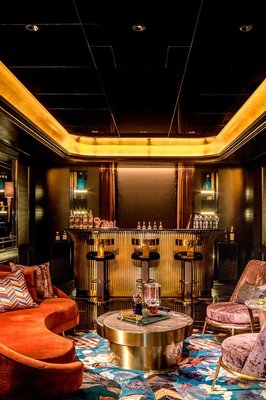
Art Paradiso, Paradise City
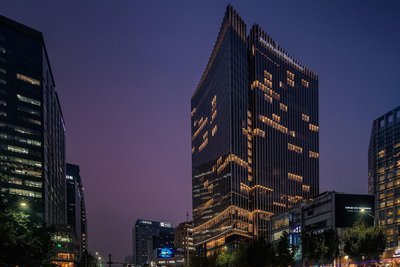
Four Seasons Hotel Seoul
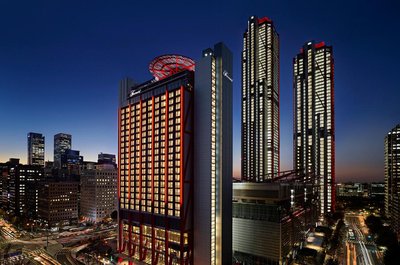
Fairmont Ambassador Seoul
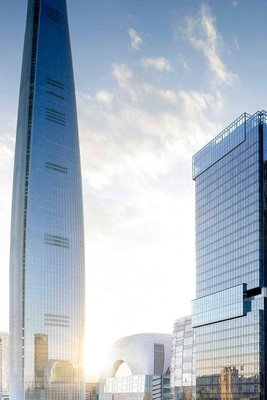
Sofitel Ambassador Seoul Hotel & Serviced Residences
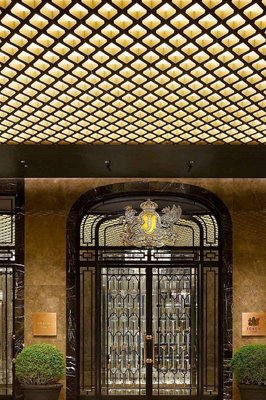
Josun Palace, a Luxury Collection Hotel, Seoul Gangnam
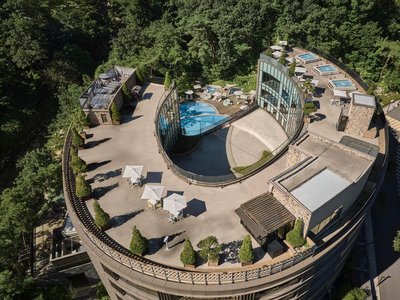
Anto (formerly: Parasara Seoul)
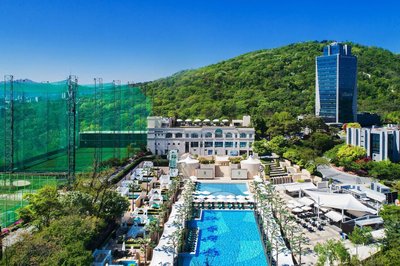
Banyan Tree Club & Spa Seoul
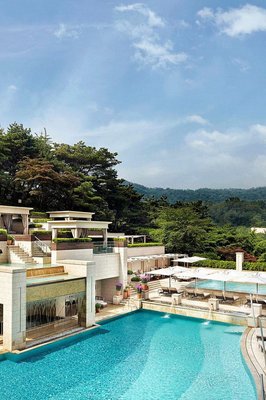
The Shilla Seoul
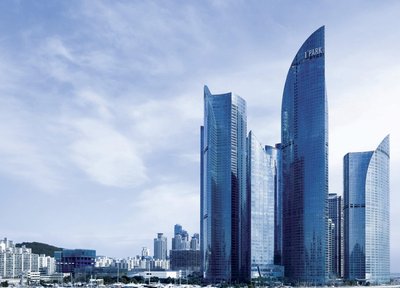
Park Hyatt Busan
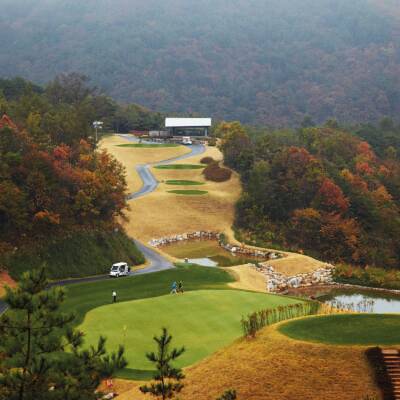
Tops10 Resort Donggang Cistar
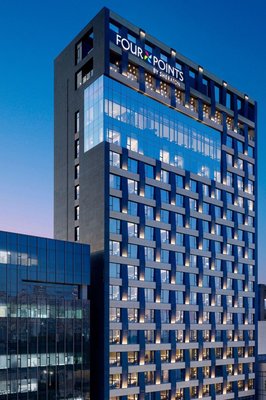
Four Points by Sheraton Suwon
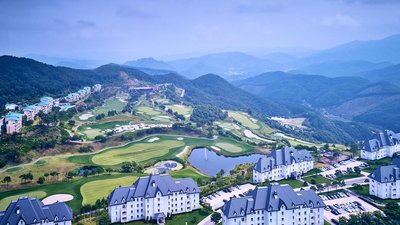
Sonofelice Village Vivaldipark

Arte Resort Spa & Pool Villa
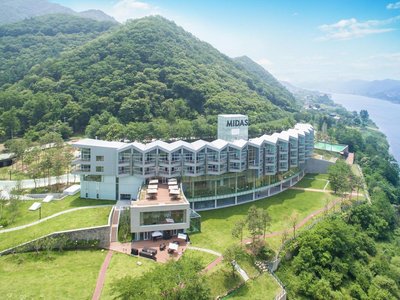
Midas Hotel & Resort
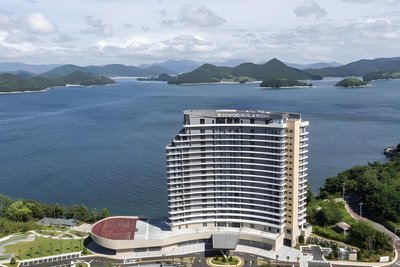
Stanford Hotel&Resort Tongyeong
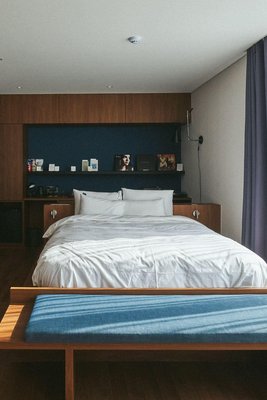
Good Ol' Days Hotel
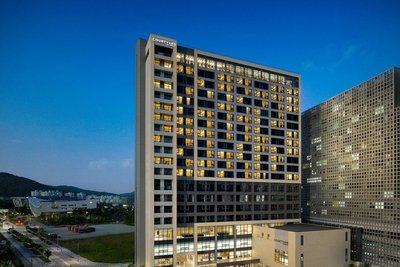
Courtyard Sejong
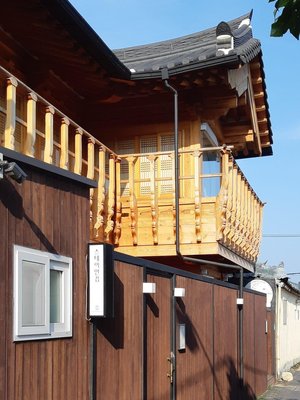
Gyeong-ju Stayangim
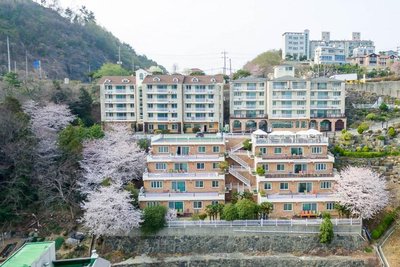
Home Fourest Resort Geoje
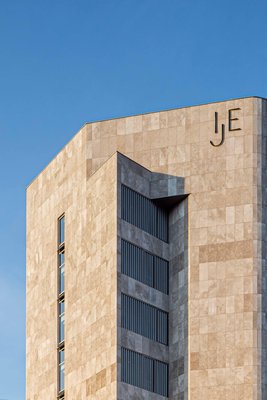
IJE BUSAN
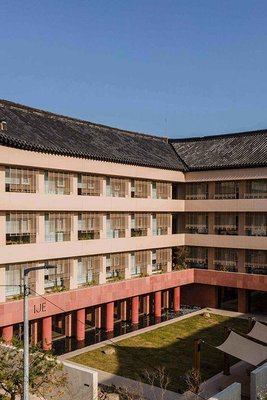
Ije Gyeongju
Tanibay Hotel
Sono Calm Vivaldi Park
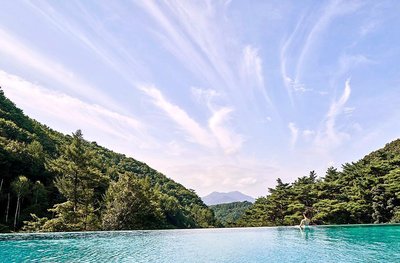
Restree and Forest Resom
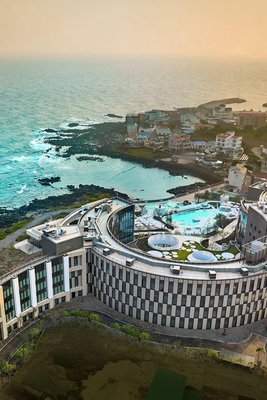
Shilla Stay Plus Iho Tewoo Ocean Front
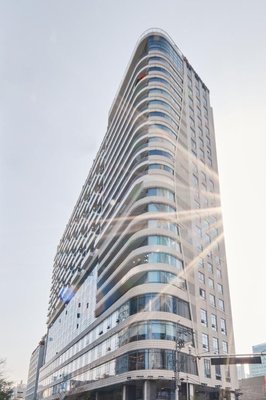
UH Flat Signature Daegu
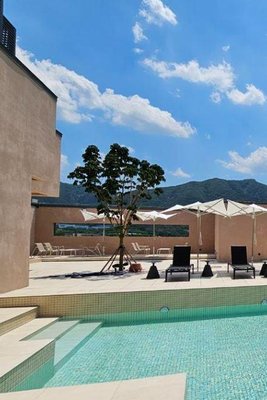
Daegu Suseong the Arco Hotel Lions Park
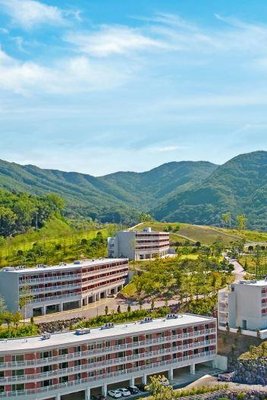
Belle Fore Resort
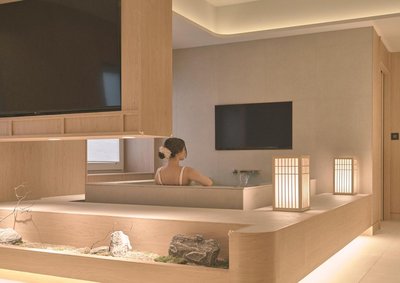
UH Continental CenterPoint
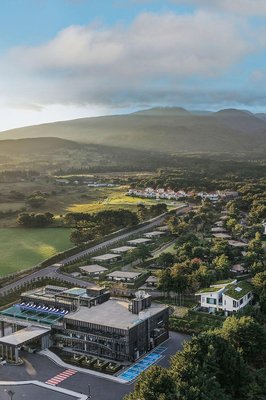
Amber Pure Hill Hotels & Resorts Jeju
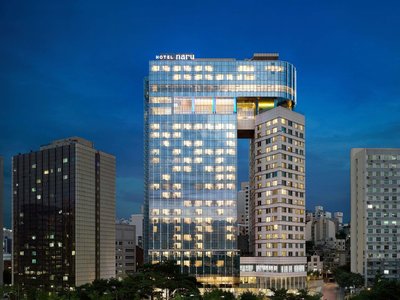
Hotel Naru Seoul - MGallery Collection
Stanford Hotel&Resort Tongyeong
JW Marriott Jeju Resort & Spa
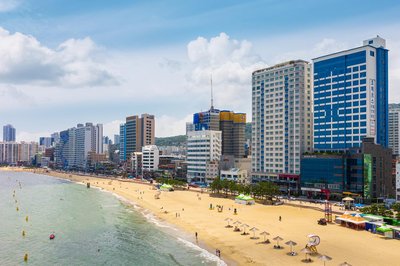
Homers Hotel
Shilla Stay Plus Iho Tewoo Ocean Front
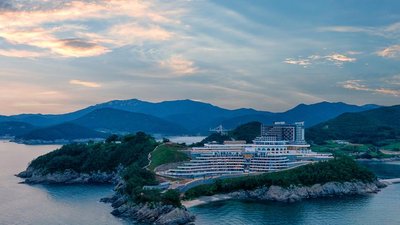
SOL BEACH NAMHAE
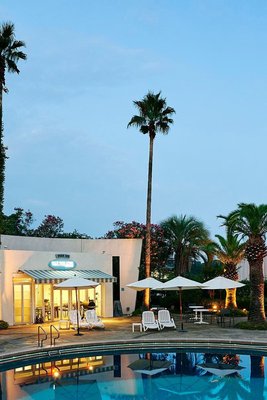
The Suites Hotel Jeju
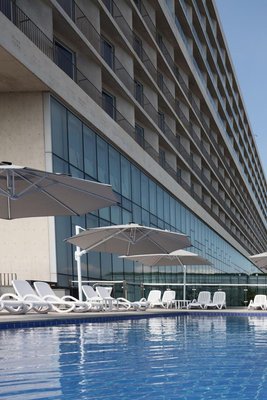
Nest Hotel Incheon
Conrad Seoul
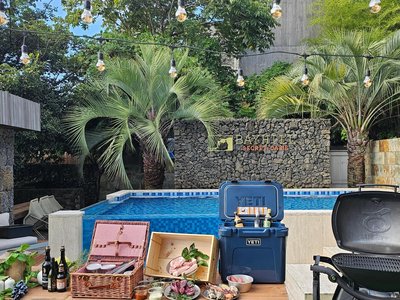
Bayhill Pool & Villa
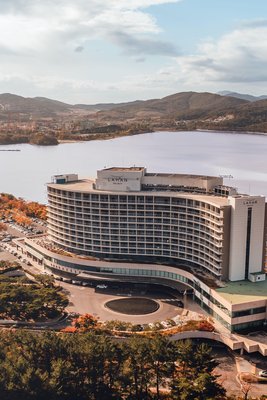
Lahan Select Gyeongju
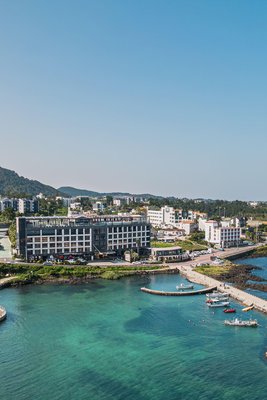
Dyne Ocenano Hotel
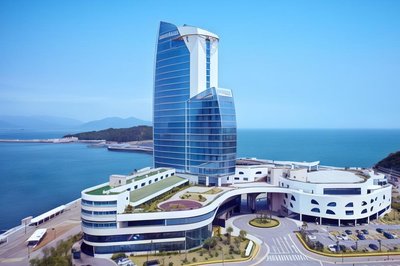
Sono Calm Yeosu
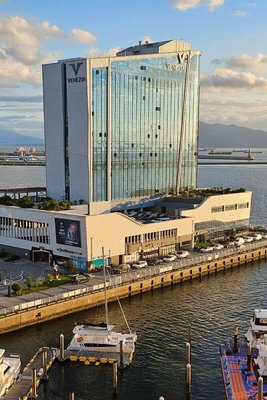
Yeosu Venezia Hotel & Suite
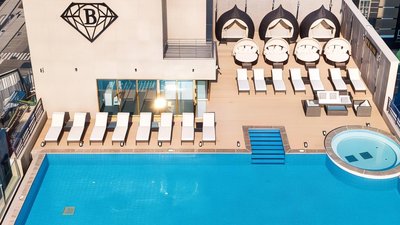
Baymond Hotel
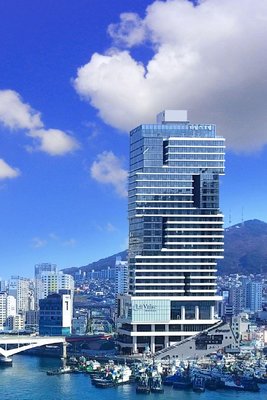
Lavalse Hotel
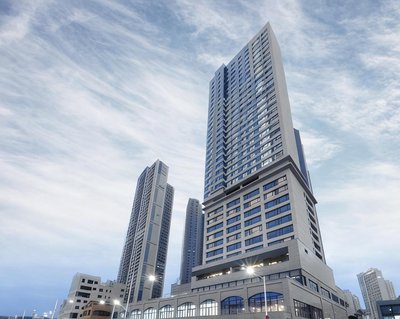
Mercure Ambassador Ulsan
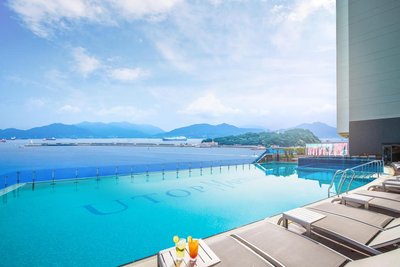
Utop Marina Hotel & Resort
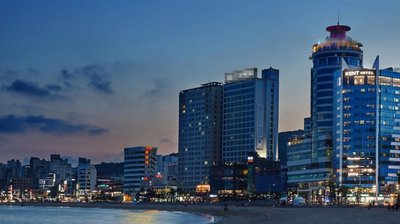
Kent Hotel Gwangalli by Kensington
Amber Pure Hill Hotels & Resorts Jeju
JW Marriott Jeju Resort & Spa
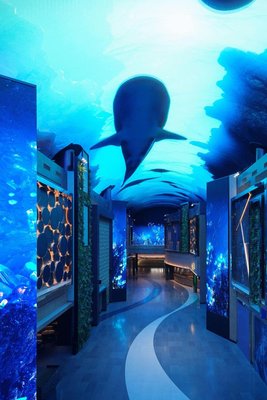
INSPIRE Entertainment Resort
Conrad Seoul
Bayhill Pool & Villa
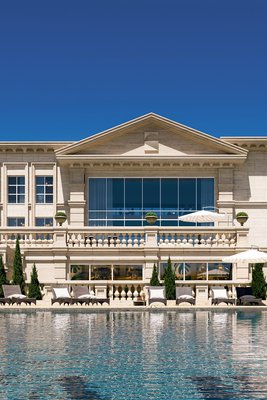
The Siena Primo (Original Tuscany Hotel)
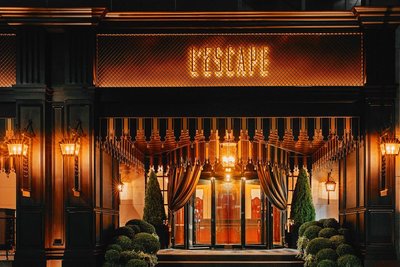
L'Escape Hotel
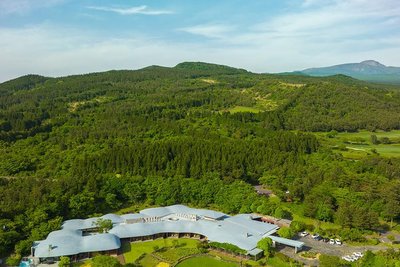
Podo Hotel
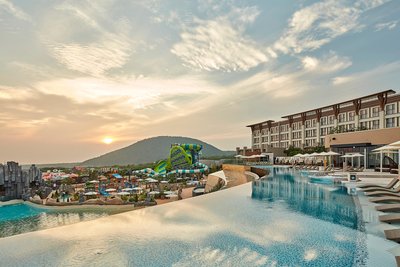
Shinhwa Jeju Shinhwa World Hotels & Resorts
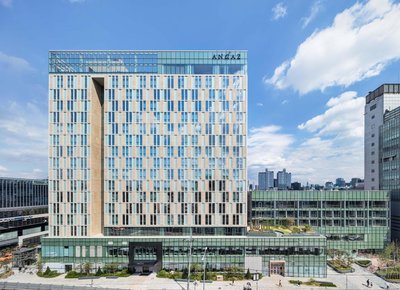
ANDAZ SEOUL GANGNAM, BY HYATT
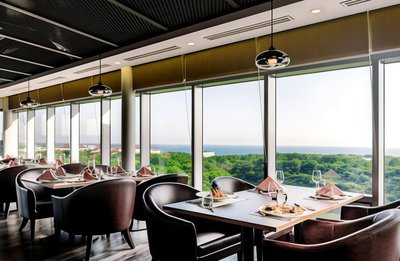
Hidden Cliff Hotel and Nature
Fairmont Ambassador Seoul
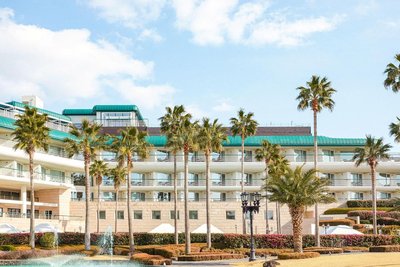
Grand Josun Jeju
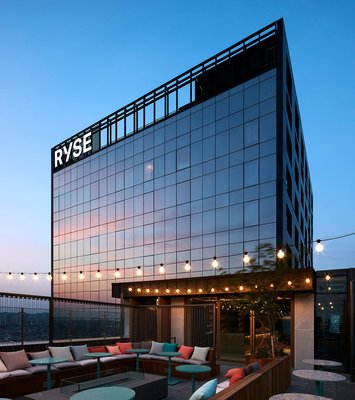
RYSE, Autograph Collection by Marriott
Josun Palace, a Luxury Collection Hotel, Seoul Gangnam
Anto (formerly: Parasara Seoul)
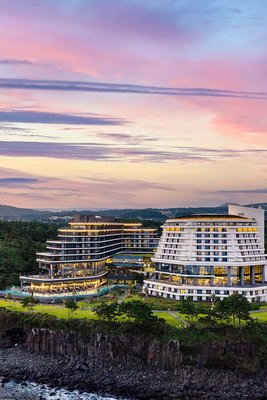
Parnas Hotel Jeju
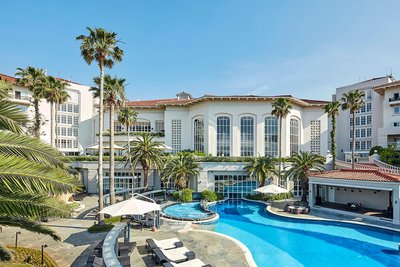
The Shilla Jeju
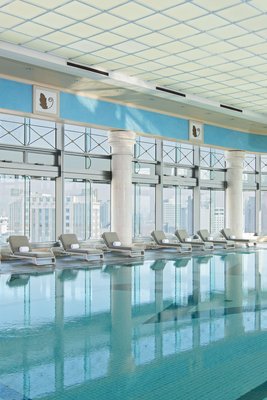
The Plaza Seoul, Autograph Collection
Banyan Tree Club & Spa Seoul
Amber Pure Hill Hotels & Resorts Jeju
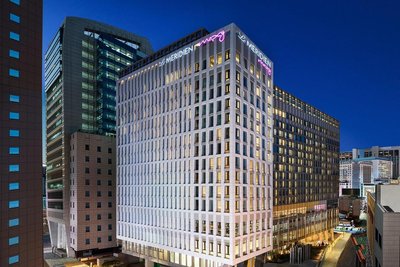
Le Méridien Seoul, Myeongdong
Hotel Naru Seoul - MGallery Collection
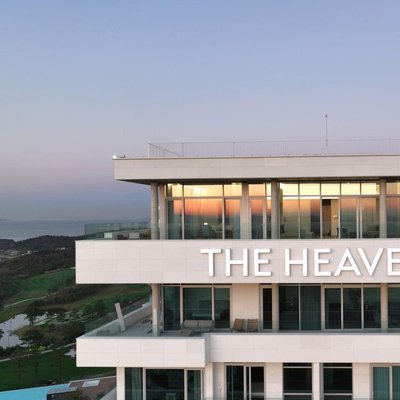
The Heaven Resort
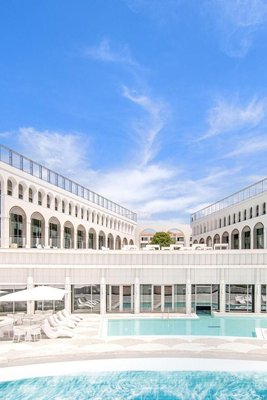
The Siena Resort
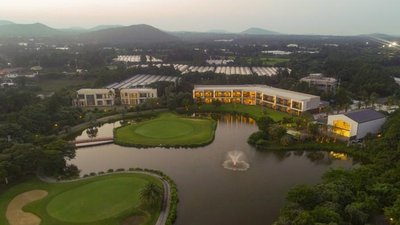
Kase Lodge
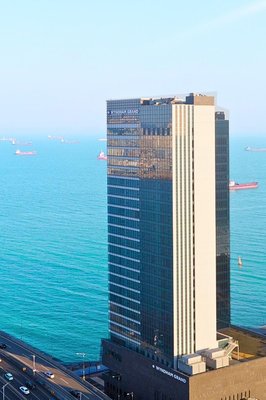
Wyndham Grand Busan Ijin
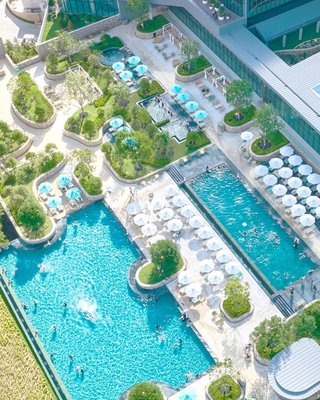
Ananti at Busan Village
INSPIRE Entertainment Resort
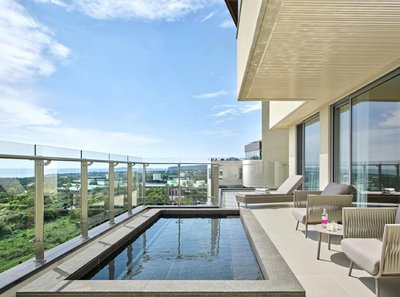
Grand Josun Hill Suite
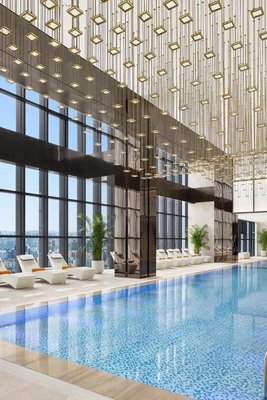
Pullman Ambassador Seoul Eastpole
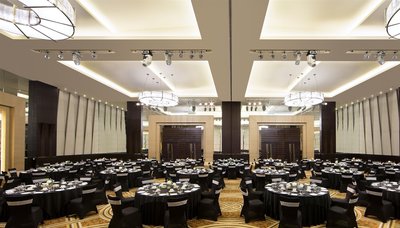
Sheraton Grand Incheon Hotel
Nest Hotel Incheon
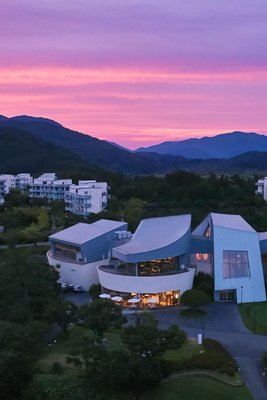
Ananti at Namhae
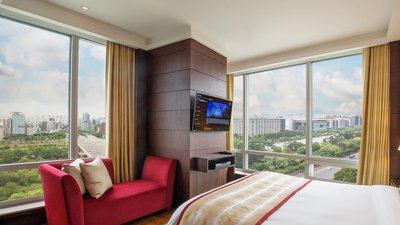
Yeouido Park Centre, Seoul - Marriott Executive Apartments
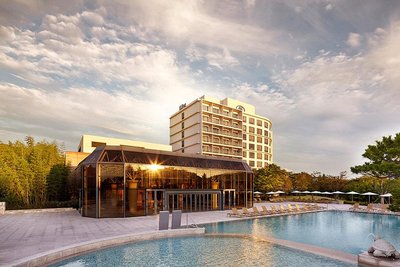
Hilton Gyeongju
Bayhill Pool & Villa
Lahan Select Gyeongju
The Siena Primo (Original Tuscany Hotel)
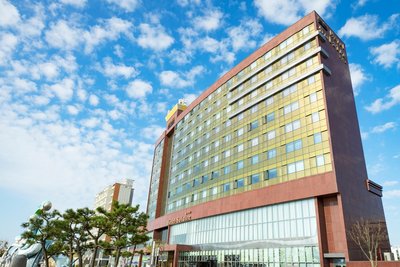
Hotel Solaire
INSPIRE Entertainment Resort
L'Escape Hotel
Lavalse Hotel
Four Seasons Hotel Seoul
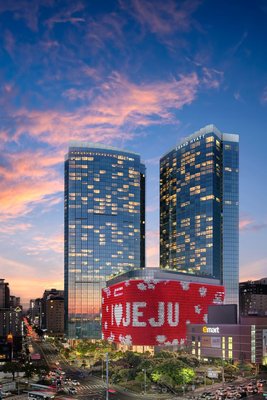
Grand Hyatt Jeju
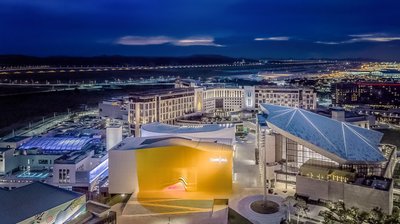
Paradise City
Josun Palace, a Luxury Collection Hotel, Seoul Gangnam
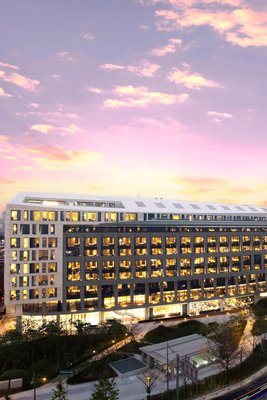
JW Marriott Dongdaemun Square Seoul
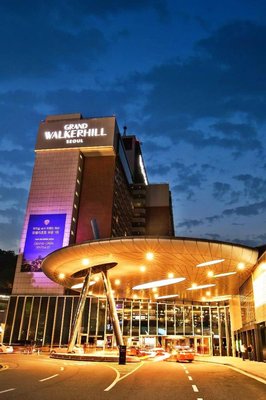
Grand Walkerhill Seoul
The Shilla Seoul
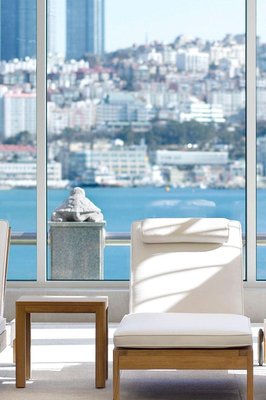
The Westin Josun Busan
Park Hyatt Busan
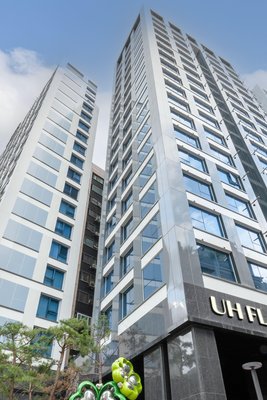
UH FLAT THE SEOCHO
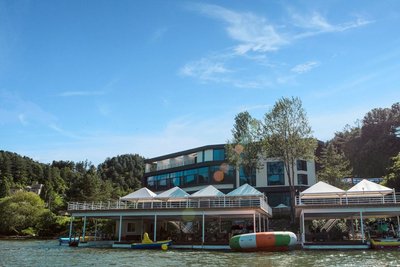
SS Resort
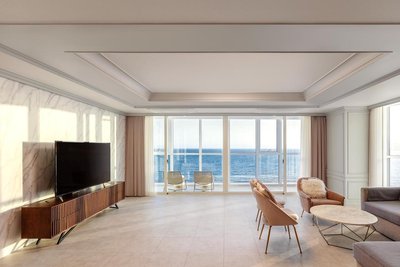
Palede cz Condor Busan
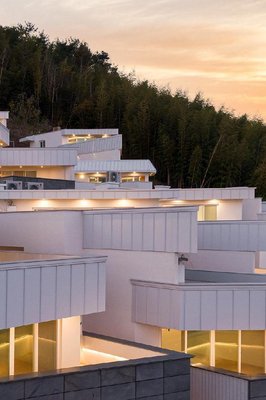
Ocean terra
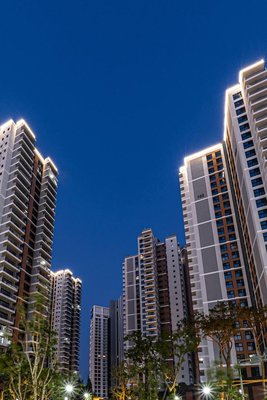
Le Collective Busan Gijang
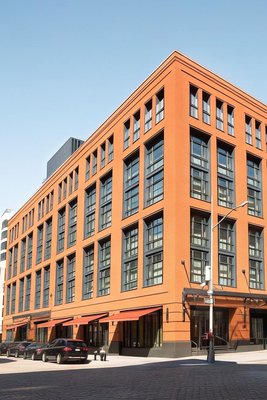
Hotel Barrière Fouquet's New York
JW Marriott Jeju Resort & Spa
JW Marriott Hotel Seoul
Conrad Seoul
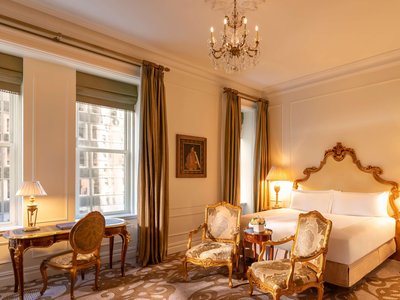
The Plaza - A Fairmont Managed Hotel
Grand InterContinental Seoul Parnas
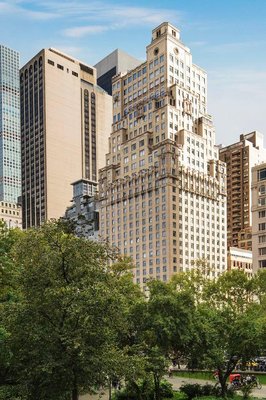
The Ritz-Carlton New York, Central Park
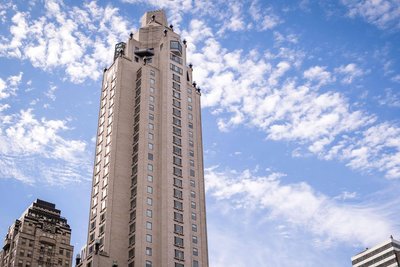
Four Seasons Hotel New York
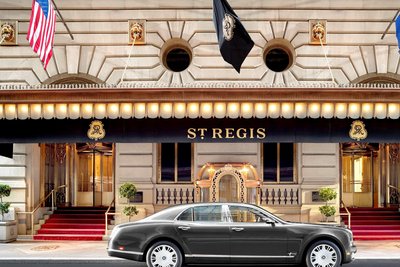
The St. Regis New York
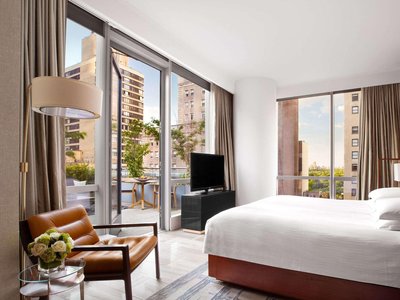
Park Hyatt New York
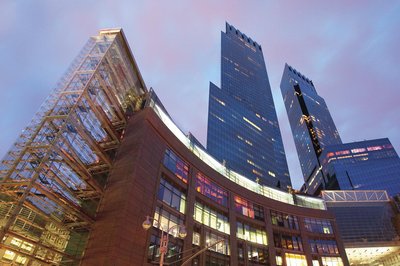
Mandarin Oriental New York
Art Paradiso, Paradise City
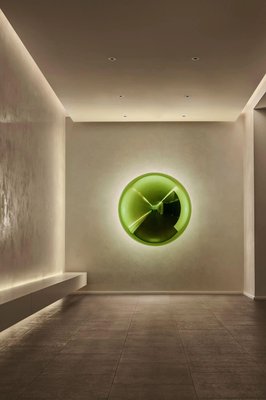
Times Square Edition New York

Loews Regency New York Hotel
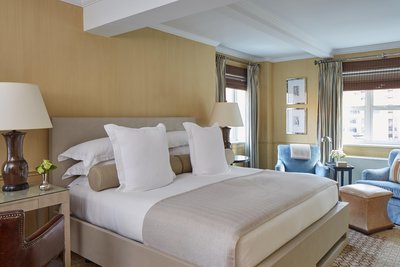
Lowell Hotel
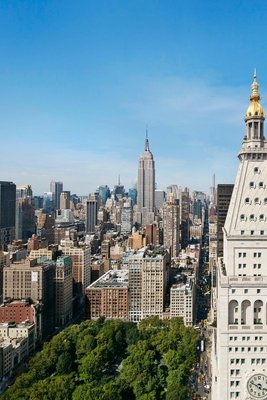
New York Edition
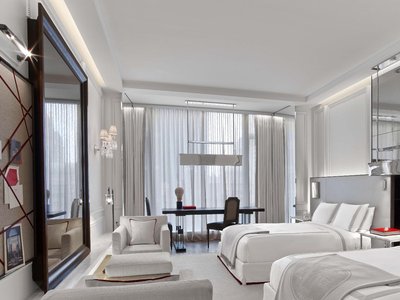
Baccarat Hotel New York
Four Seasons Hotel Seoul
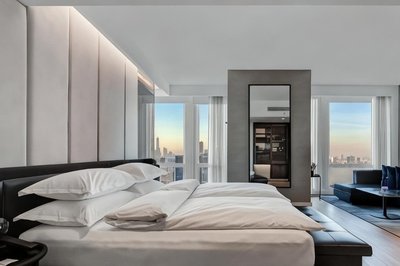
Equinox Hotel New York
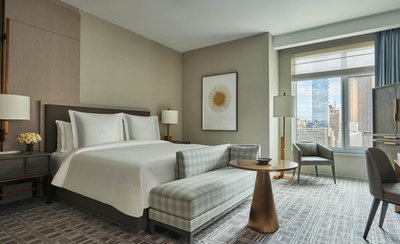
Four Seasons Hotel New York Downtown
Frequently Asked Questions about Traveling to Sunchang
Questions You Might Need to Know About Traveling to Sunchang
In Chuncheon County, the top choice for an authentic rural stay is Cheonggye Camp, a boutique guesthouse nestled at the foot of Daegwan Mountain. Built with restored hanok-style architecture, it blends wooden beams, paper screens, and modern amenities. Guests can enjoy homemade mountain vegetable dishes, participate in seasonal farming activities like rice planting or tea harvesting, and witness sunrise over terraced fields. The peaceful setting, surrounded by bamboo groves and streams, offers a true immersion in Jeollabuk-do’s agrarian lifestyle and natural serenity.
The most recommended area for tranquil stays is Nam-myeon, located near the Sinsanri Ancient Trail and Cheonmaseo Temple. This region hosts several eco-friendly guesthouses like Seonggak Pavilion and Wongok Residence, all housed in renovated traditional homes. Surrounded by dense forests and quiet farmland, Nam-myeon provides easy access to hiking trails, meditation spaces, and cultural sites. It’s perfect for travelers seeking solitude, stargazing under dark skies, and connecting deeply with the rhythms of rural Korea.
Visitors to Chuncheon County can take part in hands-on traditional pottery workshops in the Togi Village, where artisans use local clay to craft rustic Korean earthenware like bowls and incense burners. During spring, join the Spring Plowing Festival, featuring ancient rituals, ox-drawn plow demonstrations, and folk dances. In autumn, attend the Persimmon Drying Festival, learning how to dry persimmons using time-honored methods. These events offer profound insights into Jeollabuk-do’s seasonal traditions, agricultural heritage, and community spirit.
The Daegwan Eco Trail is the ideal destination for families. This 5-kilometer forest path winds through pristine broadleaf woods, with child-friendly interpretive signs and safe pathways. Kids can spot deer, collect pinecones, and explore waterfalls. At the trail’s end lies the Nature Education Center, offering interactive programs like insect collecting, forest storytelling, and crafts. Nearby, Green Valley Farm allows children to feed goats and ponies, making it a perfect blend of adventure, learning, and fun in nature.
Must-try dishes include mountain vegetable rice bowl made with fresh wild greens like ferns, ginseng sprouts, and watercress, served over brown rice with house-made soy sauce. Another highlight is spicy stir-fried chicken, using free-range local chickens and fermented chili paste for bold flavor. Don’t miss Chuncheon persimmon jerky, a sweet, chewy snack dried naturally in the autumn sun. Visit Nam-myeon Market’s Old Lee’s Kitchen, a century-old eatery known for its authentic recipes and homegrown ingredients, delivering a true taste of Jeollabuk-do’s mountain cuisine.
Yes, Daegwan Hot Spring Resort stands out as the premier wellness destination. Located deep within Daegwan Mountain, it features natural hot springs rich in minerals, renowned for relieving muscle pain and boosting circulation. Each room has a private outdoor onsen pool with panoramic forest views. The resort also offers herbal steam rooms, therapeutic massages, and evening stargazing sessions. Book the weekend package including spa access, dinner, and guided forest walks for a complete rejuvenation experience.
The best times for photography are spring (March–April) and autumn (October–November). In spring, the Sinsanri Ancient Trail bursts into bloom with cherry blossoms and azaleas, creating vibrant floral corridors. Autumn transforms the landscape into a golden tapestry—especially along the Daegwan Trail and around Cheonmaseo Temple, where maple trees blaze red and orange. Early morning mist rising above terraced fields offers stunning visual contrast. Bring a wide-angle lens and tripod to capture the ethereal beauty of Jeollabuk-do’s mountain scenery.
Key spiritual sites include Cheonmaseo Temple, a historic temple dating back to the Joseon Dynasty, perched on the slopes of Daegwan Mountain. It houses a thousand-year-old bronze bell and stone pagodas, hosting daily Buddhist chanting ceremonies. Another sacred site is Samseong Rock, a natural cave believed to be a hermitage of ancient monks, adorned with Buddhist carvings and inscriptions. Visitors may join morning prayers, meditate in the serene halls, or learn about Korean Buddhist traditions and mountain asceticism.
Nighttime in Chuncheon County centers around community charm. The Nam-myeon Night Market opens on Fridays and Saturdays, offering grilled mountain chicken, rice wine, and handmade dumplings. Locals gather for folk dance performances under lantern-lit pavilions. Some guesthouses, like Wongok Residence, host stargazing lectures and bonfire gatherings with storytelling. The Daegwan Hot Spring Resort features illuminated night trails and ambient music, blending nature and ambiance—perfect for a peaceful, soulful evening away from city lights.
Start your day with a hike along the Daegwan Eco Trail, enjoying sunrise over the treetops. Visit Cheonmaseo Temple for meditation and a guided tour. Have lunch at Nam-myeon Market, sampling mountain vegetable rice bowl and persimmon jerky. In the afternoon, take a pottery workshop in Togi Village, crafting your own piece. Return to your guesthouse for a private onsen soak at dusk. If available, book a nighttime stargazing session or bonfire storytelling event. This itinerary seamlessly combines nature, culture, cuisine, and tranquility—capturing the essence of Chuncheon County’s authentic mountain life.
Sunchang Overview
City Summary
Chuncheon County, located in Jeollabuk-do, South Korea, is renowned for its rich traditional culture and natural landscapes. Known as the hometown of Korean chili paste (Gochujang), it boasts a long history of culinary heritage. The rural scenery and tranquil atmosphere make it an ideal escape from city life, offering visitors a chance to experience traditional Korean countryside living and explore its unique agricultural legacy.
Must-See Attractions
Key attractions in Chuncheon County include the Gochujang Museum, which showcases the history and culture of Korean chili paste production. Visitors can also explore local traditional markets to experience authentic rural life. Nature enthusiasts will enjoy hiking and fishing in the surrounding mountains and lakes.
Food Guide
Chuncheon County is famous for its Gochujang. Must-try dishes include traditional recipes based on chili paste, such as Gochujang-braised chicken. Street food highlights include spicy rice cakes and Korean pancakes. The local markets are great for sampling fresh produce and handmade foods.
Transportation Guide
Public transportation in Chuncheon County primarily consists of buses, connecting nearby cities and major attractions. Visitors are advised to check bus schedules in advance as services may be infrequent. Self-driving is a good option for exploring rural areas more flexibly. Taxis are relatively convenient in the city, but availability may be limited in rural areas.
Best Time to Visit
The best times to visit are spring (April to June) and autumn (September to November), when the weather is pleasant and the scenery is beautiful. Summers can be hot, and winters cold, but these seasons are quieter, ideal for those seeking peace.
Travel Tips
- Respect local culture by dressing appropriately when visiting traditional sites.
- Learning a few basic Korean phrases can help with interactions.
- Rural shops may not accept credit cards, so carrying cash is advisable.
- Be prepared for weather changes in mountainous areas during hikes.
- When trying Gochujang-based dishes, you can request adjustments to the spiciness.
- Maintain cleanliness and follow local waste disposal regulations.
Useful Information
English may not be widely spoken in rural areas; a translation app is recommended. Network coverage is good, with free Wi-Fi hotspots in main towns. Cash is preferred, though some businesses accept credit cards. Medical facilities are concentrated in urban centers; carrying basic medications is advised for remote areas. The voltage is 220V with Type C/F outlets; international travelers should bring adapters.
Other Cities You Might Like
Explore more amazing destinations