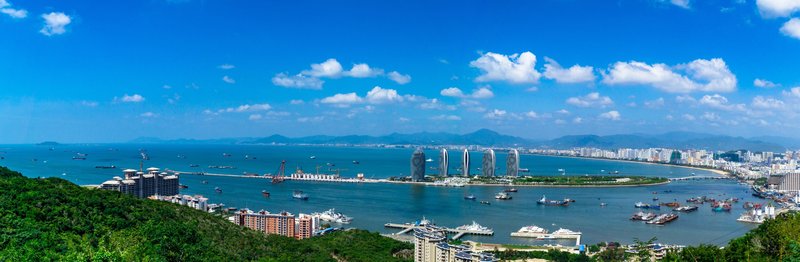
Hotels in Suncheon
Discover your perfect stay in Suncheon.
Suncheon(South Korea) Travel 2026: Cheap Flights, Hotels & Top Attractions
Popular Landmarks in Suncheon
Discover the most iconic attractions in Suncheon
Recommended Hotels in Suncheon
Find the perfect place to stay in Suncheon
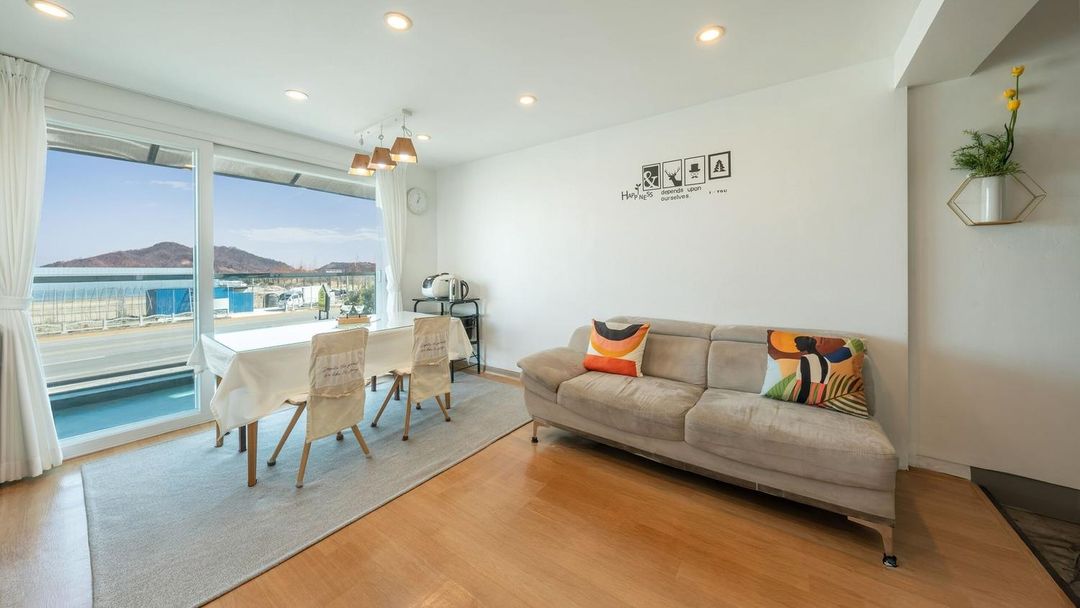
Suncheon Sum Pension
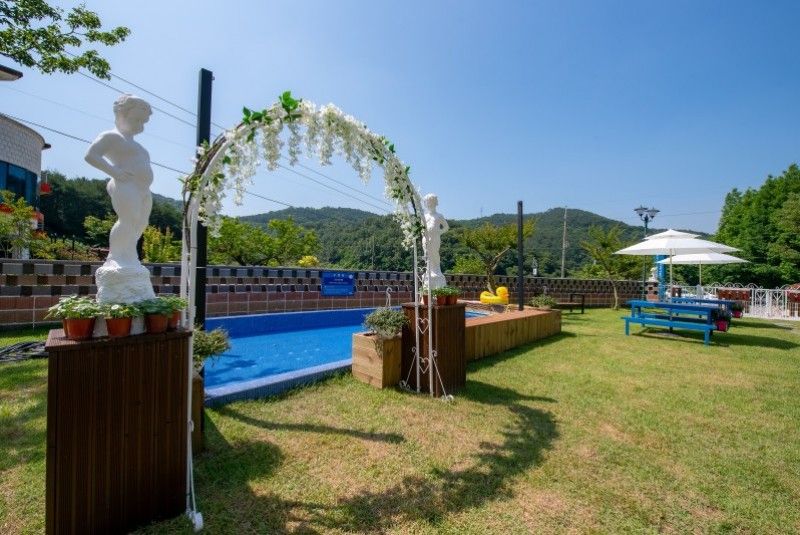
Suncheon Raon House Egyeon Pension
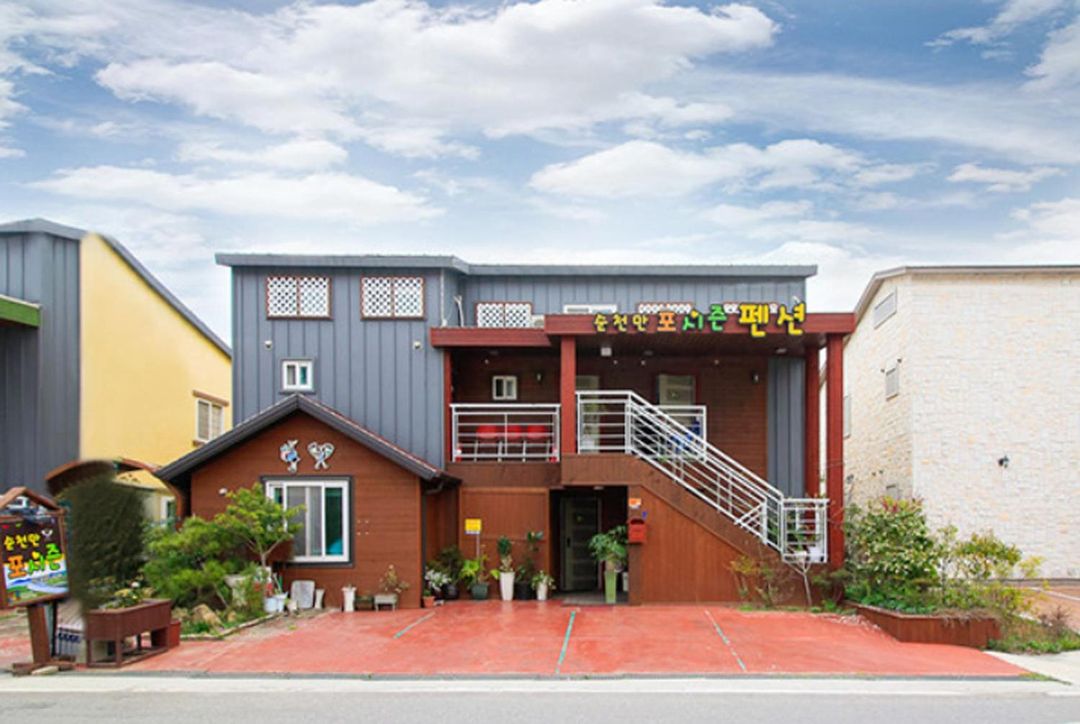
Four Seasons Pension
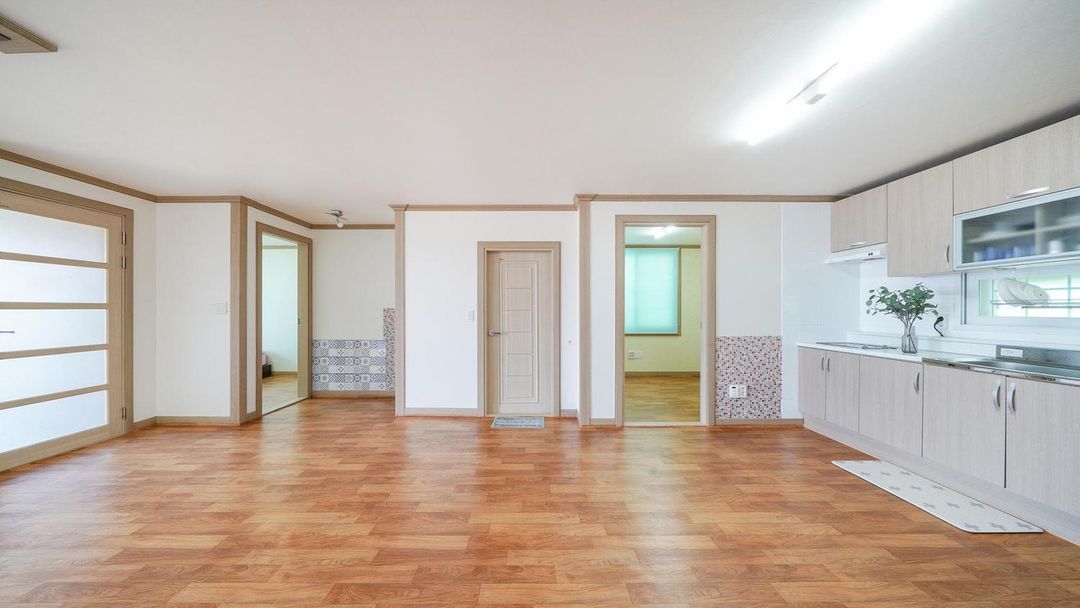
Suncheon Jeonmangjoeungot Pension

Suncheonman Ddel Pension
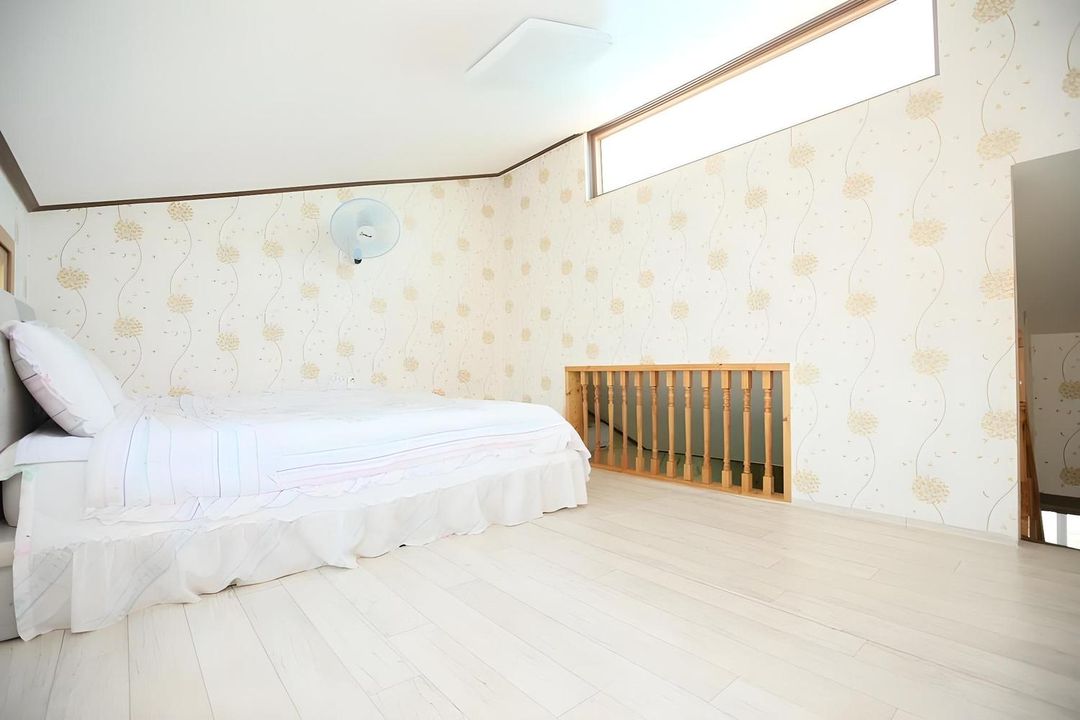
Suncheonman Barameui Undeok House
Best Hotels in Suncheon
Discover curated hotel collections in Suncheon
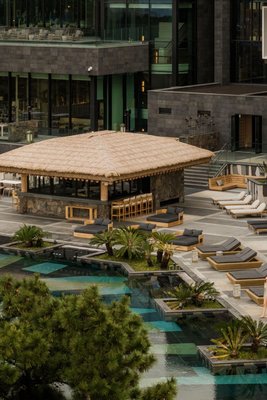
JW Marriott Jeju Resort & Spa
JW Marriott Hotel Seoul
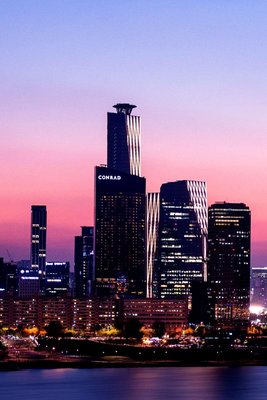
Conrad Seoul
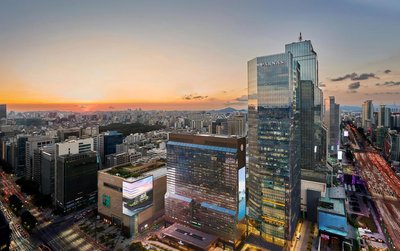
Grand InterContinental Seoul Parnas
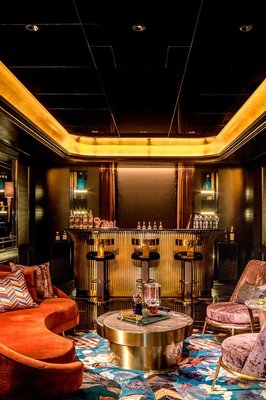
Art Paradiso, Paradise City
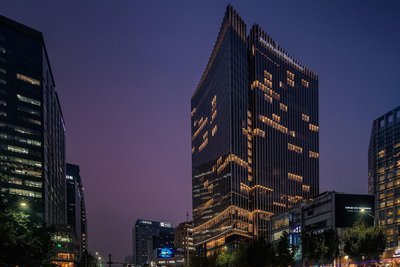
Four Seasons Hotel Seoul
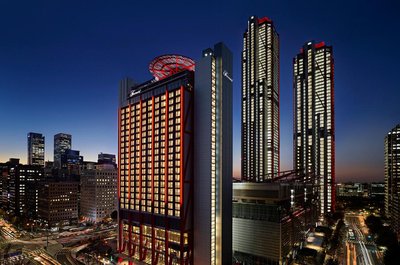
Fairmont Ambassador Seoul
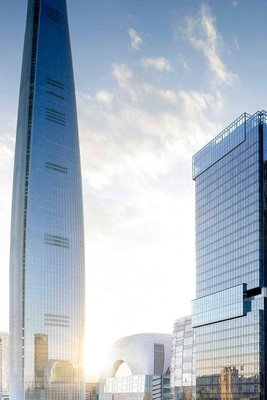
Sofitel Ambassador Seoul Hotel & Serviced Residences
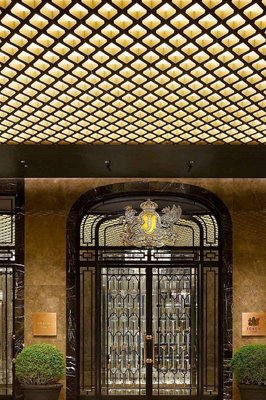
Josun Palace, a Luxury Collection Hotel, Seoul Gangnam
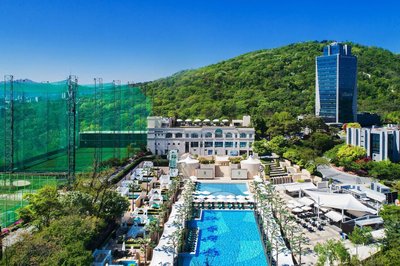
Banyan Tree Club & Spa Seoul
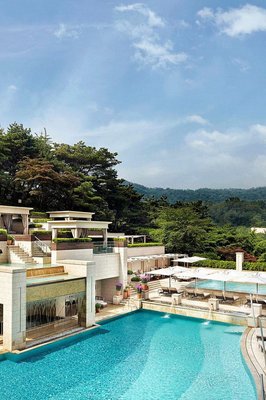
The Shilla Seoul
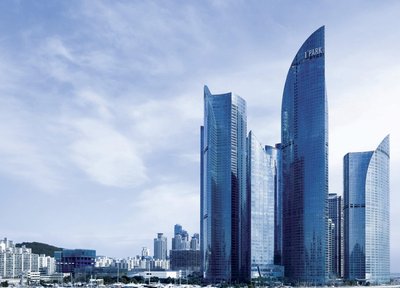
Park Hyatt Busan
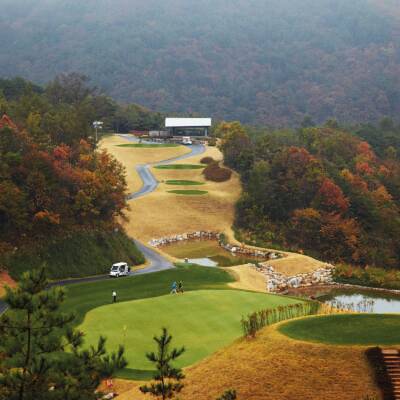
Tops10 Resort Donggang Cistar
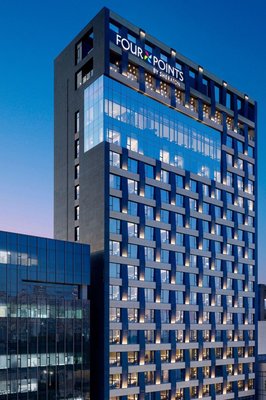
Four Points by Sheraton Suwon

Arte Resort Spa & Pool Villa
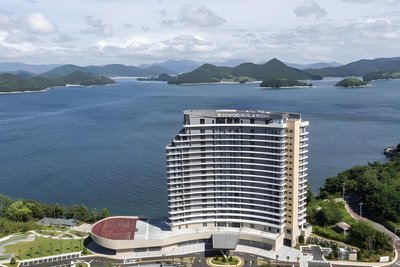
Stanford Hotel&Resort Tongyeong
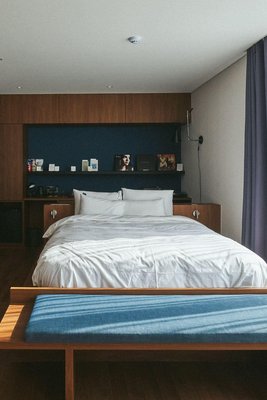
Good Ol' Days Hotel
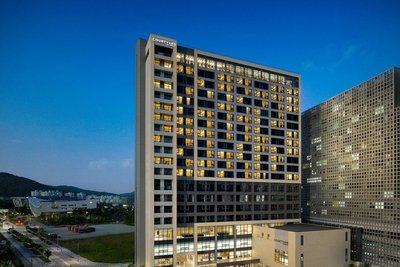
Courtyard Sejong
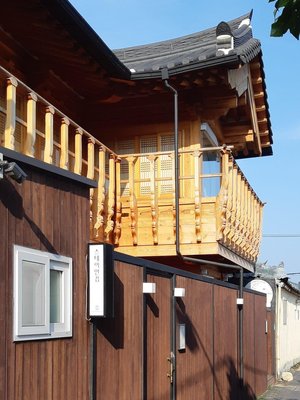
Gyeong-ju Stayangim
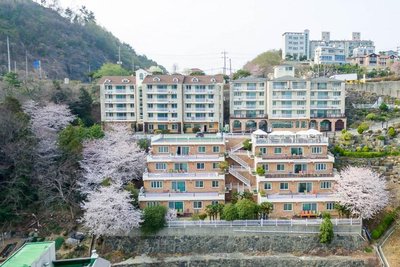
Home Fourest Resort Geoje
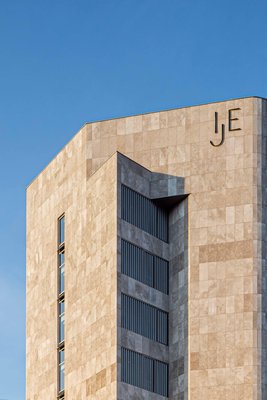
IJE BUSAN
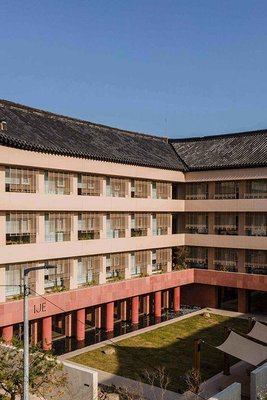
Ije Gyeongju

Tanibay Hotel
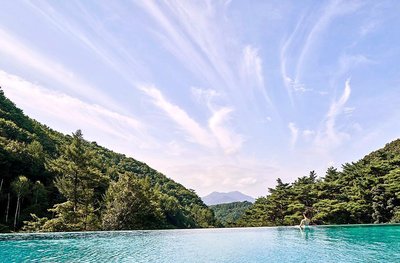
Restree and Forest Resom
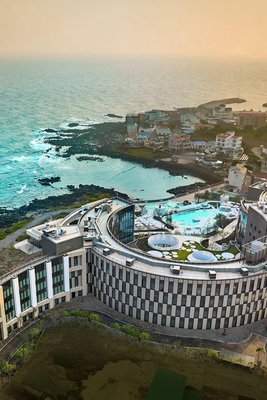
Shilla Stay Plus Iho Tewoo Ocean Front
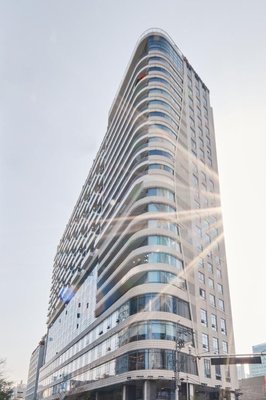
UH Flat Signature Daegu
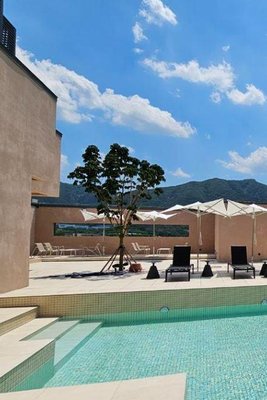
Daegu Suseong the Arco Hotel Lions Park
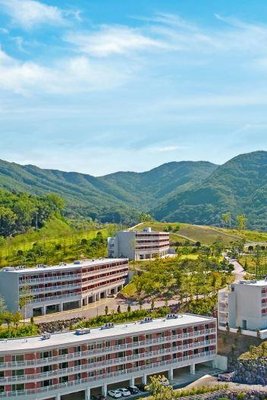
Belle Fore Resort
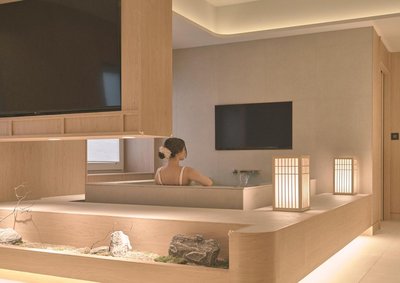
UH Continental CenterPoint
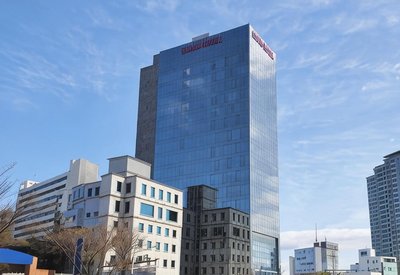
Eldis Regent Hotel

NewCZ LCT Residence
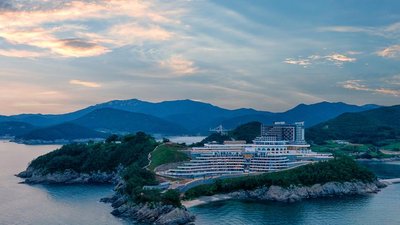
SOL BEACH NAMHAE
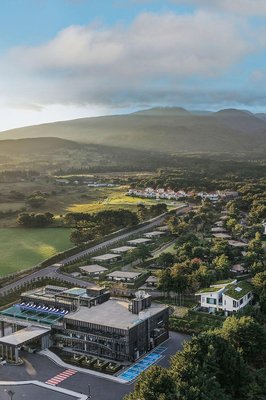
Amber Pure Hill Hotels & Resorts Jeju
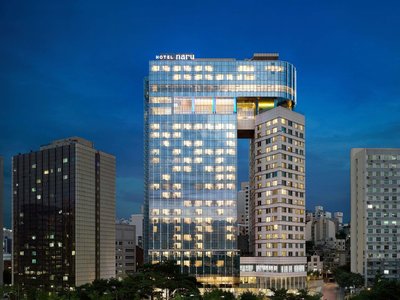
Hotel Naru Seoul - MGallery Collection
Stanford Hotel&Resort Tongyeong
JW Marriott Jeju Resort & Spa
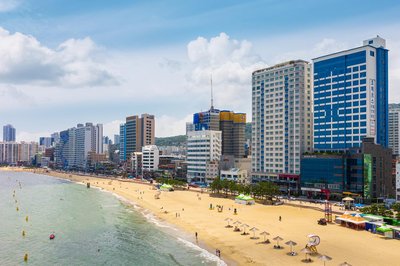
Homers Hotel
Shilla Stay Plus Iho Tewoo Ocean Front
SOL BEACH NAMHAE
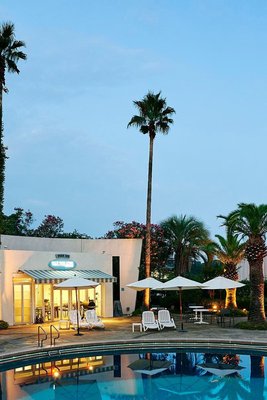
The Suites Hotel Jeju
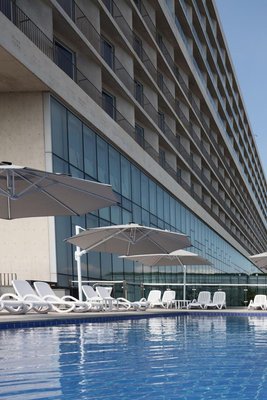
Nest Hotel Incheon
Conrad Seoul
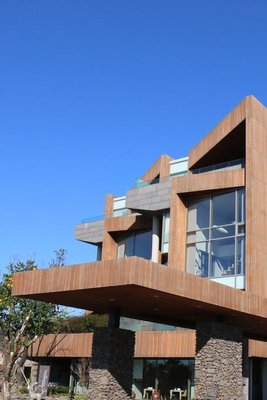
Bayhill Pool & Villa
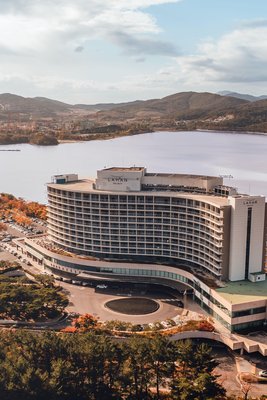
Lahan Select Gyeongju
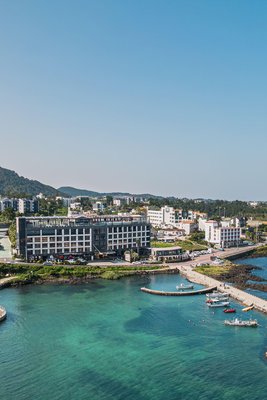
Dyne Ocenano Hotel
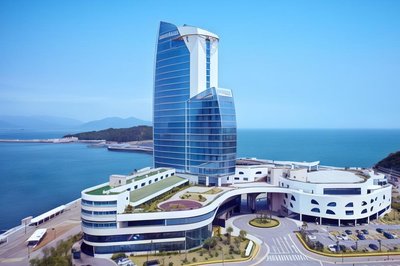
Sono Calm Yeosu
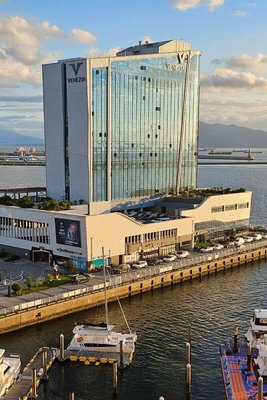
Yeosu Venezia Hotel & Suite
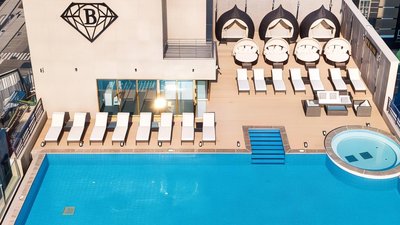
Baymond Hotel
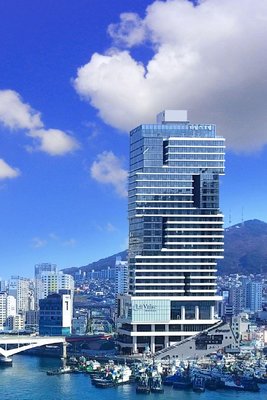
Lavalse Hotel
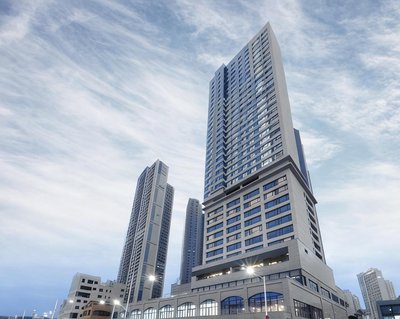
Mercure Ambassador Ulsan
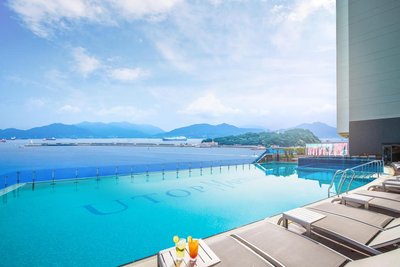
Utop Marina Hotel & Resort
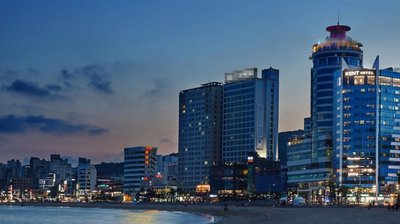
Kent Hotel Gwangalli by Kensington
Amber Pure Hill Hotels & Resorts Jeju
JW Marriott Jeju Resort & Spa
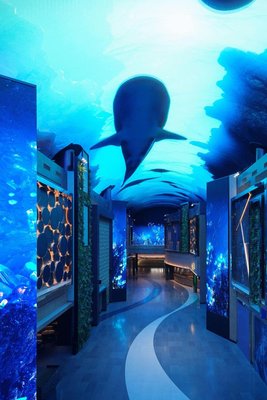
INSPIRE Entertainment Resort
Conrad Seoul
Bayhill Pool & Villa
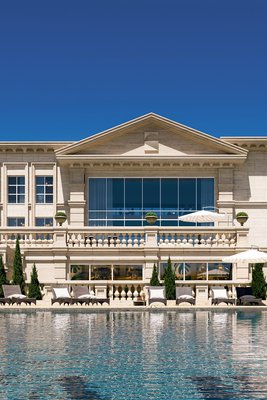
The Siena Primo (Original Tuscany Hotel)
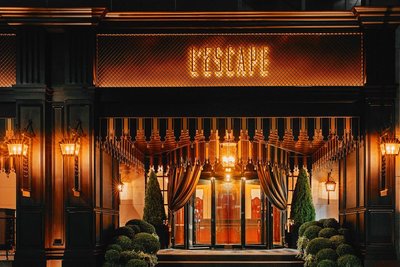
L'Escape Hotel
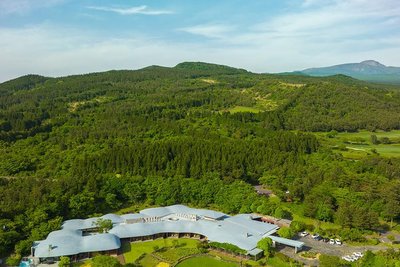
Podo Hotel
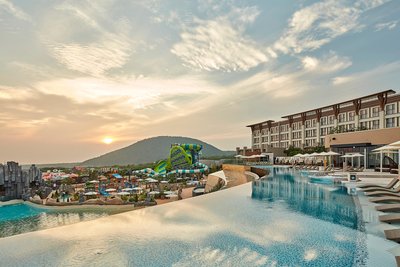
Shinhwa Jeju Shinhwa World Hotels & Resorts
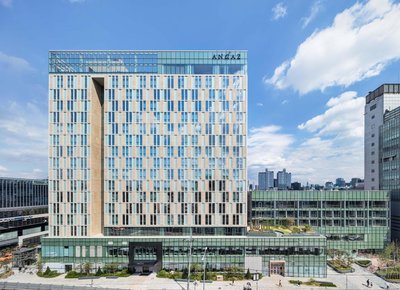
ANDAZ SEOUL GANGNAM, BY HYATT
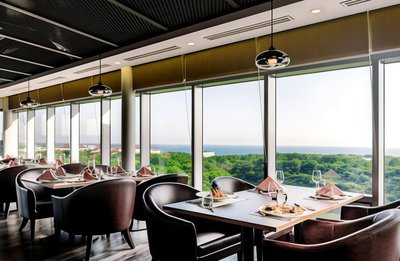
Hidden Cliff Hotel and Nature
Fairmont Ambassador Seoul
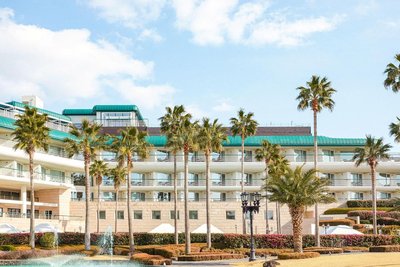
Grand Josun Jeju
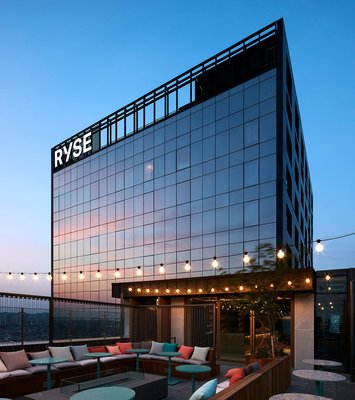
RYSE, Autograph Collection by Marriott
Josun Palace, a Luxury Collection Hotel, Seoul Gangnam
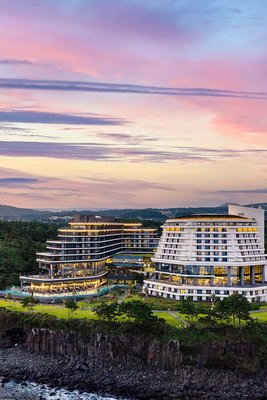
Parnas Hotel Jeju
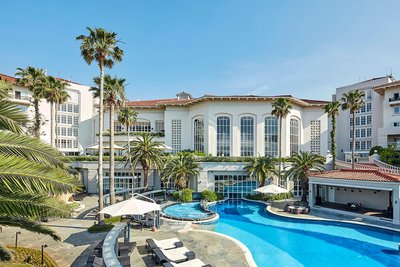
The Shilla Jeju
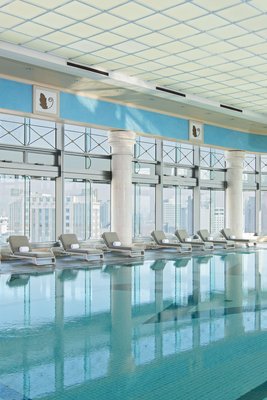
The Plaza Seoul, Autograph Collection
Banyan Tree Club & Spa Seoul
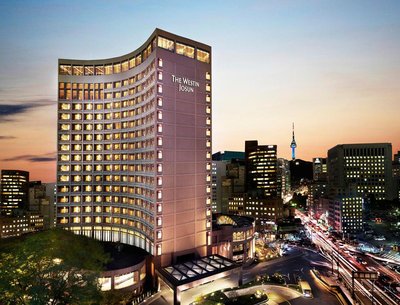
The Westin Josun Seoul
Amber Pure Hill Hotels & Resorts Jeju
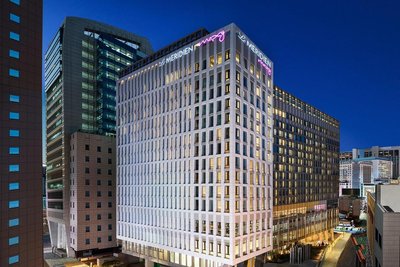
Le Méridien Seoul, Myeongdong
Hotel Naru Seoul - MGallery Collection

The Heaven Resort
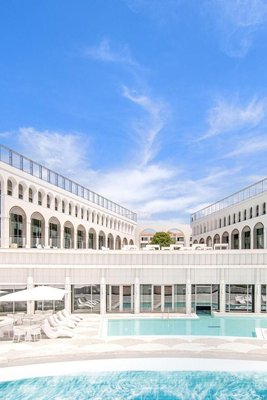
The Siena Resort
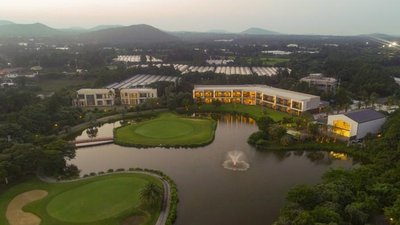
Kase Lodge
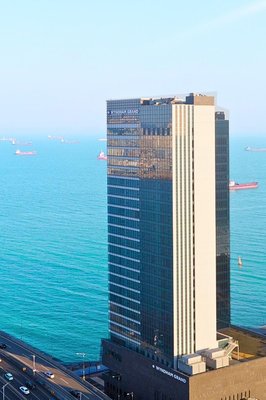
Wyndham Grand Busan Ijin
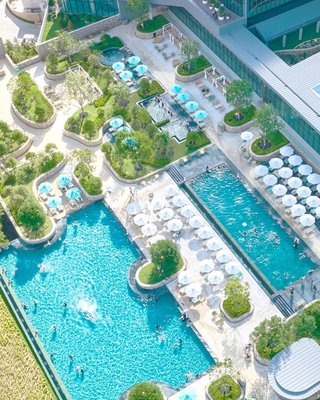
Ananti at Busan Village
INSPIRE Entertainment Resort
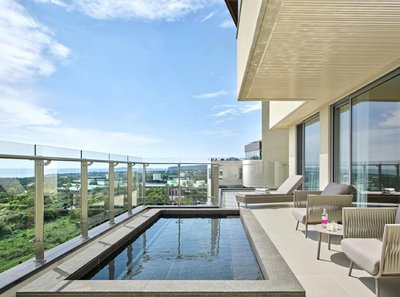
Grand Josun Hill Suite
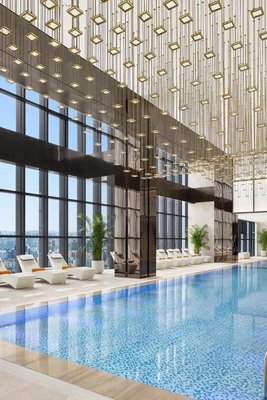
Pullman Ambassador Seoul Eastpole
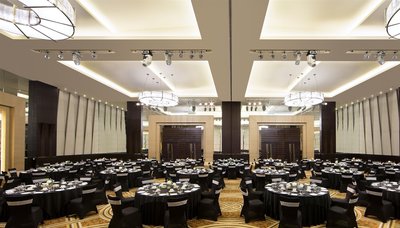
Sheraton Grand Incheon Hotel
Nest Hotel Incheon
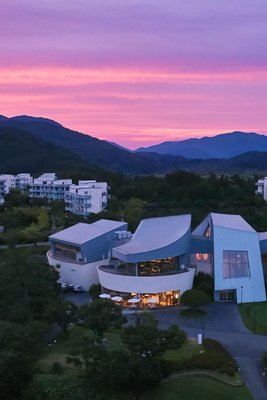
Ananti at Namhae
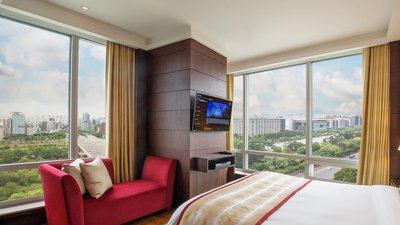
Yeouido Park Centre, Seoul - Marriott Executive Apartments
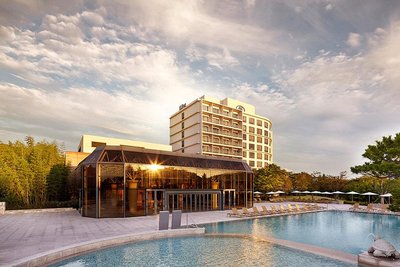
Hilton Gyeongju
Bayhill Pool & Villa
Lahan Select Gyeongju
The Siena Primo (Original Tuscany Hotel)
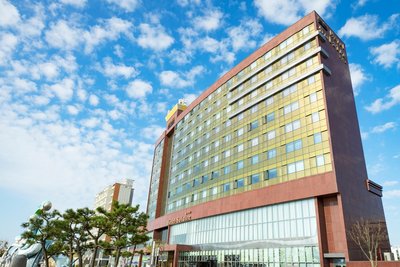
Hotel Solaire
INSPIRE Entertainment Resort
L'Escape Hotel
Lavalse Hotel
Four Seasons Hotel Seoul
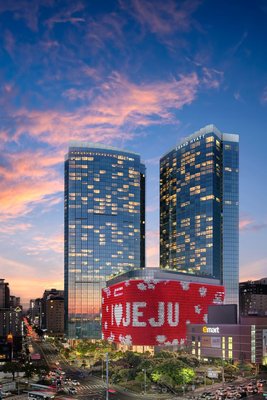
Grand Hyatt Jeju
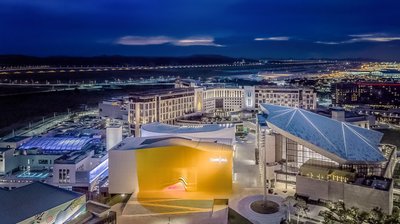
Paradise City
Josun Palace, a Luxury Collection Hotel, Seoul Gangnam
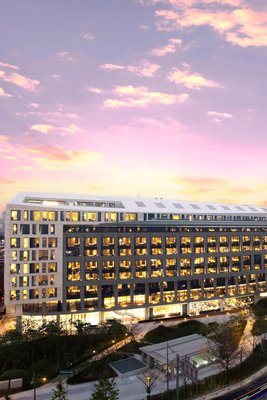
JW Marriott Dongdaemun Square Seoul
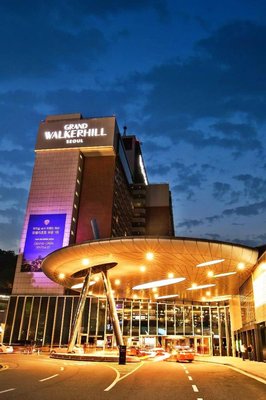
Grand Walkerhill Seoul
The Shilla Seoul

The Westin Josun Busan
Park Hyatt Busan
Frequently Asked Questions about Traveling to Suncheon
Questions You Might Need to Know About Traveling to Suncheon
For stunning Suncheon Bay Wetland views, stay at Suncheon Riverside Resort Hotel, which features panoramic windows overlooking the UNESCO-recognized Suncheon Bay National Nature Reserve. Another excellent choice is Suncheon Hanok Inn, a traditional Korean guesthouse nestled near the wetland boardwalks, offering serene mornings with birdwatching from your balcony. Both hotels provide guided nature walks and seasonal photography tours, perfect for eco-travelers seeking tranquility and beauty. They also serve local seafood delicacies like steamed yellow croaker and rice cakes made with fresh ingredients from the region. The combination of natural scenery and cultural authenticity makes them ideal for immersive stays.
The Suncheon Bay Coastal District is ideal for first-time visitors, combining easy access to major attractions like Suncheon Castle, Nanho Park, and Suncheon Bay Wetland with modern amenities. This area hosts boutique hotels such as Suncheon Bay Eco Lodge and Hyatt Regency Suncheon, which blend contemporary comfort with traditional Korean design. Many accommodations offer free shuttle services to nearby cultural sites and include welcome packages with maps and local cuisine samples. With walkable pathways along the riverfront and vibrant night markets nearby, this district ensures a seamless introduction to Suncheon’s culture, nature, and hospitality.
In Suncheon, participate in a traditional hanji paper-making workshop at the Suncheon Citizens’ Hall, where you’ll craft handmade lanterns using century-old techniques. During winter, join the Suncheon Bird Festival, featuring guided birdwatching tours across the Suncheon Bay Wetland, one of Asia’s most important migratory stopovers. You can also attend a Korean folk music performance under the moonlight at Nanho Park, complete with gayageum and piri melodies. For a deeper connection, try a family-style kimchi-making class at a local homestay, learning regional recipes passed down through generations. These experiences offer authentic insights into Suncheon’s heritage and sustainable lifestyle.
Yes, Suncheon Bay Family Eco Resort is a top-rated destination for families, featuring a children’s adventure zone, organic farm tours, and interactive workshops like making rice cakes and building bamboo kites. The resort offers spacious family suites with separate sleeping areas and safe outdoor play zones. Nearby, Suncheon Bay Wetland Children’s Education Center provides fun-filled nature lessons on birds, plants, and marine life. Daily activities include sandcastle competitions, fishing demos, and storytelling sessions with local elders. All meals are family-sized and include kid-friendly options, ensuring a joyful, stress-free vacation for all ages.
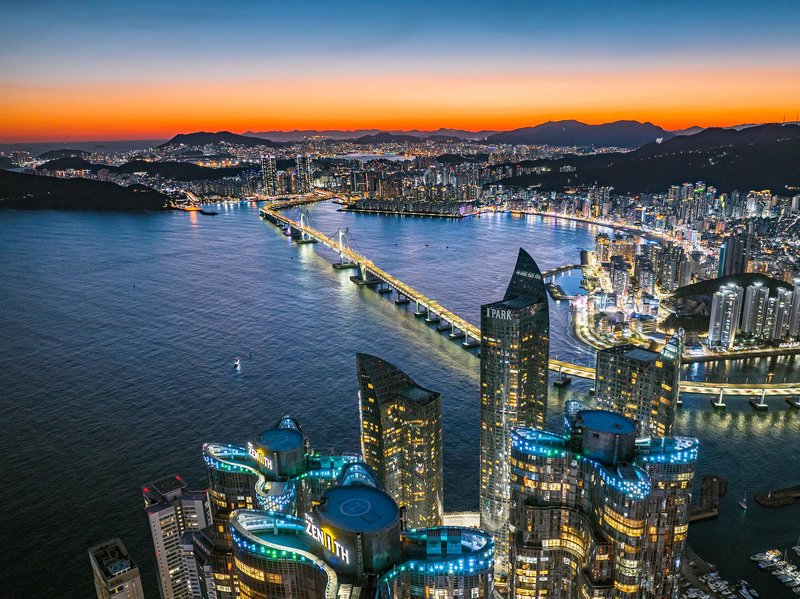
Head to Suncheon Bay Bridge at dusk for breathtaking night views—its illuminated arches reflect beautifully on the calm waters below, while the city lights glow softly along the shoreline. For a quieter experience, stroll along the Nanho Park lakeside promenade, where paper lanterns float gently on the water, creating a dreamlike atmosphere. Some luxury hotels, like Suncheon Riverside Resort, offer private rooftop terraces with hot tubs and complimentary evening tea service, allowing guests to savor the skyline in comfort. Whether walking or relaxing, Suncheon’s nighttime ambiance blends serenity with elegance.
Must-visit landmarks in Suncheon include Suncheon Castle, a well-preserved 16th-century fortress with original stone walls and gates, housing the Suncheon Museum showcasing ancient pottery and historical artifacts. Adjacent, Nanho Park features a lotus pond that blooms spectacularly in summer, surrounded by cherry trees and pavilions. The crown jewel is the Suncheon Bay National Nature Reserve, a UNESCO-listed wetland teeming with over 200 species of migratory birds. Together, these sites form a cultural and ecological journey that highlights Suncheon’s identity as a city of history, nature, and harmony between people and environment.
Try Suncheon Steamed Yellow Croaker, a signature dish made with fresh fish caught daily from the bay, simmered in spicy gochujang broth and served with rice. Don’t miss Suncheon Rice Cakes (Sunaengmyeon)—soft, chewy treats made from local glutinous rice, often enjoyed with honey or roasted sesame. In spring, sample wild greens mixed rice, featuring foraged herbs from the surrounding hills. At the Suncheon Harbor Night Market, taste grilled octopus skewers, spicy squid stew, and freshly baked sweet potato pancakes. These flavors reflect Suncheon’s coastal abundance and deep-rooted culinary traditions.
Yes, Suncheon Onsen Spa Resort offers natural hot springs sourced from underground thermal vents, with mineral-rich waters known for their skin-soothing properties. The resort features indoor and outdoor baths, steam rooms, and traditional Korean herbal therapies. Rooms open onto private garden patios with personal soaking tubs, perfect for unwinding under the stars. Nearby, Suncheon Forest Onsen & Wellness Center integrates forest bathing with hydrotherapy, set amid pine groves and offering meditation spaces. Both facilities provide spa packages tailored for relaxation, including aromatherapy and acupuncture, making them ideal for wellness-focused travelers.
Photographers will love Suncheon Bay Wetland during golden hour—early morning mist rising above reed beds creates ethereal scenes with flocks of migratory birds in flight. Capture the Suncheon Castle at sunrise, when sunlight glints off its ancient stone walls. The Nanho Park Lotus Pond in summer offers vivid red and pink blossoms reflected perfectly in still waters. For urban contrast, photograph the Suncheon Bay Bridge at night, lit up against the dark sky. Many hotels, like Suncheon Riverside Resort, offer free photography guides and even arrange sunrise shoots with local experts, helping you capture the essence of this scenic city.
Suncheon is a global model for eco-tourism, home to the Suncheon Bay National Nature Reserve, a UNESCO-recognized site supporting over 200 bird species annually. The city promotes sustainable travel through green transportation, zero-waste initiatives, and community-led conservation programs. Visitors can join eco-guided tours, volunteer in mangrove planting, or stay at eco-certified lodges powered by solar energy. Local restaurants source ingredients from nearby farms, reducing food miles. With strong environmental education and a deep respect for nature, Suncheon exemplifies how tourism and ecology can thrive together, making it a must-visit for conscious travelers.
Suncheon Overview
City Summary
Suncheon is a historic and cultural city in Jeollanam-do, South Korea, renowned for its natural landscapes and traditional heritage. The city is home to the Suncheon Bay Wetland Reserve, a world-class ecological site and a paradise for migratory birds. Suncheon also boasts traditional Hanok villages and Buddhist cultural heritage, such as the ancient Songgwangsa Temple.
Must-See Attractions
Suncheon Bay Wetland is a must-visit, featuring well-maintained boardwalks and observation decks perfect for birdwatching and photography. The Suncheon Hanok Village preserves traditional Korean architecture, offering a glimpse into Korea's past. Songgwangsa Temple, one of Korea's three major temples, provides a serene environment for meditation and relaxation.
Food Guide
Suncheon's cuisine highlights seafood and traditional Korean dishes. Don't miss the local specialty—grilled eel, often prepared over charcoal for a unique flavor. Suncheon's kimchi and Jeolla-style bibimbap are also highly recommended for their rich and layered tastes.
Transportation Guide
Suncheon's public transport primarily relies on buses, with multiple routes connecting major attractions. From Seoul, take a high-speed bus or train (approx. 4 hours). Taxis are affordable, but downloading a Korean map app is advised for navigation.
Best Time to Visit
The best times to visit are spring (April–June) and autumn (September–November), when the weather is ideal for outdoor activities. Suncheon Bay is particularly stunning in autumn during bird migrations.
Travel Tips
- Respect local customs; remove shoes and stay quiet in temples.
- Suncheon Bay has many mosquitoes—bring repellent.
- Some areas in Hanok Village require tickets; check opening hours in advance.
- Smoking is banned in public places; fines may apply.
- Many restaurants lack English menus; learn basic Korean food terms.
- Do not feed birds or disturb the ecosystem in the wetland reserve.
Useful Information
Korean is the primary language; English is limited, so a translation app is helpful. Most shops accept credit cards, but street vendors may only take cash. South Korea uses 220V voltage with C/F plugs; bring an adapter. For emergencies, dial 112 (police) or 119 (ambulance). Free Wi-Fi is available but unreliable; consider a local SIM card.
Other Cities You Might Like
Explore more amazing destinations