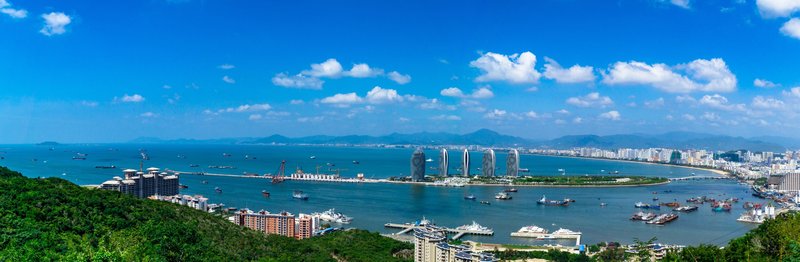
Hotels in Wanju
Discover your perfect stay in Wanju.
Wanju(South Korea) Travel 2026: Cheap Flights, Hotels & Top Attractions
Popular Landmarks in Wanju
Discover the most iconic attractions in Wanju
Recommended Hotels in Wanju
Find the perfect place to stay in Wanju
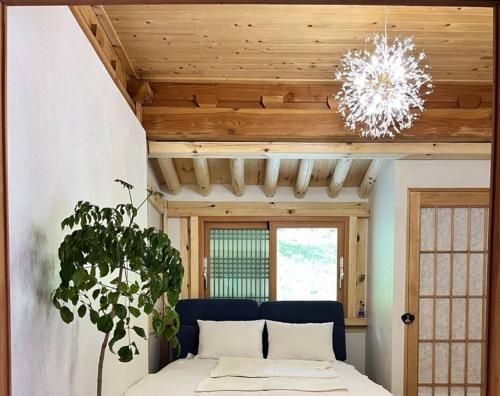
Wanju Hanok Pension Hyurim
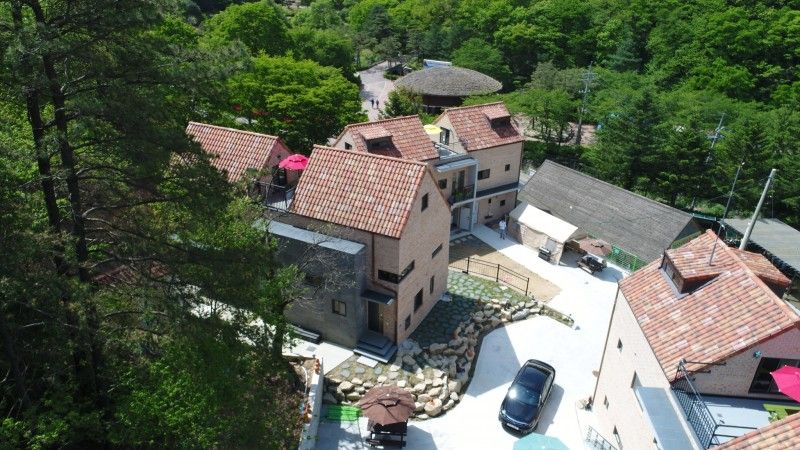
Wanju Madangi Sumokwon Pension
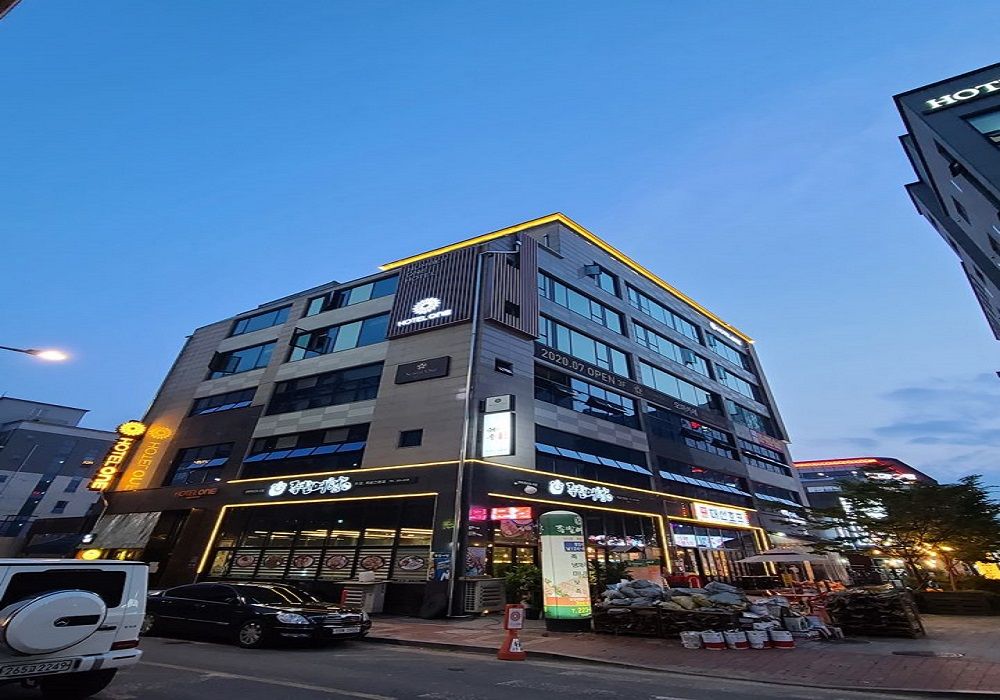
Hotel one innocity
Best Hotels in Wanju
Discover curated hotel collections in Wanju
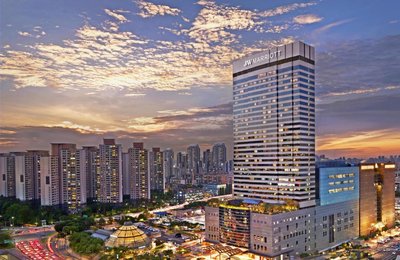
JW Marriott Hotel Seoul
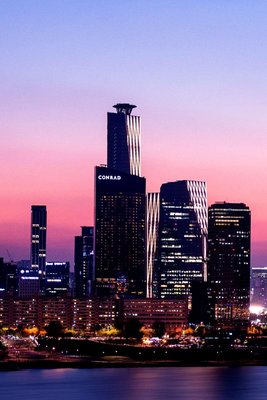
Conrad Seoul
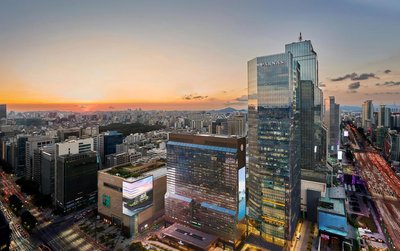
Grand InterContinental Seoul Parnas
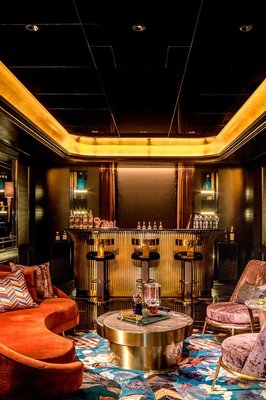
Art Paradiso, Paradise City
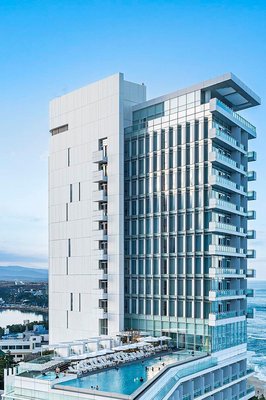
Seamarq Hotel
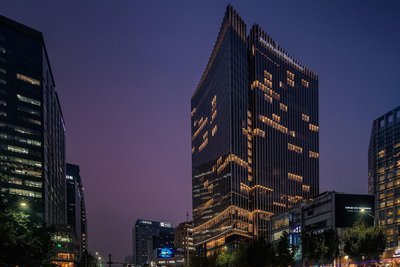
Four Seasons Hotel Seoul
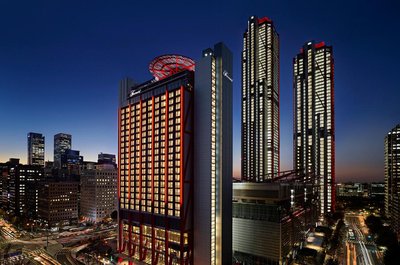
Fairmont Ambassador Seoul
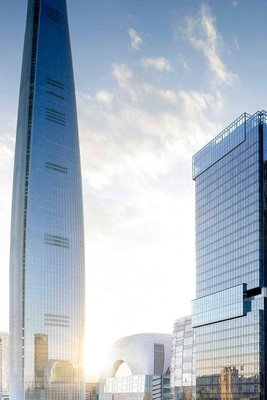
Sofitel Ambassador Seoul Hotel & Serviced Residences
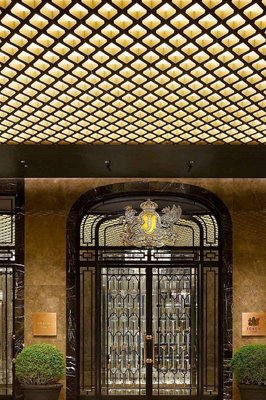
Josun Palace, a Luxury Collection Hotel, Seoul Gangnam
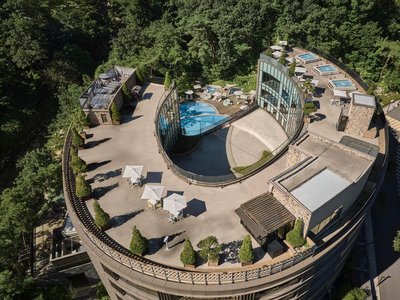
Anto (formerly: Parasara Seoul)
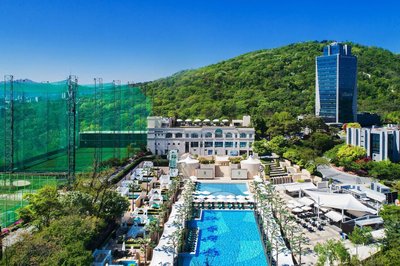
Banyan Tree Club & Spa Seoul
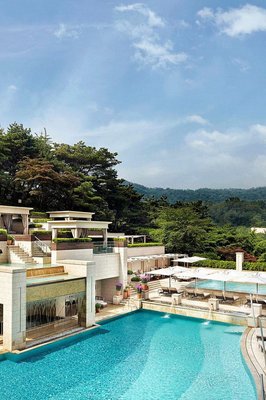
The Shilla Seoul
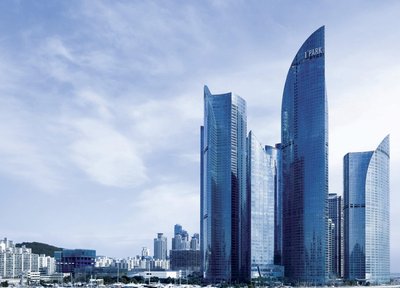
Park Hyatt Busan
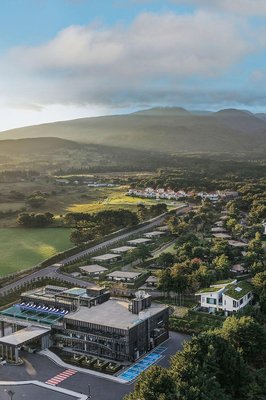
Amber Pure Hill Hotels & Resorts Jeju
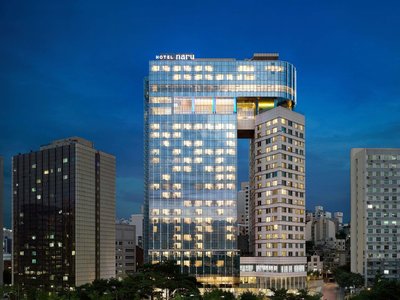
Hotel Naru Seoul - MGallery Collection
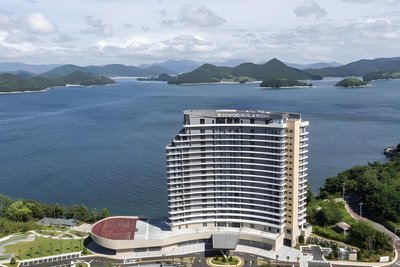
Stanford Hotel&Resort Tongyeong
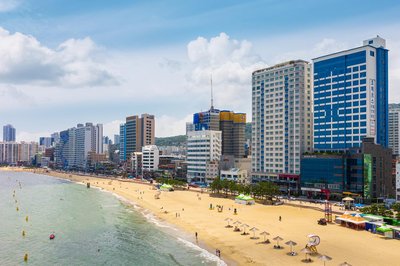
Homers Hotel
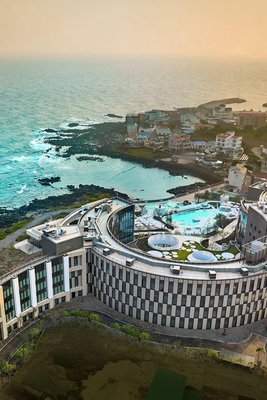
Shilla Stay Plus Iho Tewoo Ocean Front
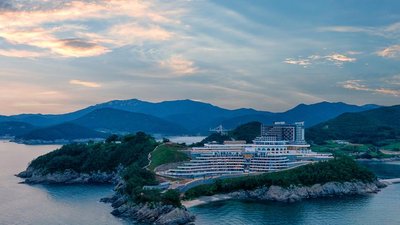
SOL BEACH NAMHAE
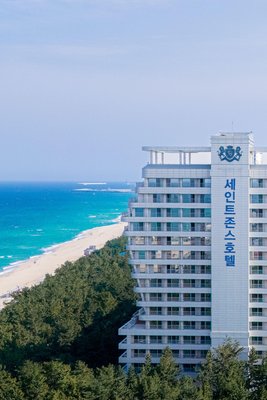
St. John's Hotel
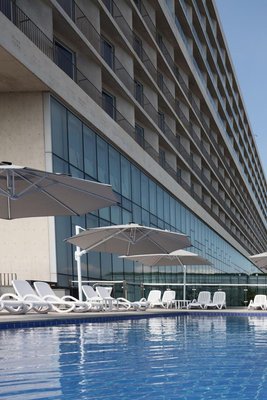
Nest Hotel Incheon
Conrad Seoul
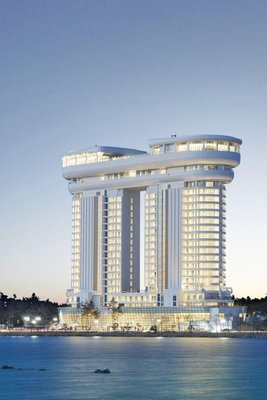
Skybay Hotel Gyeongpo
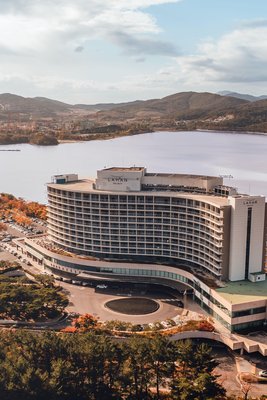
Lahan Select Gyeongju
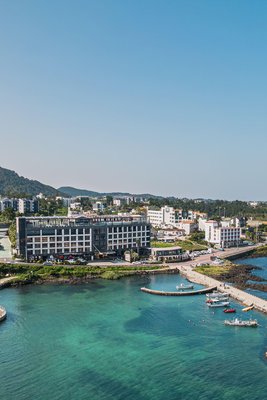
Dyne Ocenano Hotel
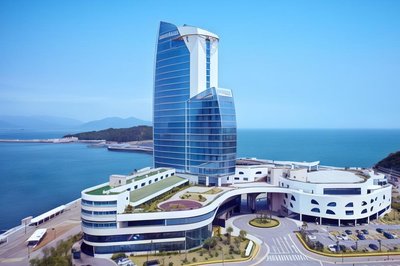
Sono Calm Yeosu
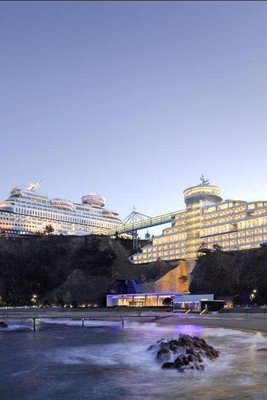
Sun Cruise Resort and Yacht
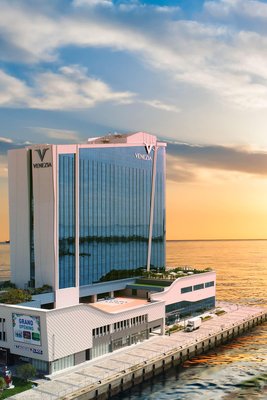
Yeosu Venezia Hotel & Suite
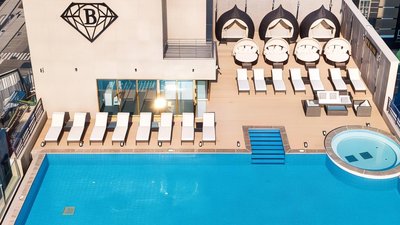
Baymond Hotel
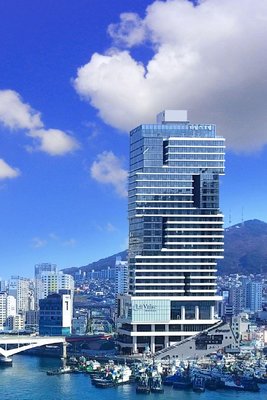
Lavalse Hotel
Seamarq Hotel
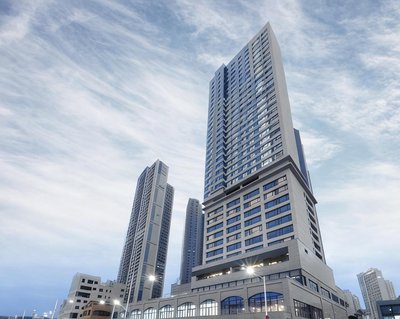
Mercure Ambassador Ulsan
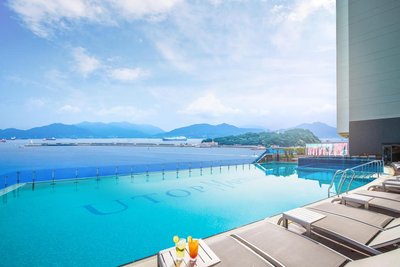
Utop Marina Hotel & Resort
Amber Pure Hill Hotels & Resorts Jeju

INSPIRE Entertainment Resort
Conrad Seoul
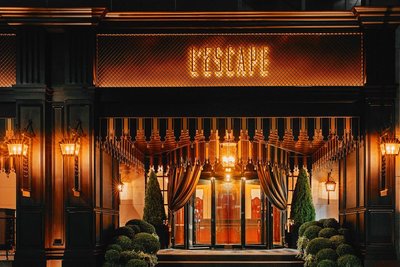
L'Escape Hotel
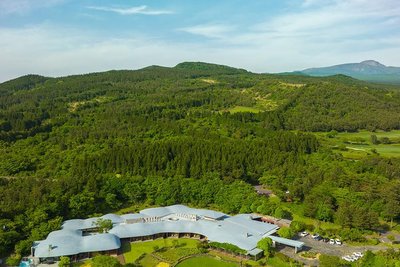
Podo Hotel
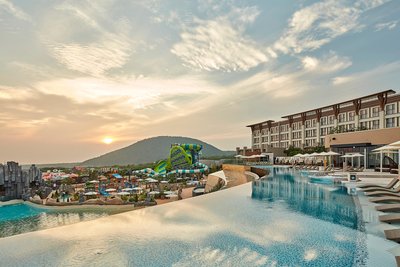
Shinhwa Jeju Shinhwa World Hotels & Resorts
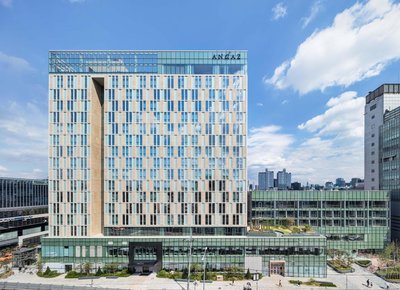
ANDAZ SEOUL GANGNAM, BY HYATT
Fairmont Ambassador Seoul
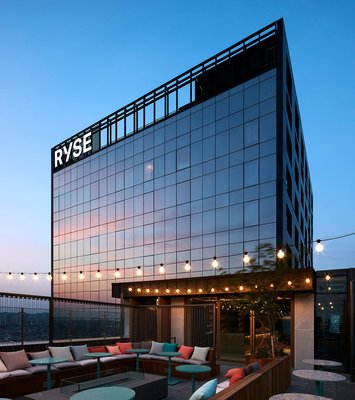
RYSE, Autograph Collection by Marriott
Josun Palace, a Luxury Collection Hotel, Seoul Gangnam
Anto (formerly: Parasara Seoul)
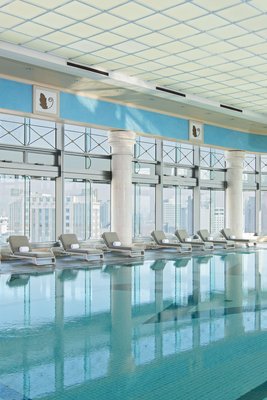
The Plaza Seoul, Autograph Collection
Banyan Tree Club & Spa Seoul
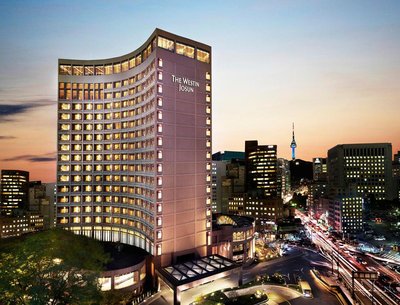
The Westin Josun Seoul
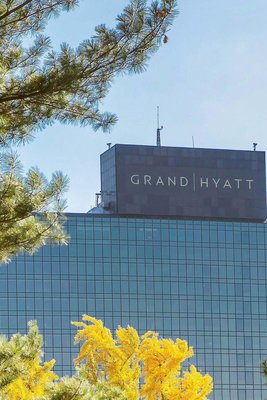
Grand Hyatt Seoul
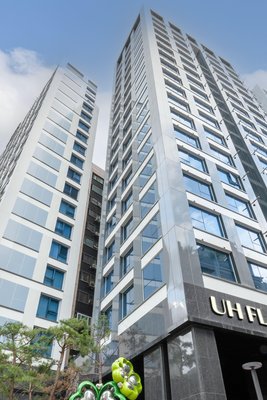
UH FLAT THE SEOCHO
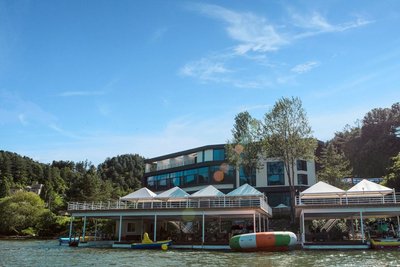
SS Resort
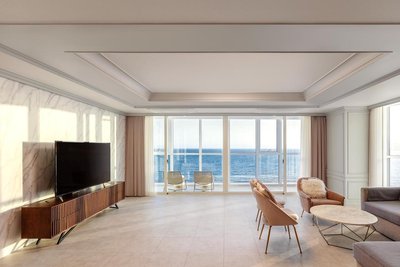
Palede cz Condor Busan
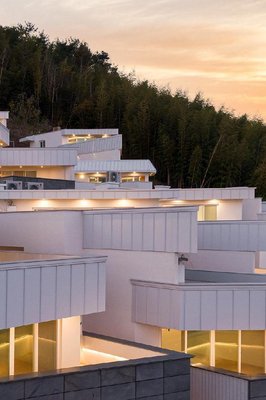
Ocean terra
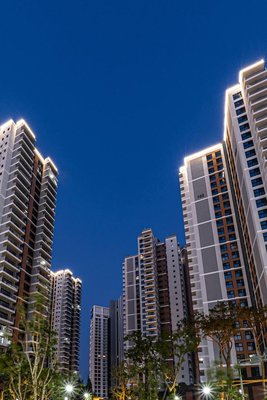
Le Collective Busan Gijang
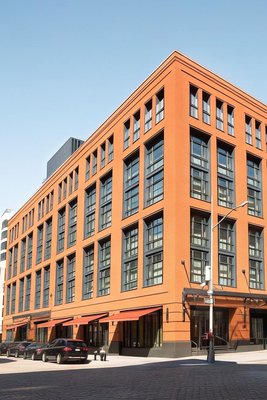
Hotel Barrière Fouquet's New York
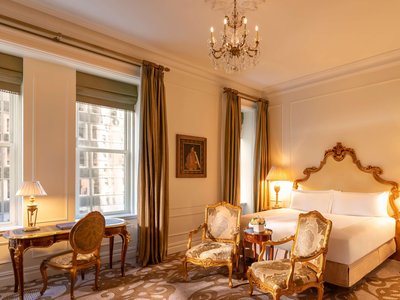
The Plaza - A Fairmont Managed Hotel
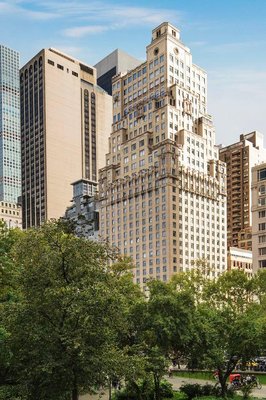
The Ritz-Carlton New York, Central Park
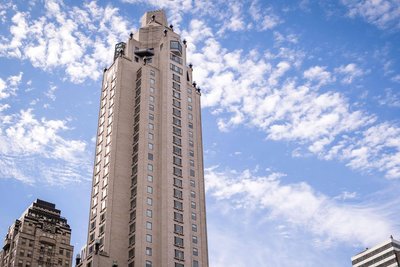
Four Seasons Hotel New York
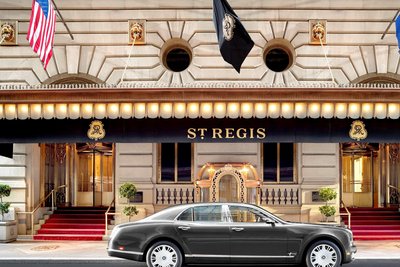
The St. Regis New York
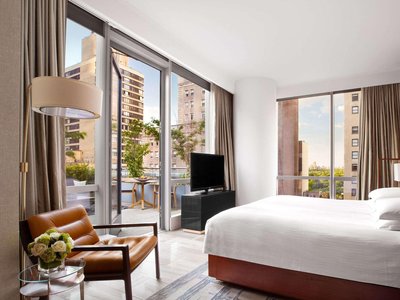
Park Hyatt New York
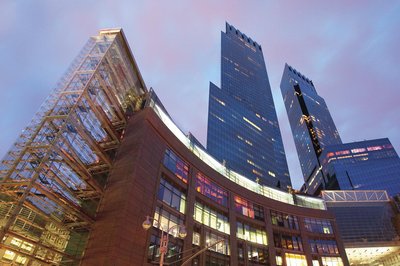
Mandarin Oriental New York

Times Square Edition New York

Loews Regency New York Hotel
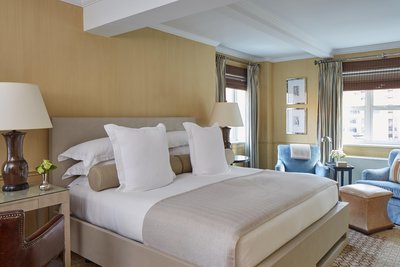
Lowell Hotel
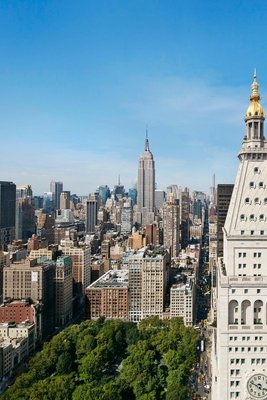
New York Edition
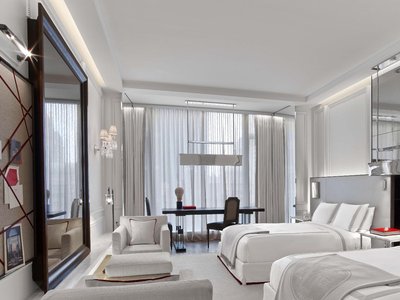
Baccarat Hotel New York

Equinox Hotel New York
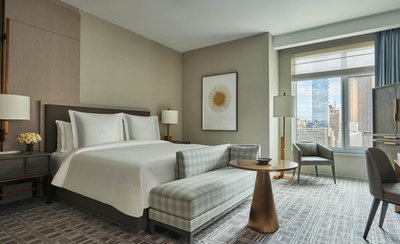
Four Seasons Hotel New York Downtown
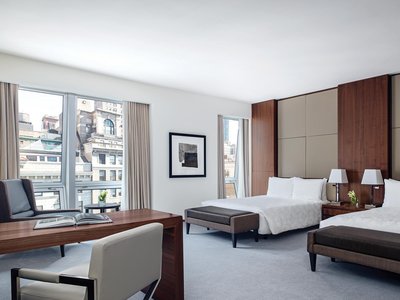
The Langham, New York, Fifth Avenue

The Carlyle, A Rosewood Hotel

The Chatwal, in the Unbound Collection by Hyatt

The Mark New York
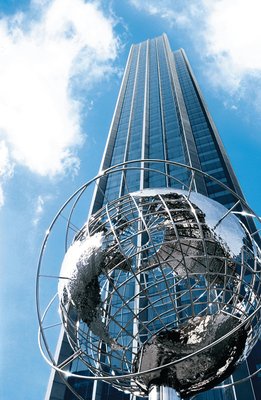
Trump International Hotel & Tower® New York
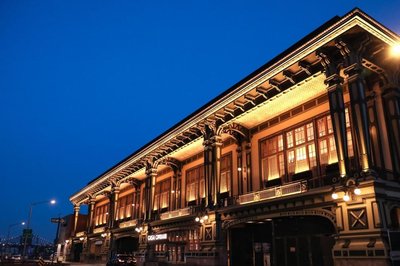
Casa Cipriani New York
Frequently Asked Questions about Traveling to Wanju
Questions You Might Need to Know About Traveling to Wanju
In Wansan County, Wansan Culture Hotel stands out as a premier choice, located within walking distance of the Baekje Ancient Capital Site and Wansan Historical Museum. The hotel blends traditional Korean hanok architecture with modern comforts and offers immersive experiences like Korean tea ceremony workshops and hanbok (traditional clothing) rental. Nearby, Sinan Mountain Resort provides serene mountain views and wellness-focused amenities, ideal for travelers seeking tranquility and cultural connection amidst nature. Both offer excellent access to historical landmarks and local heritage events.
The best area for accommodation in Wansan County is the Wansan Old Town district. Surrounded by historic sites such as the Baekje Fortress Wall, Ancient City Gate, and National Museum of Baekje, this area offers easy access on foot to major attractions. Many boutique guesthouses and cultural lodges here preserve traditional hanok design, often hosting evening performances and local cooking classes. With quiet streets and minimal traffic, it's perfect for travelers who want to immerse themselves in the legacy of the Baekje Kingdom while enjoying a peaceful stay.
Visitors to Wansan County can participate in authentic cultural experiences such as the annual Baekje Cultural Festival, Hanji paper-making workshops, and traditional Korean dance performances at the Wansan Cultural Center. Guests may also join hands-on sessions creating Hanji lanterns or hand-painted bookmarks. Some hotels offer intimate tea ceremonies in traditional gardens, where guests enjoy matcha and listen to classical Korean music under bamboo trees—perfect for deepening appreciation of Korea’s intangible cultural heritage.
Yes, many hotels in Wansan County provide rich local culinary experiences. Wansan Culture Hotel features a signature dinner menu including Wansan rice wine chicken stew, eel noodles, and fermented tofu stew—authentic dishes from Jeollabuk-do province. Other guesthouses host interactive home-style cooking classes, where travelers prepare Jeolla kimchi and tteokguk (rice cake soup) alongside local families. These meals are not only delicious but also serve as a meaningful way to connect with regional traditions and hospitality.
Absolutely. Wansan Kids Culture Village Hotel is specifically designed for families, offering child-friendly facilities like a mini ancient city exploration park, interactive hanok play zone, and family pottery workshop. Outdoor spaces include a nature trail and petting zoo, allowing parents to relax while kids learn through play. All rooms come with safety features and twin-bed configurations. Free shuttle services to Wansan Historical Park and Cultural Exhibition Hall make it convenient for family outings, making it an ideal destination for intergenerational travel.
Most top hotels in Wansan County are situated within a 5-minute walk of key historical attractions like the Baekje Ancient Capital Ruins, Fortress Wall, and Royal Palace Reconstruction Area. Some, such as Wansan Hanok Inn, offer complimentary shuttle buses to nearby sites including Stone Buddha Temple and Old City Gate. On-site staff can assist with HopeGoo audio guide headsets and multilingual maps, enabling guests to explore independently and efficiently. This seamless integration ensures that staying becomes part of the journey.
Many hotels in Wansan County provide basic services in English and Chinese. Major establishments like Wansan Culture Hotel and Sinan Mountain Resort feature bilingual signage and multilingual staff trained in customer service. They offer translation apps, digital guides, and printed multilingual menus. While English proficiency varies, advance HopeGoo can secure guided tours with interpreters. Travelers are advised to confirm language support in advance to ensure smooth communication.
Yes, Wansan County offers several welcoming options for solo travelers. Wansan Solo Guest House provides private single rooms with shared lounges, meditation spaces, and evening storytelling sessions to encourage social interaction. The quiet, historic streets of Old Town invite peaceful walks through stone alleys and traditional teahouses. Many hotels also offer personalized cultural walking tours, helping solo visitors explore the Baekje legacy with confidence and comfort—ideal for introspective or transformative journeys.
Accommodation in Wansan County offers exceptional value. Prices range from 300 to 600 RMB per night, significantly lower than Seoul or Busan, yet guests receive premium experiences such as hanok stays, cultural workshops, and private guided tours. For example, Wansan Hanok Guesthouse offers breakfast-included packages starting at 450 RMB, including a traditional tea ceremony and historical walking tour. With central locations and low transportation costs, Wansan County delivers high cultural return on investment—perfect for budget-conscious travelers seeking authenticity.
Wanju Overview
City Summary
Wanju County, located in Jeollabuk-do, South Korea, is a region that blends tradition with natural beauty. Known for its hanok villages and pristine natural environment, it features attractions like Seonunsan Mountain and Seonunsa Temple, showcasing deep Buddhist culture and scenic landscapes. Wanju is also a preserve of Korean traditional culture, offering experiences like hanji (Korean paper) crafting and traditional tea ceremonies.
Must-See Attractions
Must-see spots include Seonunsan National Park, with its stunning mountain views and ancient temples like Seonunsa. The Gochang Dolmen Sites, a UNESCO World Heritage Site, reveal prehistoric relics. Wanju Hanok Village allows visitors to experience traditional Korean lifestyle. Culture enthusiasts can visit the Hanji Museum to learn about traditional Korean paper-making.
Food Guide
Wanju is famous for traditional Korean cuisine. Try ginseng chicken soup, made with locally grown ginseng. Wanju Hanwoo (Korean beef) is another must-try, known for its tender and juicy meat. Street food like Korean pancakes and spicy rice cakes are widely available, reflecting the diversity of Korean culinary culture.
Transportation Guide
Public transport in Wanju relies mainly on buses, with several routes connecting major attractions. Long-distance buses from Jeonju or Seoul take about 2-3 hours. Renting a car is recommended for exploring rural areas. Taxis are also an option but can be expensive.
Best Time to Visit
The best times to visit are spring (April-June) and autumn (September-November), when the weather is mild and ideal for outdoor activities. Summers are hot and humid, while winters are cold but offer snowy landscapes. Avoid Korean holidays like Chuseok (Korean Thanksgiving) to escape crowds.
Travel Tips
- Respect local culture: Remove shoes and stay quiet in temples.
- Cash payments: Some small shops only accept cash, so carry enough KRW.
- Dress modestly: Avoid revealing clothing in religious sites.
- Waste sorting: Korea enforces strict waste separation—follow local rules.
- Language barrier: Learn basic Korean greetings to aid communication.
- Internet access: Consider buying a local SIM or renting a Wi-Fi egg.
Useful Information
Language: Korean is primary; some attractions have English signs. Internet: Free Wi-Fi hotspots in urban areas, but signals weaken in rural zones. Payment: Credit cards work in large stores; cash is preferred in small shops. Emergency: Wanju has hospitals and pharmacies; travel insurance is advised. Voltage: 220V, with round two-pin plugs; bring an adapter.
Other Cities You Might Like
Explore more amazing destinations