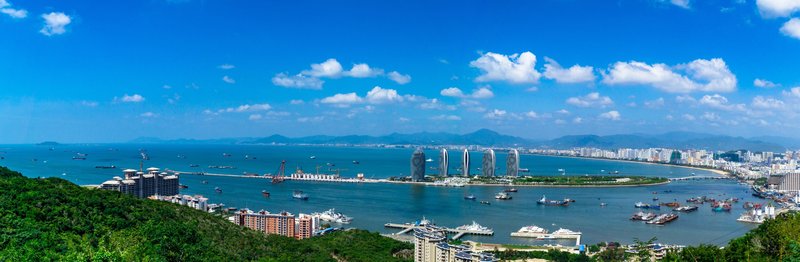
Hotels in Wanju
Discover your perfect stay in Wanju.
Wanju(South Korea) Travel 2026: Cheap Flights, Hotels & Top Attractions
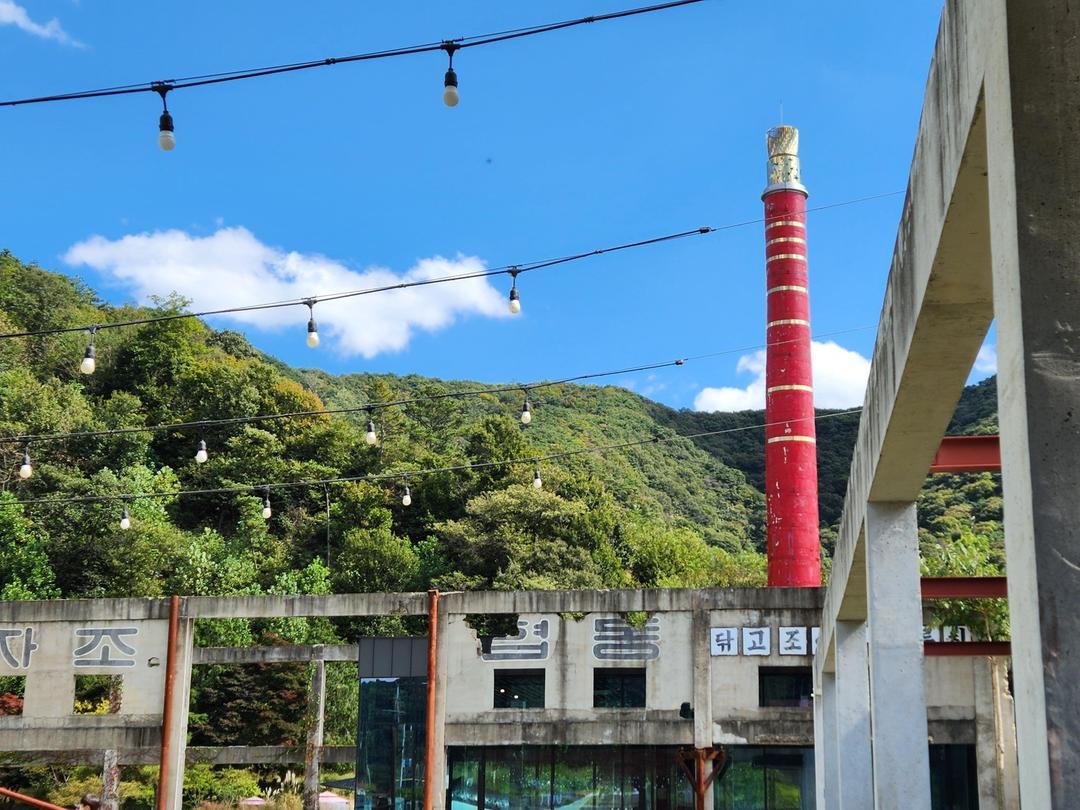
Popular Landmarks in Wanju
Discover the most iconic attractions in Wanju
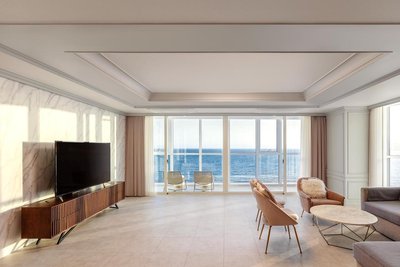
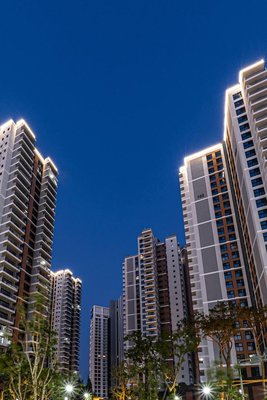
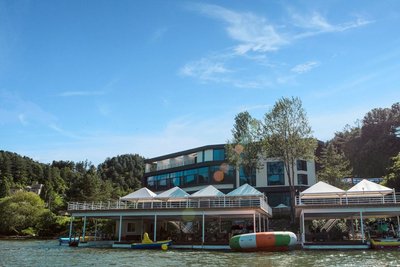
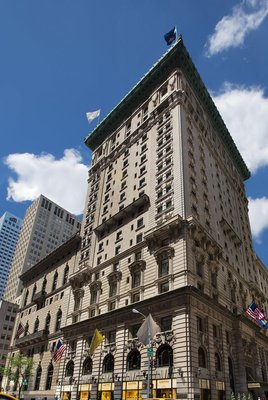
Recommended Hotels in Wanju
Find the perfect place to stay in Wanju
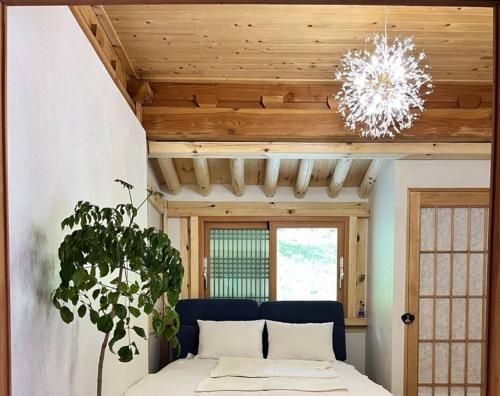
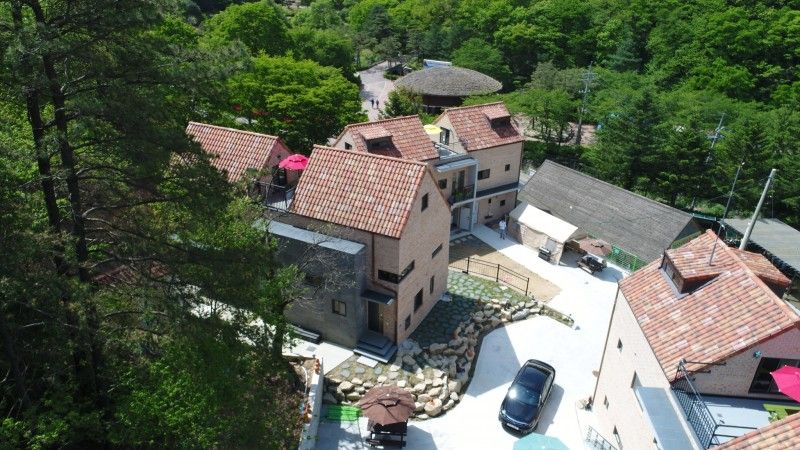
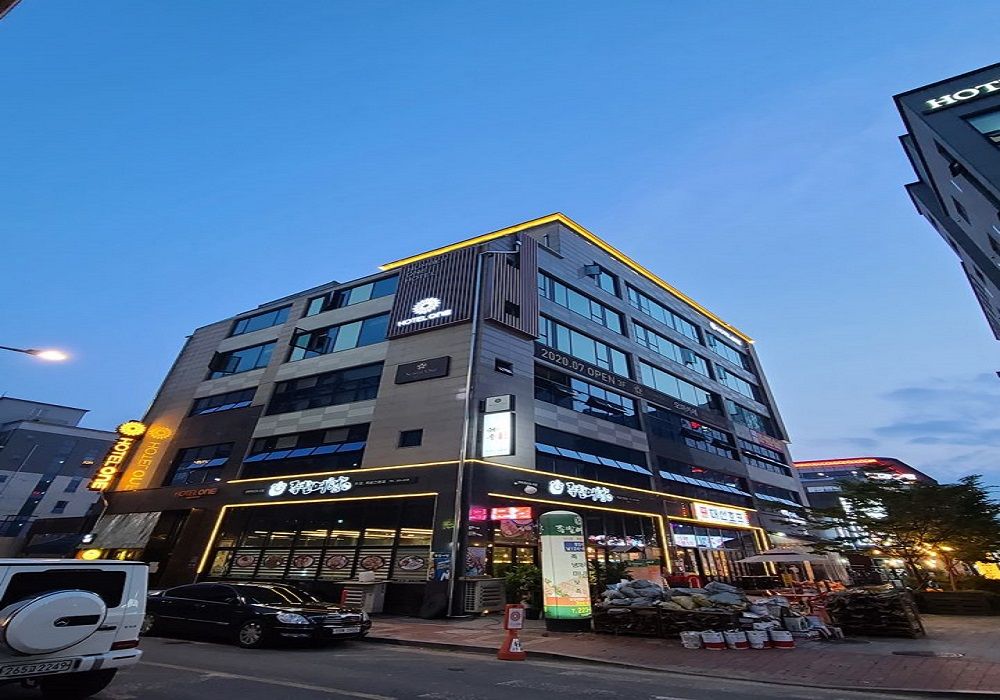
Best Hotels in Wanju
Discover curated hotel collections in Wanju
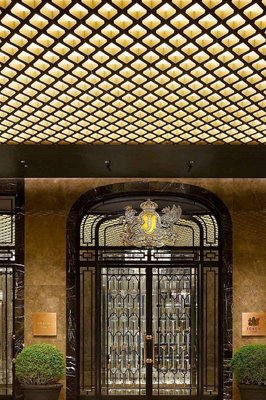

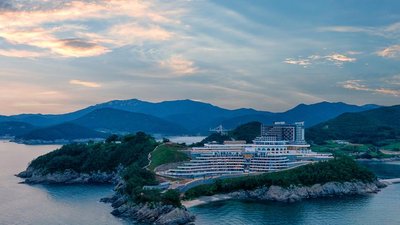
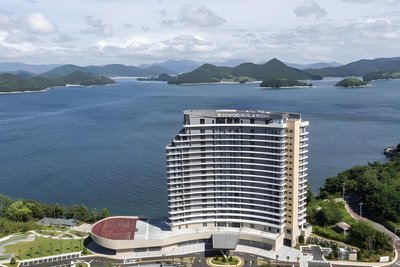
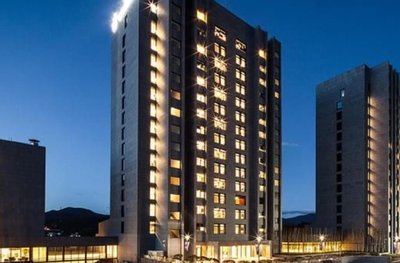
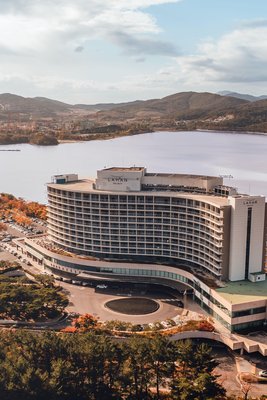

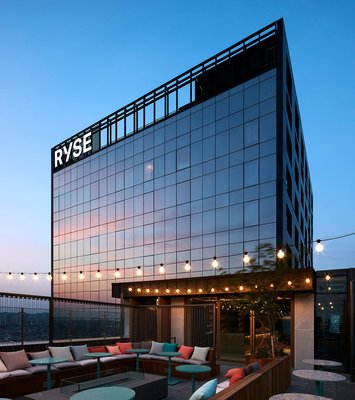
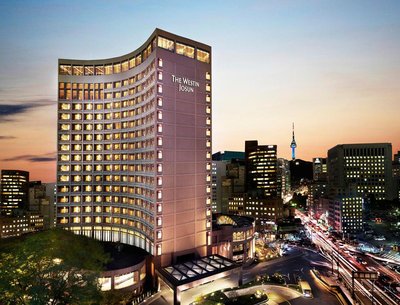
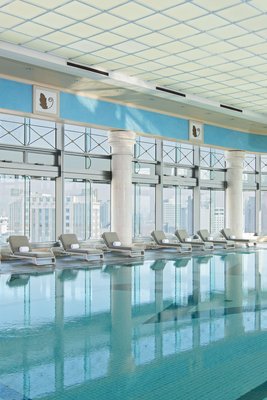

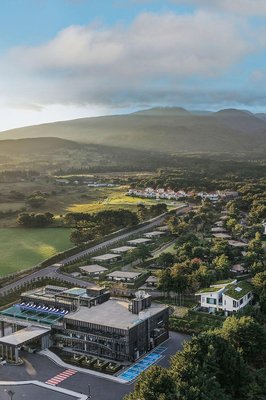
















Frequently Asked Questions about Traveling to Wanju
Questions You Might Need to Know About Traveling to Wanju
Wanju Overview
City Summary
Wanju County, located in Jeollabuk-do, South Korea, is a region that blends tradition with natural beauty. Known for its hanok villages and pristine natural environment, it features attractions like Seonunsan Mountain and Seonunsa Temple, showcasing deep Buddhist culture and scenic landscapes. Wanju is also a preserve of Korean traditional culture, offering experiences like hanji (Korean paper) crafting and traditional tea ceremonies.
Must-See Attractions
Must-see spots include Seonunsan National Park, with its stunning mountain views and ancient temples like Seonunsa. The Gochang Dolmen Sites, a UNESCO World Heritage Site, reveal prehistoric relics. Wanju Hanok Village allows visitors to experience traditional Korean lifestyle. Culture enthusiasts can visit the Hanji Museum to learn about traditional Korean paper-making.
Food Guide
Wanju is famous for traditional Korean cuisine. Try ginseng chicken soup, made with locally grown ginseng. Wanju Hanwoo (Korean beef) is another must-try, known for its tender and juicy meat. Street food like Korean pancakes and spicy rice cakes are widely available, reflecting the diversity of Korean culinary culture.
Transportation Guide
Public transport in Wanju relies mainly on buses, with several routes connecting major attractions. Long-distance buses from Jeonju or Seoul take about 2-3 hours. Renting a car is recommended for exploring rural areas. Taxis are also an option but can be expensive.
Best Time to Visit
The best times to visit are spring (April-June) and autumn (September-November), when the weather is mild and ideal for outdoor activities. Summers are hot and humid, while winters are cold but offer snowy landscapes. Avoid Korean holidays like Chuseok (Korean Thanksgiving) to escape crowds.
Travel Tips
- Respect local culture: Remove shoes and stay quiet in temples.
- Cash payments: Some small shops only accept cash, so carry enough KRW.
- Dress modestly: Avoid revealing clothing in religious sites.
- Waste sorting: Korea enforces strict waste separation—follow local rules.
- Language barrier: Learn basic Korean greetings to aid communication.
- Internet access: Consider buying a local SIM or renting a Wi-Fi egg.
Useful Information
Language: Korean is primary; some attractions have English signs. Internet: Free Wi-Fi hotspots in urban areas, but signals weaken in rural zones. Payment: Credit cards work in large stores; cash is preferred in small shops. Emergency: Wanju has hospitals and pharmacies; travel insurance is advised. Voltage: 220V, with round two-pin plugs; bring an adapter.
Other Cities You Might Like
Explore more amazing destinations