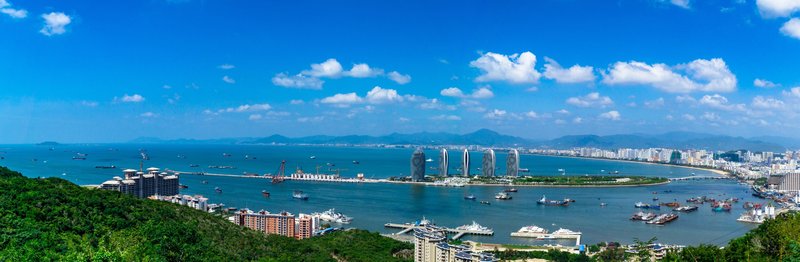
Hotels in Wonju
Discover your perfect stay in Wonju.
Wonju(South Korea) Travel 2026: Cheap Flights, Hotels & Top Attractions
Popular Landmarks in Wonju
Discover the most iconic attractions in Wonju
Recommended Hotels in Wonju
Find the perfect place to stay in Wonju
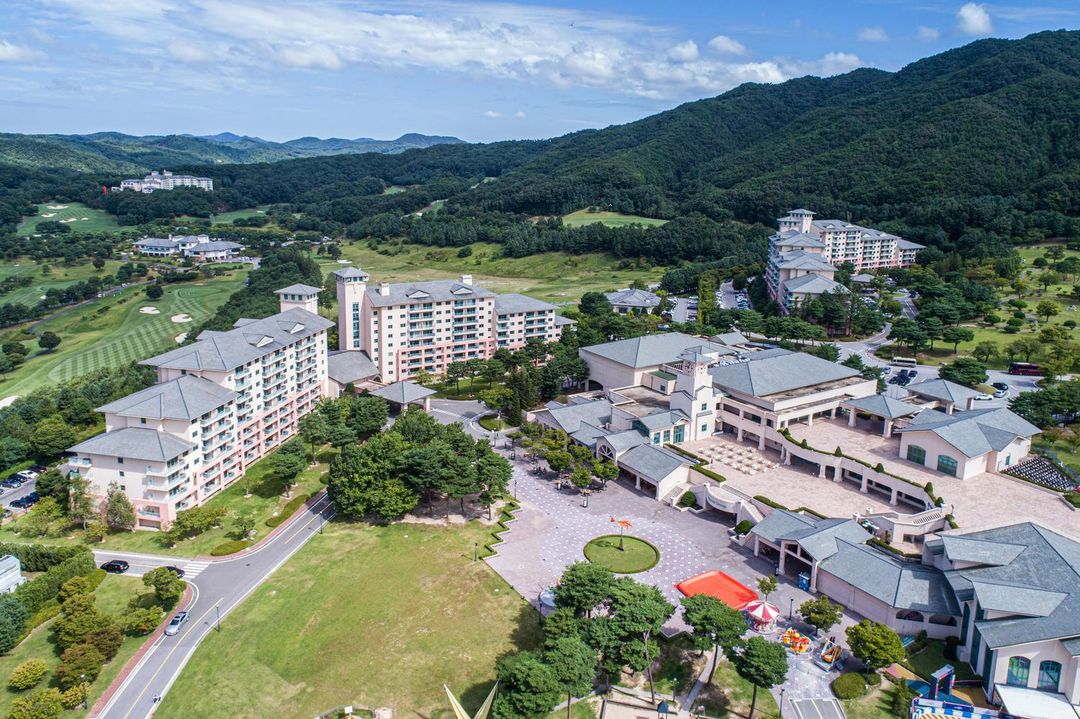
Oak Valley Resort Valley Village

Benikea Biz Inn Hotel
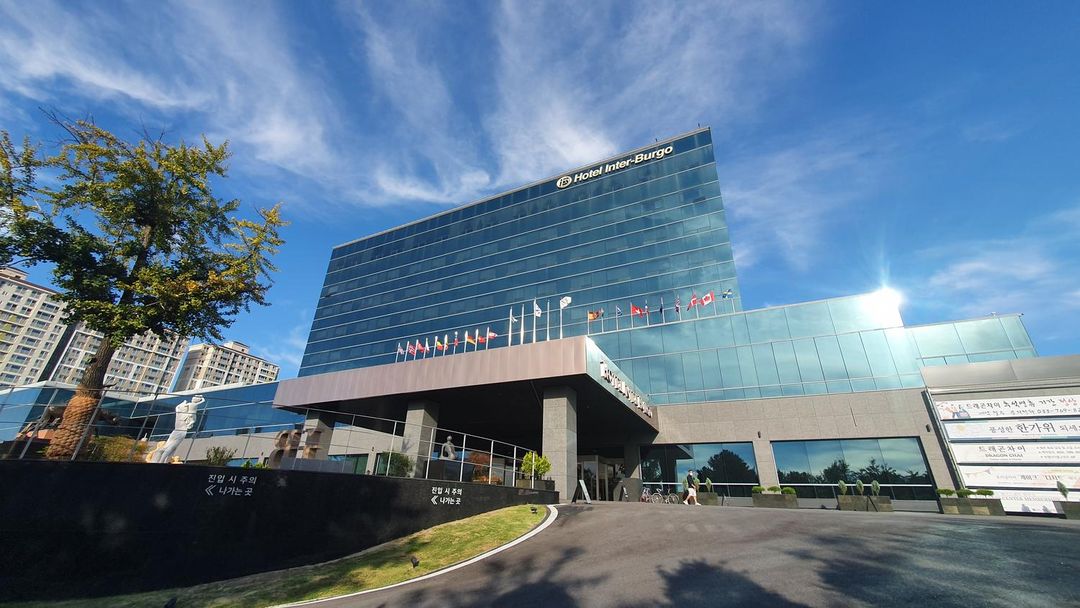
Interburgo Hotel Wonju
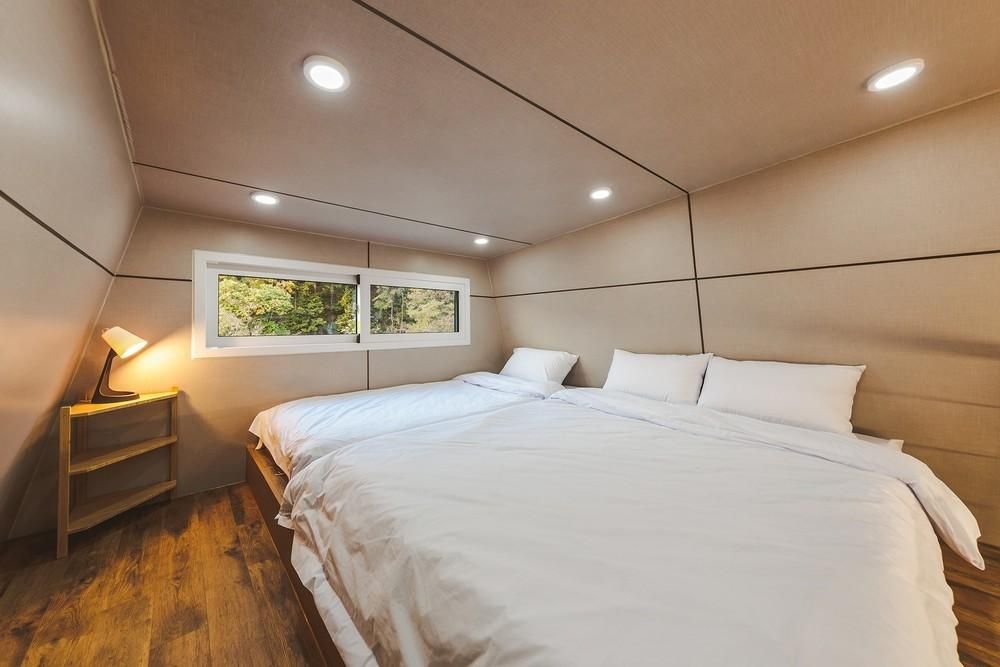
Wonju Otium Glamping
Best Hotels in Wonju
Discover curated hotel collections in Wonju
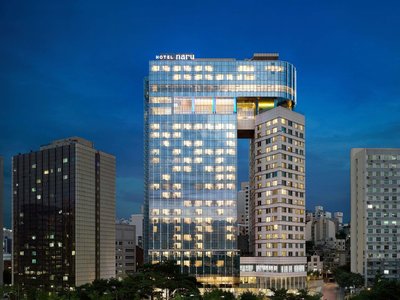
Hotel Naru Seoul - MGallery Collection
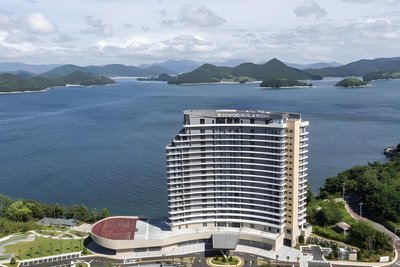
Stanford Hotel&Resort Tongyeong
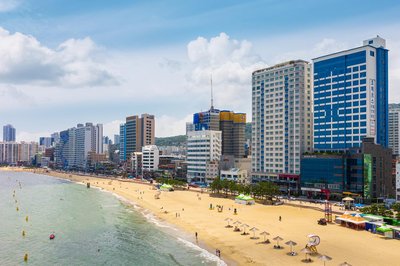
Homers Hotel
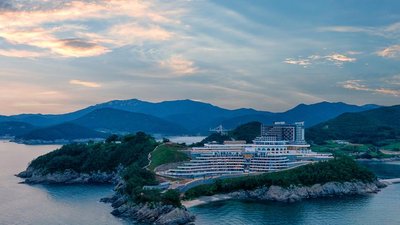
SOL BEACH NAMHAE
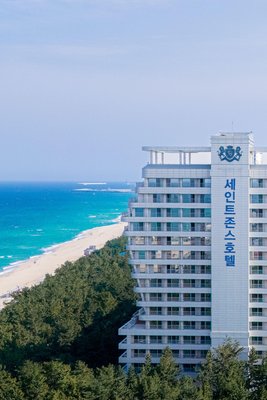
St. John's Hotel
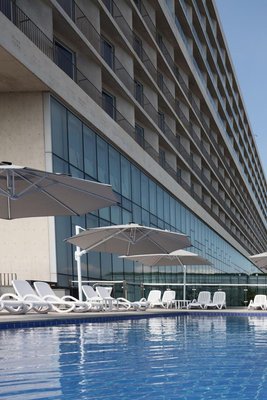
Nest Hotel Incheon
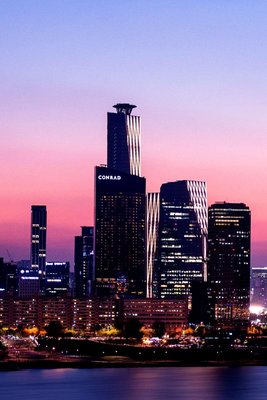
Conrad Seoul
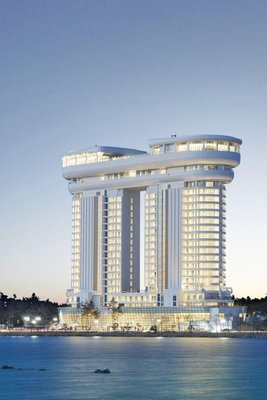
Skybay Hotel Gyeongpo
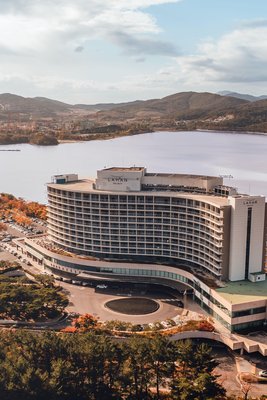
Lahan Select Gyeongju
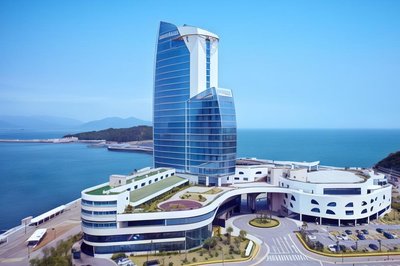
Sono Calm Yeosu
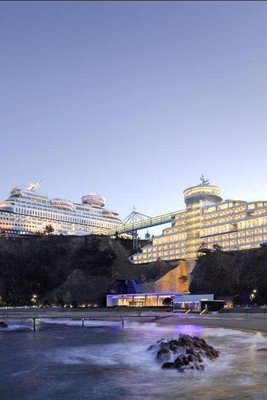
Sun Cruise Resort and Yacht
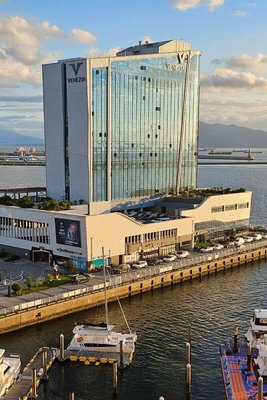
Yeosu Venezia Hotel & Suite
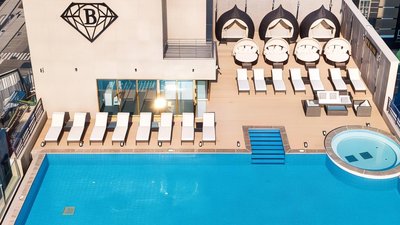
Baymond Hotel
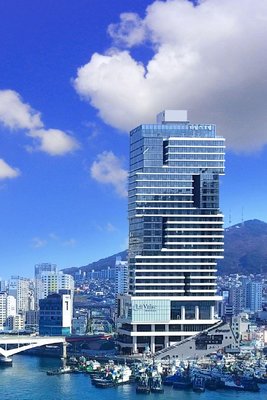
Lavalse Hotel
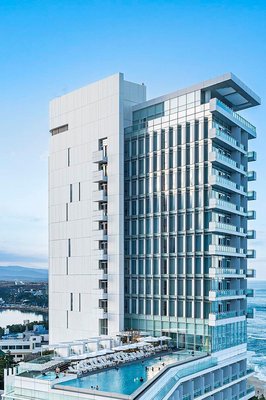
Seamarq Hotel
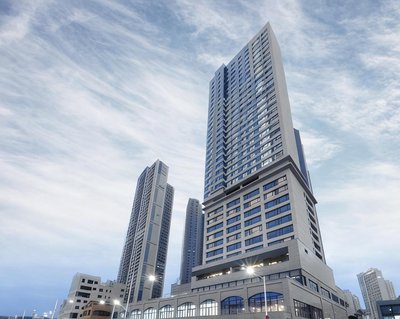
Mercure Ambassador Ulsan
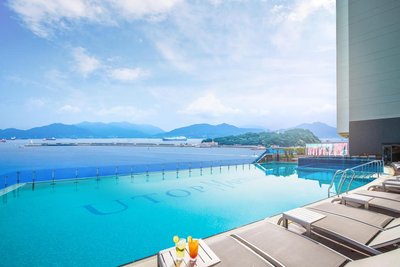
Utop Marina Hotel & Resort
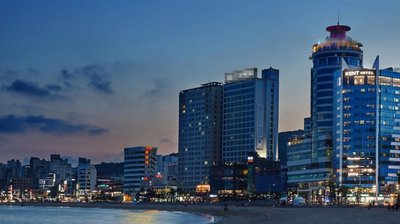
Kent Hotel Gwangalli by Kensington
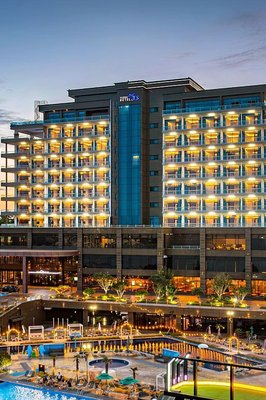
HOTEL JCS YEOSU

Ramada by Wyndham Gangwon Sokcho
Frequently Asked Questions about Traveling to Wonju
Questions You Might Need to Know About Traveling to Wonju
For an authentic cultural stay in Wonju, consider Wonju Cultural Guesthouse, a boutique inn nestled near the Wonju Ancient City Ruins. This traditional hanok-style lodging blends modern comfort with Korean heritage, offering guests kimchi-making classes, tea ceremonies, and local craft workshops. Its tatami rooms with underfloor heating provide a serene atmosphere, perfect for immersing in Gangwon-do’s rural traditions. Located steps from Namjeong Park and the Wonju Museum, it’s ideal for travelers seeking genuine local connection and quiet reflection in a historic setting.
The city center of Wonju offers the most convenient base for visitors, with easy access to major attractions like Namjeong River, Wonju Market, and Wonju Culture Square. It’s well-connected by bus lines and close to Wonju Station, making travel efficient. The area buzzes with local flavors—try Wonju spicy chicken stew (Jjimdak) at roadside stalls or enjoy handmade rice wine. With a mix of youth hostels, boutique inns, and mid-range hotels, this district balances affordability, convenience, and cultural immersion, serving as the perfect launchpad for exploring both urban charm and natural beauty.
Must-try dishes in Wonju include spicy chicken stew (Jjimdak), a regional specialty made with gochujang and slow-cooked chicken, best enjoyed at family-run eateries like Changseong Restaurant in Wonju Market. Pair it with warm soybean soup rice or a glass of homemade rice wine to savor the essence of Gangwon cuisine. For seasonal adventure, join a wild mountain vegetable harvest tour in spring, where you gather edible greens and then cook them with local chefs. These hands-on culinary experiences highlight seasonal eating, local farming, and the deep-rooted hospitality of the region.
Yes, Wonju Forest Resort is a top choice for families. Located beside Namjeong Forest Park, it features spacious family suites, a children’s play area, and nature-based activities like paper umbrella painting, bamboo weaving, and rice paddy planting experiences. The resort also hosts guided forest walks and birdwatching tours. Nearby, Wonju Zoo is just a 15-minute drive away. With organic meals sourced from local farms and cozy wooden cabins, it offers a safe, engaging, and educational environment for children and parents alike—perfect for a wholesome eco-family getaway.
Winter in Wonju brings crisp air and magical scenery, ideal for snow lovers. Stay at Wonju Ski Resort Hotel, just minutes from Sambeong Ski Resort, which offers rentals, lessons, and night skiing. Warm up afterward at Wonju Hot Spring Street, where mineral-rich baths soothe cold bones. Don’t miss the annual Wonju Ice Festival in December, featuring ice sculptures, snow markets, and traditional lion dances. Many hotels offer “Snow View Package” deals including spa vouchers and dinner—ideal for romantic or peaceful winter escapes.
For solo travelers seeking peace, Wonju Quiet House is a secluded wooden cabin by the Namjeong River, surrounded by bamboo groves and walking trails. Each room features a reading nook, tea set, and a sky window for stargazing. The owner, a local artist, hosts intimate poetry readings and photography exhibitions, fostering a welcoming, low-key community. Nearby, the ancient Dae-myeong Temple offers morning meditation sessions. This tranquil retreat is perfect for introspection, creativity, and recharging in a deeply peaceful environment.
Key heritage sites in Wonju include the Wonju Ancient City Ruins, remnants of a Goryeo-era fortress with preserved walls and moats, offering panoramic views of the Namjeong Valley. The Wonju Museum houses artifacts from prehistoric times to the Joseon Dynasty, showcasing regional history. Dae-myeong Temple, dating back to the 8th century, features a thousand-year-old ginkgo tree and a Tang-style pagoda. During autumn, the temple hosts the Lantern Festival, illuminating the grounds with thousands of handcrafted lanterns—an exquisite display of Buddhist aesthetics and traditional light art.
Explore the Namjeong River Trail, a 6-kilometer path stretching from Wonju Bridge through bamboo forests, stone bridges, and riverbanks, perfect for sunrise walks. Stop at Wolbong Pavilion for sweeping valley views. For more adventure, hike the Sambeong Mountain Trail, leading to a summit with 360° vistas of Wonju and surrounding mountains. Spring brings cherry blossoms; fall paints the slopes crimson. Interpretive signs along the route explain local flora and fauna, making it ideal for nature lovers and eco-educational trips. All trails are well-marked and accessible by bike or short shuttle rides.
In Wonju, participate in Hanji paper-making workshops at the Wonju Traditional Craft Center, where you learn to make durable Korean paper from mulberry bark—a practice rooted in centuries of tradition. Also explore indigo dyeing and ceramic firing sessions led by master artisans. You’ll create your own hanbok scarf or blue-glazed pottery mug to take home. These immersive experiences emphasize craftsmanship, natural materials, and cultural preservation, offering deep insight into Korea’s intangible heritage while supporting local artists.
Yes, Wonju Station is a key stop on the Gyeongchun Line, with direct trains from Seoul in about 60 minutes. The city has a reliable bus network covering major attractions like Wonju Market, Namjeong Park, and Wonju Museum. Renting a bicycle or electric scooter allows flexible exploration of the Namjeong River Path and Sambeong Mountain trails. Many upscale hotels offer free airport or station shuttles, and most sights are within 3 km of each other—making independent travel smooth and stress-free for tourists planning self-guided itineraries.
Wonju Overview
City Summary
Wonju, a key city in Gangwon Province, South Korea, is renowned for its pristine rivers and majestic mountains. The city boasts rich cultural heritage, highlighted by the Wonju City Museum and Wonju Hanji Medicine Market, which showcase its unique history and traditional medicine culture. Outdoor enthusiasts will find plenty to enjoy, from hiking to skiing.
Must-See Attractions
Must-visit attractions in Wonju include the Wonju City Museum, which houses extensive historical artifacts; the Wonju Hanji Medicine Market, offering a glimpse into traditional Korean medicine; and Woljeongsa Temple, a historic Buddhist site. Nature lovers can explore Chiaksan National Park for stunning scenery and hiking trails. In winter, Wonju Ski Resort is a popular spot for skiing and sledding.
Food Guide
Wonju's cuisine is known for its health-focused and traditional dishes. Try Hanbang medicinal meals, prepared with local herbs, and buckwheat noodles, a regional specialty. Street food like Korean pancakes and spicy rice cakes are also favorites. The city's food culture blends tradition with modernity, offering diverse culinary experiences.
Transportation Guide
Wonju is well-connected by buses and taxis. The city's bus network is extensive and budget-friendly, while taxis offer convenience at a higher cost. For longer journeys, Wonju Station provides train services to other major Korean cities. Using navigation apps is recommended for smooth travel.
Best Time to Visit
The best times to visit are spring (April to June) and autumn (September to November), when the weather is pleasant for outdoor activities. Winter (December to February) is ideal for skiing, but be prepared for cold temperatures. Summer (July to August) can be humid and crowded.
Travel Tips
- Respect local customs: Dress modestly when visiting temples.
- Carry cash: Some small shops may not accept credit cards.
- Learn basic Korean: Simple greetings can help with communication.
- Check the weather: Pack warm clothes for winter.
- Use public transport: Buses are an economical option.
- Try local food: Don't miss Hanbang medicinal meals.
- Book accommodation: Reserve early during peak seasons.
- Keep the environment clean: Korea values environmental conservation.
Useful Information
Korean is the primary language, but English may be spoken in tourist areas. Mobile networks are reliable; consider getting a local SIM or using WiFi hotspots. Payment options include cash and credit cards, with some mobile payments accepted. For emergencies, dial 119. Wonju has several hospitals offering urgent care. Carry essential medications and consider travel insurance for added security.
Other Cities You Might Like
Explore more amazing destinations