Hotels in Yangju
Discover your perfect stay in Yangju.
Yangju(South Korea) Travel 2026: Cheap Flights, Hotels & Top Attractions
Popular Landmarks in Yangju
Discover the most iconic attractions in Yangju
Recommended Hotels in Yangju
Find the perfect place to stay in Yangju

Best Hotels in Yangju
Discover curated hotel collections in Yangju

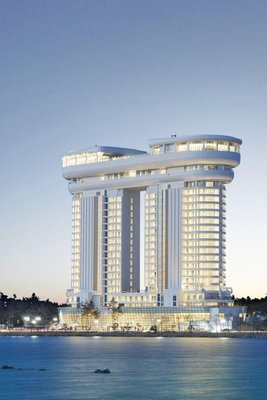
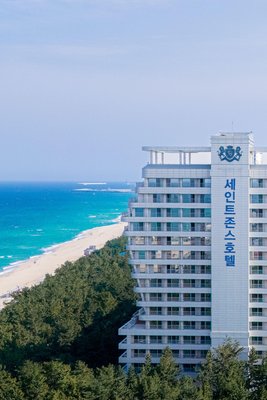

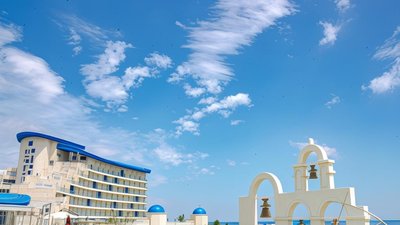
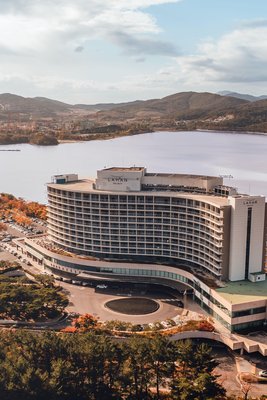





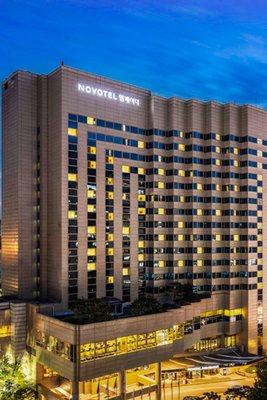
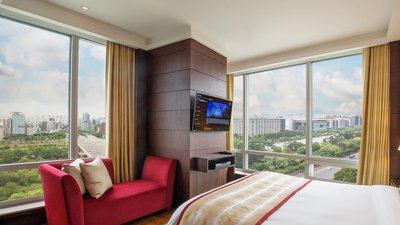

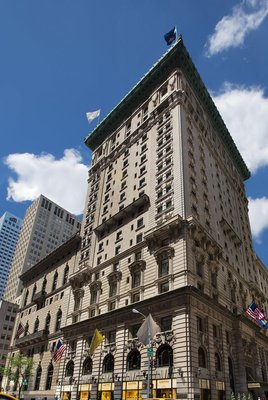








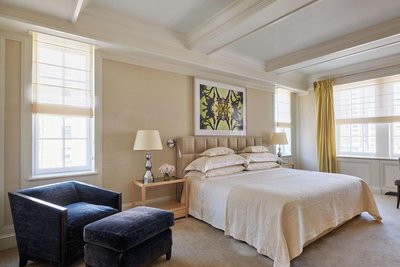





Frequently Asked Questions about Traveling to Yangju
Questions You Might Need to Know About Traveling to Yangju
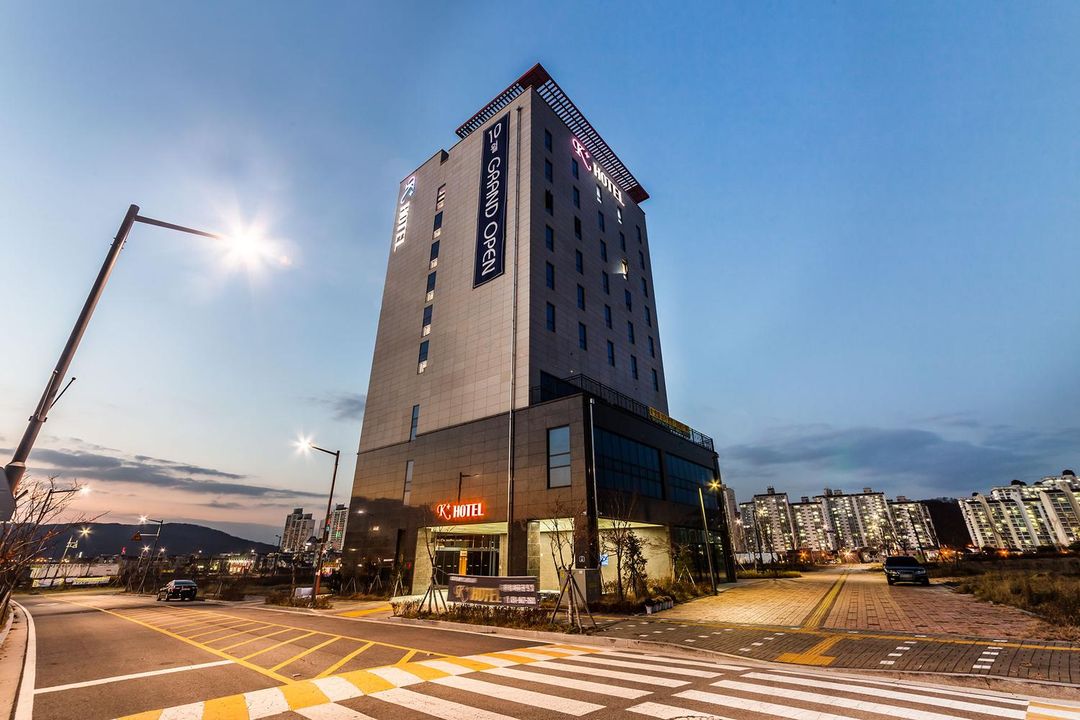
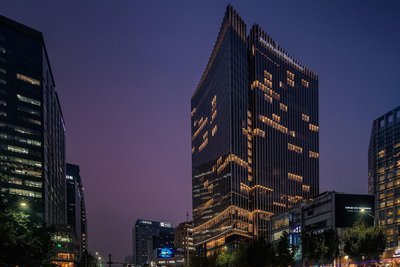
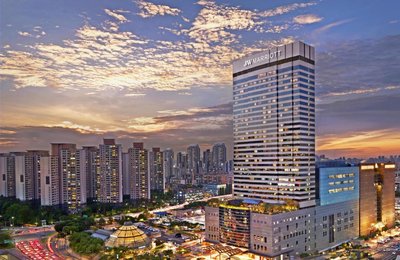
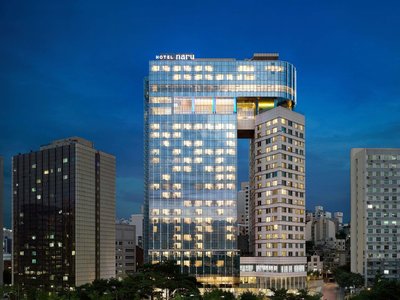
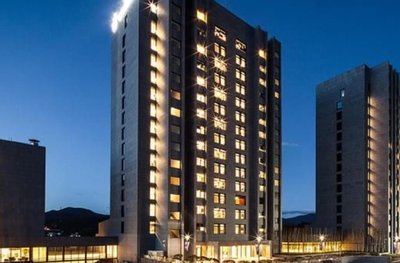
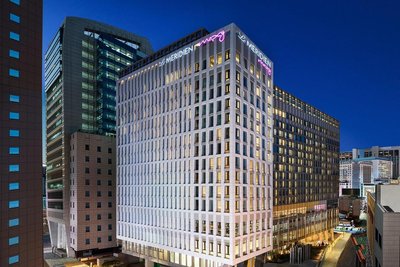
In Yangju City, the top choice near military attractions is Hyatt Regency Yangju, located just minutes from the Korean War Memorial Museum and Republic of Korea Military Museum. This modern hotel offers spacious rooms, business facilities, and excellent dining options—perfect for both business travelers and history enthusiasts.
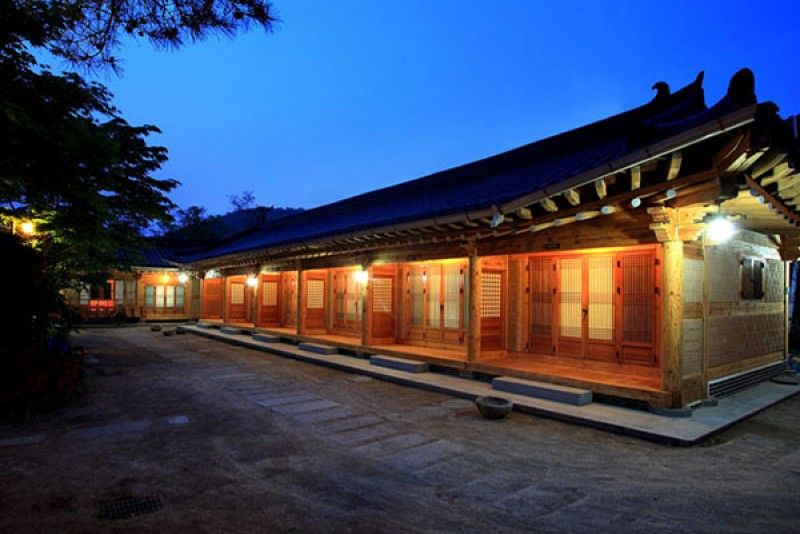
For a more authentic experience, consider staying at Yangju Chogwan Guesthouse, a traditional Hanok-style inn nestled near ancient sites and cultural parks. It provides insight into Korean heritage through tea ceremonies and local crafts workshops.
Yangju’s strategic location on Seoul’s subway Line 4 makes it an ideal base for day trips to the capital. Combine your stay with visits to the Yangju Historical Cultural Park and Daejeon Battle Memorial Site to explore Korea’s wartime past and post-war development.
Whether you're interested in military history or cultural immersion, Yangju delivers convenient access and meaningful experiences.
The best area for accommodation in Yangju City is the downtown district along Subway Line 4, especially around Yangju Station and Sinbuk Station. These locations offer easy access to major attractions like the Korean War Memorial Museum and Republic of Korea Military Museum, plus a variety of chain hotels and local eateries.
For travelers seeking tranquility and cultural depth, consider staying near ancient Joseon-era ruins in residential neighborhoods. Local guesthouses such as Yangju Chogwan Guesthouse provide traditional Hanok-style lodging, offering immersive experiences in Korean tea ceremonies and handmade crafts.
Yangju’s proximity to Seoul—just 30 minutes by subway—makes it ideal for day trips or business stays. Whether you prioritize convenience or authenticity, choosing based on your travel purpose ensures a rewarding stay in this historically rich city.
Must-try cultural experiences in Yangju City include visiting the Korean War Memorial Museum and Republic of Korea Military Museum, which offer immersive exhibits on Korea’s modern history, including real weapons, archival footage, and interactive displays—ideal for families and history buffs.
Participate in a traditional Korean tea ceremony at Yangju Chogwan Guesthouse, where you’ll learn about etiquette, brewing techniques, and the philosophy behind Ssangseon (the art of tea). You can also explore ancient Joseon-era archaeological sites, guided by local historians who reveal insights into pre-Han settlements and unearthed artifacts.
During spring, the Yangju Historical Cultural Park hosts the Spring Hanok Festival, featuring traditional clothing, handicraft demonstrations, and regional cuisine. If available, visit the branch of the National Folk Museum of Korea for deeper understanding of Korean folk traditions and daily life.
These experiences provide authentic connections to Yangju’s identity as a historic gateway to Seoul and a guardian of national memory.
Yes, many hotels in Yangju City are well-suited for families. Hotel Vista Yangju and Hyatt Regency Yangju offer family-friendly amenities such as game rooms, interconnecting suites, and children’s activity programs.
The surrounding areas provide educational and recreational opportunities: visit the Korean War Memorial Museum, participate in tea ceremonies at Yangju Chogwan Guesthouse, or enjoy nature walks in the Yangju Historical Cultural Park. Some guesthouses even host hands-on workshops like making paper umbrellas or bamboo weaving—ideal for kids to engage with Korean culture.
With direct access to Seoul Subway Line 4, families can easily reach major attractions like Lotte World or Dongdaemun Shopping District within 30 minutes. Most restaurants in the city feature child-friendly seating and accessible facilities.
Overall, Yangju offers a safe, comfortable, and culturally enriching environment perfect for family getaways combining learning and leisure.
Top unique guesthouses in Yangju City include Yangju Chogwan Guesthouse, a meticulously restored Hanok-style residence featuring traditional wood framing, stone walls, and serene courtyard gardens. The owners are local cultural stewards who host regular tea ceremonies, hanbok (traditional dress) fittings, and craft workshops, offering guests authentic immersion in Korean lifestyle aesthetics.
Each room includes the traditional ondol heating system, ensuring comfort year-round—warm in winter, cool in summer. Another standout is Mountain Retreat House, nestled beside ancient Joseon-era ruins in a forested area, offering peace and inspiration for creative travelers. These homes blend original architectural elements—like exposed beams and clay bricks—with modern amenities.
These guesthouses go beyond accommodation; they’re cultural experiences that highlight Yangju’s role as a guardian of Korea’s historical and artistic heritage.
Yes, Yangju City is exceptionally well-connected to Seoul, with a commute time of just 30 minutes via Subway Line 4, which links directly to key districts like Dongdaemun, Myeongdong, and Gangnam.
The city is also close to the Gyeongui Line Expressway, allowing car travelers to reach Seoul in about 25 minutes. Multiple bus routes connect Yangju to major shopping centers, train stations, and airport shuttle hubs.
International visitors can easily access Yangju from Incheon International Airport or Gimpo Airport via dedicated buses or taxis, with some hotels offering complimentary airport transfers. Due to its strategic location, Yangju serves as a popular choice for travelers seeking a quieter alternative to downtown Seoul while maintaining seamless access to the capital’s attractions.
This excellent connectivity makes Yangju an ideal base for business trips, family outings, or short getaways.
Top photo spots in Yangju City include the Korean War Memorial Museum’s sculpture garden, featuring iconic pieces like the "Peace Bell" and "Guardian Soldier Statue," set against lush greenery—ideal for dramatic lighting and composition.
The Yangju Chogwan Guesthouse courtyard offers a serene backdrop with traditional Hanok architecture, dry landscape gardens, and seasonal blooms—perfect for capturing poetic, minimalist shots in spring cherry blossoms, summer lotus, or autumn maple foliage.
At the Ancient Joseon Ruins Park, photogenic rammed-earth walls and reconstructed village models provide a historical aesthetic, especially when paired with visitors in hanbok under natural light.
Even the exterior design of Yangju Station incorporates traditional Korean patterns like cloud motifs and chevron designs, making it a subtle yet striking urban photography subject.
These locations blend culture, nature, and artistry—making them high-scoring destinations for both casual and professional photographers.
Yangju Overview
City Summary
Yangju, located in the northern part of Gyeonggi Province, South Korea, is a city that blends tradition and modernity. Known for its natural landscapes and cultural heritage, it features unique attractions like Yangju Art Valley. The city offers a tranquil atmosphere, ideal for travelers seeking cultural depth and natural beauty.
Must-See Attractions
Yangju Art Valley is a must-visit, showcasing the harmony between contemporary Korean art and natural surroundings. Yangju Han River Park is perfect for walks and picnics, while the traditional Hanok Village offers a glimpse into Korea's traditional lifestyle.
Food Guide
Yangju's street food focuses on Korean classics like tteokbokki (spicy rice cakes) and Korean fried chicken. Don't miss the local specialty, Yangju-style grilled meat, famous for its unique marinade.
Transportation Guide
Buses are the main mode of transport in Yangju. A transportation card is recommended for convenience. From Seoul, take a subway or bus (about 1 hour). Most attractions are within walking distance or a short bus ride.
Best Time to Visit
The best times to visit are spring (April-May) and autumn (September-October), with pleasant weather and fewer crowds. Summers are hot, and winters are cold, requiring warm clothing.
Travel Tips
- Respect local customs, such as removing shoes in Hanok houses.
- Learning basic Korean greetings helps with communication.
- Keeping quiet in public spaces is polite.
- Both cash and credit cards are widely accepted.
- Strict waste separation rules apply.
- Avoid loud phone calls on public transport.
Useful Information
Korean is the main language, but English is understood in tourist areas. Free WiFi is widely available. Bring a plug adapter (220V). Emergency numbers: Police 112, Ambulance 119. Most shops accept international cards, but small vendors may only take cash.
Other Cities You Might Like
Explore more amazing destinations