Hotels in Yangon
Discover your perfect stay in Yangon.
Yangon(Myanmar) Travel 2026: Cheap Flights, Hotels & Top Attractions
Yangon Overview
City Summary
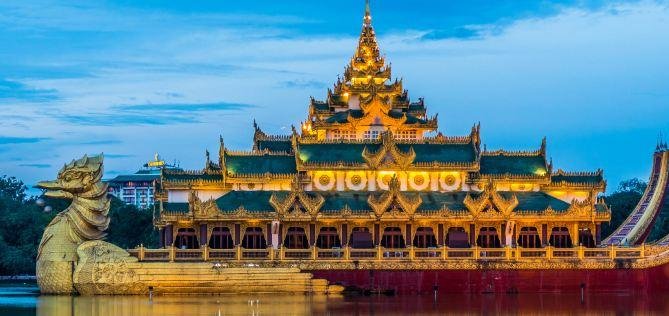
Yangon, the largest city in Myanmar and its former capital, blends rich history with modern development. The Shwedagon Pagoda, a 2,500-year-old landmark, dominates the skyline. The city retains British colonial architecture, such as City Hall and the Railway Station, while serving as Myanmar's economic and cultural hub.
Must-See Attractions
Must-see attractions in Yangon include the Shwedagon Pagoda, a sacred Buddhist site with its golden stupa gleaming in the sun. The Sule Pagoda, located downtown, is another key landmark. The Yangon Circular Train offers a unique glimpse into local life. Additionally, the National Museum of Myanmar and Bogyoke Market are worth visiting.
Food Guide
Yangon's cuisine is rich with Southeast Asian flavors. Street food like Tea Leaf Salad (Laphet Thoke) and Mohinga (rice noodle soup) are local favorites. High-end Burmese dishes can be enjoyed at Shangri-La Hotel and The Governor's Residence. Seafood lovers will appreciate the variety, especially seafood hotpot.
Transportation Guide
Yangon's transportation is diverse but not modern. Taxis are the most convenient but require negotiation. Public buses are extensive but aging. Cycle rickshaws are ideal for short trips. Streets are often congested; avoid peak hours. The city lacks a subway, but the circular train serves as a sightseeing option.
Best Time to Visit
The best time to visit Yangon is November to February, when the weather is cool and dry. March to May is extremely hot, while June to October brings heavy rains that may disrupt travel.
Travel Tips
- Respect Buddhist culture: Remove shoes before entering temples and dress modestly.
- Avoid criticizing the government: Myanmar is politically sensitive; tread carefully in conversations.
- Carry cash: Credit cards are not widely accepted; keep Kyat handy.
- Beware of pickpockets: Stay vigilant in crowded areas.
- Drink bottled water: Avoid tap water.
- Learn basic Burmese: Phrases like "Mingalabar" (hello) can foster goodwill.
Useful Information
Language: Burmese is official; English is understood in tourist areas. Internet: SIM cards are easy to buy but speeds are slow. Payment: Cash is king; some hotels and restaurants accept cards. Emergency: Yangon General Hospital provides basic care; travel insurance is advised. Voltage: 220V, with two-pin round or flat plugs.
Popular Landmarks in Yangon
Discover the most iconic attractions in Yangon
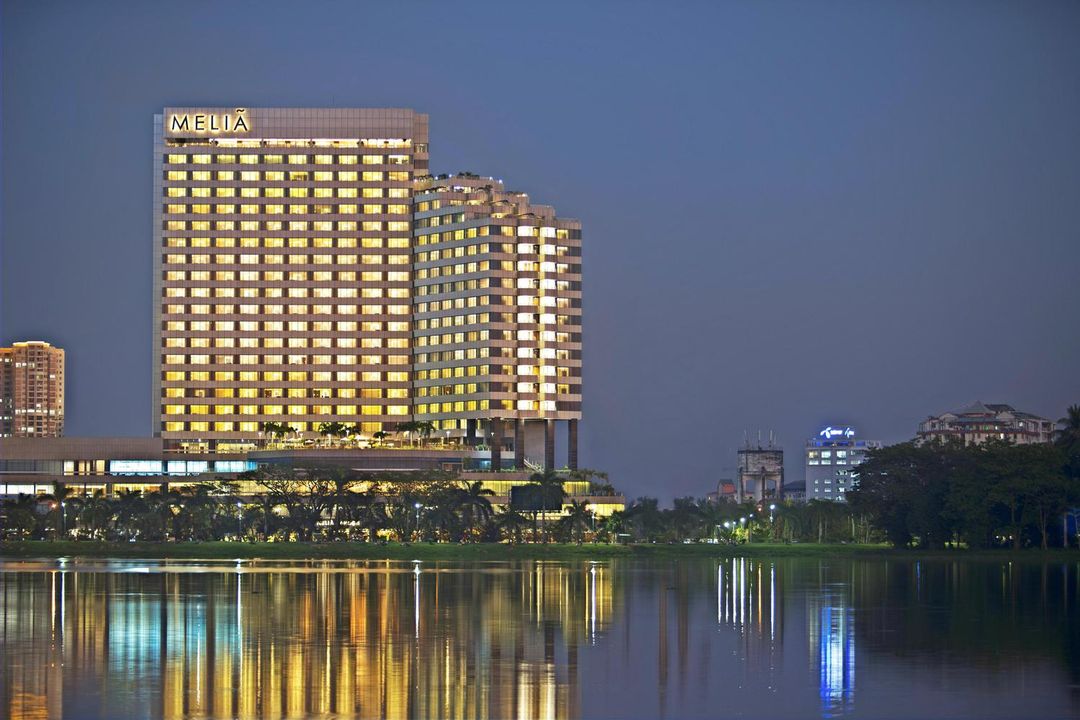
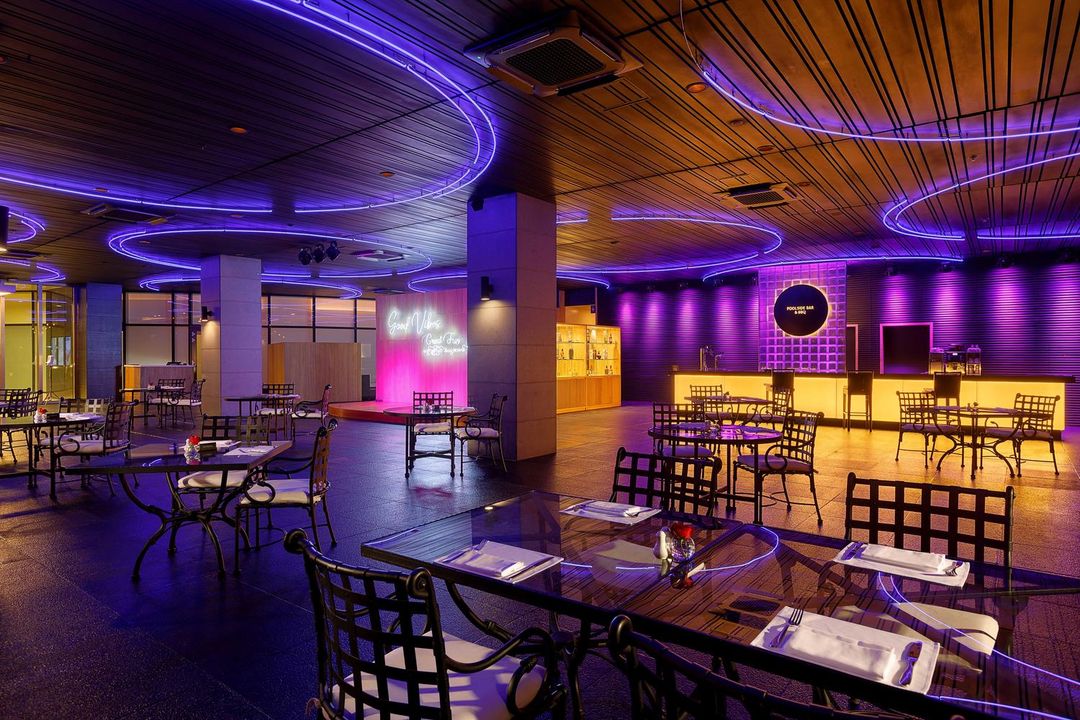
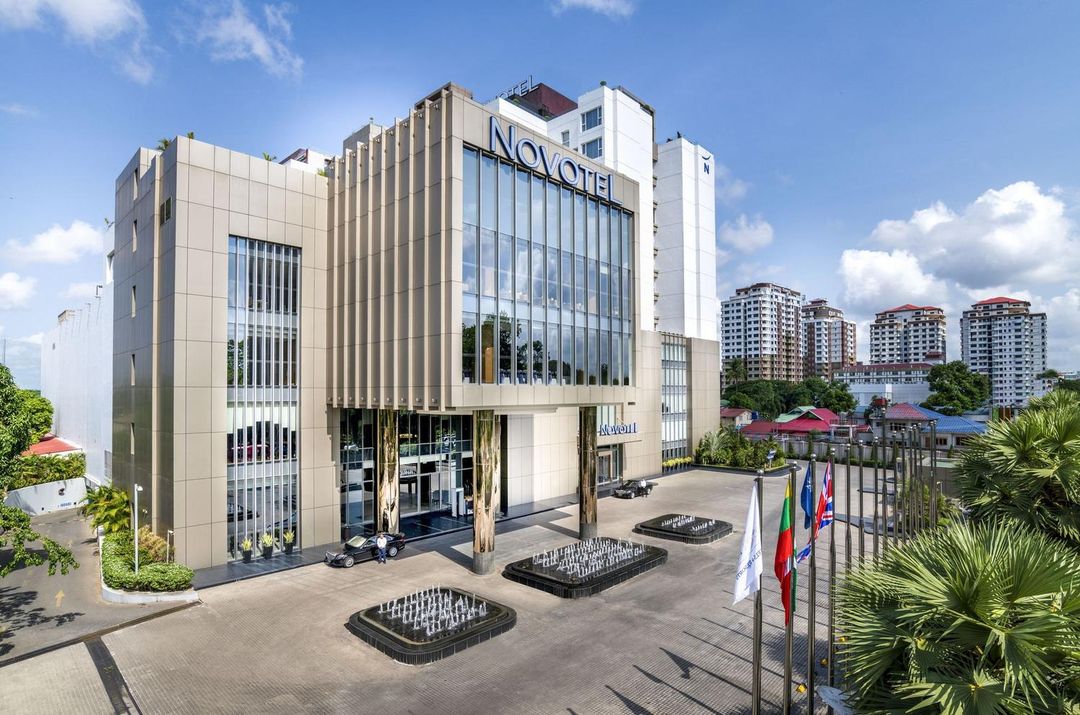
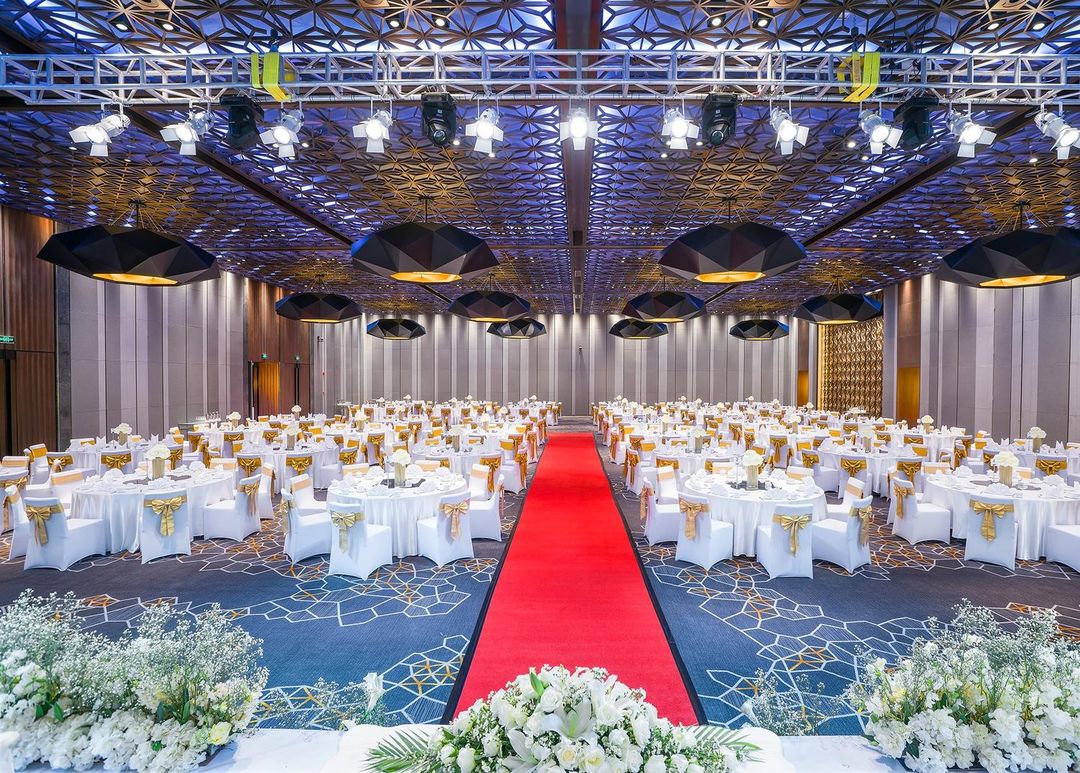
Recommended Hotels in Yangon
Find the perfect place to stay in Yangon
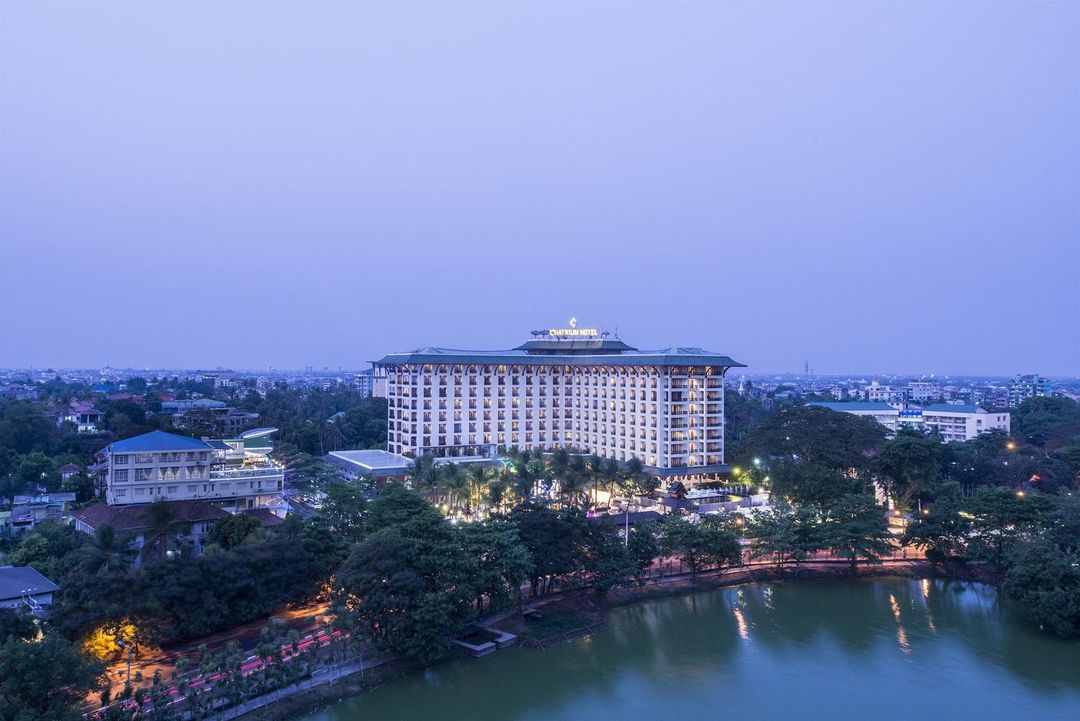
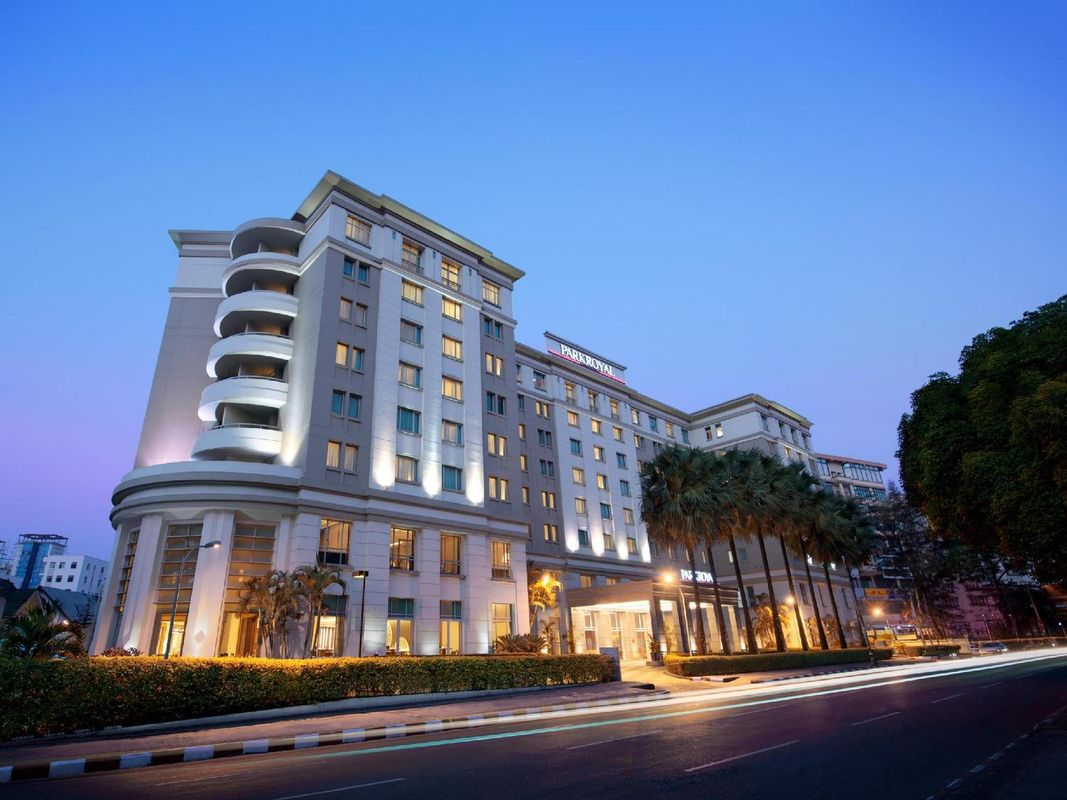
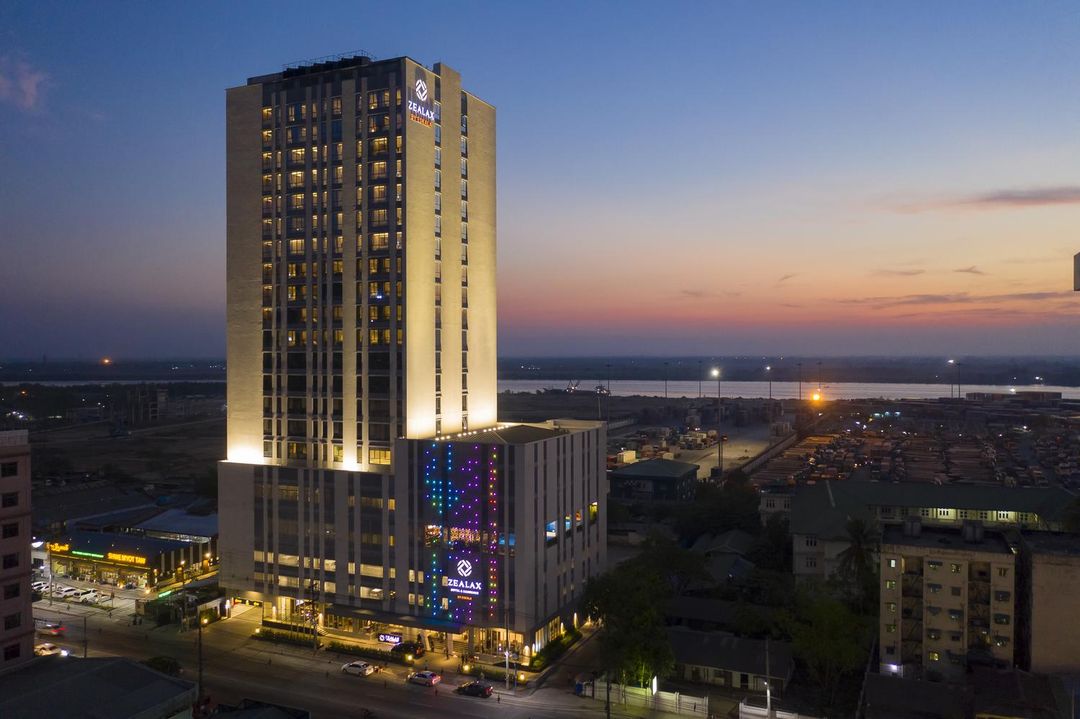
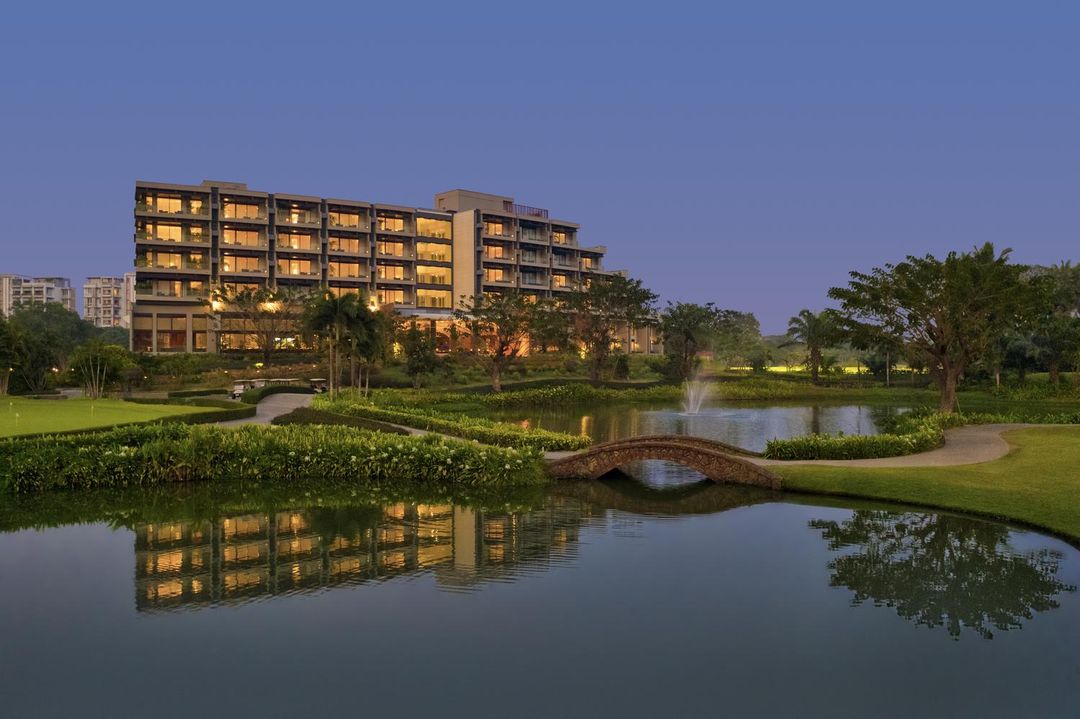
Yangon Overview
City Summary
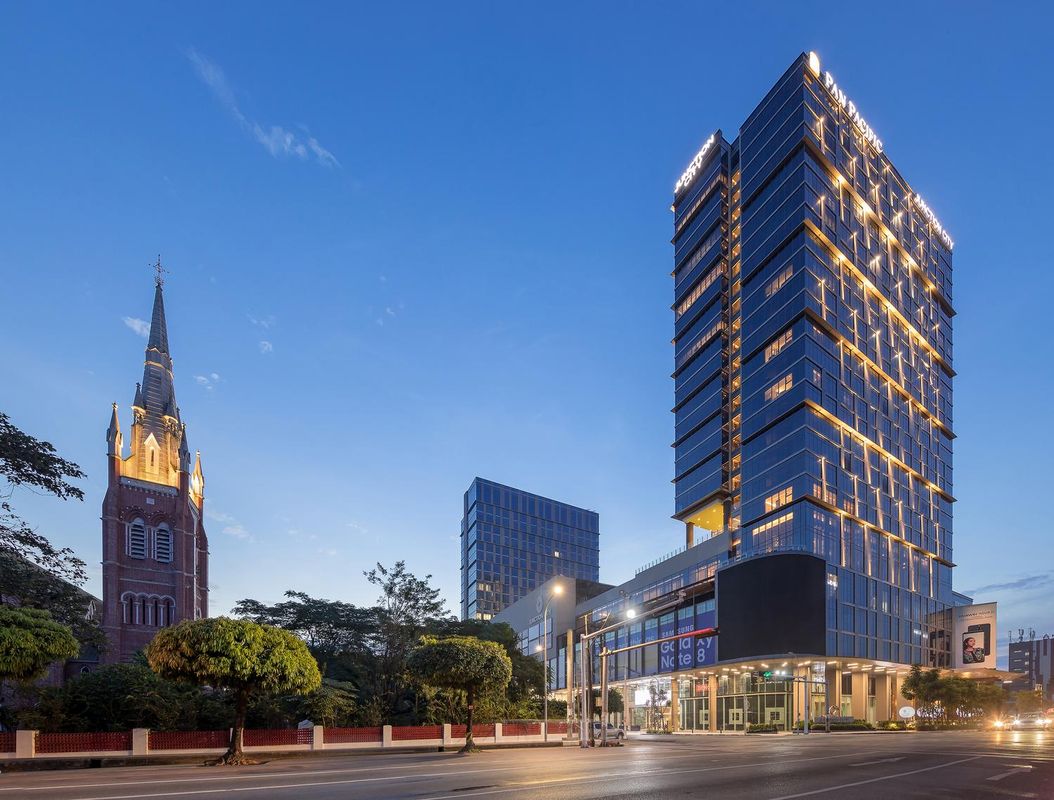
Yangon, the largest city in Myanmar and its former capital, blends rich history with modern development. The Shwedagon Pagoda, a 2,500-year-old landmark, dominates the skyline. The city retains British colonial architecture, such as City Hall and the Railway Station, while serving as Myanmar's economic and cultural hub.
Must-See Attractions
Must-see attractions in Yangon include the Shwedagon Pagoda, a sacred Buddhist site with its golden stupa gleaming in the sun. The Sule Pagoda, located downtown, is another key landmark. The Yangon Circular Train offers a unique glimpse into local life. Additionally, the National Museum of Myanmar and Bogyoke Market are worth visiting.
Food Guide
Yangon's cuisine is rich with Southeast Asian flavors. Street food like Tea Leaf Salad (Laphet Thoke) and Mohinga (rice noodle soup) are local favorites. High-end Burmese dishes can be enjoyed at Shangri-La Hotel and The Governor's Residence. Seafood lovers will appreciate the variety, especially seafood hotpot.
Transportation Guide
Yangon's transportation is diverse but not modern. Taxis are the most convenient but require negotiation. Public buses are extensive but aging. Cycle rickshaws are ideal for short trips. Streets are often congested; avoid peak hours. The city lacks a subway, but the circular train serves as a sightseeing option.
Best Time to Visit
The best time to visit Yangon is November to February, when the weather is cool and dry. March to May is extremely hot, while June to October brings heavy rains that may disrupt travel.
Travel Tips
- Respect Buddhist culture: Remove shoes before entering temples and dress modestly.
- Avoid criticizing the government: Myanmar is politically sensitive; tread carefully in conversations.
- Carry cash: Credit cards are not widely accepted; keep Kyat handy.
- Beware of pickpockets: Stay vigilant in crowded areas.
- Drink bottled water: Avoid tap water.
- Learn basic Burmese: Phrases like "Mingalabar" (hello) can foster goodwill.
Useful Information
Language: Burmese is official; English is understood in tourist areas. Internet: SIM cards are easy to buy but speeds are slow. Payment: Cash is king; some hotels and restaurants accept cards. Emergency: Yangon General Hospital provides basic care; travel insurance is advised. Voltage: 220V, with two-pin round or flat plugs.
Airports in Yangon
Information about airports serving Yangon
Popular Flights to Yangon
Book cheap flights to Yangon


Yangon Overview
City Summary
Yangon, the largest city in Myanmar and its former capital, blends rich history with modern development. The Shwedagon Pagoda, a 2,500-year-old landmark, dominates the skyline. The city retains British colonial architecture, such as City Hall and the Railway Station, while serving as Myanmar's economic and cultural hub.
Must-See Attractions
Must-see attractions in Yangon include the Shwedagon Pagoda, a sacred Buddhist site with its golden stupa gleaming in the sun. The Sule Pagoda, located downtown, is another key landmark. The Yangon Circular Train offers a unique glimpse into local life. Additionally, the National Museum of Myanmar and Bogyoke Market are worth visiting.
Food Guide
Yangon's cuisine is rich with Southeast Asian flavors. Street food like Tea Leaf Salad (Laphet Thoke) and Mohinga (rice noodle soup) are local favorites. High-end Burmese dishes can be enjoyed at Shangri-La Hotel and The Governor's Residence. Seafood lovers will appreciate the variety, especially seafood hotpot.
Transportation Guide
Yangon's transportation is diverse but not modern. Taxis are the most convenient but require negotiation. Public buses are extensive but aging. Cycle rickshaws are ideal for short trips. Streets are often congested; avoid peak hours. The city lacks a subway, but the circular train serves as a sightseeing option.
Best Time to Visit
The best time to visit Yangon is November to February, when the weather is cool and dry. March to May is extremely hot, while June to October brings heavy rains that may disrupt travel.
Travel Tips
- Respect Buddhist culture: Remove shoes before entering temples and dress modestly.
- Avoid criticizing the government: Myanmar is politically sensitive; tread carefully in conversations.
- Carry cash: Credit cards are not widely accepted; keep Kyat handy.
- Beware of pickpockets: Stay vigilant in crowded areas.
- Drink bottled water: Avoid tap water.
- Learn basic Burmese: Phrases like "Mingalabar" (hello) can foster goodwill.
Useful Information
Language: Burmese is official; English is understood in tourist areas. Internet: SIM cards are easy to buy but speeds are slow. Payment: Cash is king; some hotels and restaurants accept cards. Emergency: Yangon General Hospital provides basic care; travel insurance is advised. Voltage: 220V, with two-pin round or flat plugs.
Frequently Asked Questions about Traveling to Yangon
Questions You Might Need to Know About Traveling to Yangon