Hotels in Myanmar
Discover your perfect stay in Myanmar.
Myanmar Travel 2026: Cheap Flights, Hotels & Top Attractions
Myanmar at a Glance
Country Summary
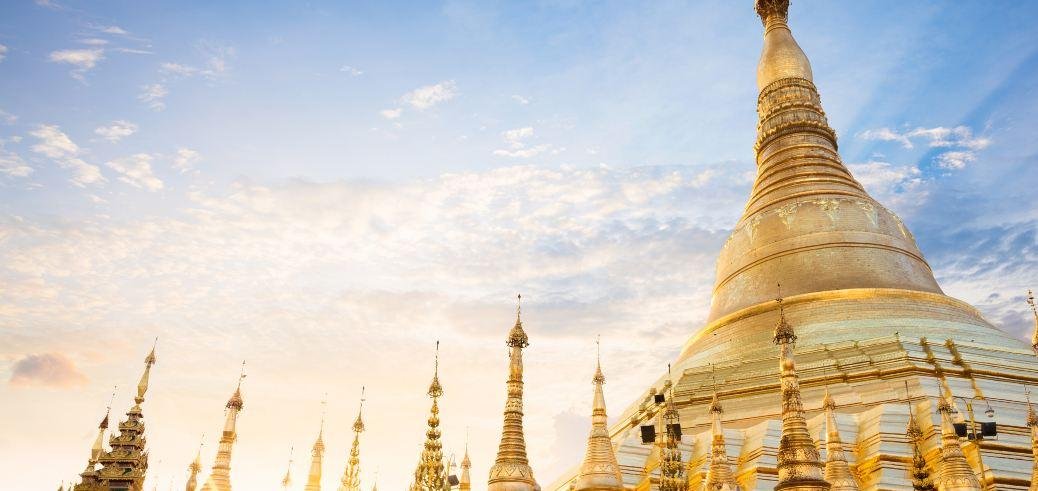
Myanmar, located in the heart of Southeast Asia, is a land of rich cultural heritage and breathtaking natural beauty. The thousands of Bagan pagodas shimmer at dawn, earning it the nickname "Land of Pagodas." In Yangon, the majestic Shwedagon Pagoda stands as a sacred symbol of Buddhist faith, its golden spire inspiring awe. Meanwhile, the stilt villages and distinctive leg-rowing fishermen of Inle Lake showcase the locals' harmonious relationship with nature. Myanmar's cuisine, such as tea leaf salad and mohinga noodle soup, offers a delightful taste of Southeast Asian flavors. Whether exploring ancient culture or immersing in stunning landscapes, Myanmar promises an unforgettable journey.
Best Time to Visit
Myanmar, with its rich cultural heritage and stunning natural landscapes, is a captivating destination for travelers. The best time to visit is from November to February, when the weather is cool and dry, perfect for exploring this mysterious country.
During this season, you can visit the Shwedagon Pagoda in Yangon to experience the solemnity of Buddhist culture, or head to Bagan to enjoy a hot air balloon ride over thousands of ancient pagodas. Additionally, the floating villages and unique rowing culture of Inle Lake are must-see attractions.
As this is the peak tourist season, it’s advisable to book accommodations and transportation in advance to ensure a smooth and enjoyable trip.
Things to Do in Myanmar
Must-See Attractions
Myanmar, a land of mystery, boasts rich cultural heritage and breathtaking natural landscapes. The Shwedagon Pagoda in Yangon is the country's most revered Buddhist site, with its golden stupa leaving visitors in awe. In Mandalay, the U Bein Bridge, the world's longest teakwood bridge, offers picturesque views during sunset. The thousands of pagodas in Bagan create a magical scene at dawn, making it a paradise for photographers. Don’t miss the unique floating villages and rowing techniques on Inle Lake. The warm hospitality of the Burmese people will make your journey unforgettable.
Best Hotels in Myanmar
Discover curated hotel collections in Myanmar
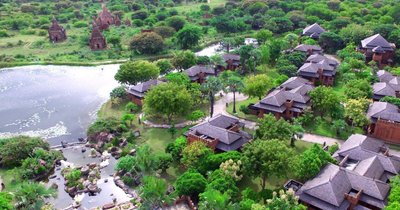
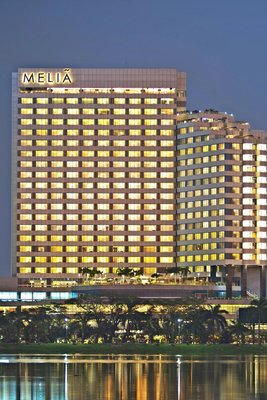
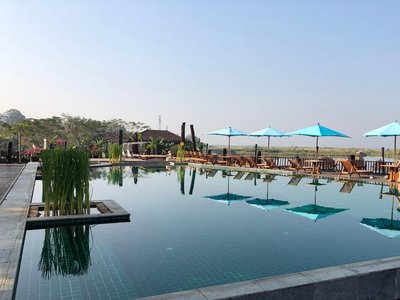
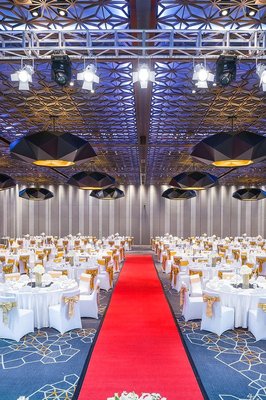
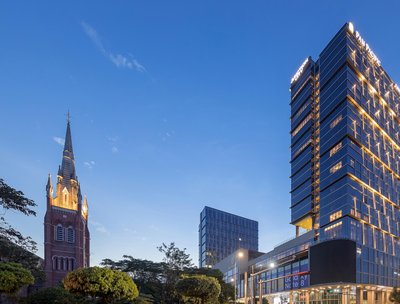
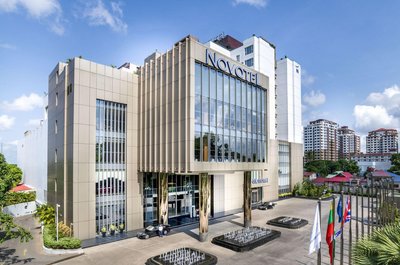
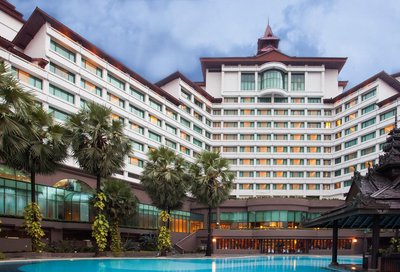
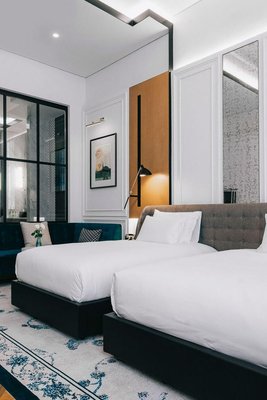
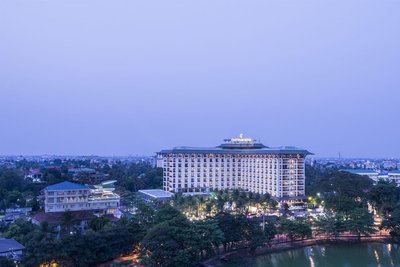
Experience luxury at the best premium hotels in Myanmar! Unparalleled service and elite accommodations.
Transport in Myanmar
Transportation Guide
Transportation in Myanmar varies by region. In major cities like Yangon and Mandalay, taxis and buses are available, though the bus system is basic—using the Grab app is recommended. For intercity travel, long-distance buses or domestic flights are common; buses are budget-friendly but slow, while flights save time at higher costs.
In destinations like Bagan and Inle Lake, motorbikes and bicycles are popular, but road safety should be prioritized. The train system is outdated and slow, mainly suited for cultural immersion. HopeGoo tickets in advance is advised, especially during peak seasons.
Food and Travel Tips for Myanmar
Food Guide
Myanmar's culinary culture is a blend of diverse ethnic influences, featuring spicy and sour-sweet flavors. A must-try dish is Tea Leaf Salad (Lahpet Thoke), made with fermented tea leaves, peanuts, garlic, and lime, offering a unique taste. Another staple is Mohinga, a fish-based noodle soup often enjoyed for breakfast. Street food favorites include grilled fish (Nga Htamin) and coconut noodles (Ohn No Khao Swè). Meals are commonly paired with pickled vegetables and chili paste, adding depth to the dining experience.
Travel Tips
- Visa Requirements: Most travelers need a tourist visa applied in advance via Myanmar embassies or e-visa system, usually valid for 28 days.
- Local Currency: Official currency is Kyat (MMK), carry pristine US dollars for exchange. Credit cards are rarely accepted in rural areas.
- Religious Etiquette: Remove shoes/socks before entering Buddhist temples, cover shoulders/knees. Women must not touch monks.
- Safety Zones: Avoid conflict areas like Kachin State and Rakhine State, overnight buses have robbery risks.
- Internet Access: Buy local MPT or Ooredoo SIM cards for data, public WiFi is unreliable.
- Health Precautions: Drink bottled water, get hepatitis A/typhoid vaccines, use mosquito repellent for dengue prevention.
- Transport Options: Use Grab app for city rides, prefer flights for long-distance, domestic tickets require early confirmation.
Useful Information
Myanmar, a land of mystery, boasts rich cultural heritage and breathtaking natural landscapes, making it a dream destination for travelers.
-
Language: The official language is Burmese, while English is commonly understood in tourist areas and cities. Basic Burmese phrases may be helpful in rural regions.
-
Internet & Communication: Internet coverage has improved in recent years, though speeds can be slow. Purchasing a local SIM card from providers like MPT, Ooredoo, or Telenor is recommended for better connectivity.
-
Currency & Payment: The official currency is the Myanmar Kyat (MMK). It's advisable to carry USD in cash for exchange, ensuring bills are in good condition. Credit cards are accepted in hotels and major attractions, but cash is preferred in smaller establishments.
-
Emergency Assistance: Dial 199 for police or 192 for ambulance services. Travel insurance is highly recommended. Be mindful of local laws and avoid sensitive topics.
Myanmar captivates visitors with its ancient pagodas, warm locals, and unique culture. Don’t miss Yangon’s Shwedagon Pagoda or the temple plains of Bagan when planning your itinerary.
Frequently Asked Questions about Traveling to Myanmar
Questions You Might Need to Know About Traveling to Myanmar
For tourists visiting Myanmar, staying in Yangon city center or Bagan’s ancient temple district is ideal. Yangon offers modern amenities and easy access to major attractions like Shwedagon Pagoda, while Bagan provides a magical setting for sunrise views over thousands of temples—choose a local stilted riverside lodge or a heritage-style boutique hotel for authentic immersion.
In Mandalay, near the historic royal capital, opt for a hotel close to Kuthodaw Pagoda to explore ancient Buddhist scriptures and traditional craftsmanship. Many upscale properties offer traditional Burmese dance performances, handloom weaving workshops, and local tea ceremonies, enriching cultural experiences beyond sightseeing.
Bagan’s hotels stand out due to their ancient temple surroundings and eco-friendly indigenous architecture. Many are built from bamboo, teak, and mud using traditional techniques, blending seamlessly with the landscape. Stay at a riverside thatched cottage or a dune-side stilted villa to enjoy private sunrise views over thousands of pagodas.
Top picks like Pyin Oo Lwin Riverside Lodge feature meditation ponds, herbal gardens, and handcrafted Burmese textiles in interiors. Guests can join bicycle tours through temple ruins, traditional basket-weaving classes, and evening monk chanting sessions, offering immersive cultural encounters rooted in daily life and spiritual practice.
Hotels in Yangon deeply integrate local culture through curated experiences. Many near Shwedagon Pagoda host traditional tea ceremonies and monk interaction sessions, offering insight into Buddhism’s central role in Burmese society. Some provide street food walking tours to markets like Dagon Market, where guests sample ngapi fried noodles and green papaya salad.
Luxury stays also offer traditional Longyi dressing workshops and photo sessions, plus rooms decorated with handwoven rugs and ivory carvings reflecting national artistry. Collaborations with local artists bring miniature painting exhibitions and traditional drumming performances, transforming accommodations into living cultural hubs.
Mandalay is ideal for family travel, offering a mix of history, culture, and child-friendly activities. The area features royal palace ruins, museums, and several family-oriented resorts with playrooms, gardening classes, and pottery-making workshops.
Stay at an Irrawaddy River resort to enjoy safe, educational excursions like nighttime firefly cruises and visits to elephant conservation centers. During festivals such as Thingyan Water Festival, hotels host family blessings ceremonies and children’s color powder parties, encouraging intergenerational cultural participation. Restaurants serve mild Burmese dishes with high chairs and kid-sized cutlery, ensuring comfort for all ages.
Myanmar’s unique accommodations reflect a deep harmony with nature and tradition. In Inle Lake, floating bamboo houses rise above the water, powered by solar energy and featuring handwoven hammocks and lakefront yoga decks. These eco-lodges emphasize zero-carbon living and community-based management, with locals offering fresh catch breakfasts and boat-guided tours.
Another standout is cave lodging near Pakokku, where natural rock formations are transformed into minimalist rooms with hidden lighting and climate control. Each room includes guided storytelling about the cave’s historical and spiritual significance, turning every stay into an immersive cultural journey.
To book culturally immersive stays in Myanmar, use platforms like the Myanmar Cultural Homestays Network or certified eco-tourism websites. These vetted homestays ensure hosts have language skills and cultural interpretation experience.
Before HopeGoo, review guest testimonials mentioning activities such as traditional music performances, farm-to-table workshops, or natural dyeing classes. Some properties allow guests to donate part of their stay fee to local causes, supporting sustainable tourism. Contact local coordinators directly to inquire about private religious ceremonies or monk dialogues, ensuring deeper cultural authenticity and personal connection.
Yes, many Myanmar hotels offer authentic Buddhist cultural experiences. In Yangon, top boutique hotels host morning meditation sessions led by senior monks, combining breathwork and mindful walking to convey core Zen principles.
In Bagan, some properties run a "Day as a Monk" program, including simulated tonsure rituals, robe-wearing lessons, and participation in morning and evening chanting. Others provide Buddha statue carving workshops and Pali chanting classes, allowing guests to engage spiritually and artistically.
All activities follow strict religious etiquette and are guided by trained facilitators, ensuring respectful, meaningful immersion in Myanmar’s profound Buddhist heritage.
Other Countries You Might Like
Explore more amazing destinations