Hotels in Yeoju
Discover your perfect stay in Yeoju.
Yeoju(South Korea) Travel 2026: Cheap Flights, Hotels & Top Attractions
Popular Landmarks in Yeoju
Discover the most iconic attractions in Yeoju
Recommended Hotels in Yeoju
Find the perfect place to stay in Yeoju

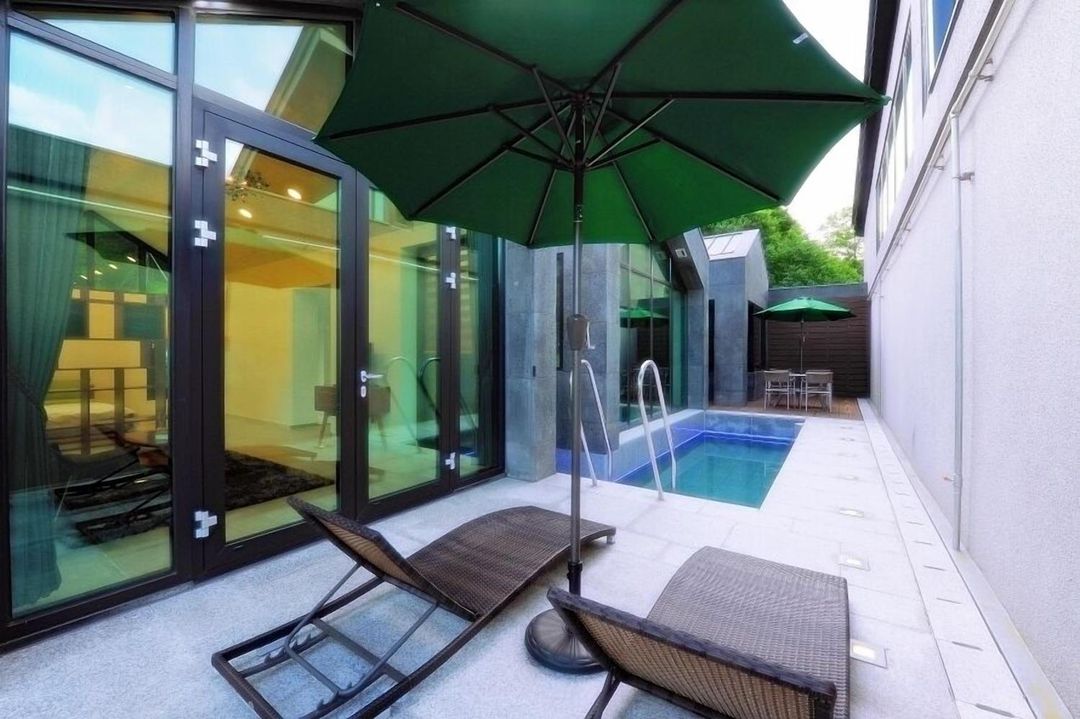
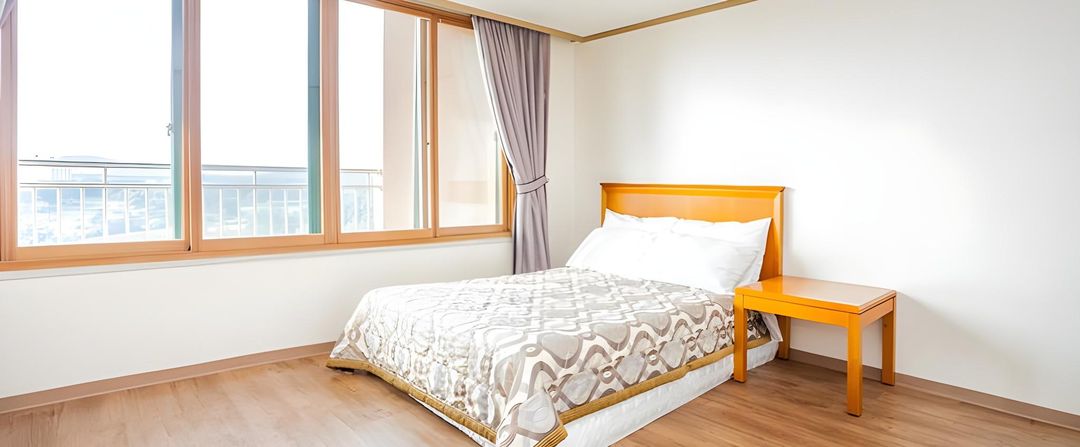
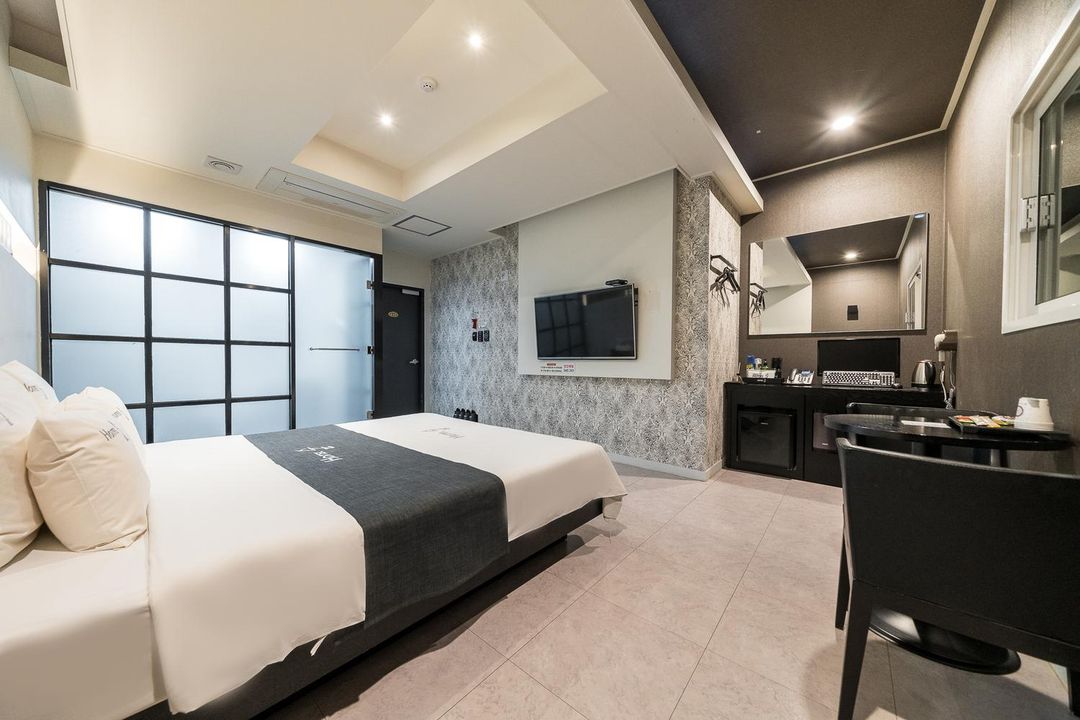
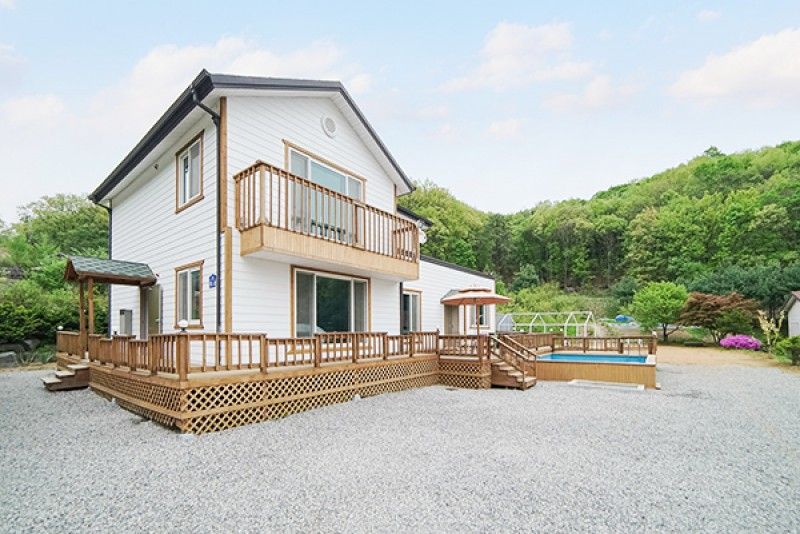

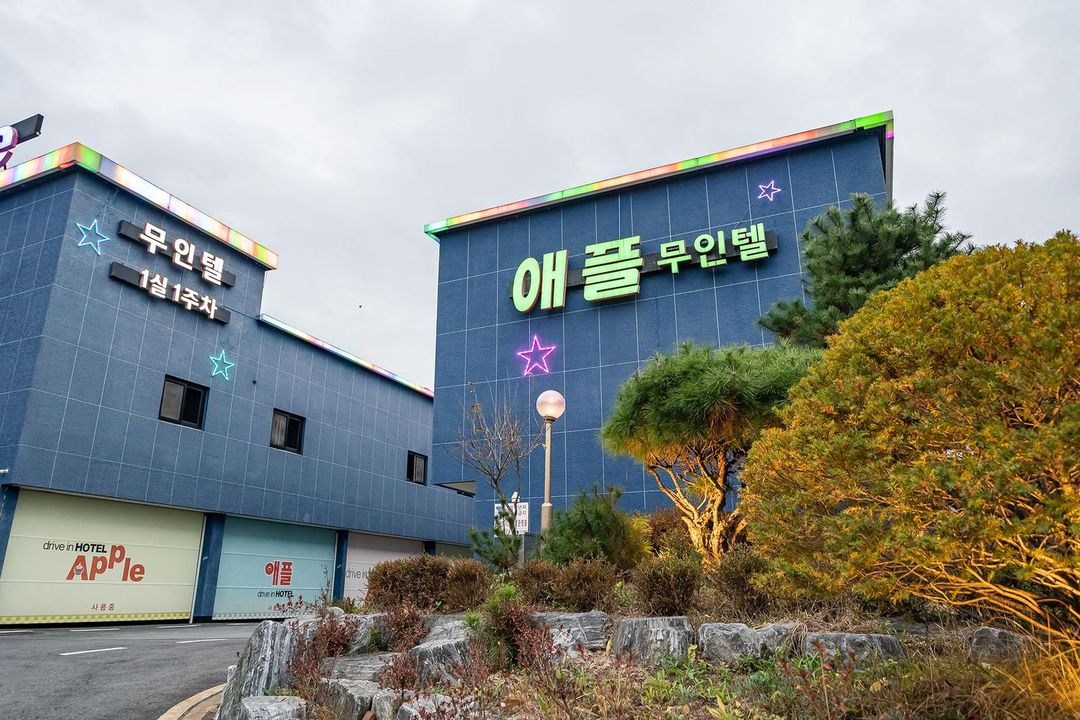
Best Hotels in Yeoju
Discover curated hotel collections in Yeoju


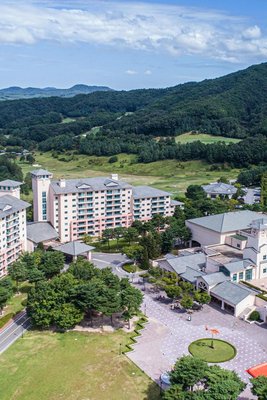
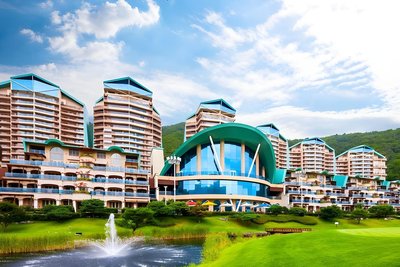

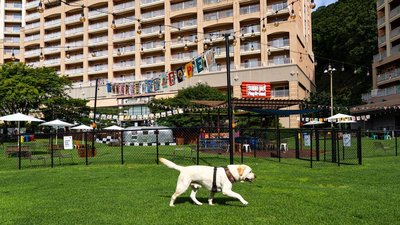
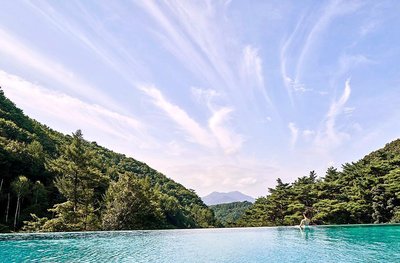

















Frequently Asked Questions about Traveling to Yeoju
Questions You Might Need to Know About Traveling to Yeoju
In Ri Ju, the top choice for hot spring stays is Ri Ju Spa Resort, renowned for its natural sulfur-rich thermal waters sourced from 300 meters underground. The resort blends traditional Korean wooden architecture with modern comfort, offering private outdoor onsen pools and panoramic views of the surrounding mountains. Guests can enjoy a signature "Onsen & Herbal Massage" package combining mineral baths with herbal compress therapy. Located near Ri Ju Lake, it’s ideal for relaxation and wellness retreats. Morning yoga sessions by the lake and evening candlelit dinners enhance the tranquil experience, making it perfect for couples and solo travelers seeking serenity.
The Ri Ju Folk Village is the prime area for cultural immersion in Ri Ju. This preserved historical district features traditional hanok houses, craft workshops, and seasonal festivals. Visitors can participate in hands-on activities like pottery-making, hanbok dressing, and traditional tea ceremonies. The village hosts monthly Korean Heritage Days, featuring folk music performances, calligraphy exhibitions, and local cuisine tastings. Strolling through narrow alleys lined with stone lanterns and ancient trees offers a genuine glimpse into rural Korean life. It's also close to the National Ri Ju Cultural Institute, which organizes educational programs on ancestral farming practices and regional history.
Yes, Ri Ju Family Eco Camp is a standout family-friendly accommodation in Ri Ju. Nestled near Ri Ju Lake, this eco-village offers spacious, self-contained cabins with kitchenettes and play areas. Children enjoy guided nature walks, farm animal feeding, and DIY pottery classes. Parents can unwind at the on-site wellness center or join a group meditation session. The camp hosts weekly family cooking nights, where guests prepare traditional dishes like rice cakes and kimchi together. With easy access to hiking trails and a safe, open environment, it’s an ideal destination for creating lasting memories across generations.
Tourists in Ri Ju can enjoy unique experiences such as traditional Korean herb bath rituals and rice paddy farming workshops at the National Ri Ju Cultural Institute. These hands-on activities offer insight into Korea’s agrarian heritage. Visitors can also take part in hanbok photo shoots at scenic spots like Love Bridge and Cherry Blossom Tunnel, followed by a performance of traditional dance. During spring, the Cherry Blossom Festival transforms Ri Ju Park into a magical landscape lit by paper lanterns and accompanied by live folk music. Seasonal events like the Ice Lantern Festival in winter add to the charm, showcasing intricate ice sculptures along the frozen lake.
For a romantic escape, Starlight Lakeside Villa in Ri Ju stands out. This secluded luxury villa features a glass-roofed bedroom offering unobstructed views of the stars above Ri Ju Lake. Couples can enjoy private onsen baths, candlelit dinners on the deck, and sunrise yoga sessions by the water. The property also offers a curated romantic weekend package including wine tasting, handmade chocolates, and a surprise flower arrangement. Nearby, the Romance Bridge and Autumn Maple Trail provide picturesque backdrops for quiet strolls. Ideal for honeymooners or anniversary trips, this retreat blends privacy, natural beauty, and intimate service.
Visitors to Ri Ju must try Ri Ju Spicy Chicken Stew and Mountain Vegetable Hot Pot. The former uses free-range local chicken and house-made chili paste, delivering bold, savory heat. The latter features seasonal wild greens like ferns, stone ear mushrooms, and garlic shoots, simmered slowly to create a rich, earthy broth. Head to Ri Ju Market’s Old Farm Kitchen for authentic flavors, where chefs use ingredients grown on-site. Don’t miss the handmade rice cakes and local honey sold at roadside stalls—perfect souvenirs. For a full sensory experience, join a Korean BBQ cooking class at a local homestay, where you’ll learn to grill meats and prepare side dishes using traditional methods.
Absolutely. Ri Ju offers excellent hiking opportunities along the Ri Ju Mountain Trail and the Ri Ju Lake Loop, both ideal for nature lovers. The 8-kilometer Lake Loop winds through dense pine forests, past birdwatching platforms, and serene waterfalls, with well-marked paths and resting stations. For more challenge, Baekgul Peak provides panoramic views of the Ri Ju Plain and distant Han River tributaries. Along the route, historic stone pavilions share stories of old Korea. Early morning hikes are recommended to avoid midday heat and enjoy misty forest scenery. Bring water, insect repellent, and wear sturdy shoes for a safe, immersive journey into nature.
Ri Ju hosts vibrant seasonal events: the Cherry Blossom Festival in spring lights up Ri Ju Park with thousands of blooming sakura trees and nightly lantern displays. Summer brings the Lakeside Music Festival, featuring live performances on floating stages. Autumn’s Harvest Festival celebrates local produce with farmers’ markets, craft fairs, and traditional food tastings. Winter’s Ice Lantern Festival turns Ri Ju Lake into a dazzling wonderland of ice sculptures and illuminated pathways. These events not only highlight local traditions but also attract international visitors. Check the official tourism calendar for exact dates and special programs.
Traveling from Seoul to Ri Ju is convenient via the Gyeongui-Jungang Line subway, which runs directly to Ri Ju Station in about 1 hour. From the station, take a local bus or taxi (10 minutes) to the town center. Alternatively, drive via the Gyeongin Expressway, exiting at Pogu and following National Route 2. For convenience, many tour operators offer day-trip packages with round-trip transport and guided tours. Avoid weekends if possible to minimize traffic. Once in Ri Ju, rent a bicycle to explore the lakeside trails and rural villages at your own pace.
Ri Ju is a premier destination for wellness retreats due to its natural hot springs, clean air, and serene landscapes. The Ri Ju Spa Resort offers comprehensive programs including on-site detox treatments, Korean herbal medicine consultations, and mindfulness meditation sessions by the lake. Guests can also join forest bathing walks, yoga under the stars, and traditional acupuncture therapies. The integration of nature, culture, and holistic healing creates a deeply restorative environment. Many retreat packages include organic meals made from locally grown ingredients, promoting physical and mental well-being. Perfect for digital detoxes and rejuvenation.
Yeoju Overview
City Summary
Yeoju in Gyeonggi-do, South Korea, blends historical heritage with natural beauty, renowned for its traditional herbal medicine culture and celadon porcelain production. Key attractions include well-preserved Joseon Dynasty relics, the scenic Namhan River valley, and unique herbal experience programs.
Must-See Attractions
Top sights include Silleuksa Temple (famous for autumn foliage), Yeoju Herbal Medicine Theme Park for traditional therapies, and Yeoju Premium Outlets for shopping. Art lovers should visit Yeoju Ceramic Museum to explore celadon craftsmanship. Summer offers Namhan River rafting, while winter is ideal for Yeoju Hot Springs.
Food Guide
Local cuisine features medicinal dishes like "ginseng chicken soup" and "mugwort rice cakes". Street food highlights include herbal steamed rice (Yeoju yakbap). Traditional markets offer spicy marinated crabs (yangnyeom gejang) and herbal teas, embodying Korea's "food as medicine" philosophy.
Transportation Guide
From Seoul, take Gyeonggang Line subway to Yeoju Station (1.5hrs) or intercity buses from Dong Seoul Terminal. Local buses (Routes 1-9) cover major attractions. Taxis start at 3,800 KRW. Recommended to get "Gyeonggi Tour Pass" for discounts. Note some mountain roads are narrow for drivers.
Best Time to Visit
Best seasons are September-November for pleasant weather and fall foliage (peak in late October). April-May bring cherry blossoms, while December-February offers hot springs and snowscapes. Summer (June-August) is humid but good for water activities.
Travel Tips
- Dress modestly at temples (no shorts/sleeveless tops)
- Disclose allergies before herbal treatments
- Shower thoroughly before hot spring use
- Ask permission before photographing market stalls
- Alcohol prohibited during rafting
- Strict waste separation enforced
- Taxis prefer cash payments
- Some restaurants close Mondays
Useful Information
Language: Basic English works in tourist areas; learn simple Korean greetings (e.g., 안녕하세요/Thank you). Internet: Free city WiFi (SSID: 『WiFi_YES_YLJU』), prepaid SIMs available at convenience stores. Payment: Credit cards widely accepted, but cash-only at traditional markets. Use ATMs with "Global" logos. Emergency: Yeoju Municipal Hospital (031-880-9119) has international clinic. Pharmacies marked with "약". Voltage: 220V/60Hz (Type C/F plugs). Emergency numbers: Police 112, Ambulance 119.
Other Cities You Might Like
Explore more amazing destinations