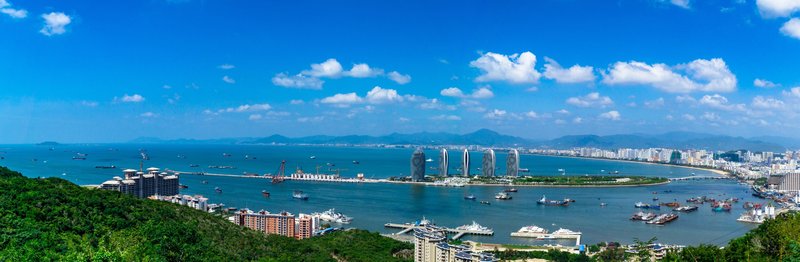
Hotels in Yeoncheon
Discover your perfect stay in Yeoncheon.
Yeoncheon(South Korea) Travel 2026: Cheap Flights, Hotels & Top Attractions
Popular Landmarks in Yeoncheon
Discover the most iconic attractions in Yeoncheon
Recommended Hotels in Yeoncheon
Find the perfect place to stay in Yeoncheon
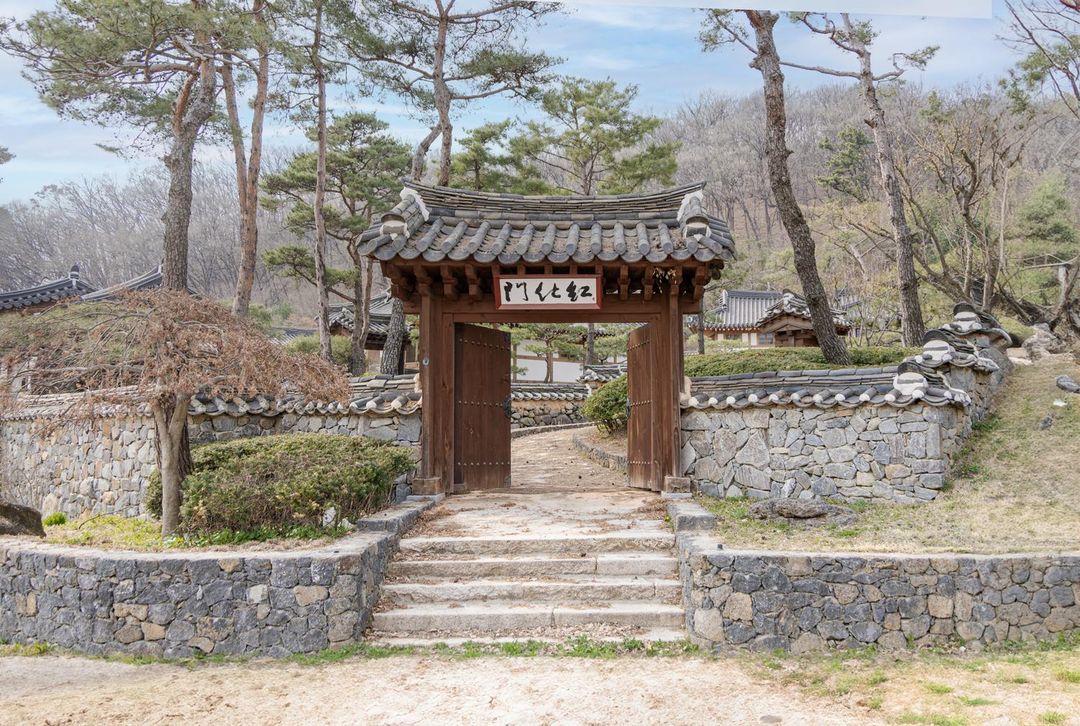
Chosun Royal Family Hotel
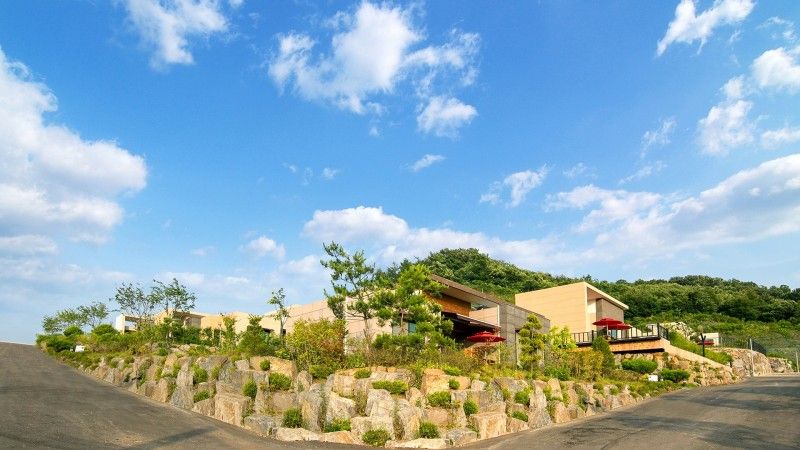
Yeoncheon with Dog Pension
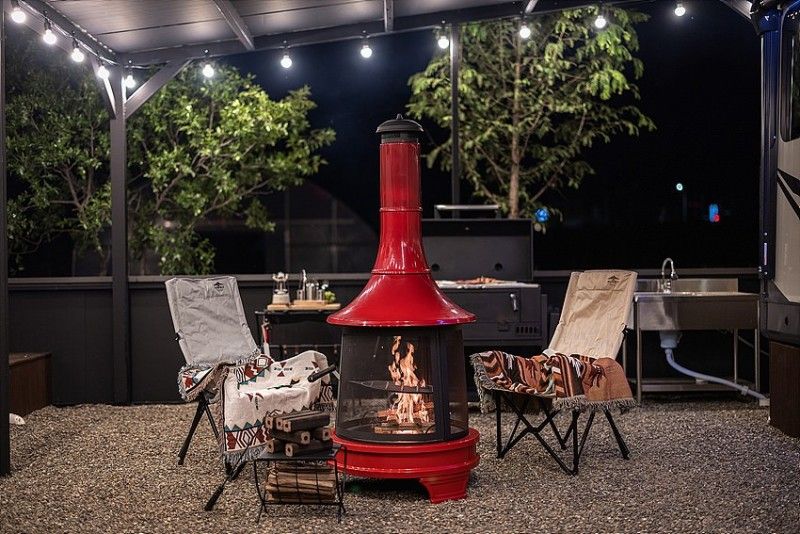
Yeoncheon Laguna Camp
Best Hotels in Yeoncheon
Discover curated hotel collections in Yeoncheon
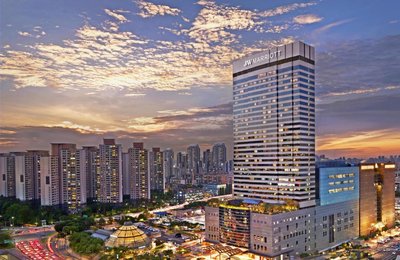
JW Marriott Hotel Seoul
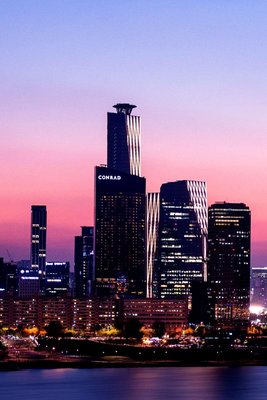
Conrad Seoul
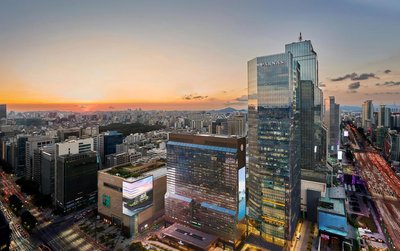
Grand InterContinental Seoul Parnas
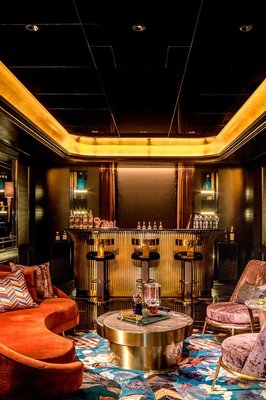
Art Paradiso, Paradise City
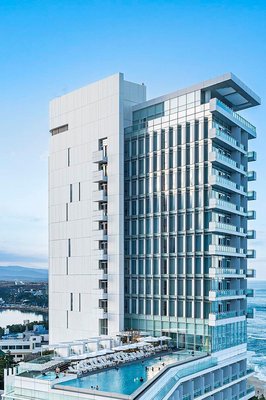
Seamarq Hotel
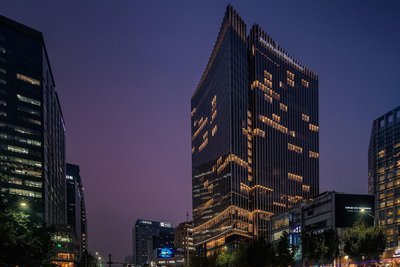
Four Seasons Hotel Seoul
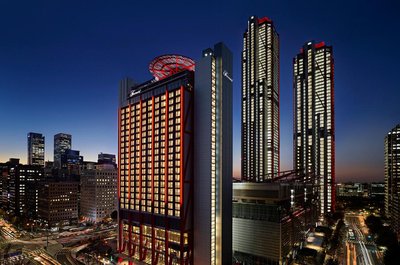
Fairmont Ambassador Seoul
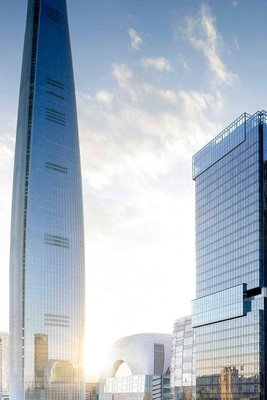
Sofitel Ambassador Seoul Hotel & Serviced Residences
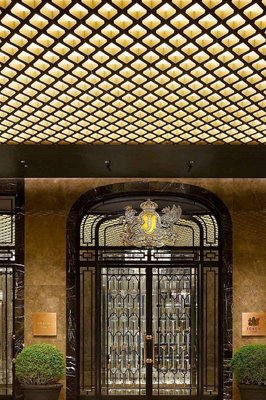
Josun Palace, a Luxury Collection Hotel, Seoul Gangnam
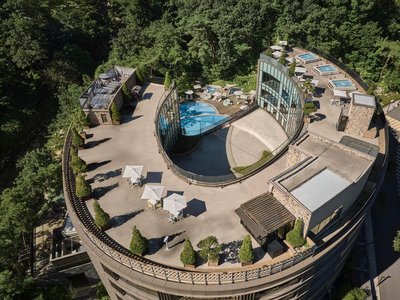
Anto (formerly: Parasara Seoul)
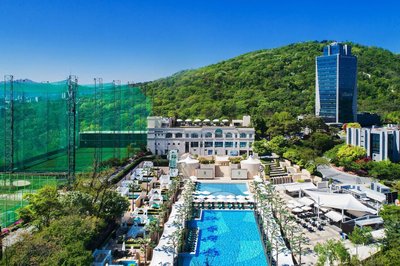
Banyan Tree Club & Spa Seoul
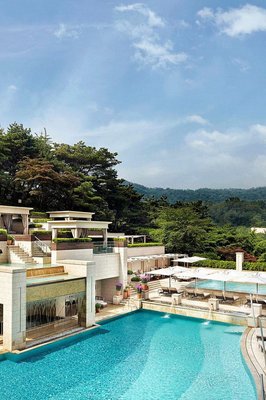
The Shilla Seoul
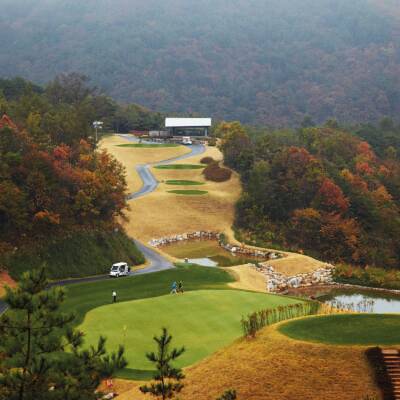
Tops10 Resort Donggang Cistar
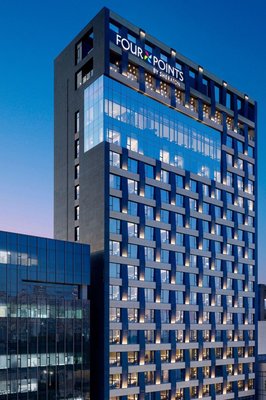
Four Points by Sheraton Suwon
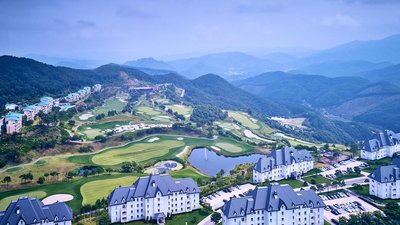
Sonofelice Village Vivaldipark
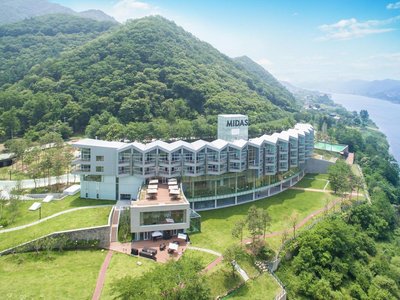
Midas Hotel & Resort
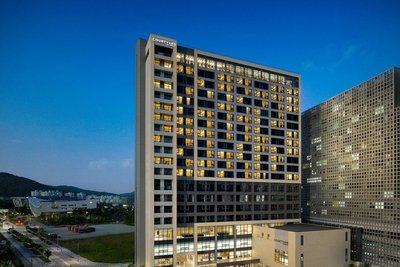
Courtyard Sejong
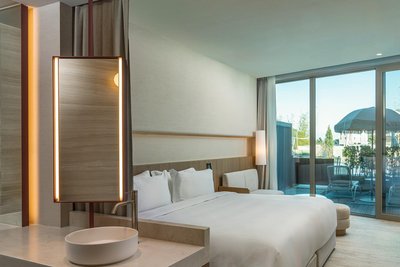
CORALLO
Sono Calm Vivaldi Park
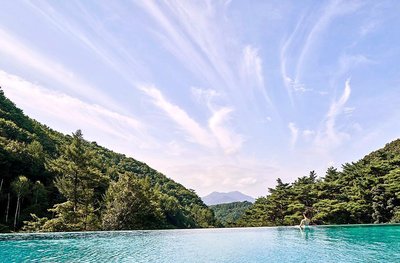
Restree and Forest Resom
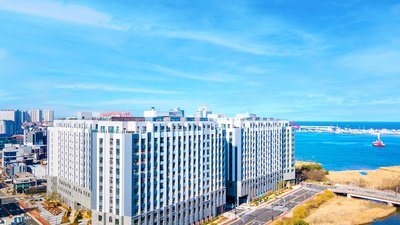
Dominiclava Sokco
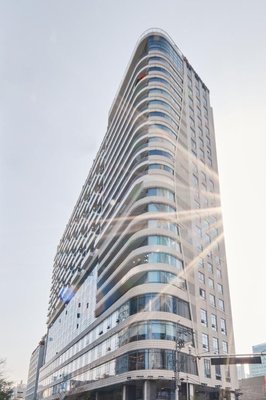
UH Flat Signature Daegu
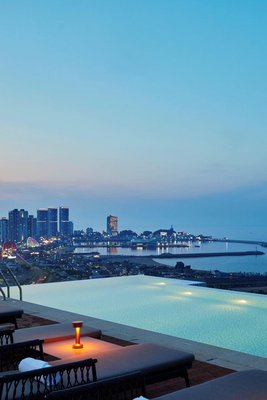
Homm Marina Sokcho
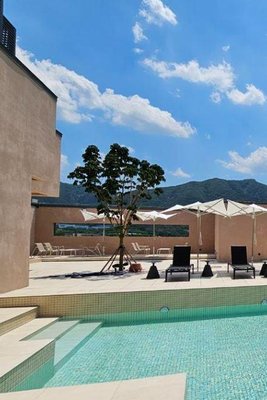
Daegu Suseong the Arco Hotel Lions Park
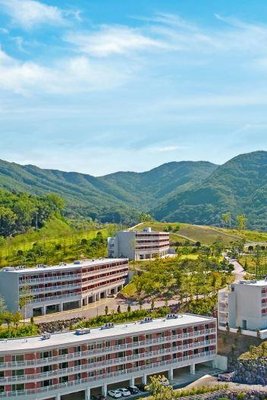
Belle Fore Resort
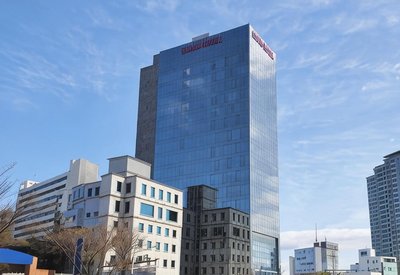
Eldis Regent Hotel
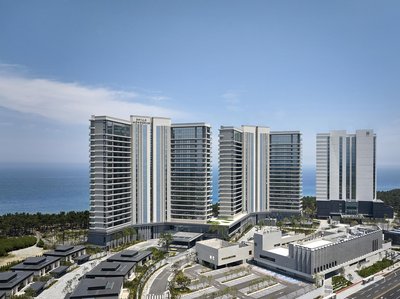
Shillamonogram Gangneung Residence
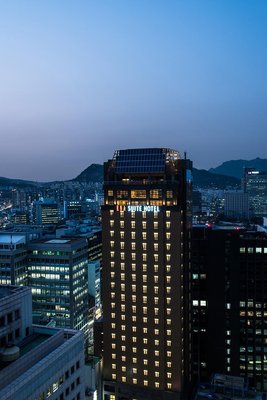
ENA Suite Hotel Namdaemun
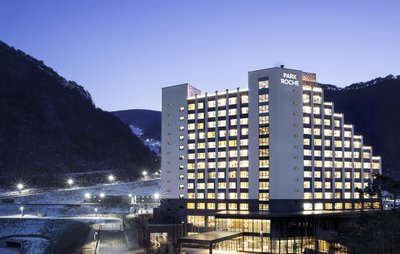
Park Roche Resort & Wellness

Holiday Inn Incheon Songdo
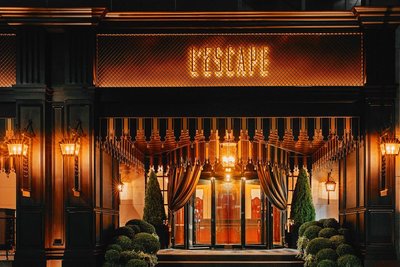
L'Escape Hotel
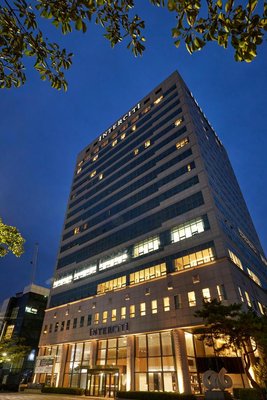
Hotel Interciti
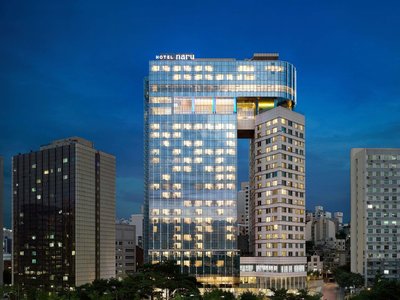
Hotel Naru Seoul - MGallery Collection
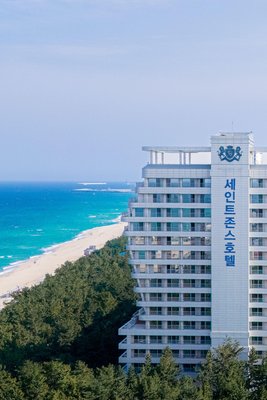
St. John's Hotel
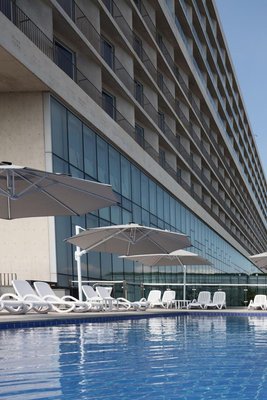
Nest Hotel Incheon
Conrad Seoul
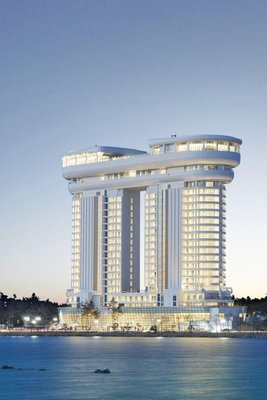
Skybay Hotel Gyeongpo
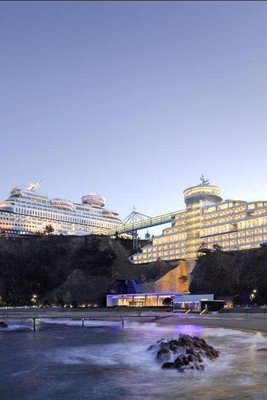
Sun Cruise Resort and Yacht
Seamarq Hotel

Ramada by Wyndham Gangwon Sokcho
Sofitel Ambassador Seoul Hotel & Serviced Residences
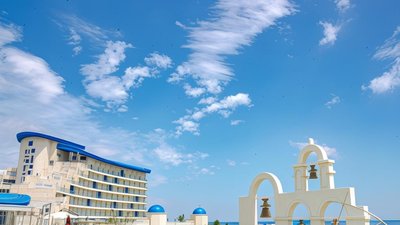
Sol Beach Samcheok
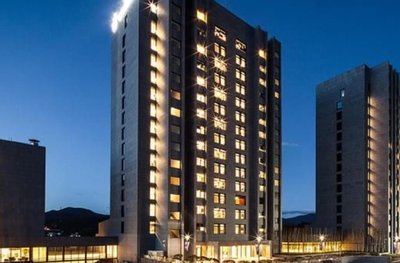
Bloomvista Hotel & Conference
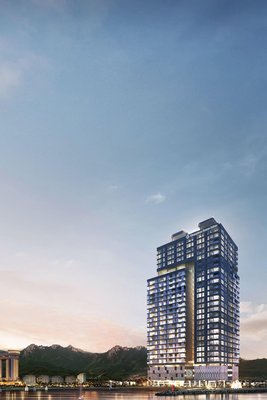
Chonpines Ocean Suites
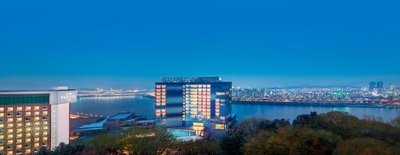
Vista Walkerhill Seoul - Formerly W Seoul
The Shilla Seoul

INSPIRE Entertainment Resort
Conrad Seoul
L'Escape Hotel
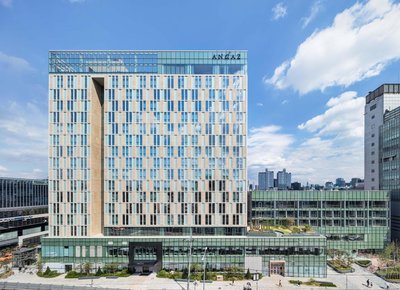
ANDAZ SEOUL GANGNAM, BY HYATT
Fairmont Ambassador Seoul
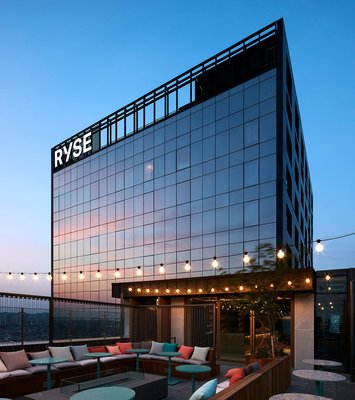
RYSE, Autograph Collection by Marriott
Josun Palace, a Luxury Collection Hotel, Seoul Gangnam
Anto (formerly: Parasara Seoul)
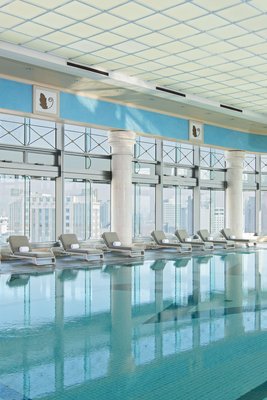
The Plaza Seoul, Autograph Collection
Banyan Tree Club & Spa Seoul
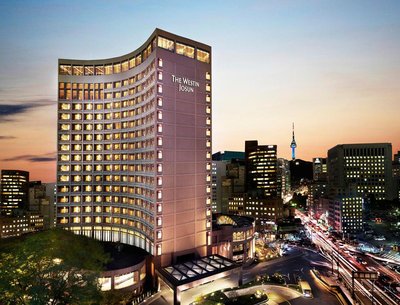
The Westin Josun Seoul
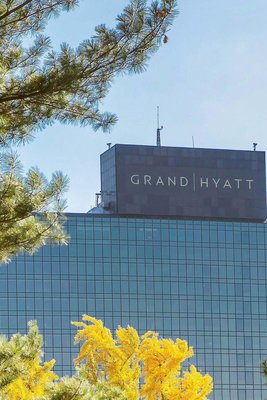
Grand Hyatt Seoul
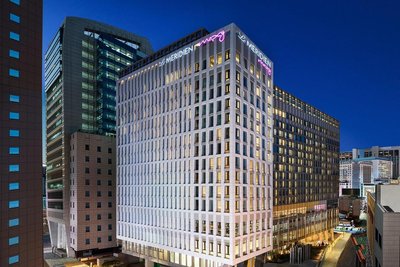
Le Méridien Seoul, Myeongdong
Hotel Naru Seoul - MGallery Collection
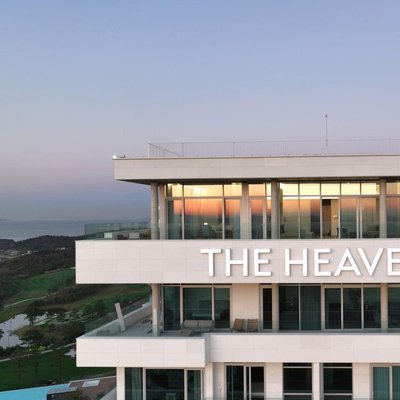
The Heaven Resort
INSPIRE Entertainment Resort
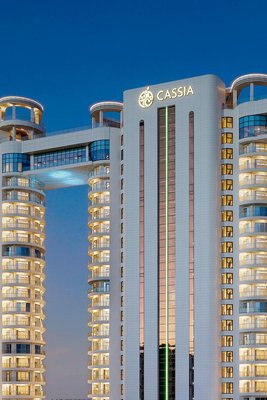
Cassia Sokcho
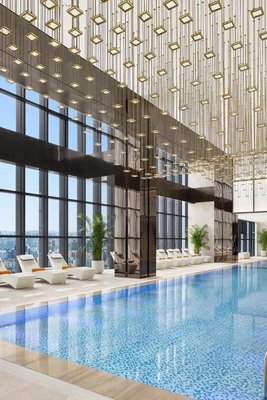
Pullman Ambassador Seoul Eastpole
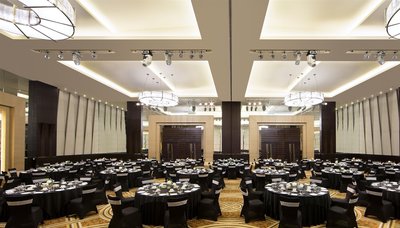
Sheraton Grand Incheon Hotel
St. John's Hotel
Nest Hotel Incheon
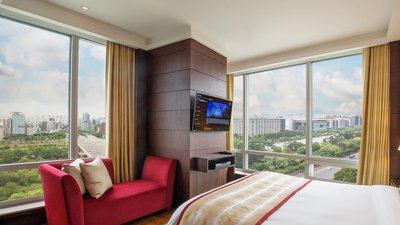
Yeouido Park Centre, Seoul - Marriott Executive Apartments
Skybay Hotel Gyeongpo
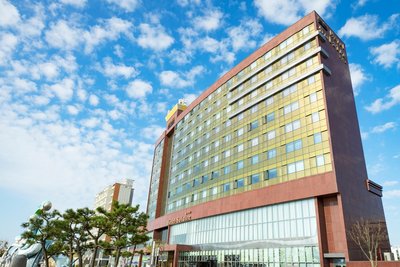
Hotel Solaire
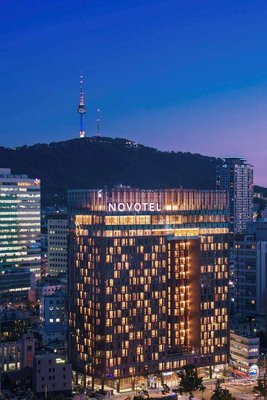
Novotel Ambassador Seoul Dongdaemun Hotels & Residences
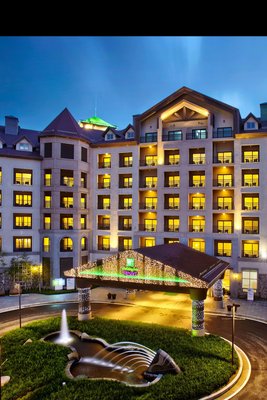
Holiday Inn Resort Alpensia Pyeongchang
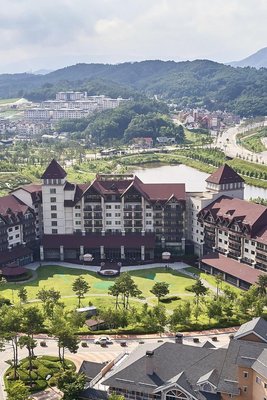
InterContinental Hotels Alpensia Pyeongchang Resort
Sun Cruise Resort and Yacht
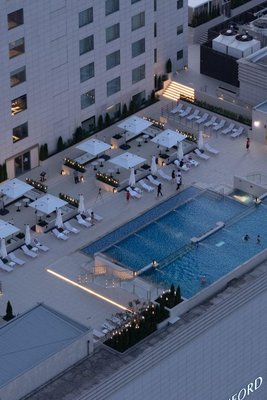
Enford Hotel
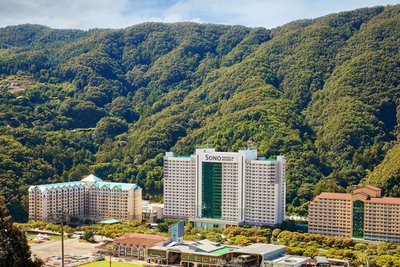
VivaldiPark
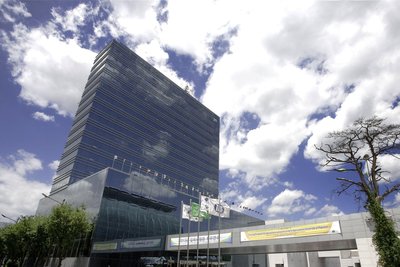
Hotel Interburgo Exco
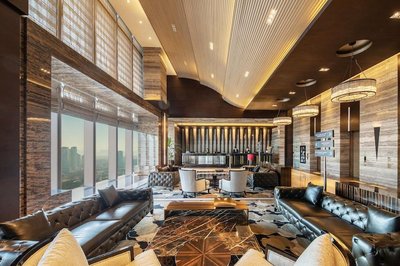
Oakwood Premier Incheon
INSPIRE Entertainment Resort
L'Escape Hotel
Four Seasons Hotel Seoul
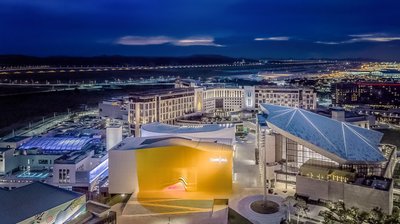
Paradise City
Josun Palace, a Luxury Collection Hotel, Seoul Gangnam
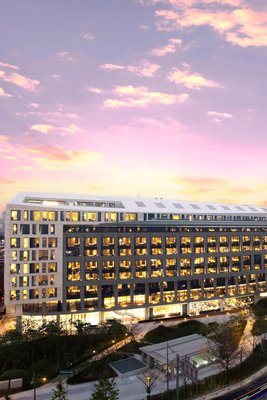
JW Marriott Dongdaemun Square Seoul
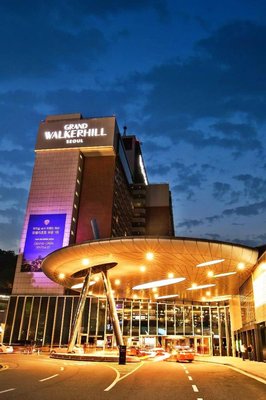
Grand Walkerhill Seoul
The Shilla Seoul
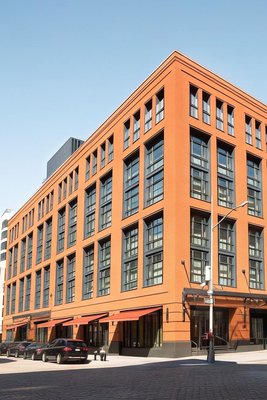
Hotel Barrière Fouquet's New York
JW Marriott Hotel Seoul
Conrad Seoul
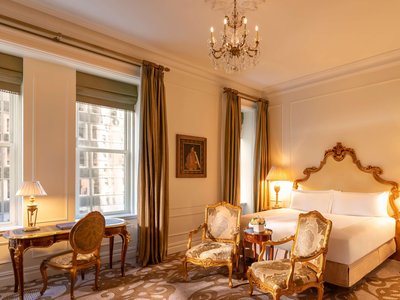
The Plaza - A Fairmont Managed Hotel
Grand InterContinental Seoul Parnas
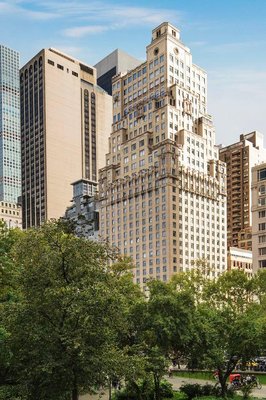
The Ritz-Carlton New York, Central Park
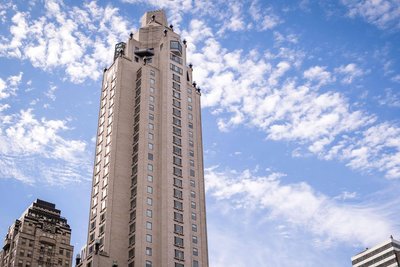
Four Seasons Hotel New York
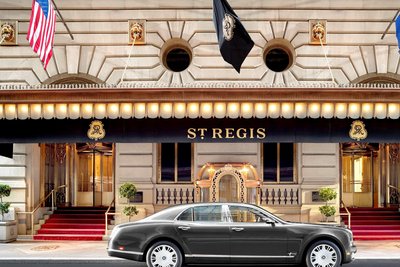
The St. Regis New York
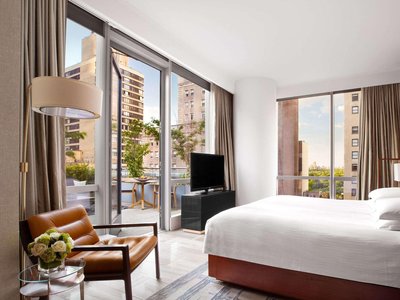
Park Hyatt New York
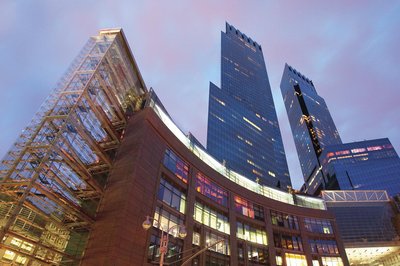
Mandarin Oriental New York
Art Paradiso, Paradise City
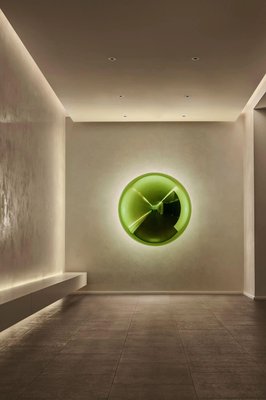
Times Square Edition New York

Loews Regency New York Hotel
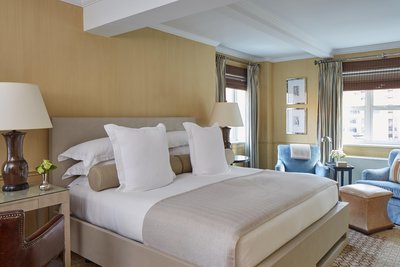
Lowell Hotel
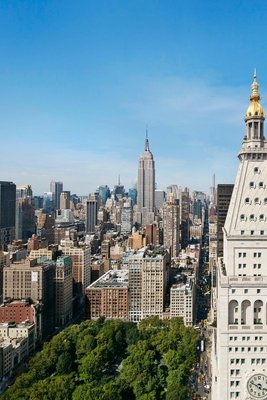
New York Edition
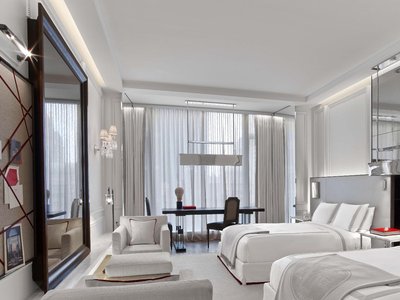
Baccarat Hotel New York
Seamarq Hotel
Four Seasons Hotel Seoul

Equinox Hotel New York

Four Seasons Hotel New York Downtown
Frequently Asked Questions about Traveling to Yeoncheon
Questions You Might Need to Know About Traveling to Yeoncheon
For stunning lake views, stay at Ryangchon Lake Resort, nestled beside Ryangchon Lake. This eco-friendly resort offers panoramic lake-facing rooms, private balconies, and access to a natural hot spring spa. The architecture blends traditional Korean design with modern comfort, perfect for nature lovers seeking tranquility. Guests can enjoy kayaking, sunrise walks along the lakeside trail, and seasonal farm-to-table dining featuring local ingredients.
The Ryangchon Hanok Village is the best area for cultural immersion. Here, travelers can stay in restored hanok (traditional Korean houses), experience daily rituals like tea ceremonies, and participate in workshops on pottery-making and rice-paper crafting. The village hosts seasonal festivals such as the Ryangchon Flower Festival, where locals showcase folk music, dance, and handmade crafts, offering an authentic glimpse into rural Korean life.
Yes, Ryangchon Lake Resort and Ryangchon Hanok Stay are both highly family-friendly. The resort features child-safe play areas, family suites, and guided farm activities like feeding goats and planting rice. The hanok guesthouse provides a private courtyard, making it safe and fun for kids. Both offer kid-sized meals and multilingual staff, ensuring a stress-free and memorable experience for families traveling together.
Must-visit landmarks include Ryangchon Lake Wetland Park, a designated national wetland hosting over 100 bird species, perfect for birdwatching and photography. Nearby, Yeonghwi Temple, dating back to the Goryeo Dynasty, features ancient Buddhist relics and serene mountain surroundings. During spring, the Ryangchon Flower Field transforms into a golden sea of rapeseed blooms, creating a breathtaking backdrop for visitors and photographers alike.
Yes, Yangpyeong County is well-connected via the Gyeongui Line train, with direct service from Seoul’s Jungang Station in about 45 minutes. Local shuttle buses link major attractions like Ryangchon Lake and Yeonghwi Temple. For those driving, the Gyeongbu Expressway provides quick access. Use apps like KakaoMap or Naver Map for real-time transit updates and route planning to enhance your journey.
Try Ryangchon Rice Wine Chicken, a regional specialty made with locally raised free-range chicken and homemade rice wine—slow-cooked for rich flavor. Also sample wild vegetable pancakes, using fresh seasonal greens like perilla and bracken ferns. At Ryangchon Market, pick up organic water dropwort and kimchi, or join a hands-on farm lunch workshop to prepare a traditional Korean meal with local ingredients.
Absolutely. The Ryangchon Lake Circular Trail (6 km) offers gentle terrain with scenic views of reeds, waterfowl, and sunrise reflections. For more challenge, hike the Yeonghwi Temple Trail (3 km), winding through bamboo groves and ancient pine trees. The path includes rest stops and shaded benches. Best visited early morning or late afternoon to avoid heat; bring water, sunscreen, and insect repellent for a safe and enjoyable trek.
Hotel prices start at around ₩300,000 per night for budget-friendly guesthouses like Ryangchon Hanok Stay. Mid-range options such as Ryangchon Lake Resort range from ₩700,000, including breakfast and lake access. Prices rise by 20–30% during peak seasons (spring flower festival and autumn birdwatching). Early HopeGoo is recommended, especially for group stays, as many lodgings offer discounts for longer stays or family packages.
Highly suitable. Capture misty mornings at Ryangchon Lake Wetland Park, where reflections create dreamlike compositions. The golden rapeseed fields in spring offer a vibrant, cinematic backdrop. Yeonghwi Temple’s ancient stone steps and temple rooftops framed by mountains provide timeless architectural shots. During the annual Flower Festival, lighting and crowds create dynamic photo opportunities. Bring a wide-angle lens and tripod for optimal results.
Enjoy a traditional rice transplanting workshop in the paddy fields, learn handmade paper-making from local artisans, or take part in a nighttime firefly watching tour at the wetlands. You can also join a local farming homestay, where you’ll help harvest vegetables, cook dinner with elders, and sleep in a real hanok. These immersive experiences offer deep cultural insight and lasting memories beyond typical sightseeing.
Yeoncheon Overview
City Summary
Yeoncheon County, located in northern Gyeonggi-do, South Korea, is renowned for its spectacular natural landscapes and rich historical heritage. Situated at the confluence of the Han and Imjin Rivers, it offers fresh air and a tranquil rural atmosphere, ideal for travelers seeking respite from urban chaos. Its military history is distinctive, with multiple memorials and parks related to the Korean War due to its proximity to the DMZ.
Must-See Attractions
Must-visit sites include:Imjingak Peace Park (a memorial of division history), Yeoncheon DMZ Museum (exploring inter-Korean relations), and Hantan River Rafting (a summer highlight). Experience the Ice Fishing Festival in winter for local folklore. Surrounding mountains like Unaksan are perfect for hiking, especially during autumn foliage season.
Food Guide
Yeoncheon specializes in farm-to-table cuisine: try wild herb meals (seasonal mountain greens), Yeoncheon Hanu (premium local beef), and Makgeolli (traditional rice wine). Riverside restaurants serve spicy freshwater fish stew with signature fermented sauce.
Transportation Guide
From Seoul: Take the Gyeongui-Jungang Line to Munsan Station, then transfer to a bus (1 hour) to Yeoncheon Intercity Bus Terminal. Driving via Tongil-ro (Route 1) takes 90 minutes. Attractions are scattered – consider renting a car or joining guided tours. Limited public transport; DMZ areas require permits and group access.
Best Time to Visit
Best periods are May-June (mild weather) and September-October (stunning fall colors). Avoid July-August monsoons and harsh winters (Dec-Feb), when some sites may close.
Travel Tips
- DMZ Safety: Never stray from marked paths
- Attire: Avoid bright colors at military sites
- Cash: Rural areas rarely accept cards
- Language: Carry Korean addresses or use translation apps
- Etiquette: Ask before photographing memorials
- Environment: Strict no-littering policy in mountains
Useful Information
Language: Basic English works in tourist zones; learn simple Korean phrases. Internet: 4G coverage in town; portable WiFi recommended. Currency: Cash-only at small businesses; KB Bank ATMs available. Emergencies: Yeoncheon Medical Center (RHC) offers 24/7 ER; insurance required. Voltage: 220V, Type C/E plugs. Pack sun protection and hiking shoes.
Other Cities You Might Like
Explore more amazing destinations