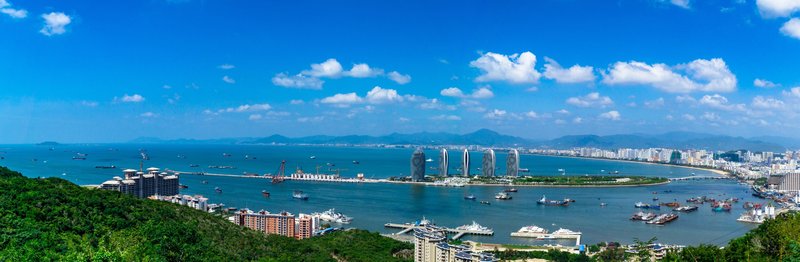
Hotels in Yeoncheon
Discover your perfect stay in Yeoncheon.
Yeoncheon(South Korea) Travel 2026: Cheap Flights, Hotels & Top Attractions
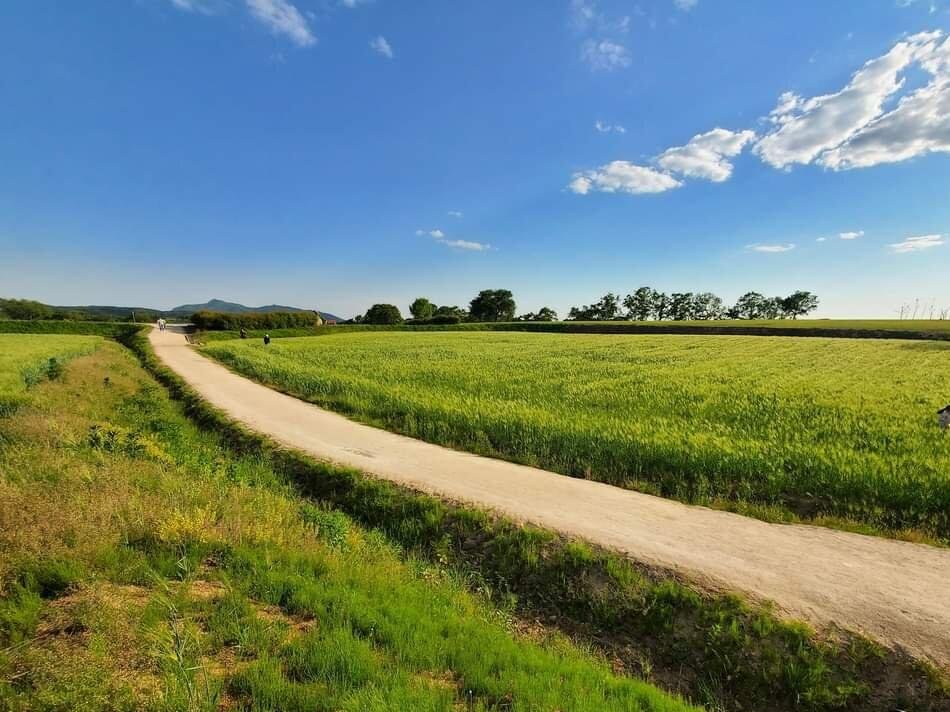
Popular Landmarks in Yeoncheon
Discover the most iconic attractions in Yeoncheon
Recommended Hotels in Yeoncheon
Find the perfect place to stay in Yeoncheon
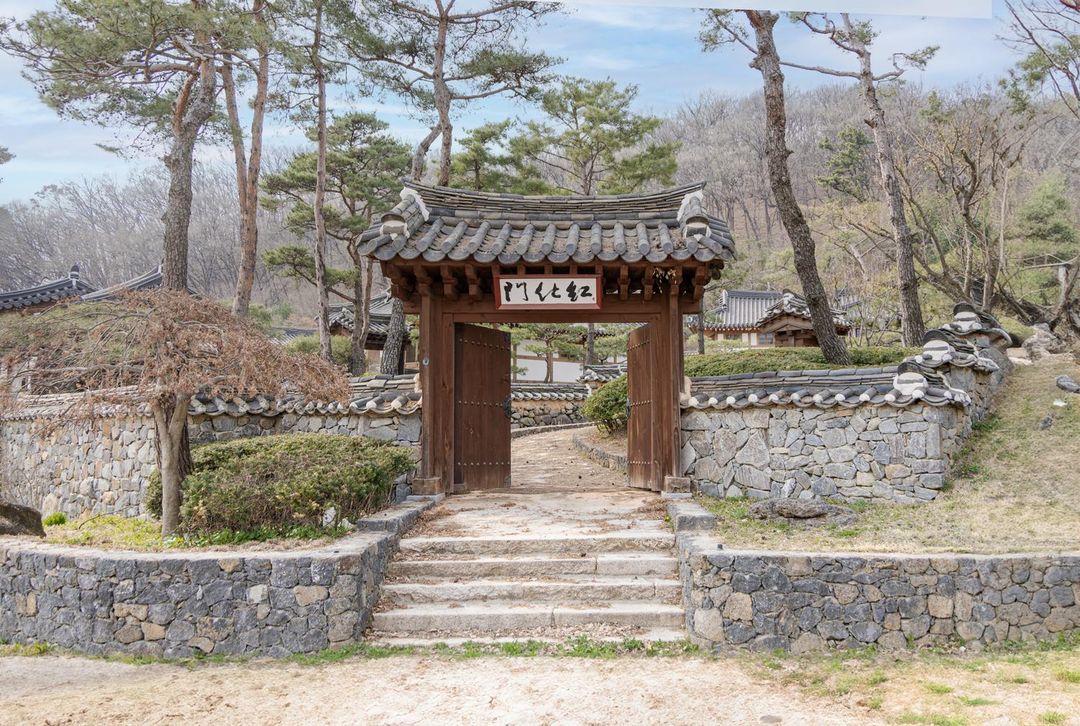
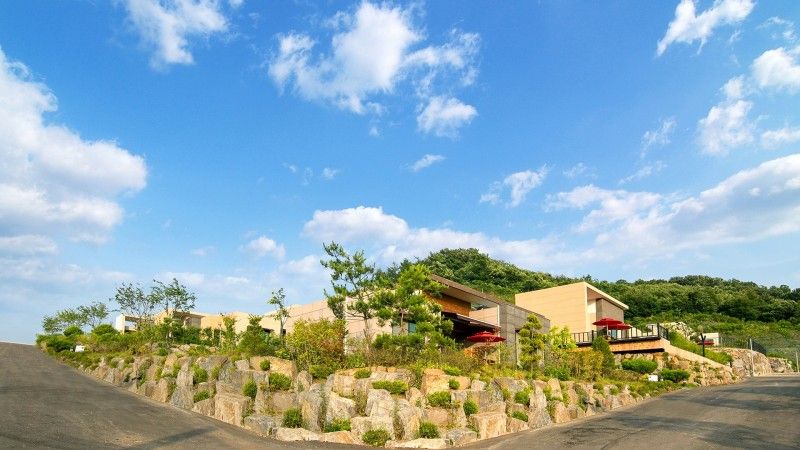
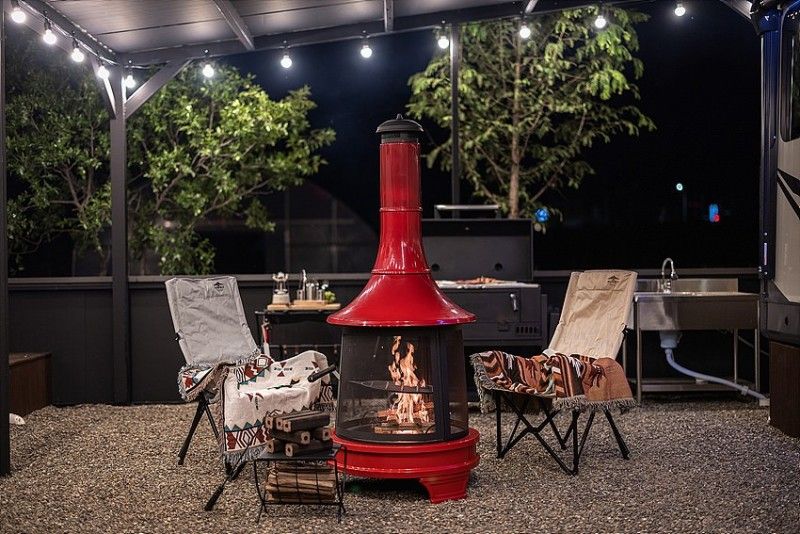
Best Hotels in Yeoncheon
Discover curated hotel collections in Yeoncheon
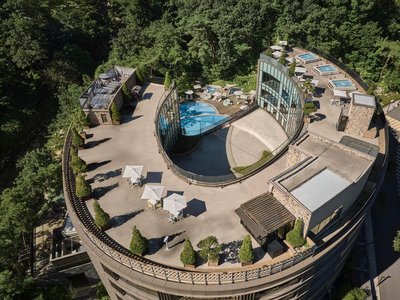
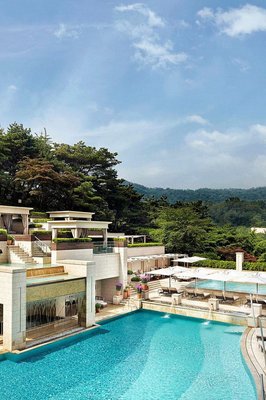
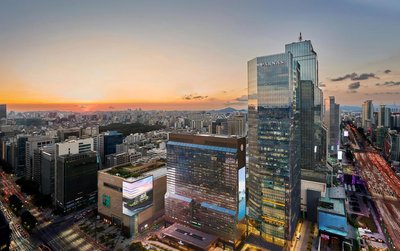

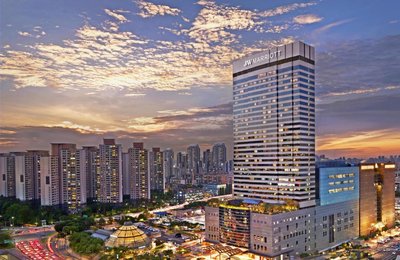

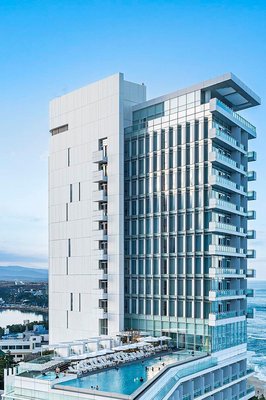
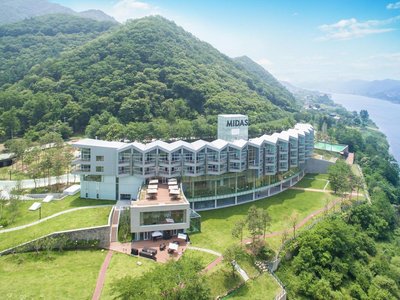
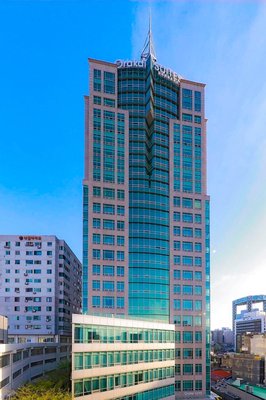
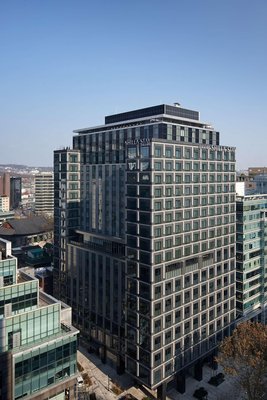
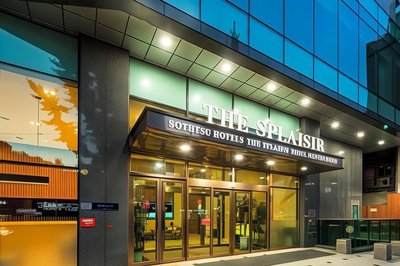
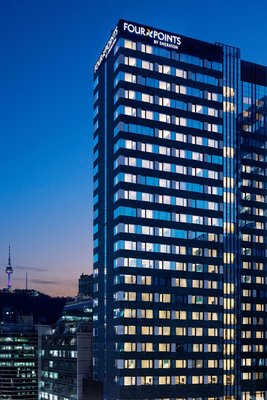

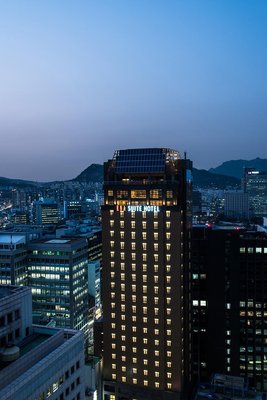


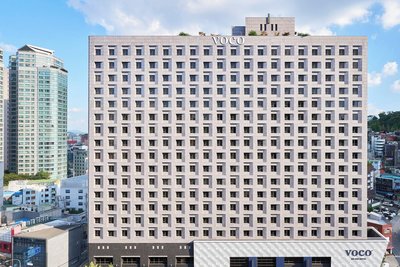
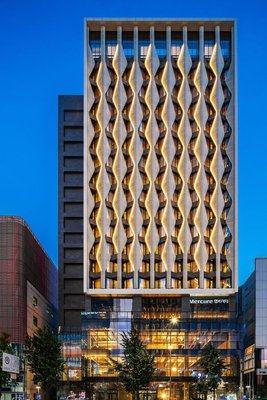
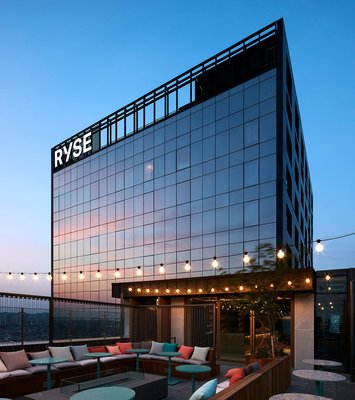

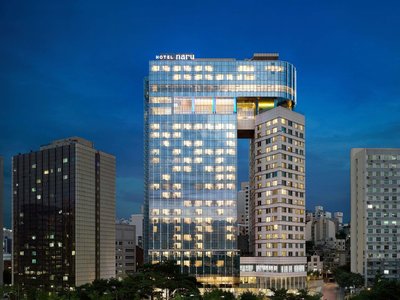
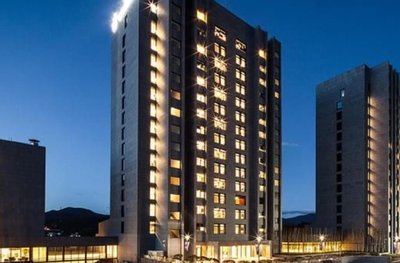
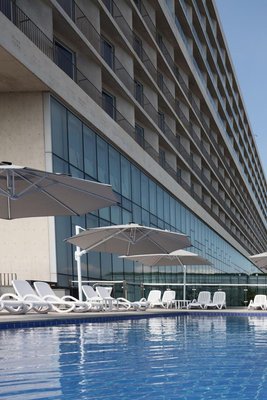

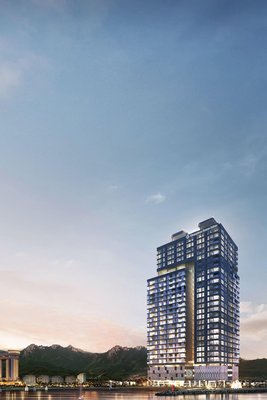




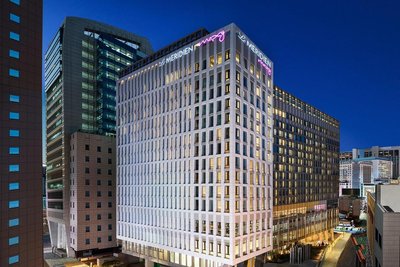
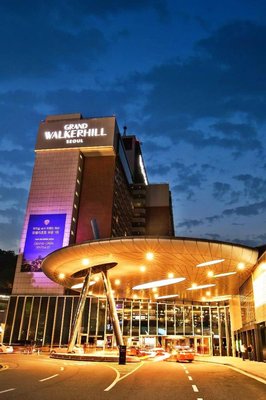
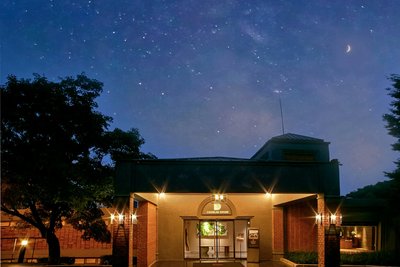

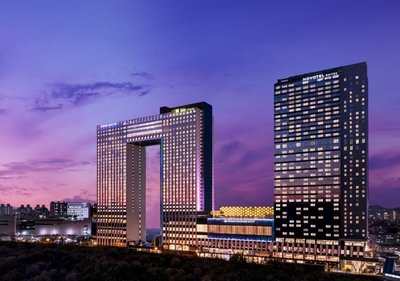
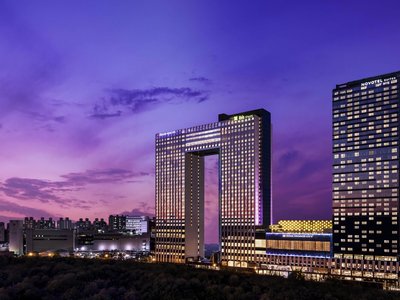

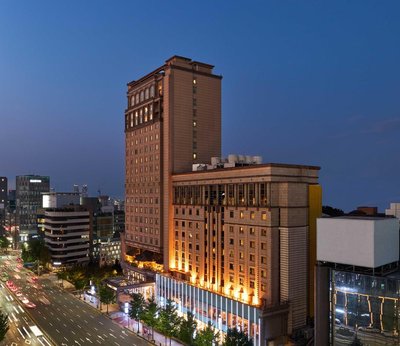
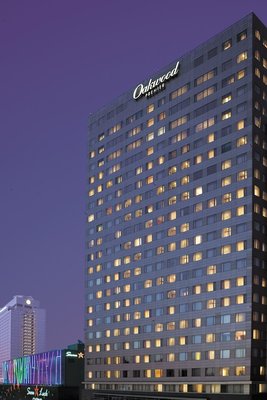
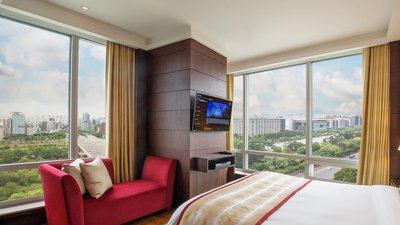
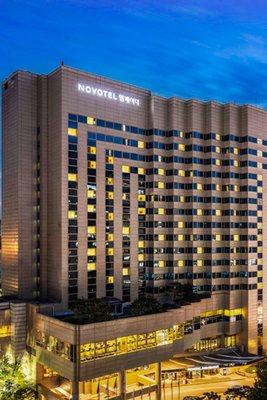
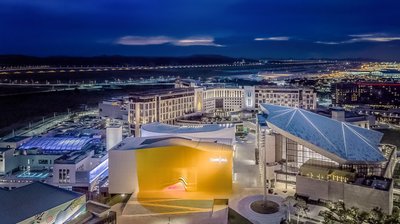

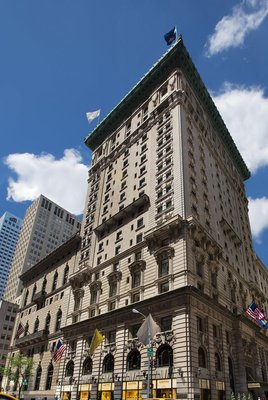



Frequently Asked Questions about Traveling to Yeoncheon
Questions You Might Need to Know About Traveling to Yeoncheon
Yeoncheon Overview
City Summary
Yeoncheon County, located in northern Gyeonggi-do, South Korea, is renowned for its spectacular natural landscapes and rich historical heritage. Situated at the confluence of the Han and Imjin Rivers, it offers fresh air and a tranquil rural atmosphere, ideal for travelers seeking respite from urban chaos. Its military history is distinctive, with multiple memorials and parks related to the Korean War due to its proximity to the DMZ.
Must-See Attractions
Must-visit sites include:Imjingak Peace Park (a memorial of division history), Yeoncheon DMZ Museum (exploring inter-Korean relations), and Hantan River Rafting (a summer highlight). Experience the Ice Fishing Festival in winter for local folklore. Surrounding mountains like Unaksan are perfect for hiking, especially during autumn foliage season.
Food Guide
Yeoncheon specializes in farm-to-table cuisine: try wild herb meals (seasonal mountain greens), Yeoncheon Hanu (premium local beef), and Makgeolli (traditional rice wine). Riverside restaurants serve spicy freshwater fish stew with signature fermented sauce.
Transportation Guide
From Seoul: Take the Gyeongui-Jungang Line to Munsan Station, then transfer to a bus (1 hour) to Yeoncheon Intercity Bus Terminal. Driving via Tongil-ro (Route 1) takes 90 minutes. Attractions are scattered – consider renting a car or joining guided tours. Limited public transport; DMZ areas require permits and group access.
Best Time to Visit
Best periods are May-June (mild weather) and September-October (stunning fall colors). Avoid July-August monsoons and harsh winters (Dec-Feb), when some sites may close.
Travel Tips
- DMZ Safety: Never stray from marked paths
- Attire: Avoid bright colors at military sites
- Cash: Rural areas rarely accept cards
- Language: Carry Korean addresses or use translation apps
- Etiquette: Ask before photographing memorials
- Environment: Strict no-littering policy in mountains
Useful Information
Language: Basic English works in tourist zones; learn simple Korean phrases. Internet: 4G coverage in town; portable WiFi recommended. Currency: Cash-only at small businesses; KB Bank ATMs available. Emergencies: Yeoncheon Medical Center (RHC) offers 24/7 ER; insurance required. Voltage: 220V, Type C/E plugs. Pack sun protection and hiking shoes.
Other Cities You Might Like
Explore more amazing destinations