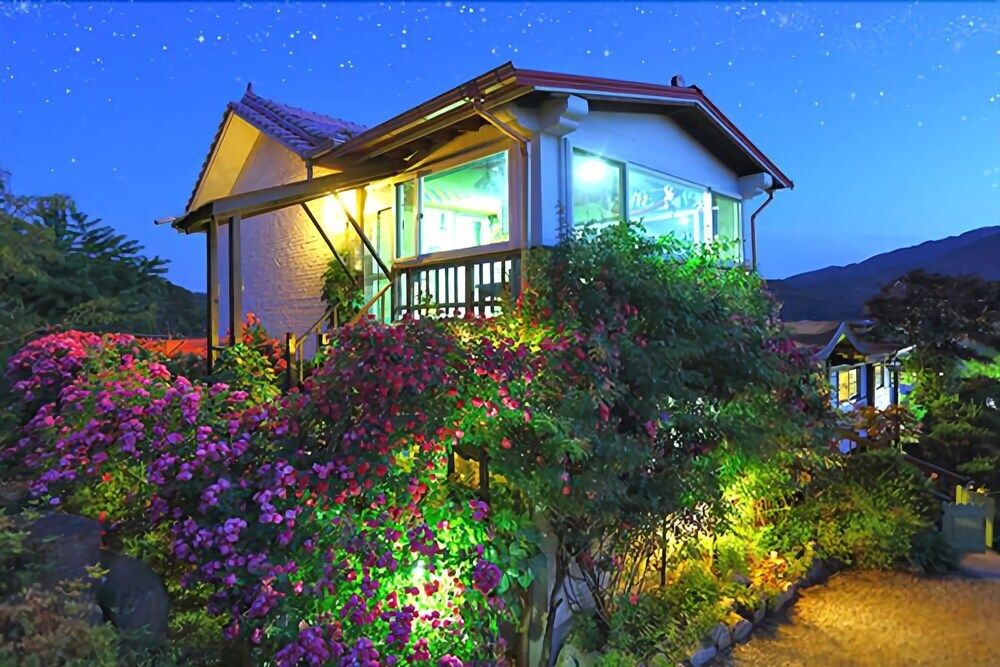
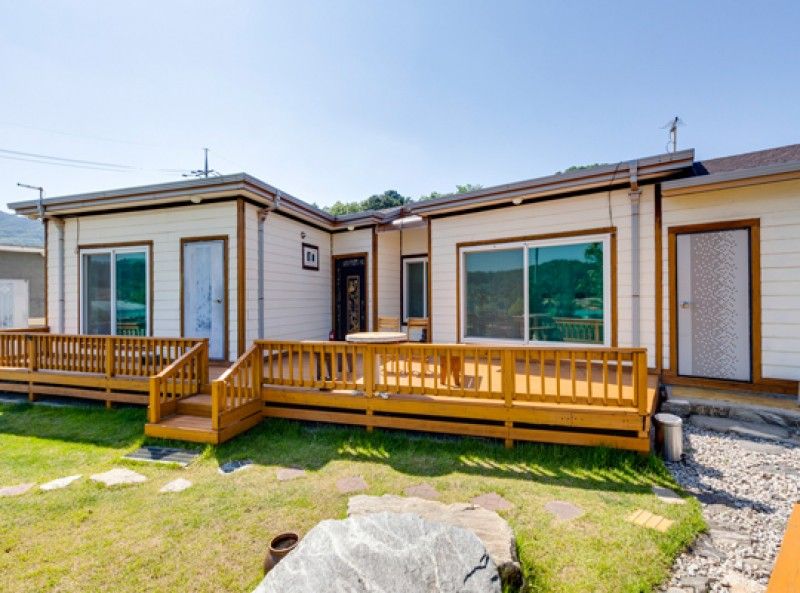
Discover Ganghwa Hidden Rock Natural Museum, a hidden wonder carved into the cliffs. Inside, natural caves meet curated exhibits—from fossils to marine life—telling Earth’s story in breathtaking detail. Try the night tour: soft lights illuminate the rock walls, turning the space into a starlit cave. Surreal, magical, unforgettable.


Everything you need to know about Eunam Natural History Museum
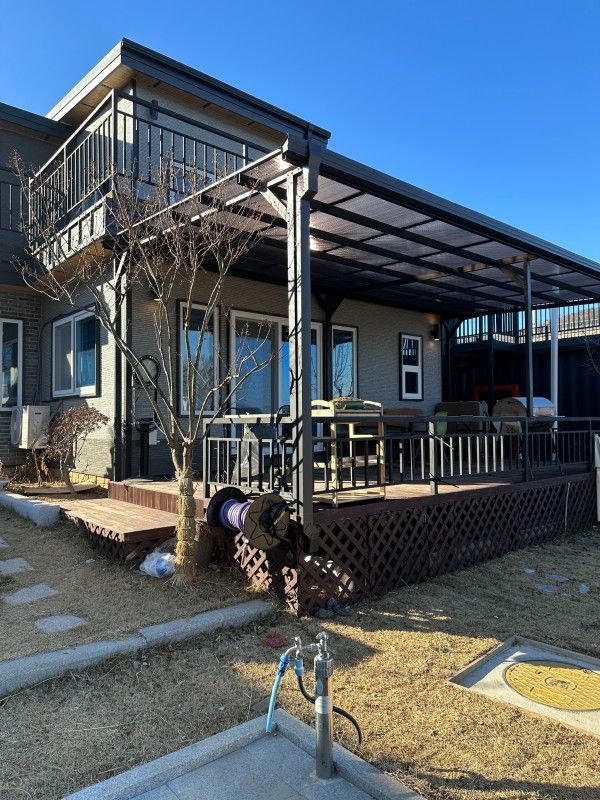
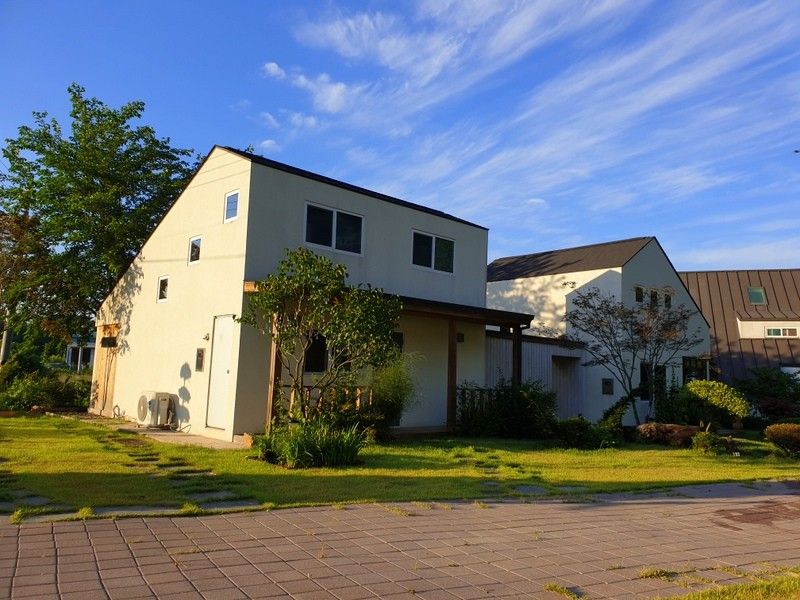
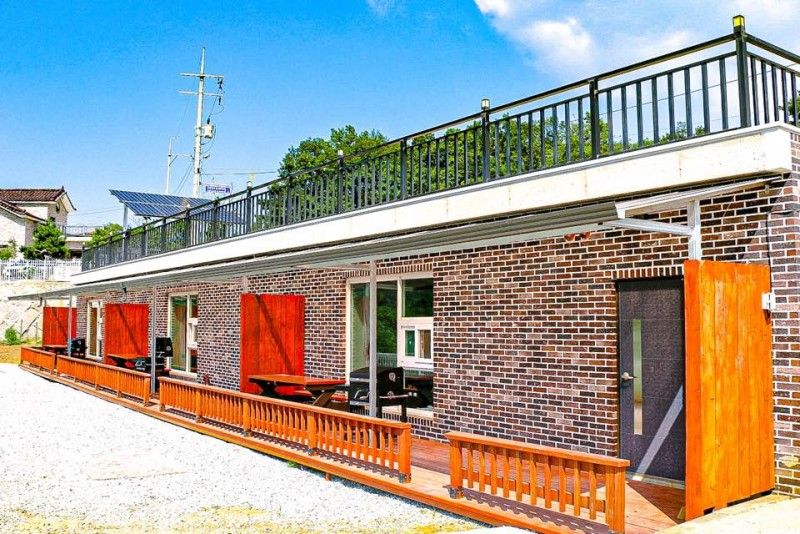
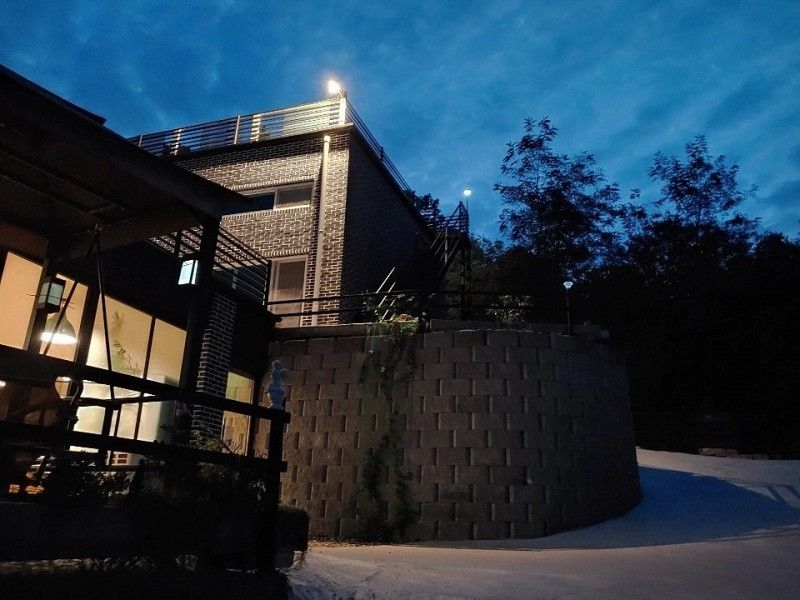
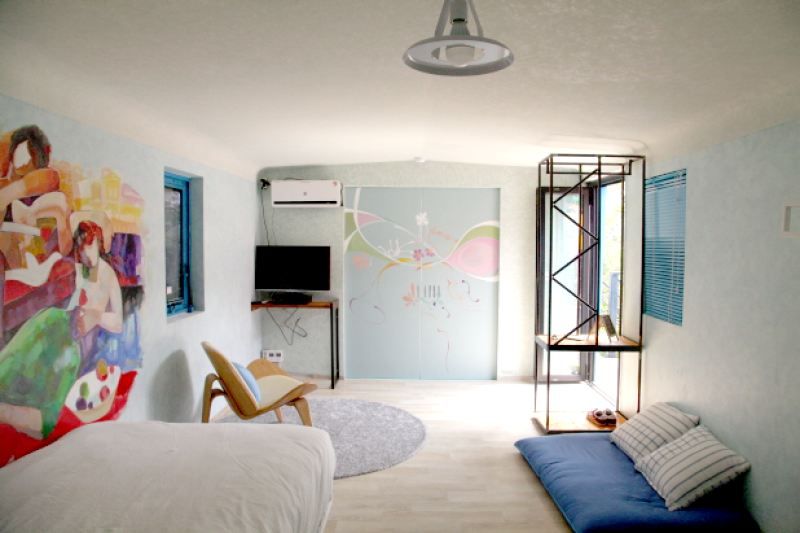
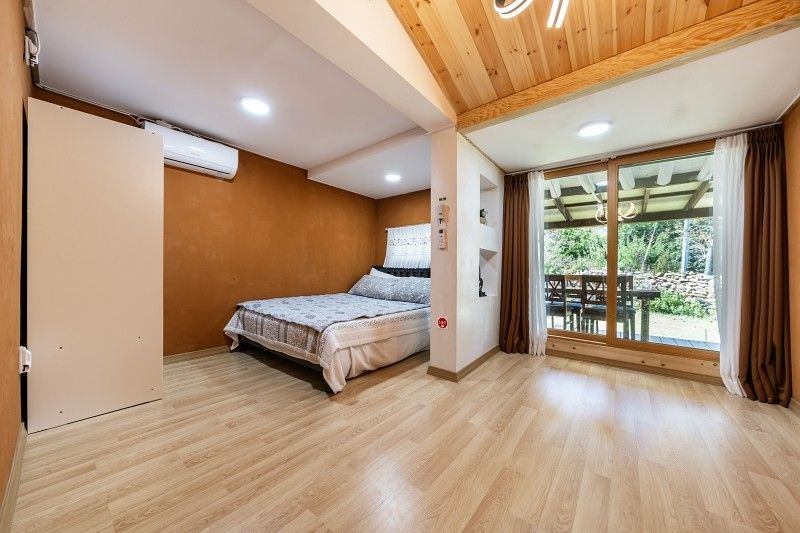
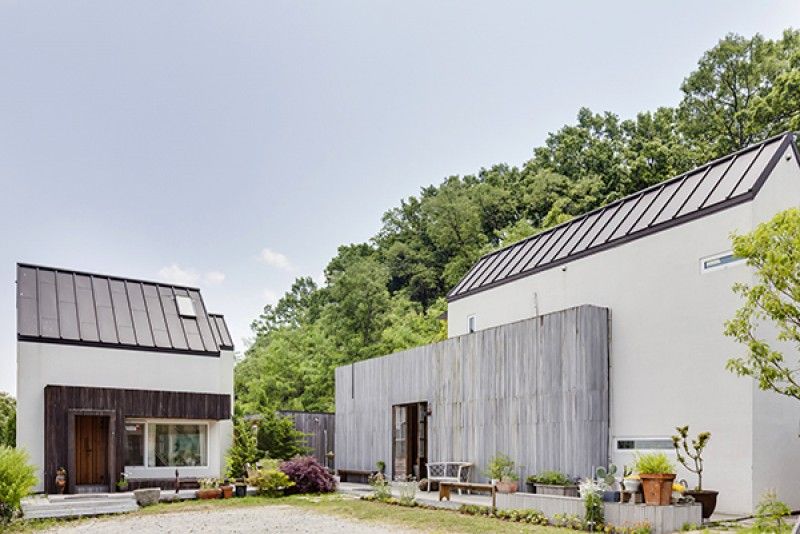
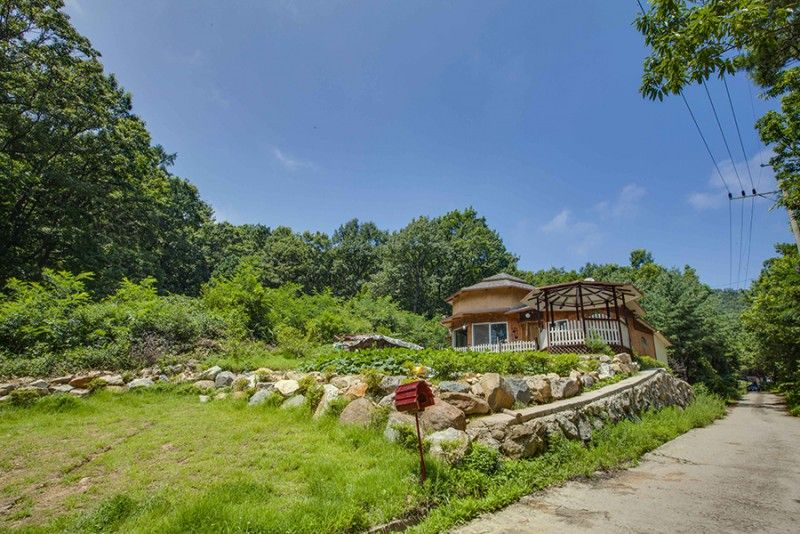
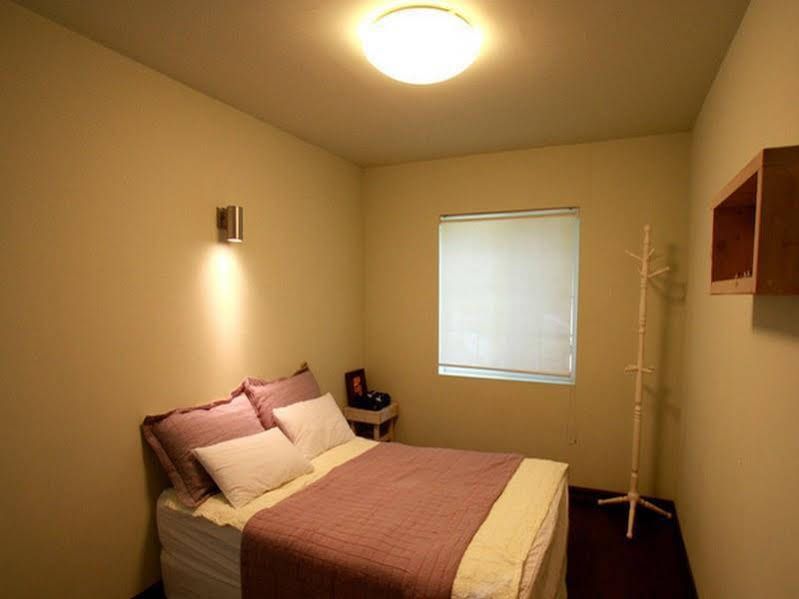
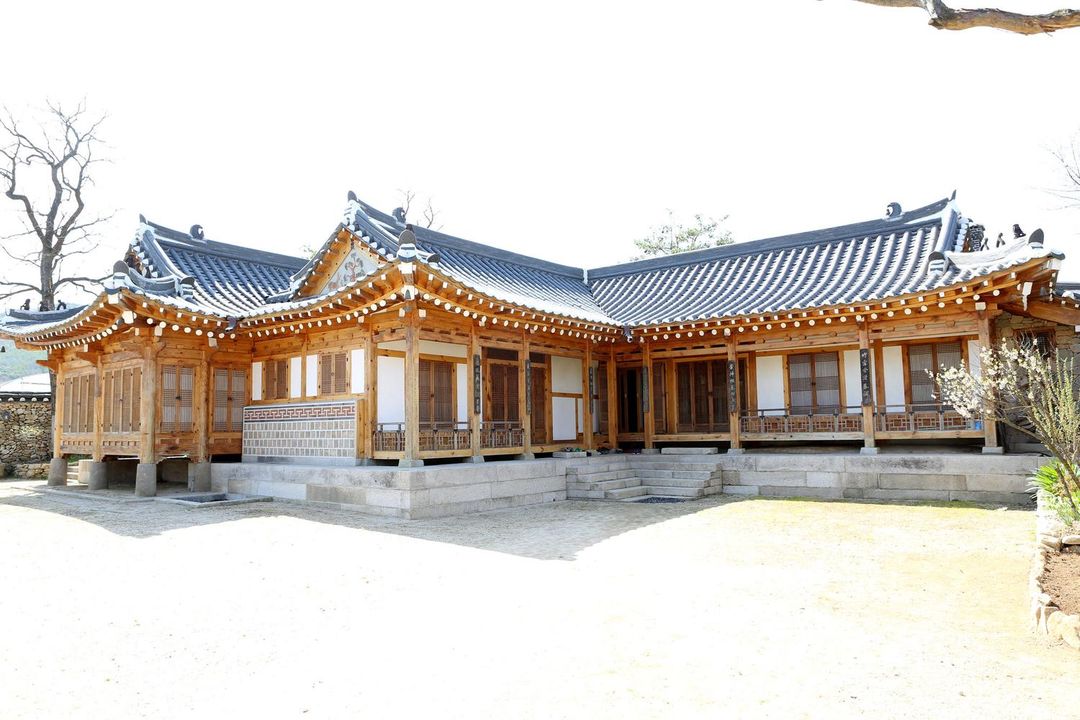
Near the Gangwha Hidden Rock Natural Museum in Incheon, South Korea, the Gangwha Island Resort Hotel is highly recommended. This boutique hotel blends traditional Korean architecture with modern amenities, offering rooms with floor-to-ceiling windows overlooking the Han River and dramatic rock formations. Located just a 5-minute walk from the museum, it provides complimentary shuttle services to Incheon International Airport and nearby attractions. Ideal for nature lovers and cultural explorers seeking tranquility and convenience.
From Incheon International Airport, take the AREX train to Incheon Station, then transfer to a local bus or taxi to Gangwha Island—approximately 45 minutes total. Alternatively, book the hotel’s private shuttle service for direct, door-to-door transportation to the museum entrance, eliminating transfers and saving time. Some travel platforms also offer bundled packages including transport, ideal for first-time visitors seeking seamless access.
At the Gangwha Hidden Rock Natural Museum, visitors can enjoy tidal zone eco-tours along coastal trails to observe distinctive rock formations and marine life. The museum also hosts night sky observation sessions under the island’s low-light pollution skies, using telescopes to view the Milky Way and constellations. Additionally, regular traditional Korean nature painting workshops allow guests to capture the dramatic rockscapes using ink brush techniques. All activities are led by expert guides, blending education with immersive natural exploration.
Yes, the area features a family-friendly nature park with interactive ecological exhibits, mini climbing walls, and outdoor educational games perfect for children of all ages. The park includes picnic areas with shaded rest shelters, complementing the nearby coastal walking trail for relaxed family hikes. Seasonal events like nature scavenger hunts—combining map-based puzzles and ecological challenges—are also offered, making learning fun and engaging for families.
Staying near the Gangwha Hidden Rock Natural Museum, guests can join a full-day traditional fishing village experience, including bamboo fish basket weaving, Korean seafood cooking classes, and a visit to the century-old seafood market. The museum also hosts regular local history lectures and rock specimen crafting workshops, offering insight into the island’s geological evolution and cultural heritage. These small-group activities emphasize hands-on interaction and authentic storytelling.
The Gangwha Hidden Rock Natural Museum is open daily from 9:00 AM to 6:00 PM (last entry at 5:00 PM), closed on Mondays (except public holidays). It’s recommended to book a visit slot in advance via the official website, especially during weekends and peak seasons, to avoid long queues. The museum features audio guides and multilingual signage to enhance accessibility for international visitors.
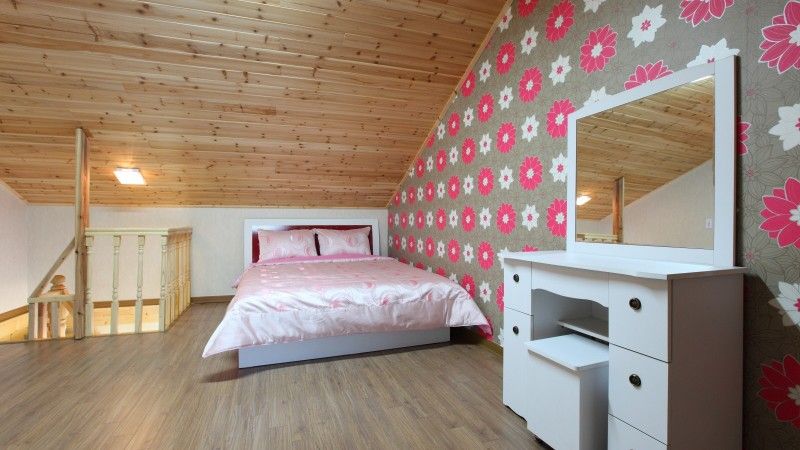
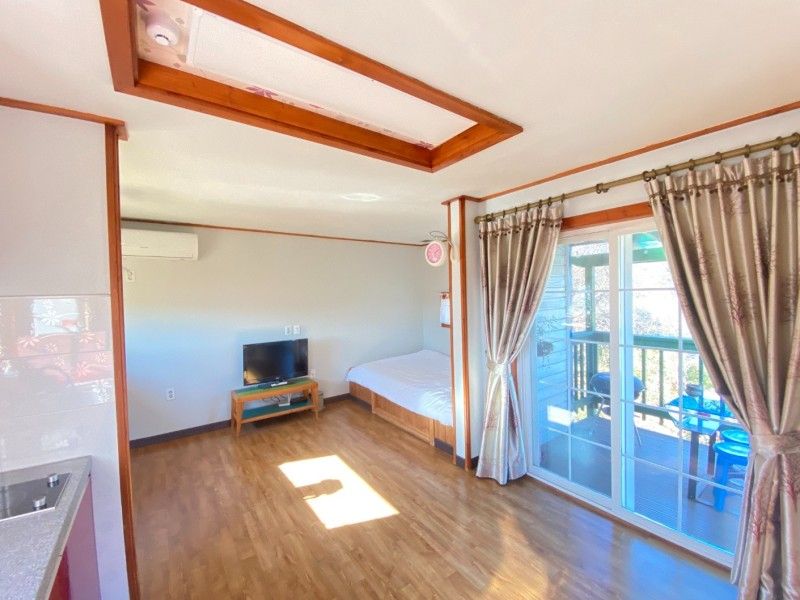
Stay at Janghwa Hidden Rock Resort, a boutique hotel just a 5-minute walk from the museum. Its rooms feature panoramic windows offering views of the hidden rock cliffs and Yellow Sea. The resort provides free shuttle service to the museum and hosts exclusive eco-tours, including geological interpretation walks and intertidal zone wildlife exploration. Breakfast features fresh local seafood, making it an ideal base for guests seeking immersive nature experiences in Janghwa Island's unique geological landscape.
Take the Incheon Metropolitan Subway Line 1 to "Janghwa Station," then transfer to Bus 301, which runs directly to the museum entrance—about 45 minutes total. Alternatively, book a private shuttle that crosses the Janghwa Bridge, offering scenic views of the sea and wetlands. The museum has ample parking with EV charging stations, ideal for self-drive travelers. The route also allows convenient access to nearby attractions like Janghwa Island historical sites and the mangrove conservation area.
The museum offers exclusive ecotours such as intertidal zone explorations, where visitors wade through rocky reefs to discover starfish, hermit crabs, and encrusted corals. Nighttime cliff observation walks use infrared lights to study nocturnal arthropods and bat roosting behaviors. Guided by geologists and ecologists, tours integrate interactive digital maps to explain rock strata and sea-level changes. Some programs include nature craft workshops, like creating keepsakes from beach stones, deepening visitors' understanding of Korea’s west coast ecosystem.
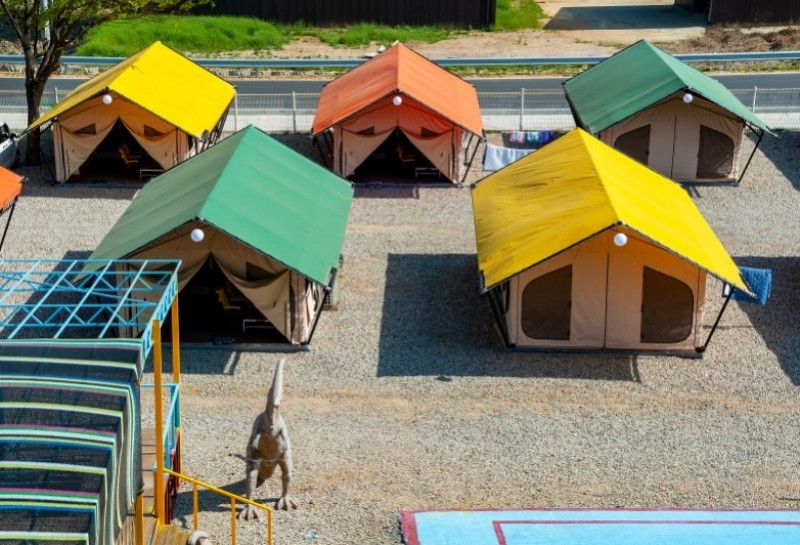
Adjacent to the museum is the Janghwa Children’s Nature Discovery Park, featuring a simulated cave, sand play zones, and a water-life observation pond for hands-on learning. The park includes a parent-child reading corner and a nature-themed theater hosting weekly puppet shows about Korean coastal wildlife. Nearby, the Hidden Rock Trail offers gentle slopes and family-friendly paths with educational signage and rest areas. The museum also sells family combo tickets with entry passes and guided brochures, making it a perfect destination for child-friendly nature tourism.
Guests can join Janghwa Island traditional fishing net weaving workshops, learning to craft ancient-style nets using natural hemp ropes, reflecting local fishermen’s wisdom. There’s also a coastal poetry recital held at sunset on the hidden rock platform, blending natural sounds with poetic expression to highlight harmony between humans and nature. The museum hosts regular fossil identification days, inviting visitors to bring collected pebbles for expert analysis on age and origin. These activities enrich travel experiences while deepening appreciation for the cultural and ecological fusion of Korea’s west coast.
Exhibits center on the geological evolution of Korea’s west coast, illustrated through interactive digital walls depicting 6 million years of earth change. Key displays include Cambrian trilobite fossils, Pleistocene sea cave models, and live platypus specimens (non-native, used for comparative studies). A dedicated climate change simulation room uses VR technology to visualize sea-level rise impacts over the next 200 years. The exhibition design integrates natural lighting and ambient sound, creating an immersive learning environment for all ages to explore earth evolution and ecological adaptation mechanisms.
Explore more amazing destinations