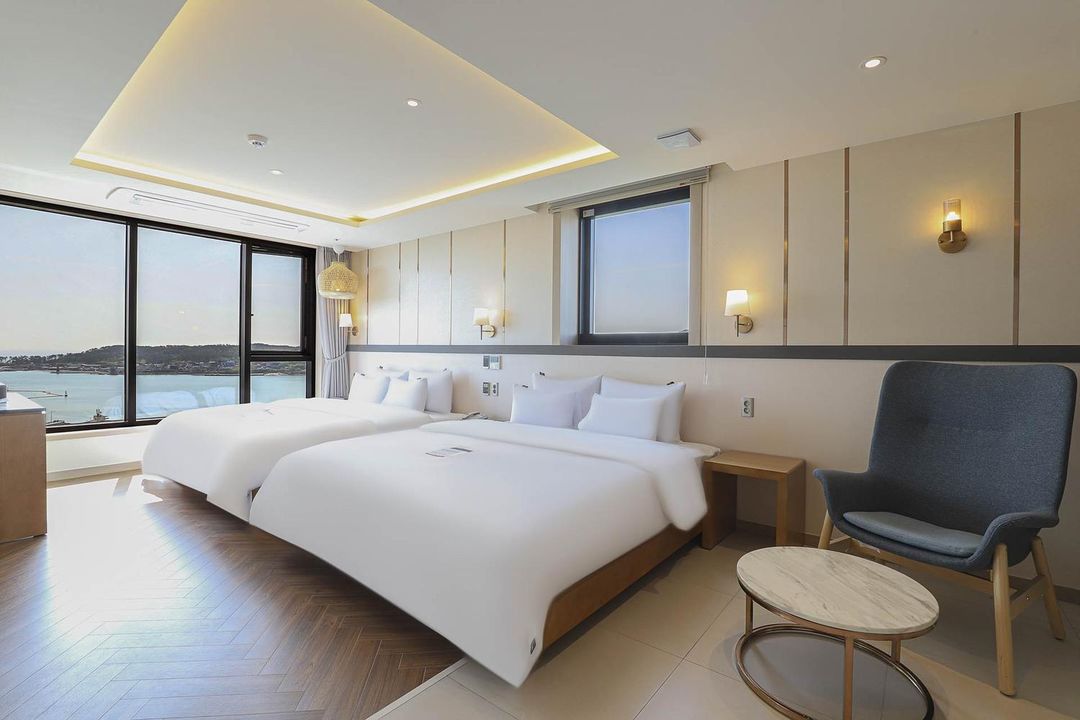
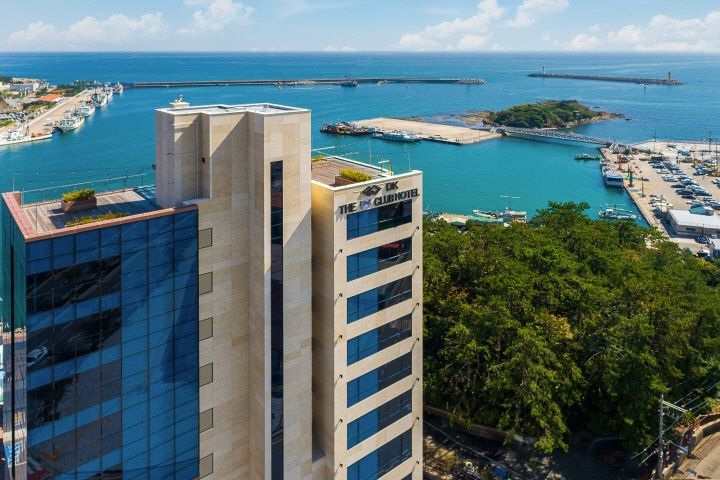
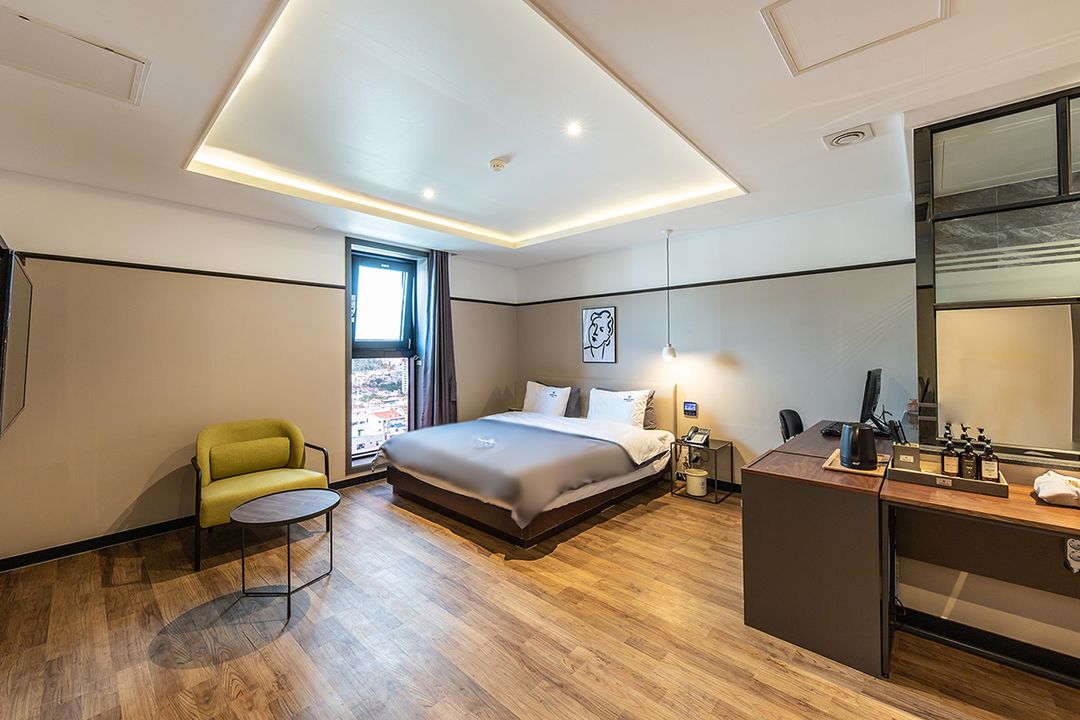
Busan/Gijang Hyanggyo Top Hotel Picks
Select your travel dates to find the best prices and availability

Select your travel dates to find the best prices and availability
Gijang Hyanggyo is Korea’s oldest traditional Confucian school, whispering stories from centuries past. Walk through wooden halls and tiled roofs, where silence speaks volumes. This peaceful academy preserves the spirit of learning, respect, and heritage—step in, and time slows down.


Everything you need to know about Gijang Hyanggyo
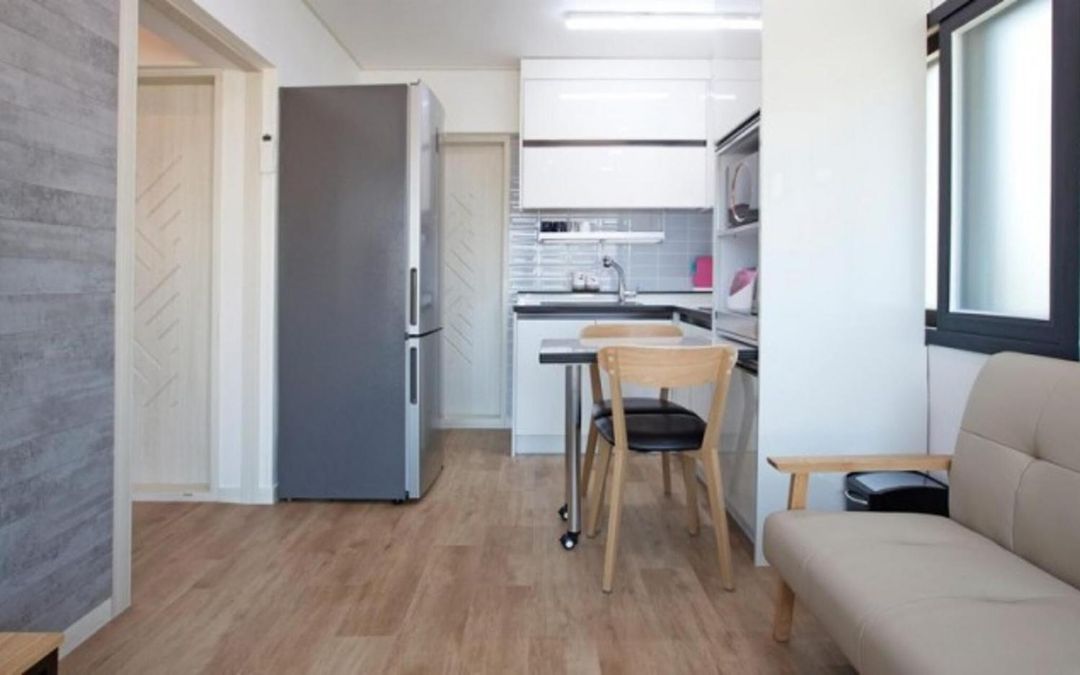
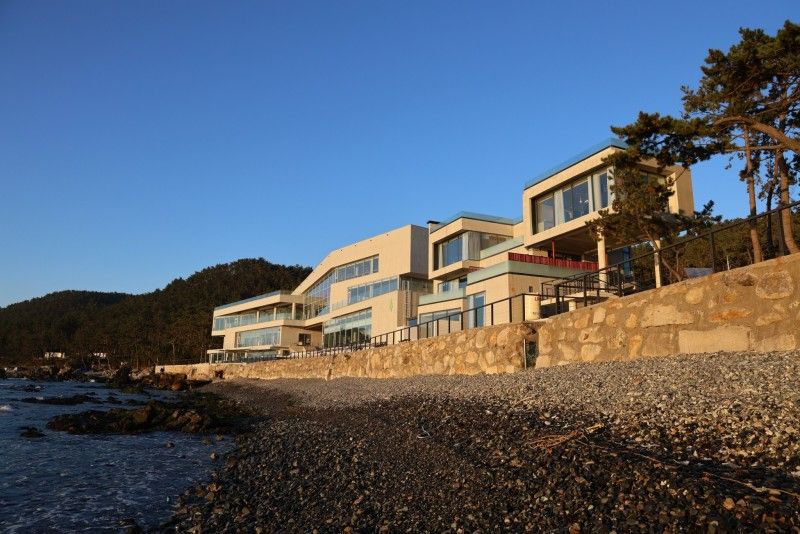
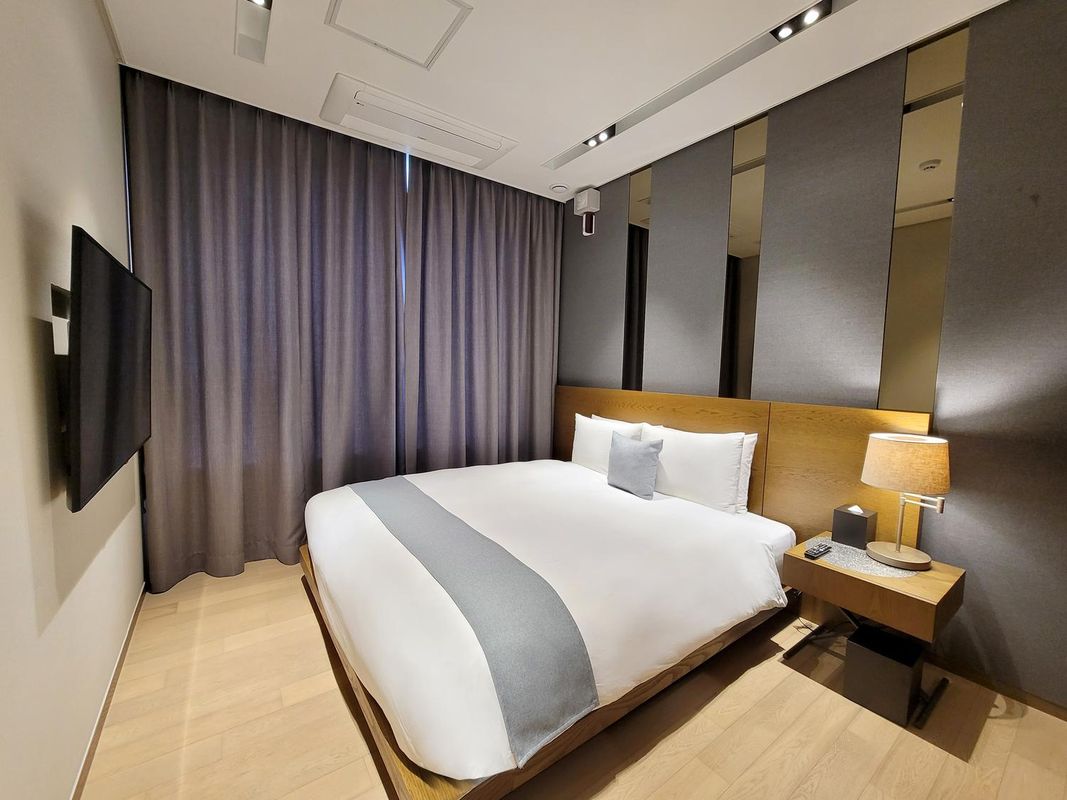
Near Gijang Seowon in Busan, Gijang Onsen Guesthouse stands out for its blend of traditional Korean architecture and modern amenities. Guests enjoy serene views of the historic Confucian academy and surrounding farmland from spacious rooms with tatami floors. The property offers a relaxing onsen bath experience, ideal for unwinding after exploring the ancient site. Located just 45 minutes by bus from downtown Busan, it’s perfect for cultural day-trippers. Additionally, guests can participate in authentic Korean meal workshops, learning regional recipes rooted in agricultural heritage and Confucian traditions.
Yes, several family-friendly sites surround Gijang Seowon. Gijang Lake Park features playgrounds, walking trails, and scenic overlooks offering panoramic views of the academy and lake—perfect for picnics and photography. Spring brings vibrant cherry blossoms, making it a popular spot for visitors. Just a 10-minute drive away, Busan Rural Experience Village offers hands-on activities like rice planting, weaving, and pottery-making, giving children a fun way to learn about Korean agrarian culture. Combine these with guided tours of the Seowon itself to explore its legacy as a Confucian educational center, and join weekend ceremonial performances for an immersive cultural journey.
The most convenient option is taking Busan Metropolitan Bus routes 101 or 102 to the "Gijang Seowon Stop," a 45-minute ride with frequent departures and affordable fares. For greater comfort, pre-book a private shuttle service, which takes about 50 minutes and offers scenic views of rural landscapes along the way. Upon arrival, clear signage and on-site parking make access easy for drivers or e-bike riders. Visit early in the morning to avoid midday heat, and combine your trip with a guided tour inside the Seowon to learn about its role as a local educational institution during the Joseon Dynasty, including its architectural design and scholarly traditions.
Yes, the annual Gijang Seowon Festival in autumn is a highlight, featuring a reenactment of the traditional Jesik Ritual—a Confucian ceremony honoring Confucius—with music, dance, calligraphy exhibitions, and scholarly lectures. Visitors gain deep insight into Korea’s Confucian heritage. A local farmers’ market also runs during the event, showcasing regional products like Gijang rice, handmade sauces, and bamboo crafts, supporting community sustainability. Some years offer Hanbok rental for guests to dress as scholars and participate in mock civil service exams, adding interactive fun. Check official schedules in advance and book guided tours to maximize your experience and access exclusive program highlights.
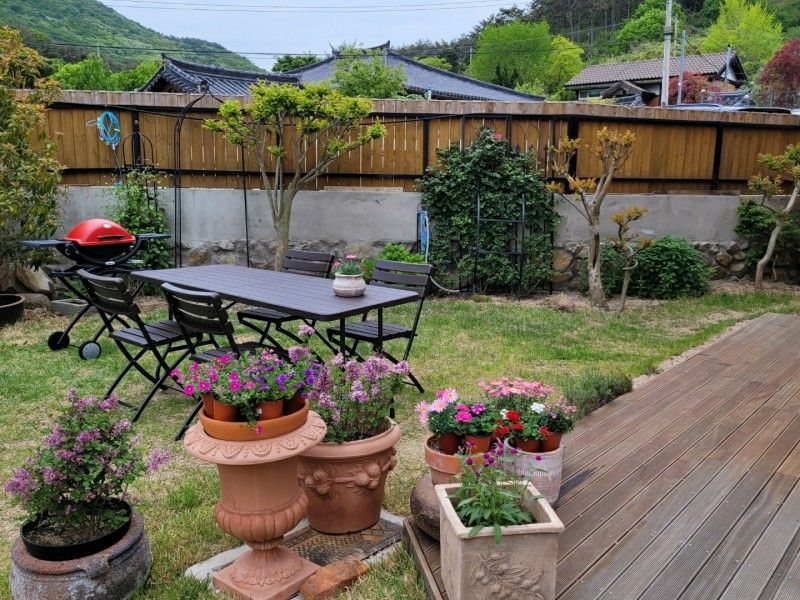
Yes, many guesthouses and lodges near Gijang Seowon serve authentic Korean breakfasts featuring kimchi, steamed rice, doenjang jjigae (soybean paste stew), fried eggs, and assorted side dishes—all made with locally sourced ingredients. For example, Gijang Green Valley Stay uses vegetables grown on-site and natural seasonings, paired with regional teas like perilla or lotus root tea, reflecting genuine rural hospitality. Some properties even offer in-room breakfast delivery for a peaceful morning experience. Request your preferred breakfast in advance when HopeGoo. These meals are often included in cultural packages that combine breakfast with guided tours of the Seowon, enhancing visitors’ understanding of traditional Korean food culture and daily life.
The architecture of Gijang Seowon reflects Joseon-era Confucian design principles, following the classic "front hall, back study" layout. The main wooden structure features a gabled roof with dragon-shaped tiles, symbolizing reverence for Confucian ideals. Key spaces include the Myeongneon Hall (classroom) and Gyeongsang Shrine (ritual space), both adorned with original wood carvings, plaques, and inscriptions listing past scholars and donors. Built on elevated terrain facing south, the complex follows feng shui principles and harmonizes with surrounding rice paddies. Its preservation offers rare insight into Confucian education systems and the values of order, hierarchy, and respect for learning in historical Korea.
Explore more amazing destinations