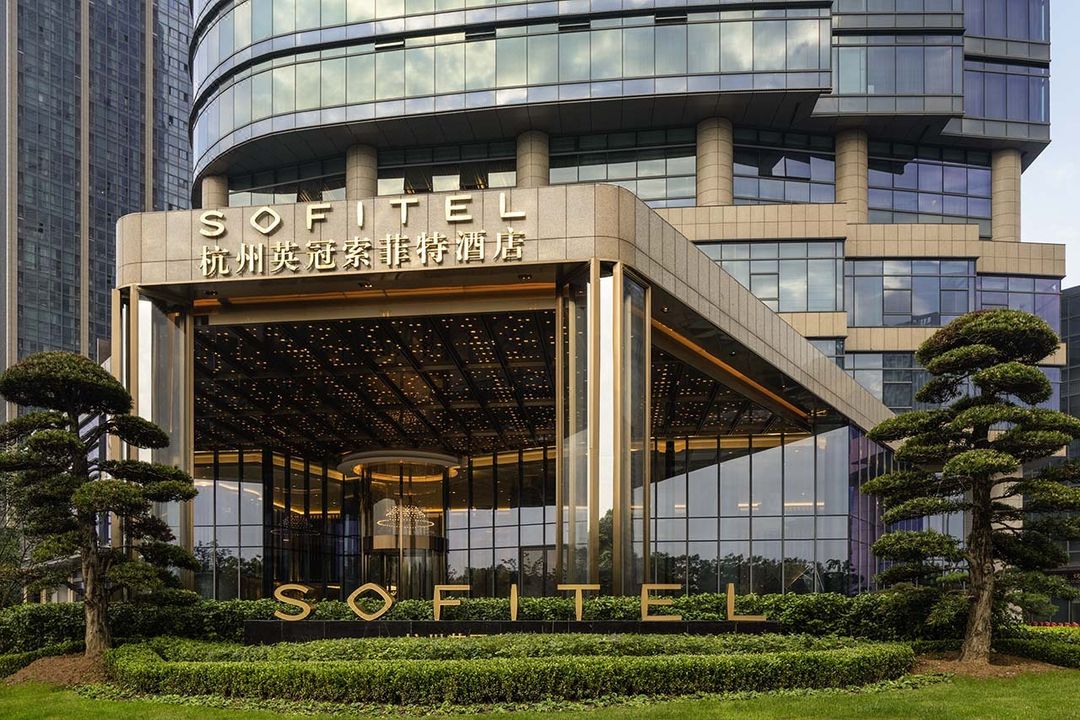
Hangzhou/Granary Art Park Top Hotel Picks
Select your travel dates to find the best prices and availability

Select your travel dates to find the best prices and availability
At Granary Art Park, history shakes hands with modernity in this transformed 1960s grain depot turned cultural hub. Exposed red bricks and steel beams whisper tales of its past, now housing cutting-edge art exhibitions and indie studios. Sip coffee in a repurposed silo café, discover quirky installations, or catch pop-up craft markets – every corner bursts with creative energy, making it Hangzhou's coolest industrial-chic playground!

Everything you need to know about Granary Art Park
Hangzhou Lakeview Residence Hotel is a top choice near Granary Art Park, nestled beside Xixi Wetland with modern Chinese design and panoramic views of waterways and historic granaries. Its floor-to-ceiling windows offer serene vistas of the art park’s industrial-chic architecture. Alternatively, Liangzhu Junting Hotel blends industrial aesthetics with curated art exhibitions, providing guests an immersive cultural experience. Both hotels offer free shuttle services to major attractions, ensuring seamless access.
Pro tip: Book well in advance for weekends and festivals—Granary Art Park frequently hosts themed exhibitions and weekend markets, drawing large crowds.
The most convenient option is taking Hangzhou Metro Line 5 from Wuchang Station, transferring to Line 1 at Daitieguan Station—just a 25-minute ride to central hubs like Wulin Square and Huline. For greater flexibility, use Gaode Maps or DiDi Chuxing for private rides, costing around ¥30–45 and taking 15–20 minutes. Additionally, bike-sharing stations are available outside the park, ideal for exploring the scenic trails of Xixi Wetland—a sustainable and enjoyable alternative for short excursions.
Must-try experiences include monthly contemporary art residency workshops led by renowned Chinese artists, immersive nighttime light-and-sound installations, and weekend craft markets featuring indie designers, handmade coffee, and local organic produce. The park’s century-old granaries have been repurposed into multi-functional performance spaces hosting experimental theater and sound art events. These offerings highlight Hangzhou’s dynamic fusion of heritage and innovation. Check the official WeChat account for event schedules and updates.
Yes! Granary Art Park features a dedicated children’s art studio with regular workshops in pottery and painting. A 10-minute walk leads to Xixi National Wetland Park, offering birdwatching trails, waterfront docks, and paddle boat rentals—perfect for family outings. Nearby, Hangzhou Zoo (20-minute drive) features rare animal exhibits and interactive feeding sessions. Pack a picnic blanket and enjoy afternoon tea on the park’s grassy lawns—a peaceful urban oasis ideal for all ages.
Hangzhou West Lake Arts Hotel is a top choice located just a 5-minute walk from Granary Art Park. This boutique hotel blends industrial-chic design with traditional Jiangnan aesthetics, offering rooms with panoramic views of the park’s repurposed warehouse buildings and serene water gardens. The hotel provides complimentary electric scooters for exploring nearby attractions like Hufu Walkway and Southern Song Imperial Street. Each weekend features a curated Art Market, where local creatives showcase upcycled furniture and handmade crafts made from original warehouse materials. Guests can also enjoy sunset tea at a hidden rooftop teahouse overlooking the historic grain silos—a must-visit spot for photography enthusiasts.
Take Line 4 of the Hangzhou Metro from Jinjiang Station or Qiantang River Station to Civic Center or Longxiang Bridge Station—just a 20-minute ride. For faster access, use DiDi or Gaode Map to book a private car, which takes about 15 minutes via Qiantang Tunnel, passing scenic urban skyline views. Alternatively, rent an e-bike from the park’s station—ideal for a 12-minute ride to Hulbin Mall along the Qiantang River Greenway, where you’ll pass through Kuahu Bridge Ruins Park and Sudi Spring Dawn, perfect for a leisurely cultural journey.
The park hosts over 30 themed exhibitions and public art events annually. Must-attend events include the "Rebirth of Old Objects" Craft Market, featuring designers who transform vintage warehouse materials into furniture, lighting, and wearable art. Every third Saturday, join the Afternoon Poetry Gathering, combining live readings with guqin music and tea ceremonies in a meditative setting. During summer, enjoy Starlight Cinema Nights—outdoor screenings of indie films under the open sky, paired with craft cocktails and night-time guided tours, creating a magical fusion of history and imagination within the old warehouse complex.
Adjacent to the park are the Hangzhou Children's Museum and West Lake Cultural Plaza, both offering interactive exhibits and outdoor play zones designed for kids. Families can participate in the Kids’ Graffiti Wall Workshop, using non-toxic paints to create permanent artworks displayed across the park. Just 800 meters away, Qiantang Estuary Wetland Park features expansive lawns, nature trails, and birdwatching spots—ideal for picnics and outdoor exploration. The nearby family-friendly café serves organic meals for children, offers baby-changing stations, and has dedicated stroller parking, ensuring a comfortable experience for all ages.
Start at 9:00 AM by visiting the current exhibition, such as "Industrial Memory: From Grain Silo to Art Gallery," followed by a guided tour to learn about the building’s heritage and architectural transformation. Have breakfast at the on-site café, then head to Hufu Walkway’s Food Street at 10:30 AM for local specialties like Pian'er Chuan and Dingsheng Gao. At 1:00 PM, stroll down Southern Song Imperial Street, exploring intangible cultural heritage shops and trying paper-cutting workshops. Return to the park by dusk for the Light Installation Unveiling Ceremony, and capture golden-hour photos on the Old Warehouse Square. This itinerary blends history, art, and authentic local flavors, showcasing Hangzhou’s rich cultural identity.
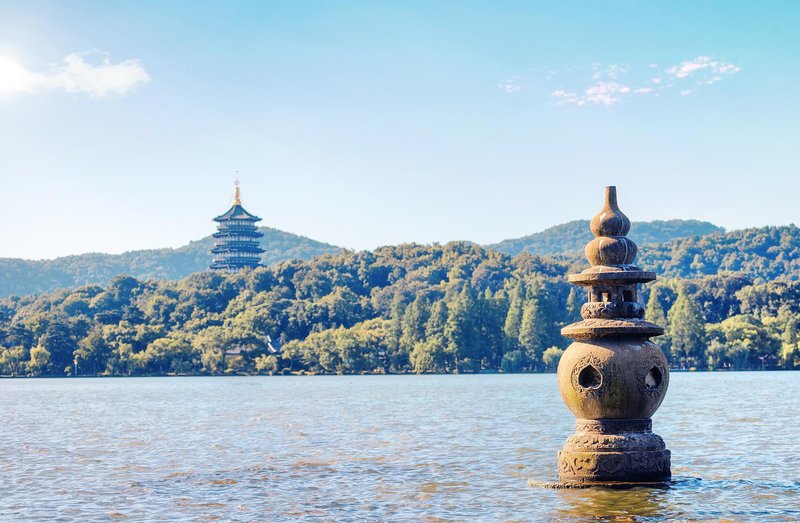
Originally built in the 1950s as a state-owned grain storage facility, the park preserves its iconic red-brick arched roofs and massive steel trusses—rare examples of China’s industrial heritage. Architects retained the original structure while converting interiors into flexible galleries and studios, using natural light systems that filter through glass skylights onto textured concrete walls, creating a dynamic interplay of time and shadow. The dual-level crane tracks have been transformed into an elevated walkway, allowing visitors to traverse above the grounds, offering sweeping views of the entire art space. All lighting uses energy-efficient LEDs powered by solar panels, reinforcing the project’s commitment to sustainable design and historical preservation.
Explore more amazing destinations