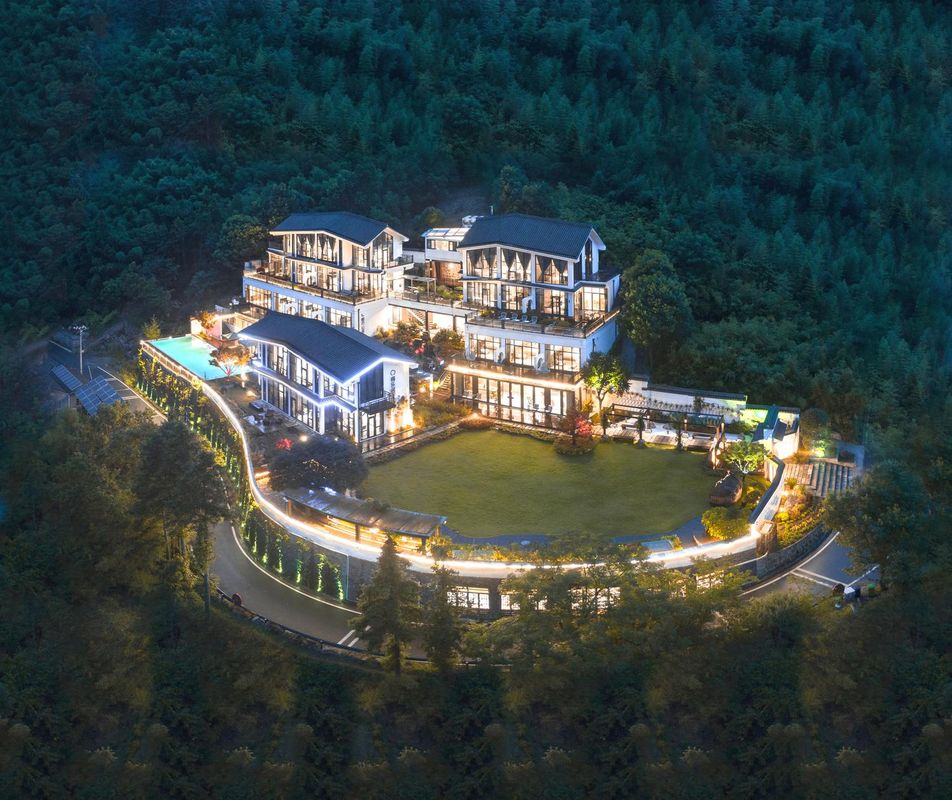
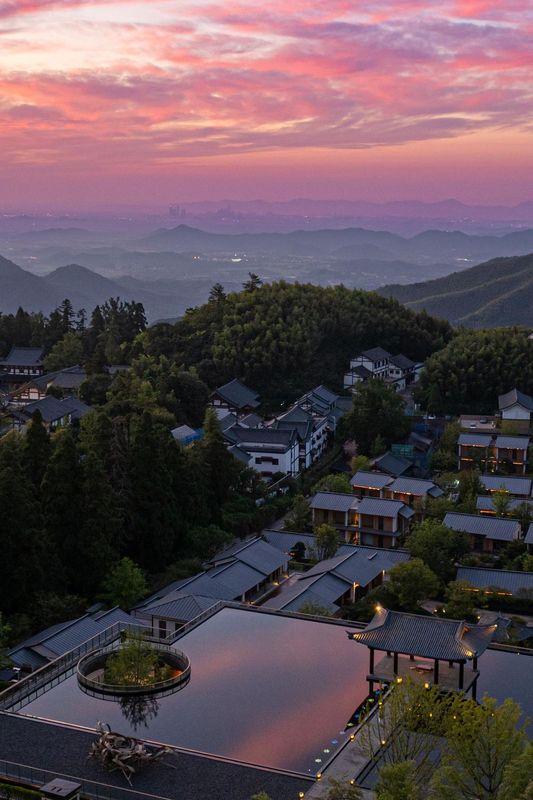
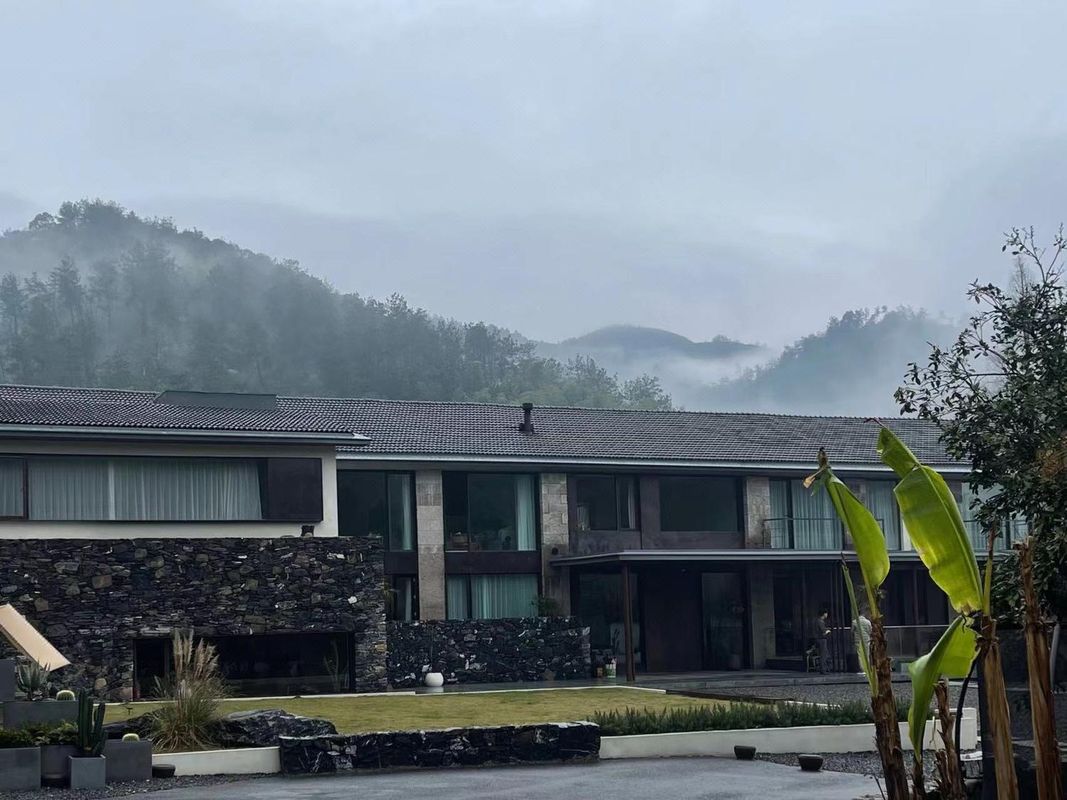
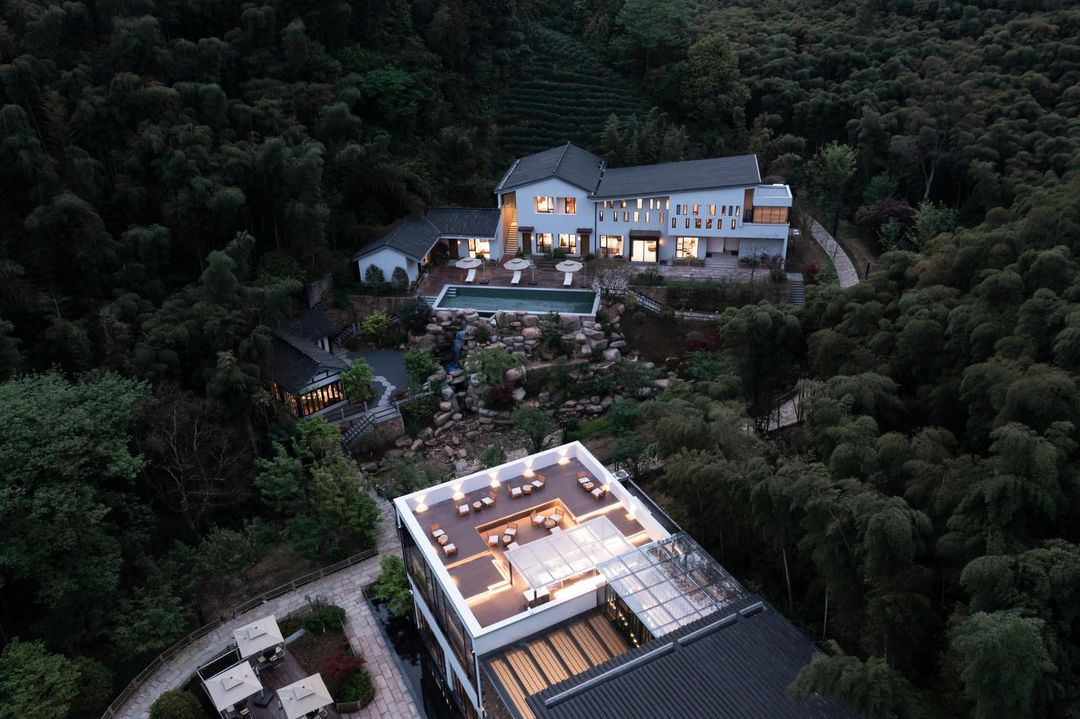
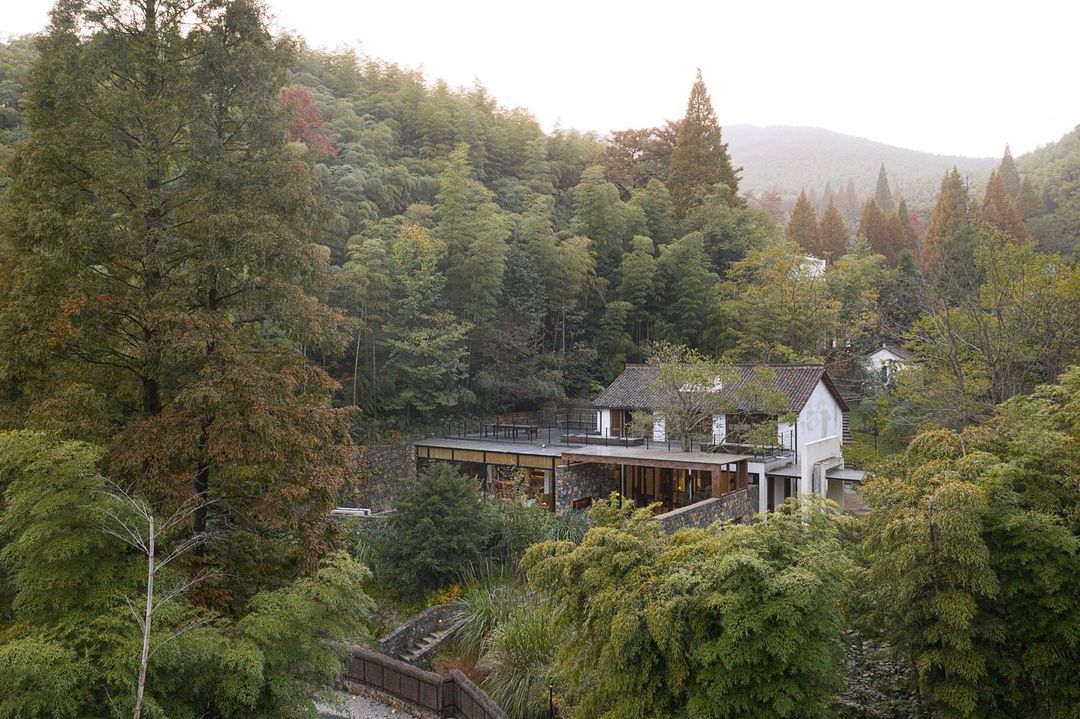
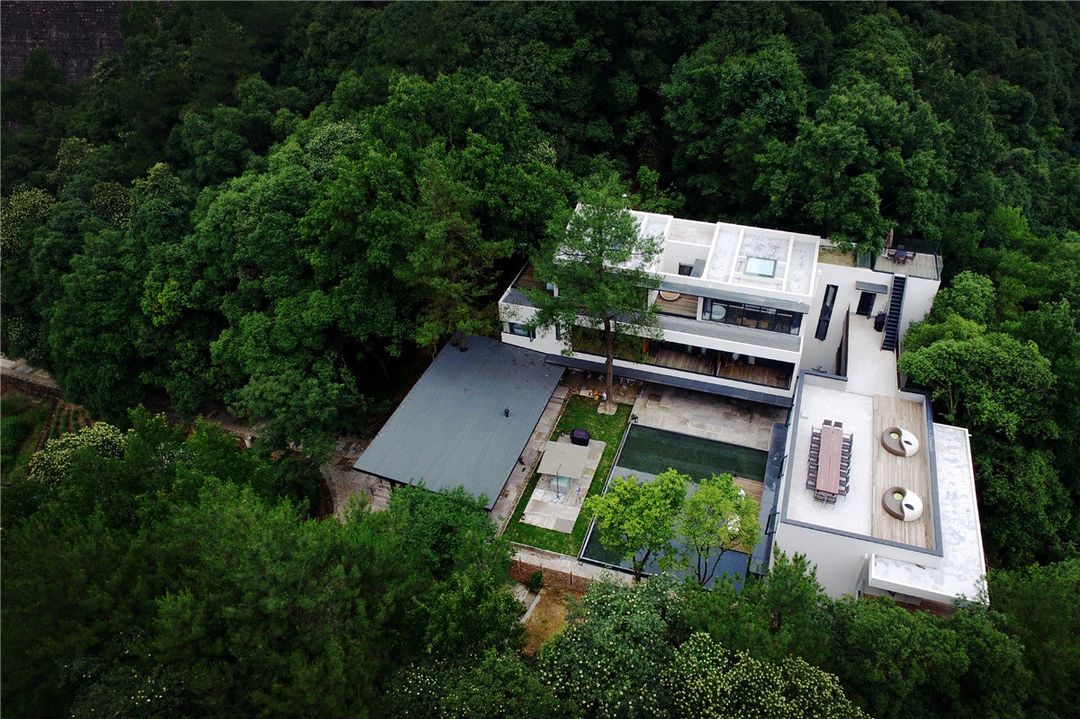
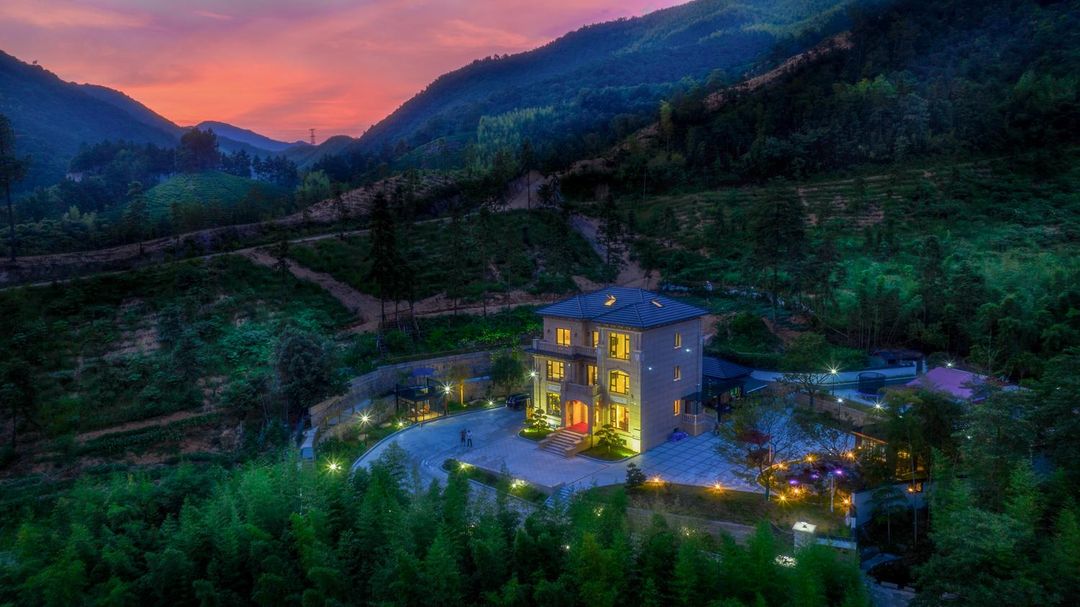
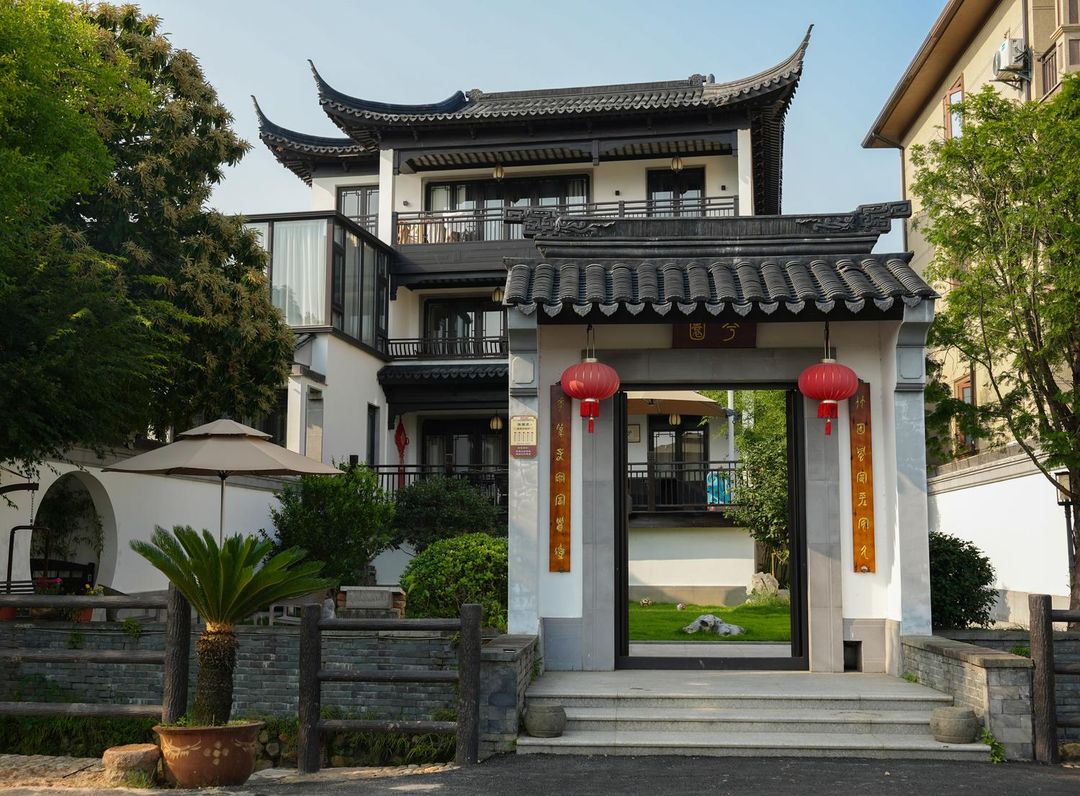
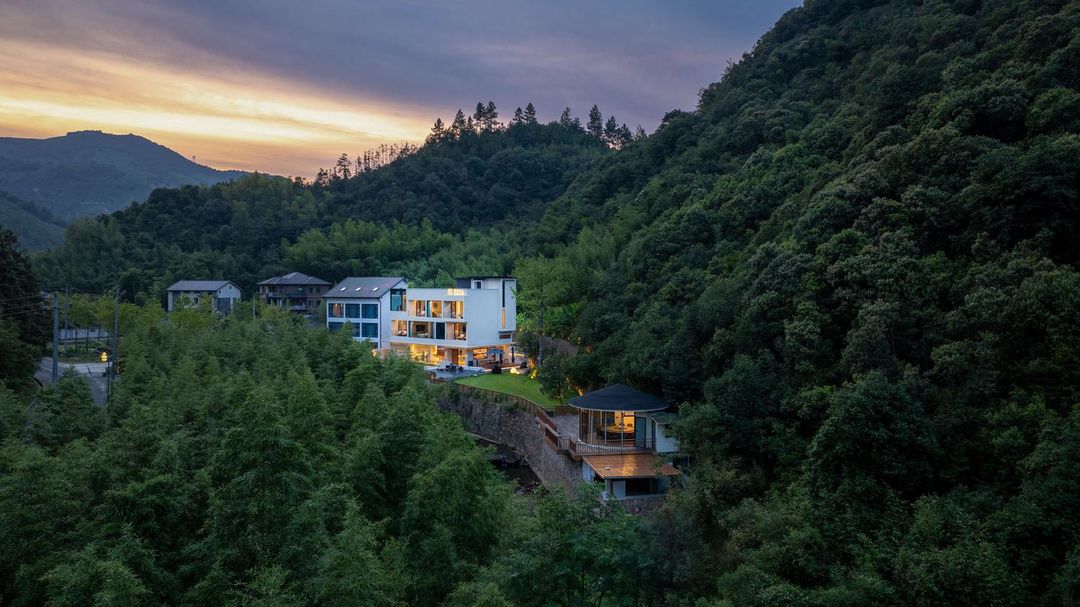
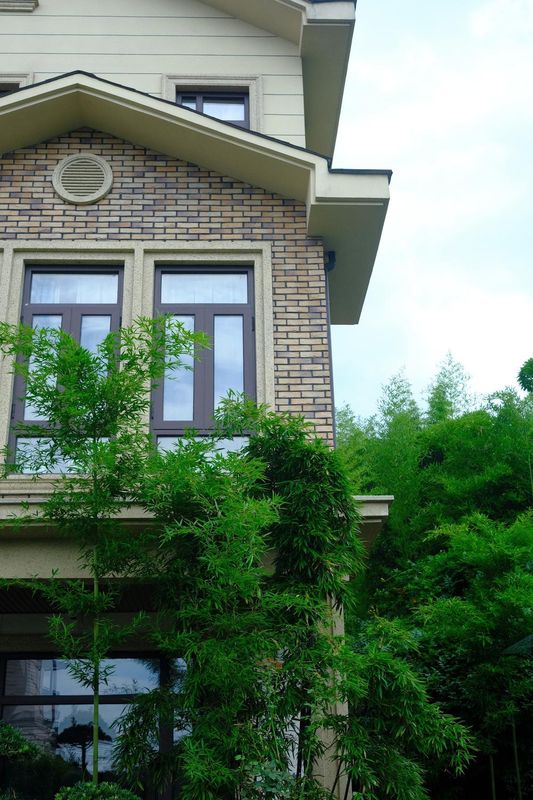
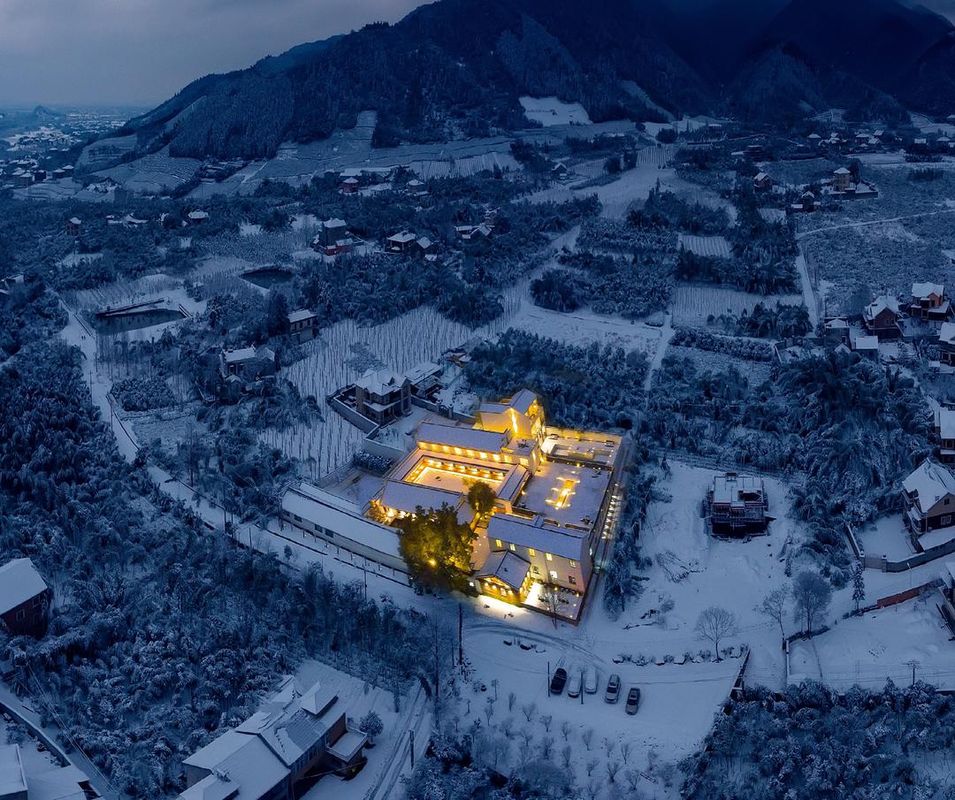
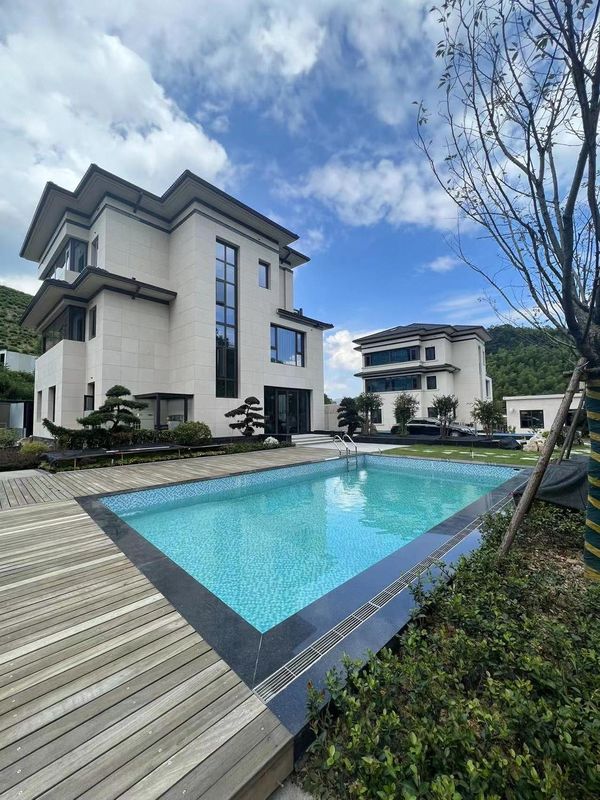
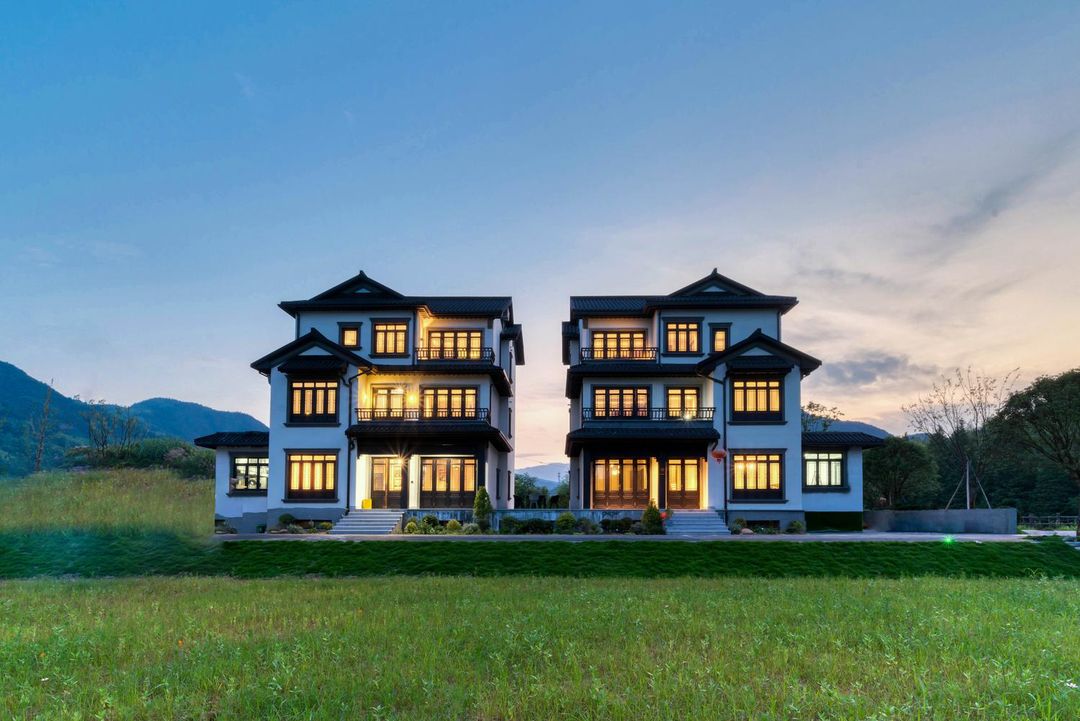
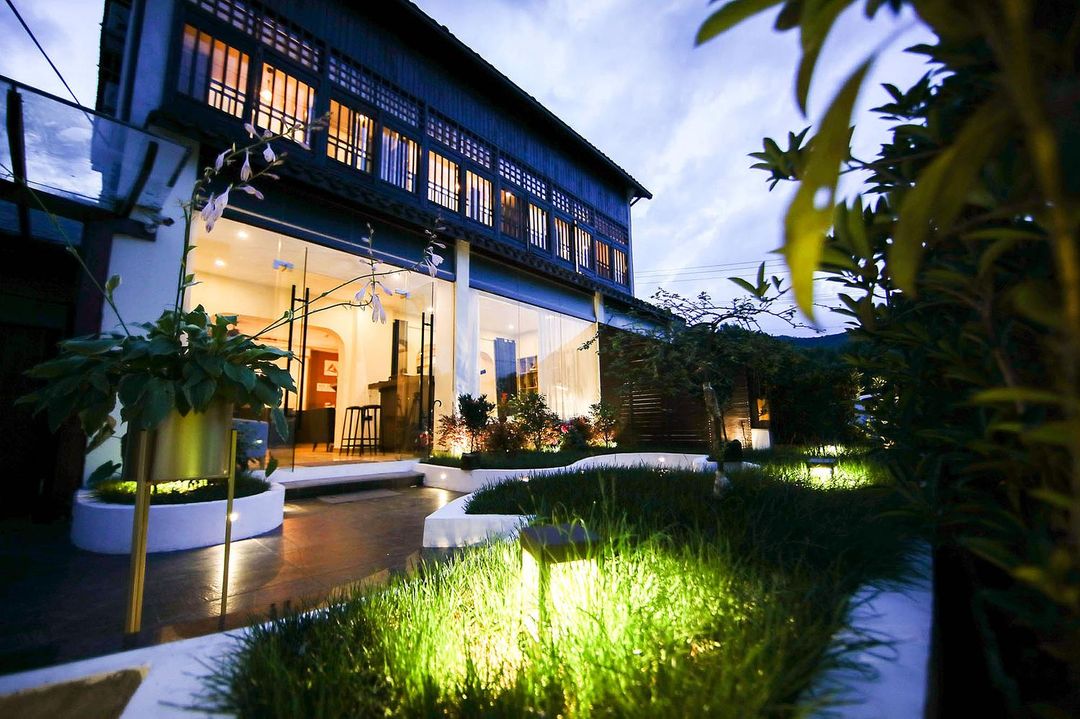
Discover the Jingshan Temple Bronze Bell, where ancient Buddhist culture meets serene mountain beauty. This centuries-old bell stands as a testament to Hangzhou's rich history. Ring the bell for blessings – its resonant chimes echo through the valley, creating a soul-cleansing experience. Surrounded by lush forests and traditional architecture, it's the perfect escape from urban hustle.
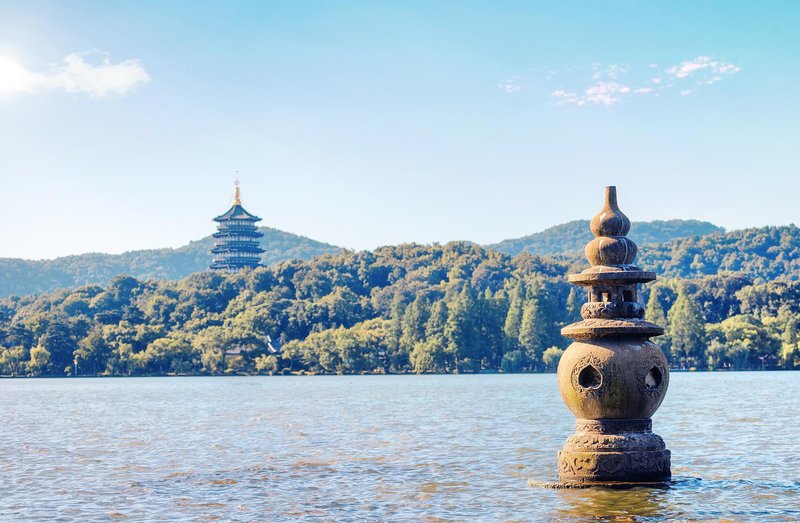
Hangzhou/Jingshansi Bronze Bell Top Hotel Picks
Select your travel dates to find the best prices and availability
Hotel, Destination
Check-in
--
1 Night
Check-out
--
Rooms & Guests
1 Room, 1 Adults
Hotel, Destination
Check-in
--
Check-out
--
Rooms & Guests
1 Room, 1 Adults
Scroll down to see more