Step through the Lingxing Gate in Nanjing and be transported to imperial China's scholarly past! This ornate stone archway, adorned with exquisite cloud-dragon carvings, was where Ming and Qing dynasty scholars prayed for success in civil exams. The gate's glazed screen wall shimmers magically at night, and locals say rubbing its pillars brings academic luck – don't miss this photogenic centerpiece of Confucius Temple complex!

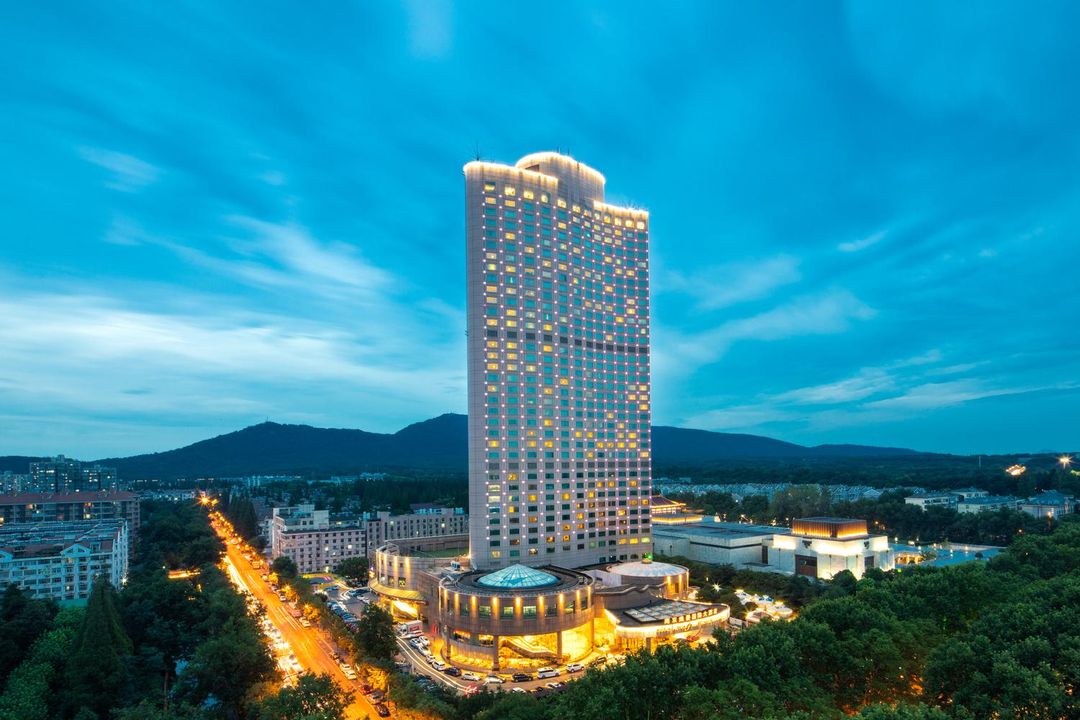
This hotel is a perfect blend of tranquility and convenience, nestled next to the Zhongshan Mausoleum scenic area with stunning views of Purple Mountain and Xuanwu Lake. The 40-story building offers spacious rooms, executive floors, and private meeting rooms, making it ideal for both family trips and business travel. Enjoy top-notch amenities like a pool, spa, and fitness center, plus international cuisine to satisfy your taste buds. With easy access to public transport and nearby attractions, plus breathtaking city night views, this is a stay you won’t forget!
Everything you need to know about Lingxing Gate
Jinling Hotel is a top choice located just 1.5 km from Lingxing Gate, offering easy access via public transit or a pleasant 20-minute walk. Known for its blend of traditional Chinese architecture and modern luxury, the hotel features elegant rooms with views of Zijin Mountain. Guests can enjoy authentic Huaiyang cuisine at the on-site restaurant and unwind in the serene tea lounge, reflecting Nanjing’s cultural heritage. Ideal for travelers seeking both comfort and historical immersion near this Confucian architectural landmark.
The most efficient route is taking Metro Line 3 to Daxinggong Station, then transferring to Bus No. 6 or 16, alighting at Jiumenshi Stop, and walking 8 minutes to Lingxing Gate. The journey takes about 30 minutes and passes scenic stretches along the Qinhuai River. Alternatively, rent an e-bike from the museum and cycle through Zhonghua Road, passing through the bustling Confucius Temple area—approximately 4 km with a relaxed pace ideal for exploring old Nanjing’s vibrant streetscapes and cultural layers.
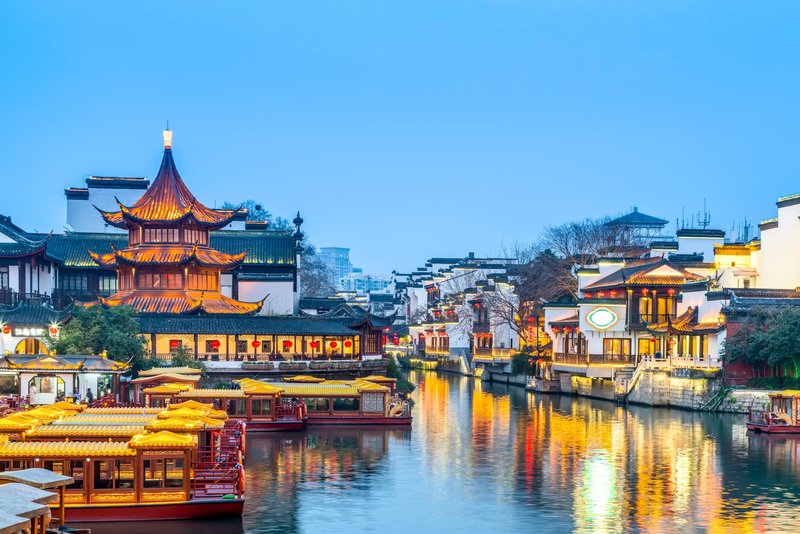
Visitors can participate in the traditional Confucian sacrificial rites held during spring and autumn equinoxes, experiencing the solemnity of ancient Chinese ritual culture. Nearby, the Confucius Temple Book Market hosts monthly events featuring rare manuscripts, hand-written couplets, and calligraphy artworks—perfect for culture enthusiasts. For a more immersive experience, join a Qinhuai River night boat tour, gliding past illuminated bridges while listening to traditional Nanyin melodies, evoking the poetic ambiance of the Six Dynasties era. These activities seamlessly blend history, art, and living tradition, offering deep insight into Nanjing’s legacy as a historic capital.
Yes, the Confucius Temple Qinhuai Scenic Belt is perfect for families, combining historic sites, folk performances, and interactive exhibits. Children can explore intangible cultural heritage workshops—learning paper-cutting, tie-dye, and calligraphy—while enjoying shadow puppet shows and face-changing acts. During festivals, the lantern market comes alive with traditional snacks like Mei Hua Gao and salted duck, plus kid-friendly rides. With clear signage, multilingual guides, and safe pathways, it’s an ideal destination for parents and children to experience Nanjing’s rich heritage and vibrant street life together.
Visit between 7:00 and 9:00 AM for fewer crowds and soft morning light, ideal for capturing architectural details and surrounding ancient trees. Spring and autumn offer comfortable weather and enhanced visual appeal. During major festivals like Mid-Autumn or Dragon Boat Festival, themed lantern displays and cultural performances add vibrancy—but expect larger crowds. Avoid peak afternoon hours due to harsh sunlight and long queues. Arriving early ensures a peaceful atmosphere and optimal photo opportunities.
Must-try dishes include chicken broth xiaolongbao—delicate, juicy dumplings with rich savory soup—available at roadside stalls in the Confucius Temple area. Pair them with beef soup, slowly simmered for hours, tender and aromatic, best enjoyed with a fresh baked pancake. Don’t miss osmanthus sugar yam porridge, a sweet, fragrant dessert made with local yams and osmanthus flowers. All are prepared using time-honored recipes, many served by vendors with over 30 years of tradition. Enjoy these flavors along the Qinhuai River promenade in the evening, blending culinary delight with the city’s historic charm.
Recommended is Jinling Hotel, a five-star property located just 1.5 km from Lingxing Gate, offering elegant rooms with views of Xuanwu Lake. The hotel provides complimentary shuttle services to major attractions and features an elevated rooftop bar ideal for panoramic views of Nanjing’s skyline at night, paired with local cuisine.
Another excellent option is Nanjing International Convention Center Hotel, situated within walking distance (10 minutes) of Lingxing Gate and close to Confucius Temple and the Qinhuai River. Inspired by Ming and Qing architectural styles, the hotel boasts a serene courtyard garden perfect for travelers seeking cultural immersion. Nearby, visitors can explore traditional crafts shops and tea houses, enriching their experience of Nanjing’s historical heritage.
From Lingxing Gate, take Line 2 Metro or Bus No. 8 to quickly reach popular sites like Confucius Temple, Zhan Yuan Garden, and Xuanwu Lake. Line 1 stops at "San Shan Jie Station," just a 5-minute walk from Confucius Temple, while "Ming Palace Station" is near Zhan Yuan, reachable in about 15 minutes.
For a leisurely exploration, rent an e-bike from nearby docking stations—ideal for cruising along the Qinhuai River, where illuminated ancient-style boats and lantern-lit bridges create a magical atmosphere. For a more immersive experience, book a traditional rickshaw tour guided by locals who share stories of Nanjing’s Six Dynasties era and Ming Dynasty history. Some platforms also offer wheelchair-accessible tour vans, ensuring inclusive travel for seniors and guests with mobility needs.
Near Lingxing Gate, visitors can join intangible cultural heritage workshops such as paper cutting, seal carving, and Suzhou embroidery, held daily at the Intangible Cultural Heritage Center near Confucius Temple (bookings required). Don’t miss the weekly Qinhuai Lantern Festival performance on Saturdays, featuring dragon dances, lantern processions, and traditional folk opera under glowing lights.
A standout experience is the Imperial Examination Simulation, where guests dress in scholar robes and take a mock civil service exam in a historically recreated examination hall, learning about Ming Dynasty talent selection systems. Some boutique guesthouses also offer morning calligraphy classes, taught by master artisans using Wang Xizhi-style scripts, accompanied by tea tasting—perfect for immersing in classical Chinese aesthetics and philosophy.
Explore more amazing destinations