Pilgrimage Cave (Pilgrimage Cave) isn’t just a cave—it’s a journey through time. Step into the cool, echoing darkness, where centuries-old stalactites drip with history. The gentle sound of water echoes around you, and every twist reveals nature’s artistry carved over millennia. It’s eerie, beautiful, and utterly unforgettable—like stepping into another world!
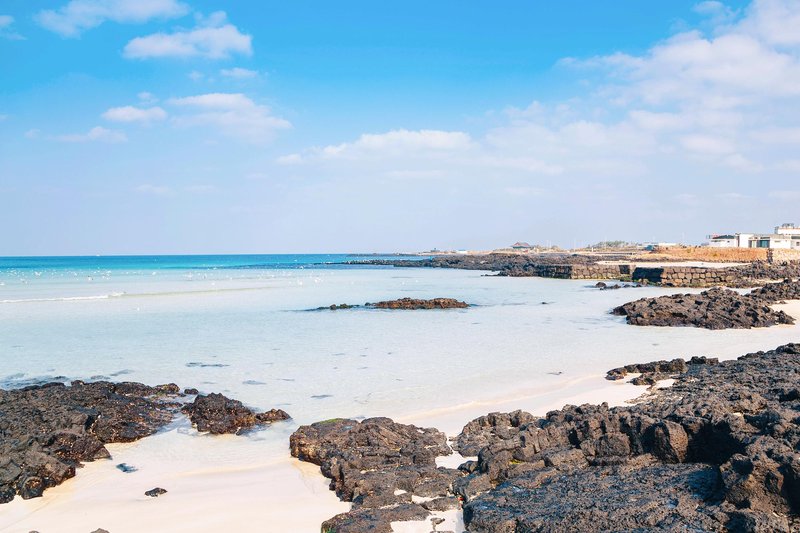


Everything you need to know about Manjanggul Cave
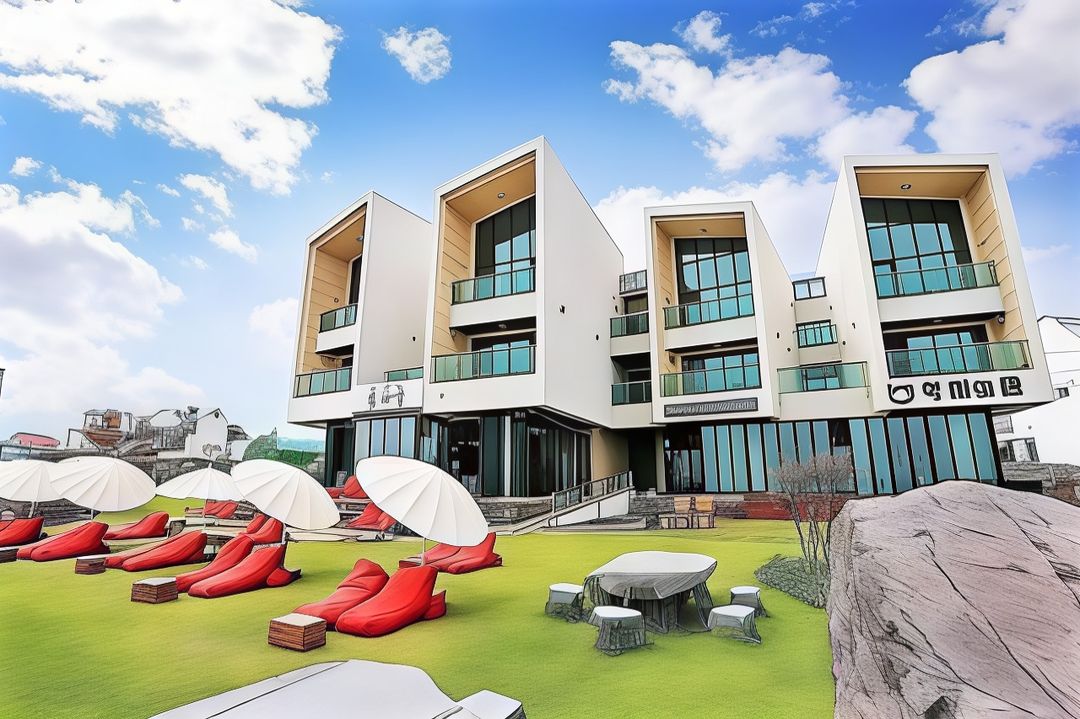
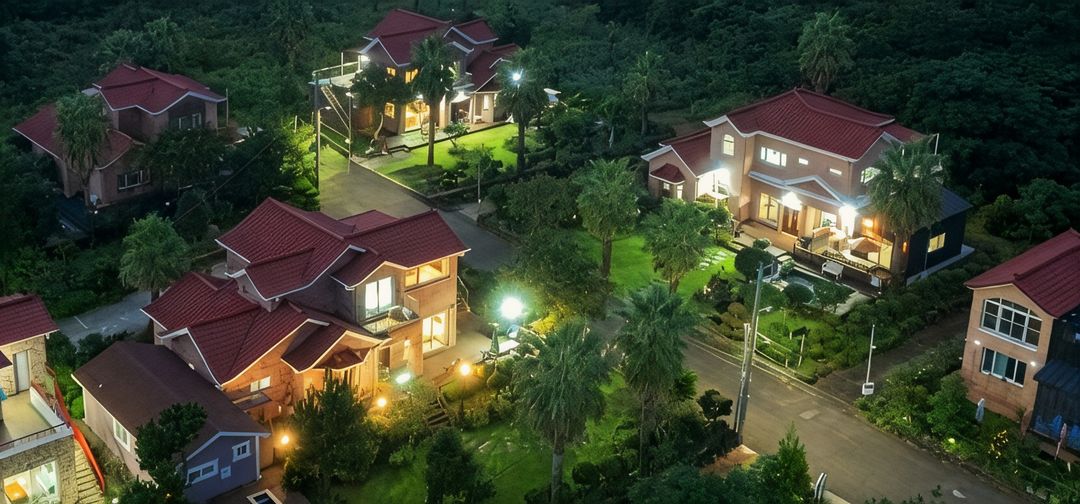
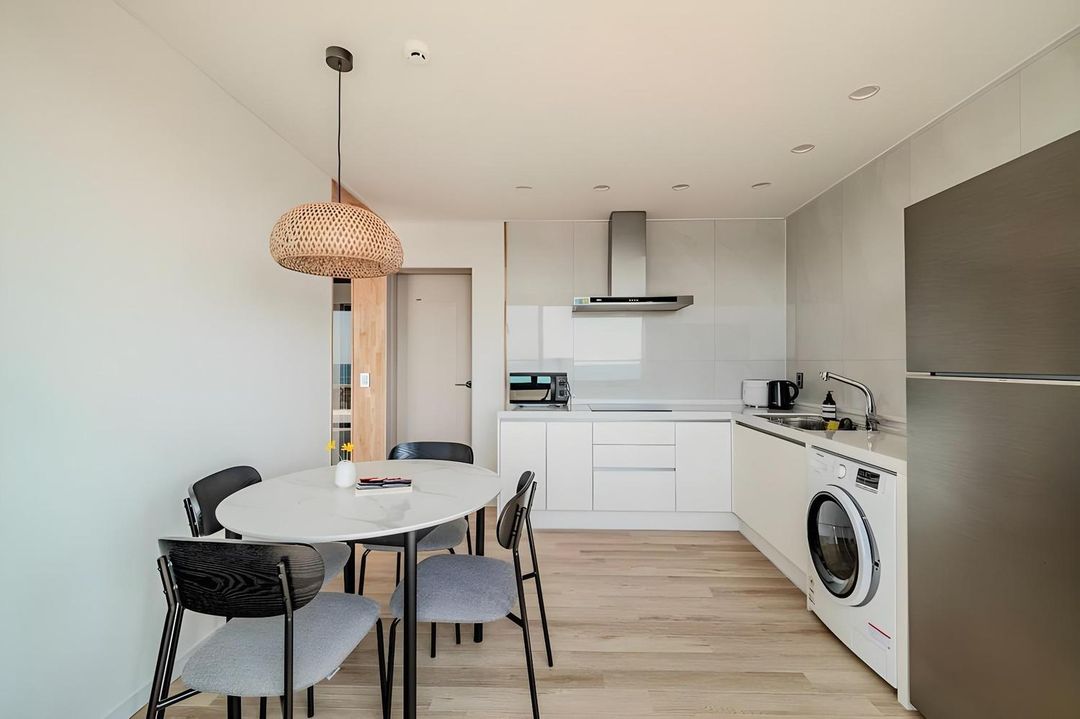
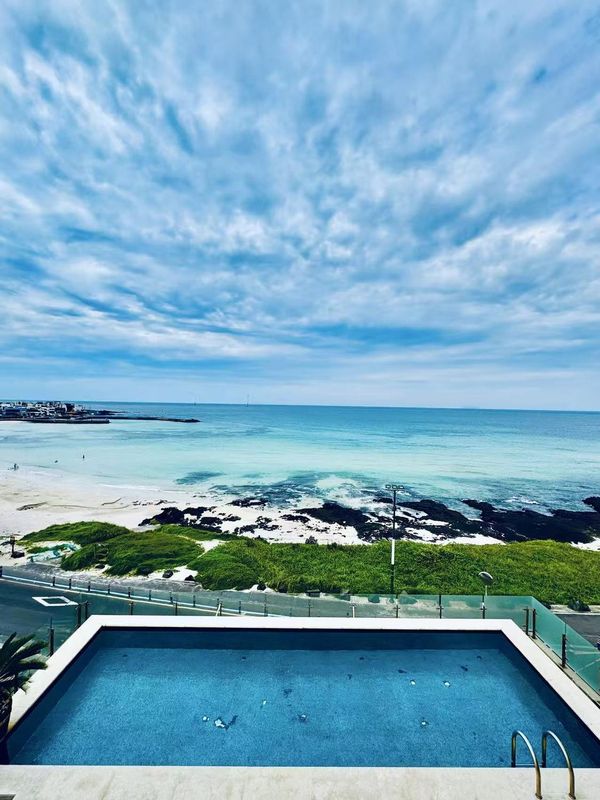
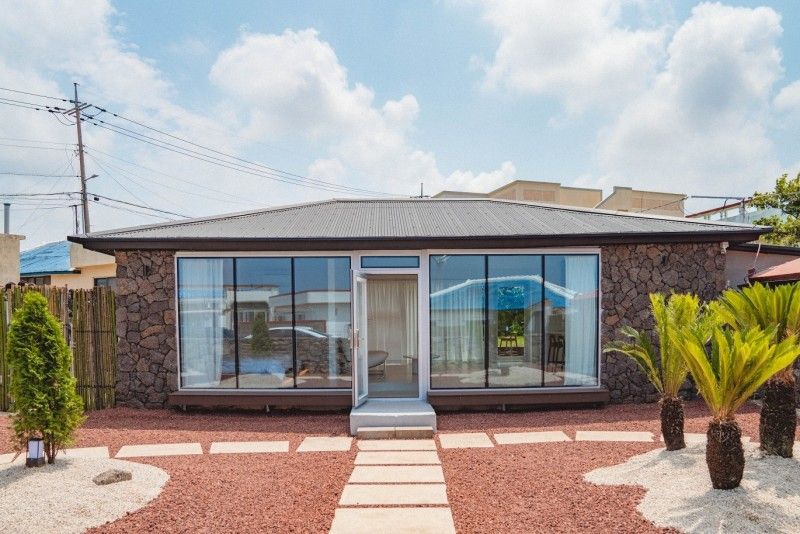
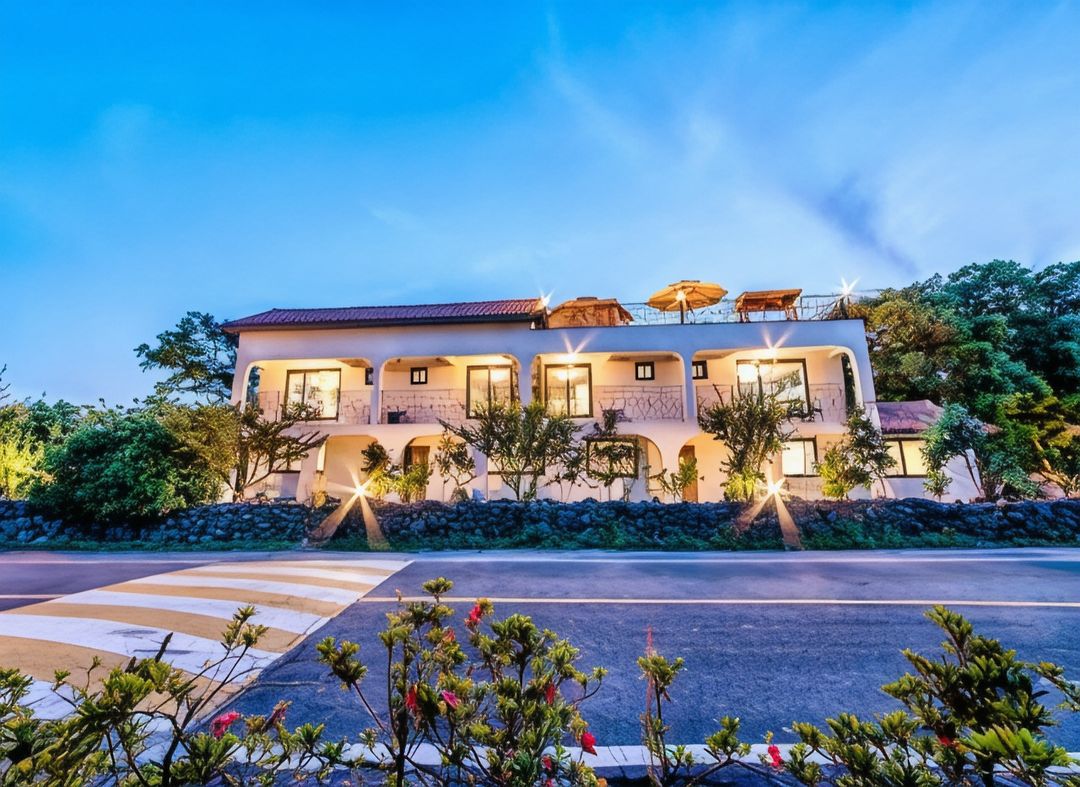
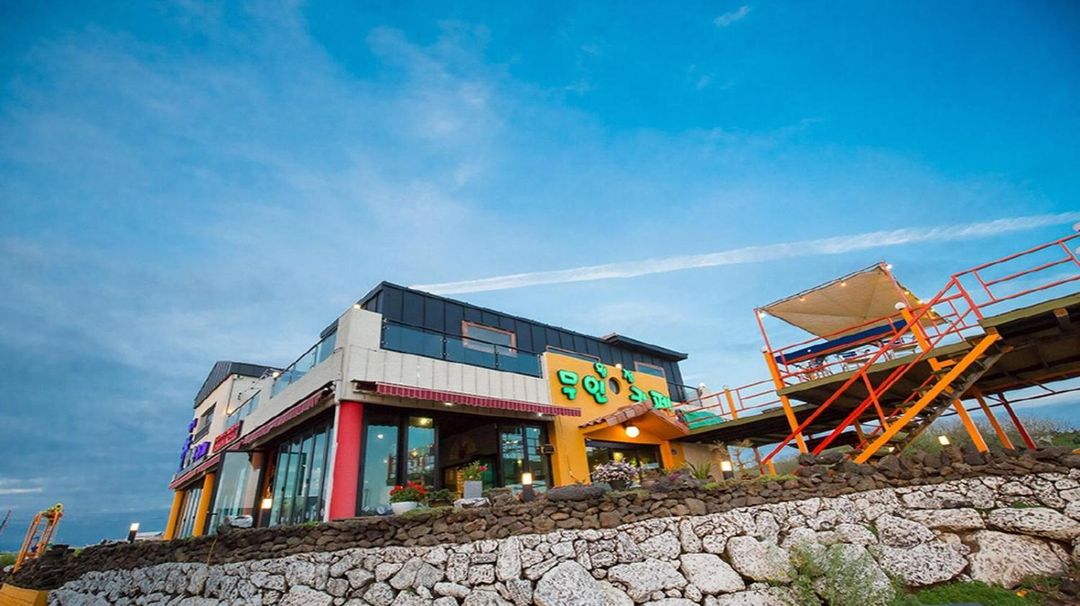
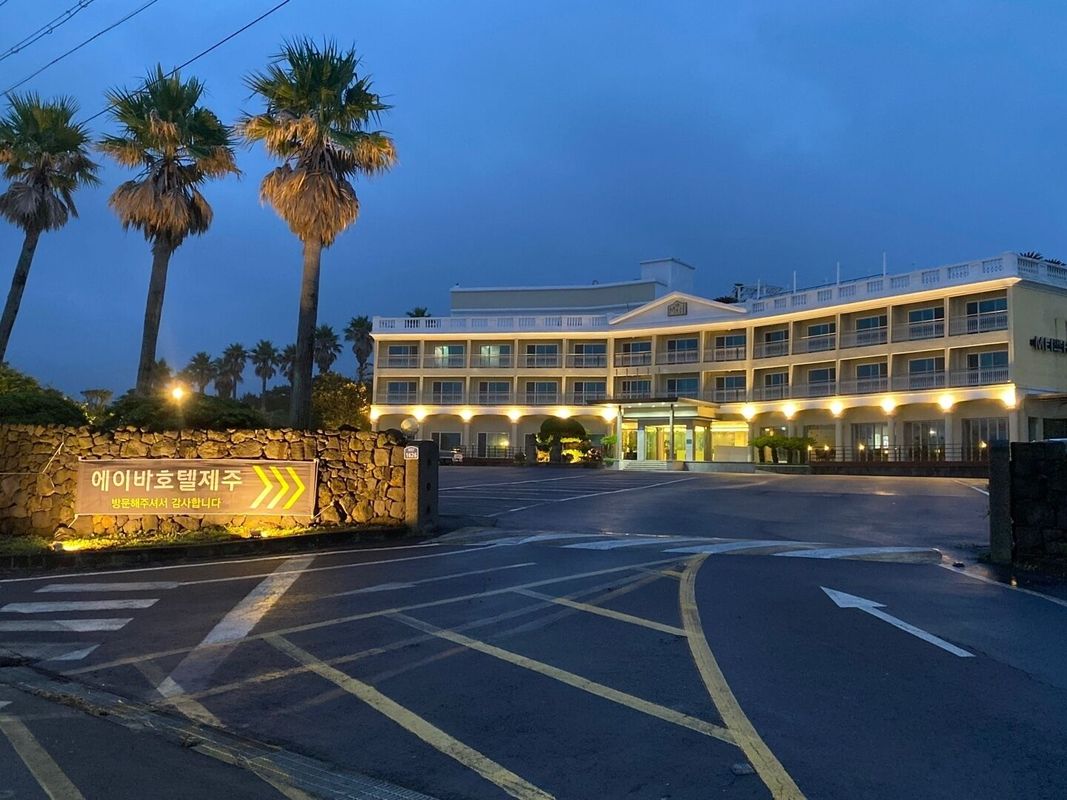
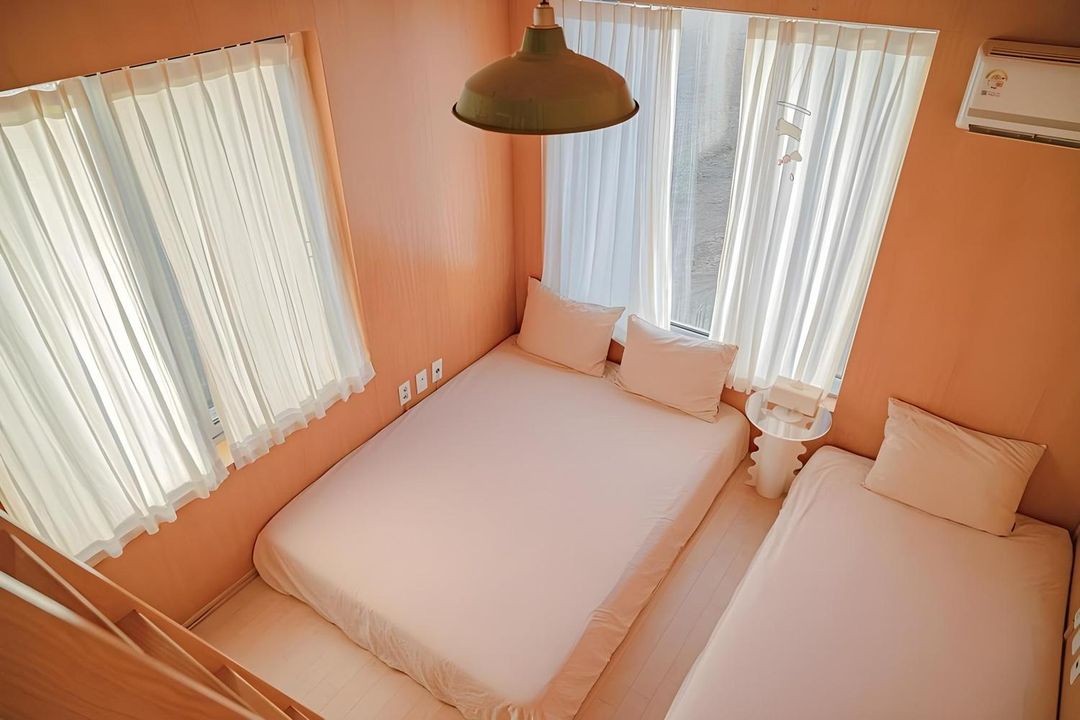
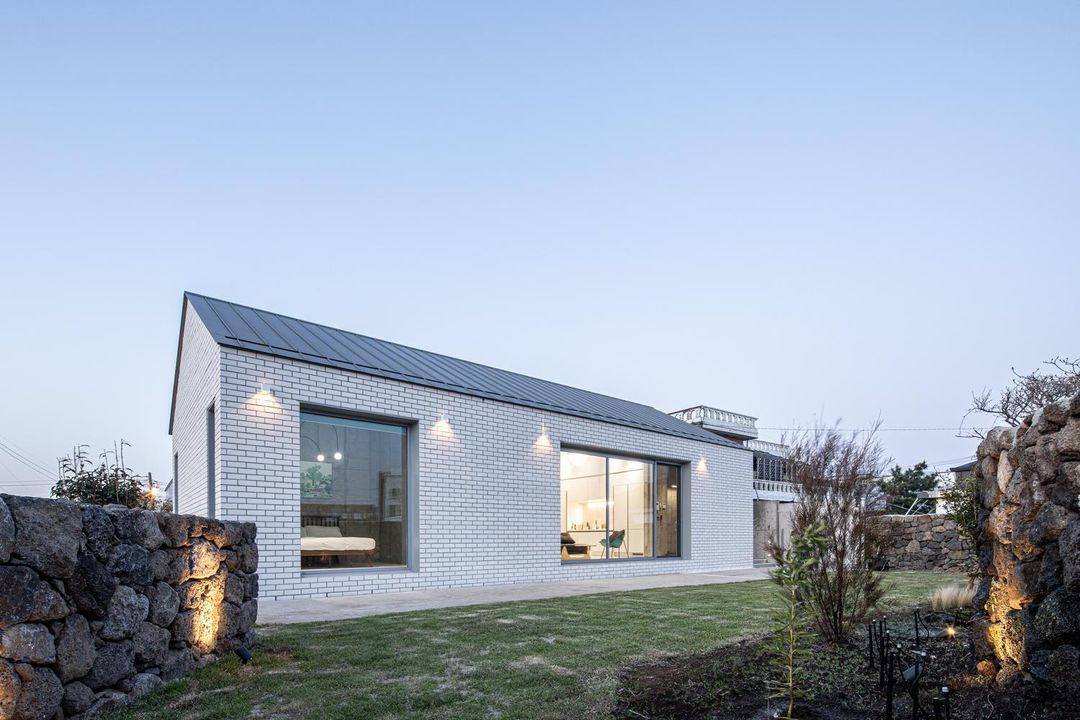
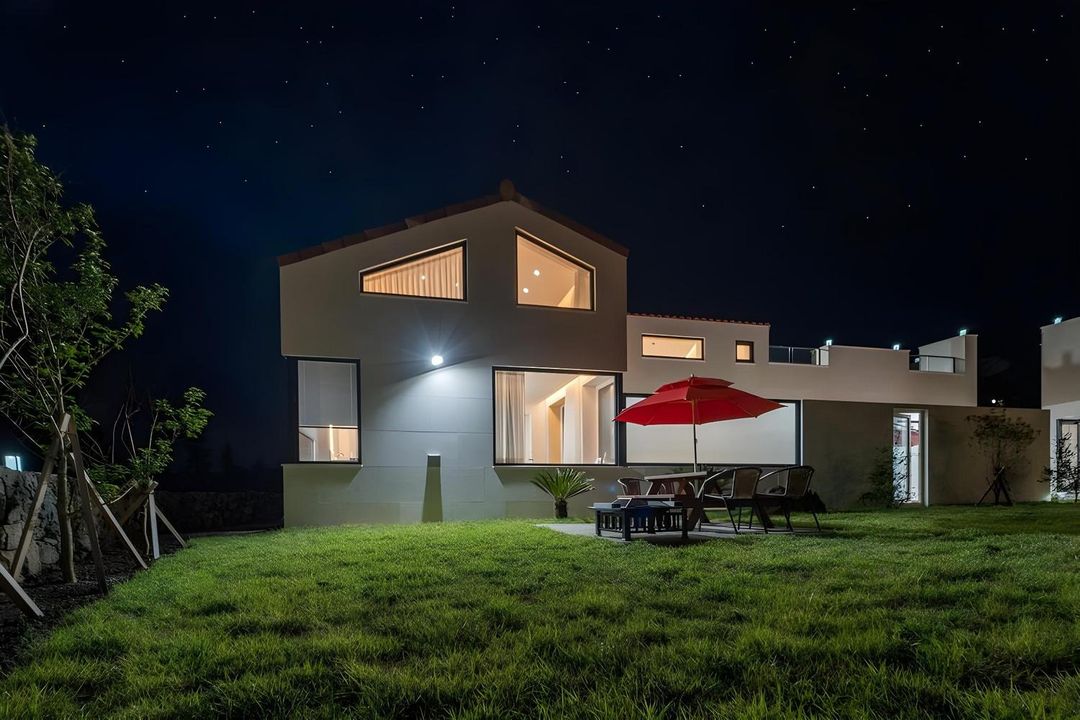
Stay at Jeju East Coast Resort, just a 15-minute drive from Paljimak Cave. The resort offers sea-view rooms and a private beach, perfect for sunrise hikes to the cave or evening Korean traditional bonfire gatherings. On-site guides lead tours through the cave’s stalactite formations and prehistoric rock paintings, offering immersive cultural experiences.
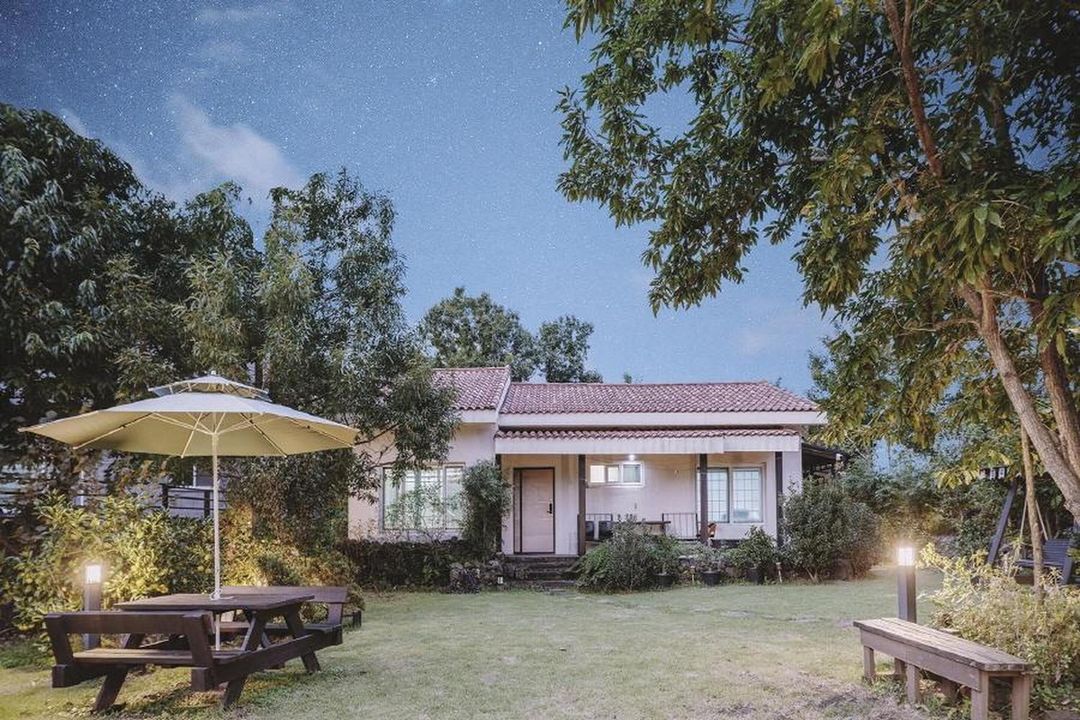
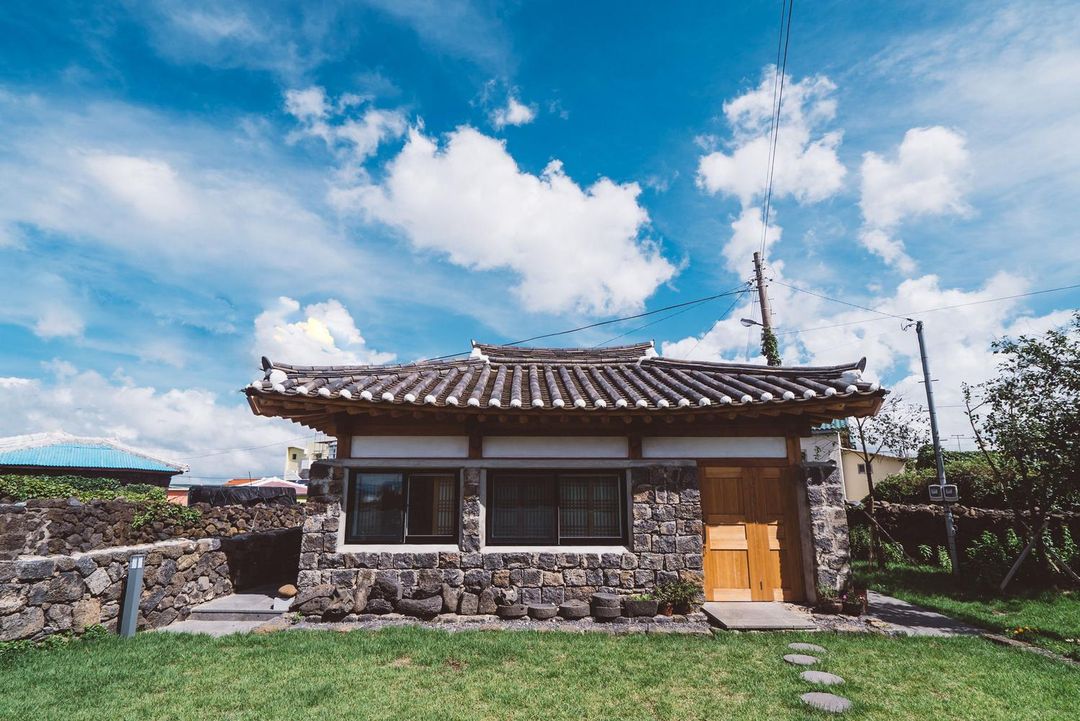
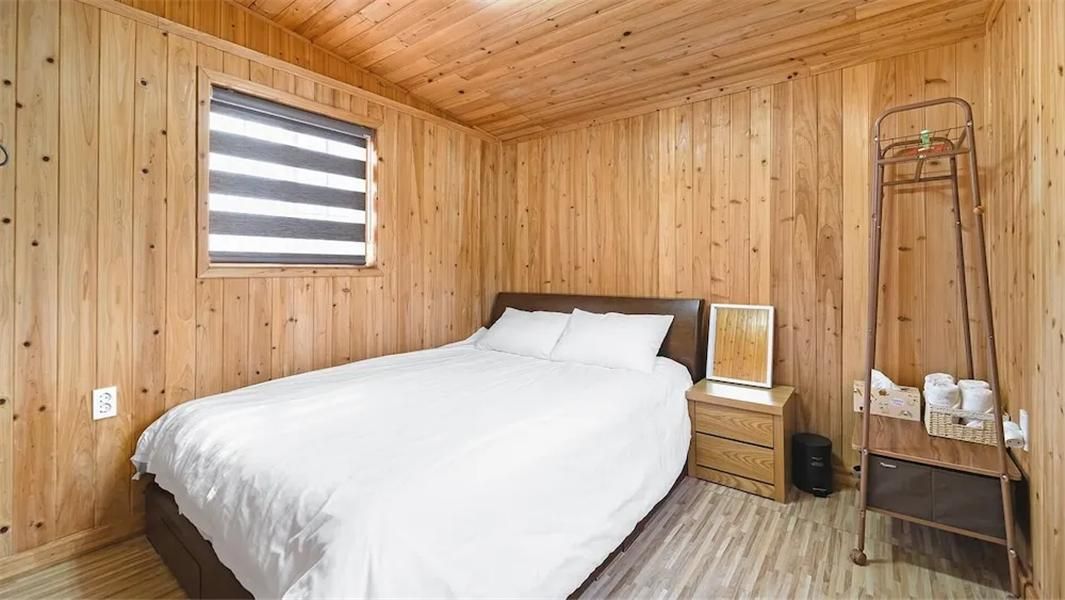
Alternatively, choose Dragon Head Mountain Eco-Lodge, nestled in the nearby hills with wooden eco-homes and star-gazing rooms free from light pollution. Nearby attractions include Jeju black pork restaurants and handmade pottery workshops, enriching your stay with local flavors and crafts.
Travel from Jeju City via Bus Line 201 or rent an electric scooter—both take about 30 minutes to reach Paljimak Cave. Disembark at the Dongrung Mountain Entrance Stop, then walk 5 minutes to the site. If driving, use GPS with the search term "Paljimak Cave"; clear signage guides you along the way. The cave features a free parking lot, accessible ramps, and multilingual audio guides, making it welcoming for families and seniors. Weekend guided tours often include round-trip transport and expert commentary, enhancing convenience and insight.
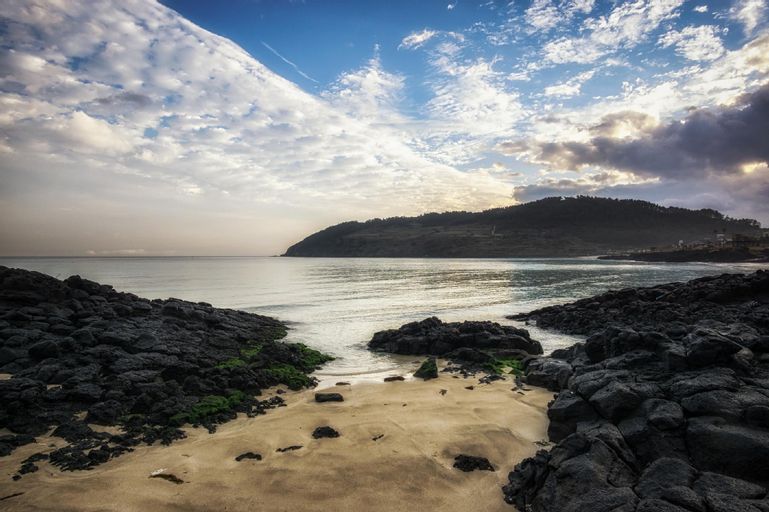
Paljimak Cave boasts massive stalagmite clusters and a natural domed ceiling, creating a cathedral-like atmosphere. High humidity and crisp air amplify the echo of dripping water, adding to its mystical ambiance. Outside the entrance, volcanic rock steps lead to a cliffside overlook offering panoramic views of the Pacific Ocean and distant Black Rock Island. In spring, wild purple violets bloom near the entrance, painting the landscape in color. Inside, Neolithic human artifacts—including tools and rock paintings—reveal ancient habitation, underscoring the site’s significant archaeological value.
Nearby, the Jeju Traditional Craft Pavilion offers hands-on sessions in Jeju pottery, bamboo basket weaving, and ancient Korean dyeing techniques. Every Saturday features a nighttime light show using projections and storytelling to bring the cave’s legends to life. Local farms also host Black Pig Feast Experiences, where visitors participate in slaughtering, cooking, and tasting authentic Jeju black pork dishes, deepening cultural immersion. Some guesthouses even provide morning tai chi classes and beach meditation, blending wellness with nature.
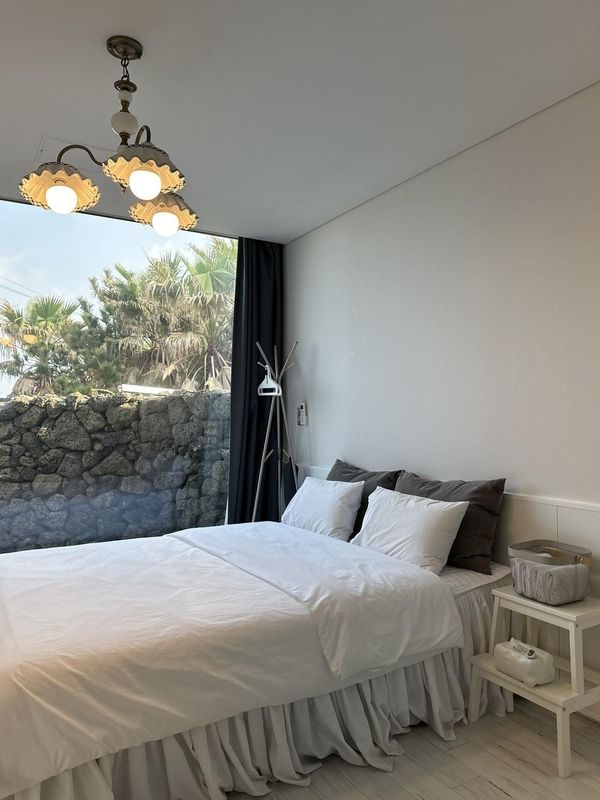
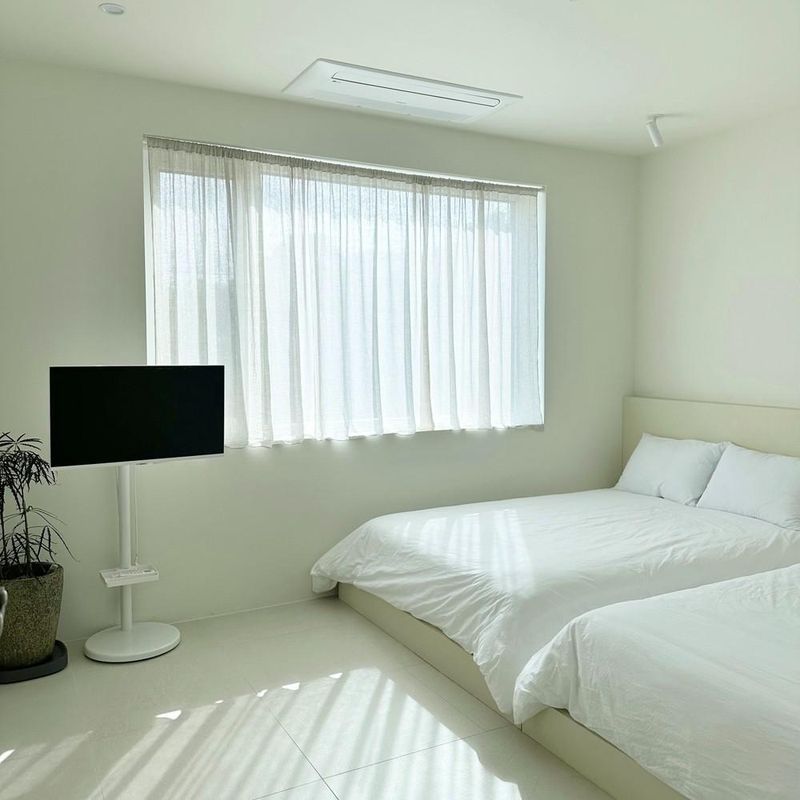
Jeju Seaside Resort is a top choice, just a 15-minute drive from Phoenix Cave, featuring a private beach and a volcanic rock infinity pool. Its rooms blend traditional Korean design with modern minimalism, offering panoramic views of Hallasan Mountain and the surrounding basalt cave formations.
Another unique option is Jeju Volcanic Cave Stay, located right next to the cave entrance. The guesthouse uses natural lava walls as interior features, creating an immersive underground experience. Both properties offer free shuttle services to the site and guided tours, ensuring seamless access to this geological wonder. All accommodations promote eco-tourism with renewable energy use and locally sourced ingredients, reflecting Jeju’s commitment to sustainable travel.
Most nearby hotels, including Jeju Seaside Resort and Jeju Volcanic Cave Stay, provide complimentary shuttle services with scheduled departures to the cave entrance—journey time is about 10 minutes. For those preferring self-driving, renting an electric car is ideal; roads are well-maintained with clear signage, taking only 8–12 minutes to reach the site.
Alternatively, public buses (routes 701 and 703) stop directly at "Phoenix Cave Station," with a 25-minute ride from downtown Jeju City and a fare of just KRW 2,500. Eco-conscious travelers may also opt for a scenic 1.8-kilometer hike along the Eastern Green Trail, passing volcanic rock formations and native flora, making it a rewarding walk through natural history.
Don’t miss the Night Glow Exploration Tour, where guides illuminate the cavern with natural bioluminescent lights, revealing intricate mineral crystals and stalactite formations that resemble a starry galaxy.
The Volcanic Rock Carving Workshop is another highlight—learn from local artisans how to craft small souvenirs using authentic basalt stone from Jeju’s volcanic terrain, blending traditional craftsmanship with geological insight.
For cultural immersion, join the Jeju Oral History Night, where elders share legends of the "Cave of Gods" through storytelling enhanced by light projections and live music, creating a deeply engaging narrative experience. All activities follow strict ecological guidelines to preserve the site’s natural integrity.
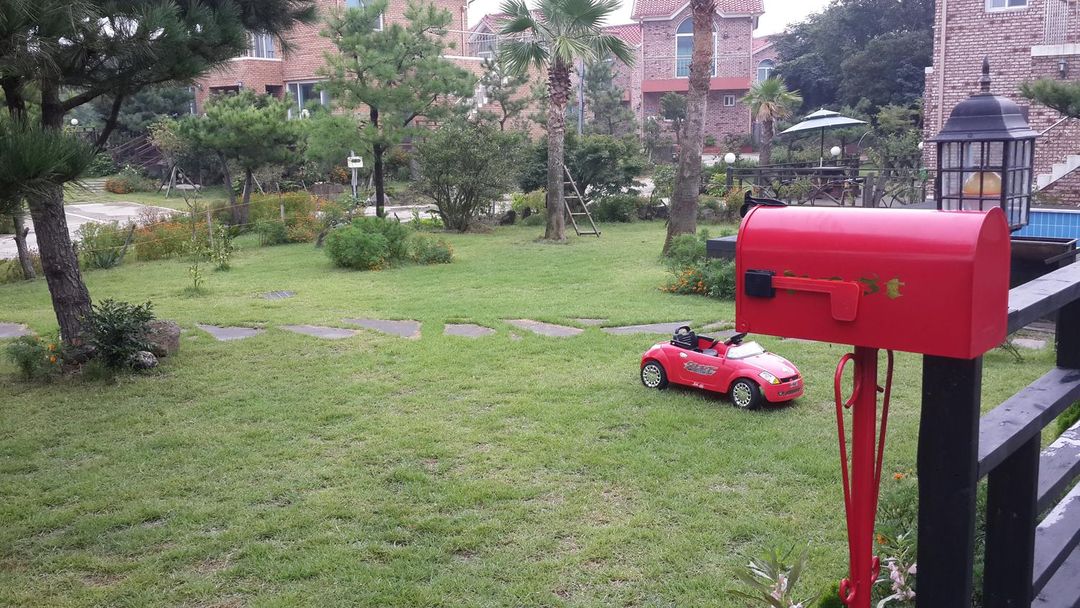
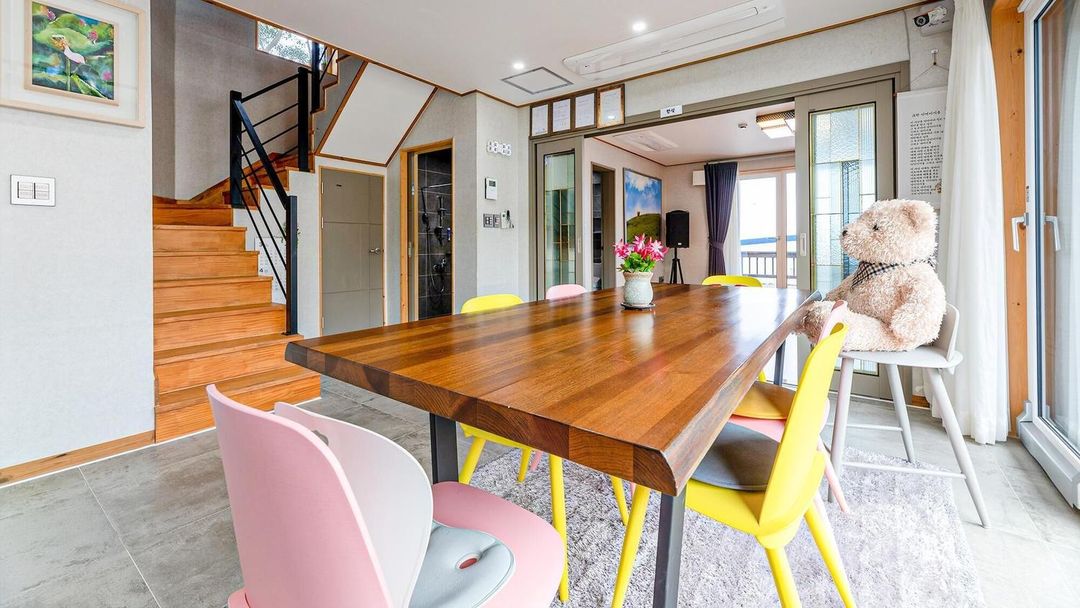
Jeju Family Fun Resort is perfect for families, offering a kids’ playroom, outdoor sandpit, and family camping zone, plus spacious family suites with baby cots and non-slip flooring. The resort hosts regular cave story hours and volcano science experiments, turning learning into playful discovery.
Another great option is Happy House Family Guesthouse, run by welcoming hosts who provide free children’s clothing and handmade toys. They organize treasure hunt maps to guide kids through nearby trails and natural landscapes. All facilities meet South Korea’s family safety standards, and the property promotes zero-plastic living, encouraging parents and children to participate in eco-friendly practices together—creating lasting, meaningful memories.
Phoenix Cave is open daily from 9:00 AM to 6:00 PM (last entry at 5:00 PM), closed on Mondays (except public holidays).
Ticket prices are KRW 45,000 for adults, KRW 35,000 for students and seniors, and KRW 20,000 for children aged 6–12. Holders of the Jeju Island Pass receive a 50% discount.
It’s recommended to book tickets online in advance to avoid long lines during peak seasons. The site features wheelchair-accessible pathways and audio guide devices for diverse visitors. Guests must wear provided non-slip footwear upon entry—free of charge—to ensure safety and protect the cave’s ecosystem.
Explore more amazing destinations